Commissions

No to the Puente Piedra toll

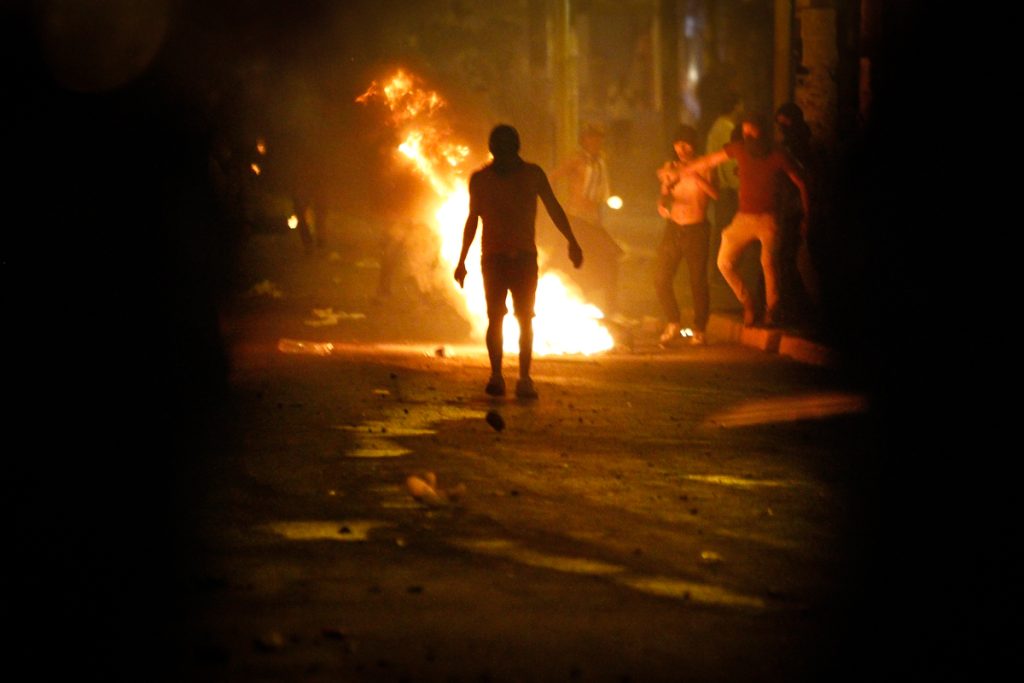
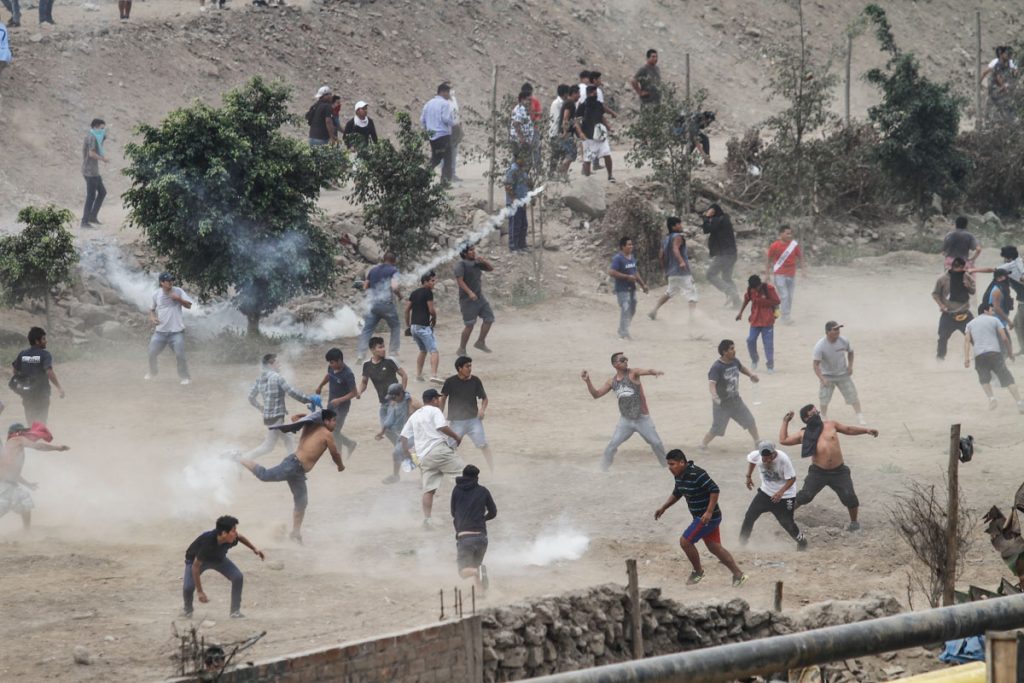
NO TO THE ABUSE OF EXCESSIVE TOLL CHARGES. In 2017, there was strong public opposition to the establishment of a new tollbooth in Puente Piedra. The residents of North Lima protested, blocking the Pan-American Highway North with tires and concrete blocks. The installation of the new tollbooth by the concessionaire Rutas de Lima, running south to north, was arbitrary and unexpected. This improper action sparked social unrest in the northern districts of Lima. In the early morning hours, hundreds of citizens marched toward the new tollbooth. Large-scale clashes broke out on both sides. Protesters burned the tollbooth’s notice boards. Numerous injuries and arrests were reported among both citizens and police officers. Several passengers on public buses were affected, and some were taken to the hospital. Finally, law enforcement officers regained control of the area. The Puente Piedra tollbooth situation became the subject of legal challenges and resolutions. Finally, a resolution ordered the suspension of toll collection, with the aim of guaranteeing freedom of transit and the construction of suitable alternative routes.

No to the Puente Piedra toll Read More »
Mother of God

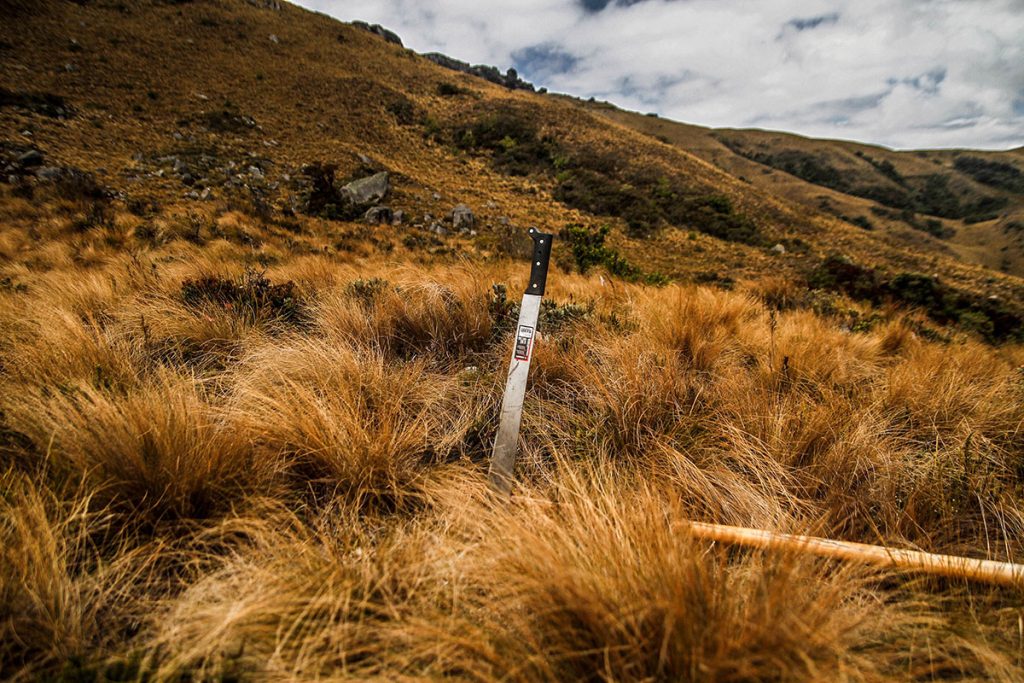
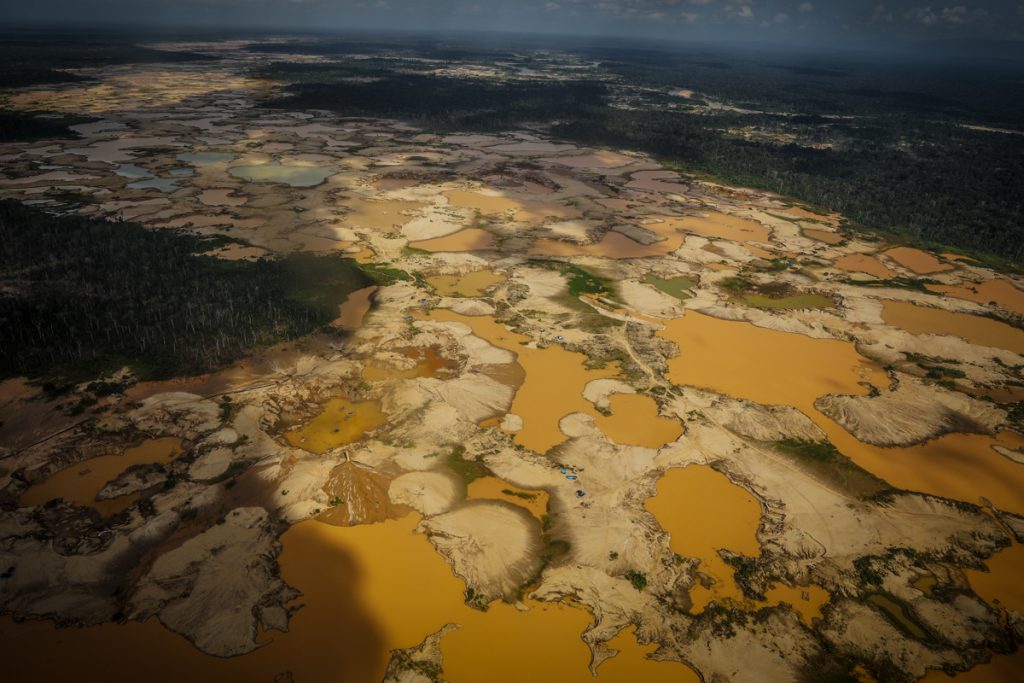
Mother of God, her light doesn’t reach all of her territory. In this part of eastern Peru, human trafficking and the disappearance of minors are a path of no return. The poverty rate in almost the entire department is a vicious cycle. And the extraction of gold from the earth for a few grains is man’s ambition. Kilometer 107 of the Interoceanic Highway is the midpoint of a hell on earth. Here, prostitution is practiced for the illegal miners. At every point, there’s a line of girls, no older than 25… they are women, forced into prostitution. This act is accompanied by the thousands of hectares of land ravaged by illegal mining. This infernal place is the Pampa. The area is a catastrophic environmental stain beyond repair. The extraction of gold from the earth has caused irreparable damage to the habitat. The police remove these illegal workers, but like a dormant virus, the illicit activity continues, with dredges (machines for extracting gold from the ground) draining the earth’s resources like an injection draining blood from a vein. Illegal mining, organized crime, and human trafficking seem endless. Yet, we continue to gaze upon the plain of destruction from a place that humankind itself has transformed into a hell.

Mother of God Read More »

Psychosocial confrontation in Huaycán

A rumor sparked mass panic in the Huaycan district. Hundreds of residents rioted outside the Huaycan police station (Ate-Vitarte) after a rumor circulated about an alleged organ trafficking and child kidnapping ring operating in the area. The confrontation began when two pollsters (municipal workers) were captured by residents. They were accused of being members of a child kidnapping ring. Police reacted quickly, rescuing the two municipal workers, who were about to be lynched by the residents. Evidence proved they did not belong to any kidnapping ring. However, the rumor of organ trafficking and kidnapping rings had already spread throughout the Huaycan district, generating widespread panic. Hundreds of people of all ages demanded justice outside the Huaycan police station. This sparked a major confrontation with law enforcement. Tear gas was used to disperse the crowds of residents who resisted the order to calm the situation. Popular anger spread even further that night. Stones and sticks rained down, and the police had to use crowd control measures. Nothing stopped the protesters: they burned a vehicle, numerous people were injured on both sides, one person died from a stray bullet, there was property damage, collective panic ensued, and hundreds of people, both young and old, were arrested. Hours later, the police regained control of the situation. A sense of calm was restored, although this psychosocial episode left a lasting trauma on the residents of this district on the east side of Lima. It is worth noting that collective panic is a social phenomenon in which a group of people experience psychological or physical symptoms without a biological cause, capable of generating conflicts with serious consequences for their lives.

Psychosocial confrontation in Huaycán Read More »

Heroes of Pagaibamba

A group of park rangers, mainly from northeastern Peru, are trying to control and minimize the large chains of smoke and fire that plague the areas of the Pagaibamba protection forest – a protected natural area but little known on the map – located in the district of Querocoto, province of Chota, in the department of Cajamarca.

Heroes of Pagaibamba Read More »

Barack Obama – APEC 2016

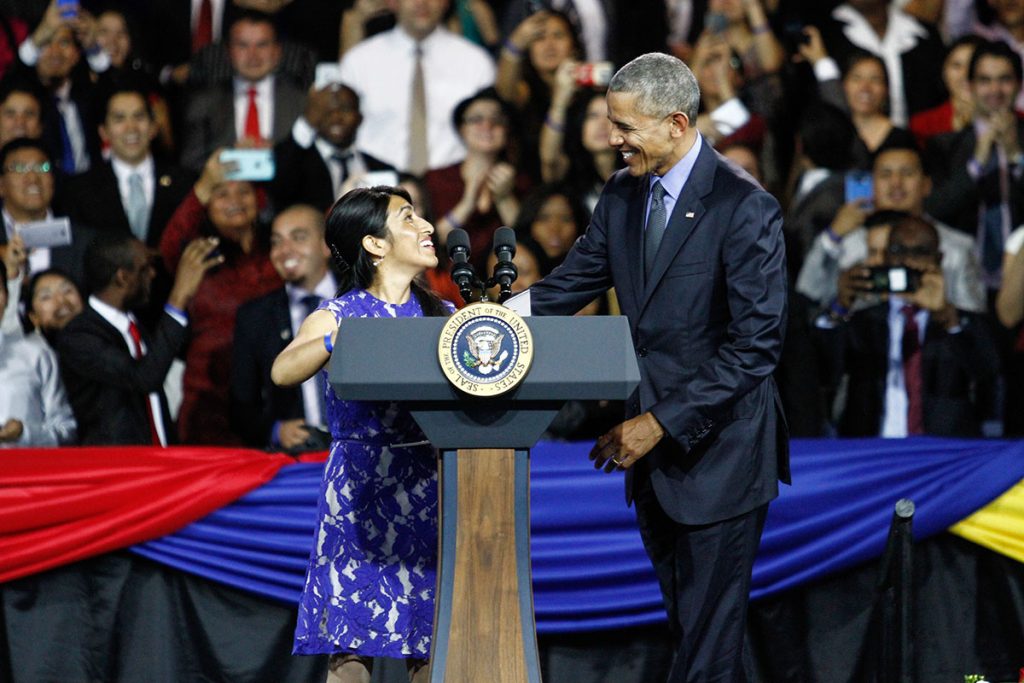
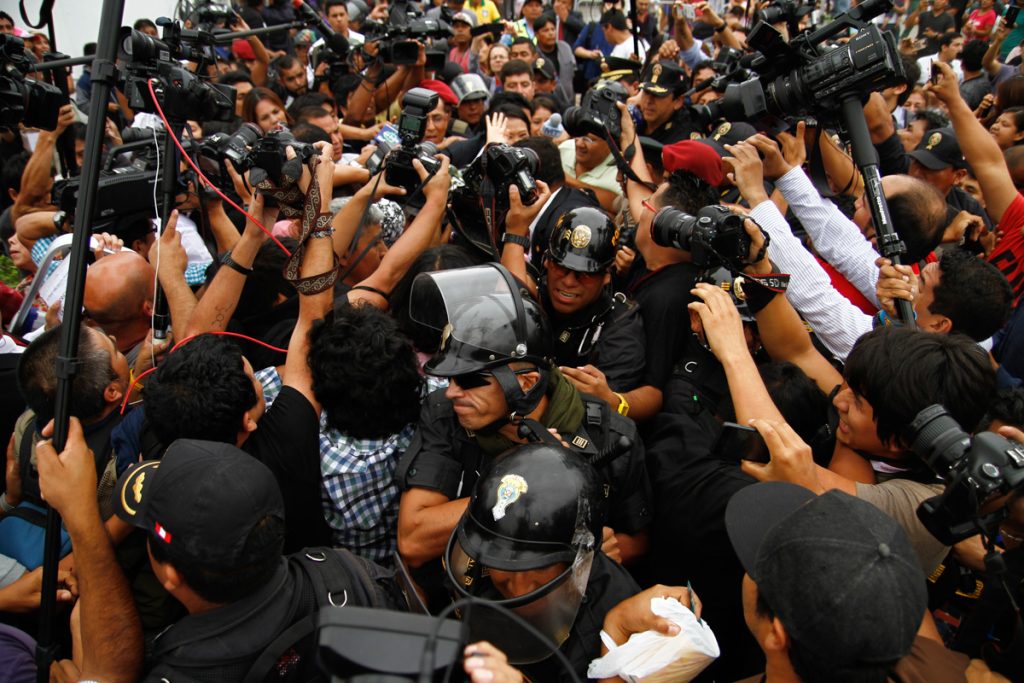
During the 2016 APEC summit, U.S. President Barack Obama visited Peru for the first time. Hundreds of young people, guests, and participants in the Young Leaders of the Americas Initiative program gathered at the sports complex of the Catholic University of Peru to see one of the world’s most important and popular leaders in person. “You are doing so much that I don’t know if I can give you the perfect advice, but I’ll tell you what I tell the young people who work at the White House: you must find something that truly matters to you, be direct in your goals, and help those most in need to build a better society together. Focus more on what you want to do than what you want to be,” Obama stated. The event lasted an hour and a half. Everyone, attentive with their cell phones in hand and taking selfies every minute, hung on Obama’s every word. This was his last trip to South America as President of the United States. Months later, Donald Trump would become the next U.S. president. Today, Barack Obama continues to give advice to thousands of young people in the United States, as well as around the world.

Barack Obama – APEC 2016 Read More »

Cantagallo: Chronology of a community in resistance

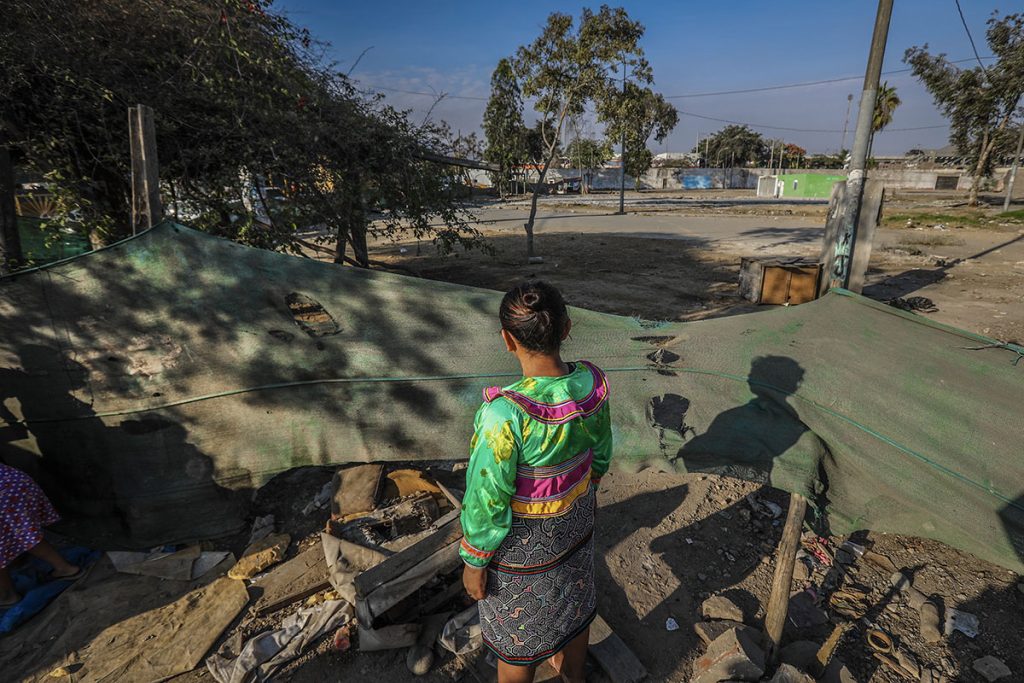
A tragic dawn for Cantagallo. The members of the Shipibo community of Cantagallo lost everything in a fire that was described as uncontrollable. The blaze consumed everything, leaving them utterly destitute. According to witnesses, it happened around midnight. A lit candle, forgotten in the market area, was likely the cause of the devastating fire. The flames spread through dozens of homes. The desperation and cries of the Shipibo community members were heartbreaking; they lost everything in a matter of minutes. At dawn, the scene was one of desolation, with bewildered families staring blankly at each other. It is estimated that the fire destroyed 280 houses, and some 480 families were left without the resources to relocate. In the following days, NGOs and social organizations donated food supplies, clothing, and tents to the affected families. The Shipibo community of Cantagallo slowly began to rebuild itself. They resettled in the same place where they arrived in the early 2000s, and it became a symbol of Amazonian culture in the city of Lima. Despite promises of reconstruction from the authorities, these proposals fell through. The efforts of the inhabitants of the Cantagallo community have been slow, and they have had to organize themselves meticulously to ensure a sustainable future for their descendants. After the tragedy, Cantagallo became a symbol of the resilience of Indigenous communities in the cities. They continue to fight to develop their territory and rebuild their culture alongside the concrete jungle of Lima.

Cantagallo: Chronology of a community in resistance Read More »

2016 Presidential Elections

The election brought with it a number of events, both anecdotal and scandalous. Julio Guzmán, who in the first months of the year had risen to second place in the polls, was the favorite to advance to the second round, but irregularities within his party led to the disqualification of his candidacy by the Lima Central Special Electoral Tribunal. César Acuña, owner of several universities, was also leading in the polls, but irregularities resulted in the disqualification of his candidacy as well. Meanwhile, Nano Guerra García, the candidate for National Solidarity, spent a fortune on advertising without favorable results, so he withdrew his presidential candidacy. Former president Alejandro Toledo traveled almost all of Peru to promote his proposals, but the allegations surrounding the Ecoteva case ultimately caused him to drop significantly in the polls. Two-time president Alan García, relying on his oratory skills, formed an alliance with the PPC to boost his poll numbers, but the strategy backfired, and he finished in fifth place in the election. Alfredo Barnechea, the representative of Popular Action and a disciple of Fernando Belaúnde Terry, managed to climb in the polls after the disqualifications of Guzmán and Acuña, but his attitude and some poor strategies ultimately failed to connect with the population, placing him fourth in the elections. Verónika Mendoza, of the Broad Front, after a hard-fought battle, secured third place, while Pedro Pablo Kuczynski (PPK), after some ups and downs, consolidated his second-place position, advancing to the runoff against the Popular Force candidate, Keiko Fujimori. Weeks later, after a fierce battle for votes, the National Office of Electoral Processes (ONPE) announced the results with 100% of the votes counted, declaring Pedro Pablo Kuczynski the clear winner with 50.12% of the vote, compared to 49.88% for Keiko Fujimori, who conceded defeat a few days later.

2016 Presidential Elections Read More »

Let’s take to the streets

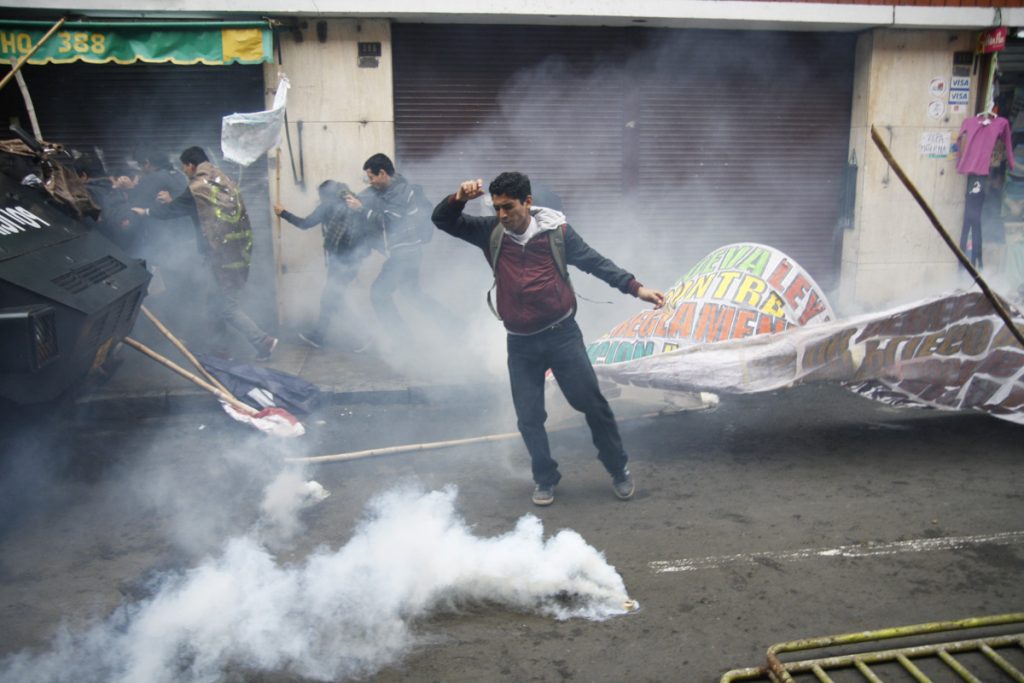
Everyone took to the streets to protest authoritarian abuses. In 2013, thousands of students and social groups marched peacefully to Abancay Avenue to protest the university law and the publication of the civil service law. However, this led to a confrontation with law enforcement. The students and other groups decided to enter the Congress building through the surrounding streets. This sparked a violent clash with the police. Tear gas and the use of police force resulted in several injuries, both to students and civilians. There were numerous arrests of university students. The CGTP (General Confederation of Peruvian Workers) workers’ movement gained strength during the marches that same year. Abancay Avenue became a battleground between law enforcement and social and student organizations. During June and July of 2013, the term “Repartija” (a political patronage system) came to light. This system involved Congress distributing positions in the Constitutional Court, the Ombudsman’s Office, and the Central Reserve Bank in the upcoming elections. This sparked widespread outrage among Peruvian citizens. Large marches were held, involving social groups, university students, politicians, and others. On July 27 and 28, 2013, massive demonstrations were organized against the Repartija. Tensions reached a fever pitch during those days. The protests resulted in significant property damage and numerous civilian arrests. Months later, Congress repealed the resolution.

Let’s take to the streets Read More »

Awakenings

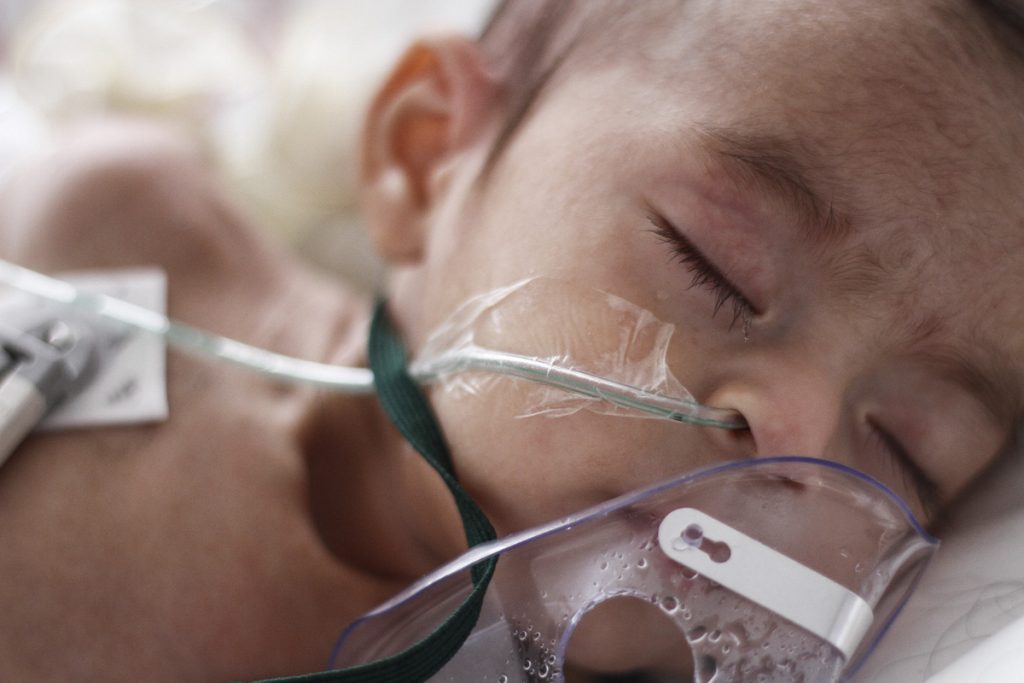
It is said that at birth, a baby’s subconscious begins to give life and takes different paths. Some go through a process of adaptation to human life with slow muscle movements, others are born with a malignant condition and remain under observation for a considerable time. And finally, there are the forgotten ones, those newborns abandoned to their fate, perhaps due to a physical malformation or simply left by their families, never to return. All of them are received at the Children’s Hospital of Lima, a place where every room holds a glimmer of hope. On average, they receive about 1,200 cases a month of children who arrive or are born with congenital conditions, such as deformities, infections, heart problems, or unwanted accidents. The gurneys line a corridor where the medical care is sometimes insufficient, and they are transferred to other facilities. Some spend their childhood on ventilators, where tubes and medications are part of their daily lives. It’s a harsh reality, but there are also compassionate souls who spend time with babies and children abandoned to their fate. They give them affection and love while the children, still unaware of the silent suffering within, are struggling to cope. Every room in the hospital tells a different story. The therapy room is filled with the motivation of helping a child walk again. Three doors down the left corridor is the burn unit, where a newborn with third-degree burns is cared for by his mother around the clock. In another area, across the food court, a newborn with respiratory problems is seen by his parents in a small incubator, awaiting the final diagnosis from the attending physician. And so it goes, with each patient’s medical history.

Awakenings Read More »