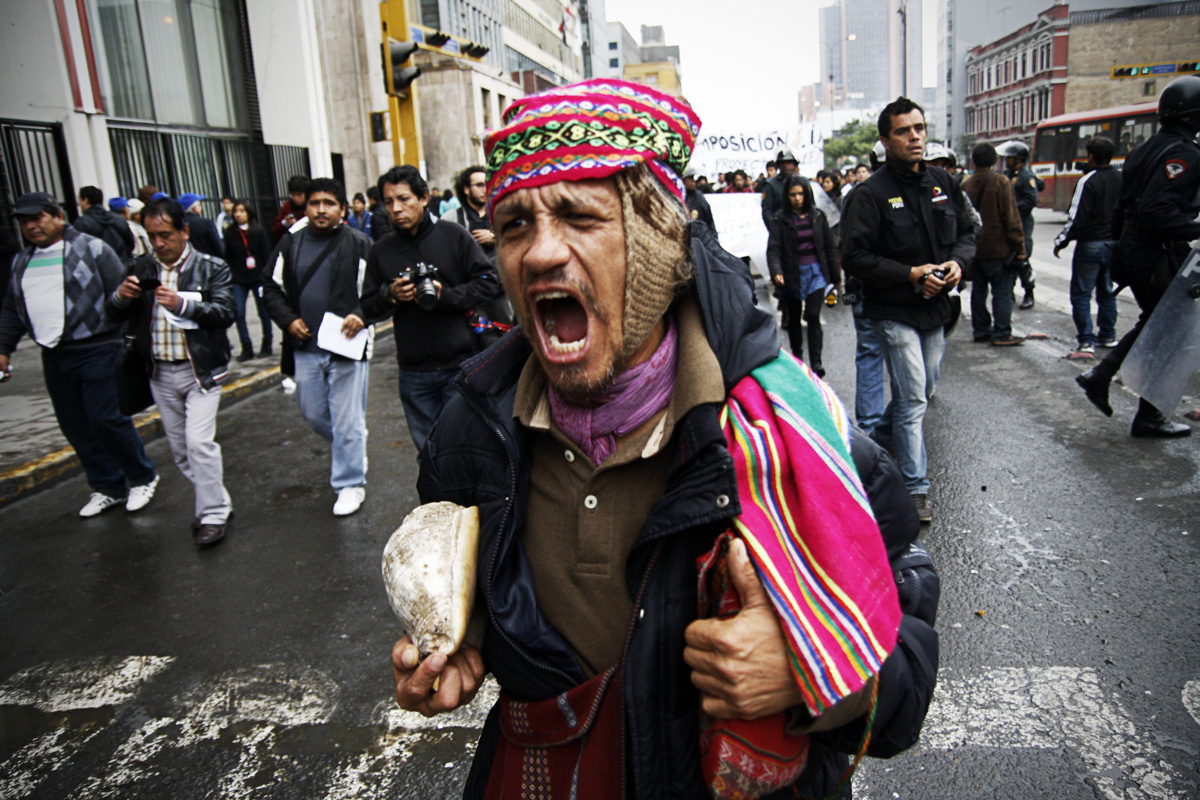
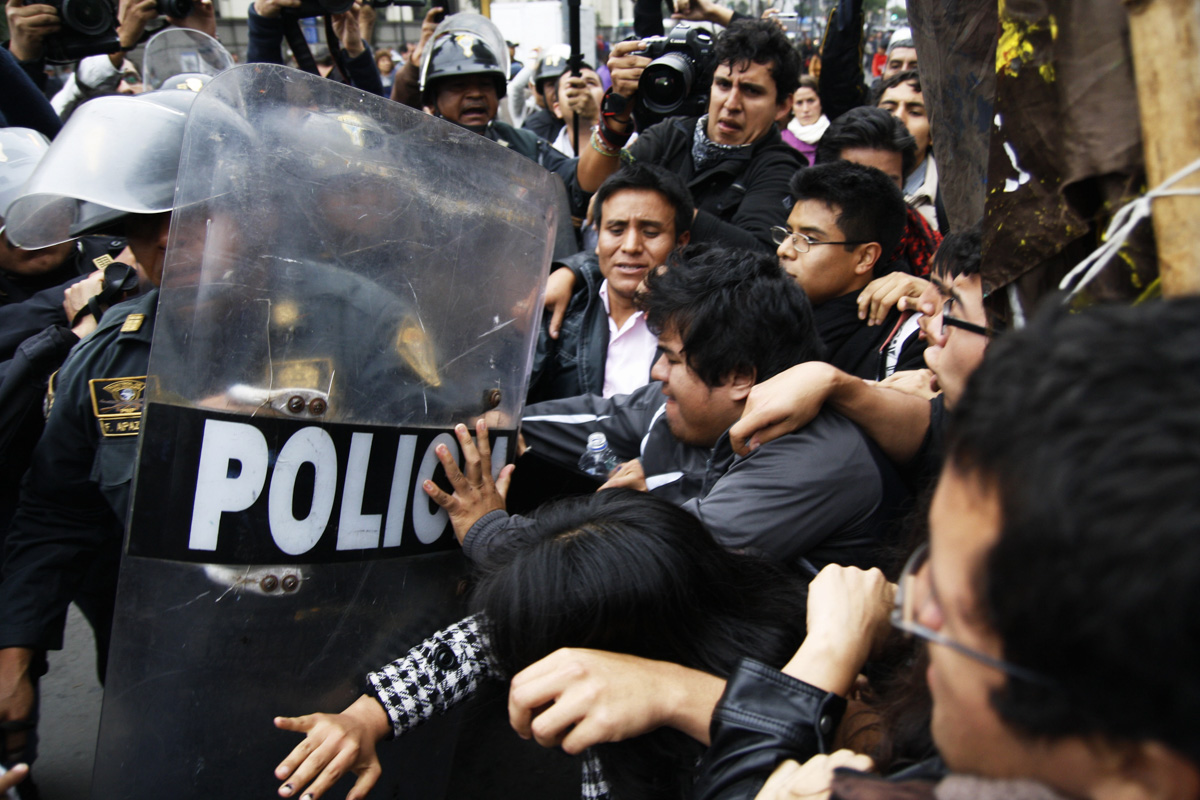
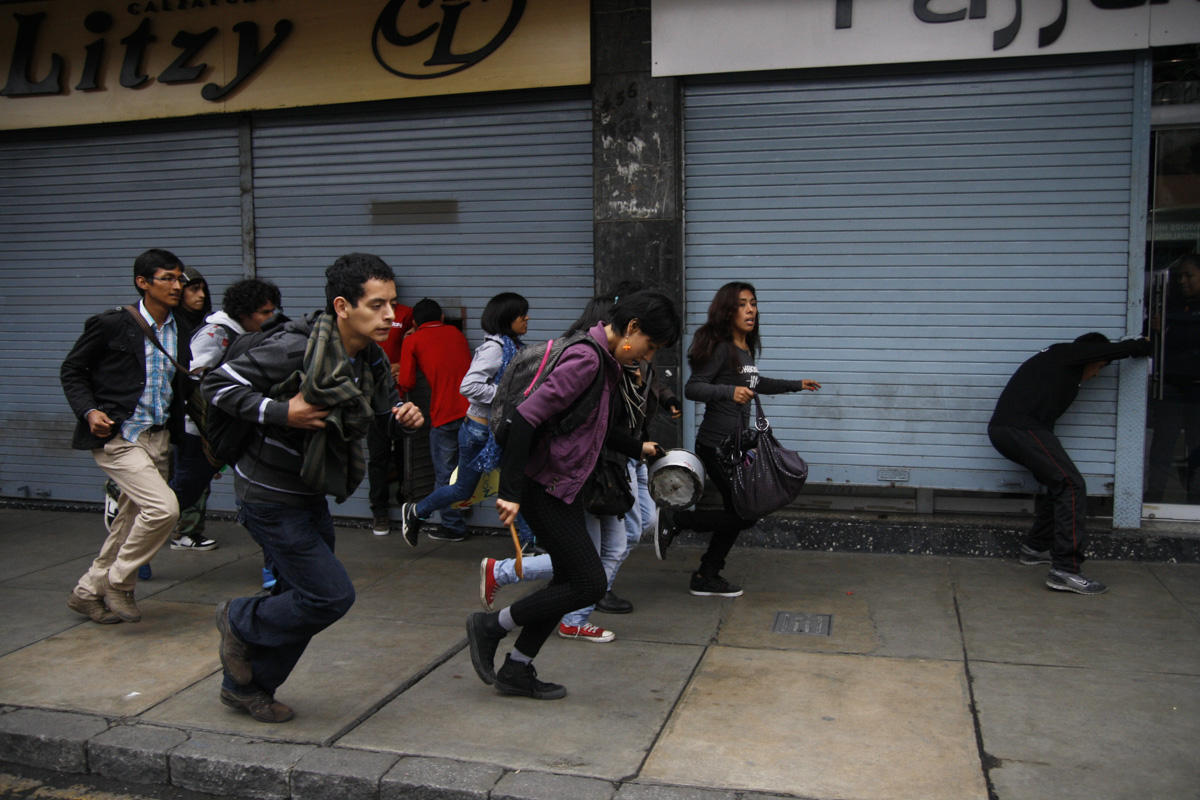
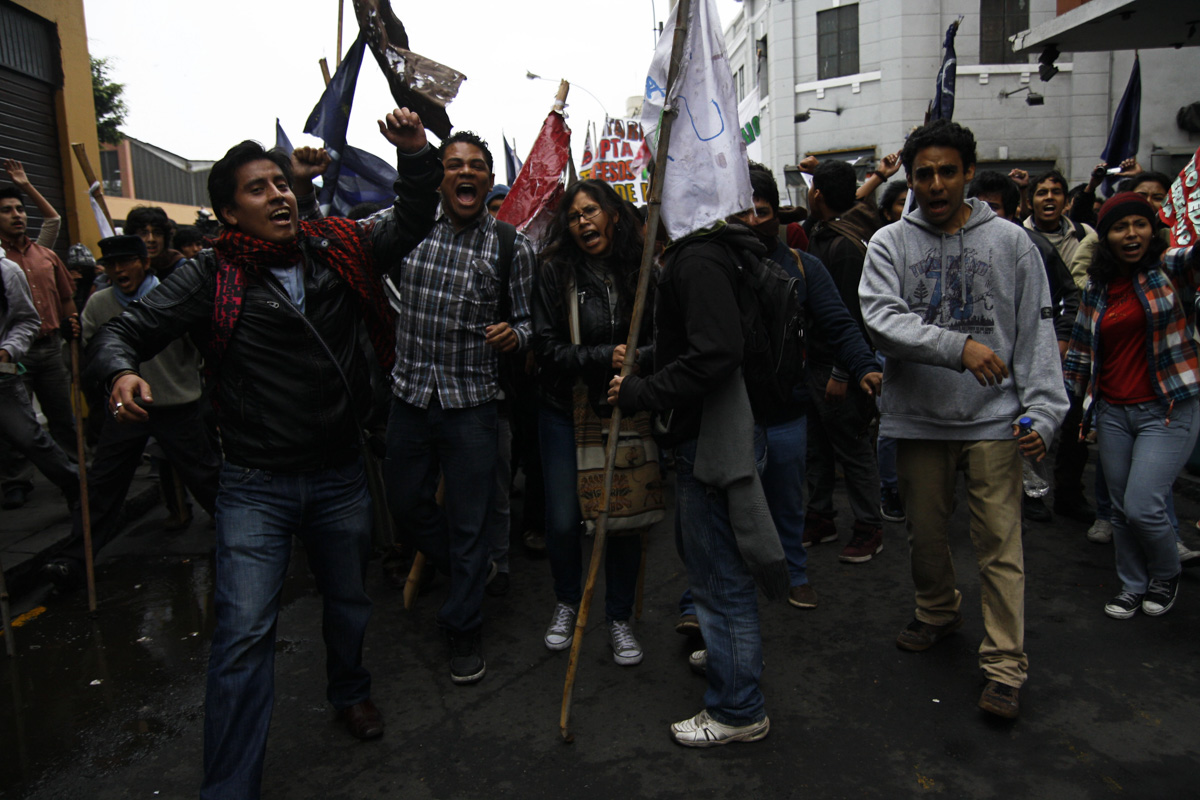
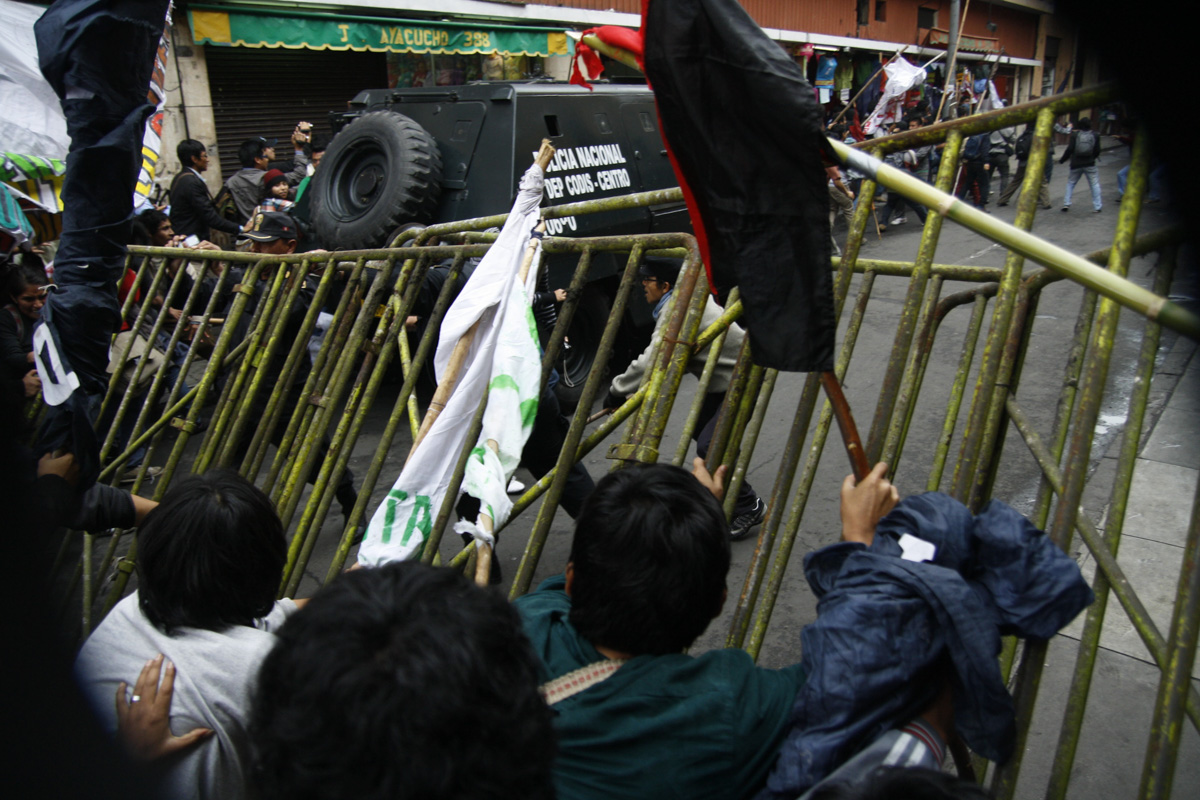
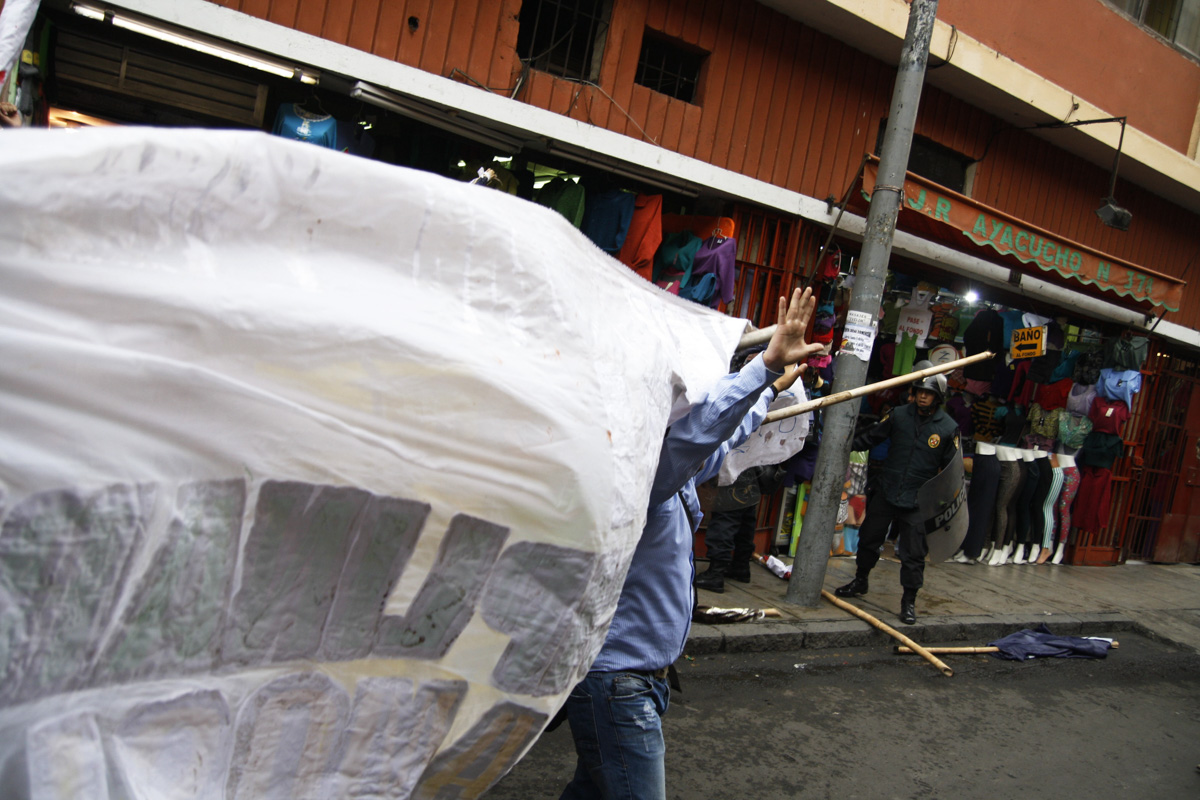
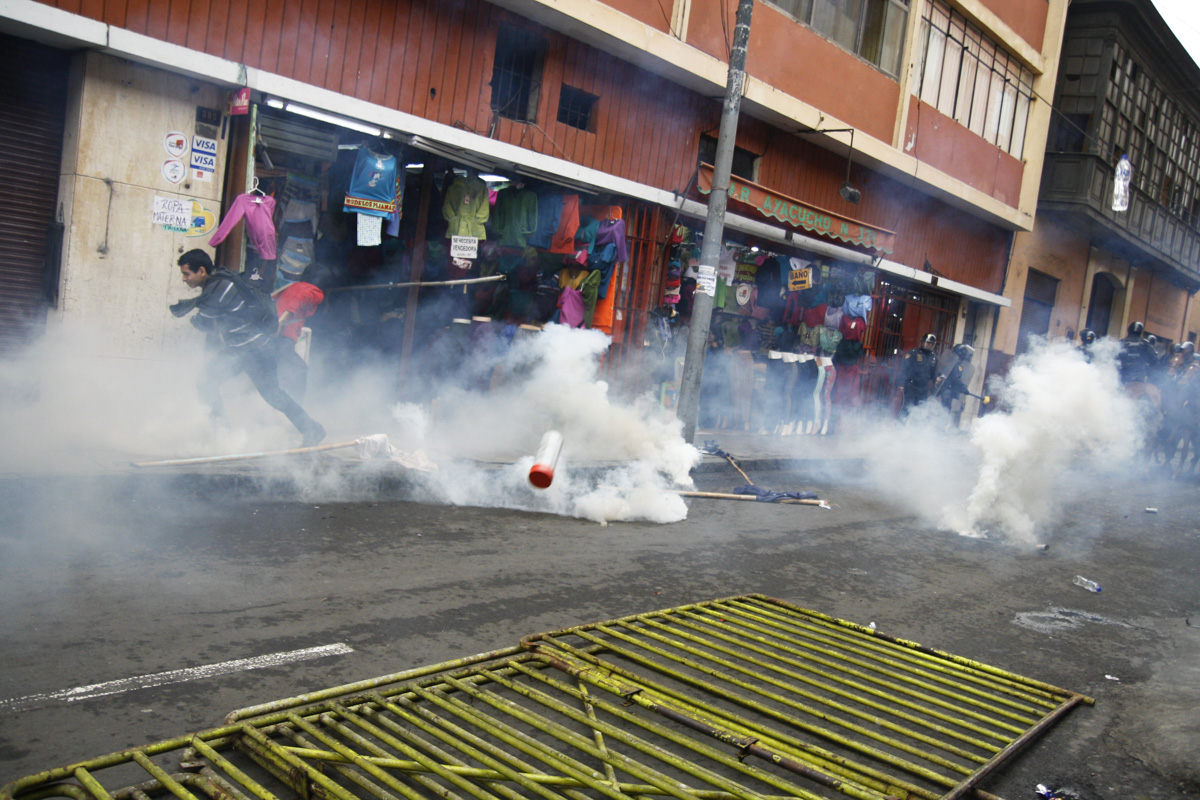
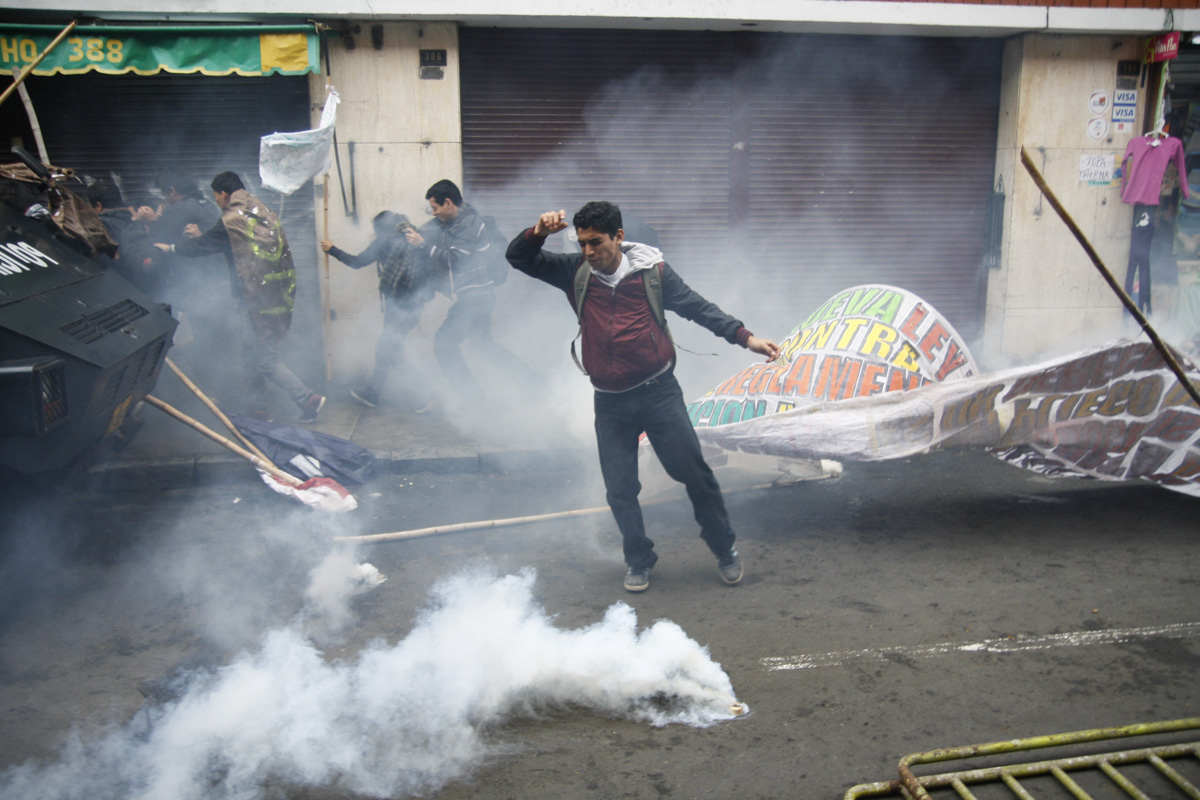
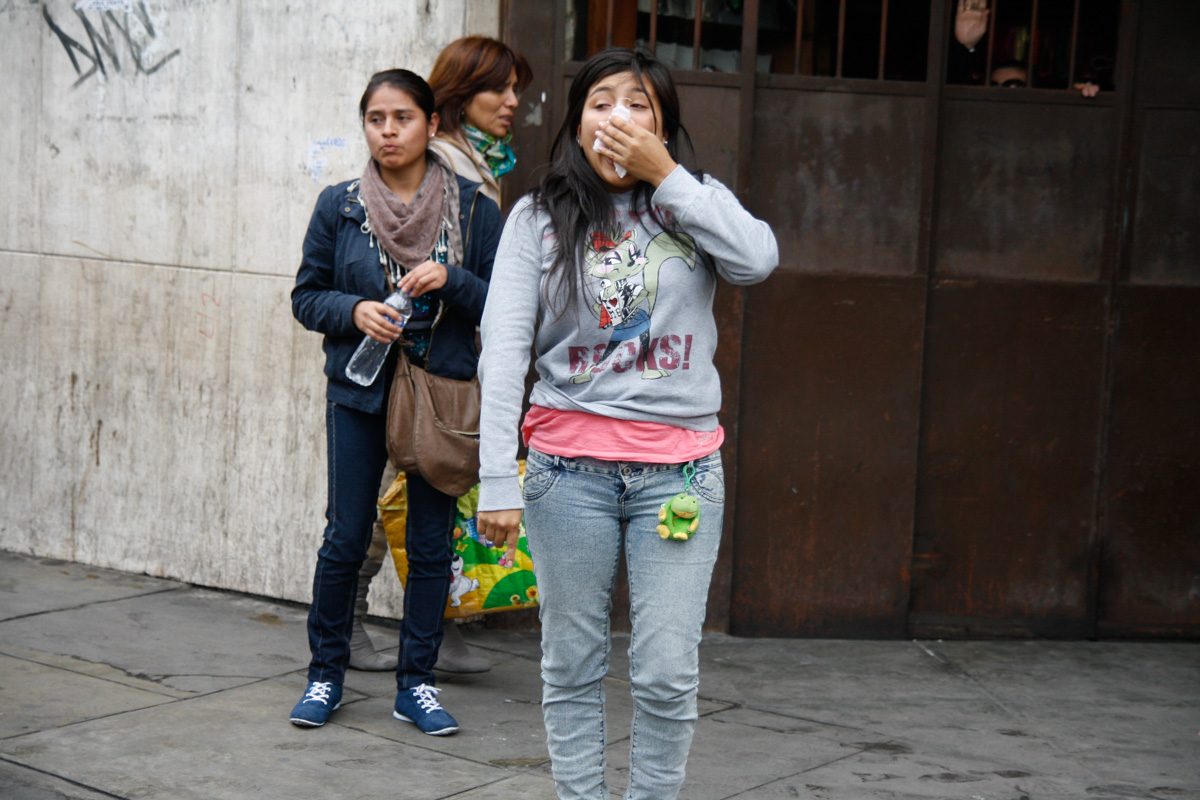
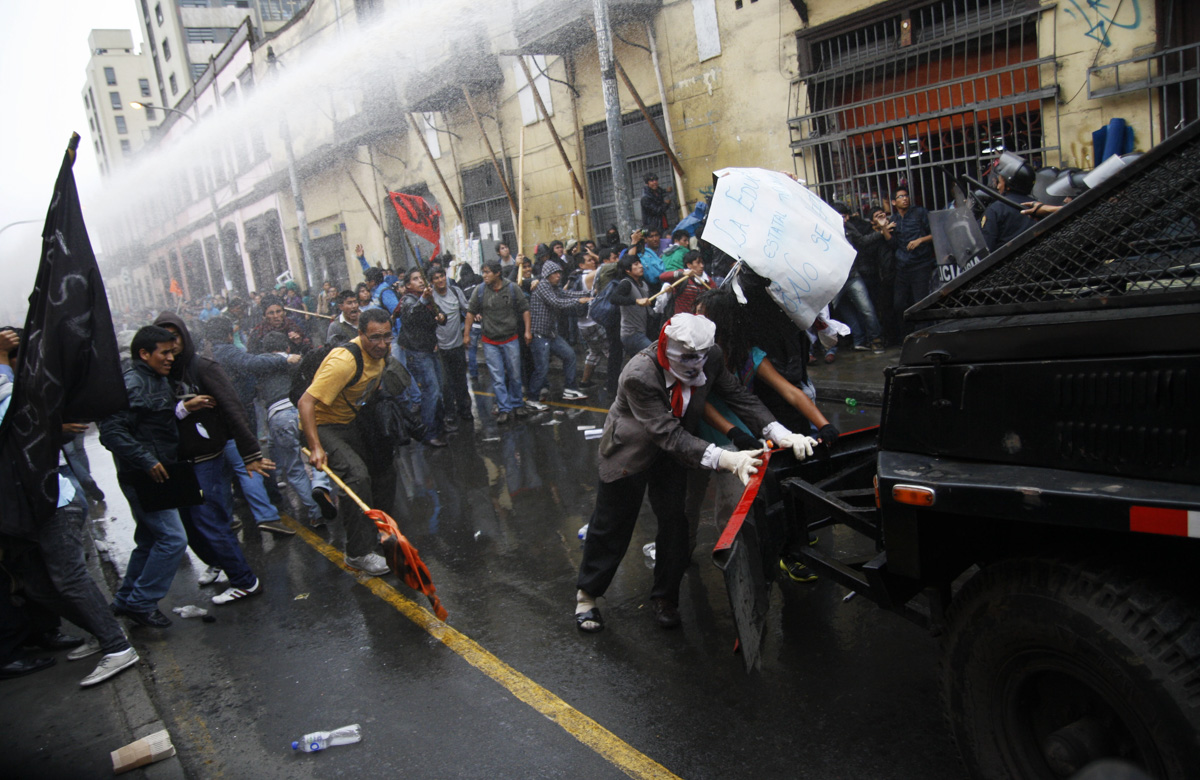
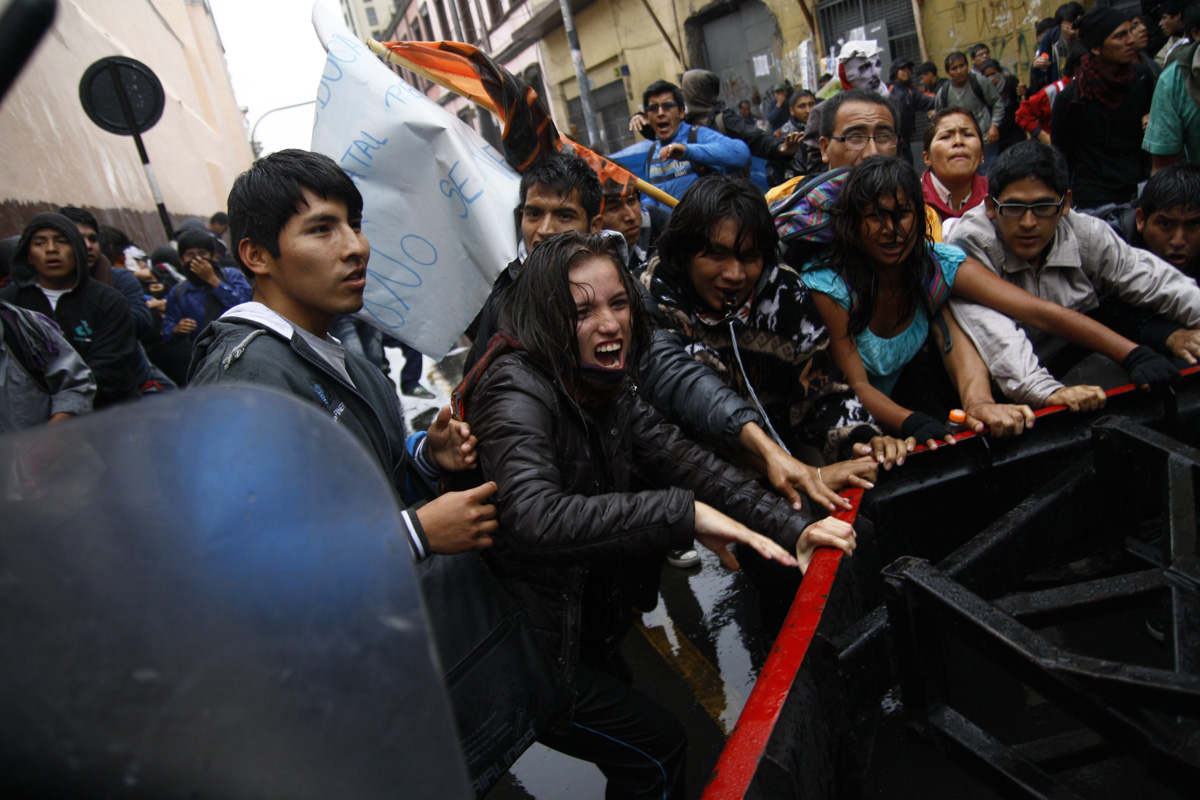
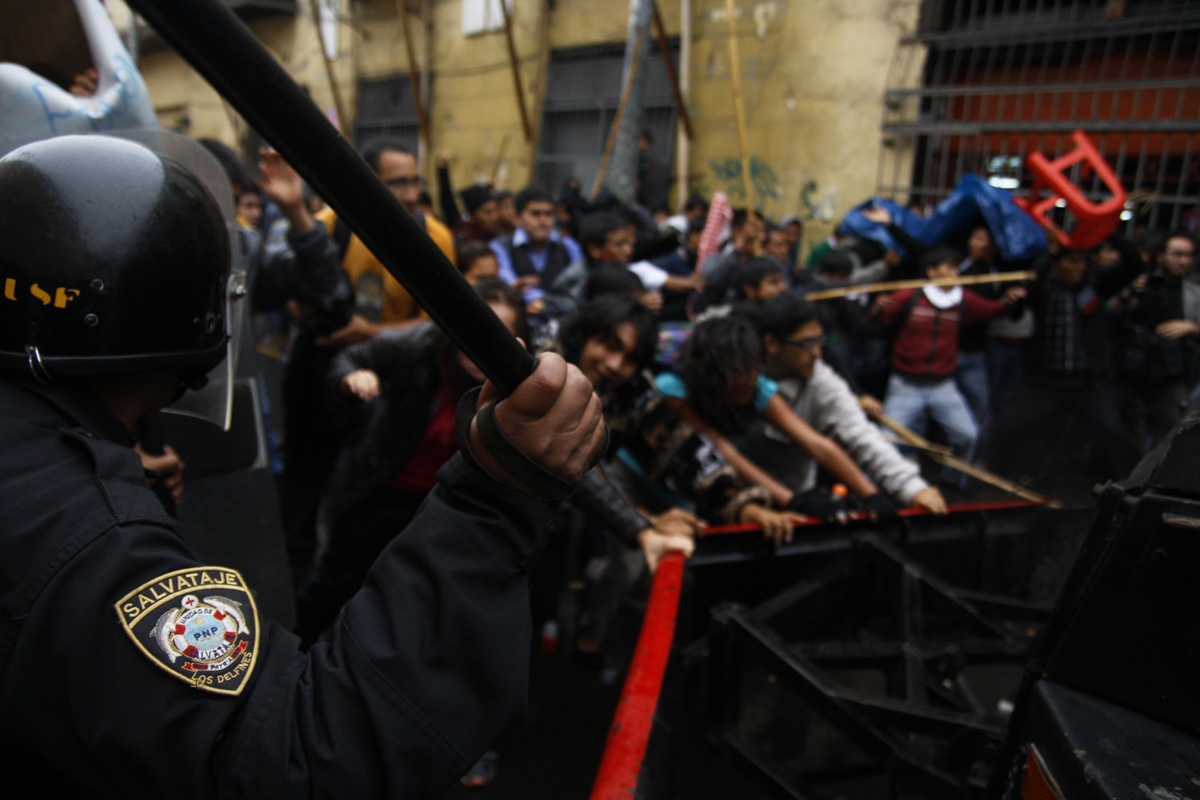
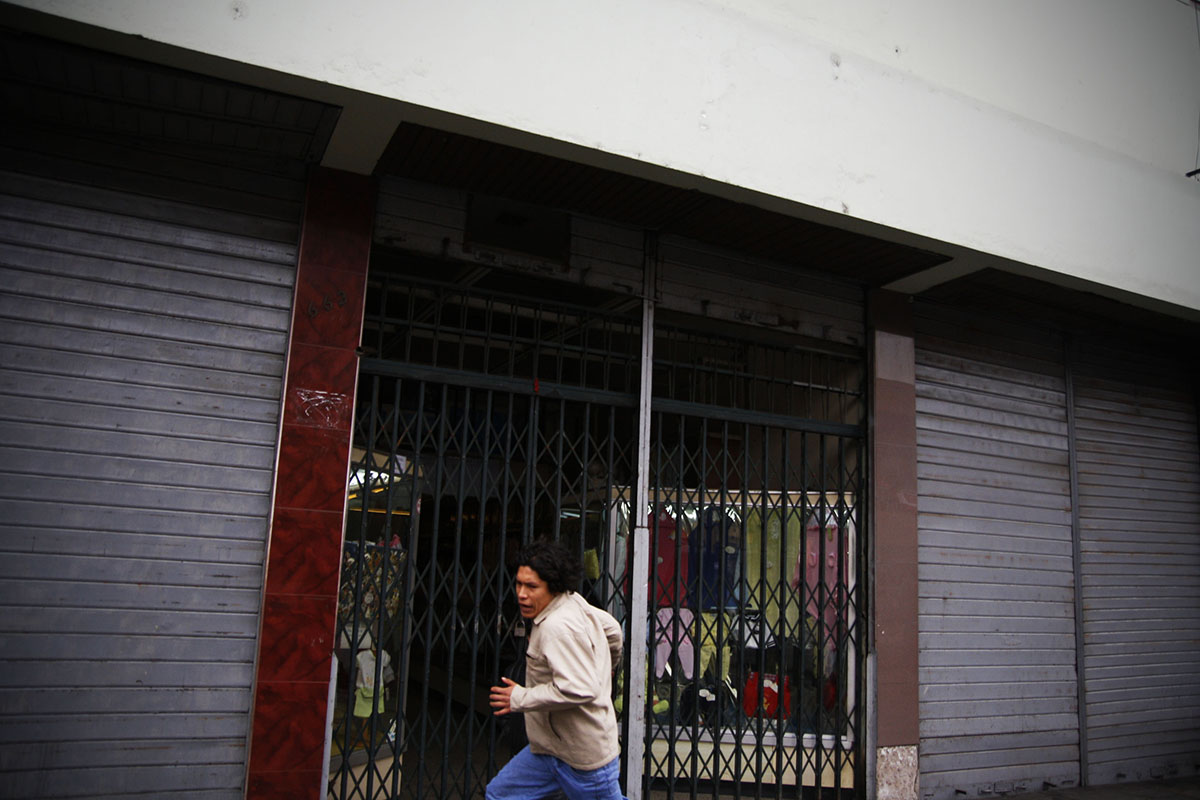
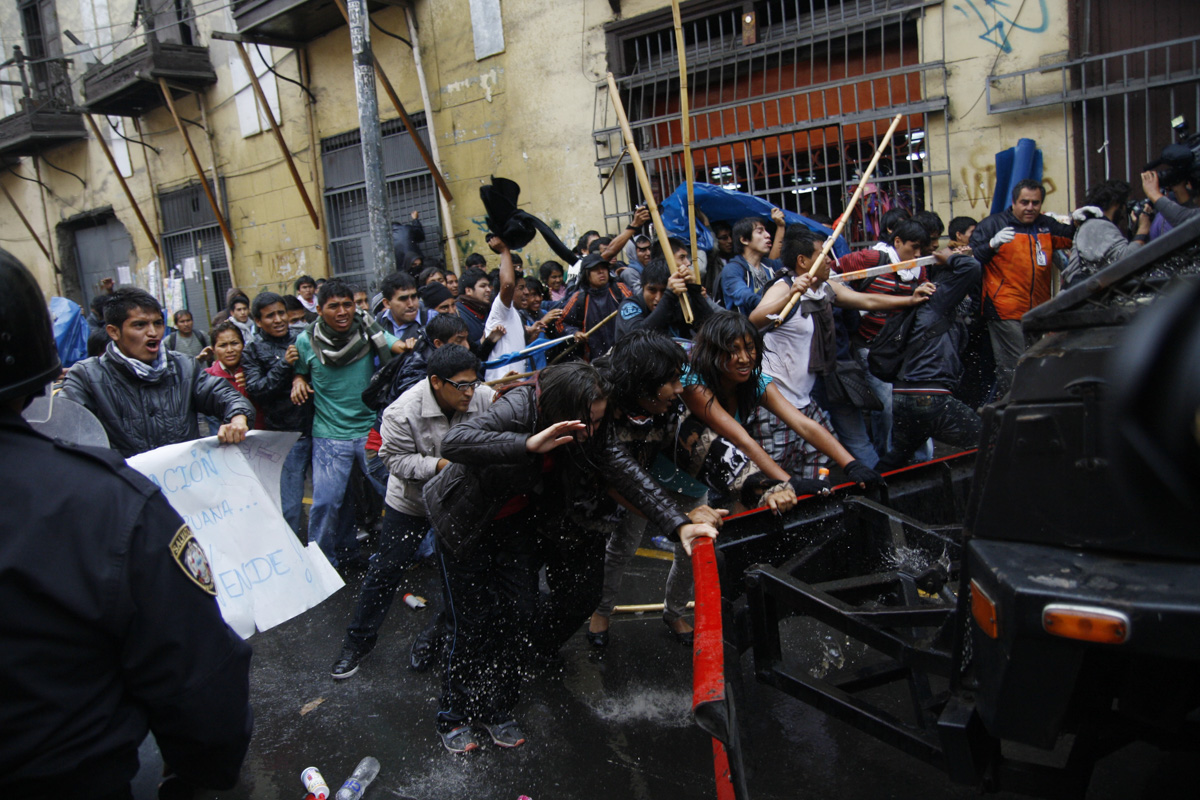
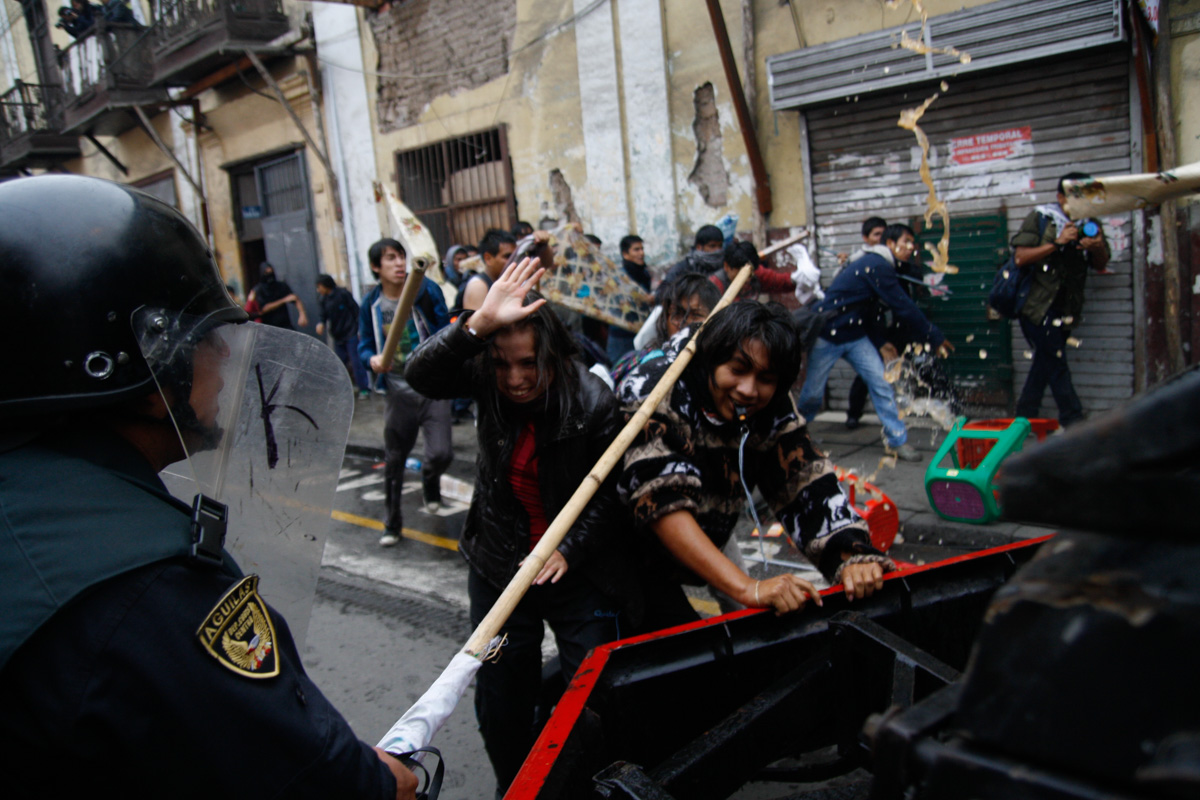
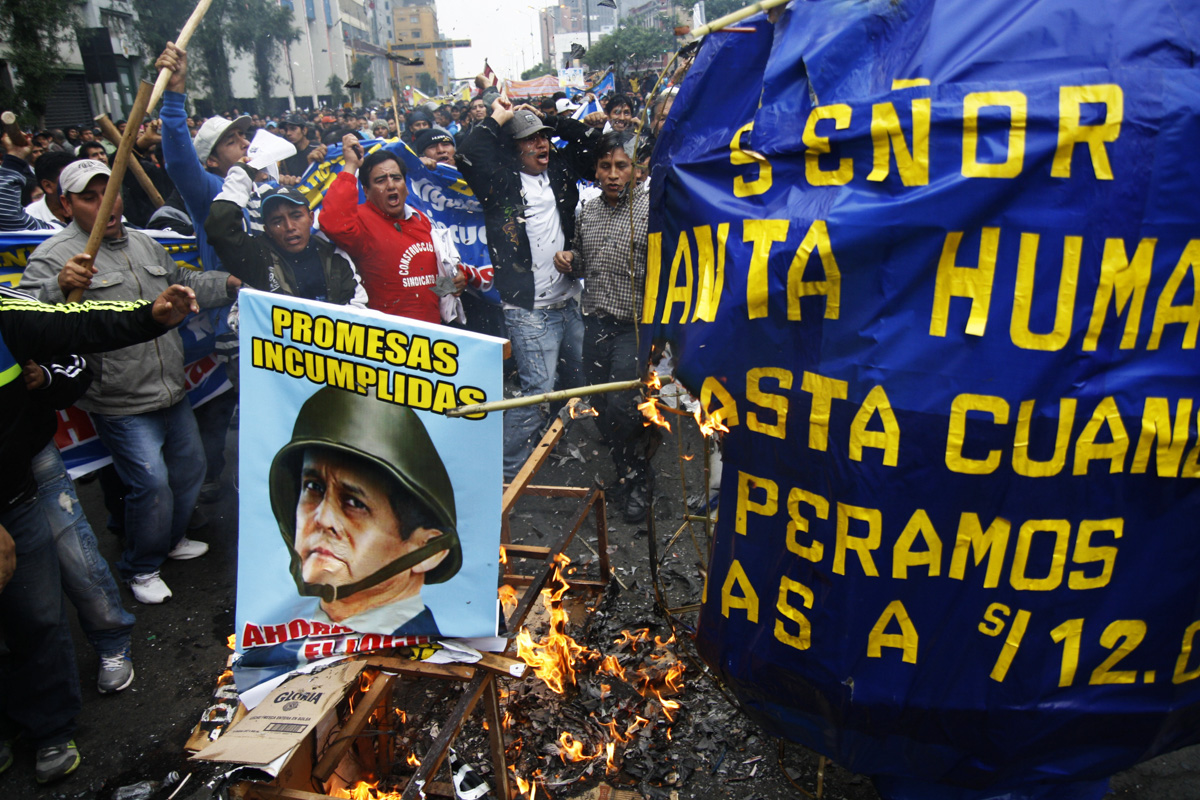
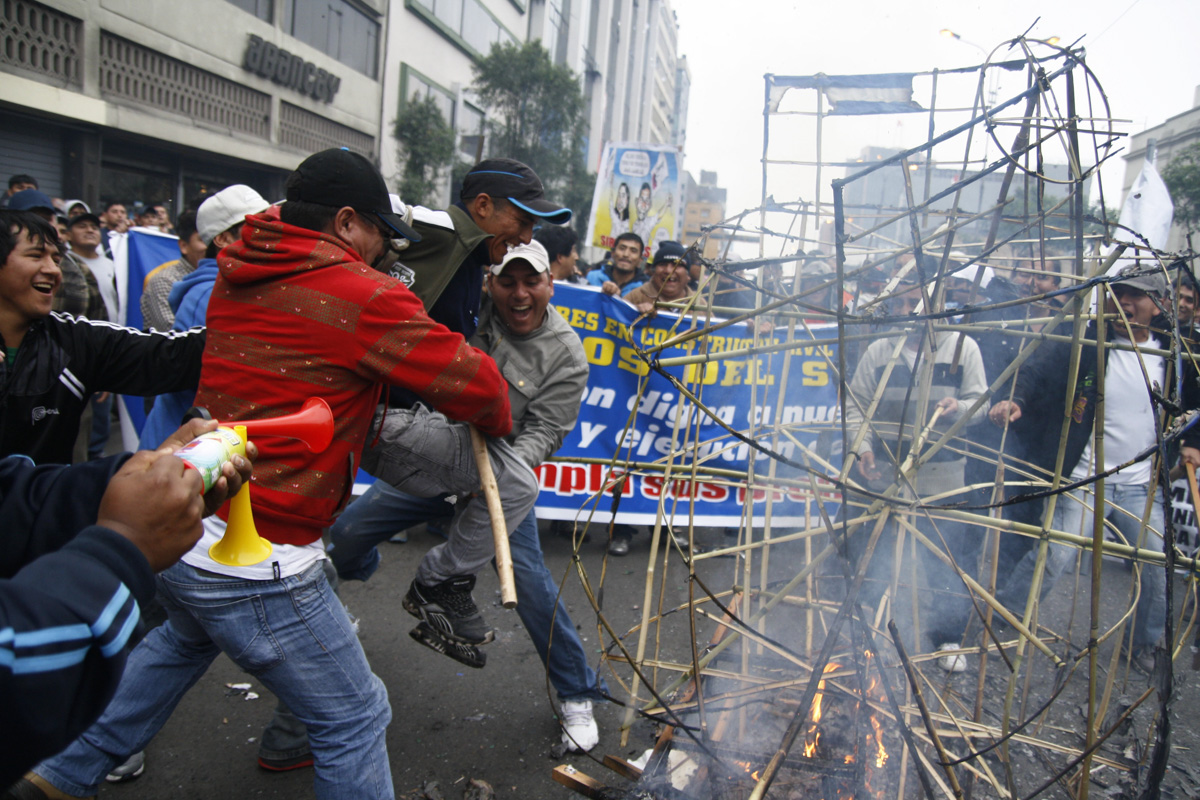
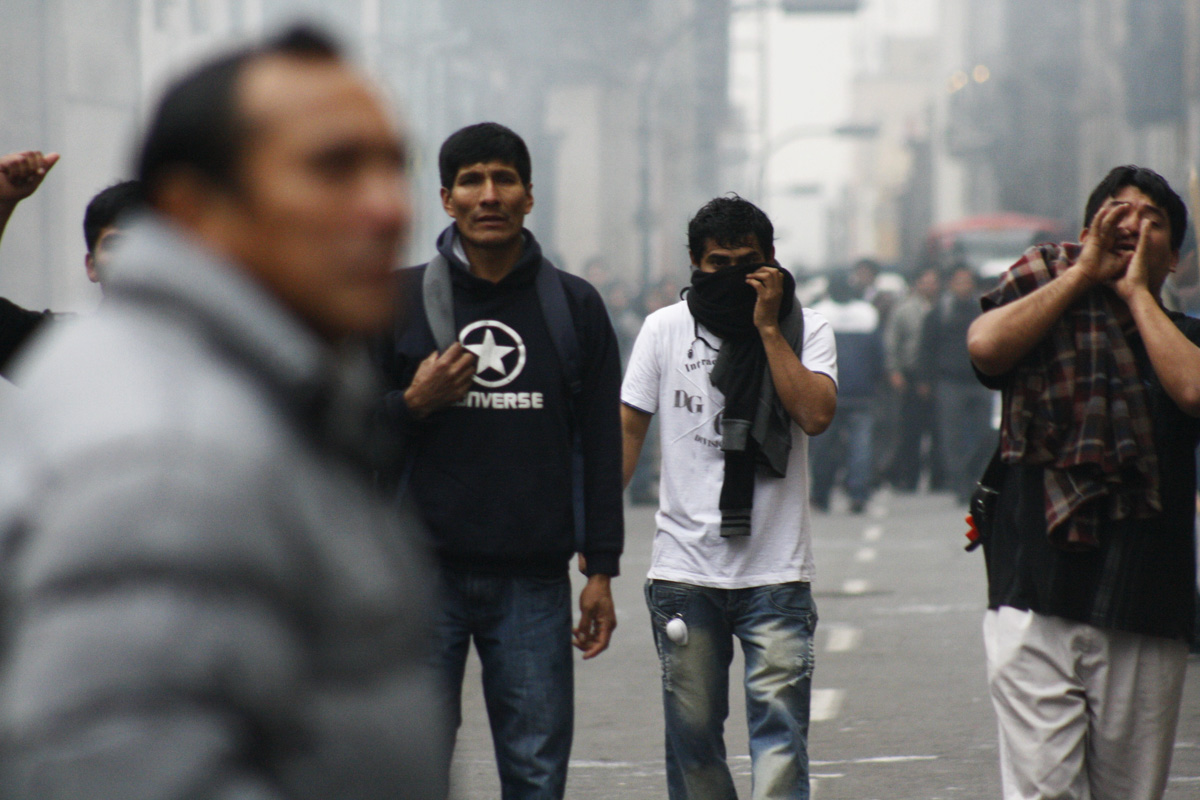
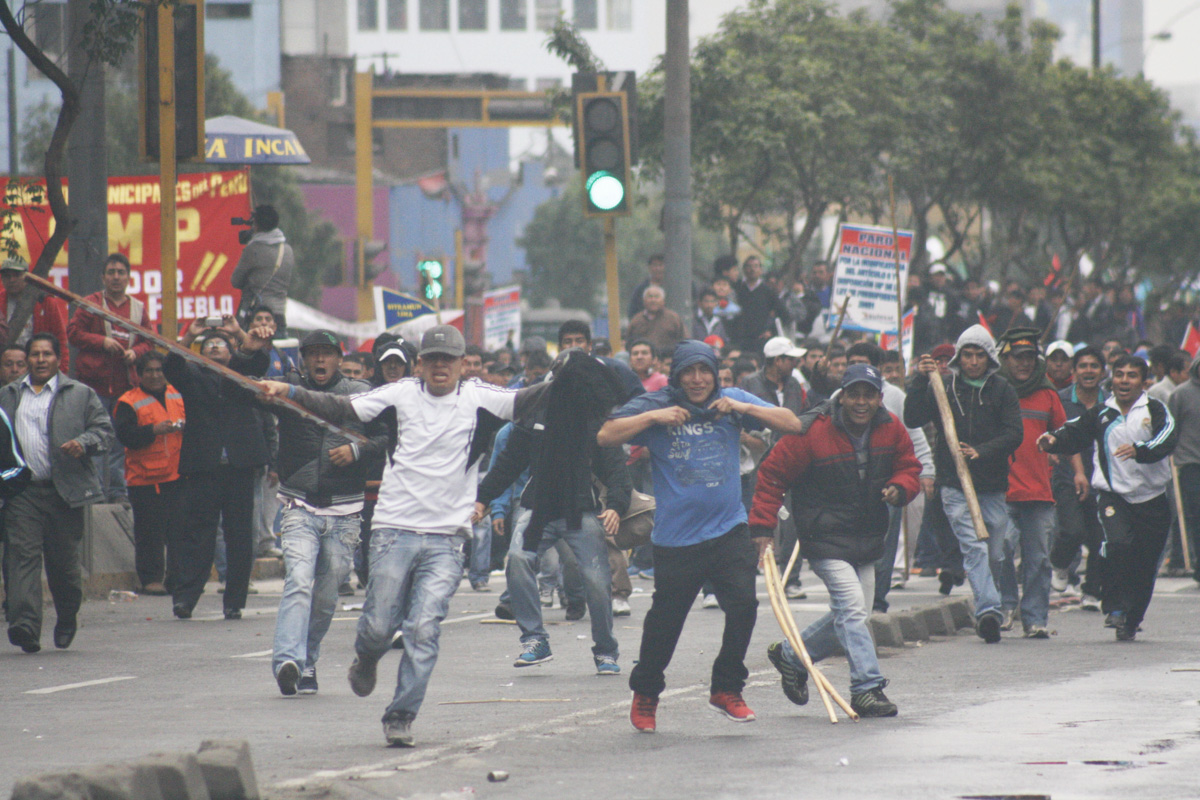
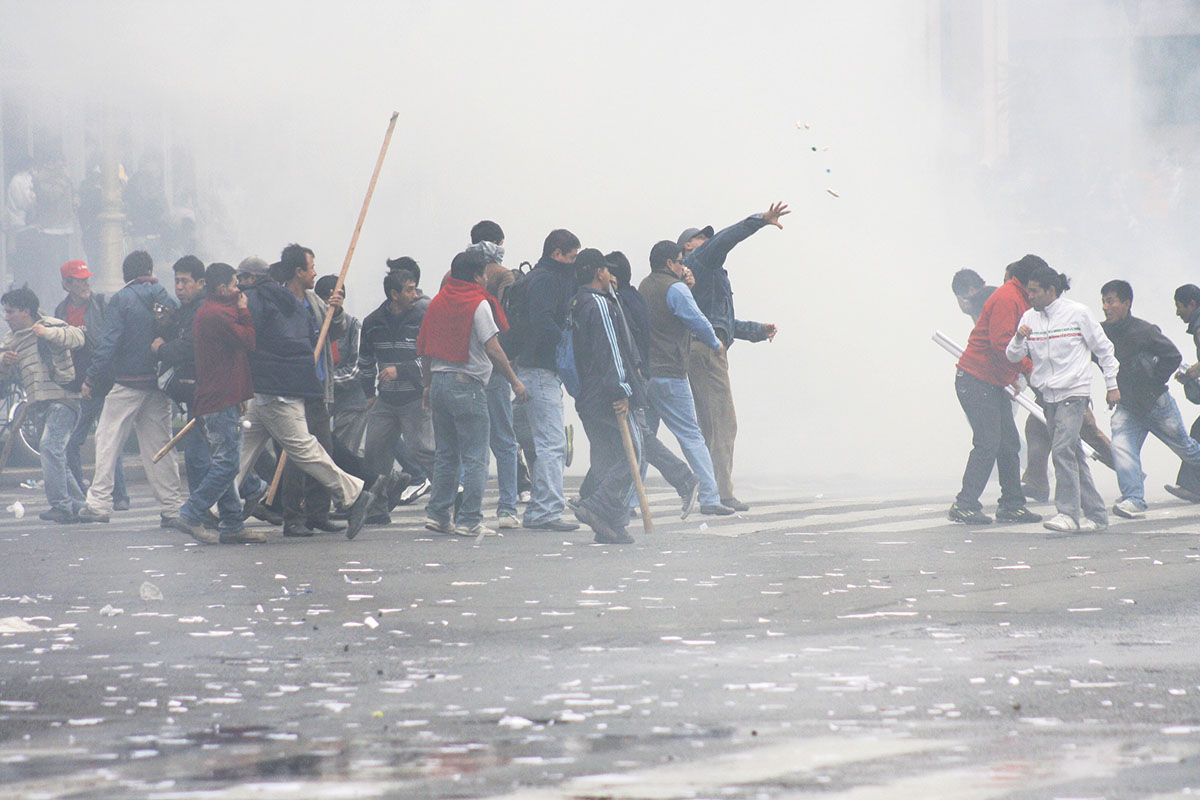
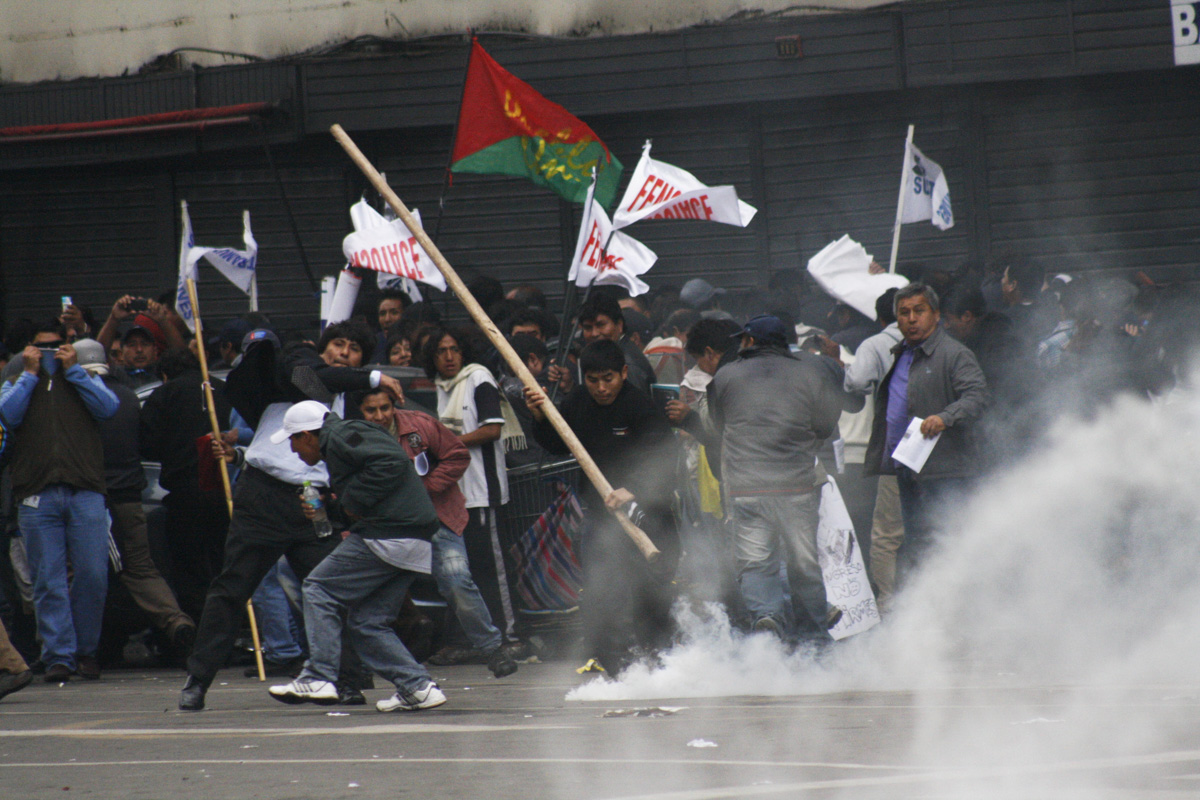
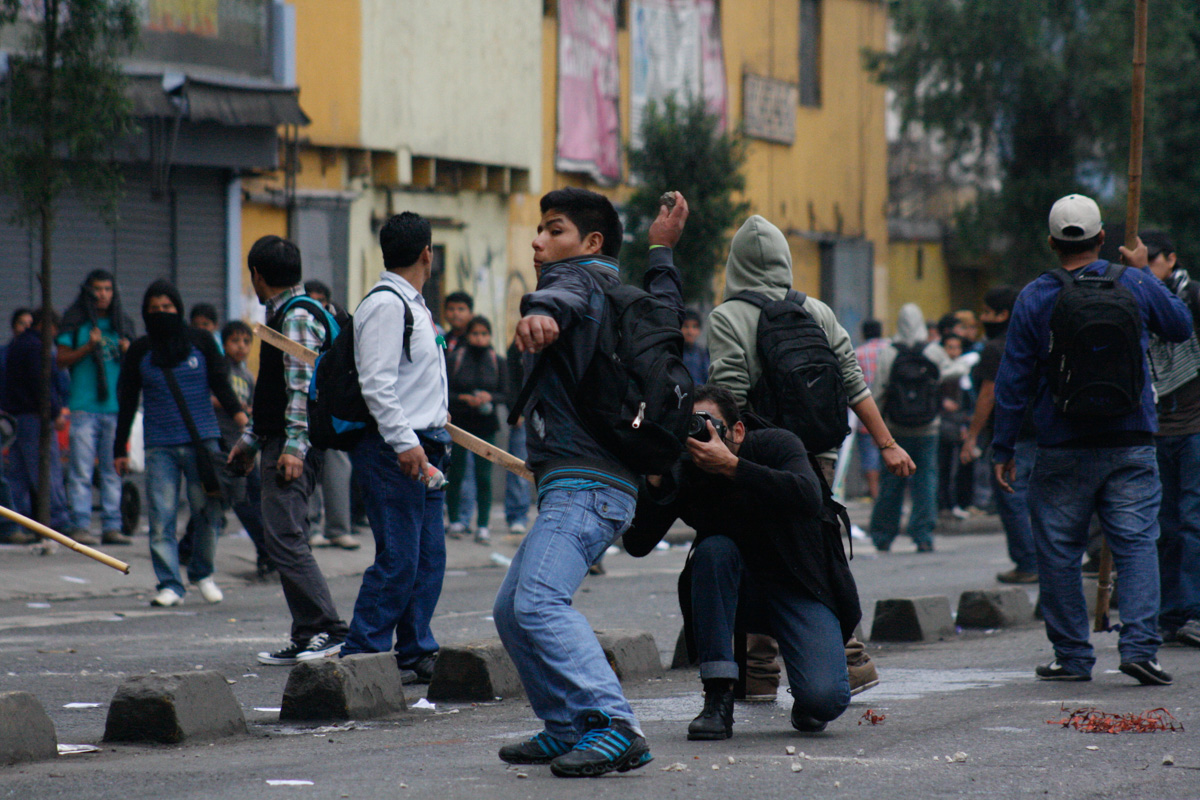
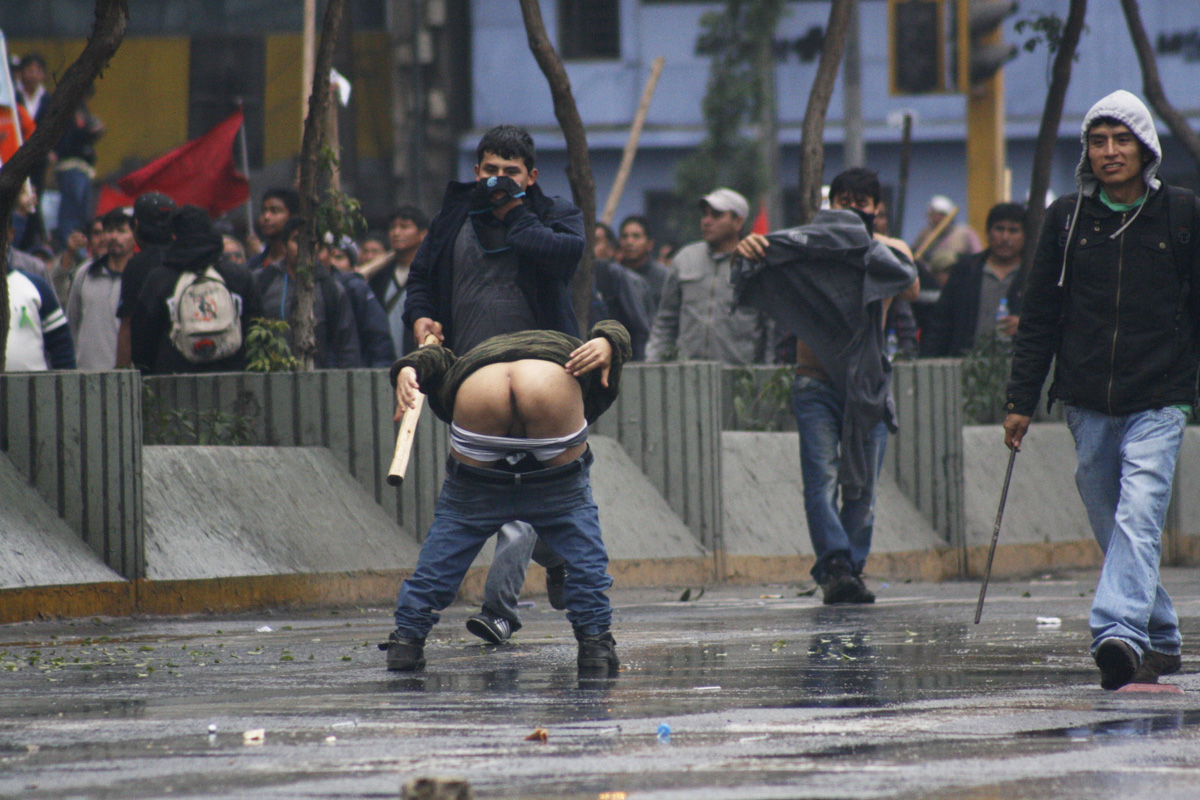
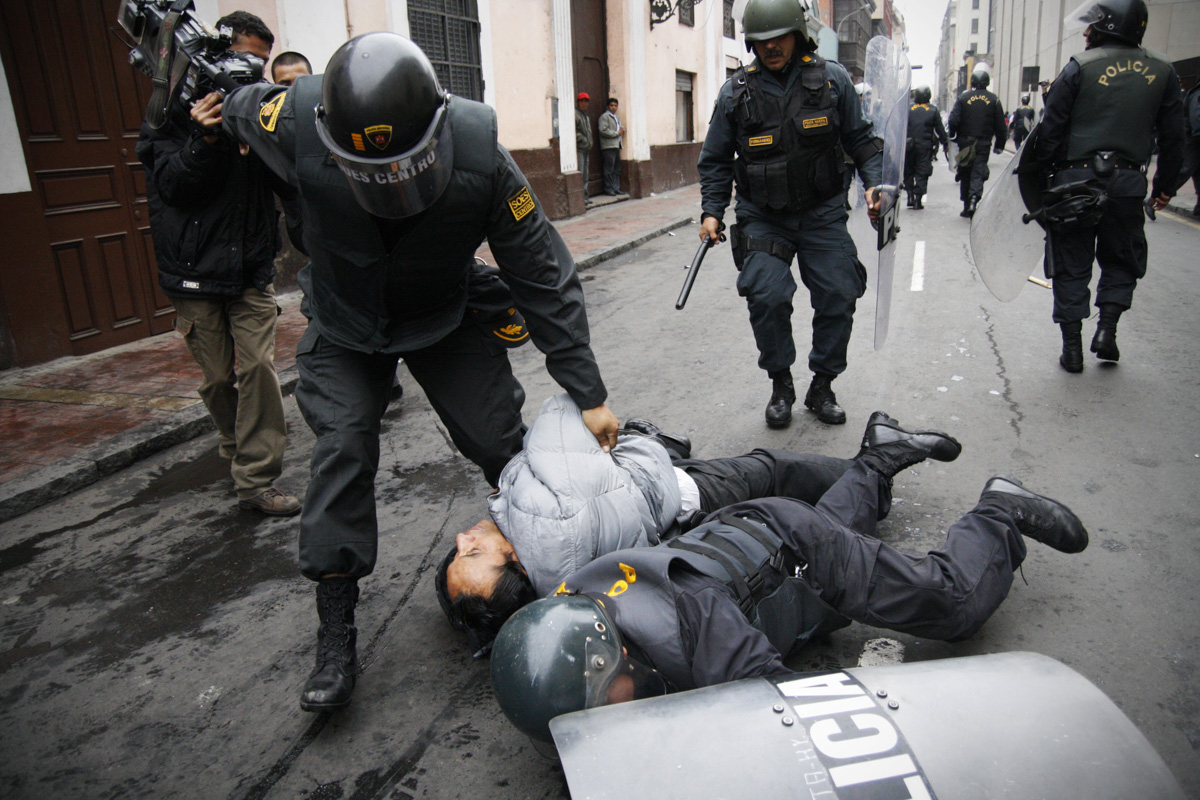
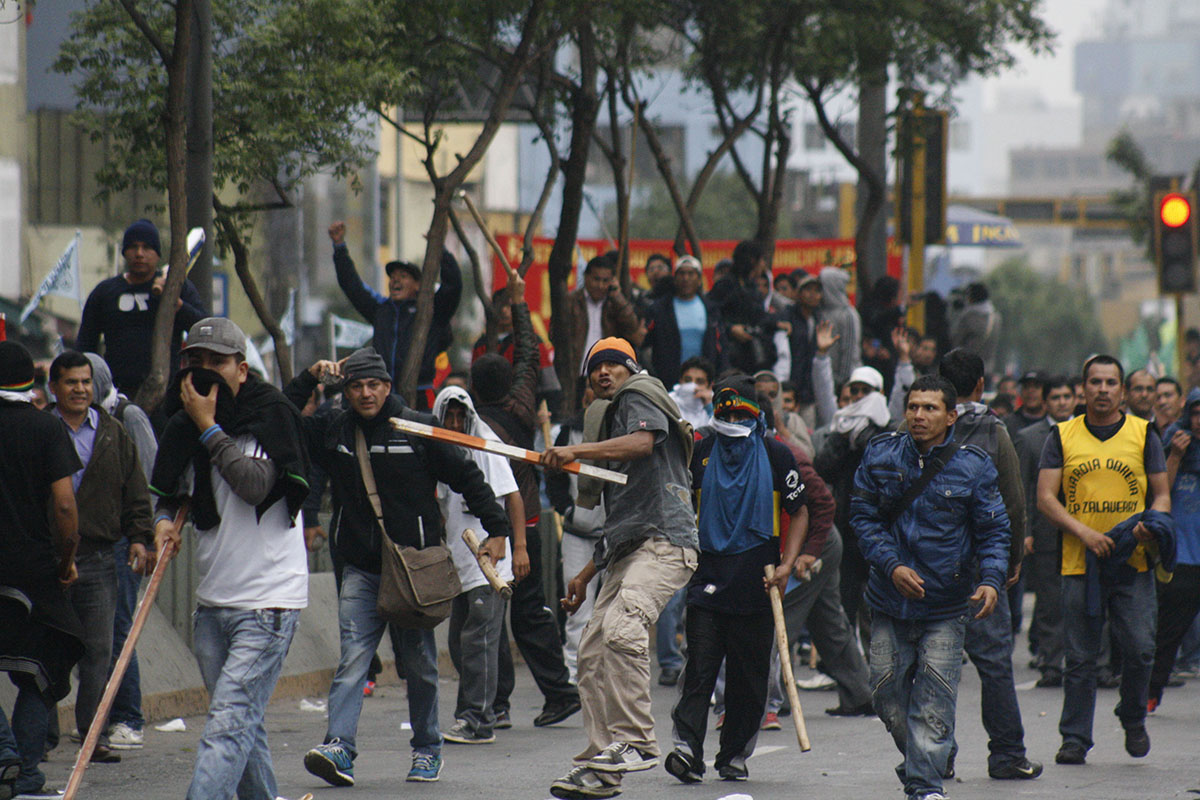
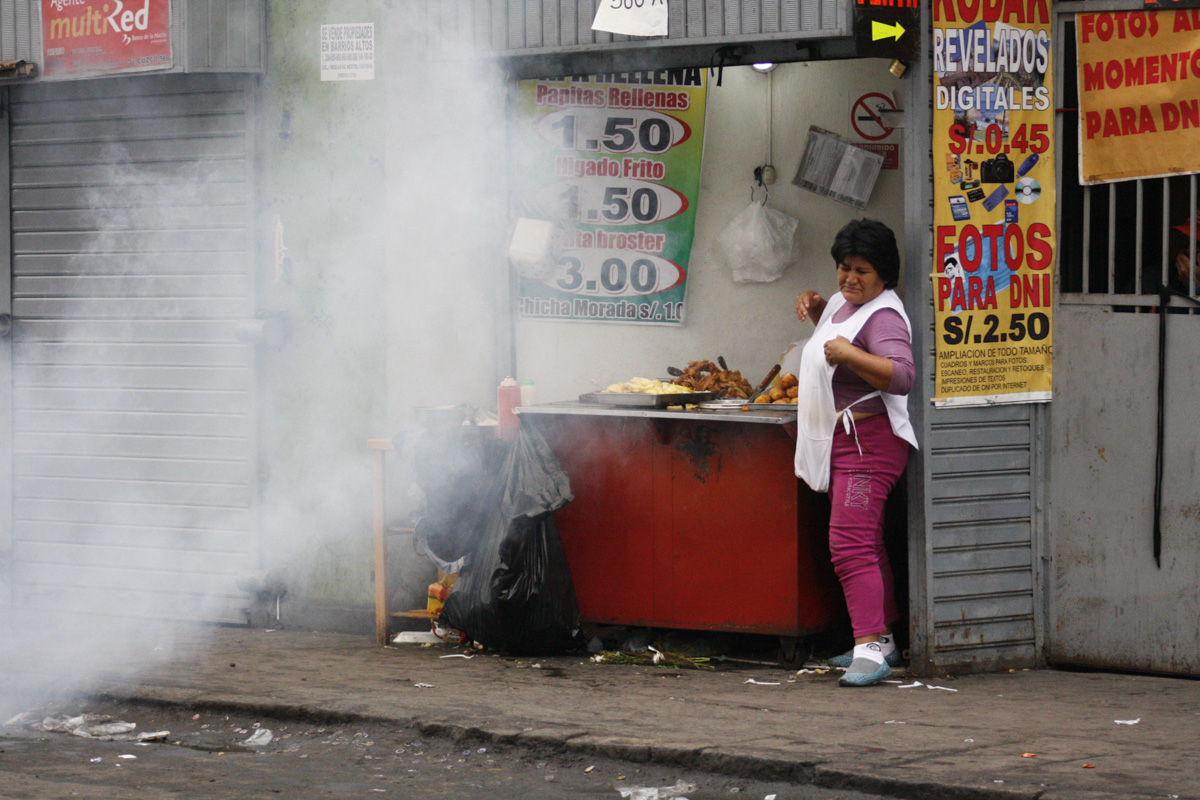
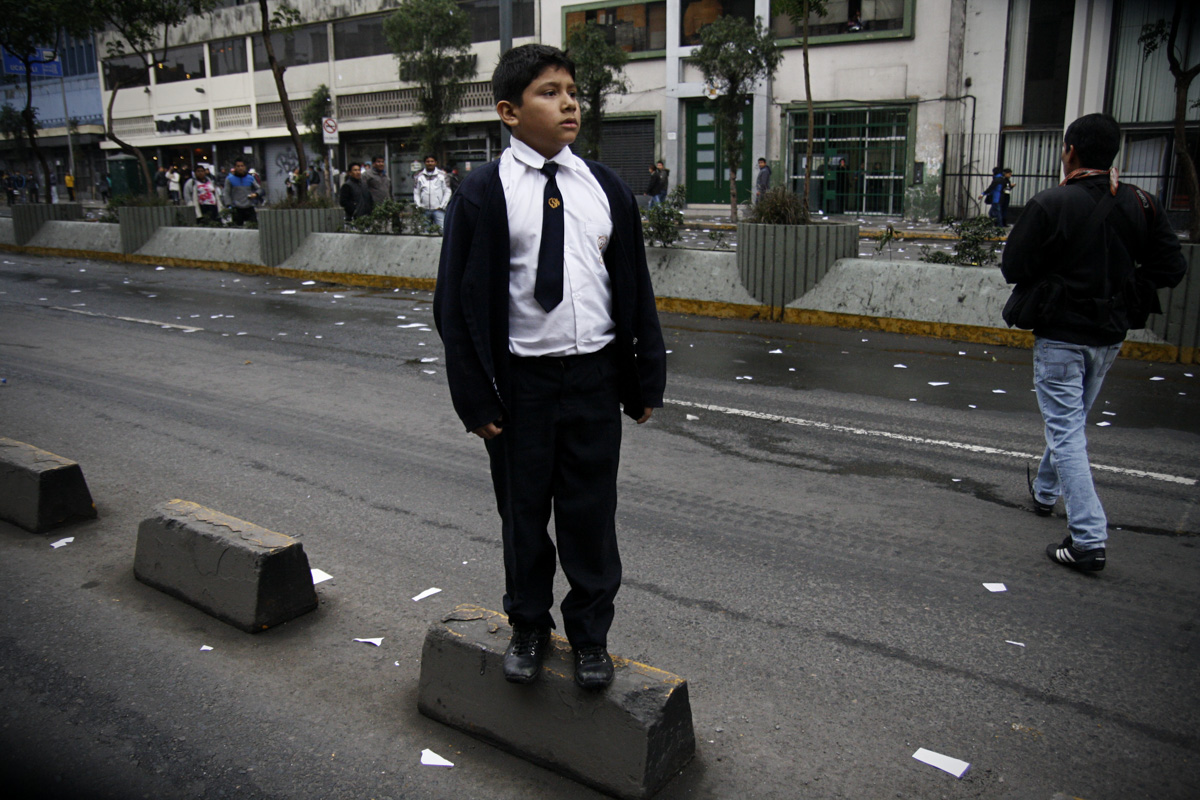
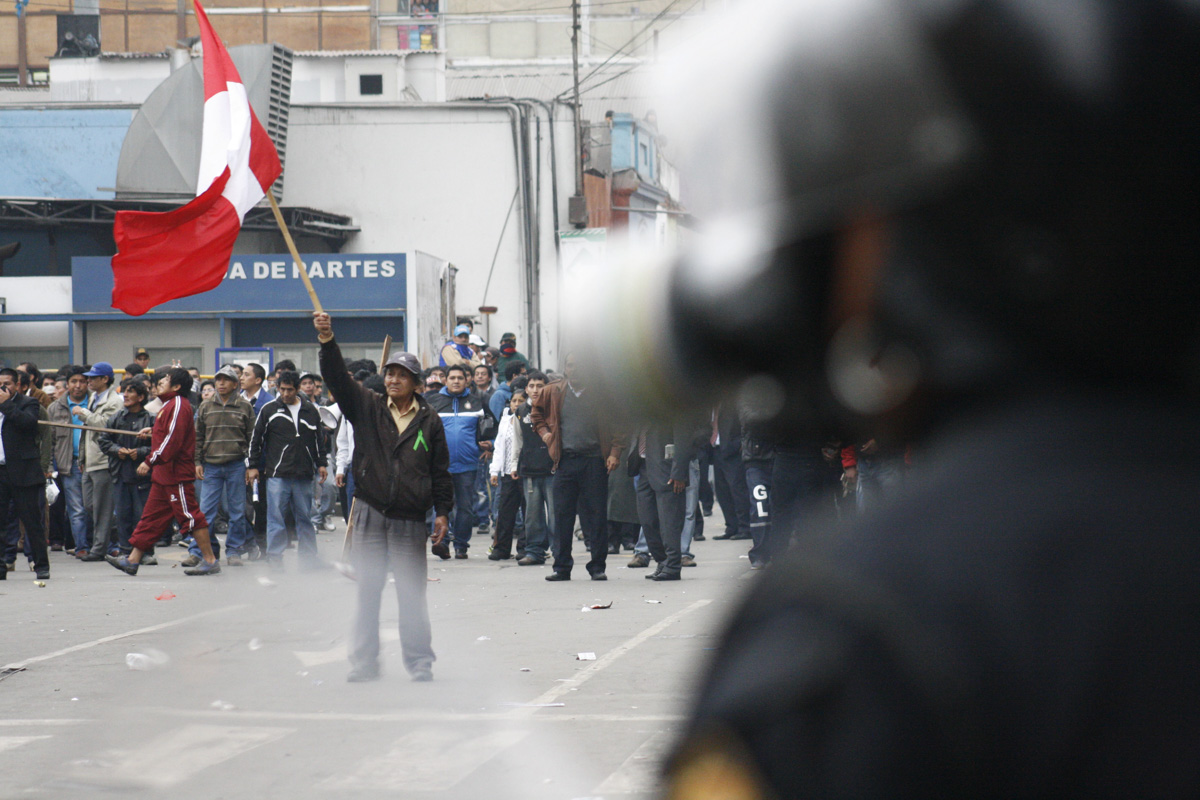
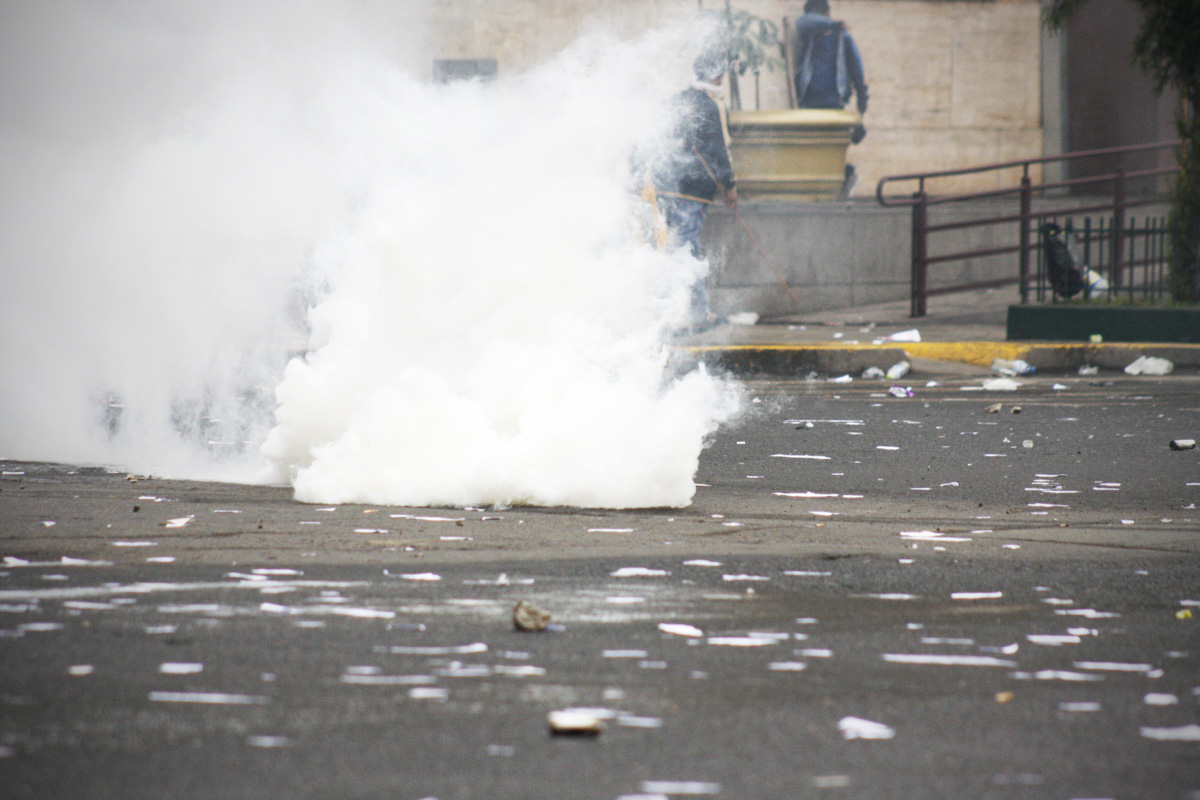
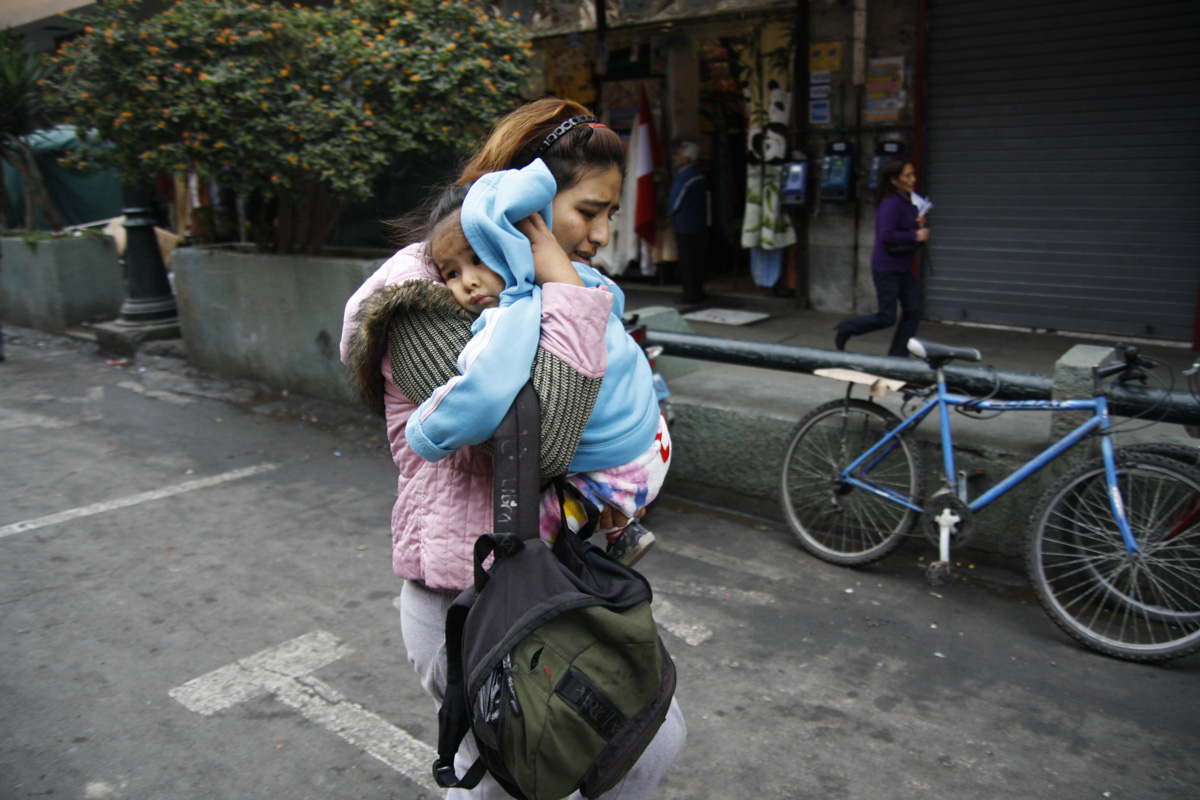
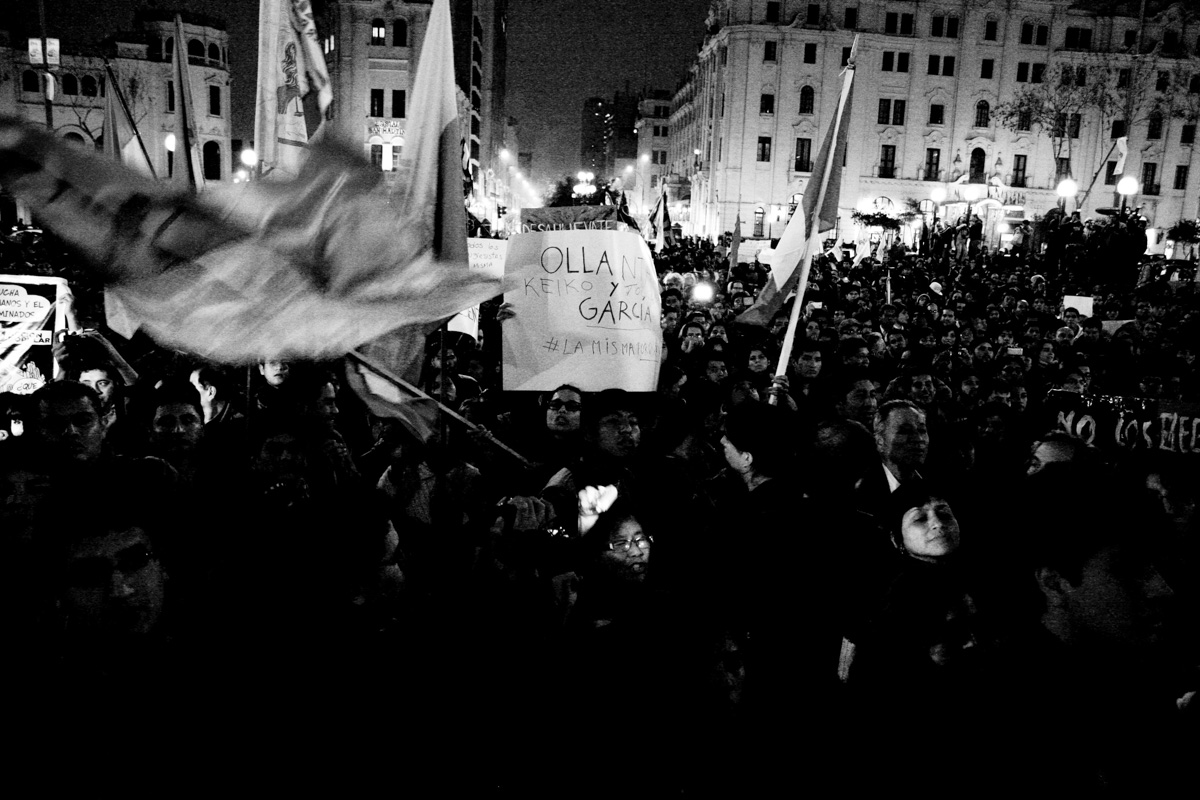
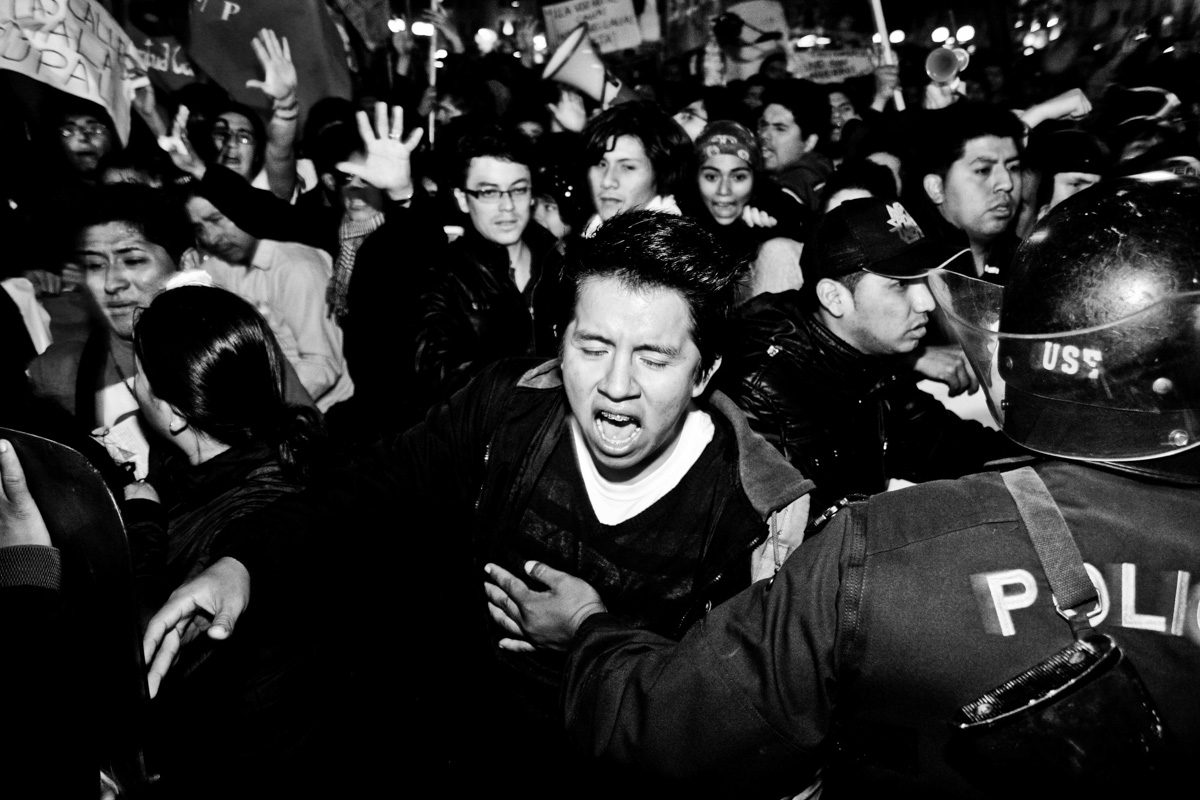
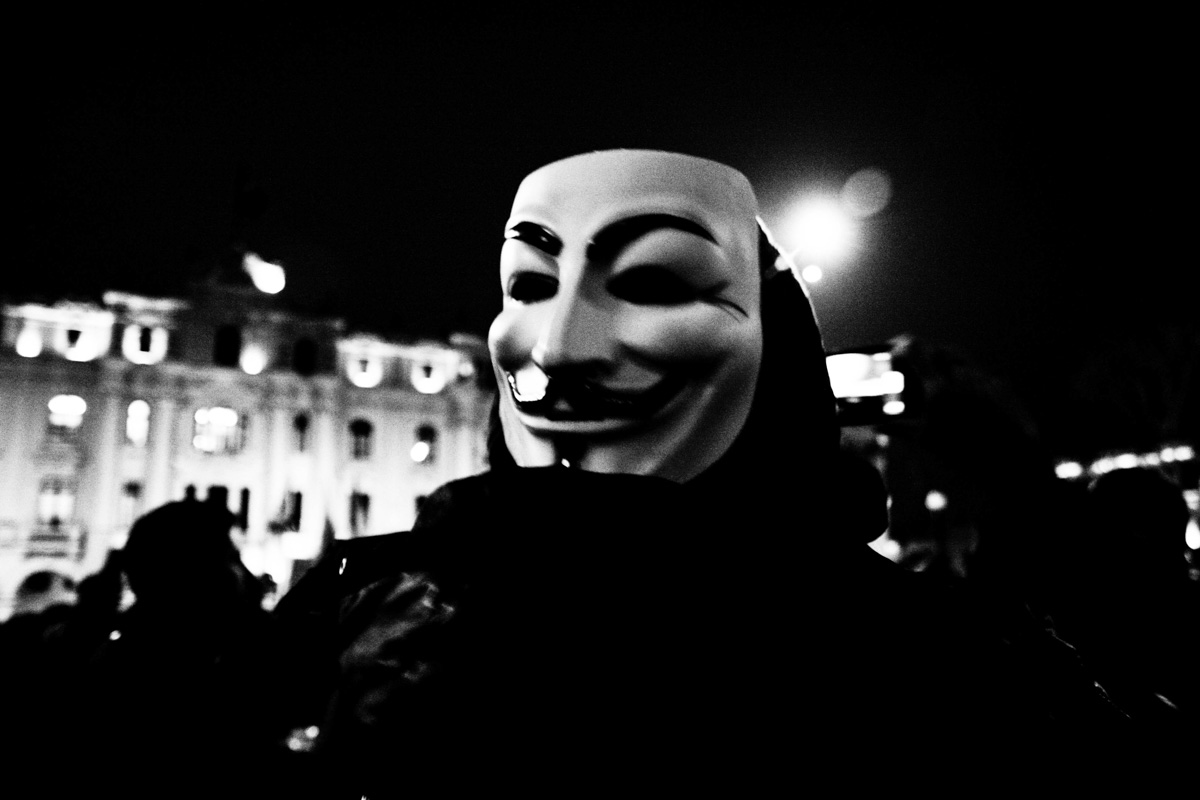
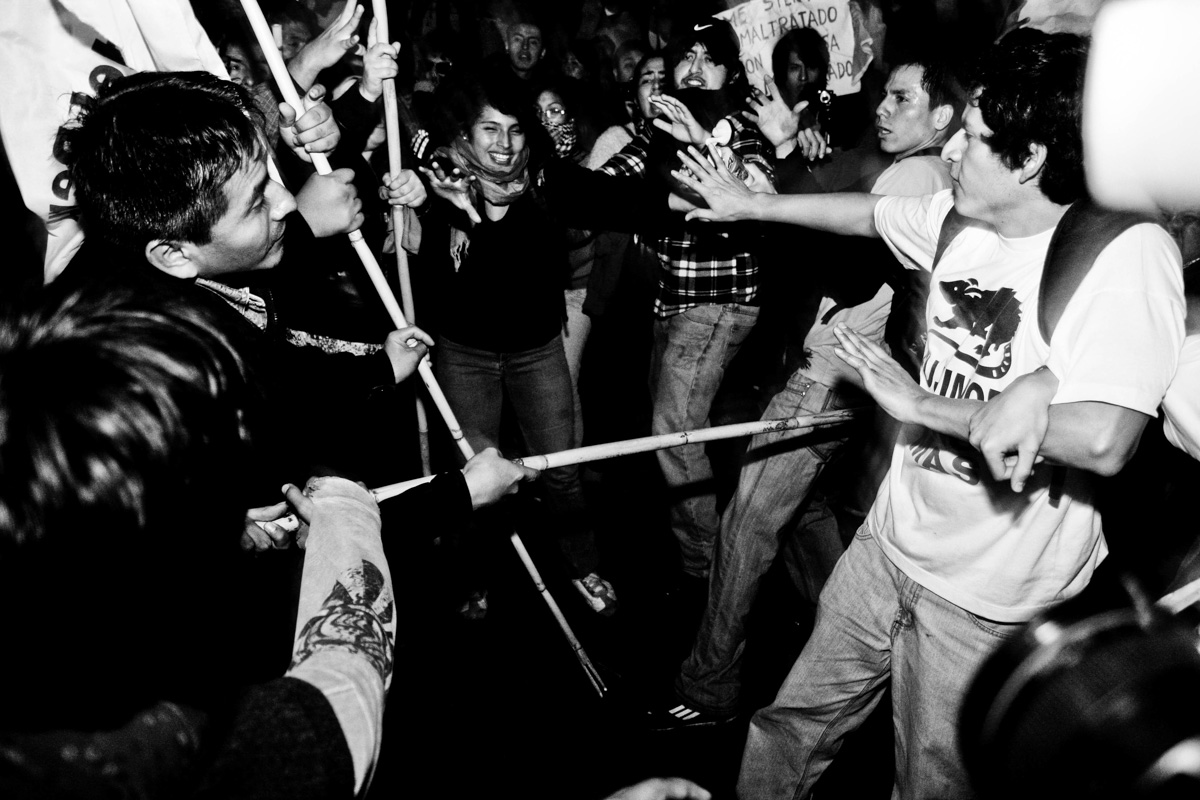
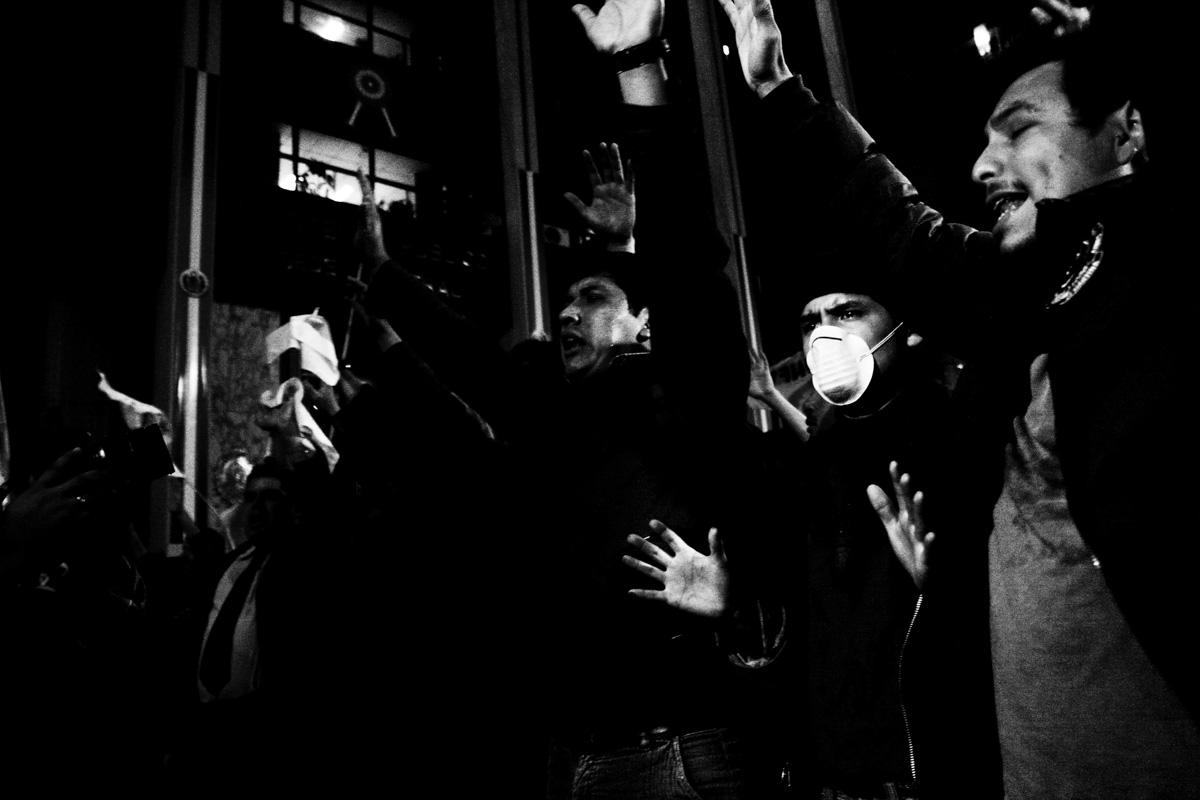
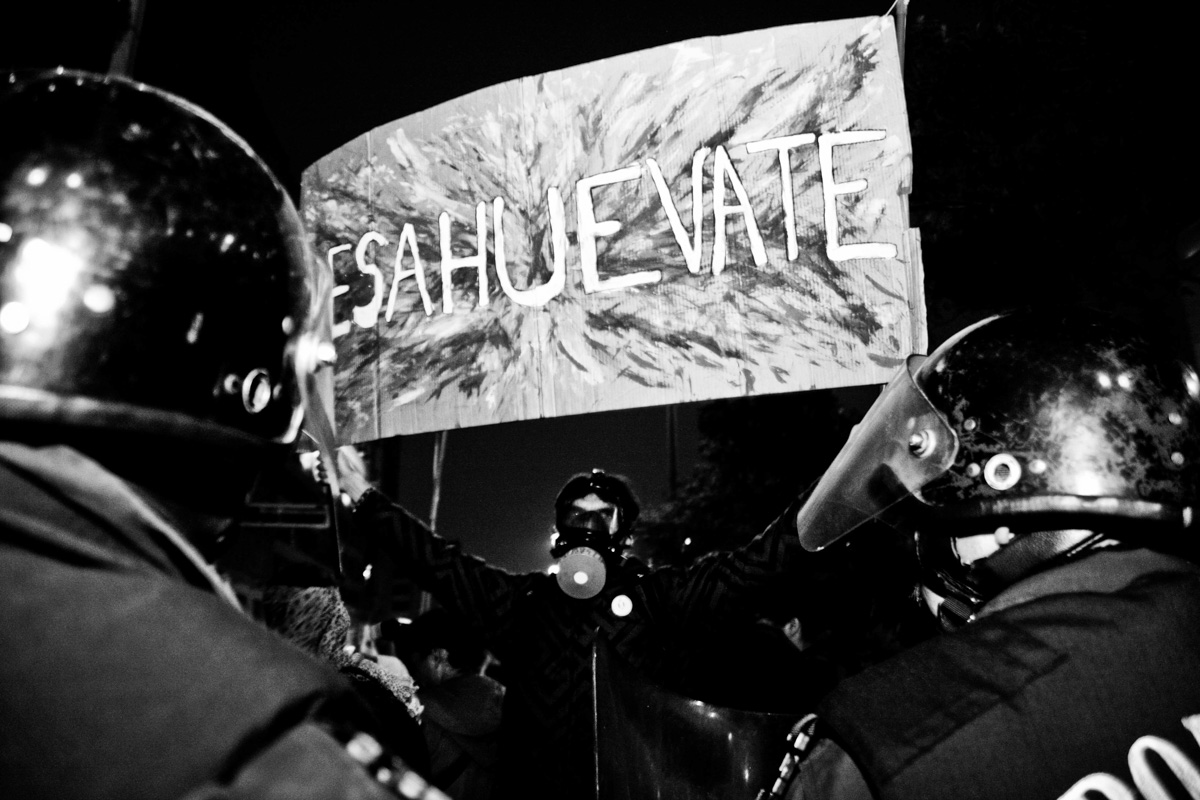
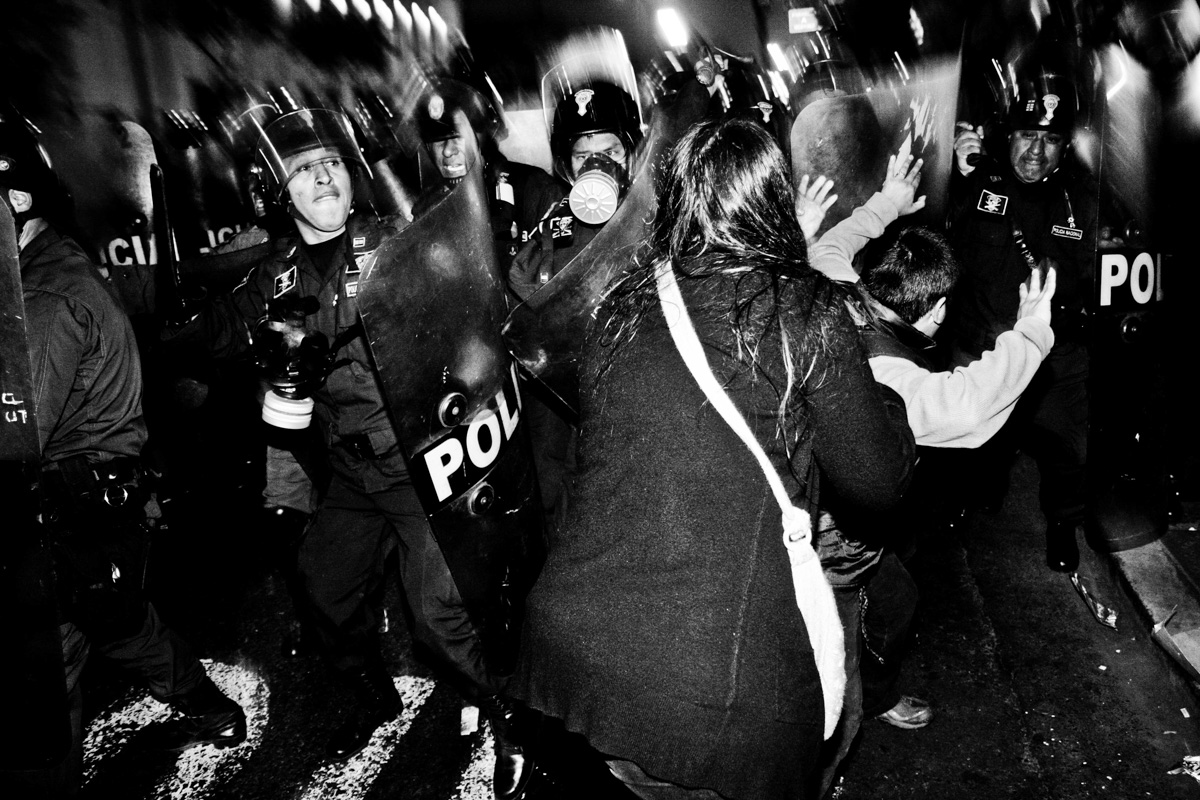
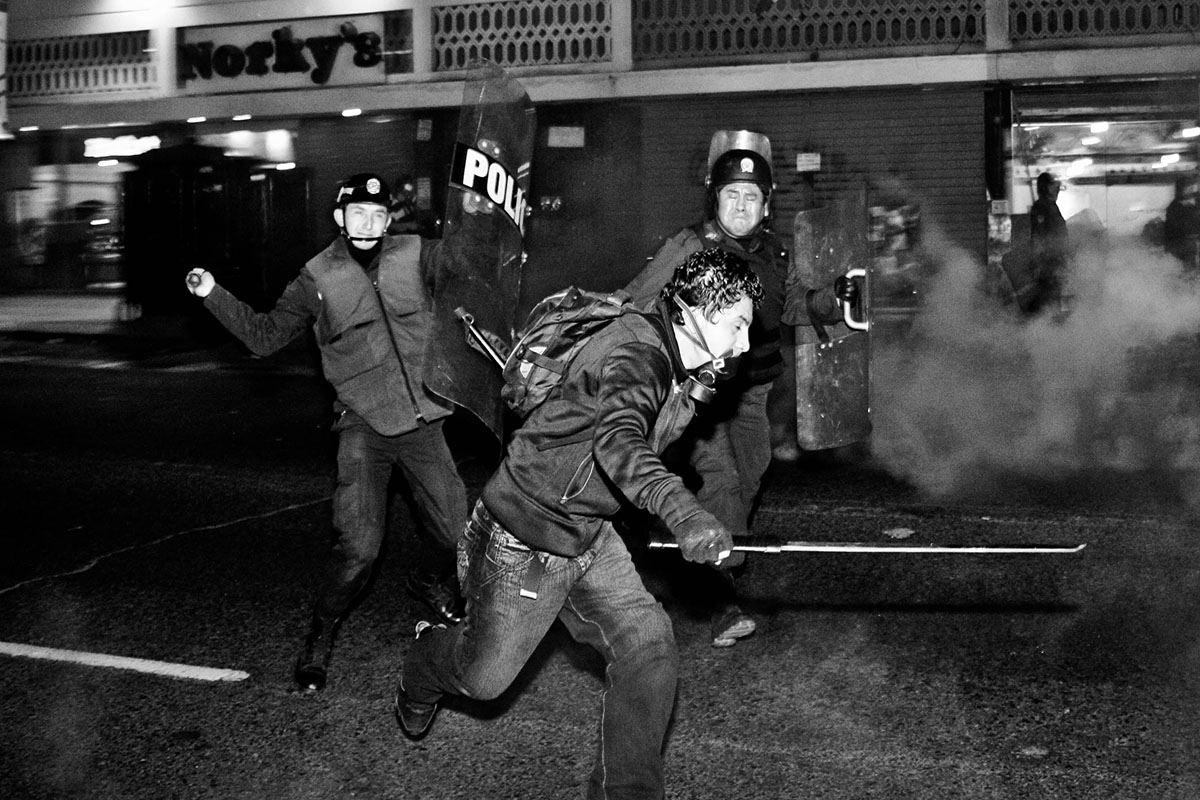
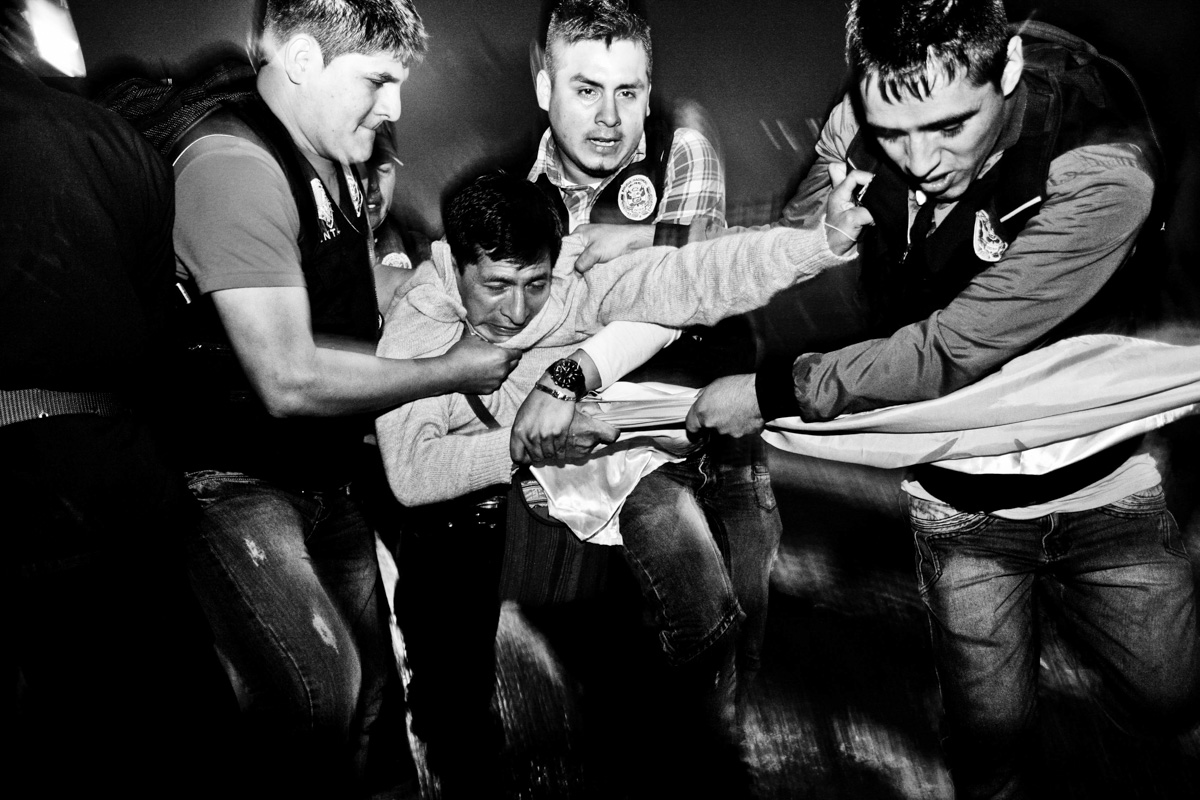
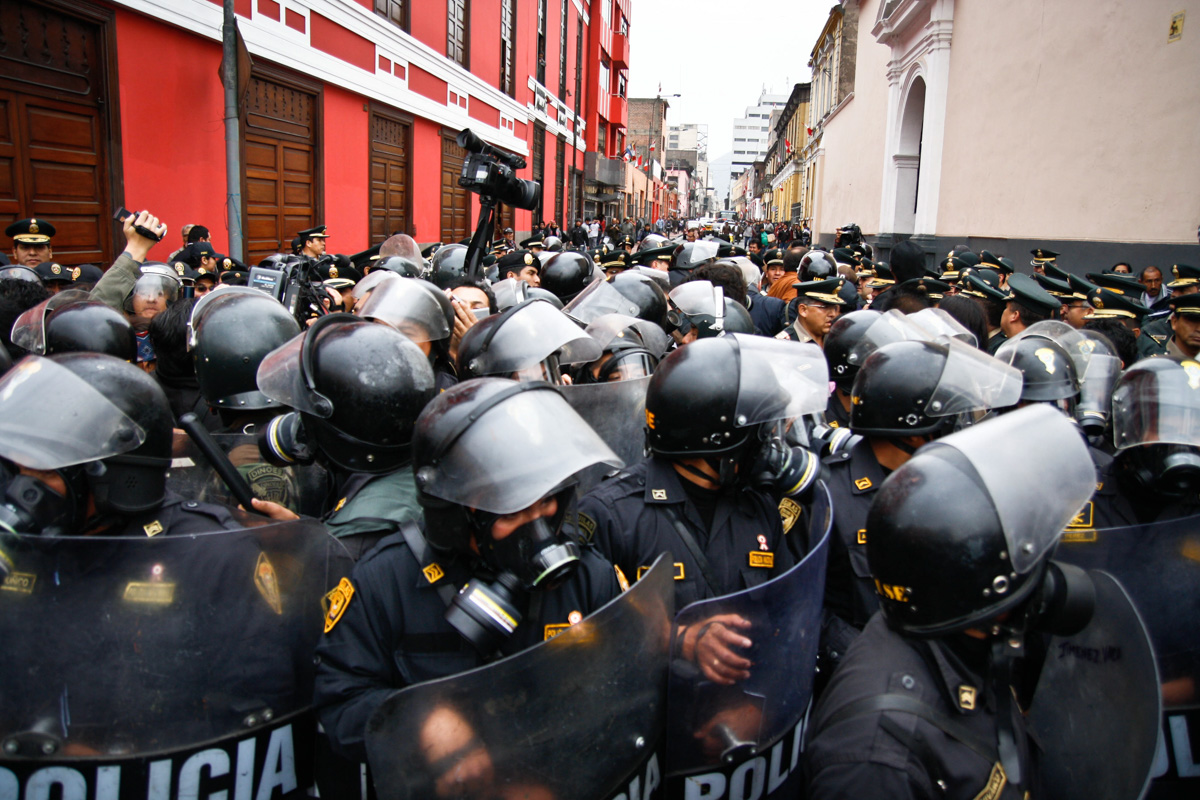
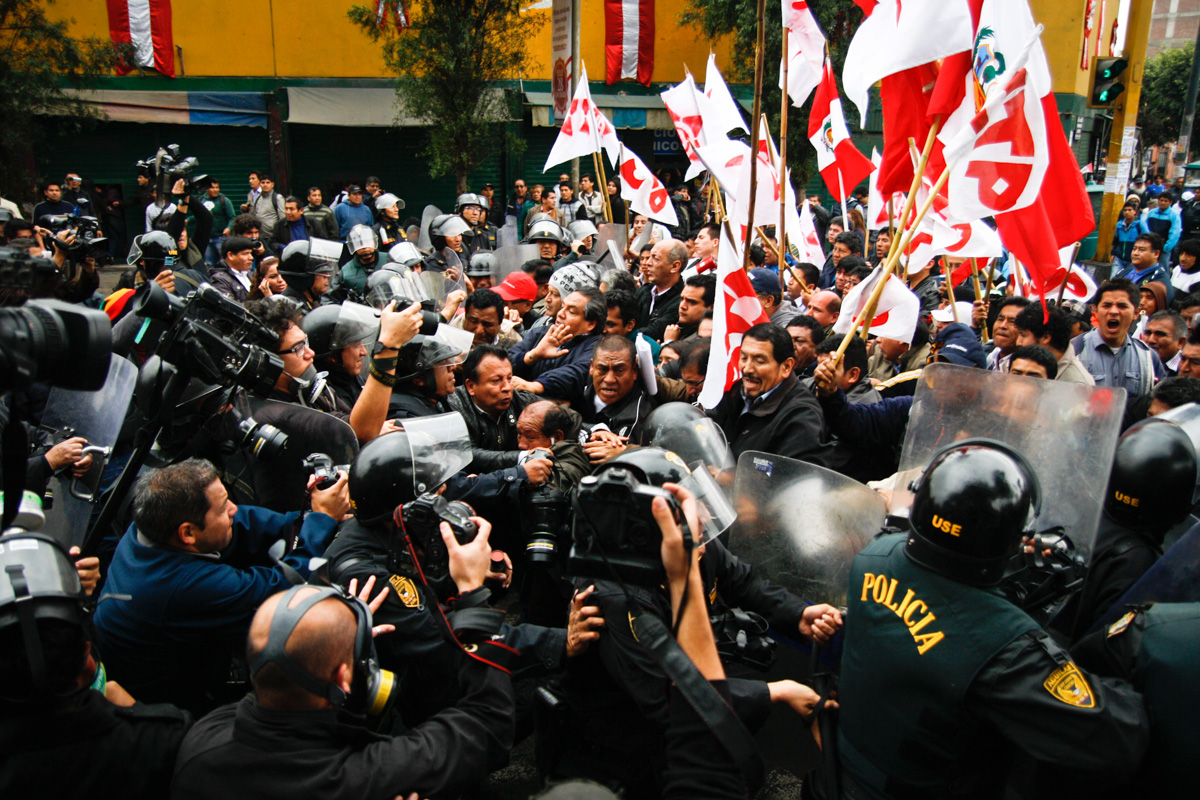
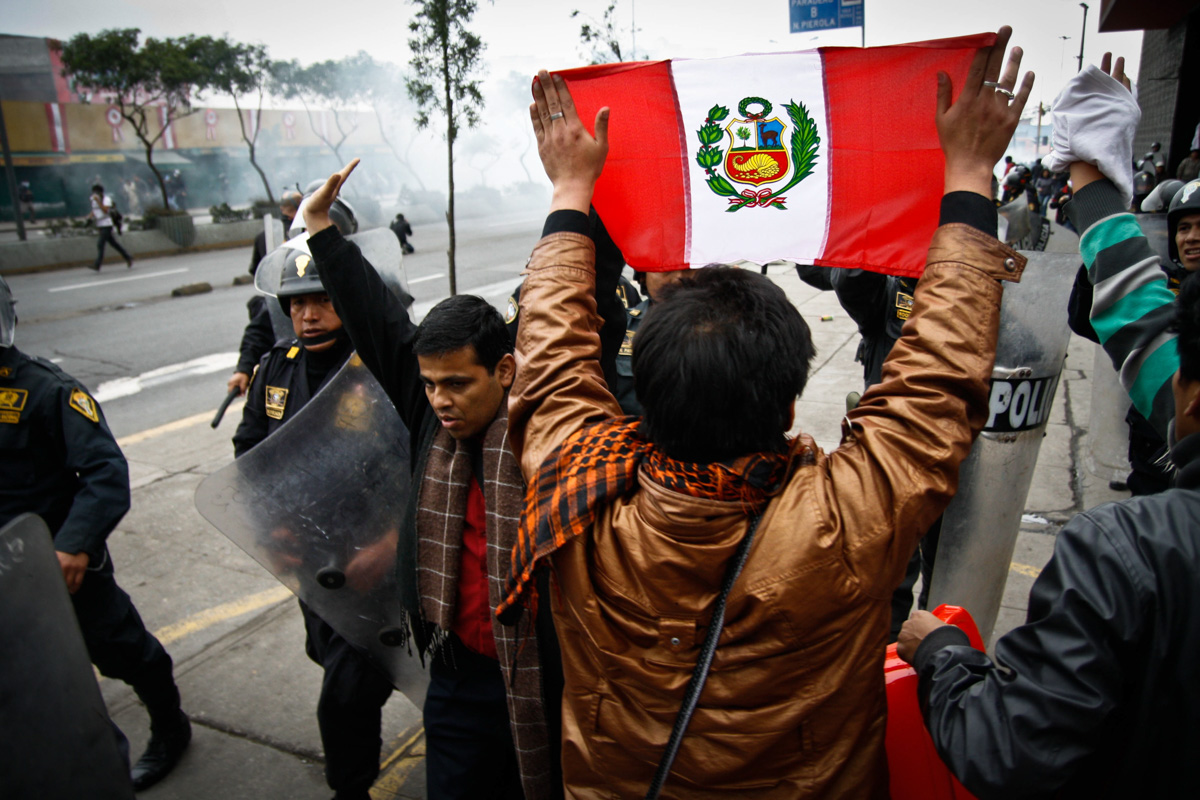
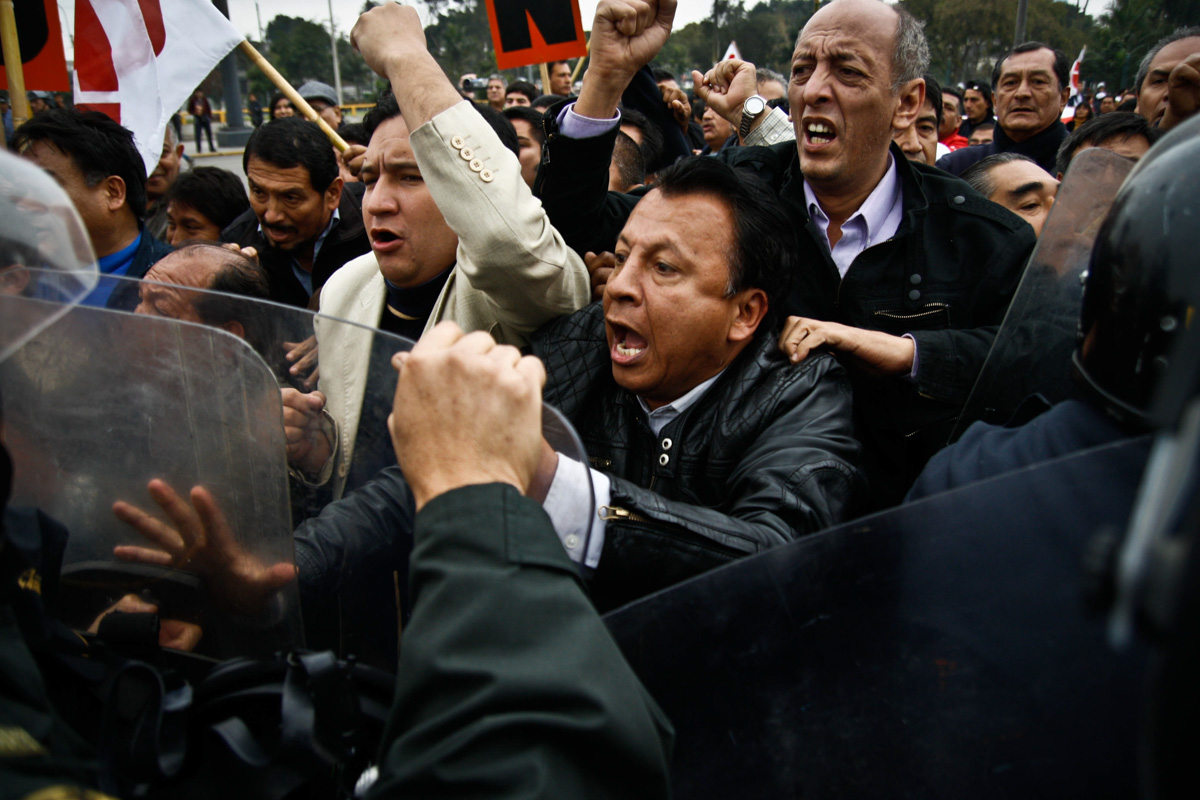
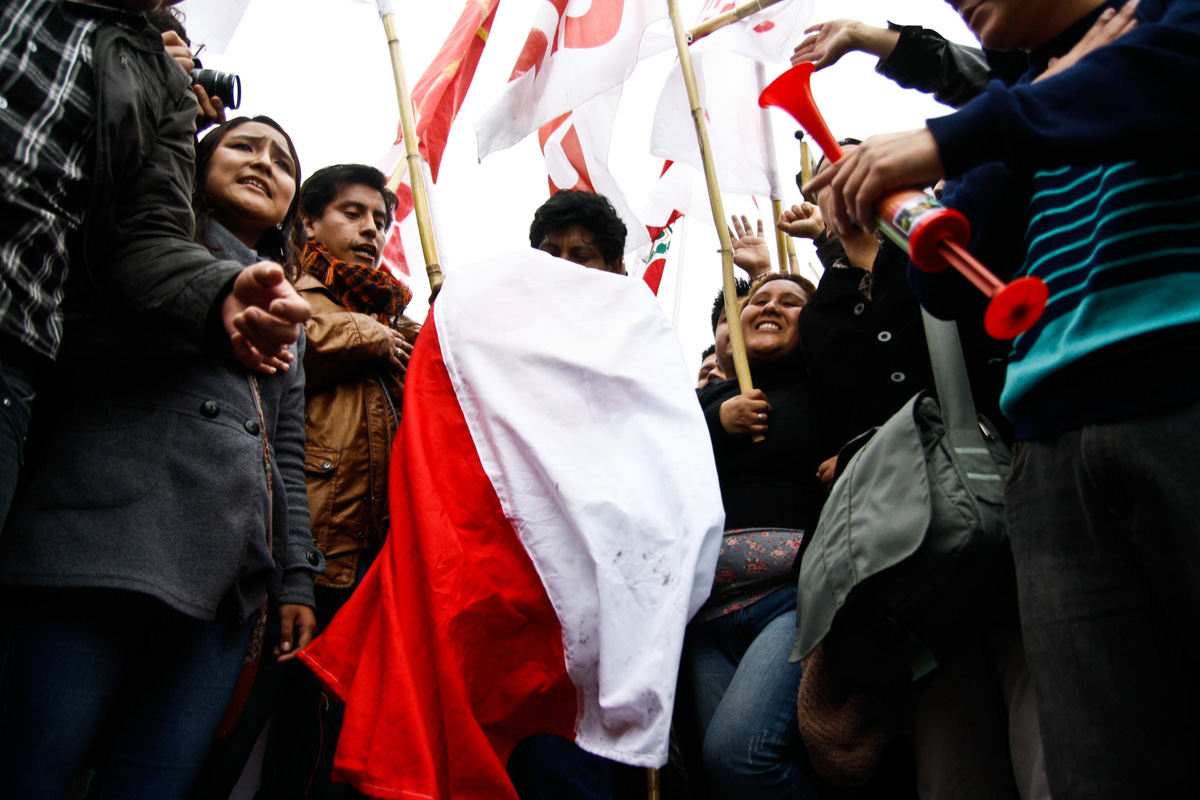
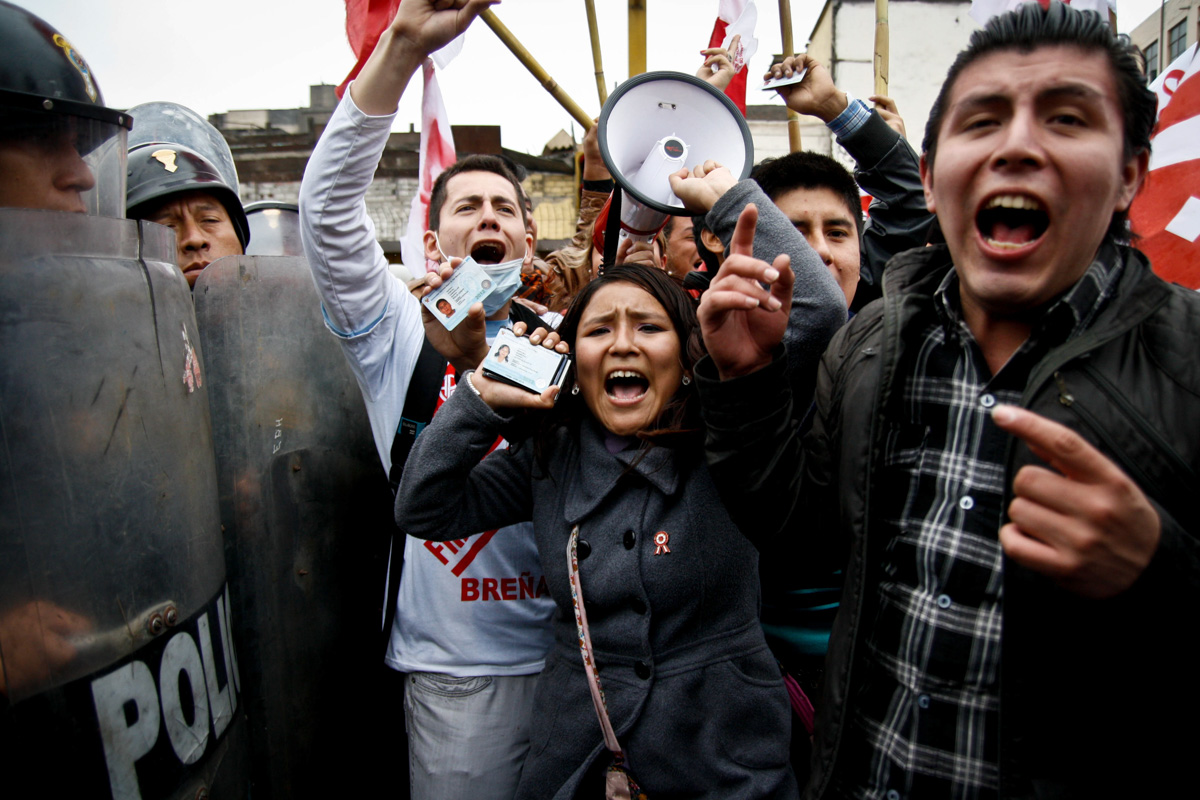
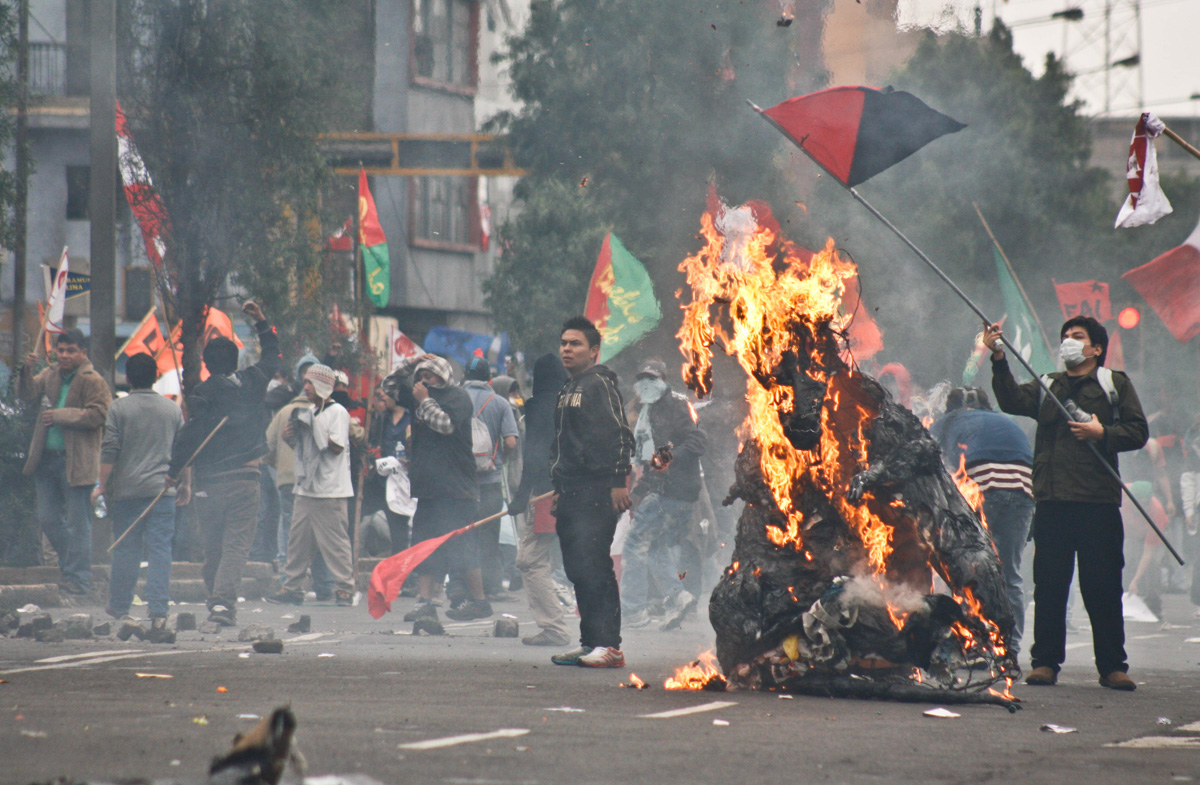
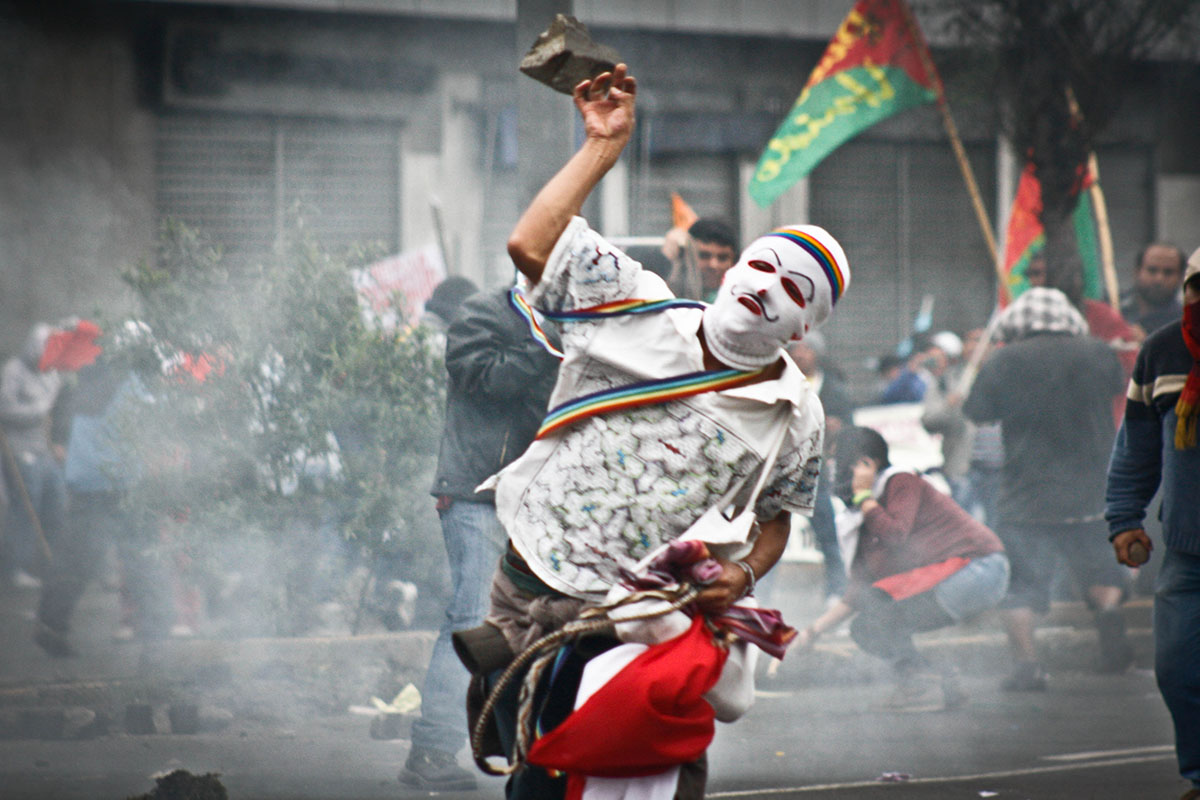
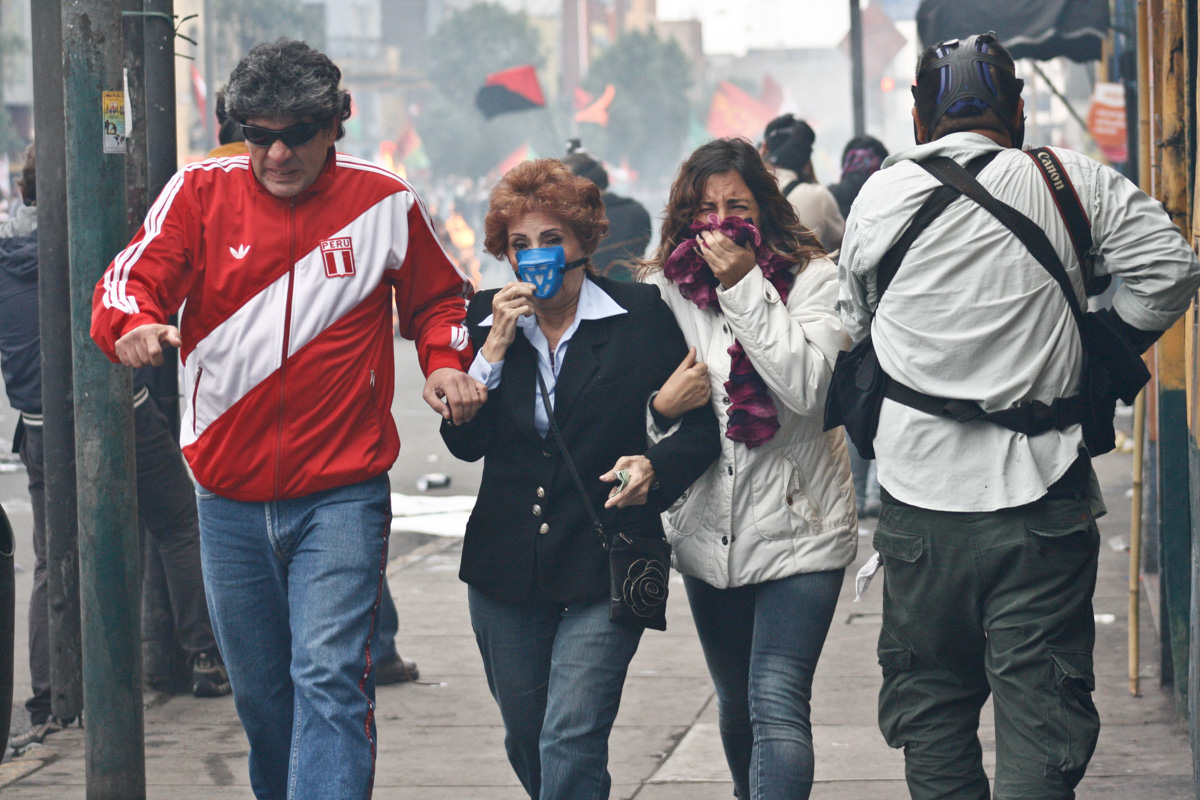
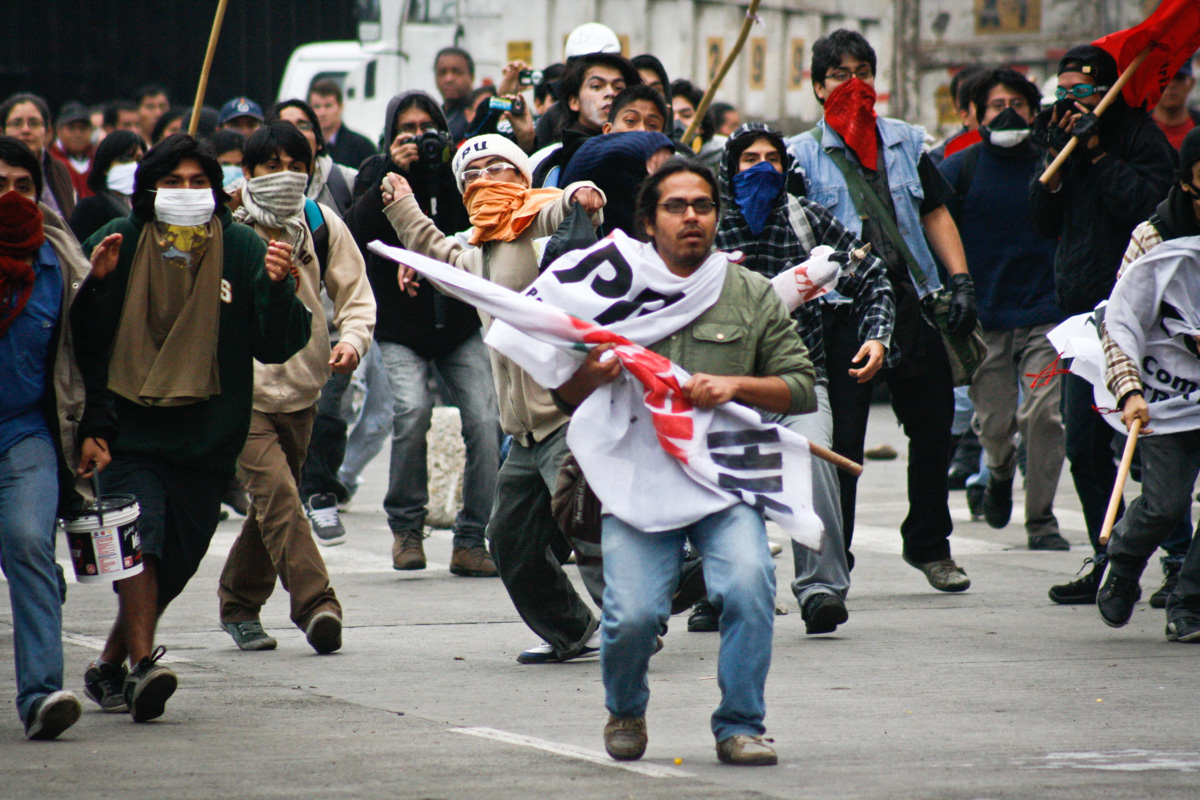
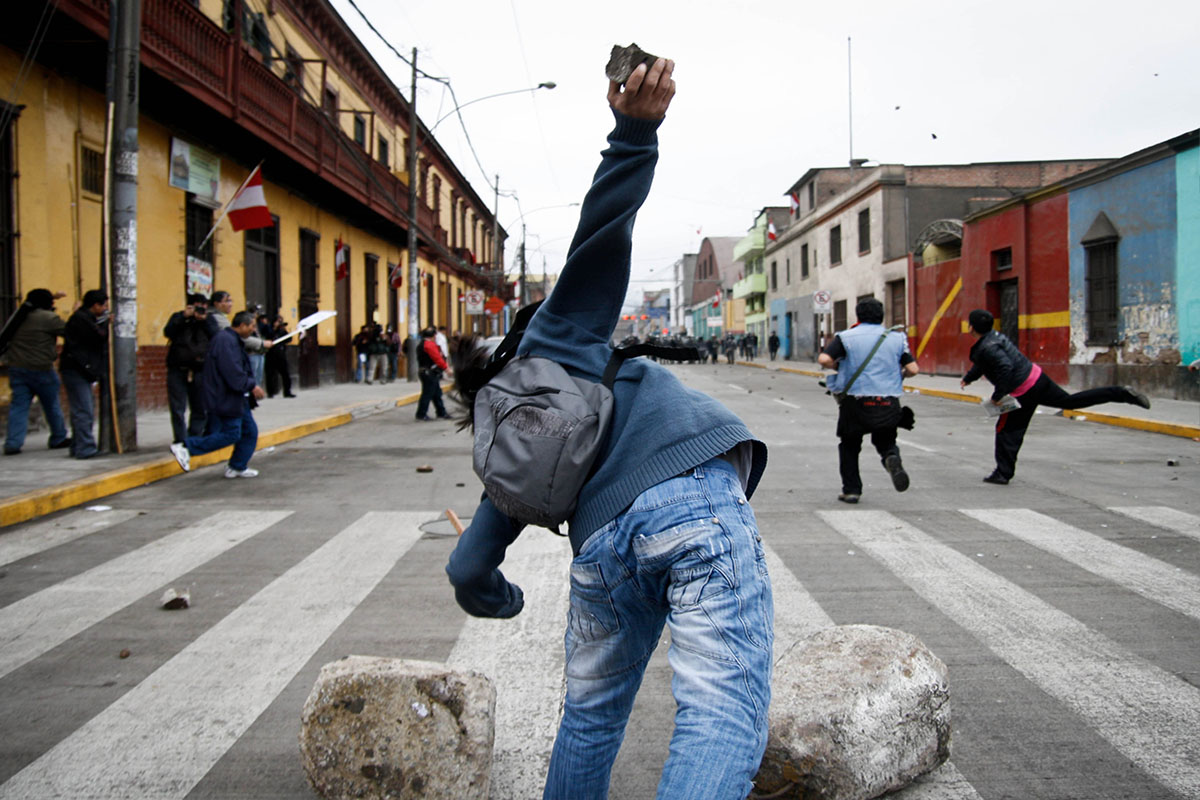
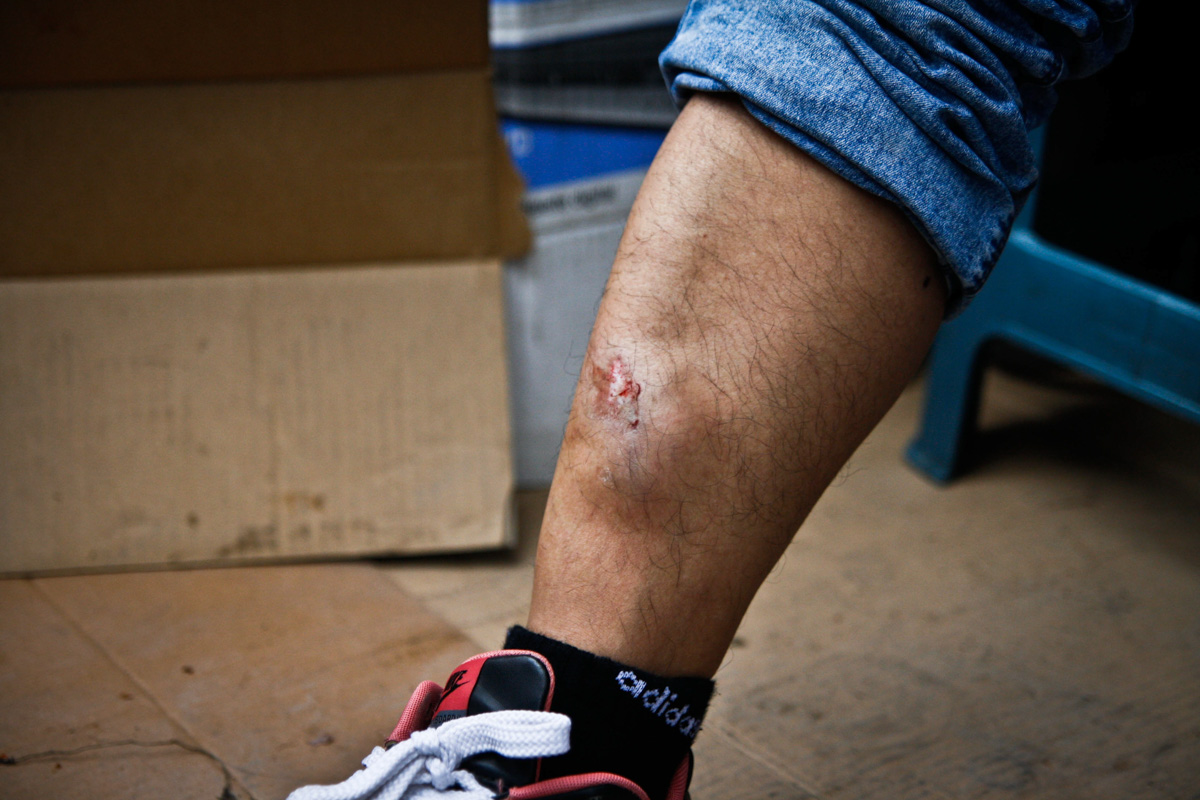
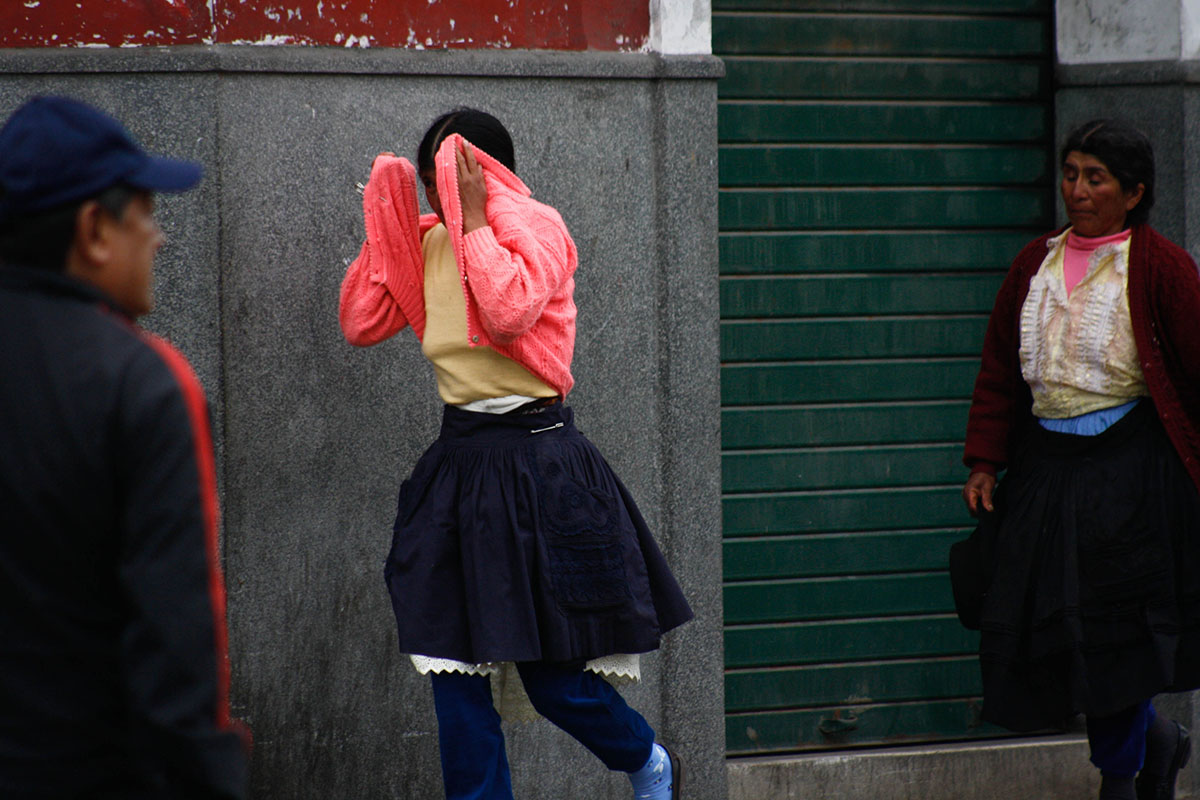
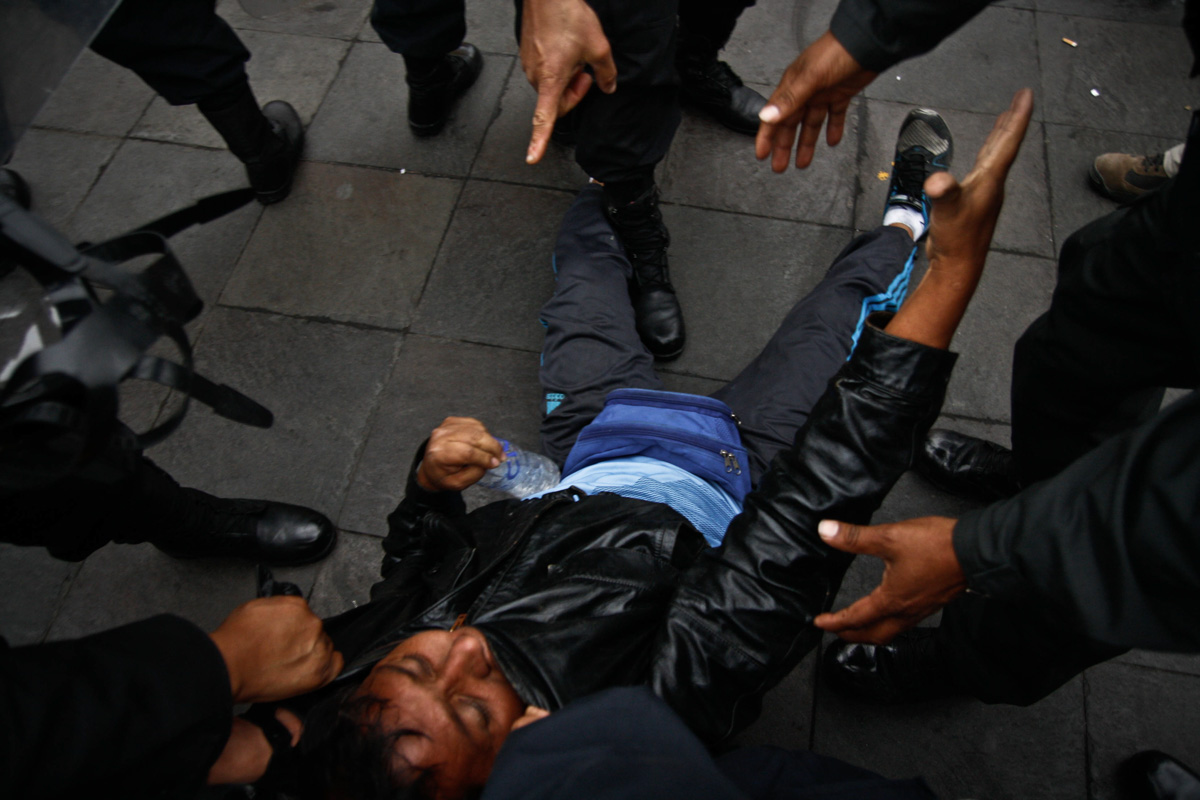
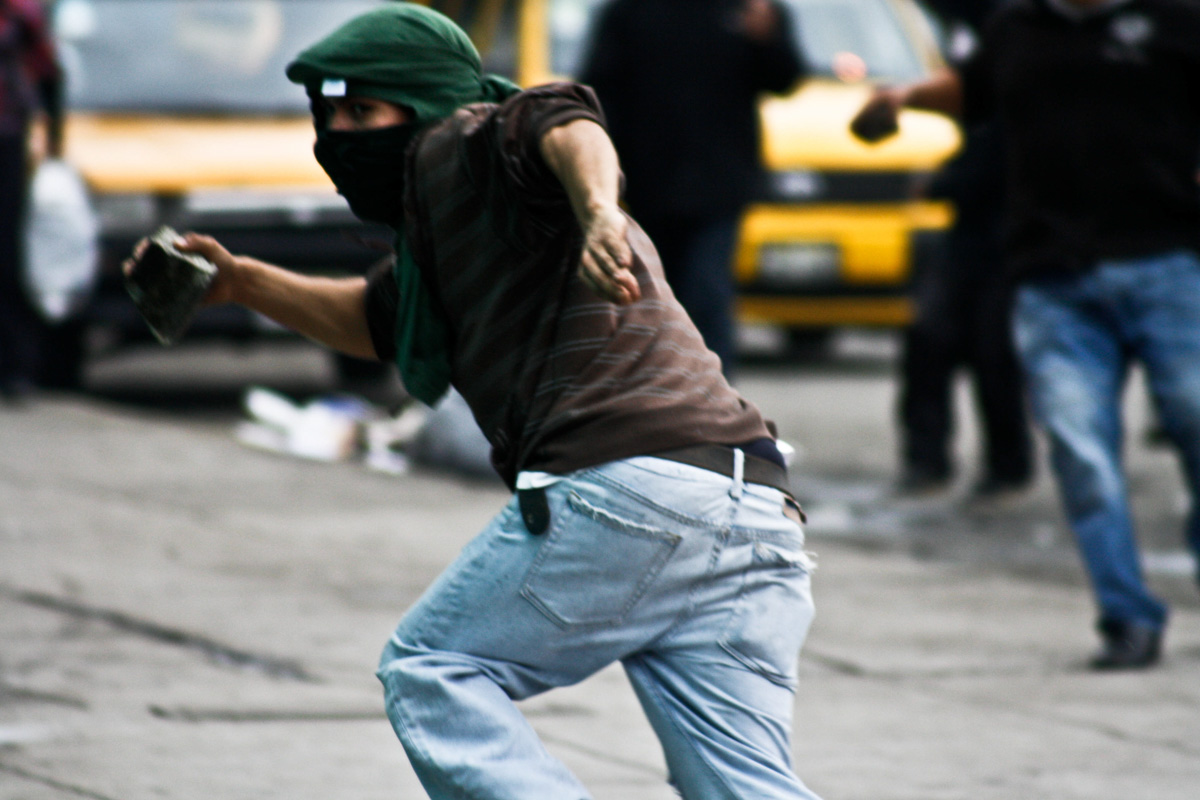
Everyone took to the streets to protest authoritarian abuses. In 2013, thousands of students and social groups marched peacefully to Abancay Avenue to protest the university law and the publication of the civil service law. However, this led to a confrontation with law enforcement. The students and other groups decided to enter the Congress building through the surrounding streets. This sparked a violent clash with the police. Tear gas and the use of police force resulted in several injuries, both to students and civilians. There were numerous arrests of university students. The CGTP (General Confederation of Peruvian Workers) workers' movement gained strength during the marches that same year. Abancay Avenue became a battleground between law enforcement and social and student organizations. During June and July of 2013, the term "Repartija" (a political patronage system) came to light. This system involved Congress distributing positions in the Constitutional Court, the Ombudsman's Office, and the Central Reserve Bank in the upcoming elections. This sparked widespread outrage among Peruvian citizens. Large marches were held, involving social groups, university students, politicians, and others. On July 27 and 28, 2013, massive demonstrations were organized against the Repartija. Tensions reached a fever pitch during those days. The protests resulted in significant property damage and numerous civilian arrests. Months later, Congress repealed the resolution.
Hola 👋 contáctar con Jorge L. Cerdán - fotoperiodista...