Commissions

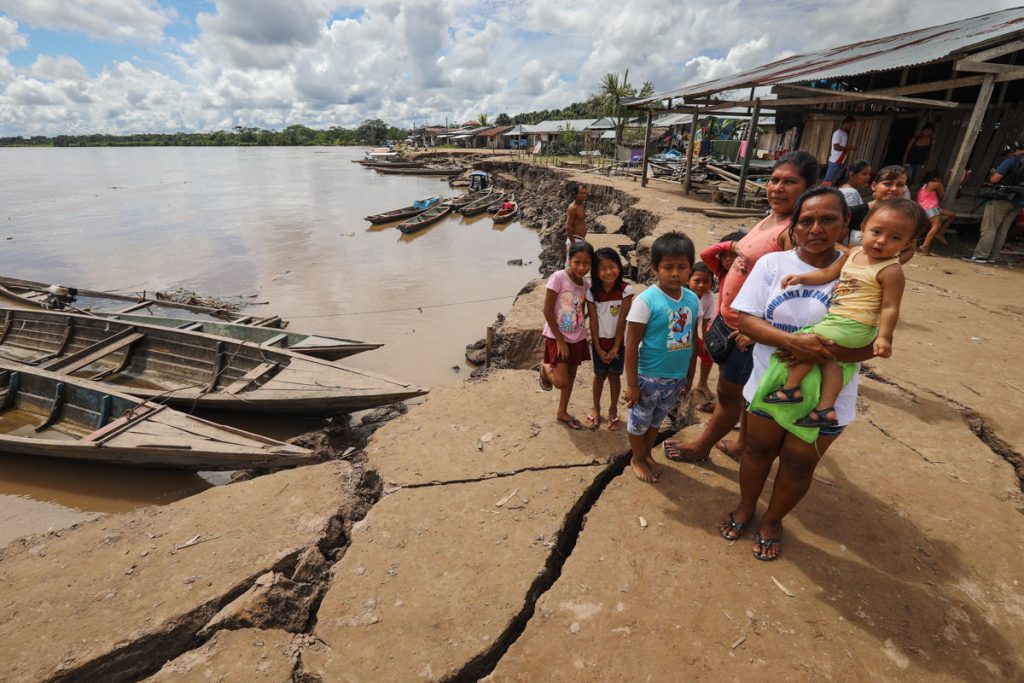
Earthquake in Yurimaguas

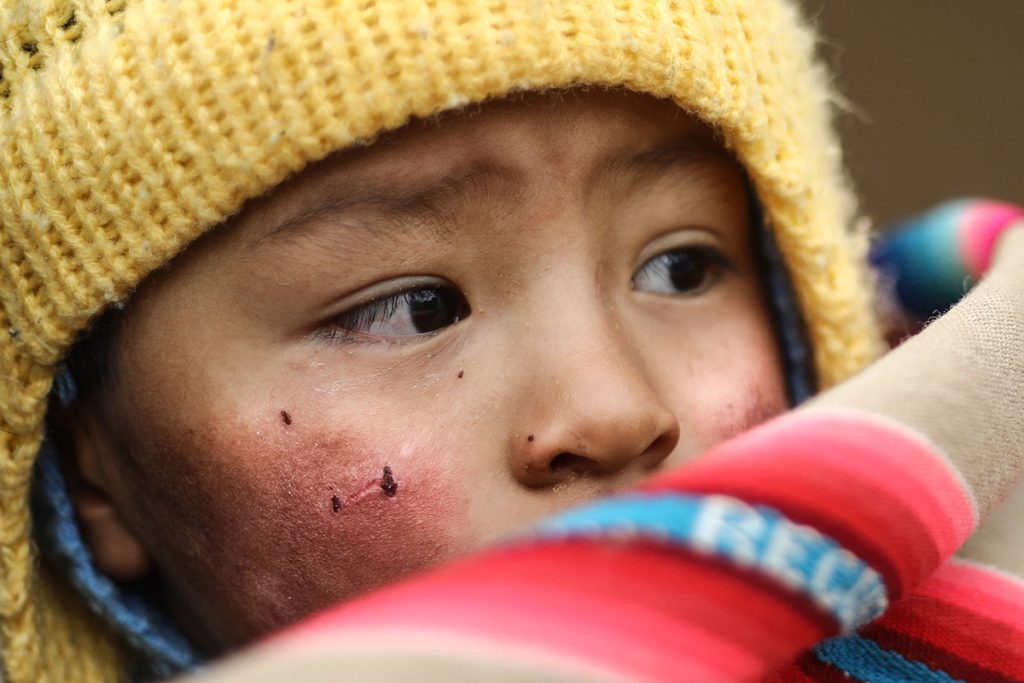
In May 2019, an 8.5 magnitude earthquake struck northeastern Peru. The most affected regions were the departments of Iquitos and Amazonas, specifically the cities of Tarapoto, Yurimaguas, and Alto Lagunas. The following images show some of the aftermath in Yurimaguas and the community of Alto Lagunas. The powerful earthquake caused houses, churches, and schools in the Yurimaguas area to collapse. No deaths were reported, but there was significant material damage and widespread panic among the residents. The community of Alto Lagunas was not so fortunate. In this remote area of ​​Peru, a fifteen-hour boat ride up the Huallaga River, accessible only by boat, a much larger catastrophe was reported. Its entire river port was left in ruins, with extensive material damage and one fatality. Aid in the form of food and supplies from the government arrived several days later. The economic situation in the Laguna community is low. They live off agriculture and fishing. The community is located next to the Huallaga River and is part of the access route to the Iquitos department. Over the months, Lagunas has been rebuilding its community; however, they are still awaiting the fulfillment of government promises.

Earthquake in Yurimaguas Read More »
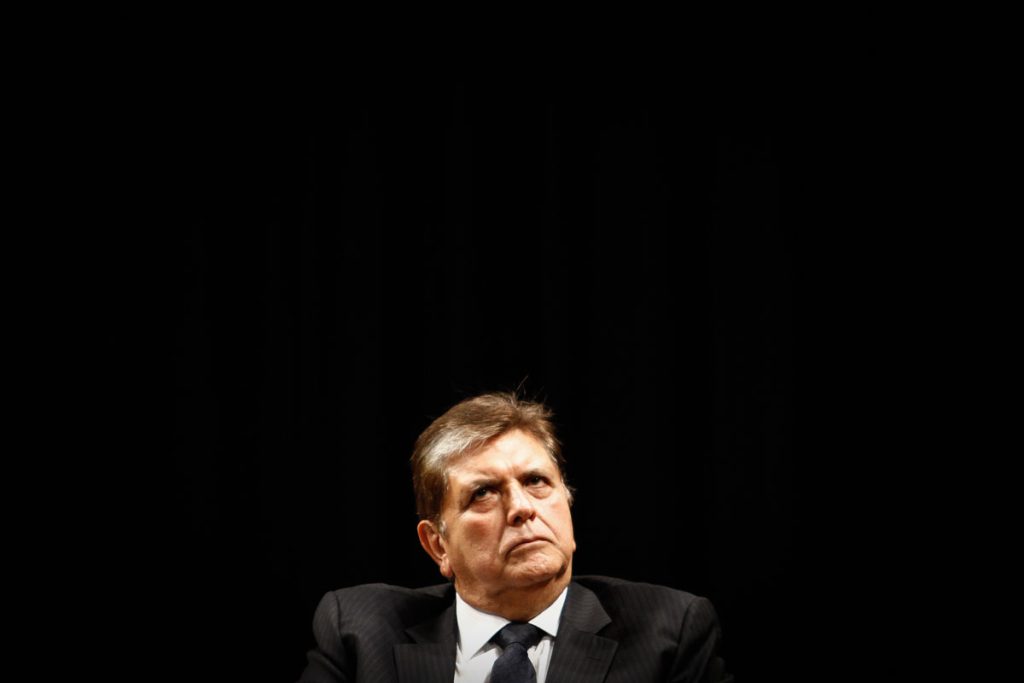
Alan García 1949 – 2019

Alan García Pérez, born on May 23, 1949, was a Peruvian lawyer and politician, leader of the Peruvian Aprista Party (APRA). He served as President of Peru twice, not consecutively: from 1985 to 1990 and from 2006 to 2011. He received political training from the party’s founding leader, Víctor Raúl Haya de la Torre, and was one of his most favored disciples. He held various political positions from a young age. García was always known for his powerful oratory skills. His first term (1985–1990) was marked by unprecedented hyperinflation (uncontrolled and extremely rapid inflation that drastically reduced the purchasing power of the currency). This led to long lines at stores as people tried to buy goods, and the resulting social unrest. He was succeeded by Alberto Fujimori at the end of his term in 1990. Due to the serious events that occurred during his first term, García evaded Peruvian justice and fled to Europe, where he lived for much of his exile. He returned to Peru in 2001 after the fall of Fujimori’s regime. In 2006, García won the presidential elections, defeating his opponent, Ollanta Humala. His second term was characterized by the continuation of public investment projects, economic growth, and other positive developments. However, he was also accused of corruption. In 2016, García ran for president again; however, he did not obtain the required number of votes. In the following years, he was summoned several times to the Public Prosecutor’s Office, as well as to Congress, for irregularities during his previous terms. On April 17, 2019, García committed suicide by shooting himself in the head as police were preparing to arrest him in connection with the Odebrecht case. He was immediately taken to Casimiro Ulloa Hospital; his condition was critical. Around midday, news of his death broke. In the following days, García lay in state at the headquarters of the APRA party, better known as the Casa del Pueblo (People’s House). Hundreds of APRA supporters paid their last respects. His coffin traveled through several streets of Lima, accompanied by celebratory floats and applause. According to historical sources, Alan García is the second head of state to commit suicide.

Alan García 1949 – 2019 Read More »

Antauta, anemia in the highlands

In Antauta, at over 4,200 meters above sea level, nine out of ten children suffer from anemia. These children not only experience sleepiness but also other symptoms that have silently progressed over time. Fatigue, lack of concentration, poor performance, and low hemoglobin levels are some of the factors detected in this remote area of ​​Peru. Some residents don’t know how anemia arrived in this district. During the afternoon and evening, temperatures can drop to minus five degrees Celsius. This causes anemia to take hold among residents with pre-existing conditions. In recent years, the government has provided this area with medicine and mobile health tents to improve care and combat the disease. Half of the population receives this assistance. Nurses take blood samples from children and adults to measure their hemoglobin levels. The other half of Antauta’s population doesn’t trust the medicines and self-medicates with local natural herbs. Near Antauta, a mine operates, causing pollution of the rivers, the Ichu grasslands, and affecting the local population. Therefore, it is possible that this informal activity has also contributed to the anemia outbreak in the district. According to the Ministry of Health (MINSA), in 2016, 95% of Antauta’s population suffered from anemia, an alarming figure. Today, despite fluctuations, it has decreased to 60%. The struggle in Antauta, located in the province of Melgar, department of Puno, continues quietly. Anemia and environmental pollution remain a silent threat in the cold highlands of rural Peru.

Antauta, anemia in the highlands Read More »

Protests Against the Pardon of Alberto Fujimori

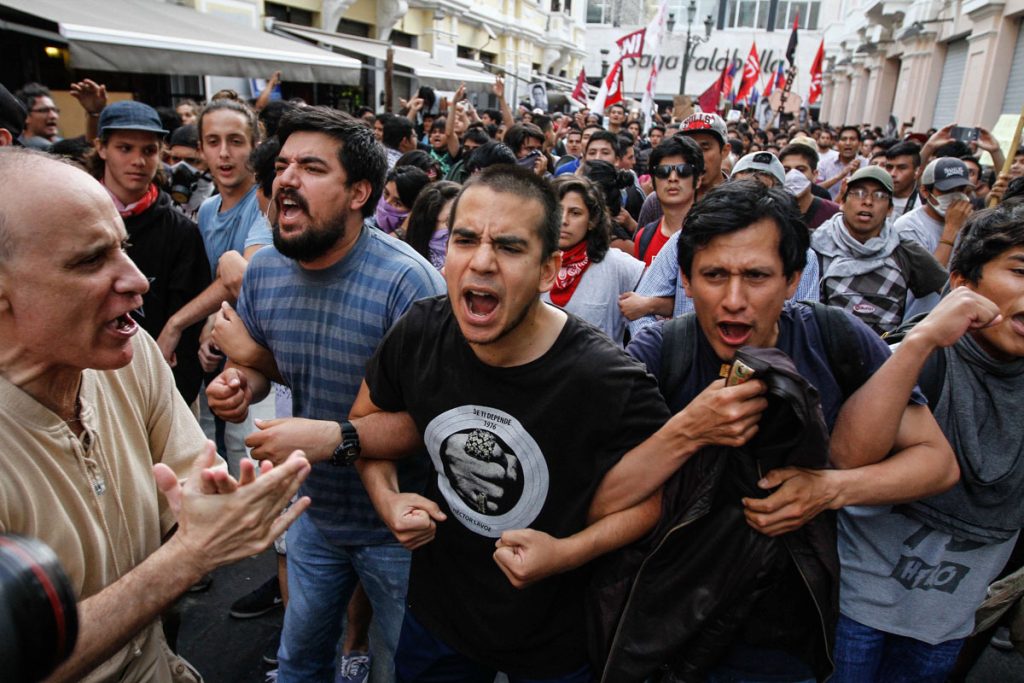
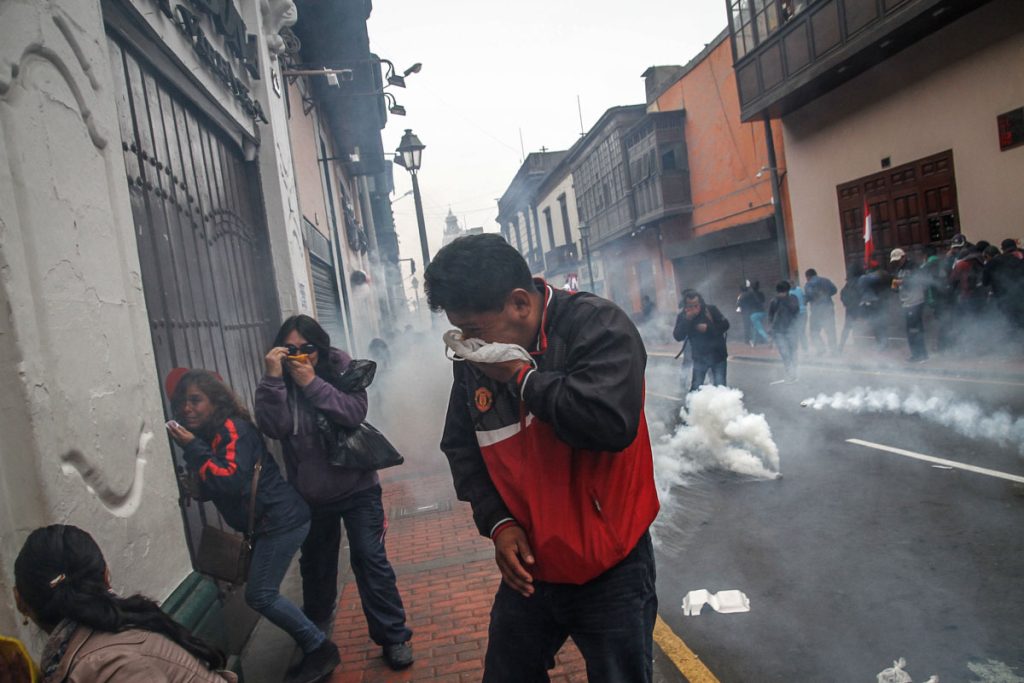
Just hours before Christmas 2017, Alberto Fujimori, the former president of Peru, was quickly transferred from Barbadillo prison to the Centenario Peruano Japonés clinic. His condition was critical. As the hours passed, Fujimori’s children and family members arrived at the medical center. Around 6 pm, President Pedro Pablo Kuczynski issued an official statement that would drastically change the course of history. He granted Fujimori a humanitarian pardon. At the time, Fujimori was serving a long sentence for serious human rights violations and acts of corruption. Reactions were immediately divided. On one hand, several groups of Fujimori supporters celebrated jubilantly outside the Centenario clinic. On the other hand, citizens and relatives of victims of his administration expressed their complete rejection of Kuczynski’s pardon decision. The night was long. Citizens marched toward the president’s house in protest and total rejection; they were immediately met with tear gas by police. Christmas 2017 arrived amidst a massive march rejecting the pardon. A massive march was immediately announced for December 25th in Plaza San Martín. The gathering brought together thousands of citizens who congregated in the Plaza San Martín from the afternoon onward. Hundreds of banners against the pardon, relatives of victims of his government joined in human chains, and young people opposed to the amnesty were the result of this large demonstration against the amnesty for Alberto Fujimori. The massive march began its route through the streets of Lima’s historic center toward the government palace. Confrontation was inevitable. Police officers blocked the march’s advance with tear gas and rubber bullets. The protesters dispersed to various points throughout the streets of downtown Lima. The clashes and arrests lasted until late into the night. Several arbitrary detentions were reported. The march culminated in front of the Palace of Justice, with the singing of the Peruvian national anthem. In October 2018, a court of the Supreme Court of Peru overturned the pardon. The efforts of the victims’ families were rewarded after they appealed to the Inter-American Court of Human Rights for a ruling. Alberto Fujimori returned to Barbadillo prison to continue serving his sentence.

Protests Against the Pardon of Alberto Fujimori Read More »

Teachers’ strike 2017

In 2017, the education sector marked a period of conflict in Peru’s history. Thousands of teachers, from both Lima and the provinces, demanded the following from the government of Pedro Pablo Kuczynski: salary increases, payment of the social debt, and an increase in the public education budget. The following months were tense. Marches were a daily occurrence. Teachers raised their voices in support of their just demands at various state institutions, but on many occasions, they were met with tear gas. San Martín Square became the center of operations for their mass demonstrations. Community kitchens and the arrival of several SUTEP (Unified Union of Peruvian Education Workers) branches from different provinces further strengthened the struggle. Most teachers marched toward the Congress of the Republic to have their demands heard; however, these actions again provoked clashes with the police, which often ended in violence. Finally, on August 2, 2017, the suspension of the national strike was announced, according to an agreement reached at the Extraordinary National Congress of SUTE, clarifying that it would only be a temporary suspension and that they would continue to demand their just demands.

Teachers’ strike 2017 Read More »

The Lord of Miracles from 2016 to 2018

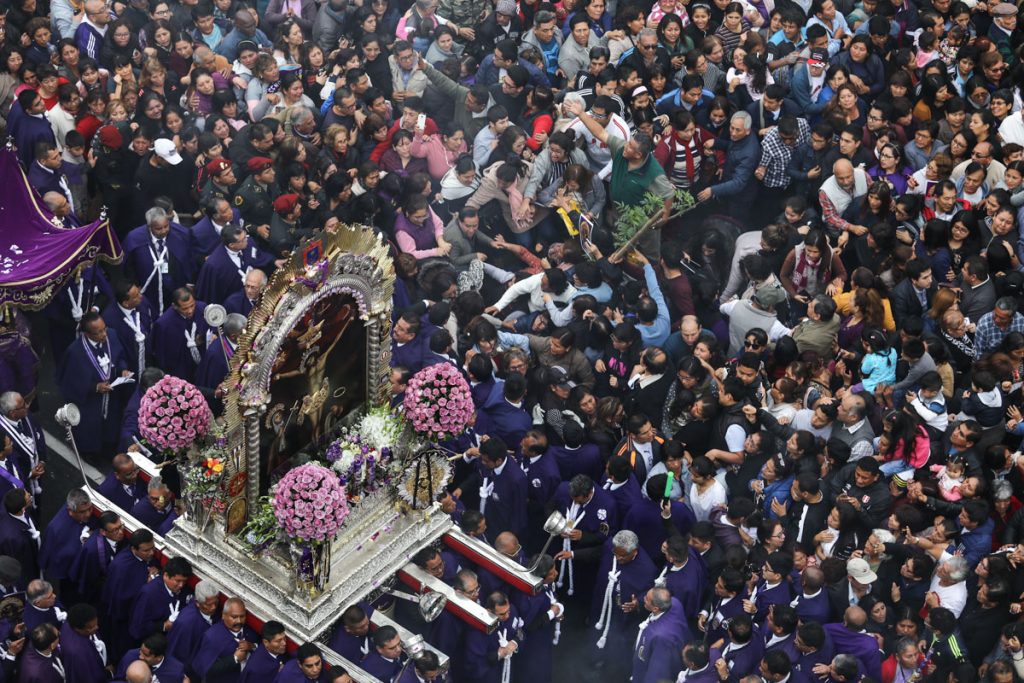
Faith moves mountains and masses. The Lord of Miracles is a venerated image of Christ crucified, painted on an adobe wall. It became miraculous after surviving an earthquake in 1655, strengthening popular devotion and giving rise to a massive annual procession in October. In this month, thousands of faithful dress in purple and walk the city streets to honor the image and ask for a miracle of faith. The original image is located on the main altar of the Sanctuary of Las Nazarenas, which has become an important place of pilgrimage and prayer. A replica was built, which, to this day, is the image that travels the streets of Lima. According to popular tradition, the Christ of Pachacamilla (also known as the Christ of Pachacamilla) was painted in 1651 by a slave from Angola who was brought to Peru. The Feast of the Lord of Miracles is the main religious celebration in Peru and one of the largest Catholic processions in the world. A sea of ​​people can be seen from the top of a building. Faith moves masses. This combines with the feelings of longing that each person has, and that feeling is transmitted toward the faith in the Lord of Miracles. The streets prepare to receive him; many flowers are thrown from the rooftops. Tears fall onto the hands crossed in the shape of a cross by each penitent. The image of the Black Christ passes among the crowds and streets of Lima, perhaps blessing each person and home on his journey to the infinite… The society of a devout faith in the month of October.

The Lord of Miracles from 2016 to 2018 Read More »

Tragedy on San Cristóbal Hill

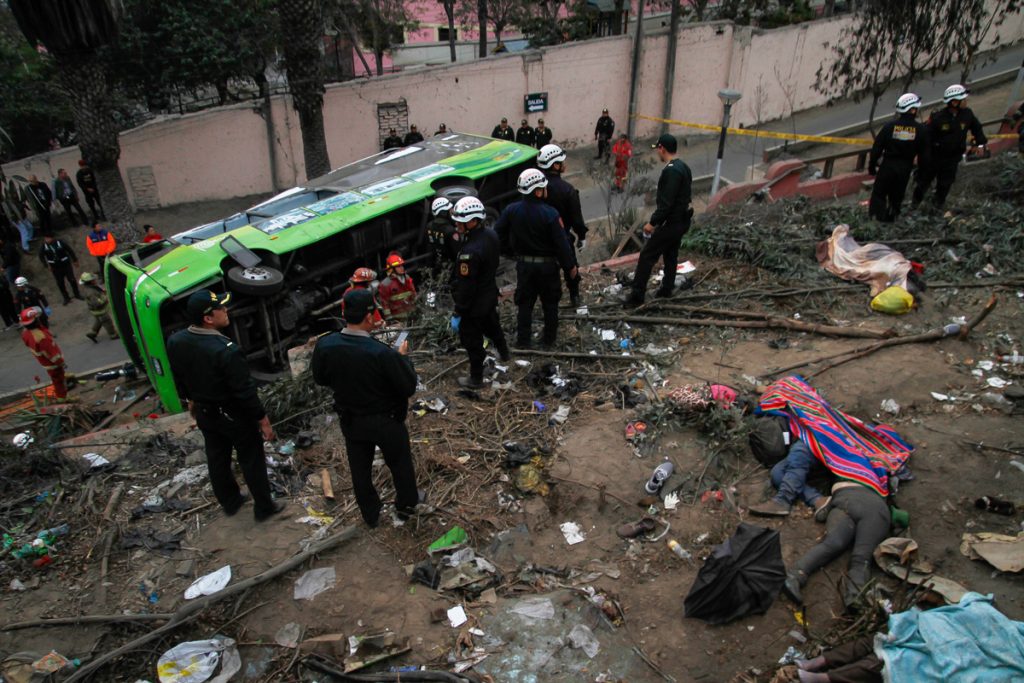
A family Sunday outing turned into tragedy. San Cristóbal Hill is one of the most important tourist sites in Lima, the capital city. Thousands of families and foreigners visit this place, considered a sacred Apu (mountain spirit), which offers a panoramic view of the entire city. Tourism is a significant source of income for these areas. Tourist buses are the only means of transporting large families to the viewpoint. Many of these buses did not meet the required technical inspection standards; this evaluation was pending by the authorities. On July 9, 2017, the inevitable happened: a tourist bus veered off the road on the downhill section of San Cristóbal Hill and rolled several times, resulting in nine immediate deaths and 56 serious injuries. Excessive speed was the primary cause of this tragedy. The scene was heartbreaking. Families searched for loved ones in the wreckage of the bus, bodies lay scattered in the surrounding area, and the wail of ambulances echoed through the ears of onlookers living near San Cristóbal Hill. Currently, that section of the descent from San Cristóbal Hill is closed, but tourist buses continue to operate, still taking families to the viewpoint, unsure if it might be their last trip.

Tragedy on San Cristóbal Hill Read More »

Fire at the Nicolini gallery

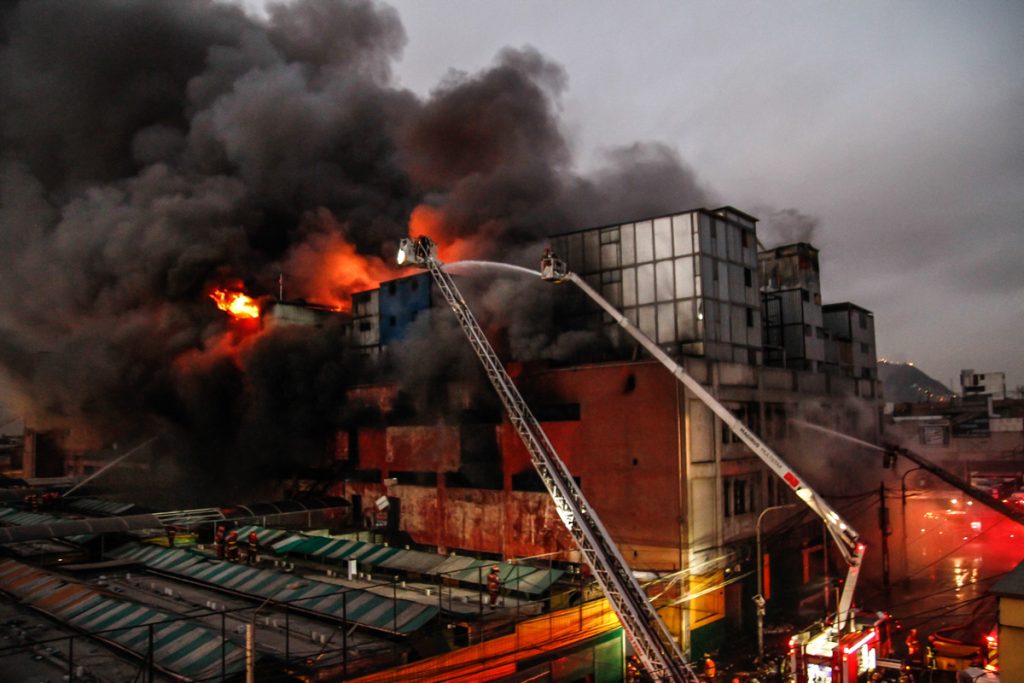
The fire at the Nicolini Gallery occurred on June 22, 2017. Firefighters battled the blaze for five consecutive days, and it is considered the second largest fire in history, after the Mesa Redonda tragedy in 2001. The thick smoke spread across several districts of Lima. The material losses were substantial; however, the fire also exposed the inhumane working conditions in the gallery’s shipping containers. Two young men died of asphyxiation inside, having been informally locked inside during their work hours. As the hours passed, the fire slowly consumed the container area. The two young men managed to call their families, as a final farewell. After several hours, firefighters arrived at the scene, broke the lock, but it was too late. Jovi Herrera and Jorge Luis Huamán were working without contracts, locked inside, and relabeling electrical products. The fire at the Nicolini Gallery reflected the precarious working conditions and labor abuses of some informal businesses. The gallery has since been demolished and forgotten, while the families of the victims continue to demand justice for those responsible for the tragedy, which left a deep wound.

Fire at the Nicolini gallery Read More »

Huarmey, the city affected by the coastal El Niño

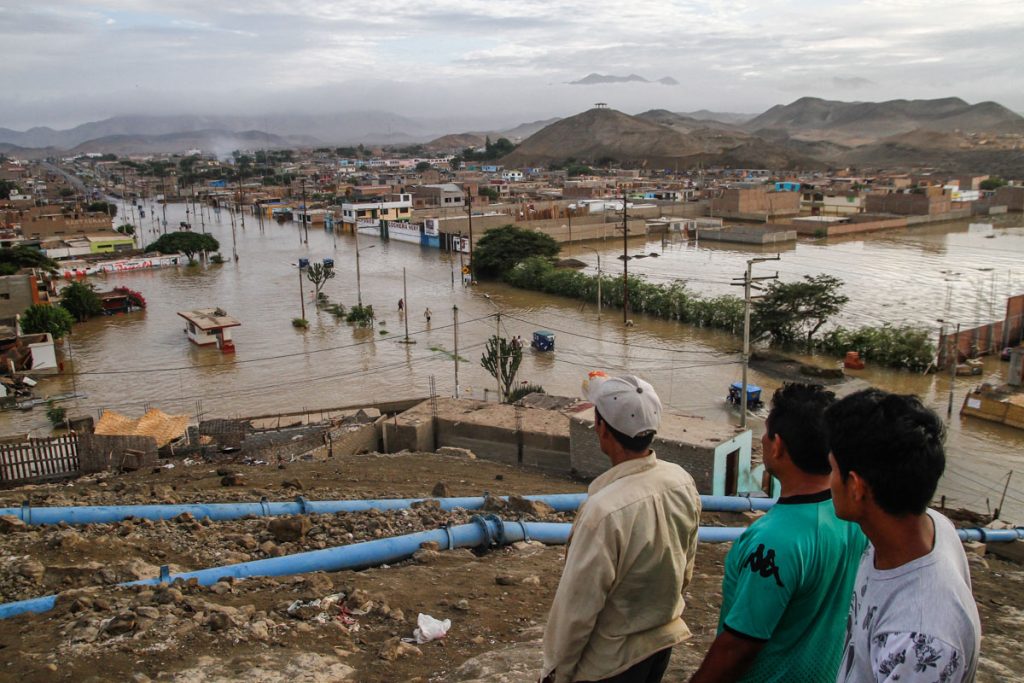
On March 15, 2017, the city of Huarmey, located at kilometer 297 of the Pan-American Highway North, was impacted by the El Niño Coastal Phenomenon. Flooded houses and streets, families who lost everything, and looting in various parts of the city were the serious consequences of the Huarmey River overflowing its banks. As a result of this weather event, the northern city was declared to be in a state of emergency. Huarmey suffered one of its worst floods in history, becoming the hardest-hit province in the Ancash region of Peru. Aid began arriving four days later. Hundreds of residents formed long lines to obtain water and food. Members of the Navy and Army assisted in the rescue of people stranded on the roofs of flooded houses in the city. Weeks after the disaster, tents were set up to treat patients. It is estimated that the coastal El Niño left approximately 14,835 victims, six dead and 74 injured due to floods, river overflows and intense rains in the province of Huarmey, not counting the other provinces of Peru.

Huarmey, the city affected by the coastal El Niño Read More »

The coastal child

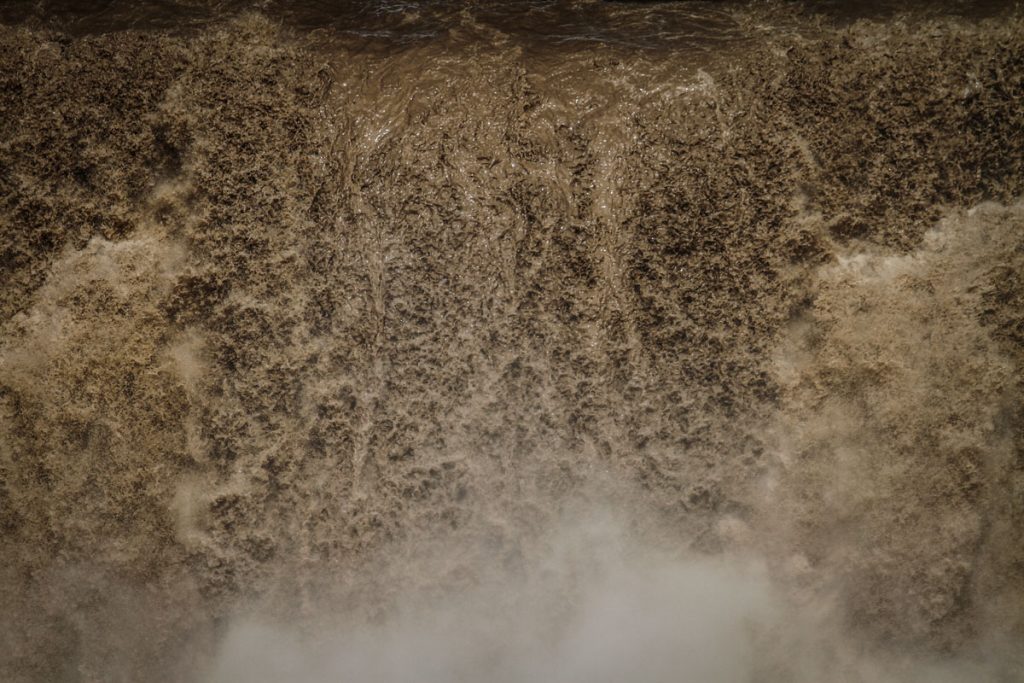
The fury of nature. The 2017 coastal El Niño was a climatic phenomenon that primarily affected Peru and Ecuador between late 2016 and May 2017.

The most severe damage was recorded in northern Peru: the departments of Tumbes, Piura, and Lambayeque were affected by torrential rains that caused floods and mudslides, impacting homes and crops on a large scale. The city of Lima and other nearby districts were not spared. Several ravines in the city’s upper districts overflowed. Large masses of mud and rocks swept away homes, and loss of life was reported. Even the Rímac River, Lima’s main waterway, overflowed, generating panic among residents. The Chillón, Huaycoloro, and Lurín rivers also overflowed, destroying everything in their path. The most affected areas were Carapongo, Huachipa, Chosica, and Cajamarquilla. These districts were the hardest hit by the coastal El Niño phenomenon. There were hundreds of victims living in extreme poverty. During those months, scenes of suffering in the face of the immense catastrophe were a daily occurrence for rescue workers and other members of the rescue teams. Many families lost everything and were left traumatized by the disaster. As the years passed, some were able to return to their places of origin, others resigned themselves to the loss of everything, and finally, some started over from scratch, always prepared for any natural disaster.

The coastal child Read More »