Commissions

Freedom Venezuela

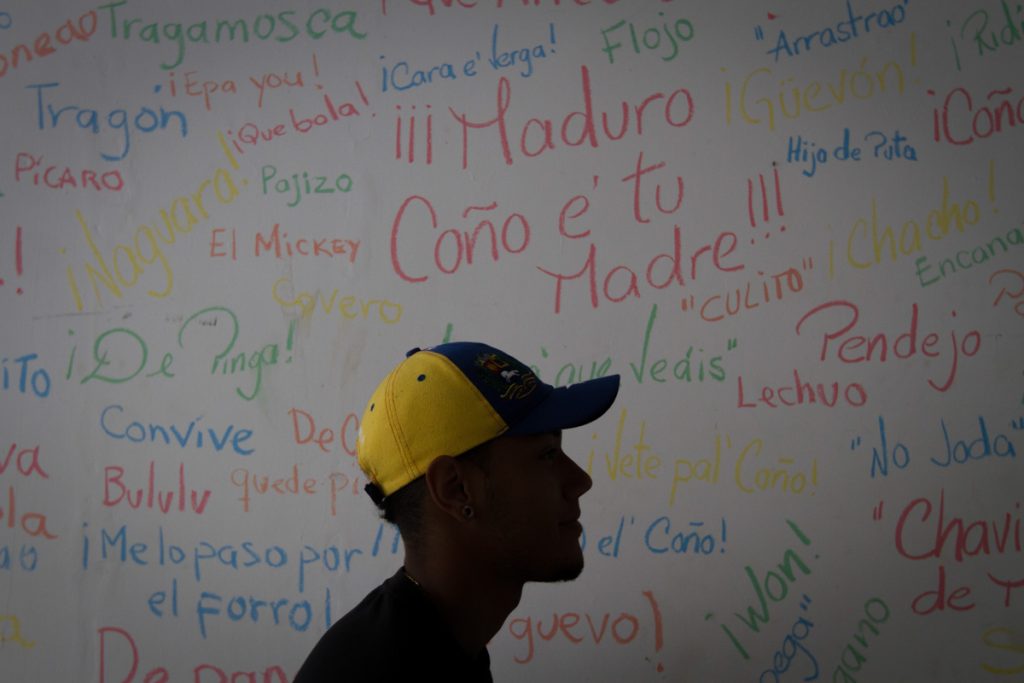
Nicolás Maduro was a Venezuelan politician who became involved in politics and union leadership from a young age. In 2012, when Hugo Chávez won the elections again, he appointed Maduro as his vice president. At that time, Chávez’s health deteriorated, but he remained president until his death in 2013. Following this event, Nicolás Maduro automatically assumed the presidency of Venezuela. During several terms in office, he prolonged the political, economic, and social crisis in Venezuela, bringing it to a critical point. There were serious human rights abuses and hundreds of arbitrary arrests of politicians who opposed his government. As a result, more than 7 million Venezuelan citizens emigrated to other countries in a massive caravan by land and air. All of them were fleeing Maduro’s dictatorial government and the economic recession. Many families, including children, young people, adults, and the elderly, had to adapt to the new societies of each country they arrived in. Peru was no exception to the migration crisis. Hundreds of Venezuelans settled in different parts of the country. They found various jobs and, over time, adapted to Peruvian society, which is always hectic and fast-paced. Finally, on January 3, 2016, US President Donald Trump, with the help of US forces, captured Nicolás Maduro in Venezuela. This news brought joy to the millions of Venezuelan immigrants around the world. In Peru, singing and dancing erupted outside the Venezuelan embassy; the Venezuelan jubilation lasted for several days.
Freedom Venezuela Read More »

Marches against extortion and insecurity in Lima

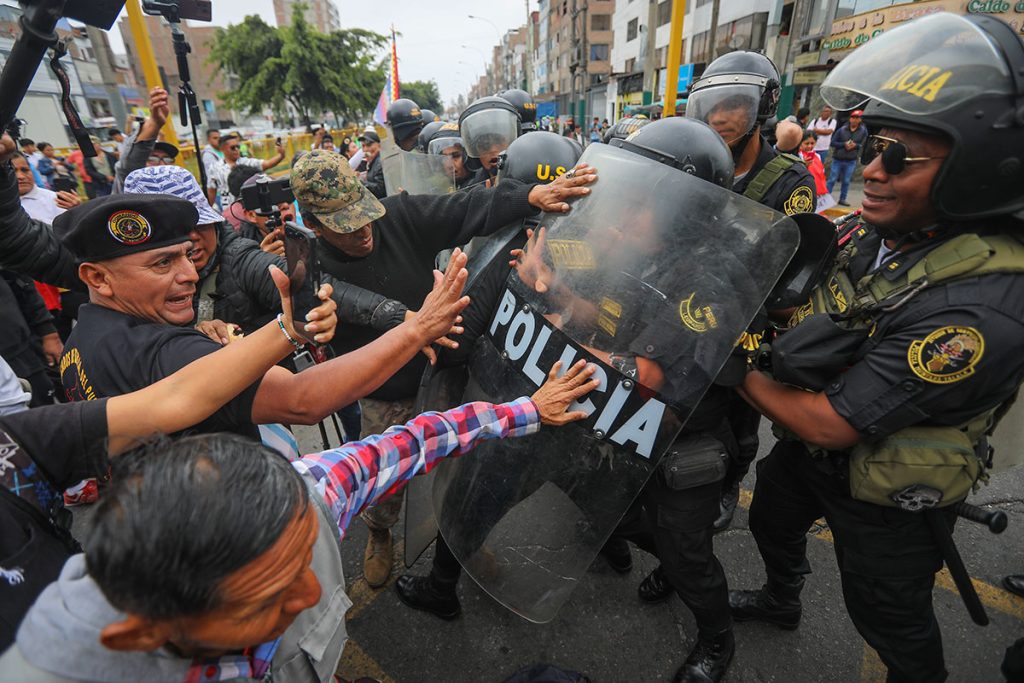
Crime is taking over the city of Lima and other provinces in Peru. In recent years, since approximately 2023, the country’s crime rate has been growing alarmingly. Extortion and protection rackets are rampant. Merchants, artists, and public transportation workers have all been affected by various criminal gangs demanding money in exchange for protection; if this protection is not paid, their lives are at risk. Several transportation companies in Lima have been attacked. Bullets and bombs placed at these companies have sown terror and collective panic among transportation workers and hundreds of citizens in Lima and other provinces. This criminal method has claimed the lives of several transport workers, merchants, and national singers; no one is safe from extortion. Several marches have been held nationwide demanding that the government take immediate action; on some occasions, there were clashes with police officers. Even today (2025), crime continues to take control; we leave home not knowing if we will return or not.

Marches against extortion and insecurity in Lima Read More »

Logbook of an insecure society

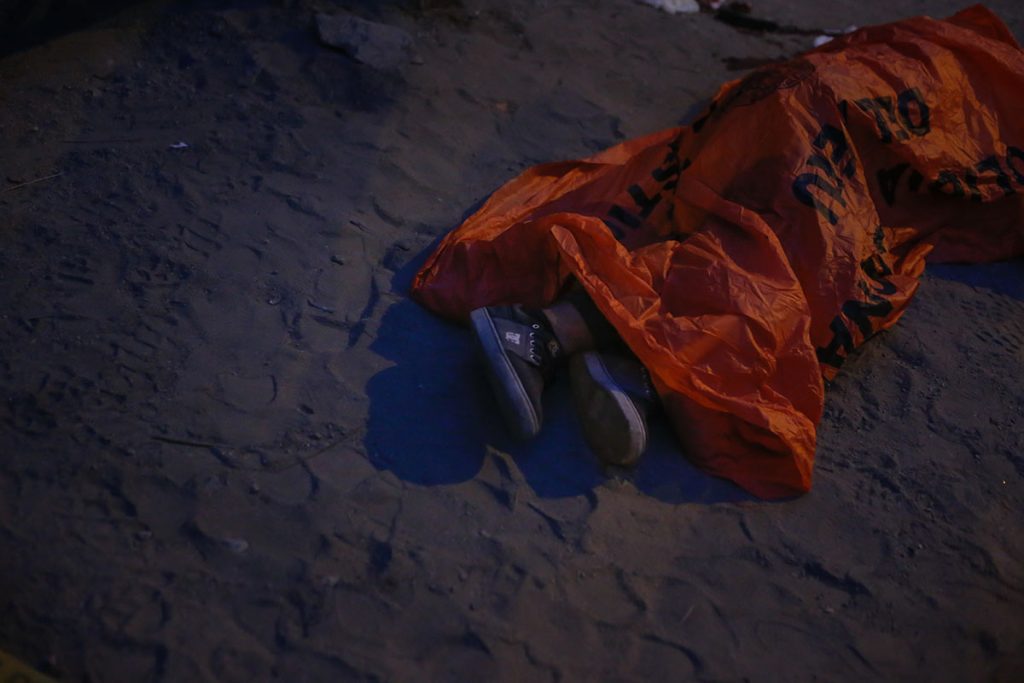
Crime in Peru has been on the rise in recent years, even as I write these lines. Upon closer examination, contract killings and extortion have proliferated in every district of Lima, seizing power and mercilessly destroying lives. Weapons, as instruments of control, have taken hold of the country, unleashing collective fear among the citizenry. Bullet casings scattered near victims serve as a stark warning that life has a price if one doesn’t comply with the extortion demands. According to social studies, the rise in crime is due to corruption within some state entities and the widespread informal economy. The current government has responded with states of emergency and large-scale operations throughout the city, sometimes with positive results. Extortion and protection rackets are becoming commonplace. Society is a war zone between gangs and we are in the middle of an uncertainty with no light of survival.

Logbook of an insecure society Read More »

Alberto Fujimori 1938 – 2024

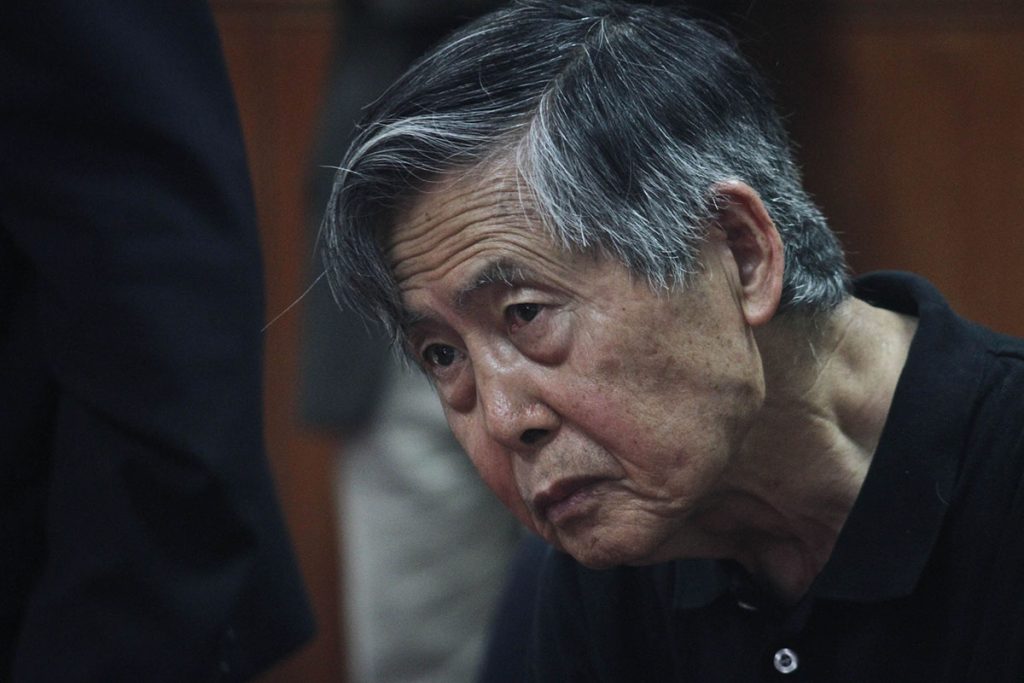
Alberto Fujimori (born July 26, 1938) was a Peruvian politician of Japanese descent. He served as President of Peru from 1990 until his removal from office by Congress on November 21, 2000, after being fraudulently re-elected. His rule devolved into a civilian-military dictatorship following the self-coup he led in 1992, after dissolving the Congress of the Republic. This regime was characterized by the imposition of a drastic program of neoliberal reforms and serious human rights violations, for which he was tried and convicted.

Alberto Fujimori 1938 – 2024 Read More »

The Lord of Miracles (2021–2023)

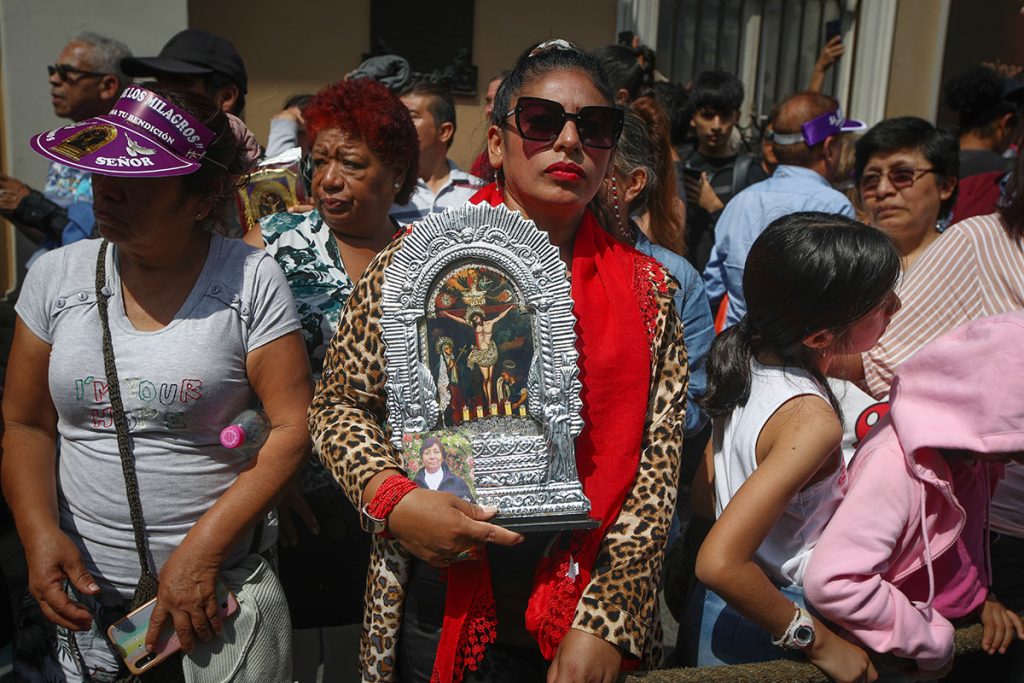
God lays stones, but not rocks. During the COVID-19 pandemic, faith in the Lord of Miracles remained undiminished by the thousands of faithful who paused their worship during the years of the deadly virus. Once access to public spaces was permitted, the government of the day allowed the Church of Las Nazarenas to reopen its doors to the faithful, so they could once again see the Christ of Pachacamilla. From the early hours of the morning, long lines of hundreds of people of all ages (each wearing a mask) could be seen waiting to enter the church and pray for a few minutes to the Lord of Miracles. Entry was by groups, due to capacity limits. Pictures and photos were blessed by the priest on duty, always maintaining social distancing. The following year, once the COVID-19 virus was under control, mass gatherings resumed. Today, and in the years to come, the Black Christ continues to bestow blessings upon all those who come to the October miracle. The story of faith will continue…

The Lord of Miracles (2021–2023) Read More »

A Cosmopolitan Inti Raymi

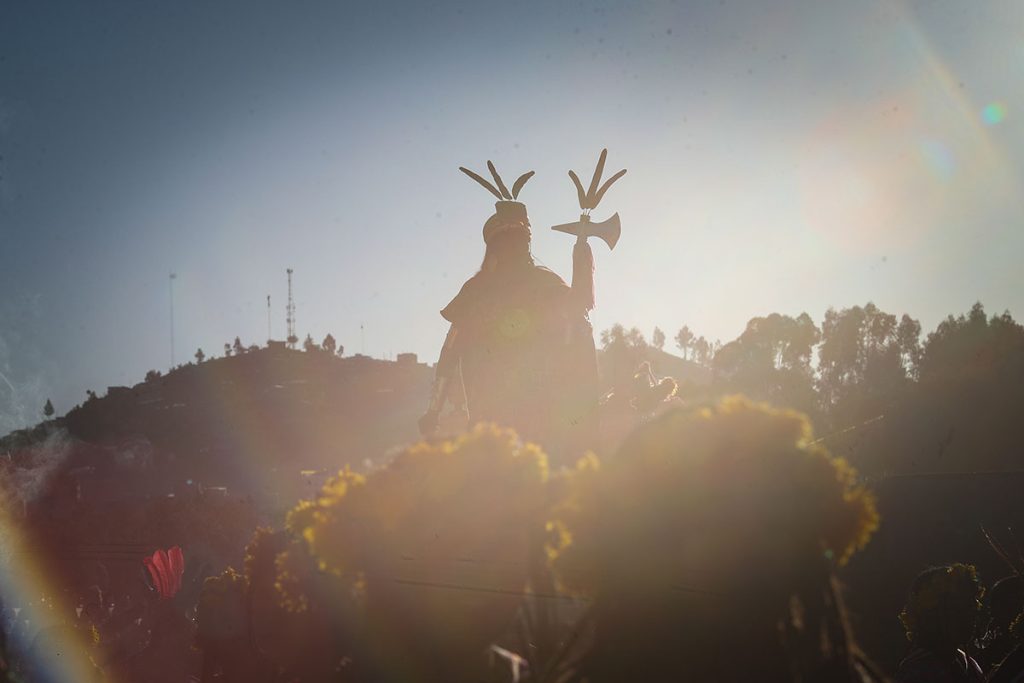
Inti Raymi, which in Quechua means “Festival of the Sun,” is an ancestral Inca ceremony honoring Inti, the sun god. It is celebrated every June 24th in Cusco and commemorates the winter solstice. This marks the beginning of a new agricultural cycle, seeking prosperity for the harvest. The modern celebration is a theatrical reenactment involving rituals, dances, and historical figures such as the Inca, who emerges first from the Qorikancha palace accompanied by a large number of actors representing the subjects and citizens of the ancient Tahuantinsuyo Empire. Amidst a multitude of national and international visitors, the Inca begins his procession through the main streets of Cusco. The imposing presence of the ruler of Tahuantinsuyo is admired by visitors who wait from the early hours of the morning to witness this cultural event. Accompanying the Inca is his wife, the Coya, who, always smiling, is carried on a litter through the imperial city. The final act takes place on the esplanade of the Sacsayhuamán fortress. The Inca enters and presents himself to his people. Drums resound in the ears of his subjects, who immediately dance to honor the god Inti. The Inca speaks the words commemorating the beginning of the new year and sacrifices a llama in honor of Pachamama, Mother Earth. With this final act, the Inca is carried on a litter. He raises his hands directly to the sun and asks for good fortune for the coming years. The Inca bids farewell as the sun sets and heads back to the imperial city, where he disappears amidst the jubilation of the citizens. June is considered a sacred and festive month throughout the Cusco region. The traditions and fusion of world cultures in Cusco have been incorporated, resulting in a cosmopolitan society. This is done with the aim of developing sustainable and responsible tourism and continuing to strengthen social ties worldwide, without losing its cultural essence, its Andean heritage.

A Cosmopolitan Inti Raymi Read More »

Cyclone Yaku in Lima

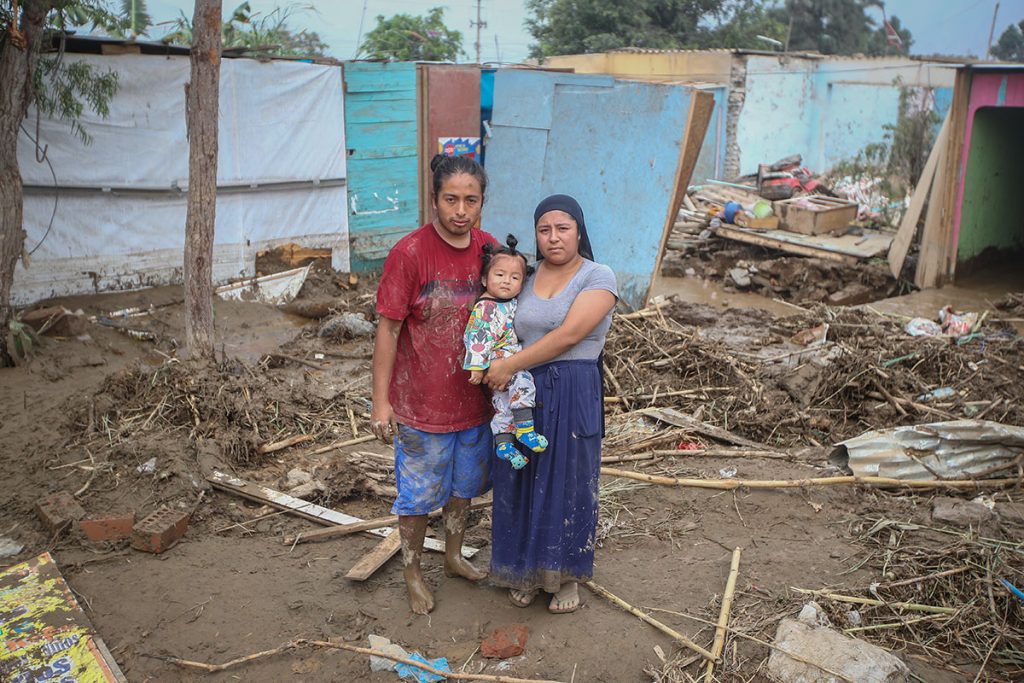
Cyclone Yaku was a large-scale weather phenomenon that affected the northern provinces of Peru. Torrential rains and mudslides were widespread in the regions of Tumbes, Piura, and Lambayeque. Lima, the capital of Peru, was not spared this natural disaster. Human settlements in the northern cone, such as the districts of Puente Piedra and Carabayllo, as well as the province of Canta, were devastated by massive mudslides, which left thousands homeless, injured, and dead in their wake. The inhabitants of these areas never imagined such a weather phenomenon would occur; it seemed almost impossible. Nature was cruel to them. Cyclone Yaku caused damage to infrastructure and loss of life. As a consequence of the rains, price increases were observed, and cases of dengue fever surged in Peru, triggering an epidemic. Cyclone Yaku was a large-scale natural disaster and an enemy that affected all aspects of Peruvian society.

Cyclone Yaku in Lima Read More »

The taking of Lima

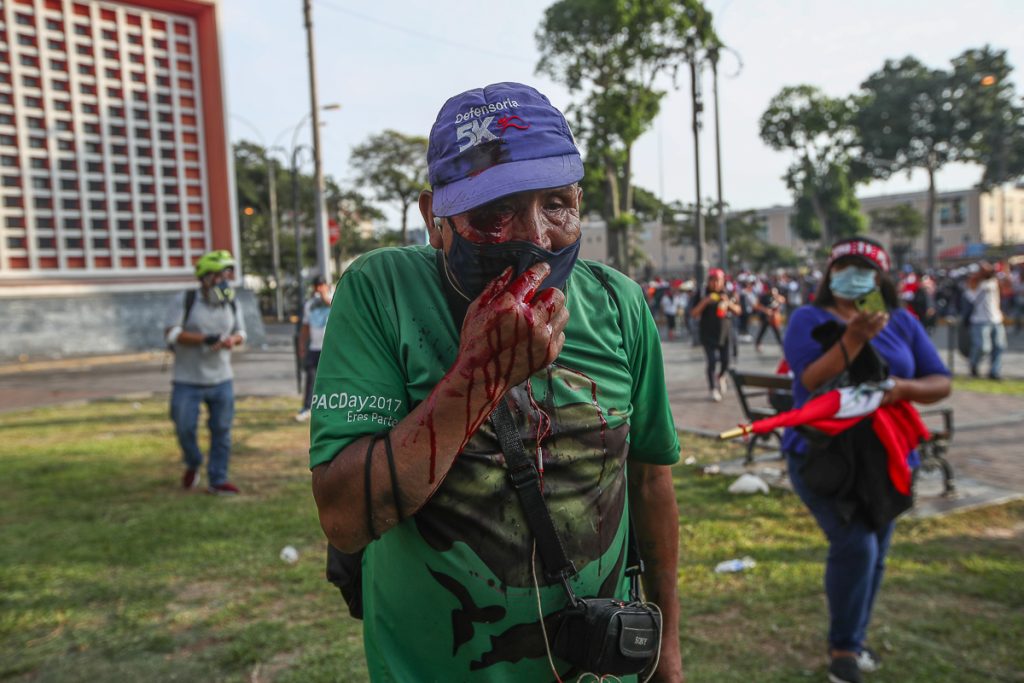
Since former president Pedro Castillo was impeached on December 7, 2022, following his attempted self-coup, a series of protests and demonstrations erupted nationwide. Citizens demanded the resignation of the new president, Dina Boluarte, the dissolution of Congress, and the convening of a constituent assembly. Faced with the escalating protests, the president declared a state of emergency in several provinces, particularly in the south. A large deployment of the armed forces ensued. Ayacucho was among the hardest hit. Huamanga became a battleground, resulting in 10 deaths and hundreds of injuries. By January 2023, in response to the violence in Ayacucho, citizens from southern Peru (Cusco, Puno, etc.) began organizing large caravans to march on the capital, which they dubbed “The Taking of Lima.” The first months of 2023 saw massive marches in the capital. Citizens in Lima and other provinces demanded the removal of President Dina Boluarte from office, as well as early presidential elections. Clashes with police were commonplace. Injuries and arbitrary arrests of any citizen participating in the marches were reported. The demonstrations had a tragic outcome, with more than 50 deaths during the first months of 2023, coinciding with Dina Boluarte’s term in office.

The taking of Lima Read More »

Ephemeral oil spil

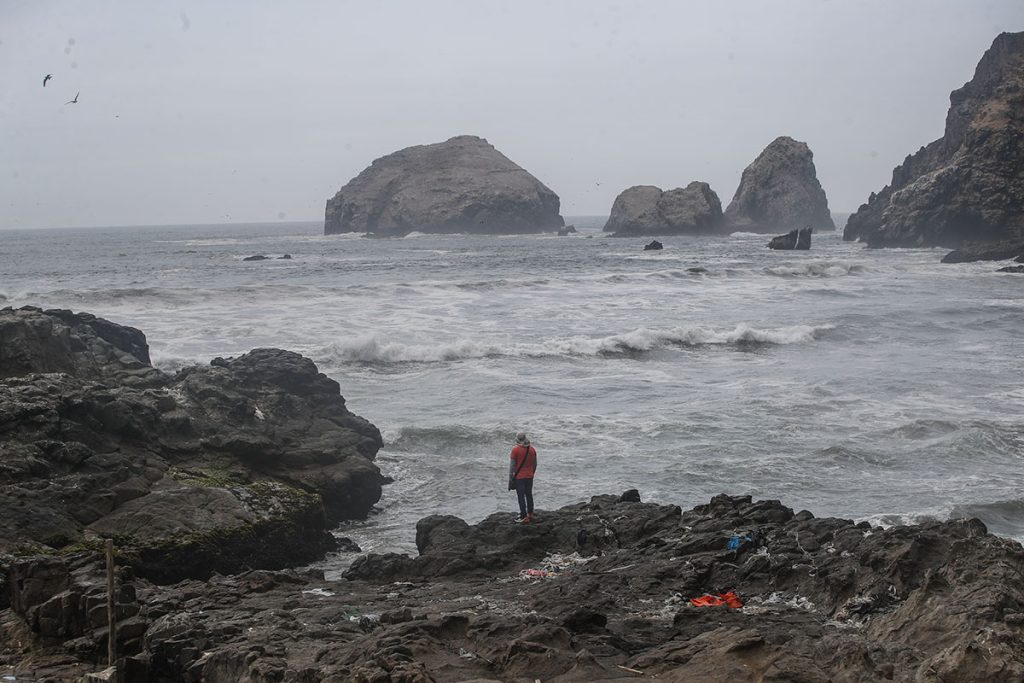
On January 15, 2022, Peru suffered one of the most devastating ecological disasters in its history. A recent study estimates that approximately 12,000 barrels of oil were spilled along the Peruvian coast. The following years brought only fleeting responses. The affected areas, to this day, appear abandoned and littered with hundreds of mounds of garbage. Animals infected by the oil are still undergoing recovery treatments. Artisanal fishermen, who depend on the sea for their livelihood, have yet to receive a concrete response from the company REPSOL. Beaches are sporadically closed due to the presence of oil residue still scattered along the Peruvian coast. Time continues to pass, legal responses and environmental recovery proceed at a snail’s pace, in the endless wait for a solution. Crude oil is a deadly weapon hidden deep within the Peruvian coastline, waiting for its next victim: the ecosystem.

Ephemeral oil spil Read More »

The Castillo Era

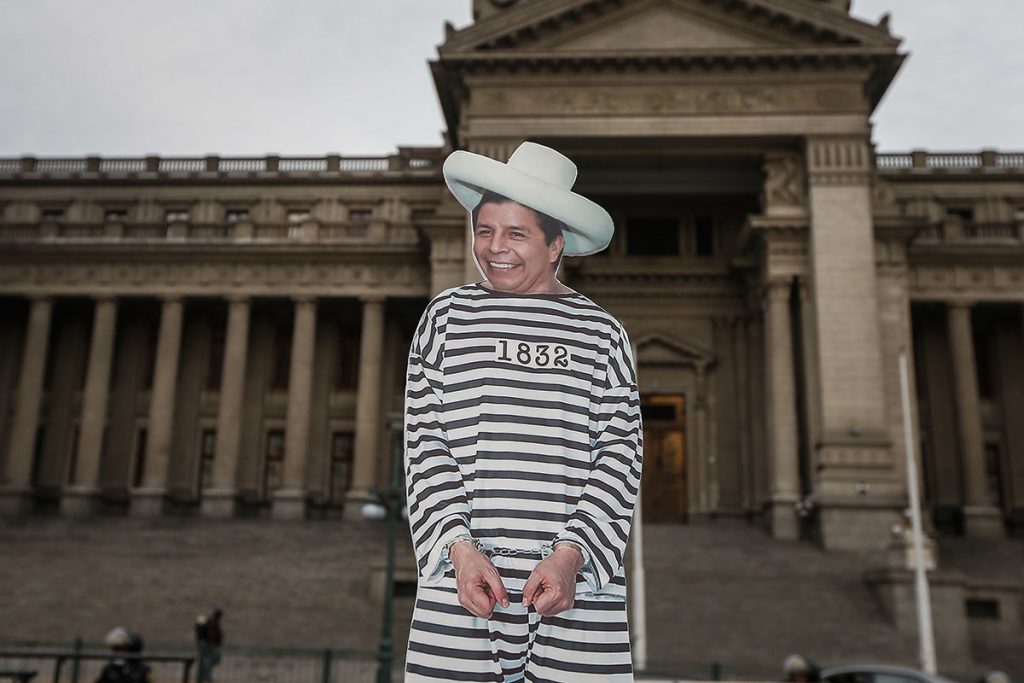
After winning the general elections, Pedro Castillo assumed the presidency of Peru on July 28, 2021. For presidential activities, as well as meetings and trips within the country, the president opted for a distinctive style of dress: a large straw hat and, on some occasions, a poncho in the Cajamarca style, a style typical of his region of origin. A symbolic swearing-in ceremony was held shortly thereafter in the Pampa de la Quinua, Ayacucho, where he presented his first cabinet. From the beginning of his administration, his ministers faced criticism for various reasons: inexperience, a lack of the appropriate qualifications for their positions, and alleged criminal ties. These and other factors proved to be the breaking point for Castillo. His government was marked by numerous protests. Large marches were reported in Lima and other provinces, demanding the fulfillment of their grievances and the president’s resignation. Protesters and police clashed in a pitched battle, resulting in several injuries on both sides and arbitrary arrests. Pedro Castillo was summoned to the Public Prosecutor’s Office several times. The Prosecutor’s Office formally accused him, through a constitutional complaint, of belonging to a criminal organization operating within his government. In his second address to the nation from the Congress of the Republic, Castillo announced hundreds of solutions to the country’s problems. This generated discontent among several members of Congress, and consequently, the solemn event ended with boos directed at the president.

The Castillo Era Read More »