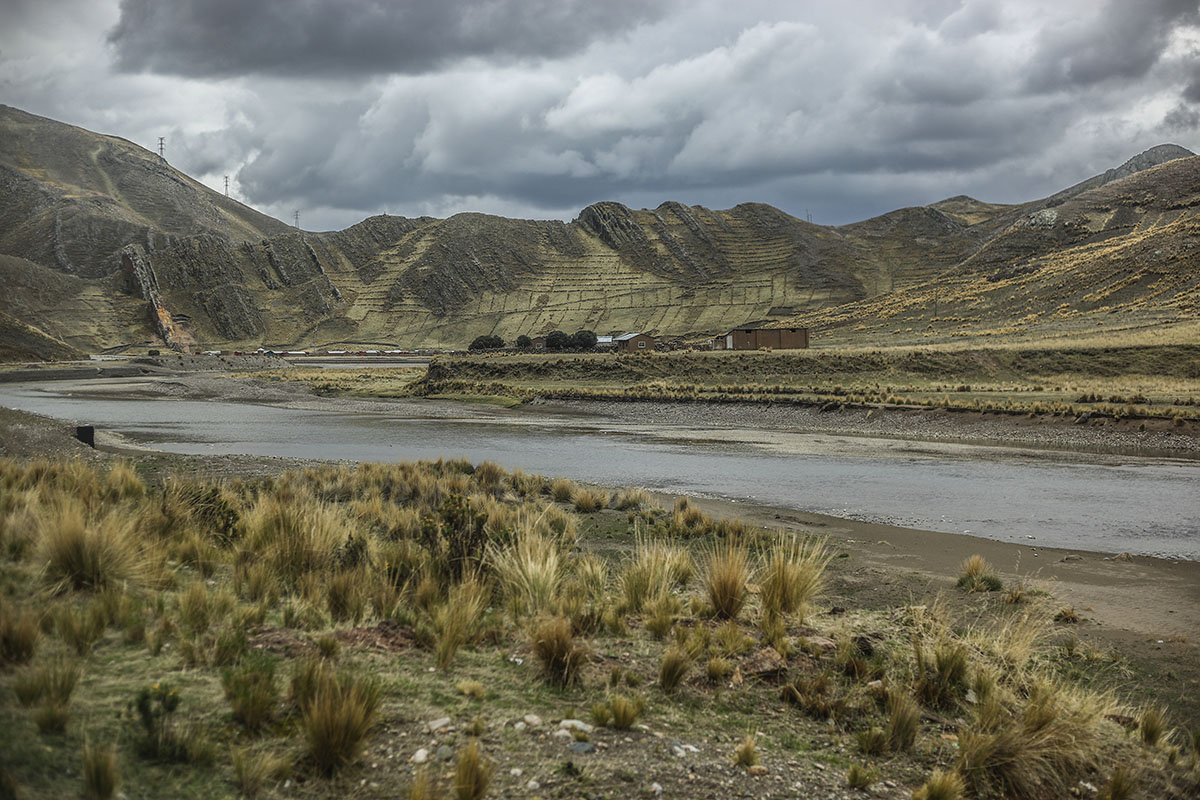
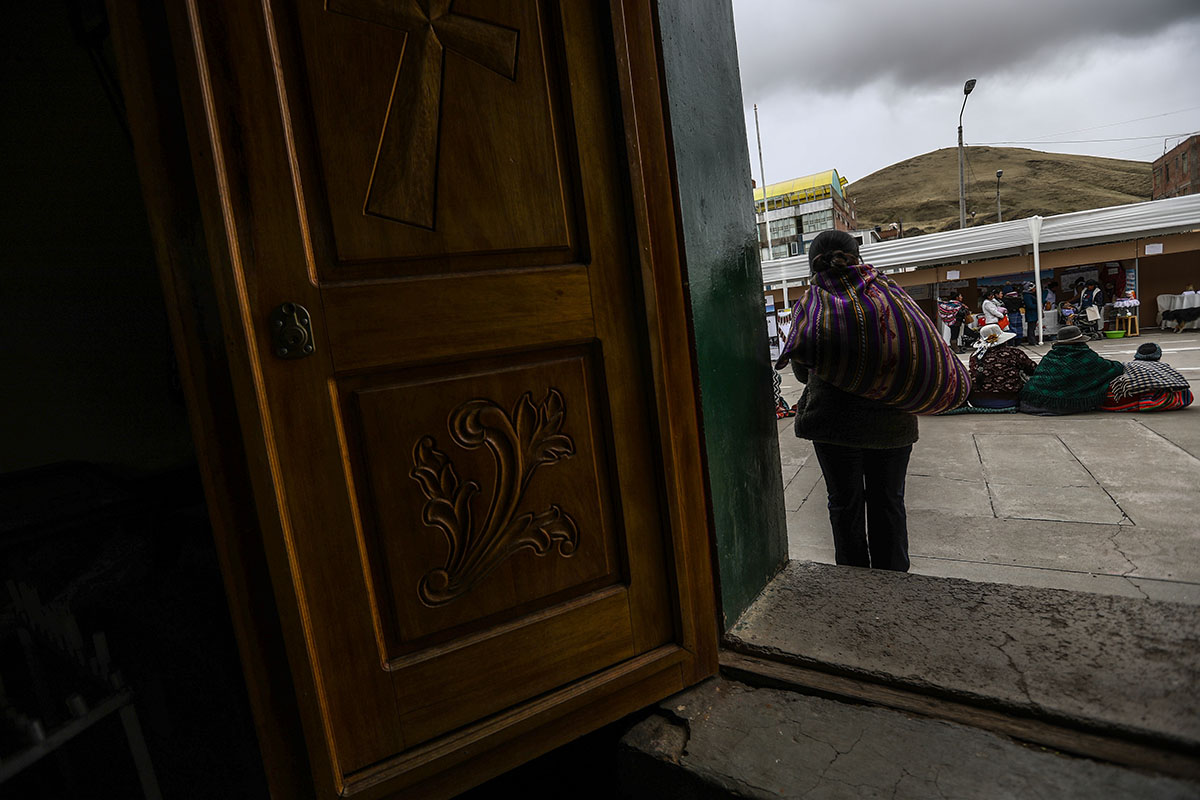
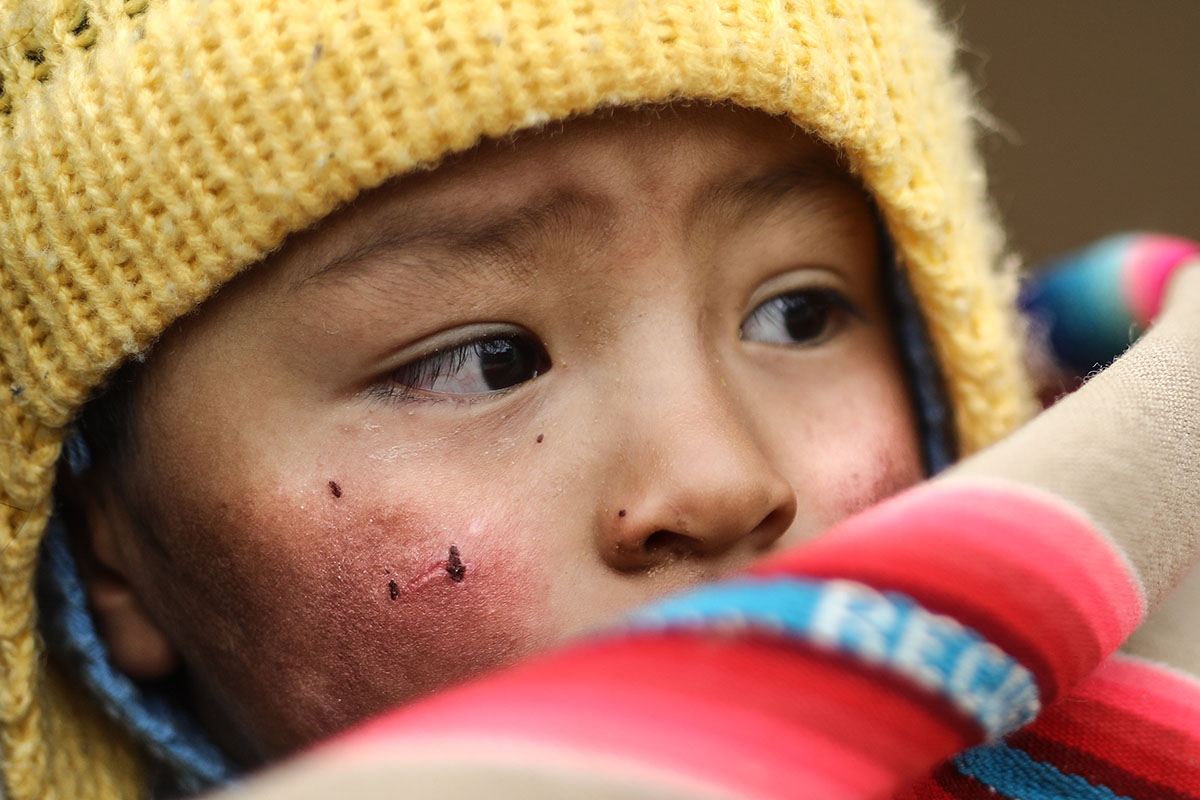
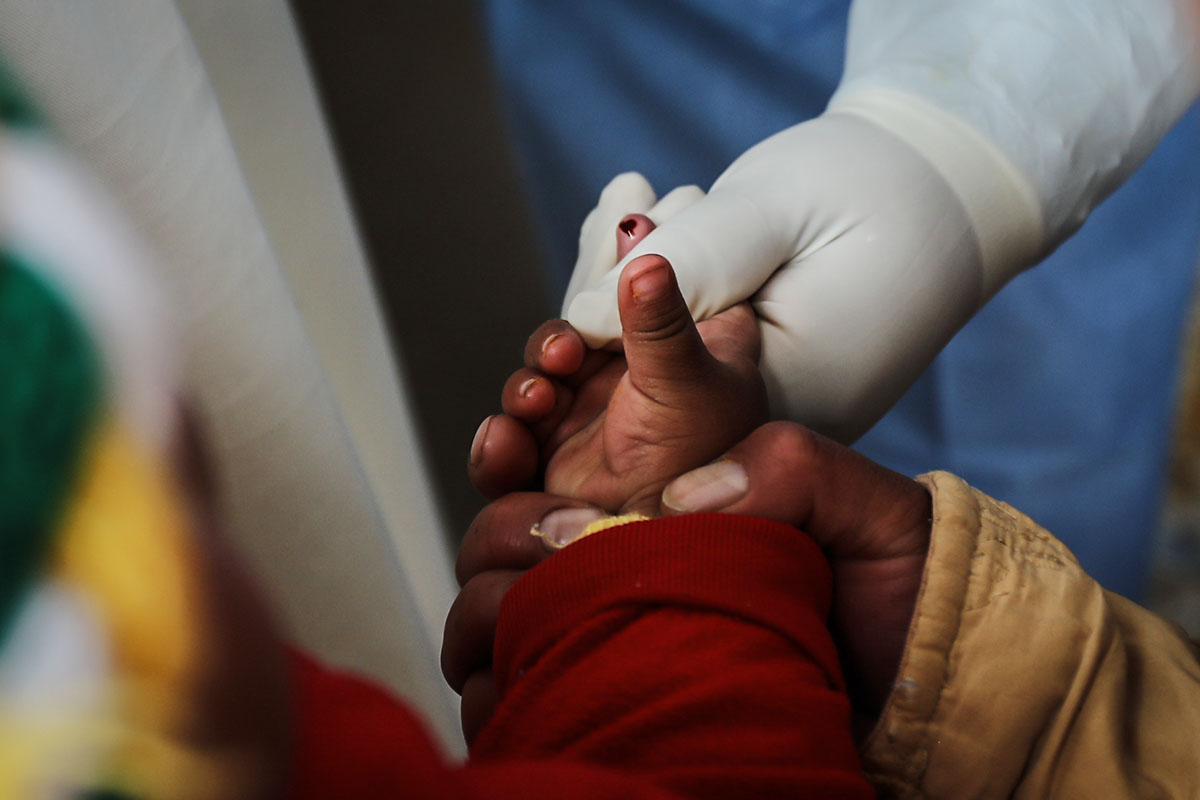
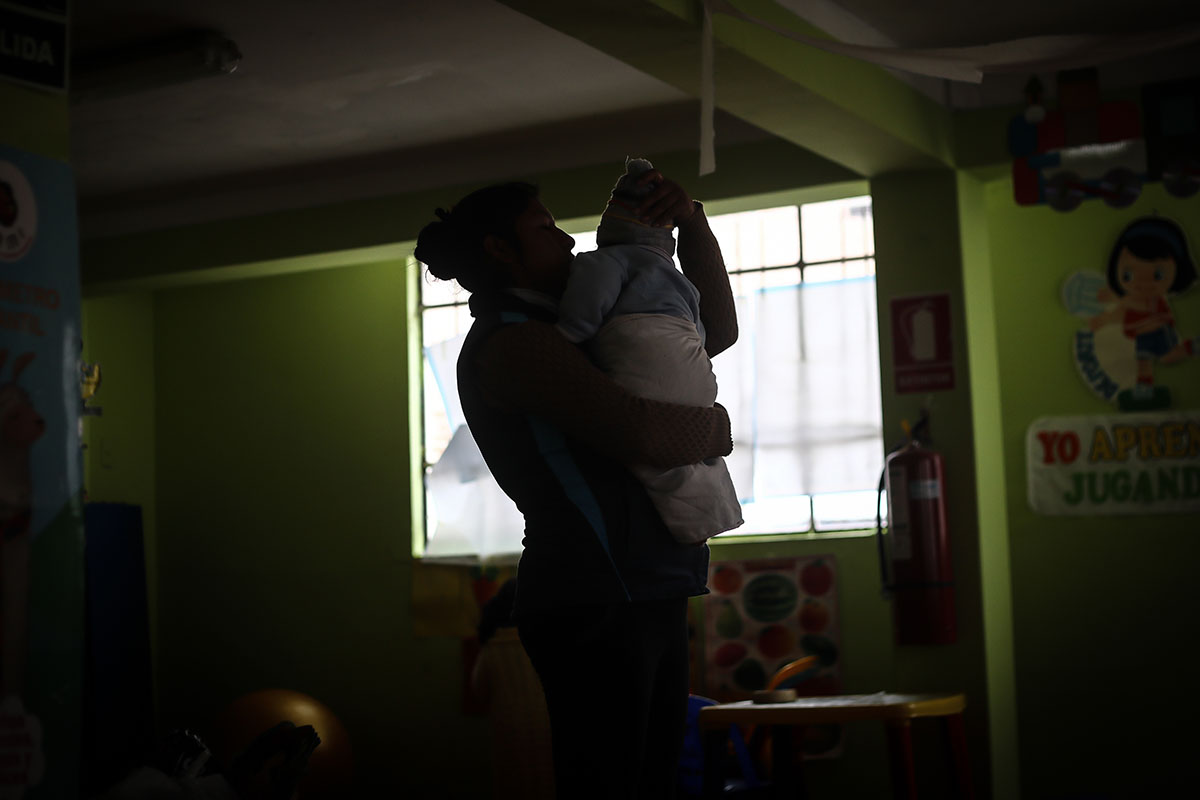
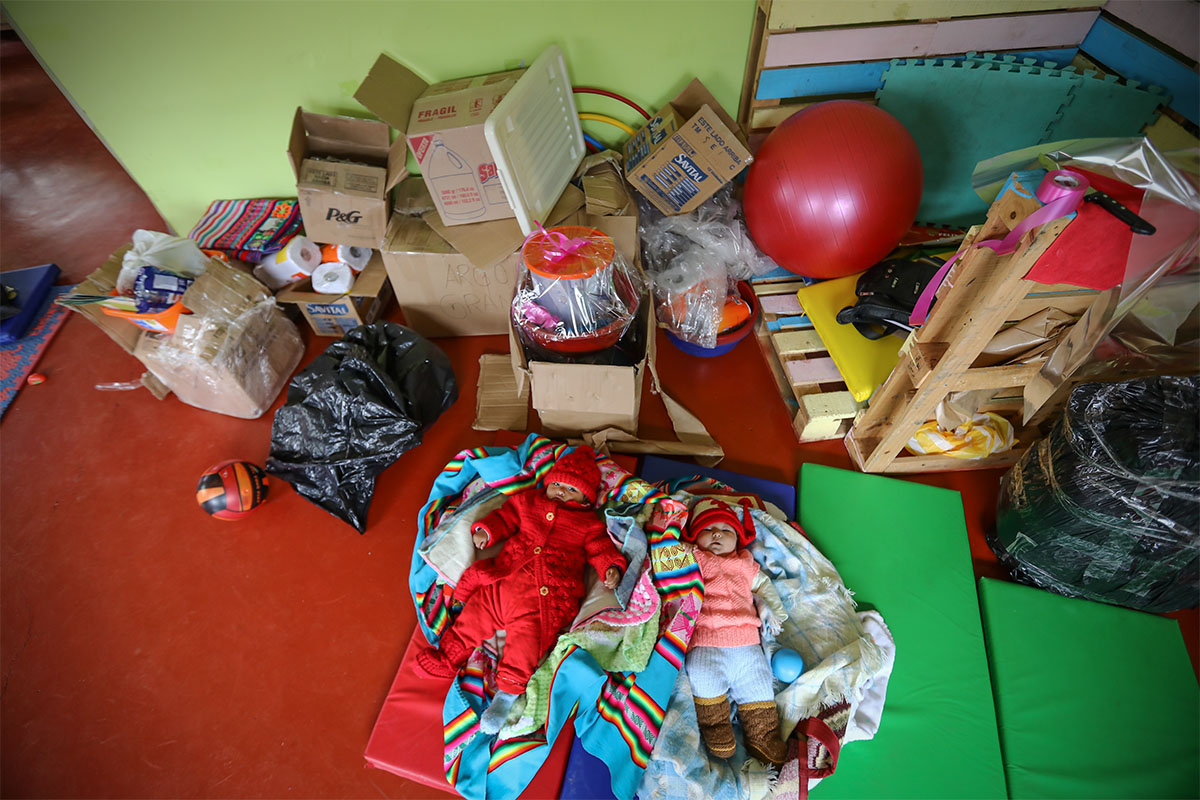
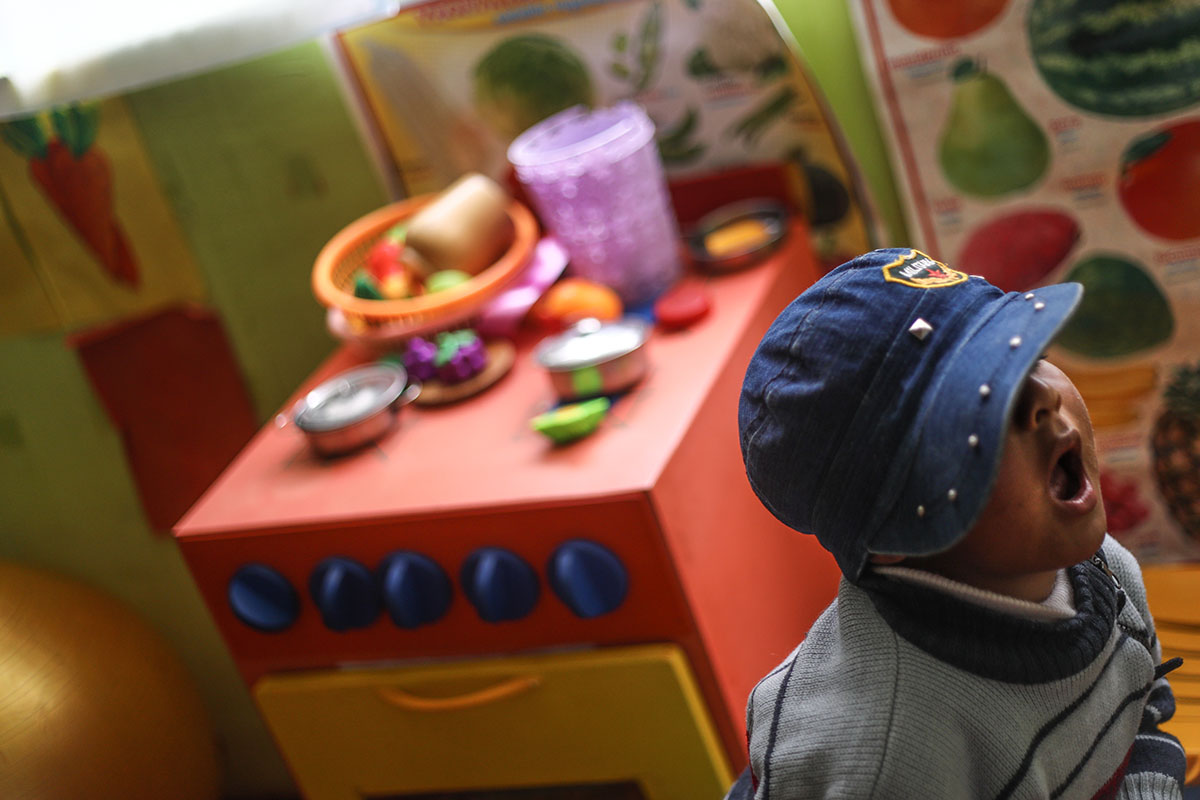
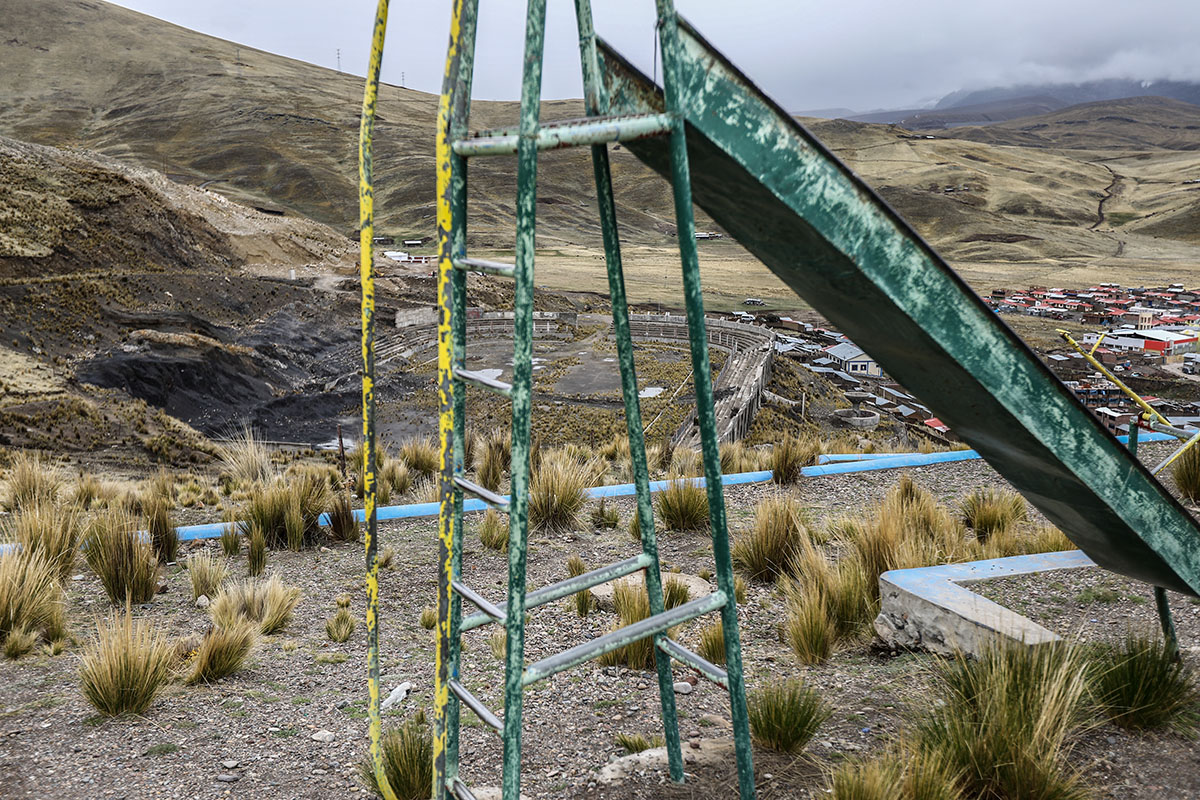
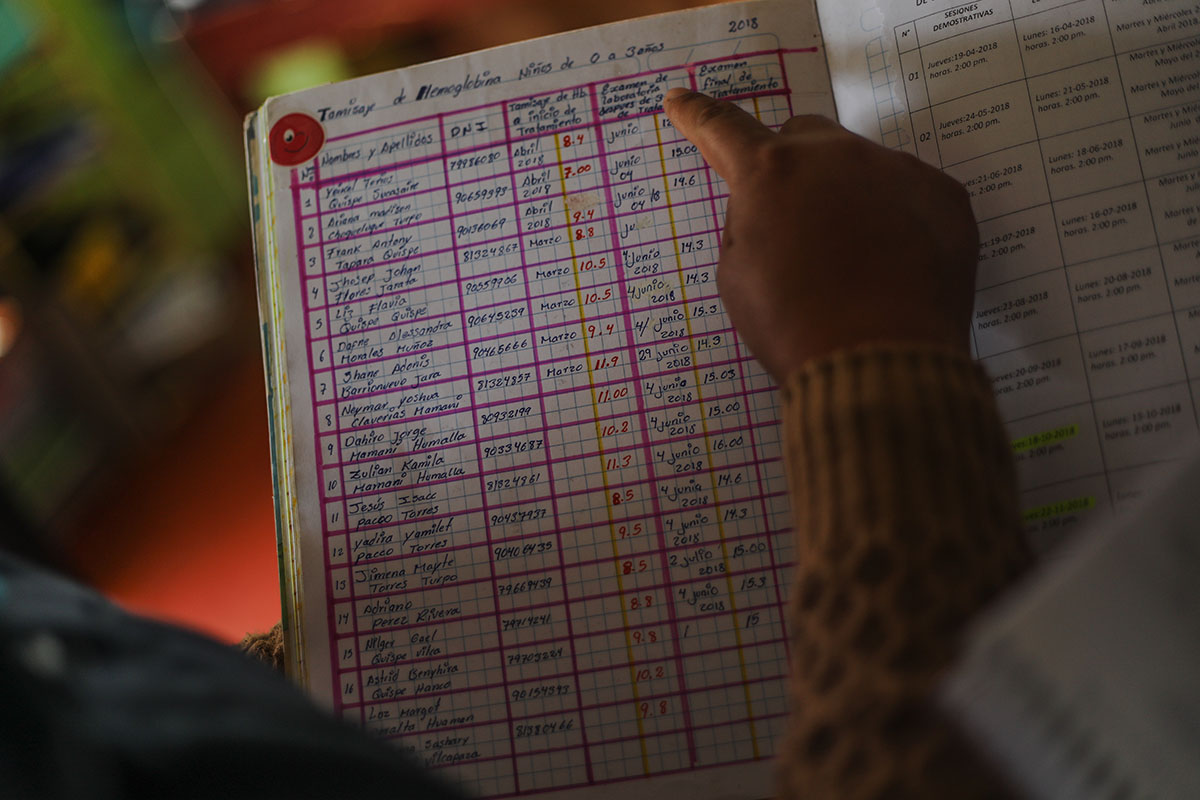
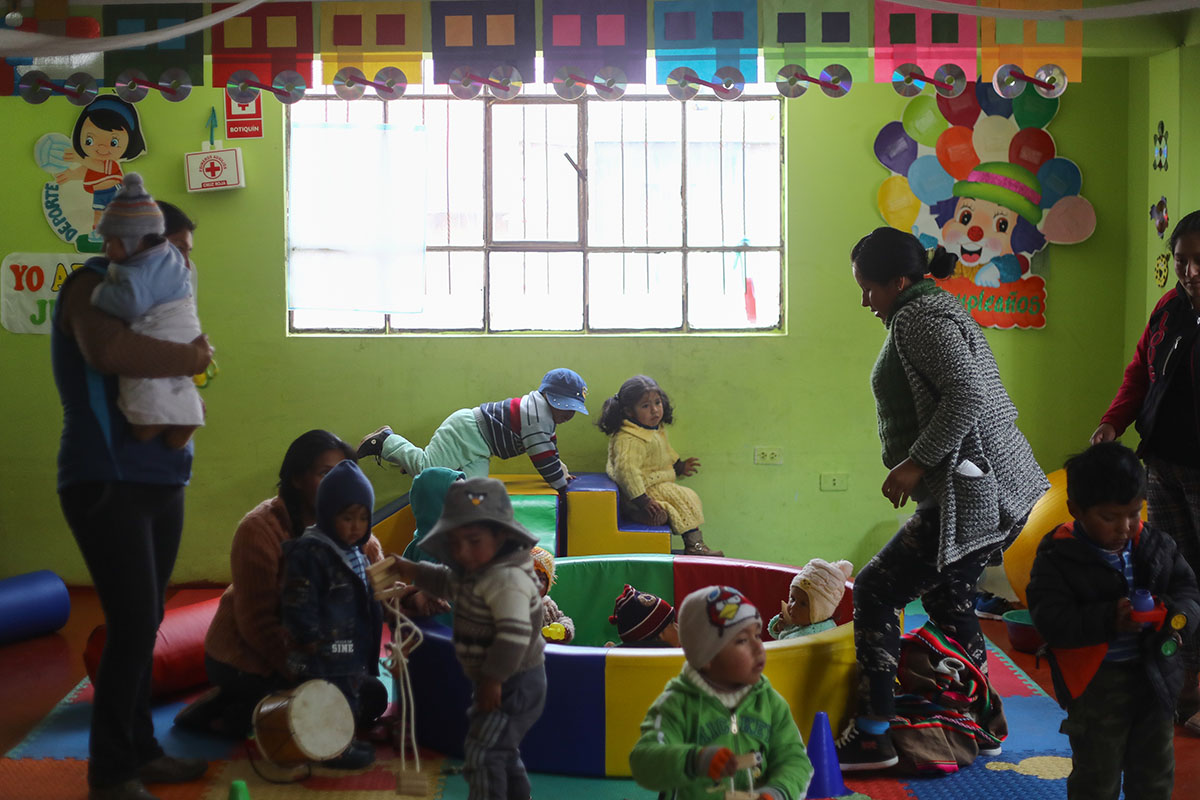
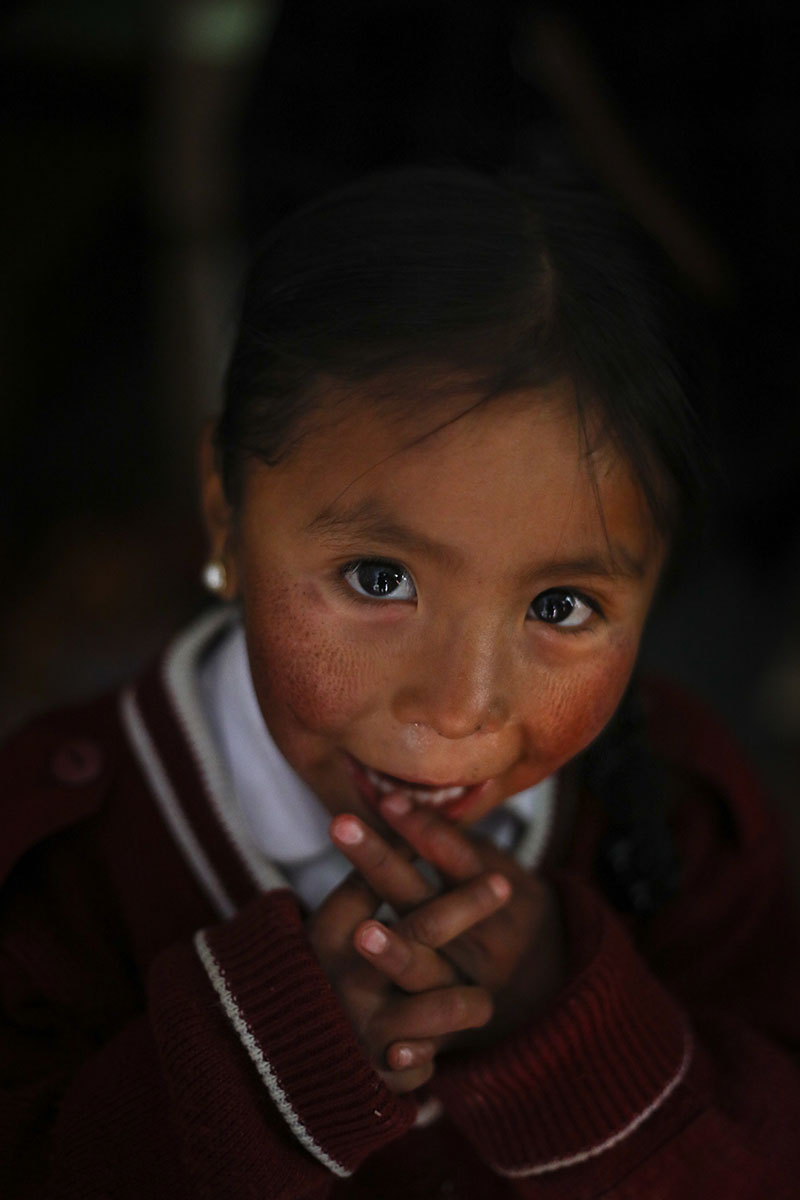
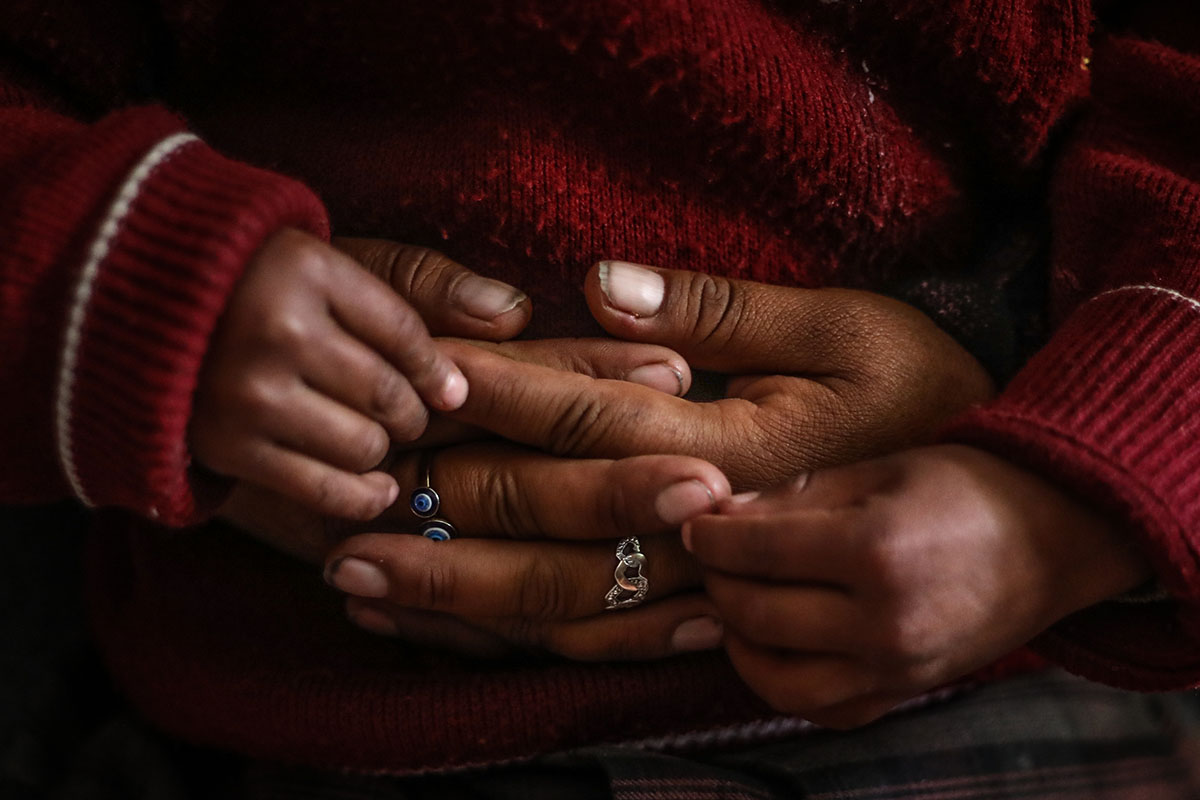
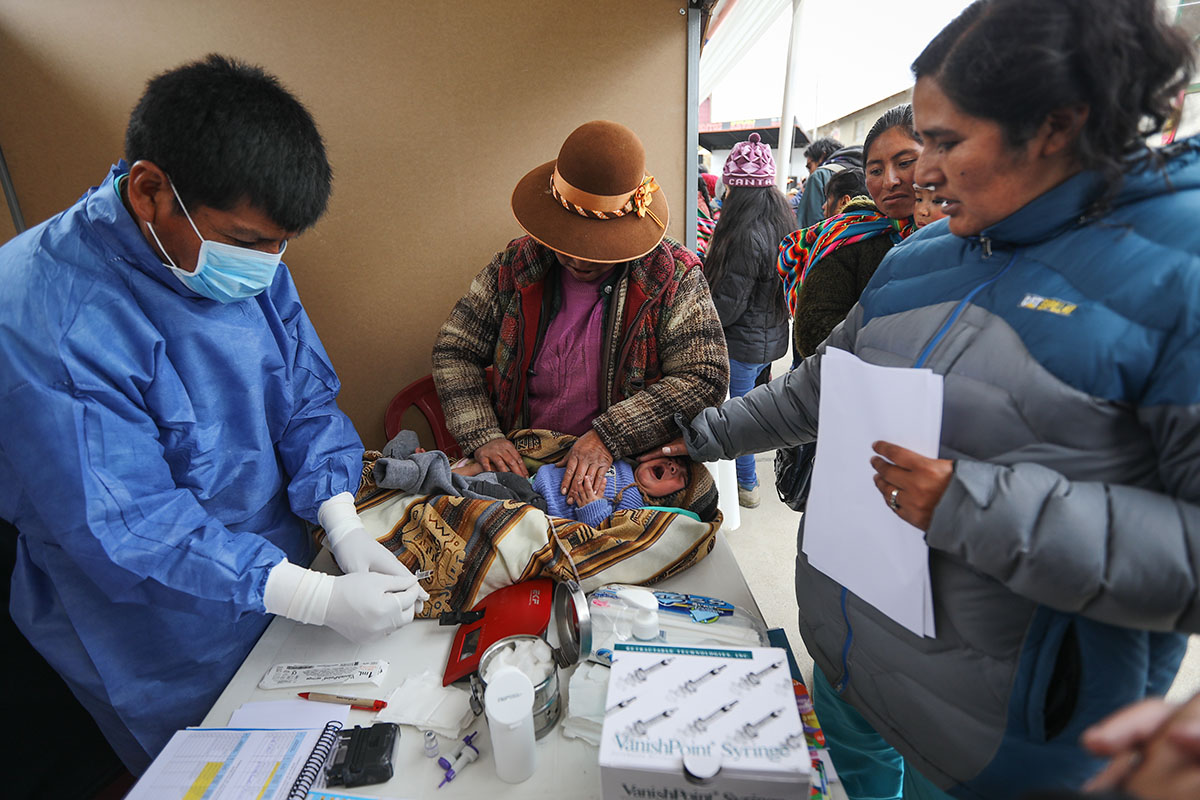
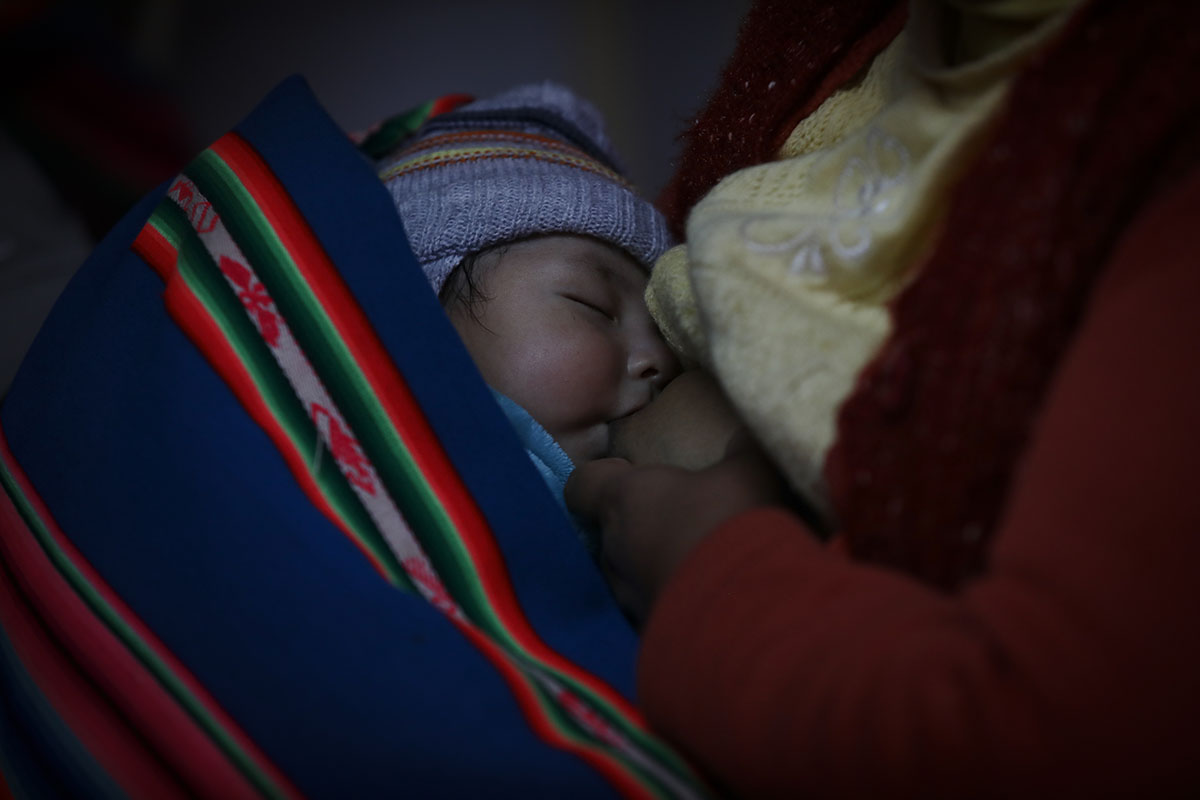
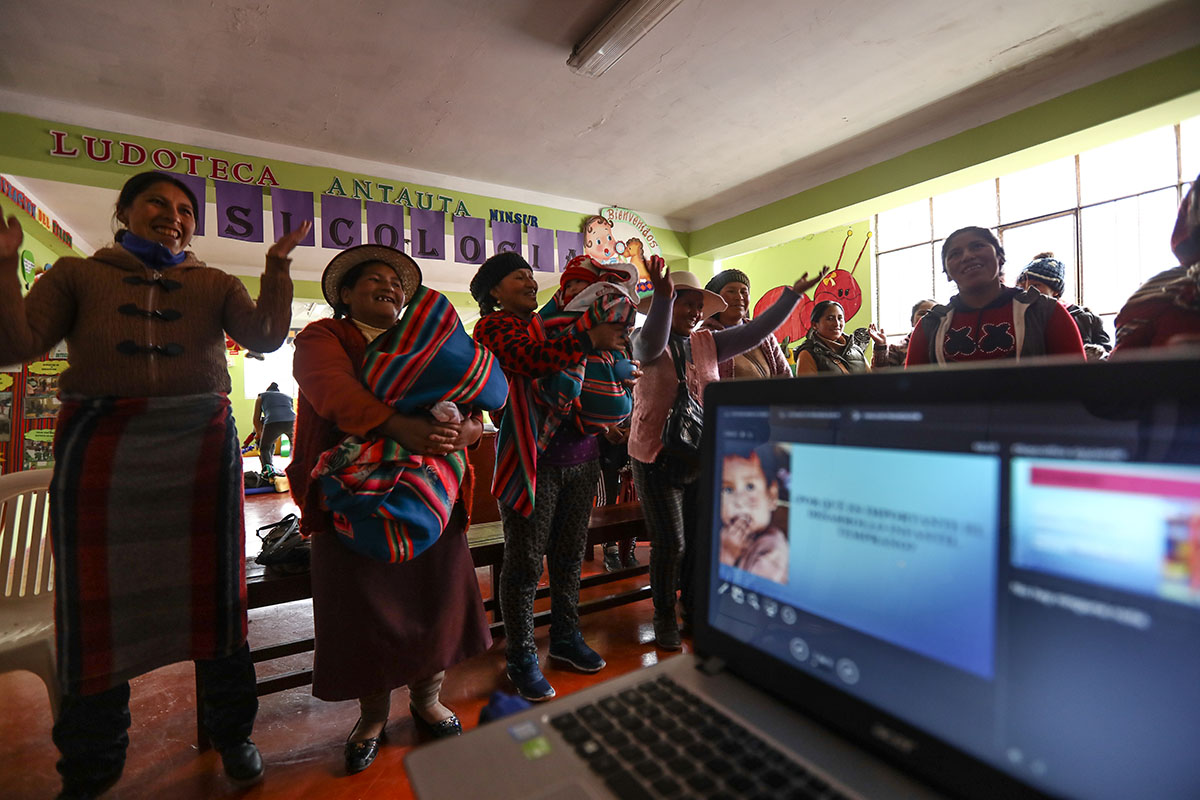
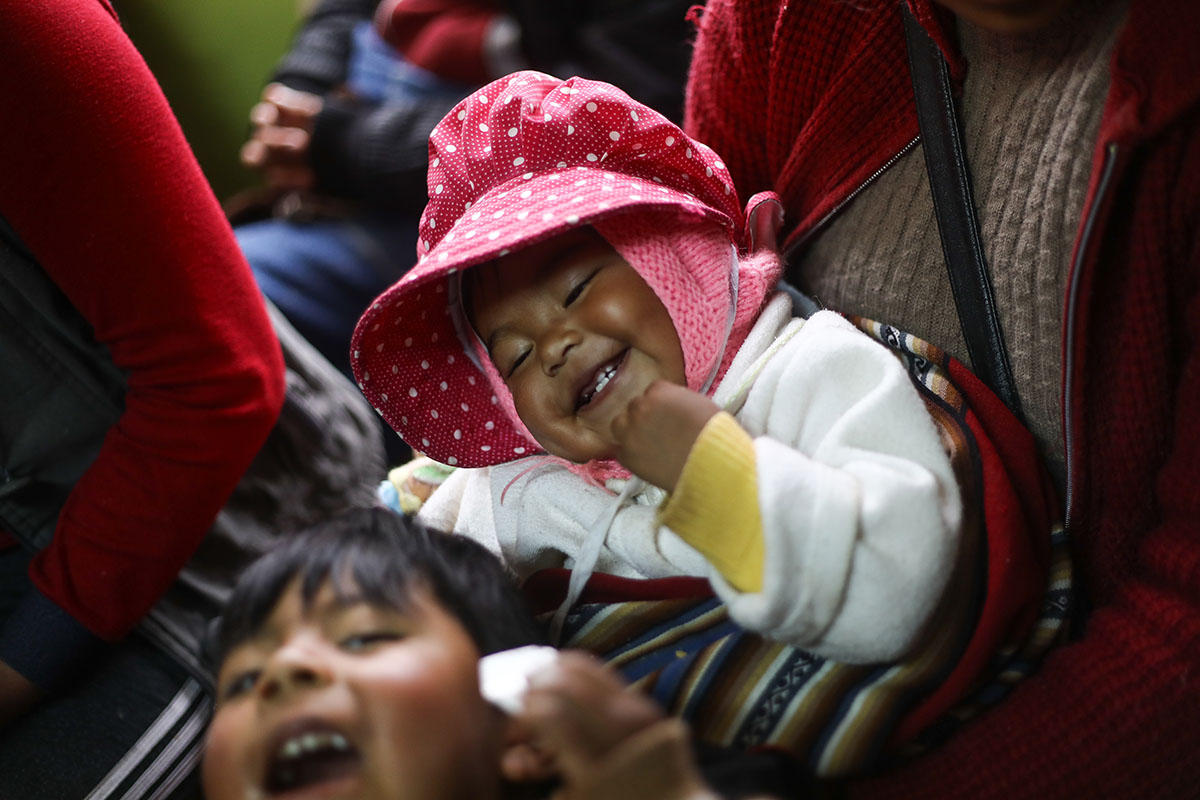
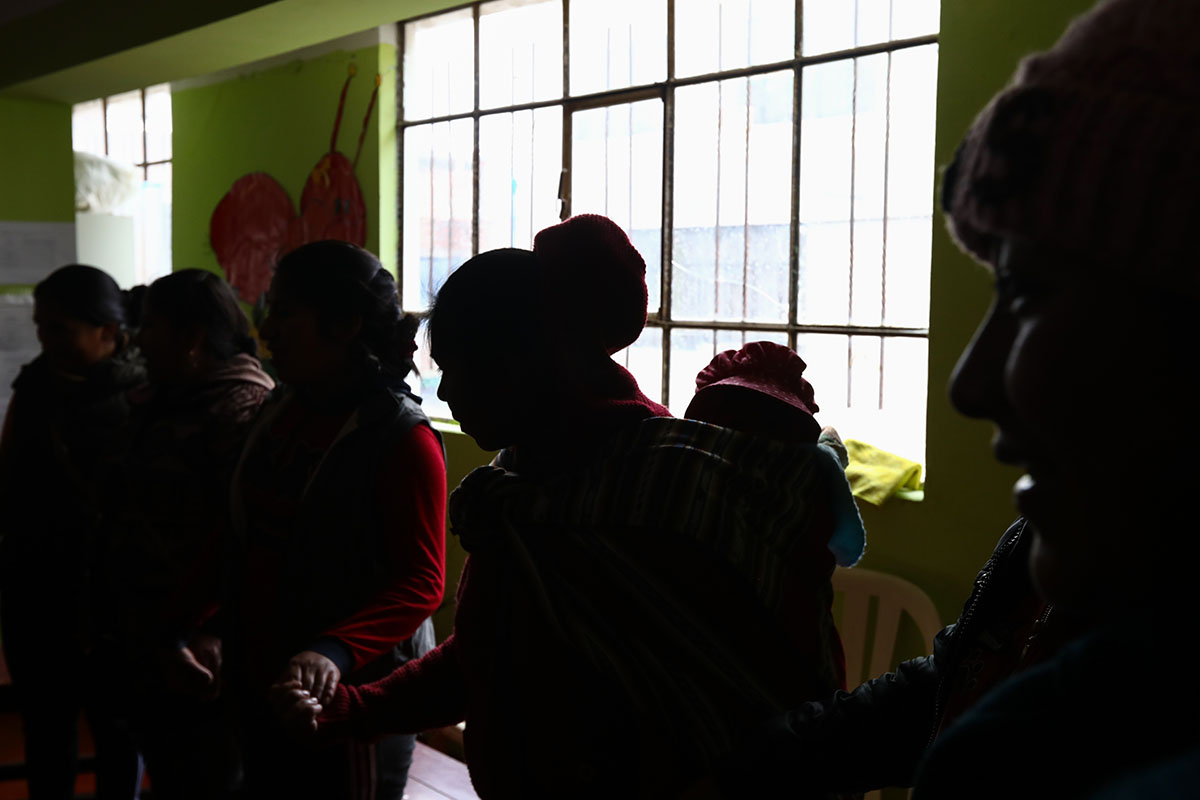
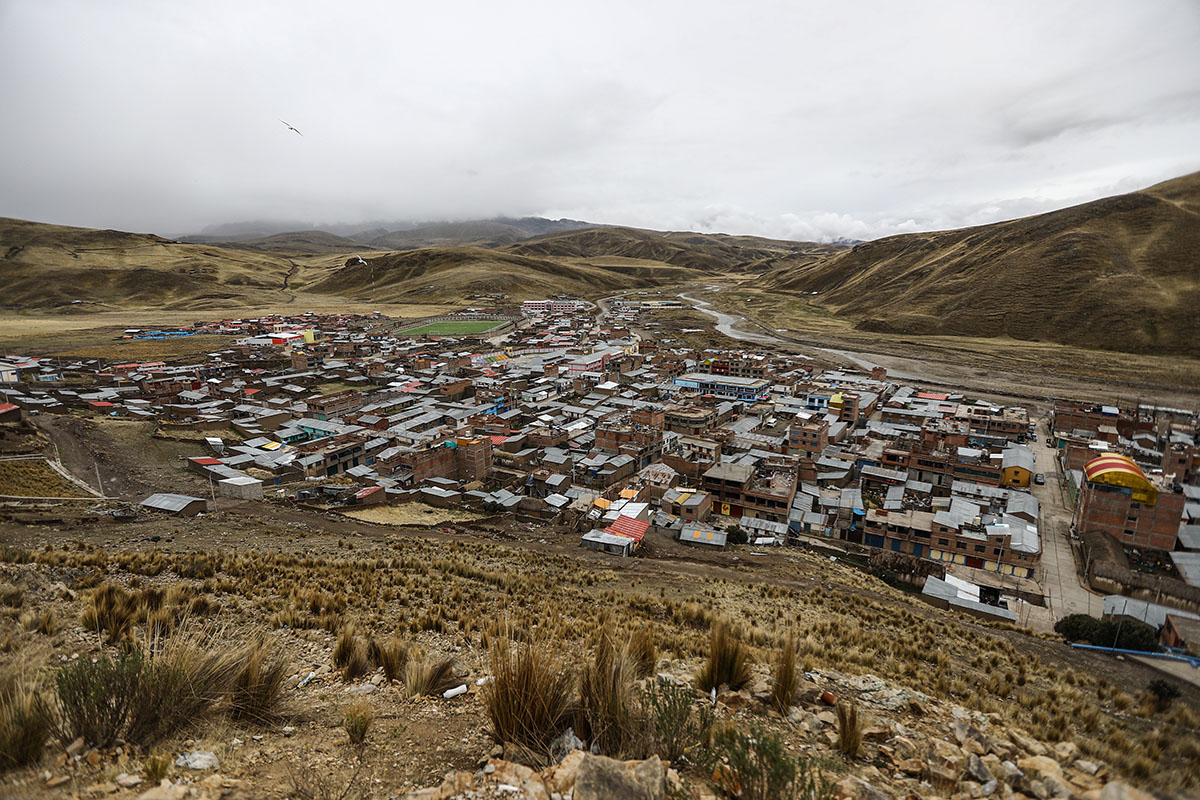
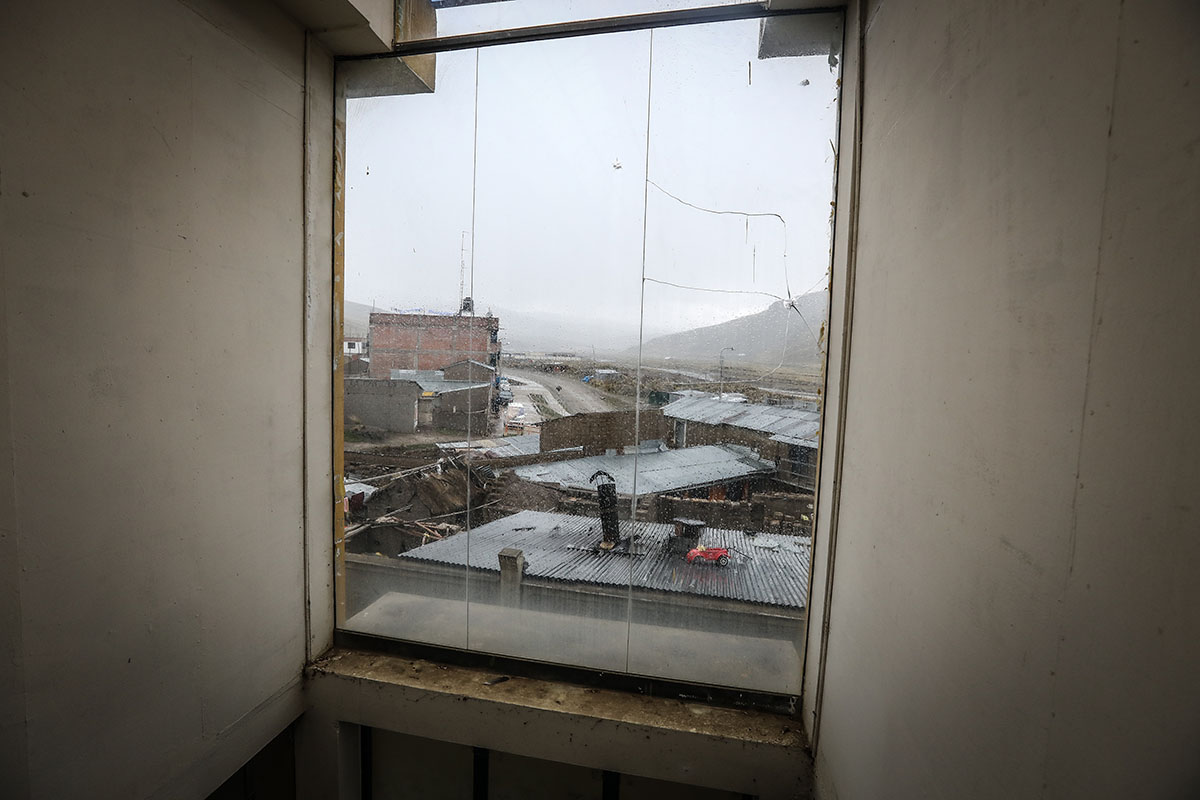
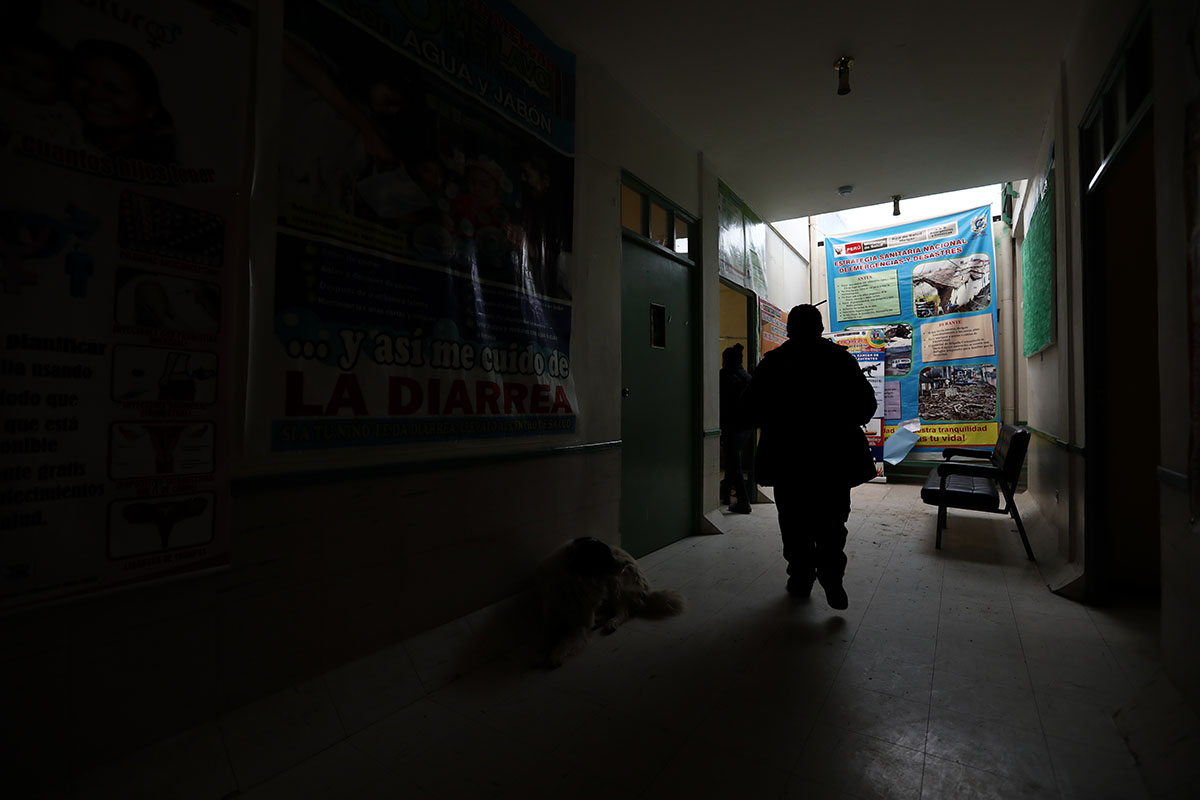
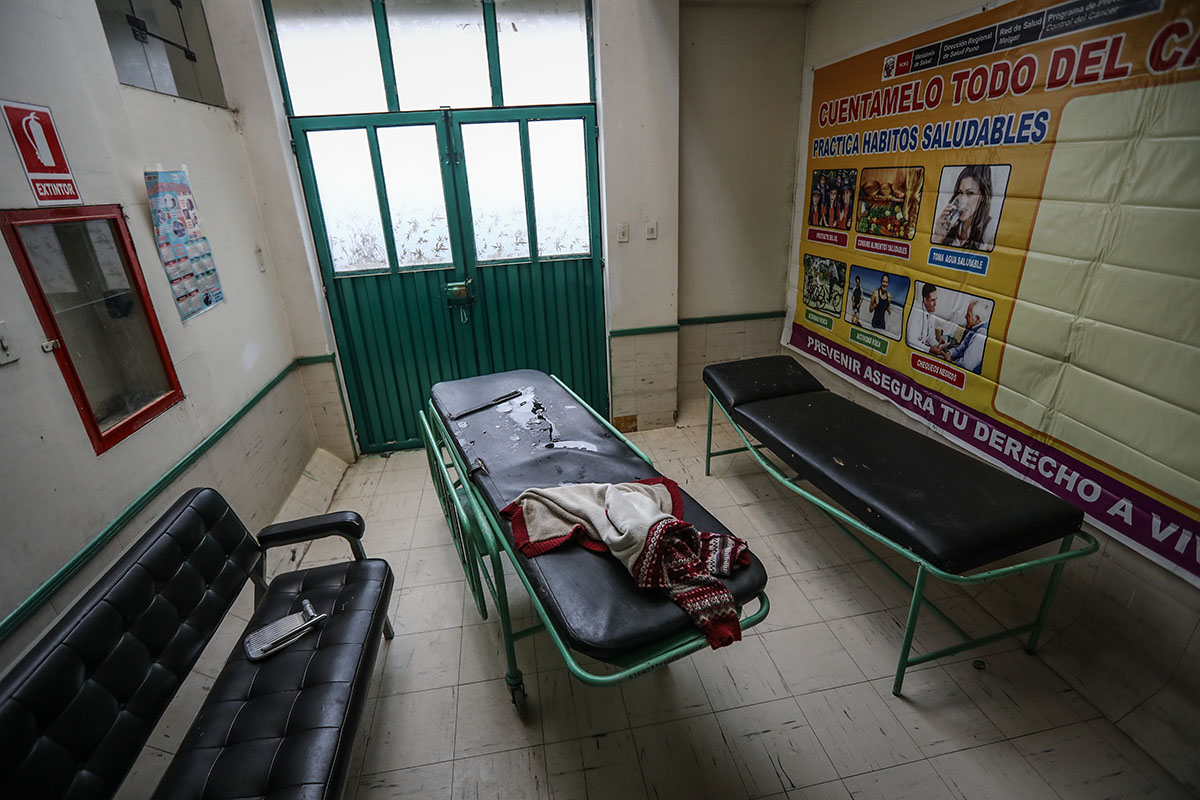
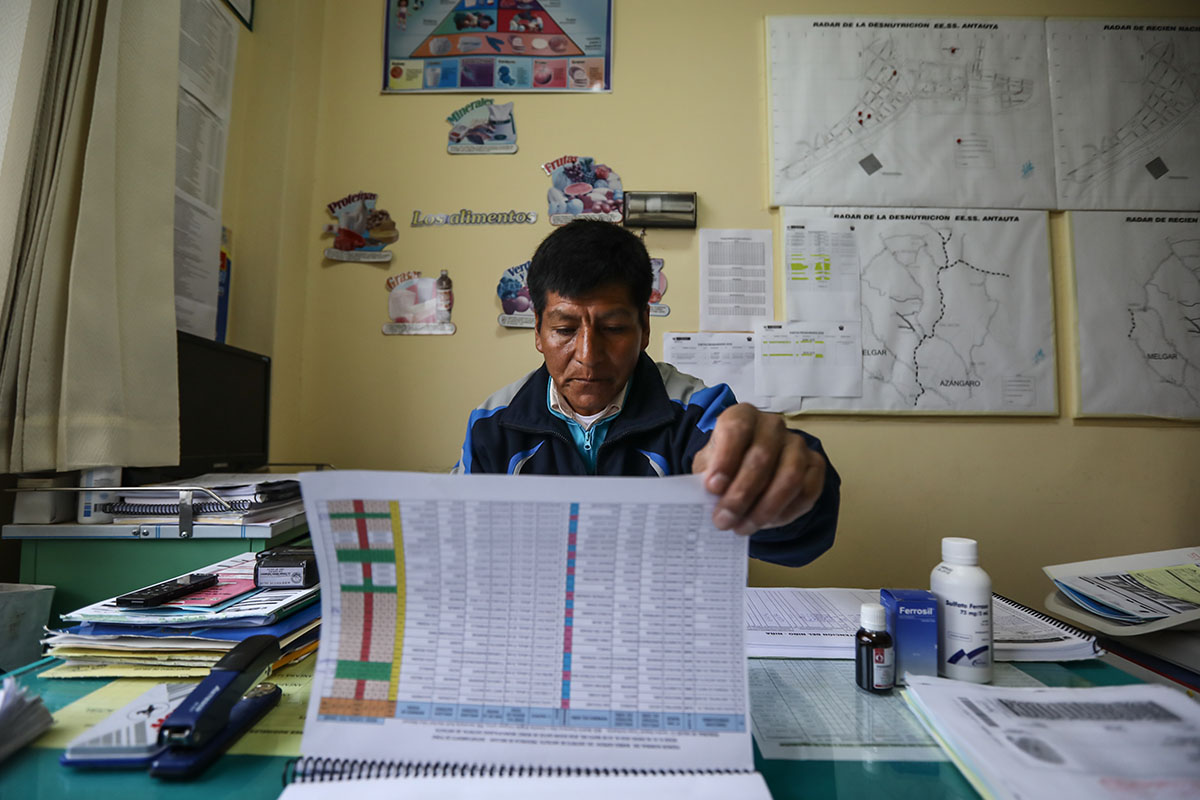
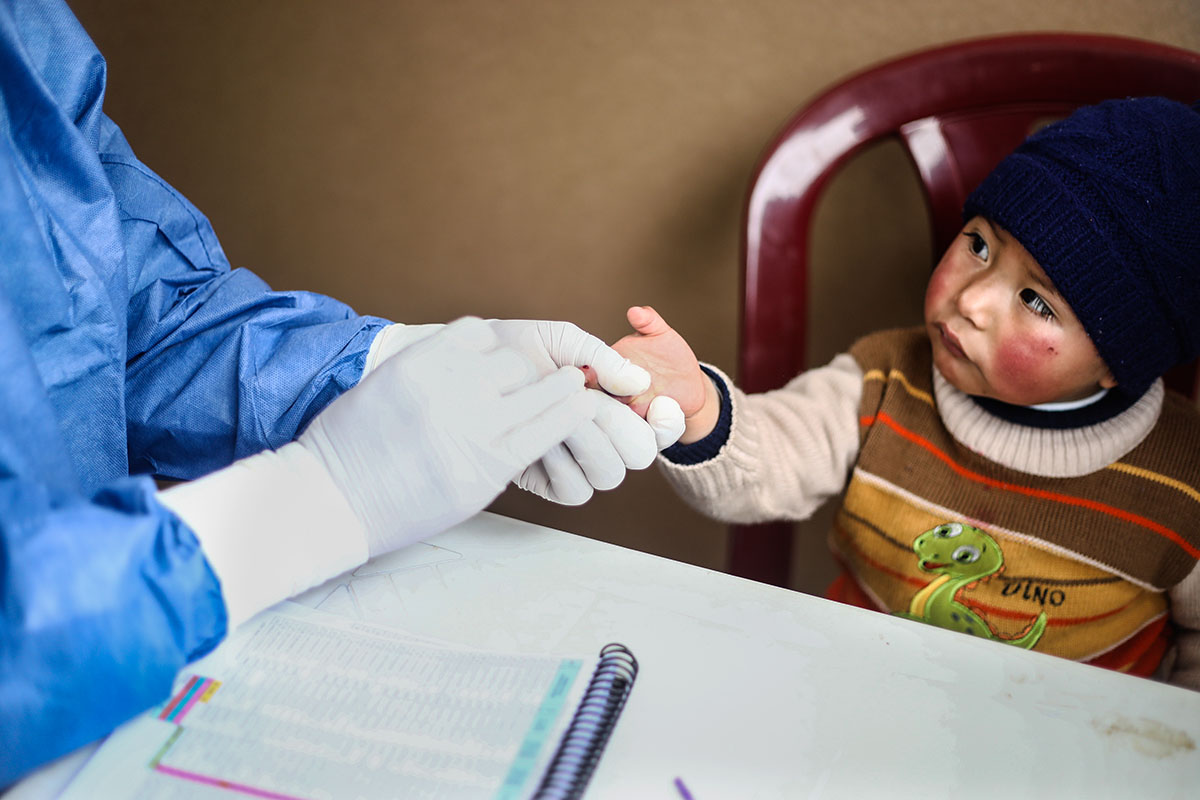
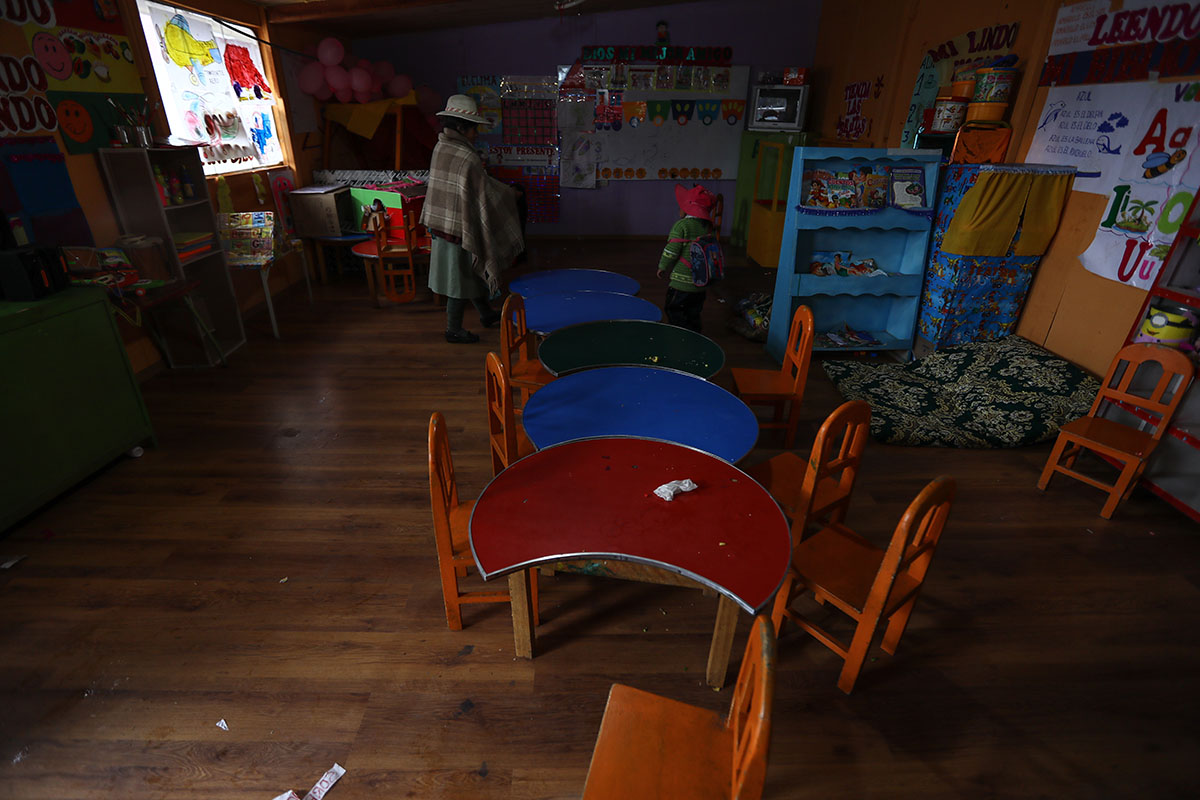
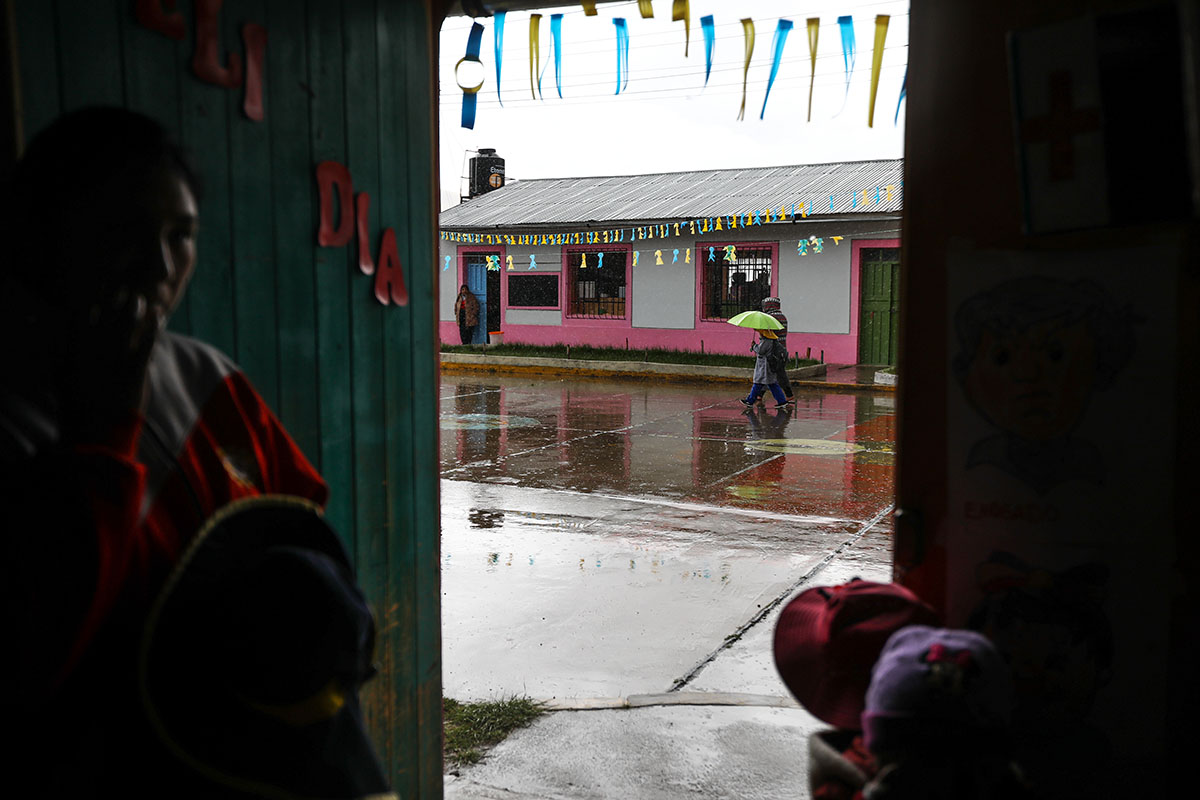
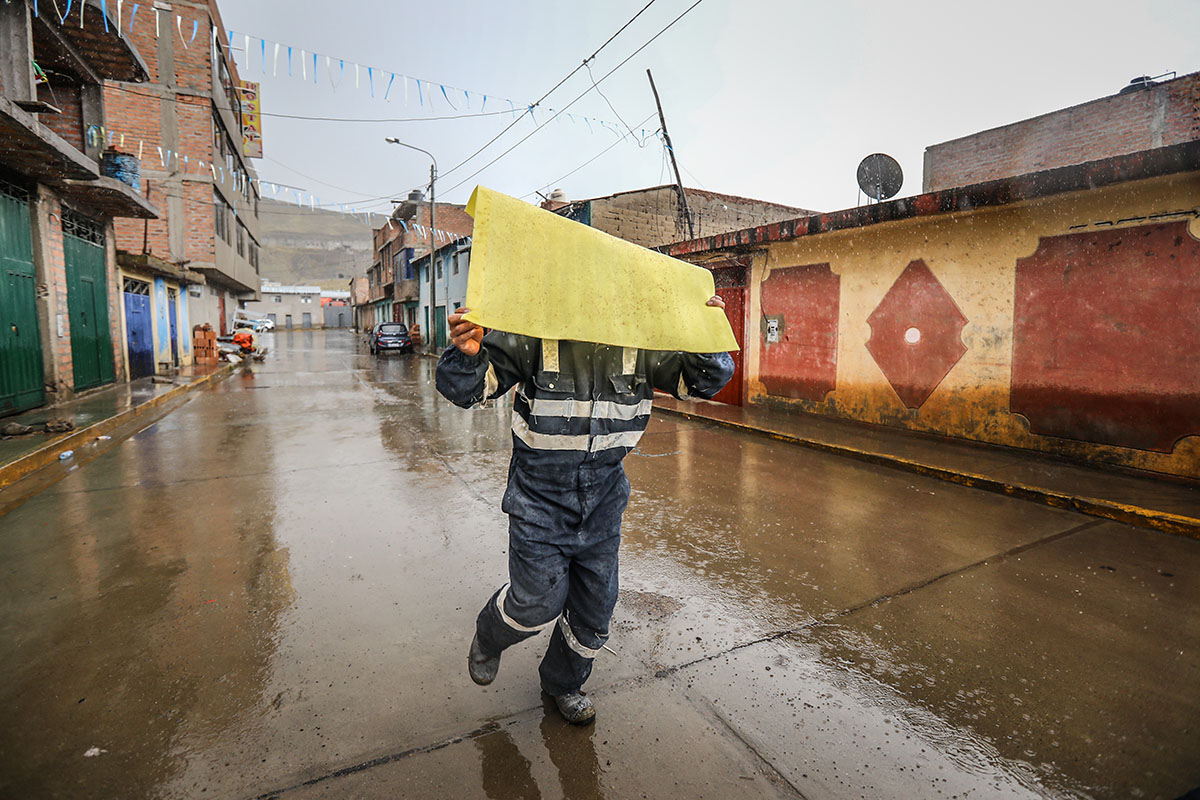
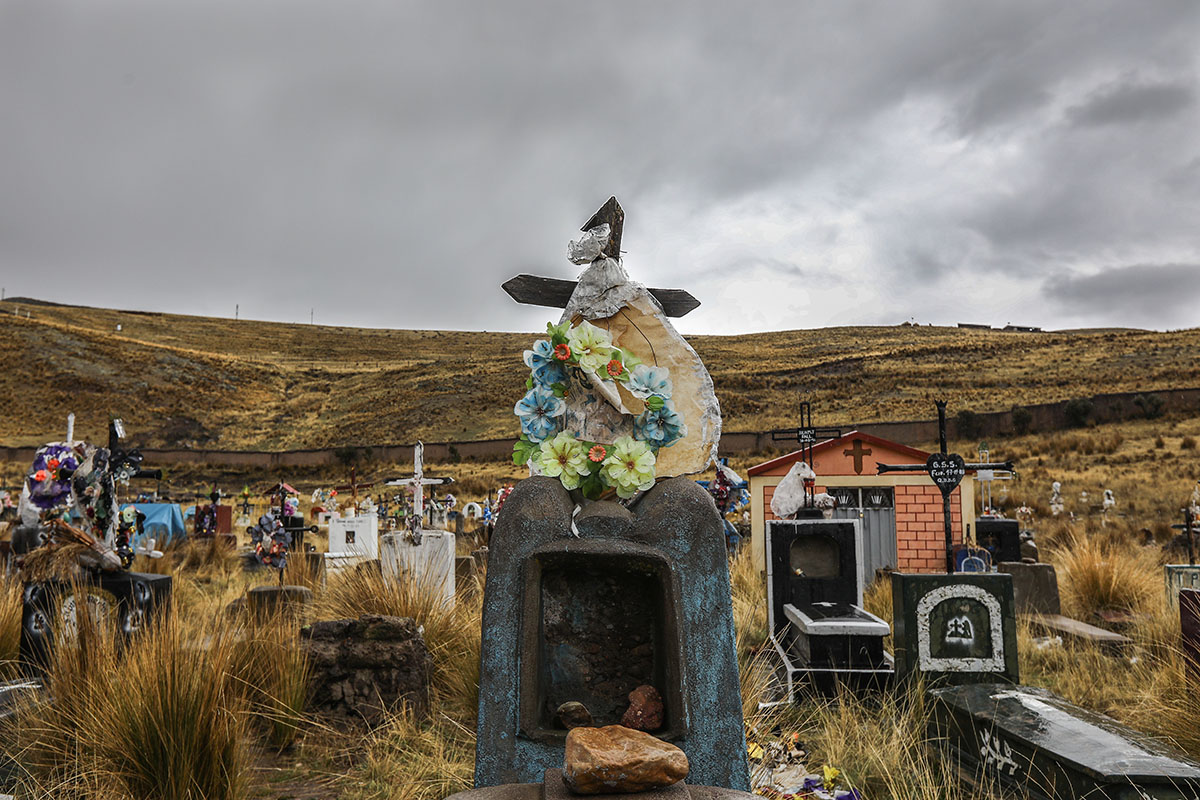
In Antauta, at over 4,200 meters above sea level, nine out of ten children suffer from anemia. These children not only experience sleepiness but also other symptoms that have silently progressed over time. Fatigue, lack of concentration, poor performance, and low hemoglobin levels are some of the factors detected in this remote area of Peru. Some residents don't know how anemia arrived in this district. During the afternoon and evening, temperatures can drop to minus five degrees Celsius. This causes anemia to take hold among residents with pre-existing conditions. In recent years, the government has provided this area with medicine and mobile health tents to improve care and combat the disease. Half of the population receives this assistance. Nurses take blood samples from children and adults to measure their hemoglobin levels. The other half of Antauta's population doesn't trust the medicines and self-medicates with local natural herbs. Near Antauta, a mine operates, causing pollution of the rivers, the Ichu grasslands, and affecting the local population. Therefore, it is possible that this informal activity has also contributed to the anemia outbreak in the district. According to the Ministry of Health (MINSA), in 2016, 95% of Antauta's population suffered from anemia, an alarming figure. Today, despite fluctuations, it has decreased to 60%. The struggle in Antauta, located in the province of Melgar, department of Puno, continues quietly. Anemia and environmental pollution remain a silent threat in the cold highlands of rural Peru.
Hola 👋 contáctar con Jorge L. Cerdán - fotoperiodista...