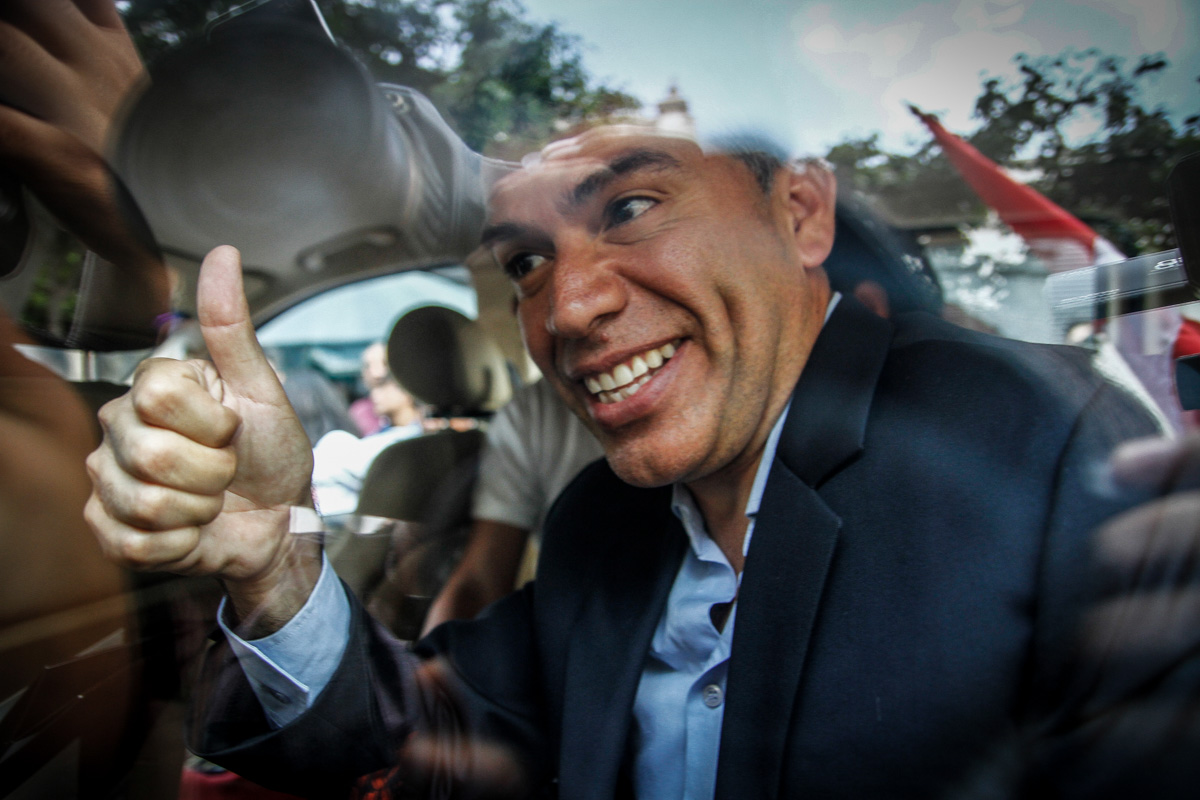
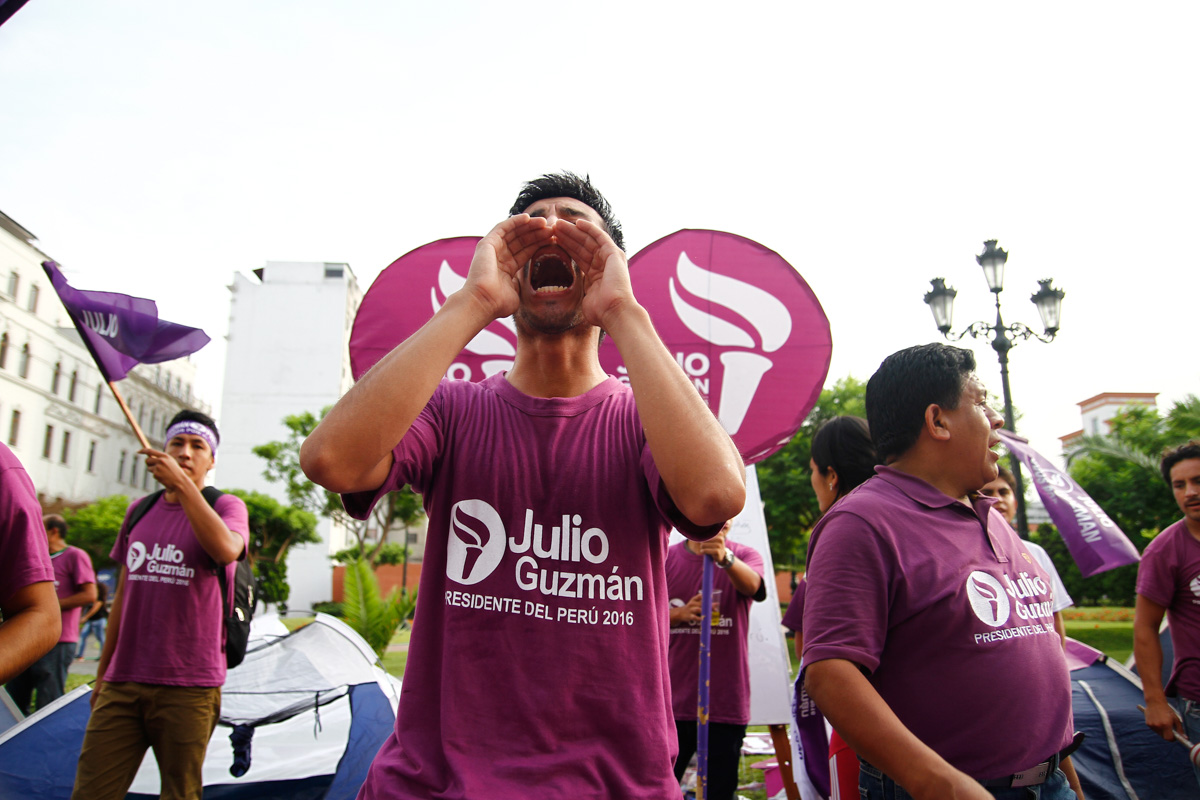
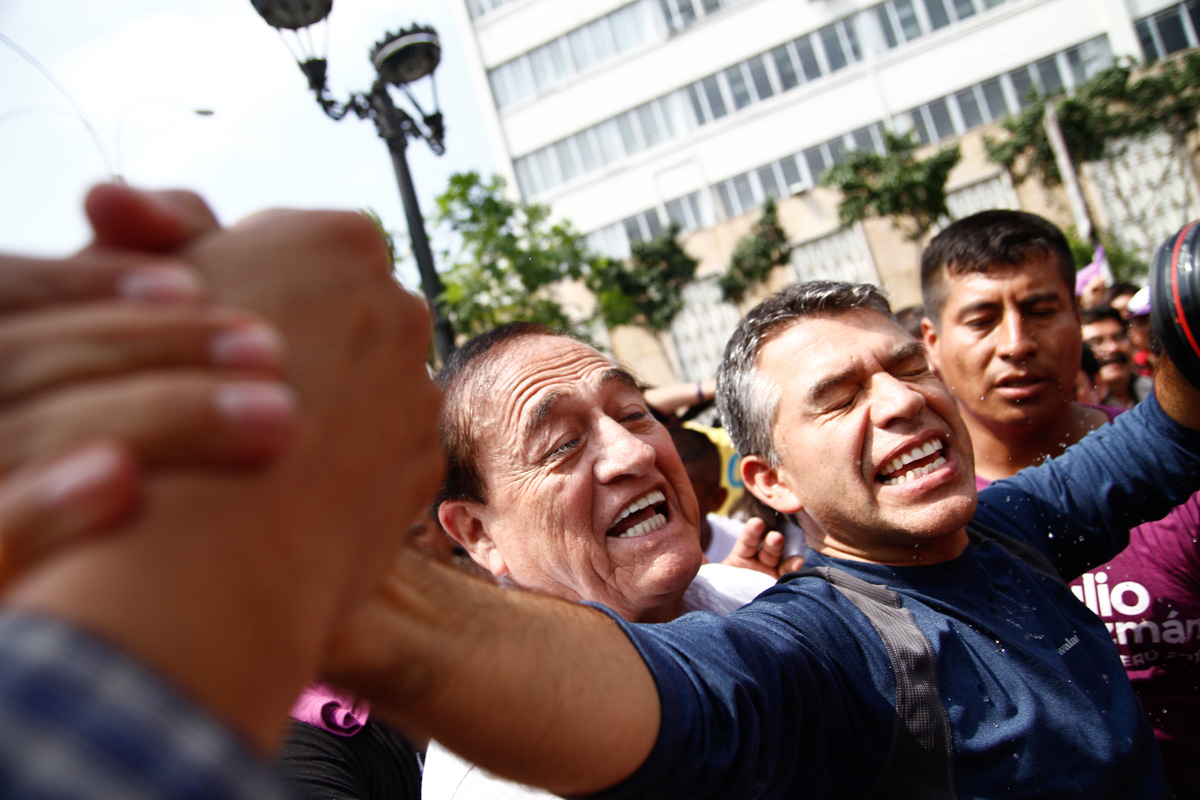
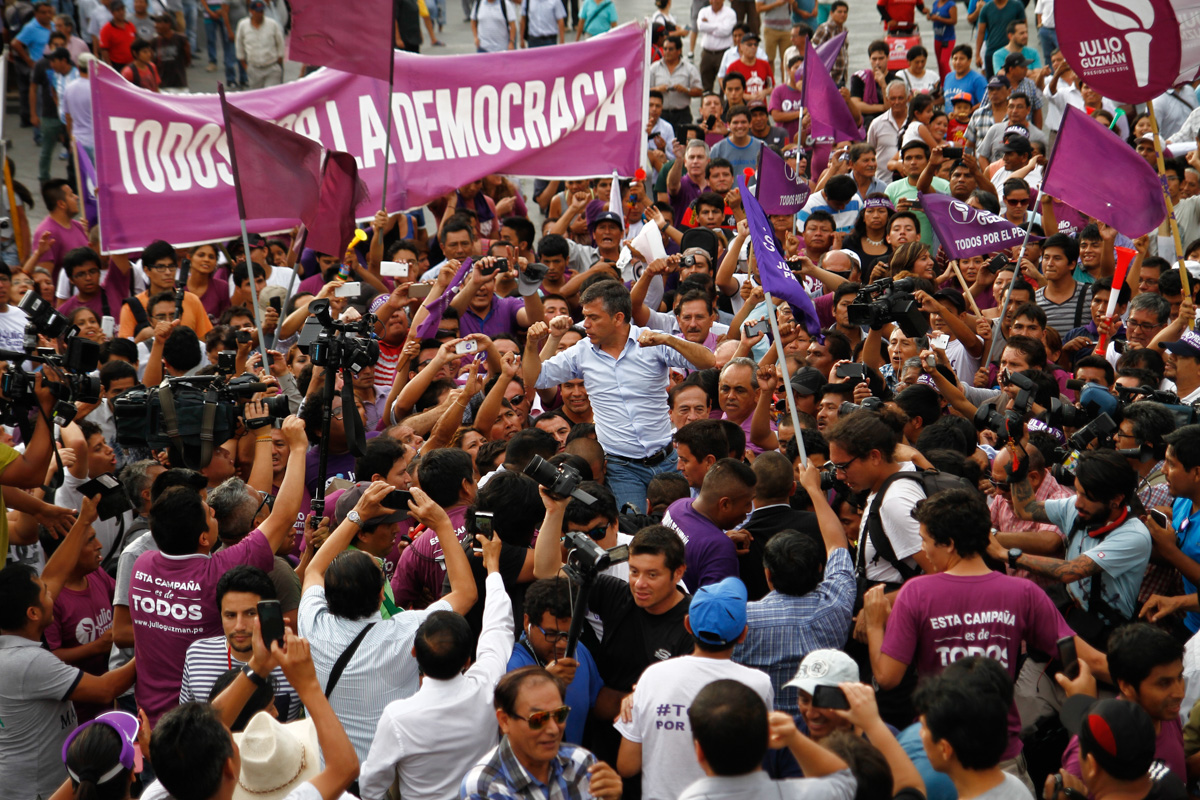
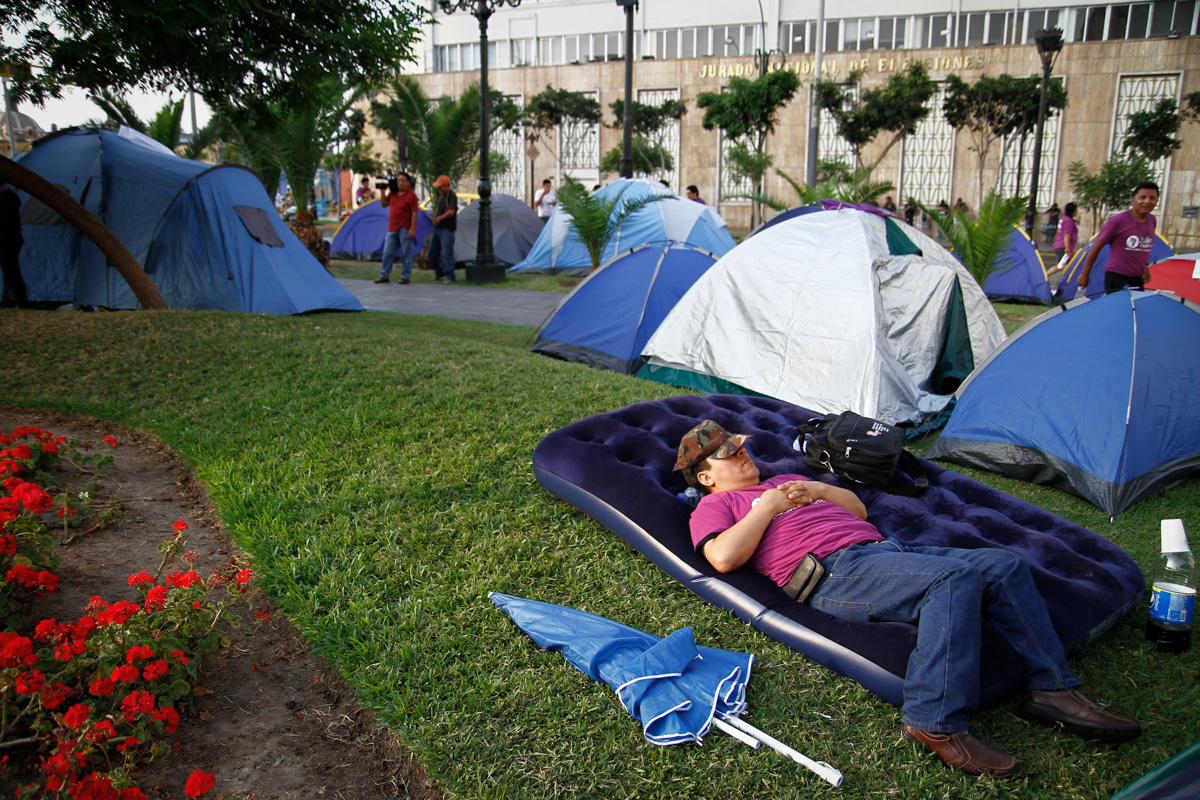
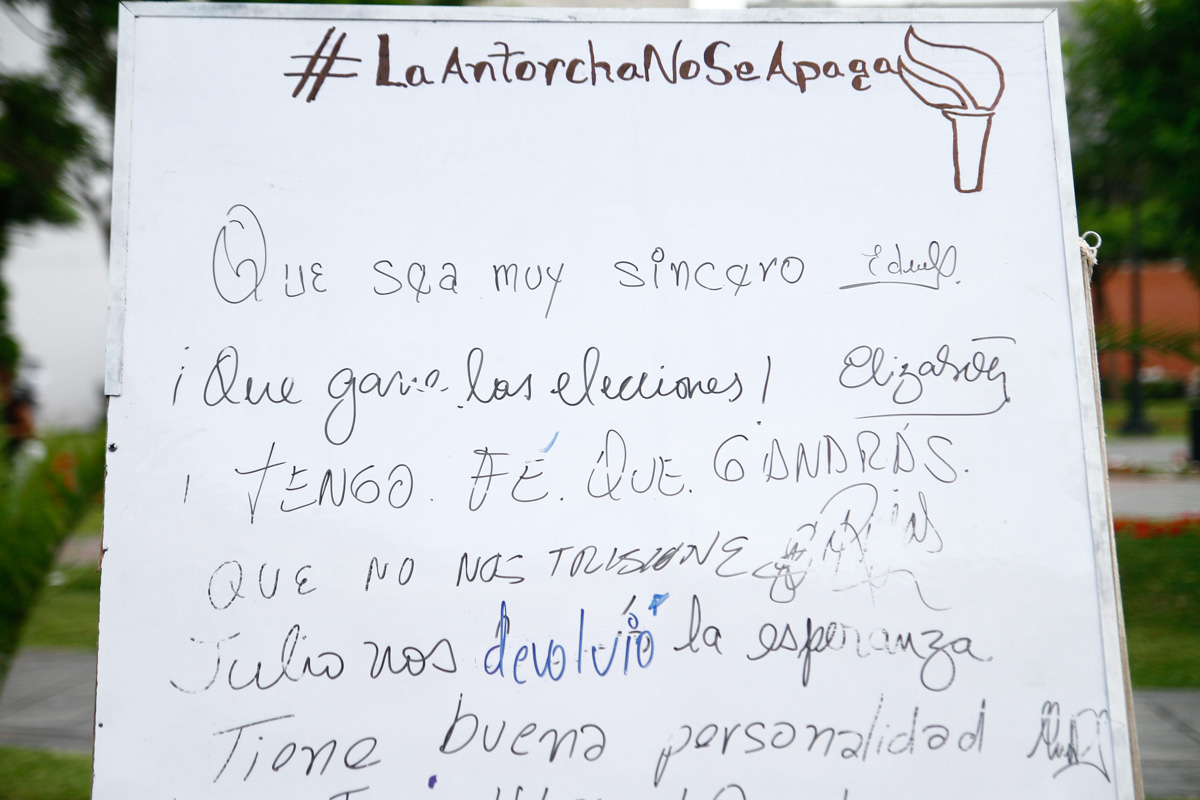
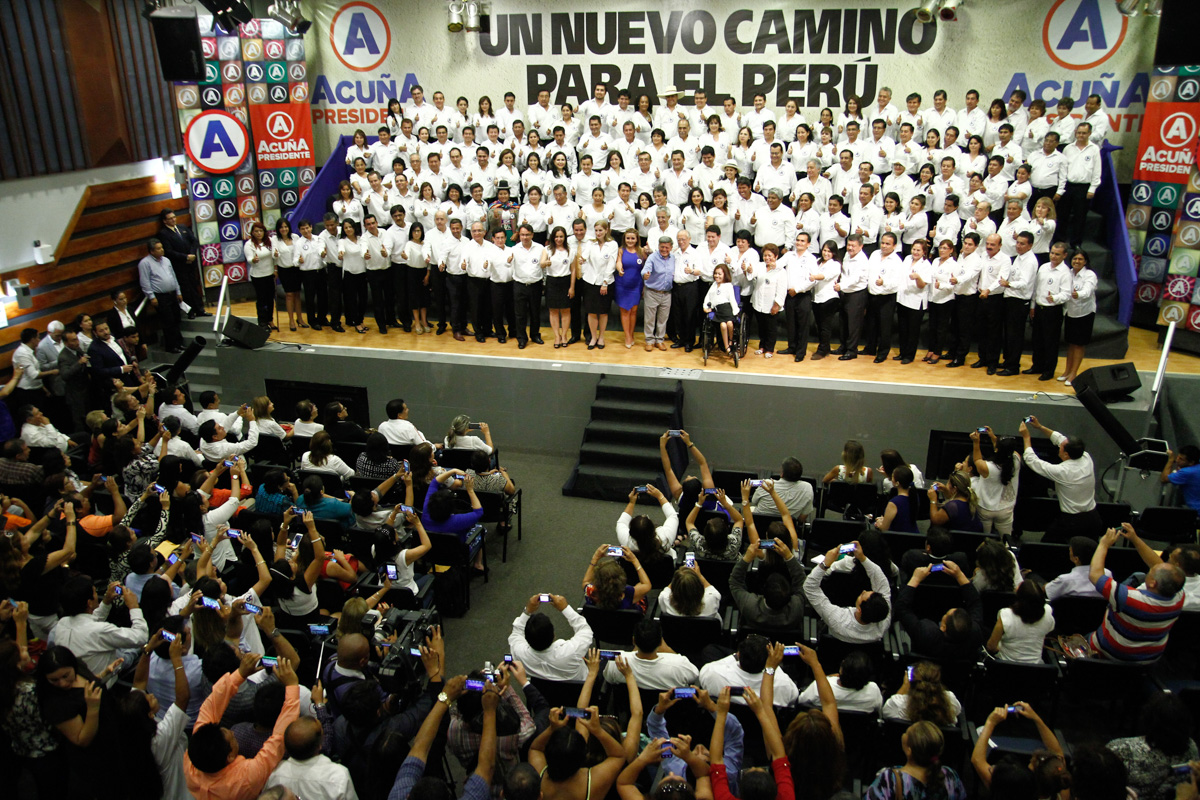
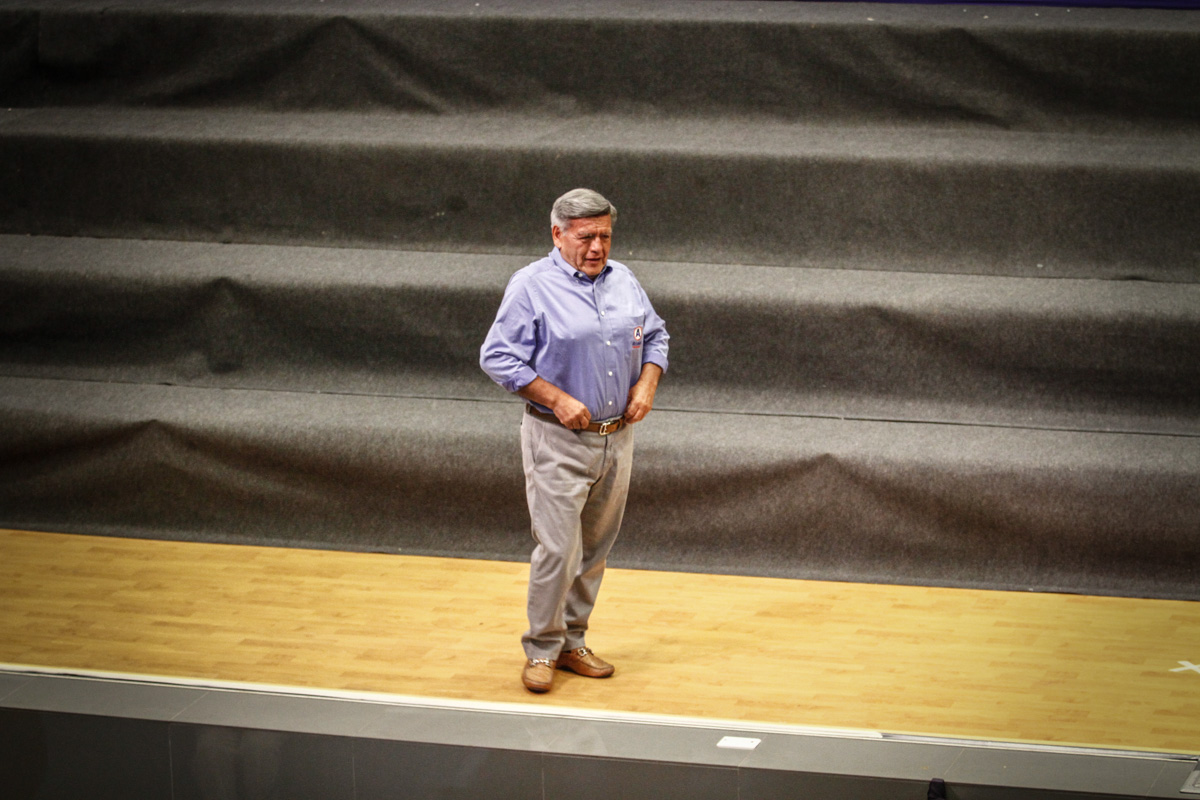
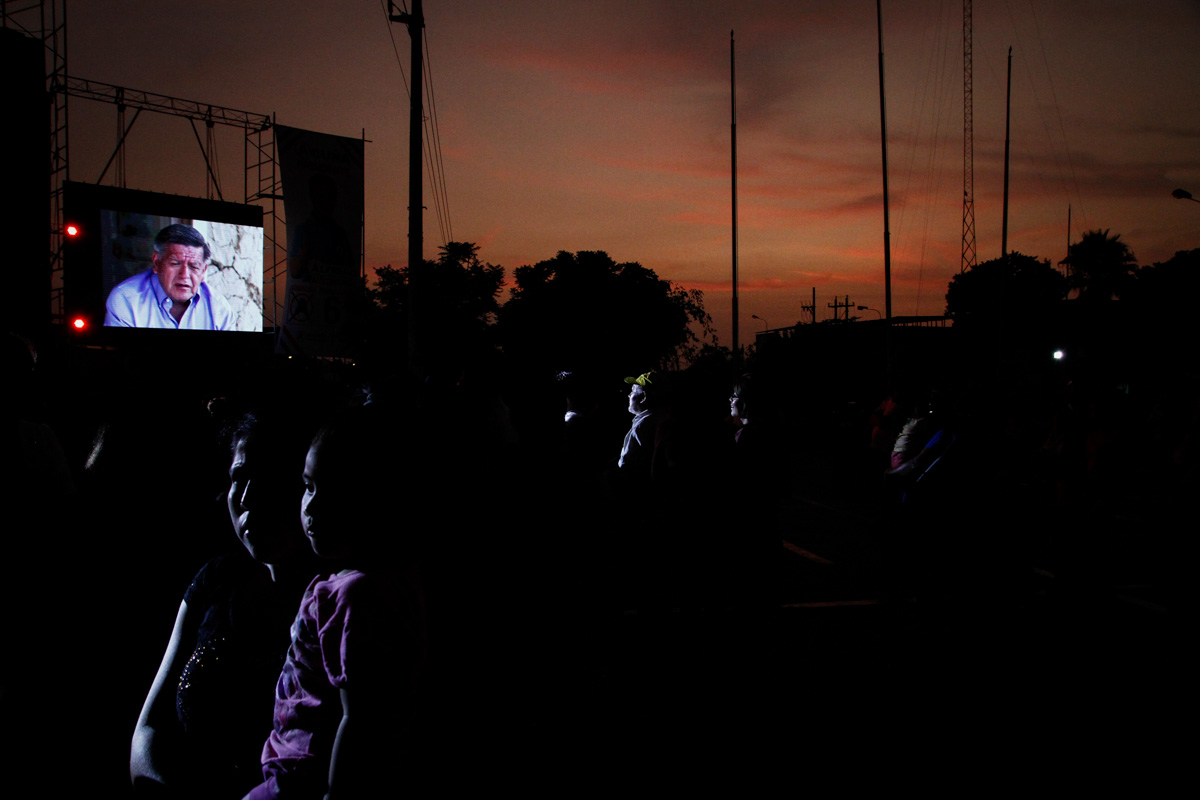
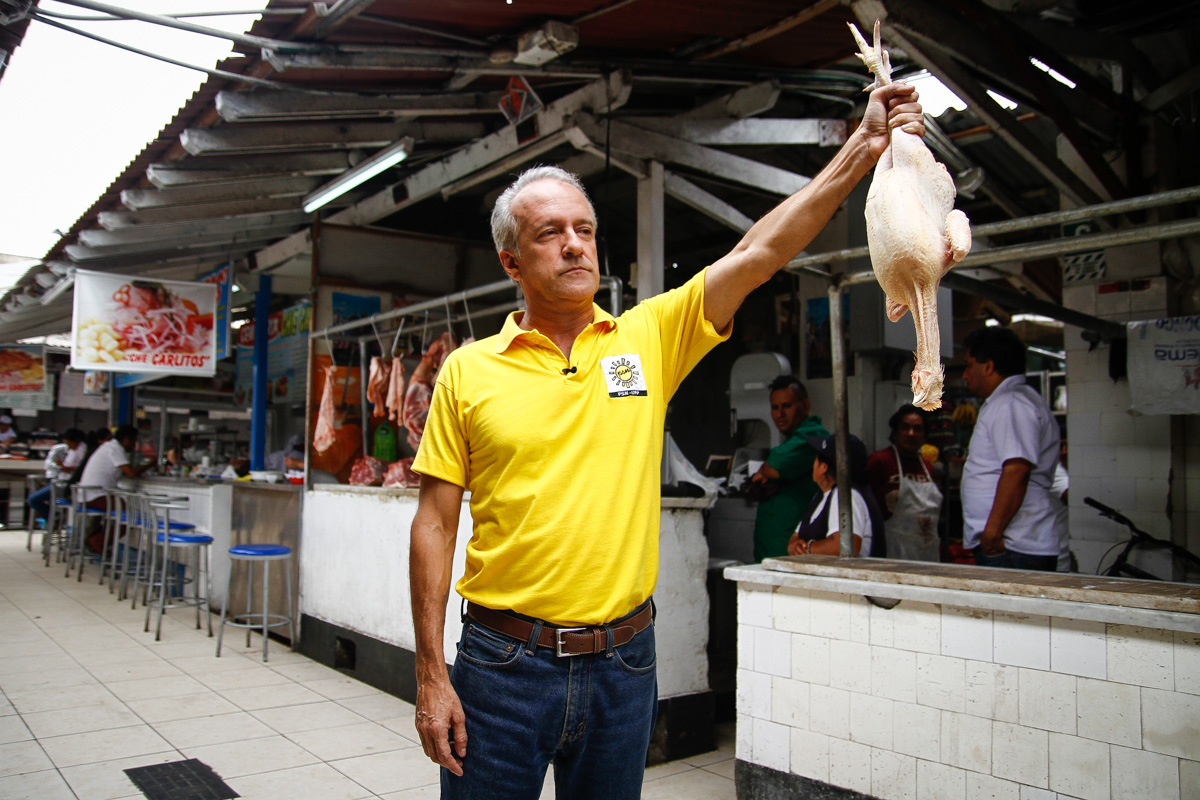
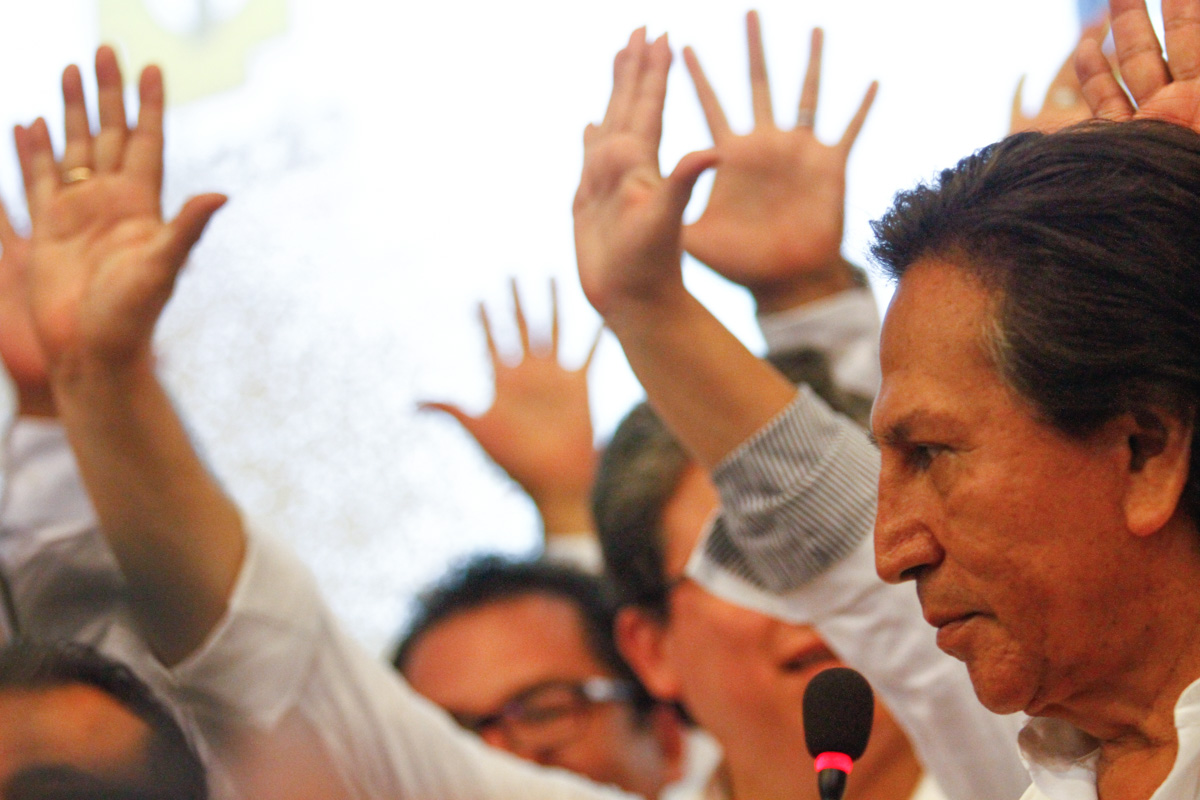
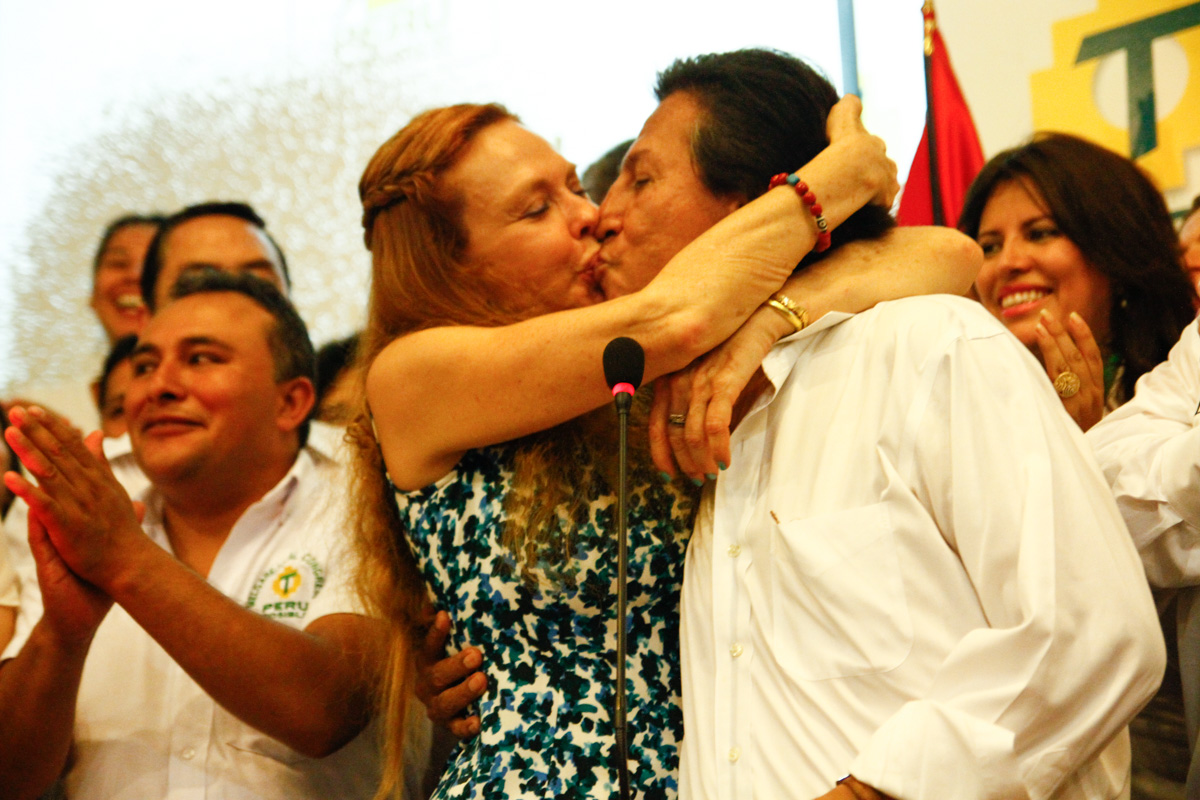
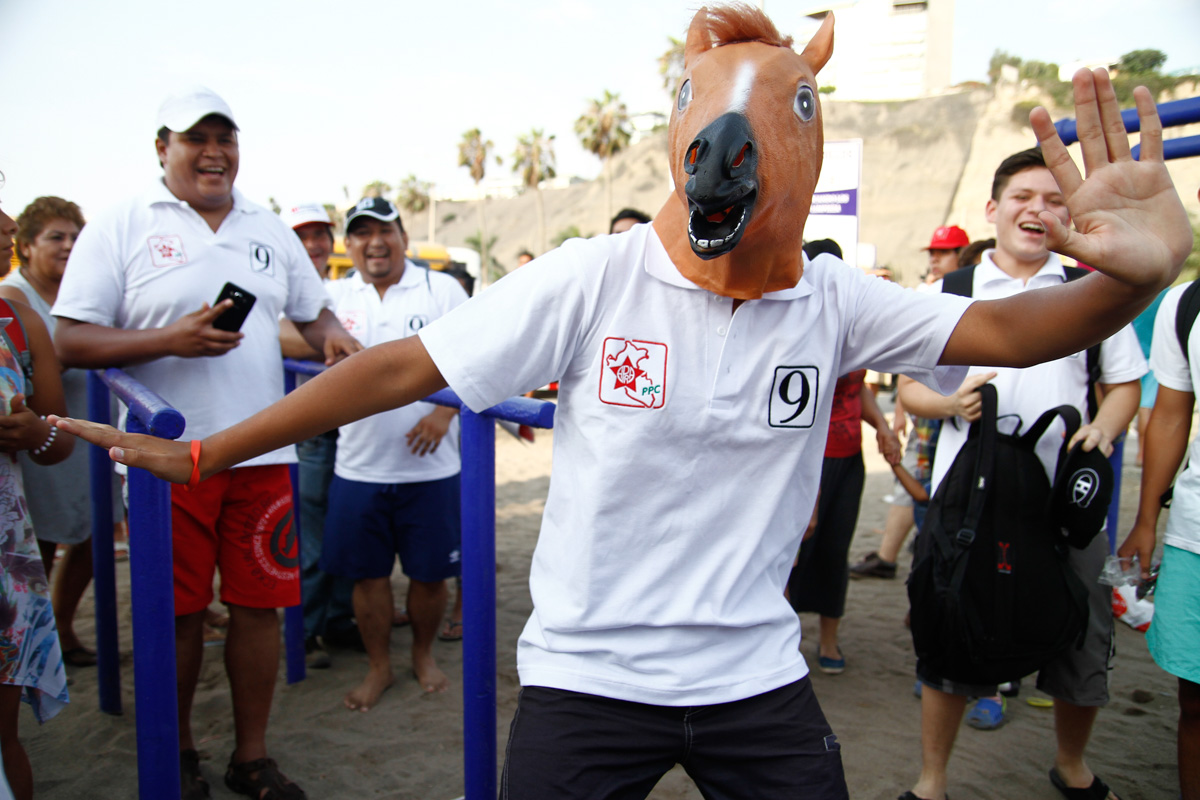
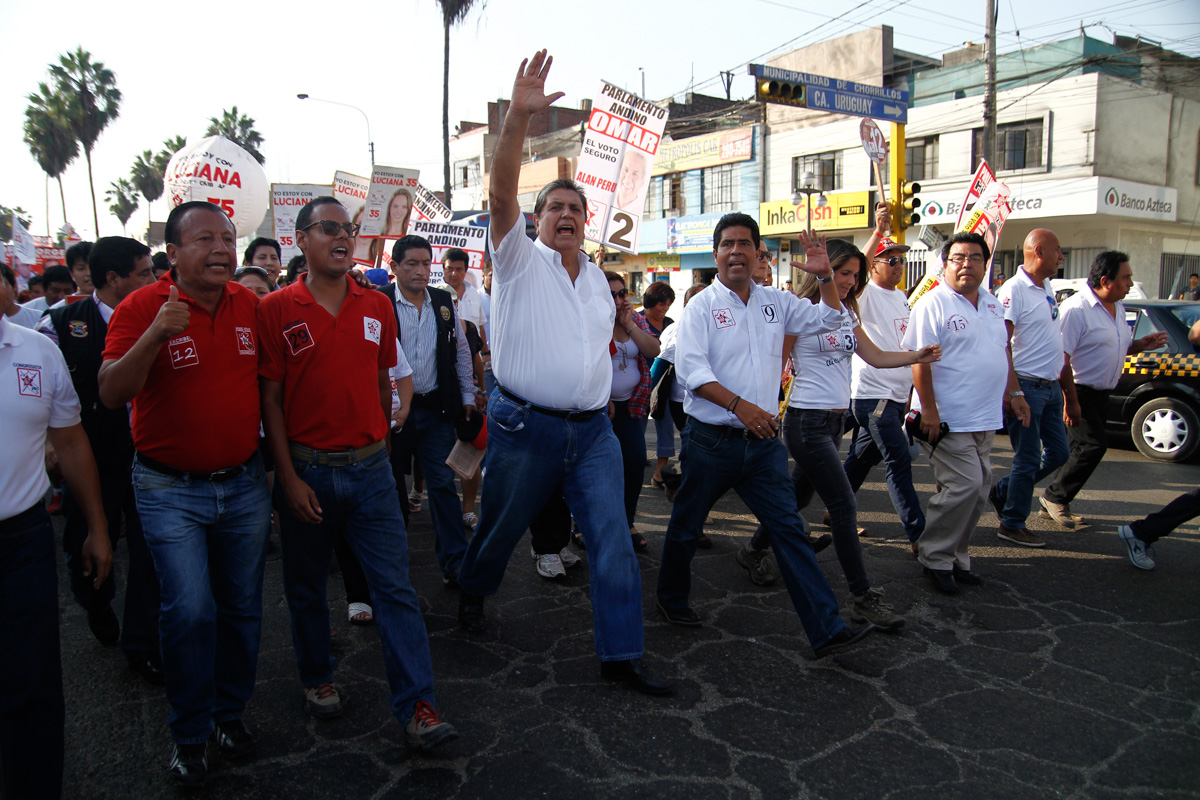
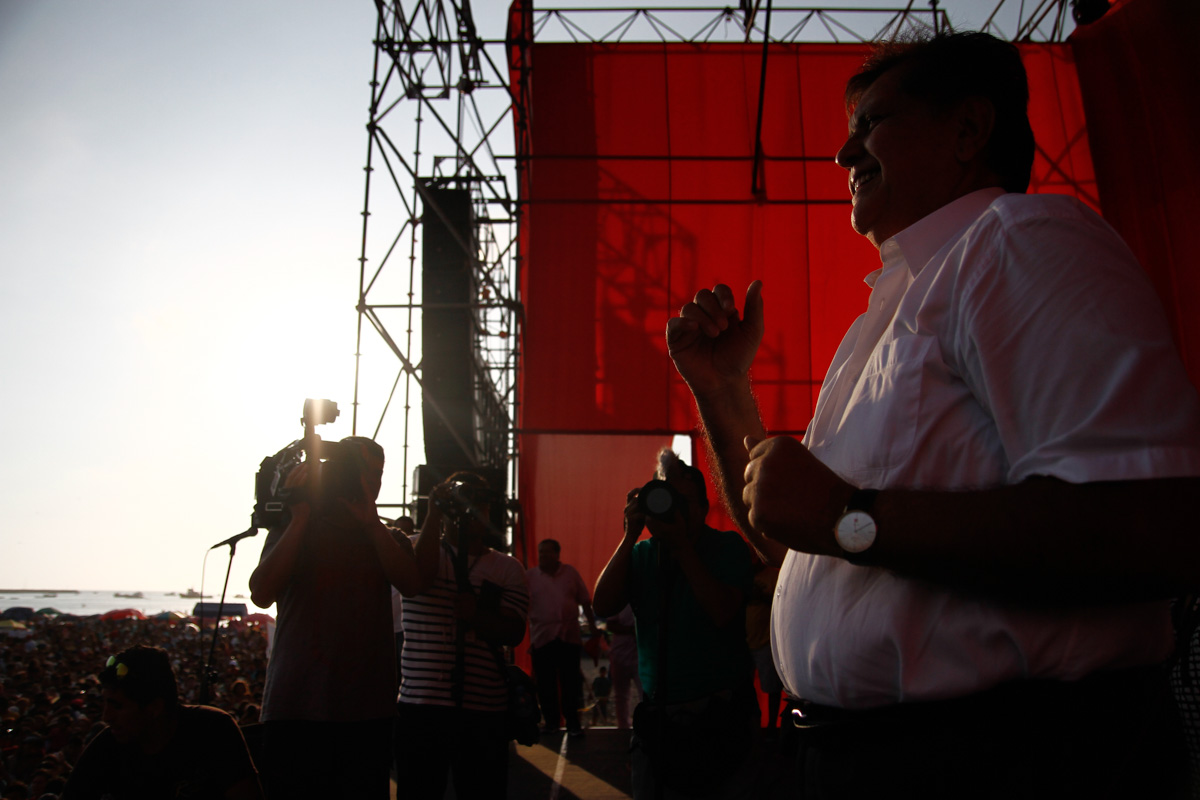
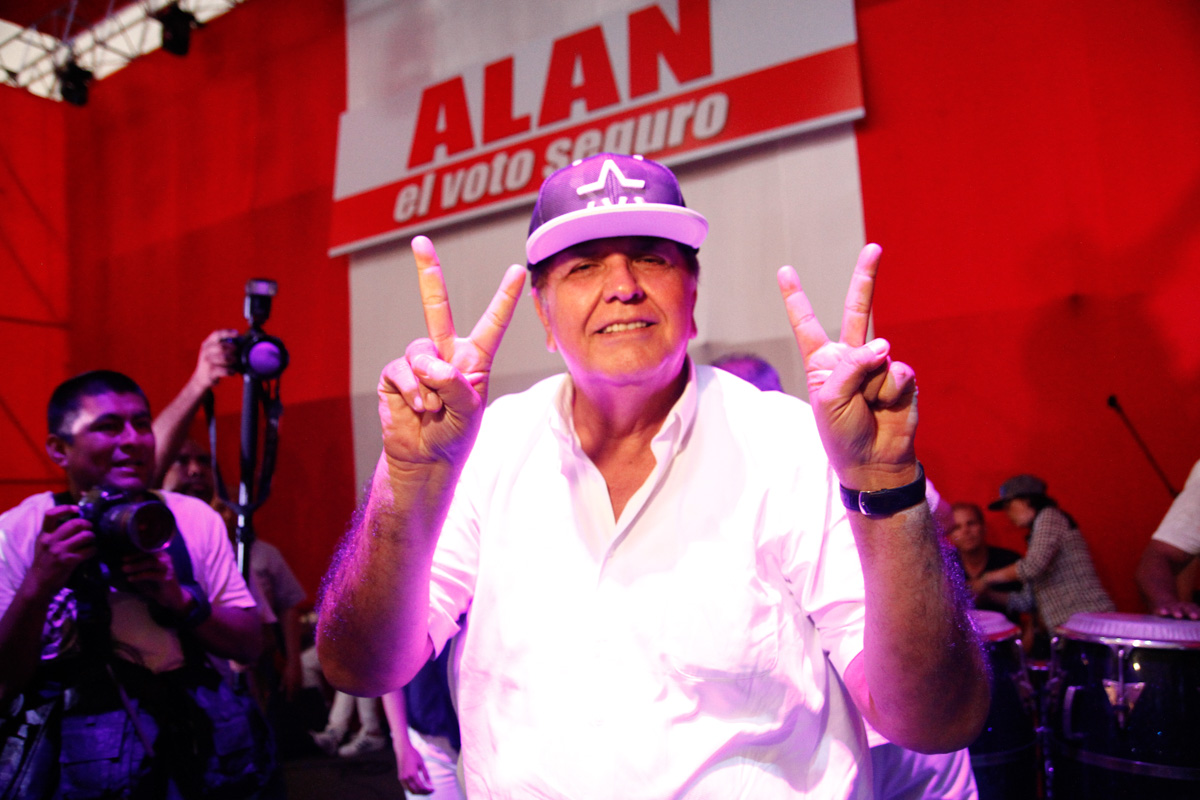
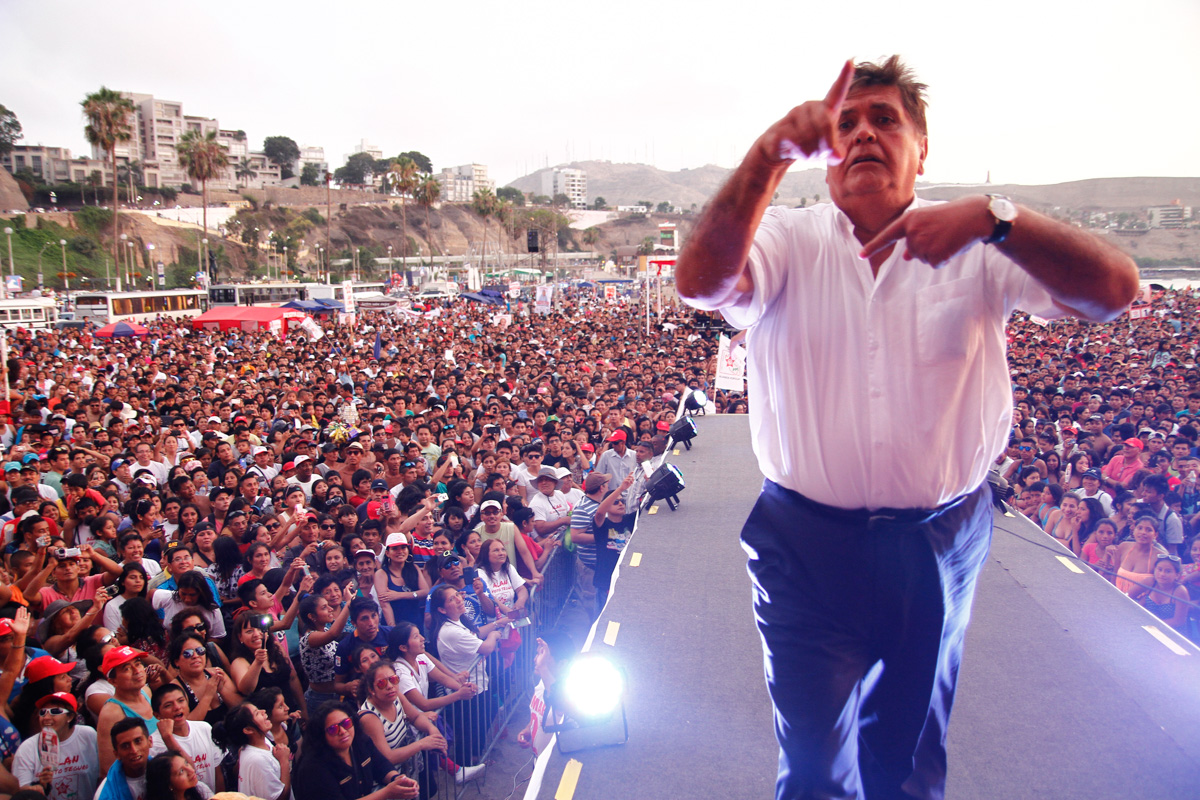
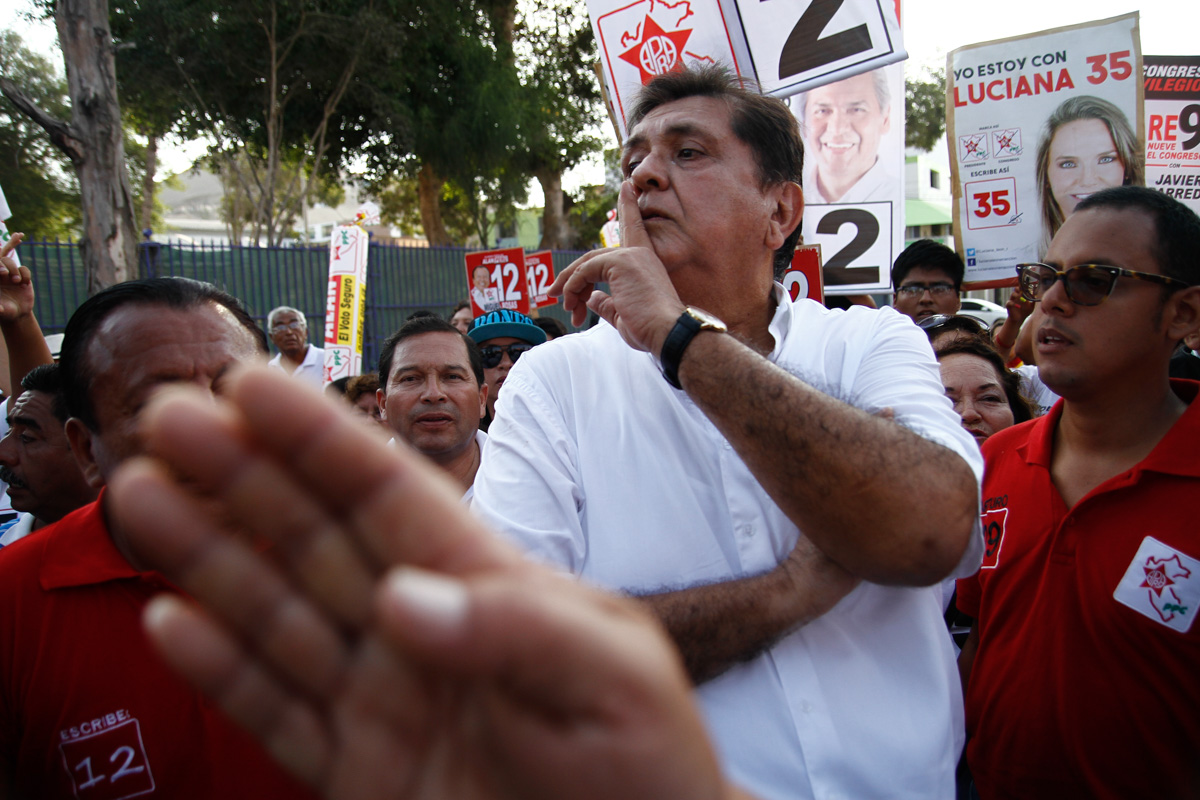
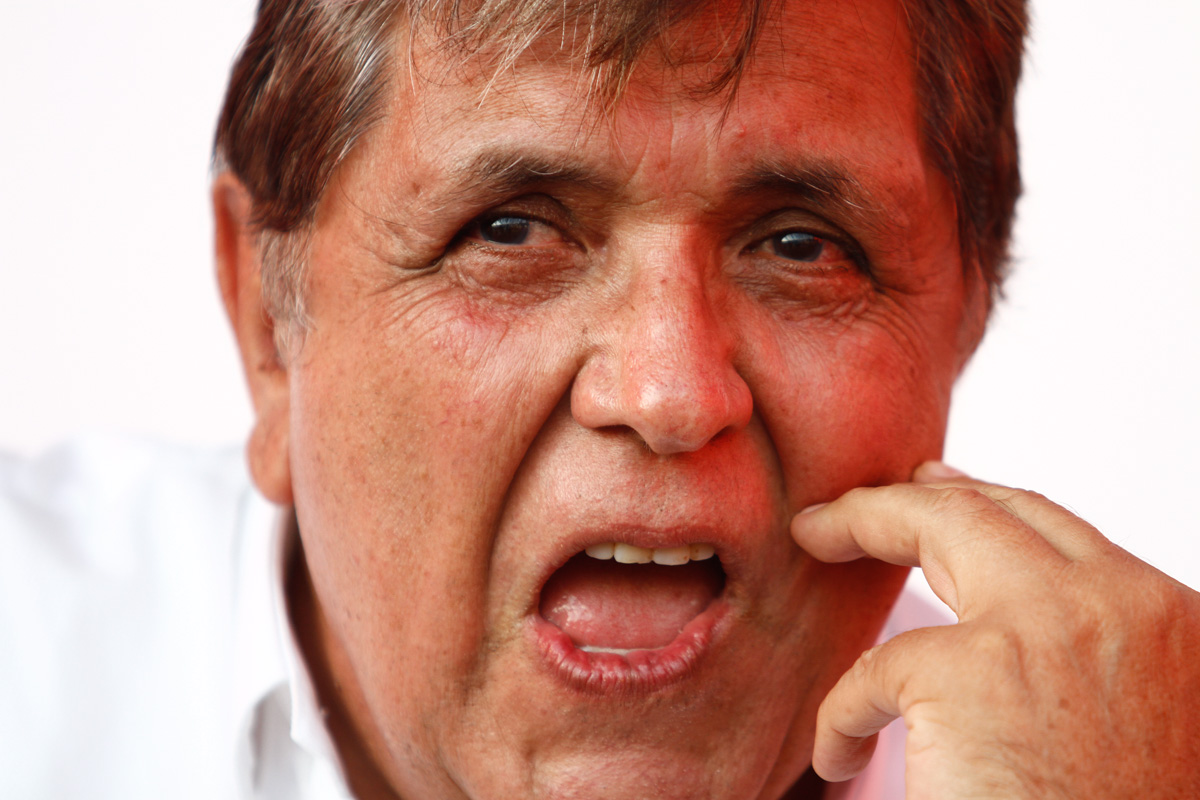
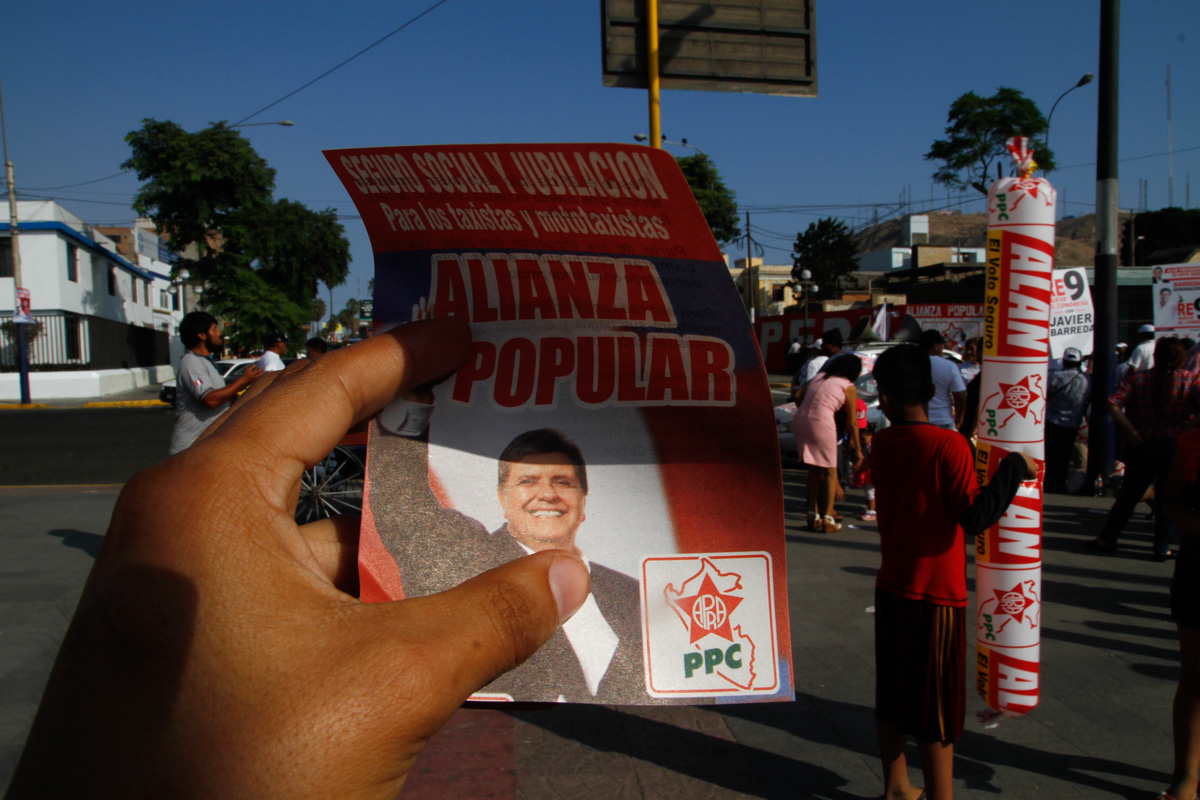
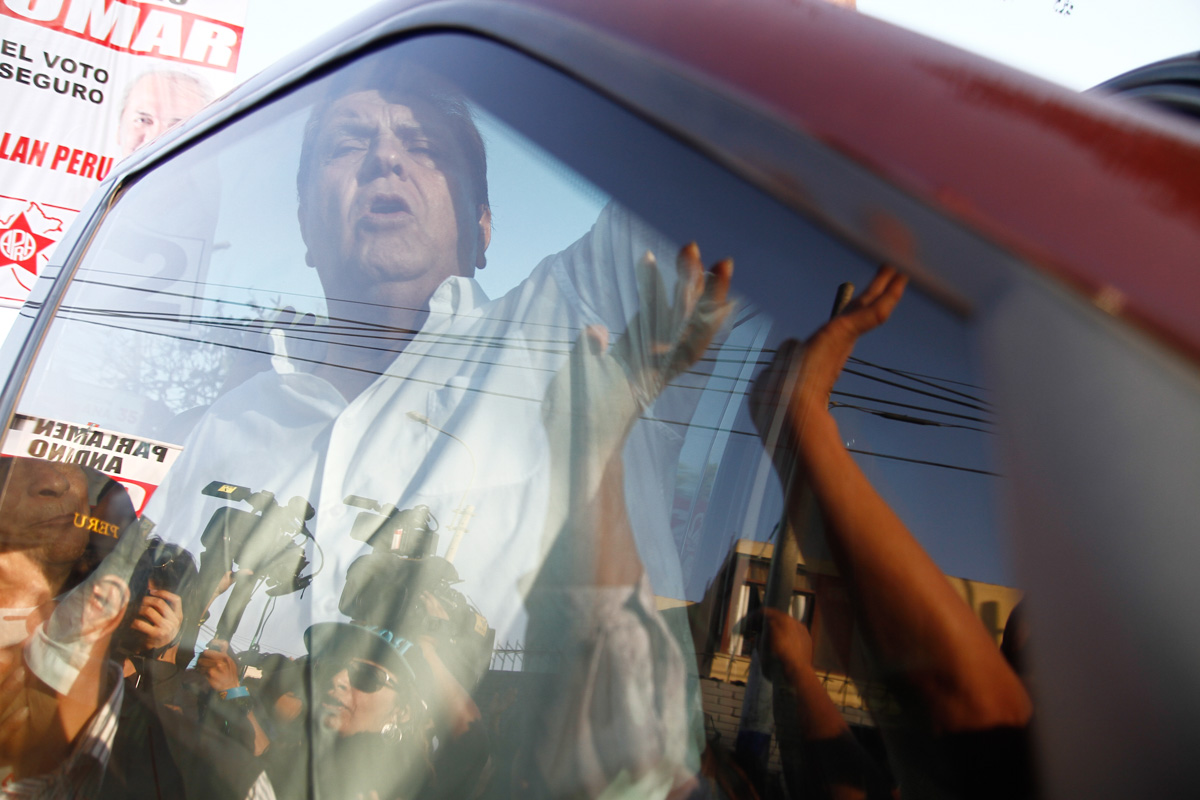
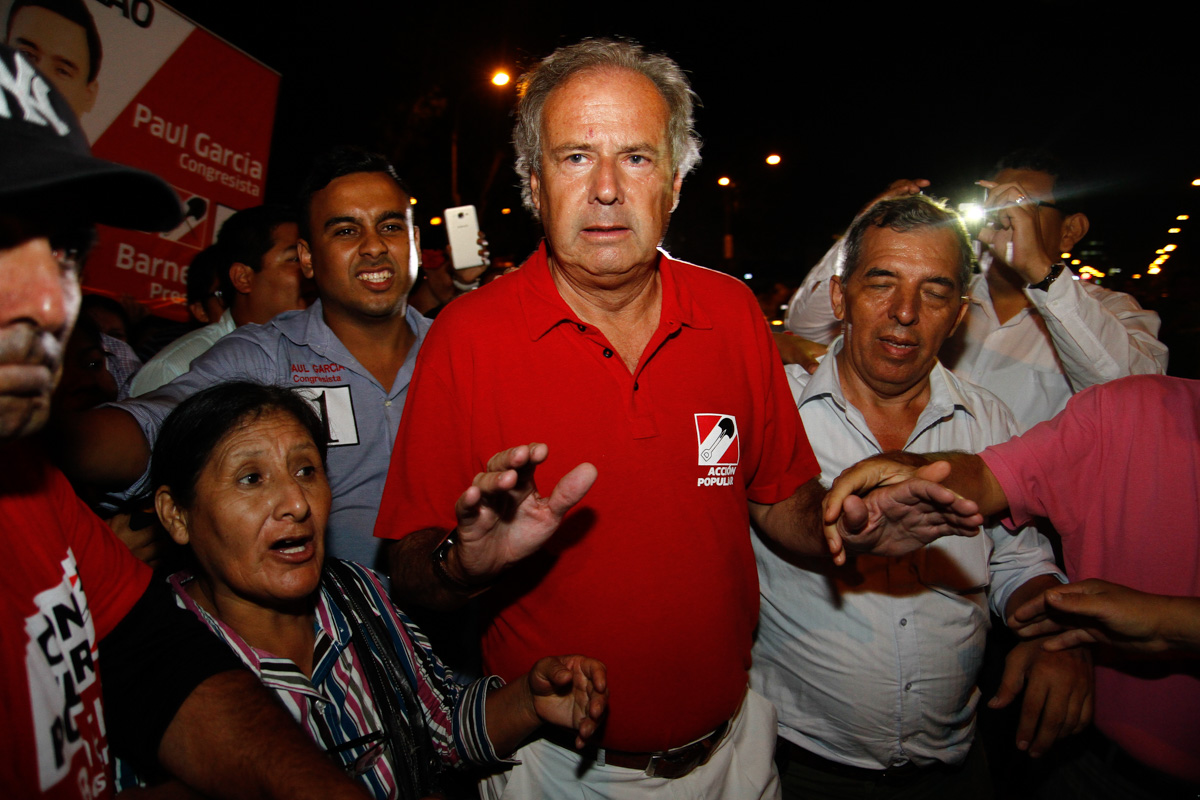
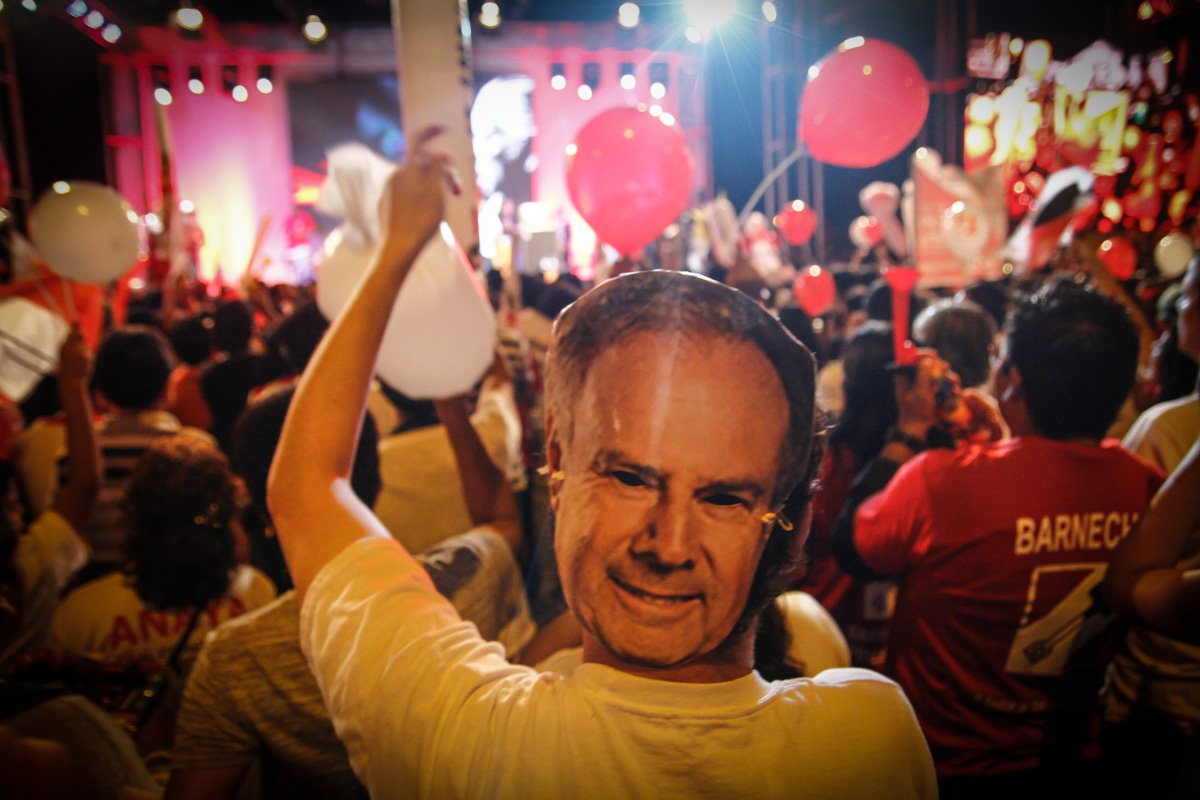
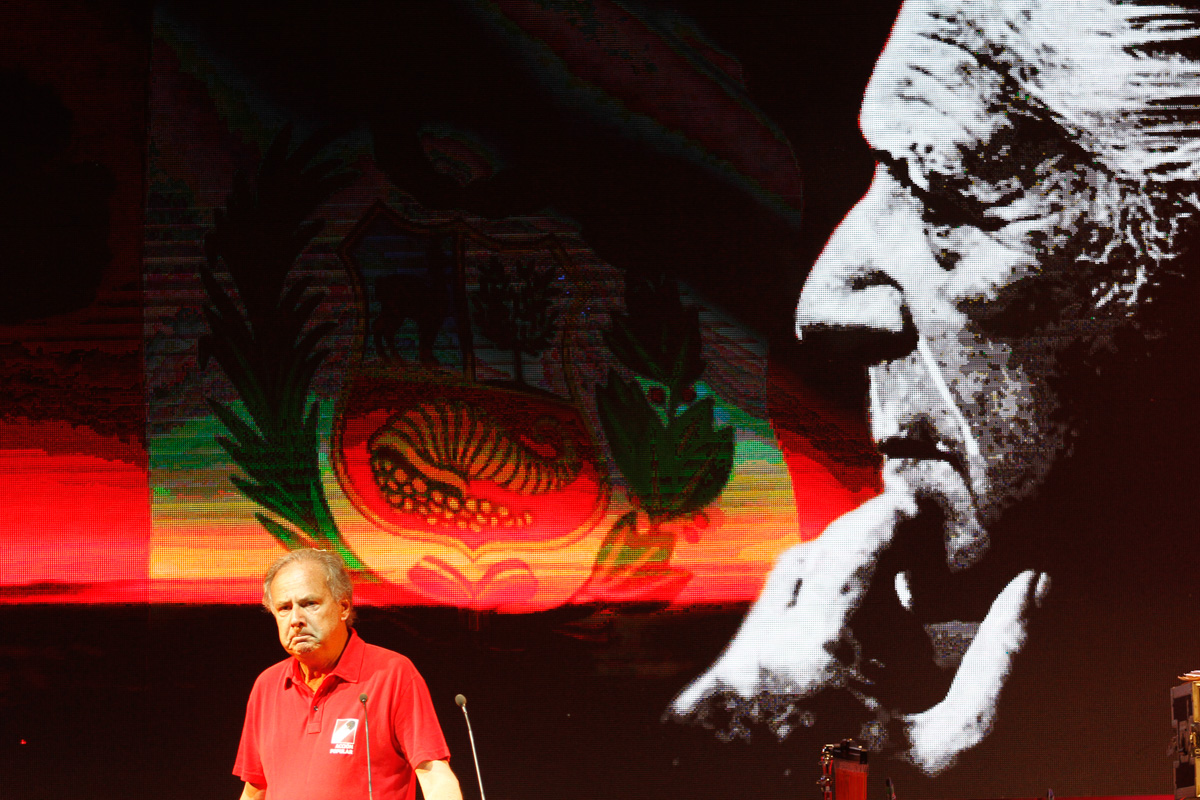
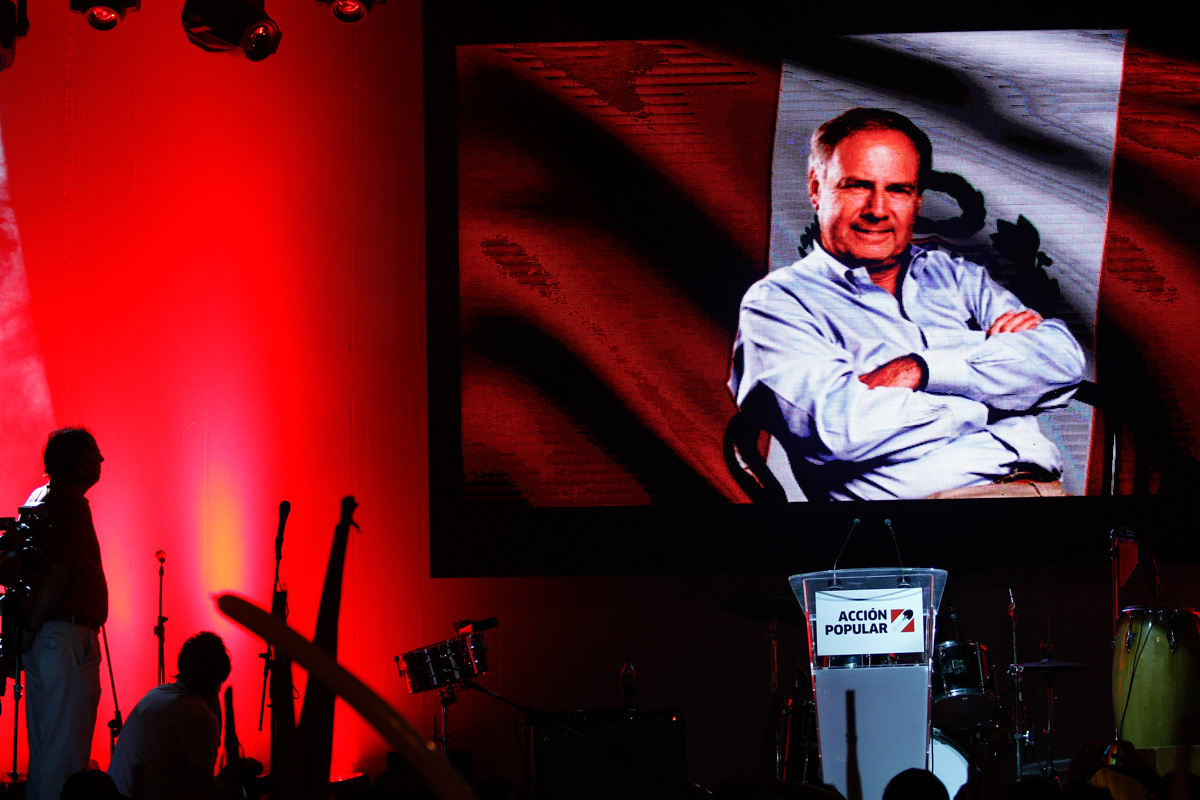
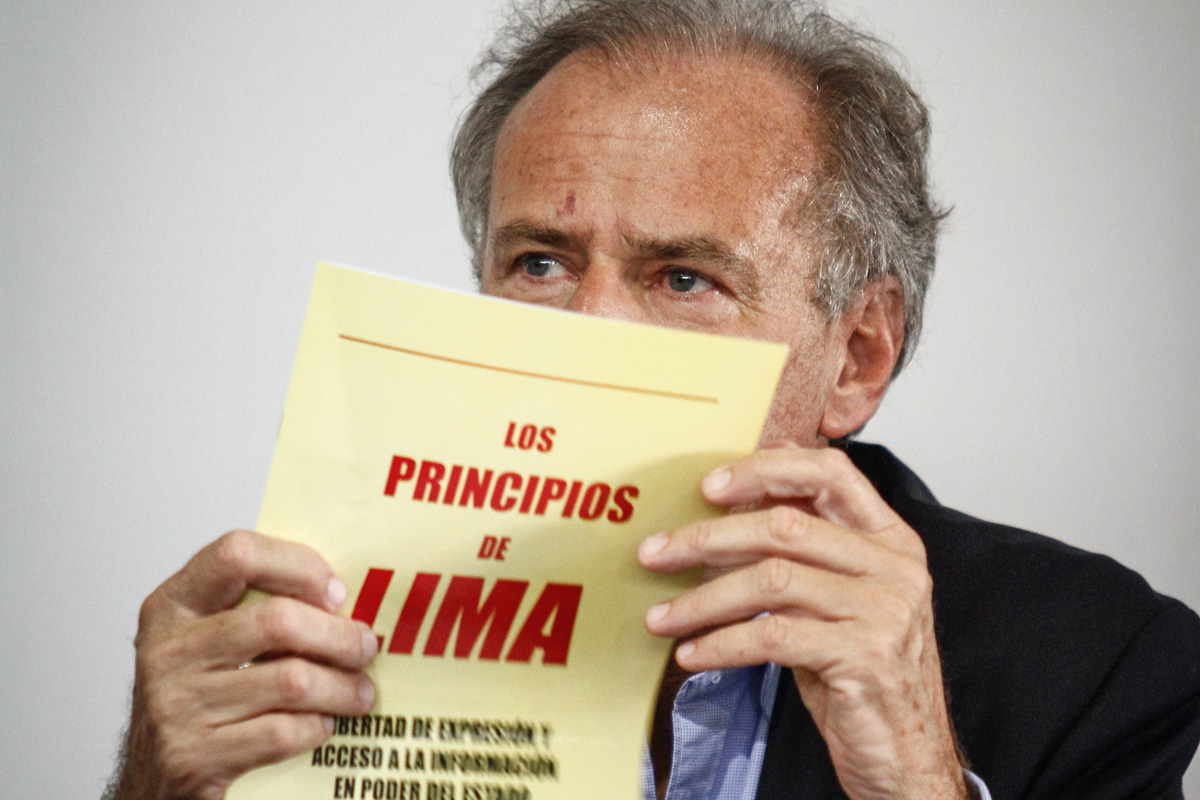
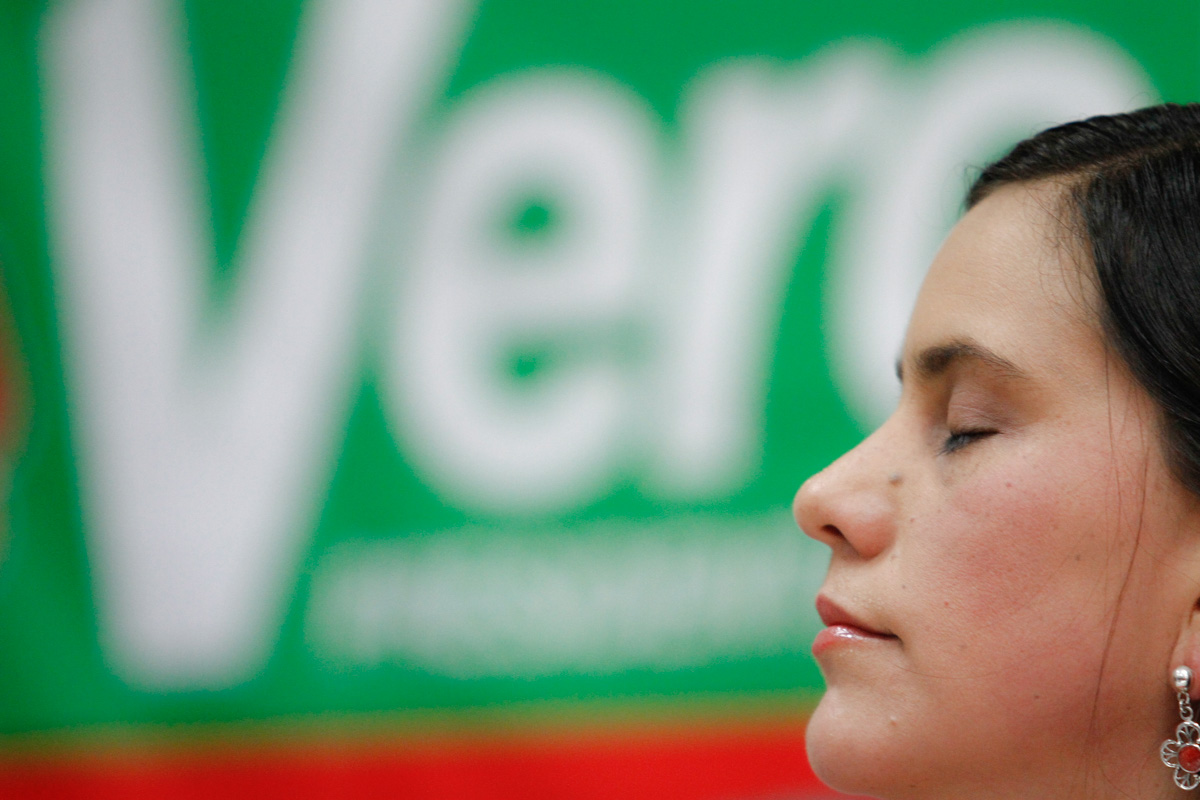
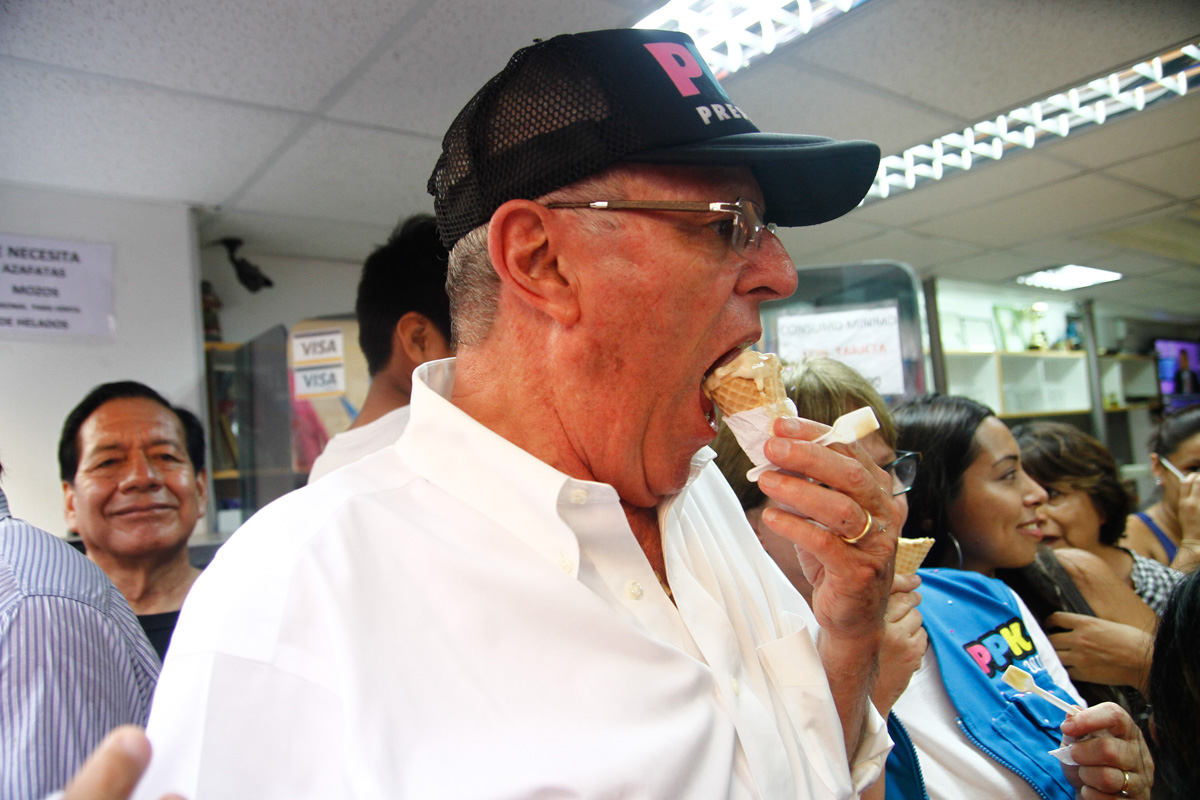
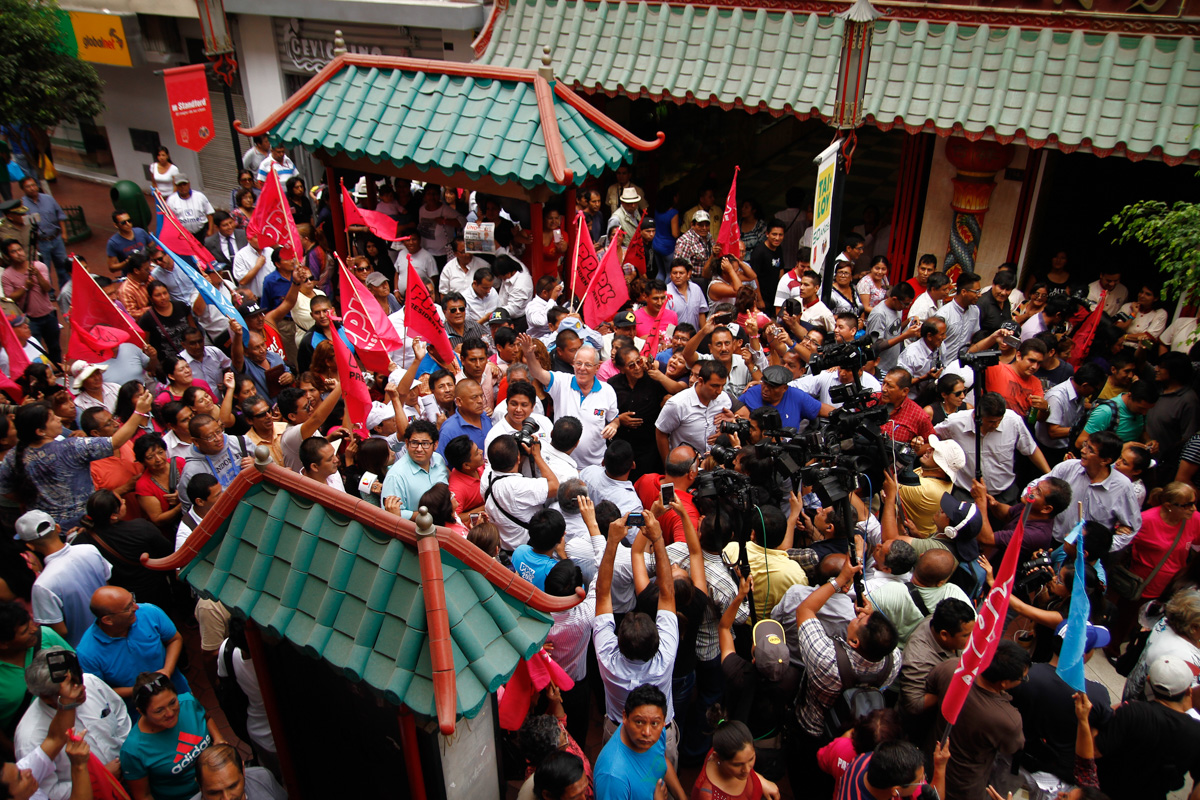
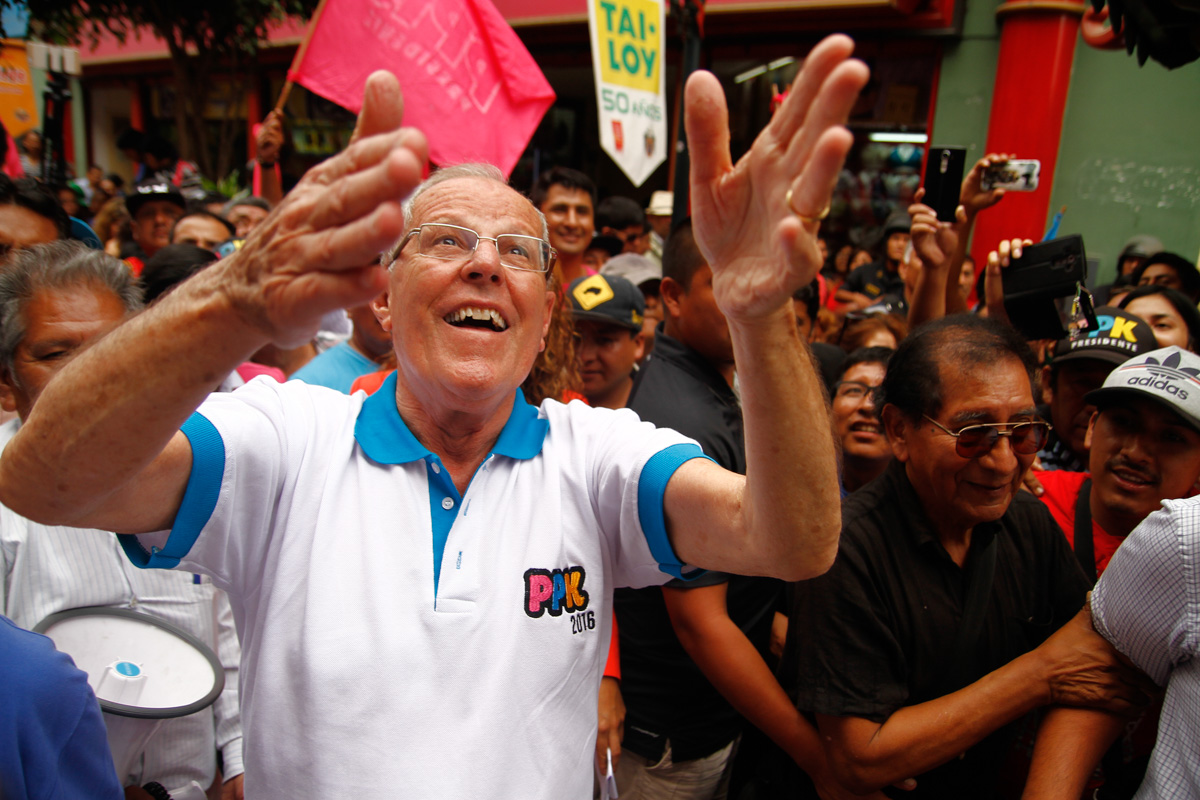
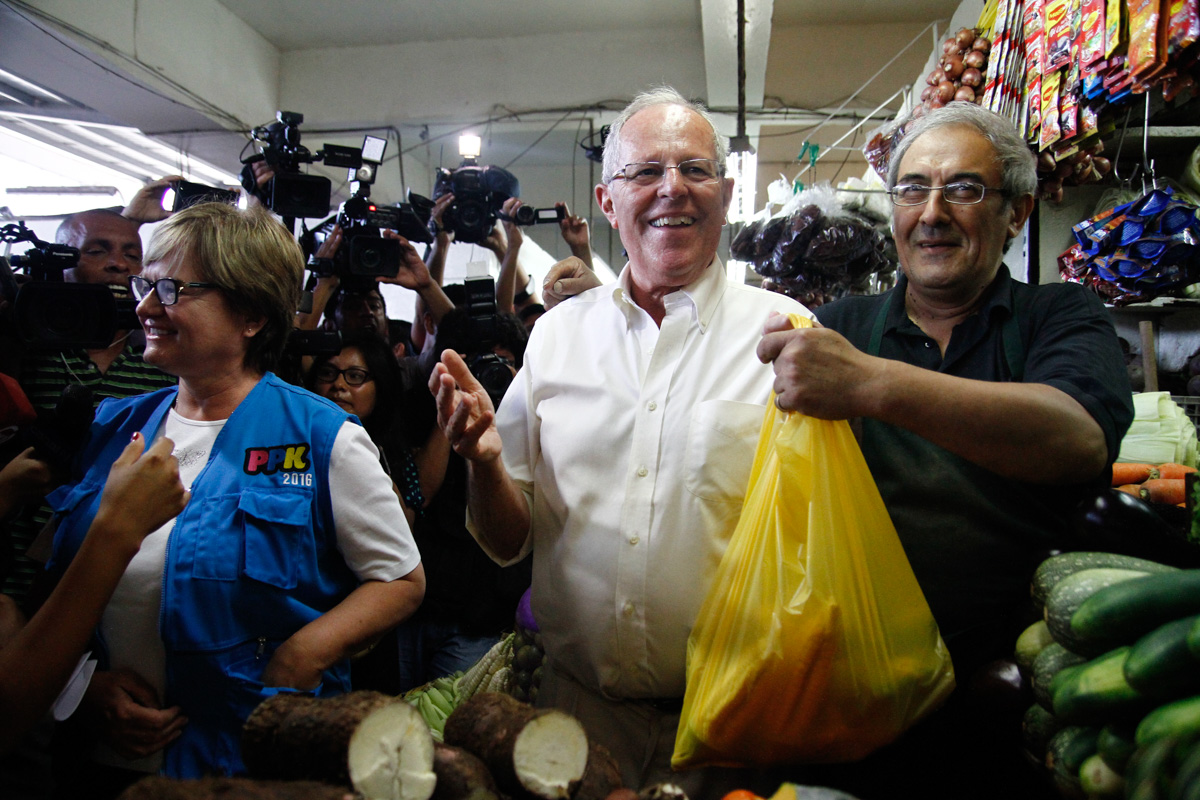
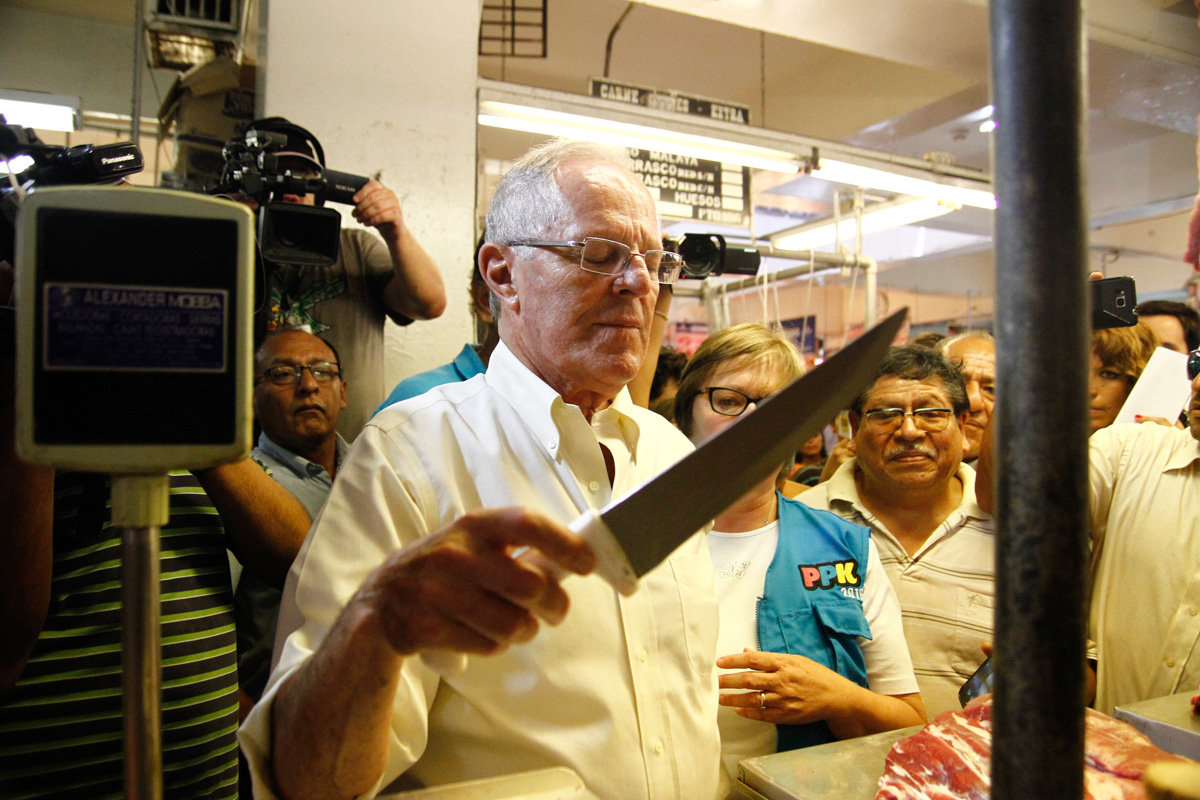
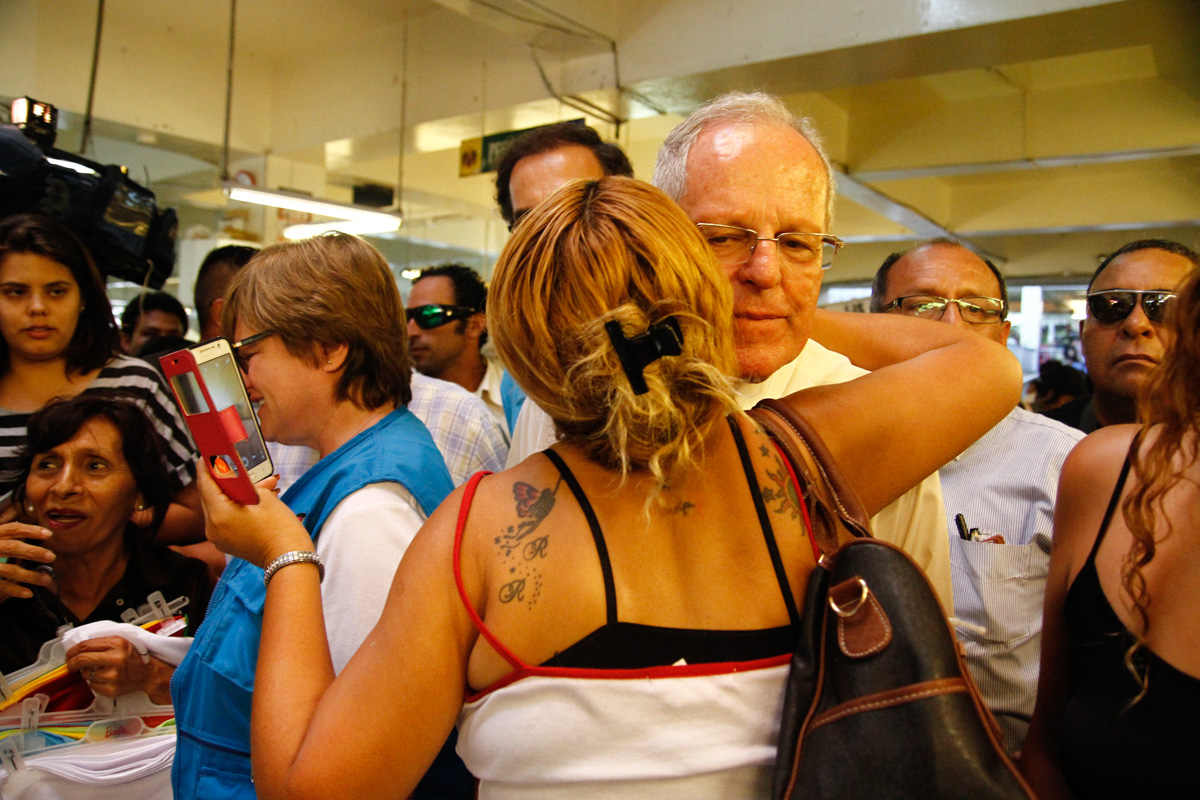
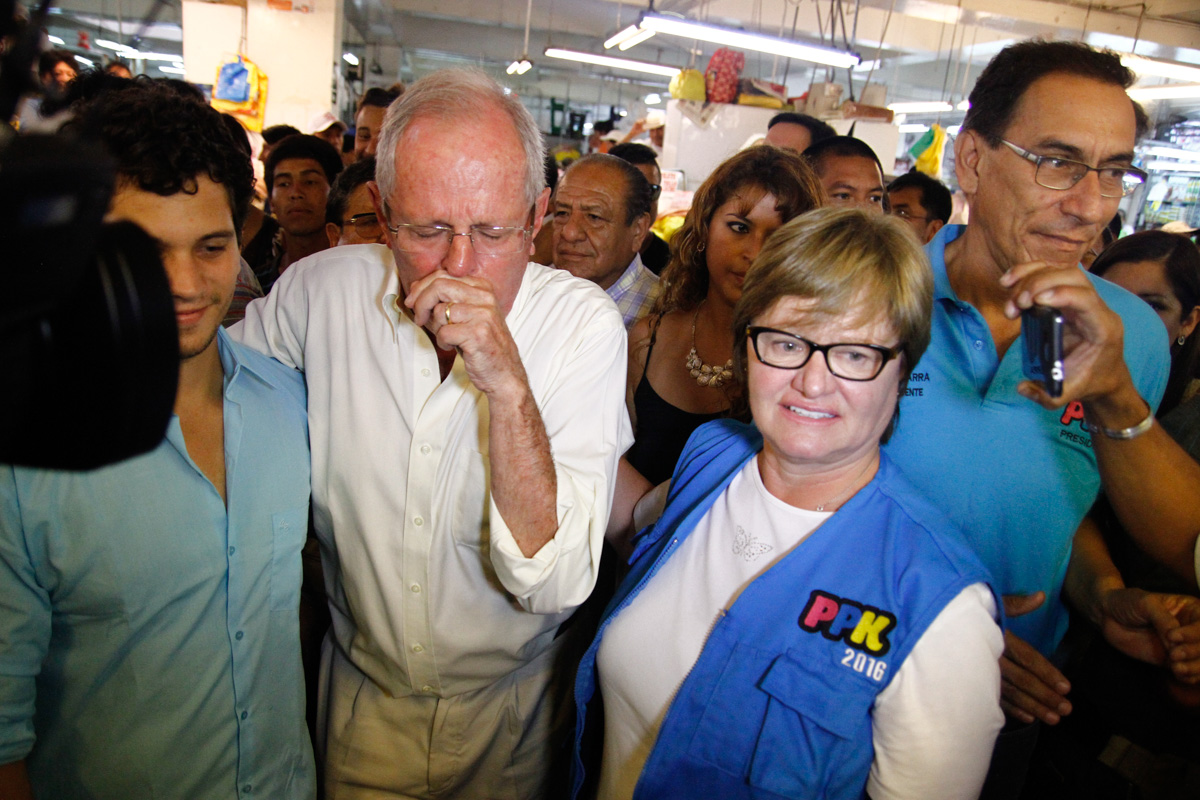
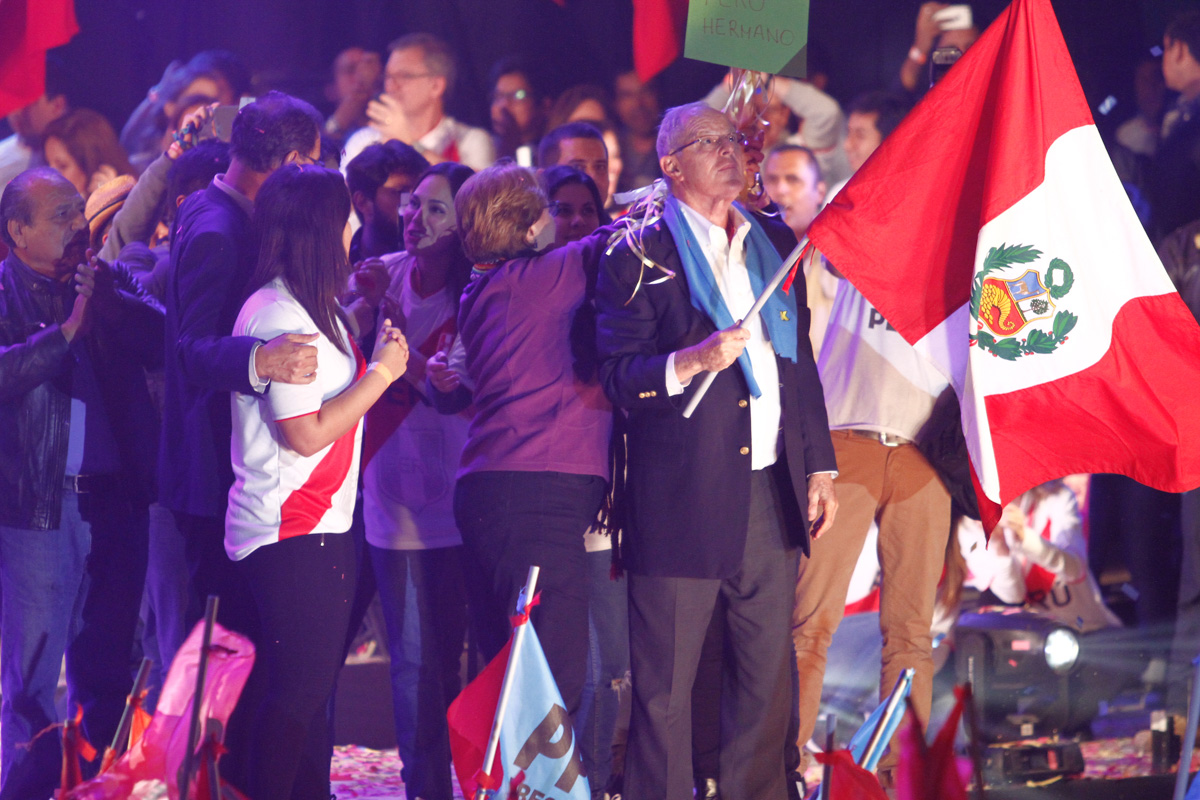
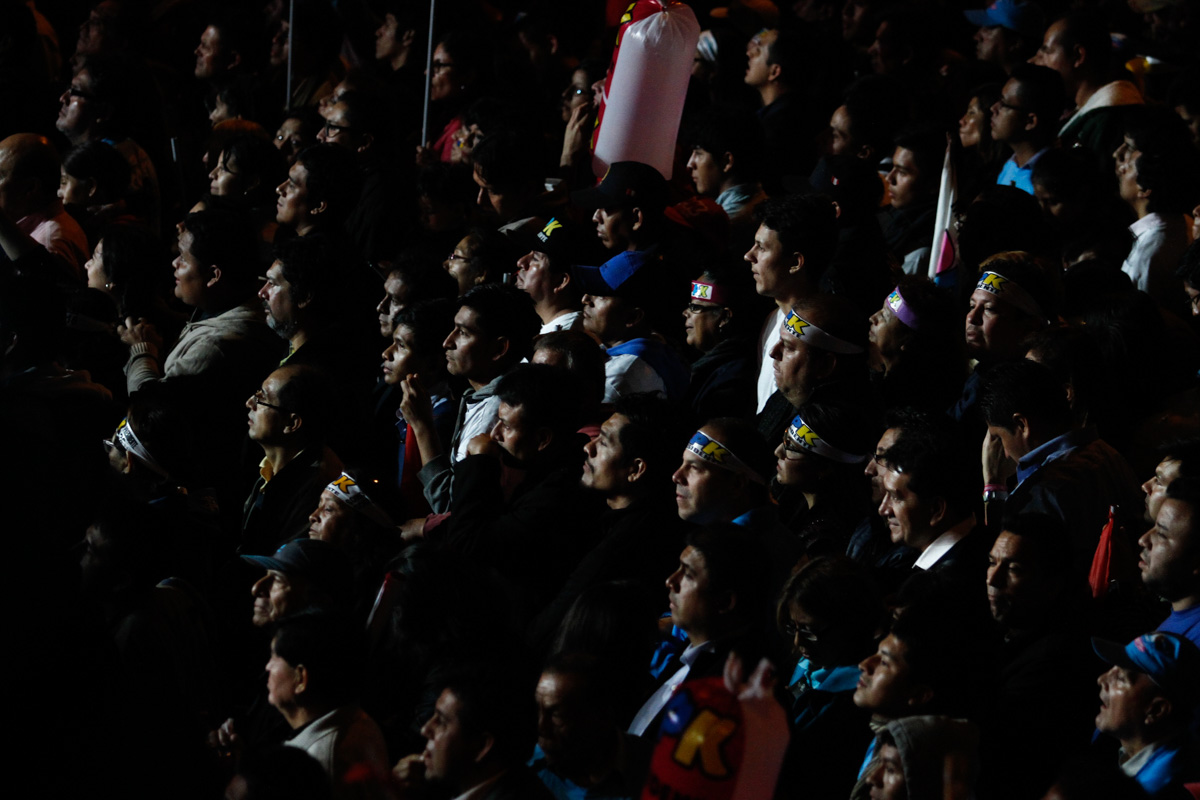
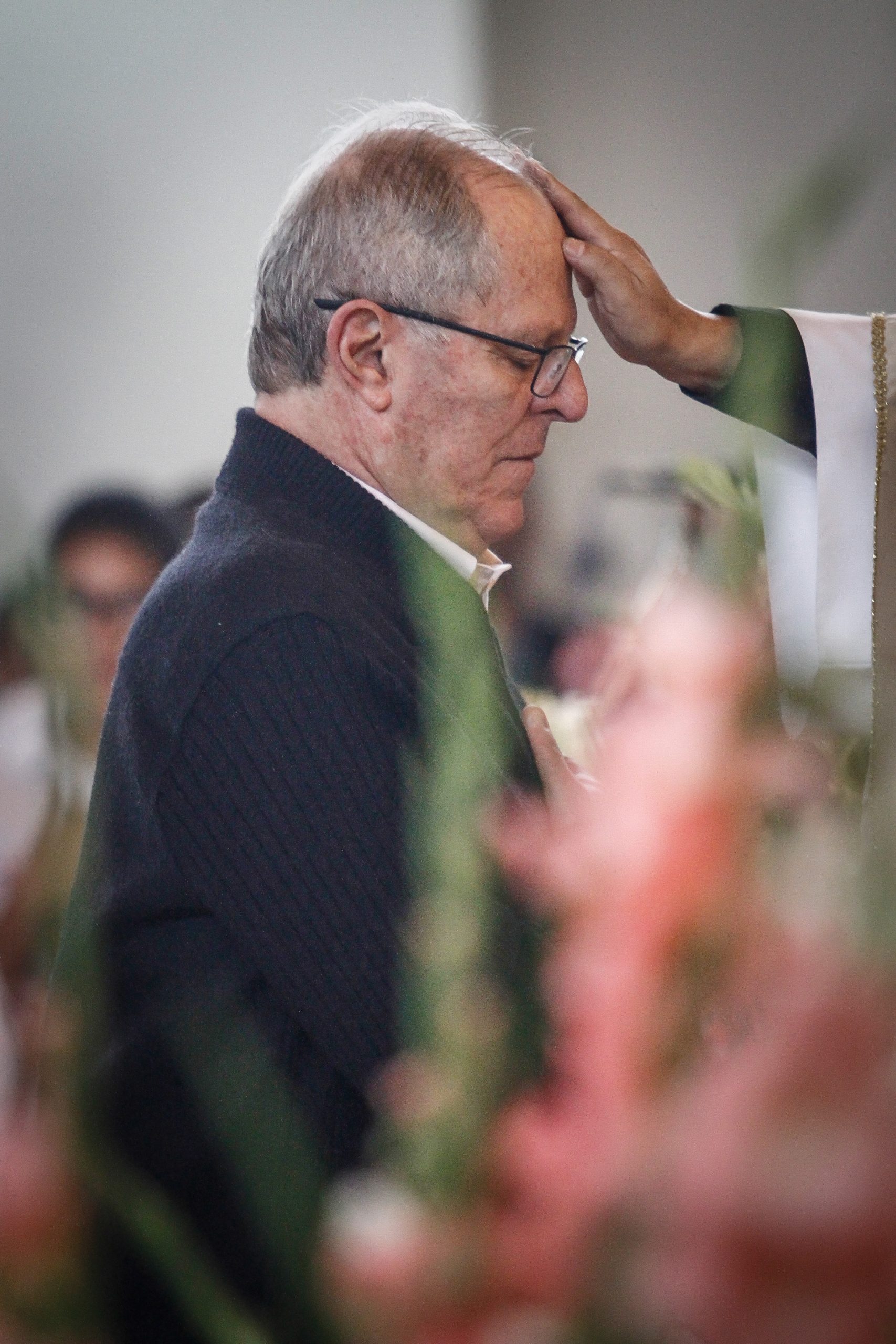
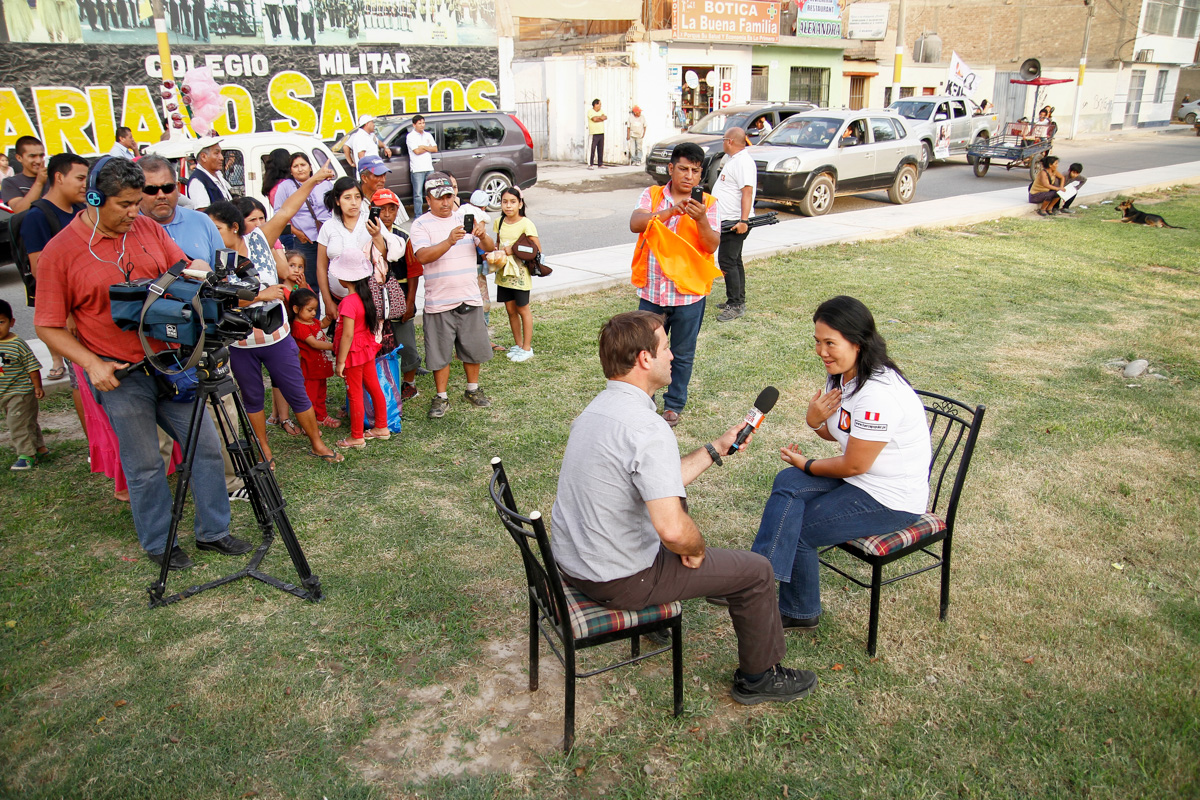
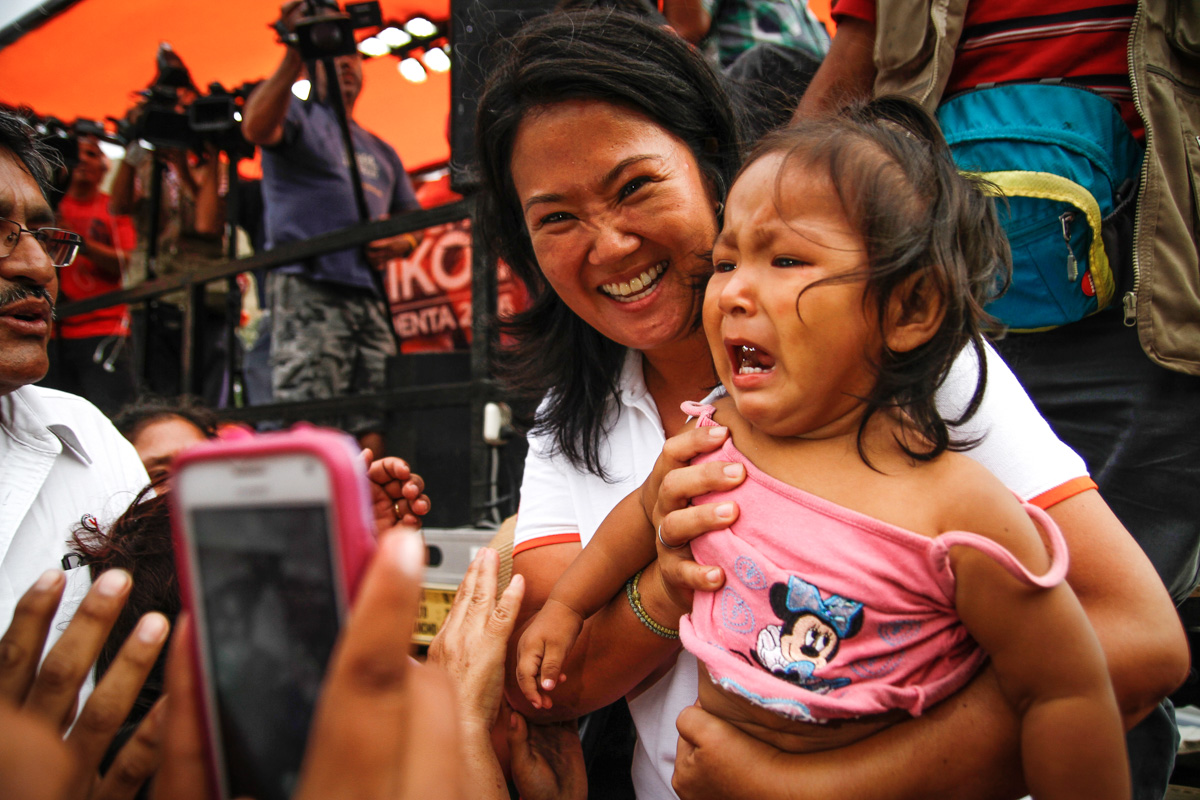
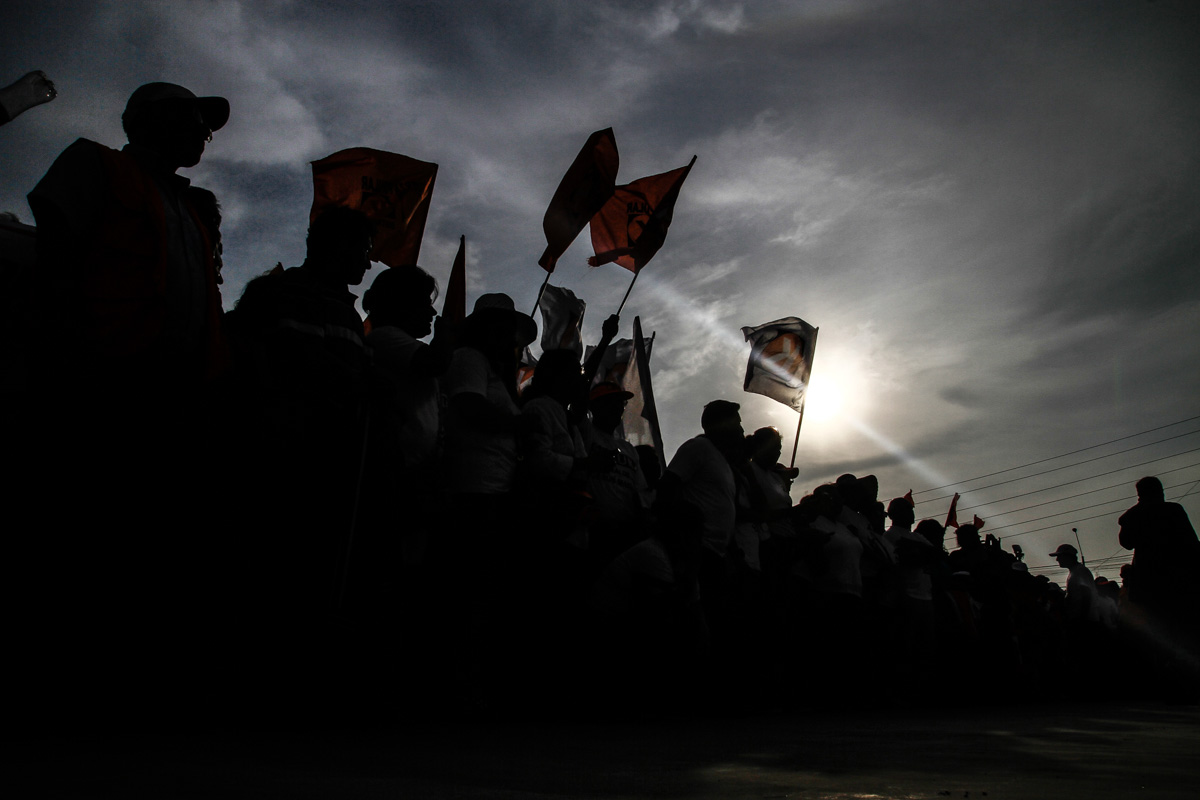
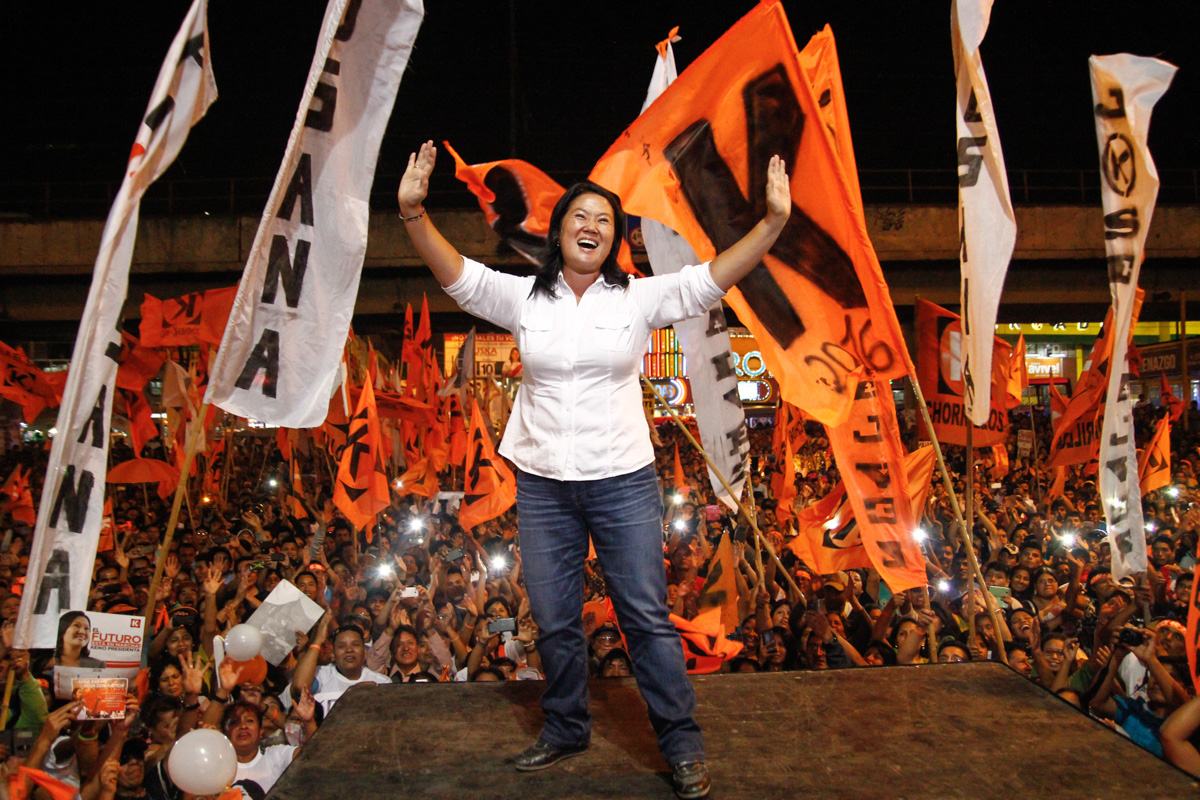
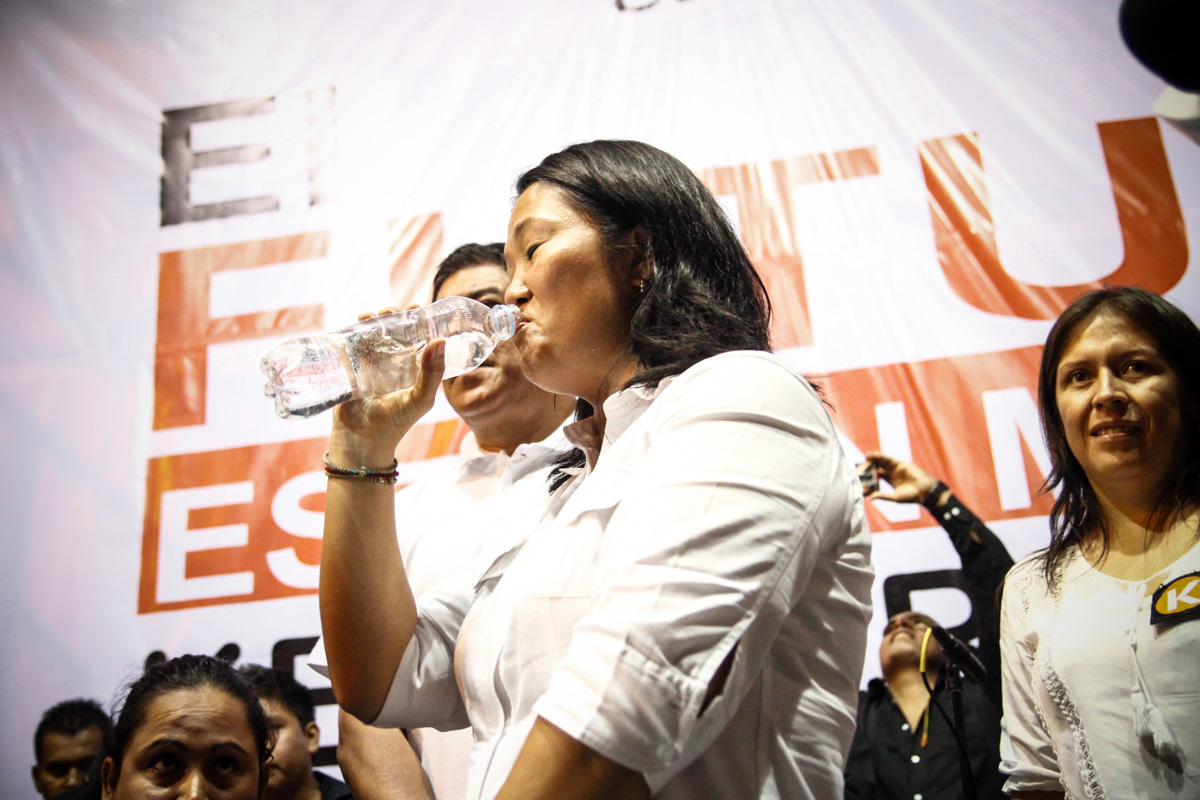
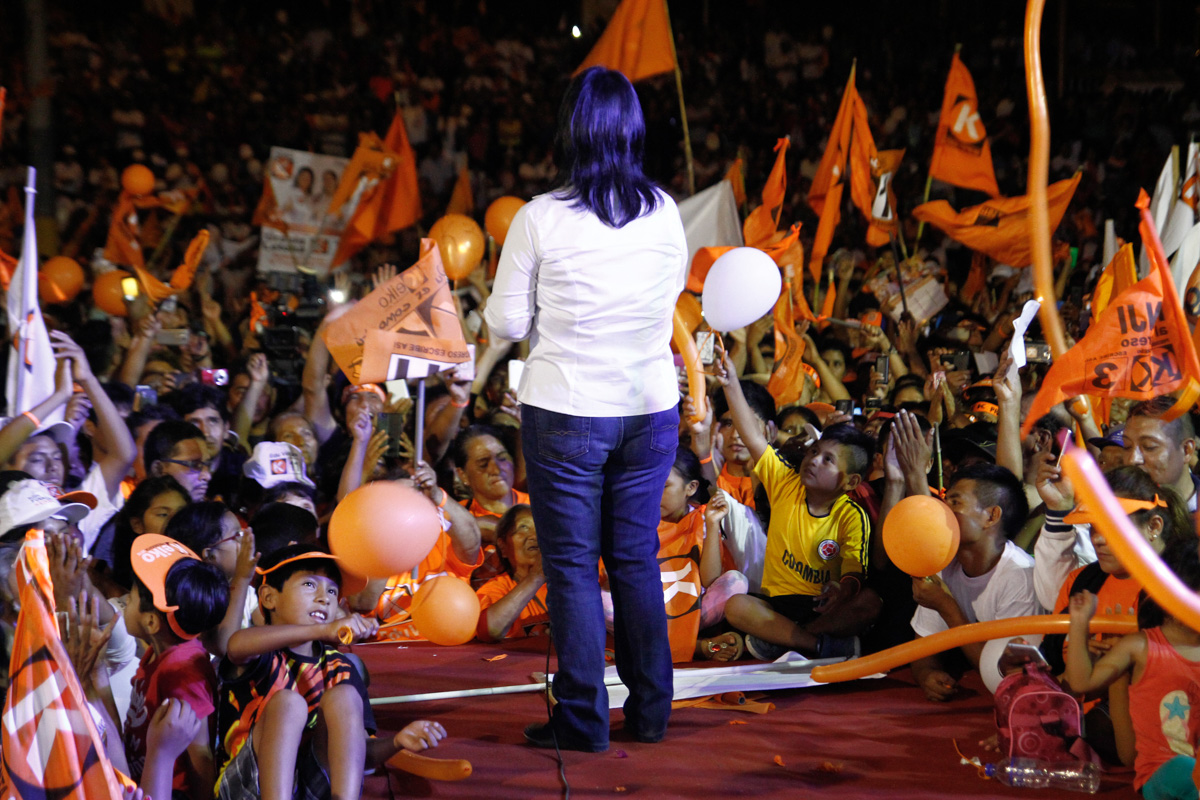
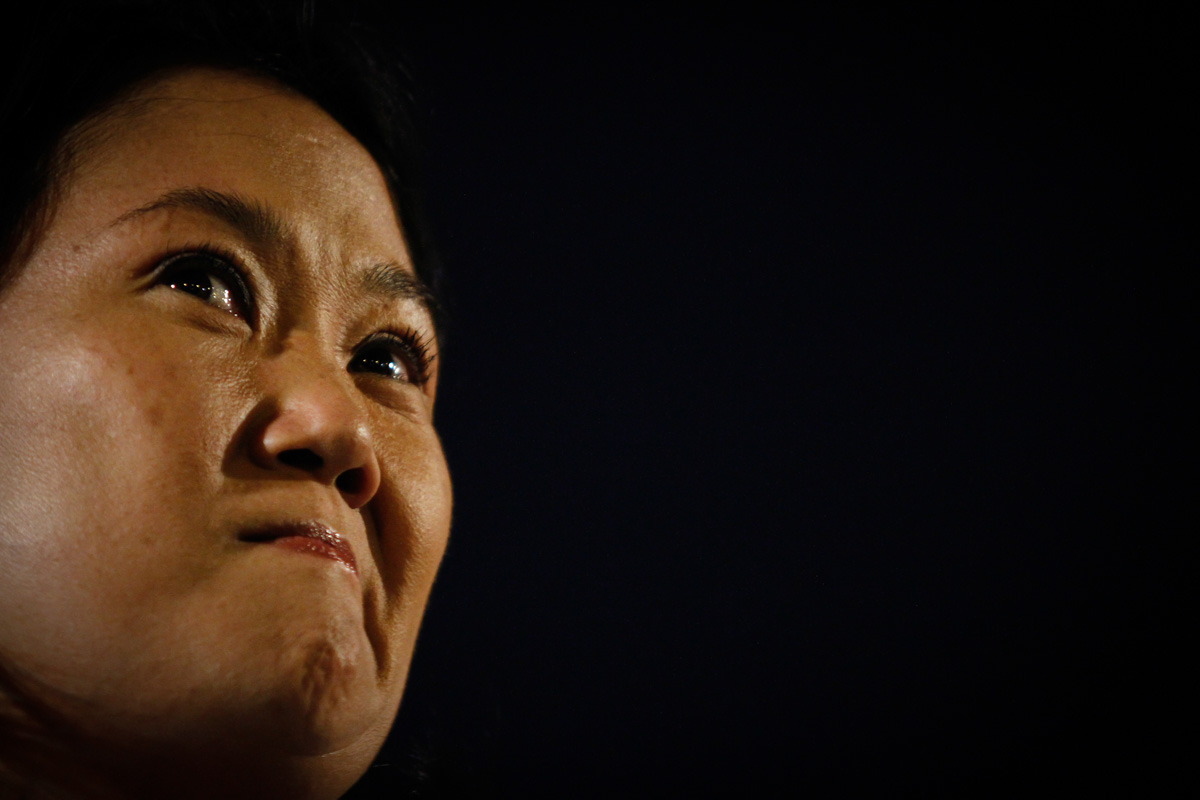
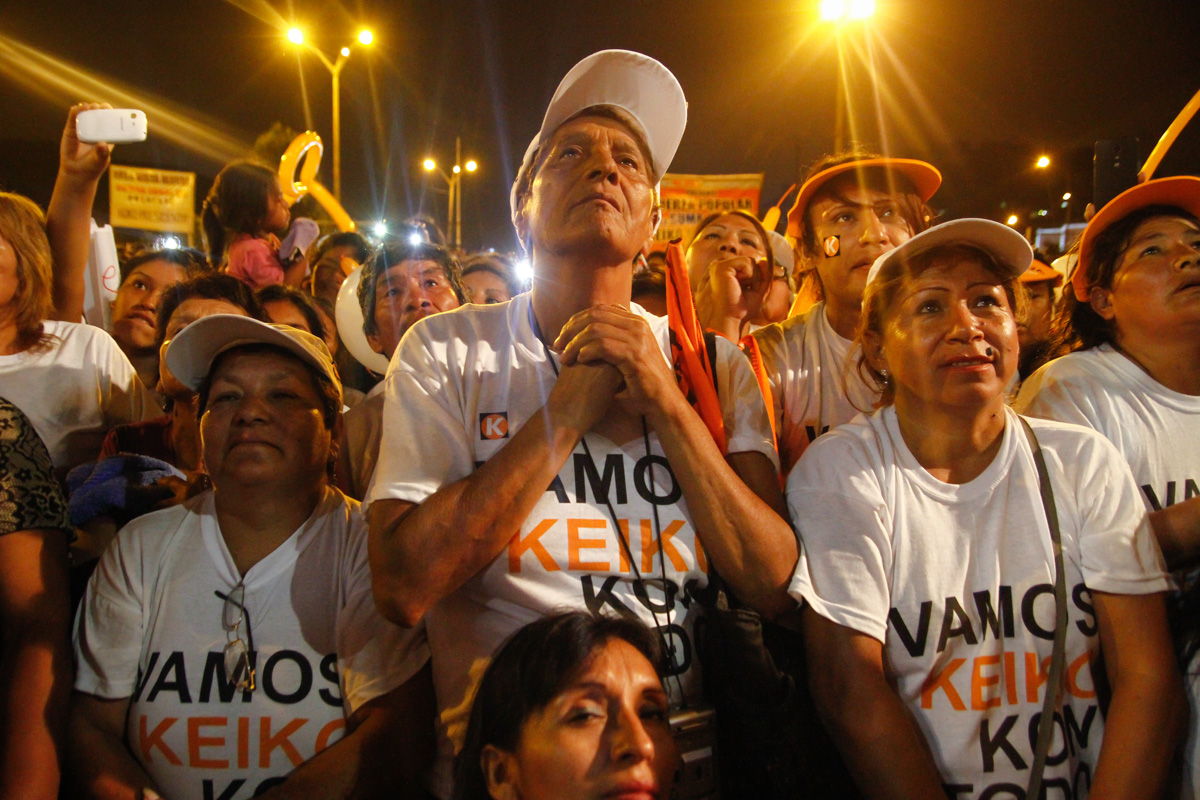
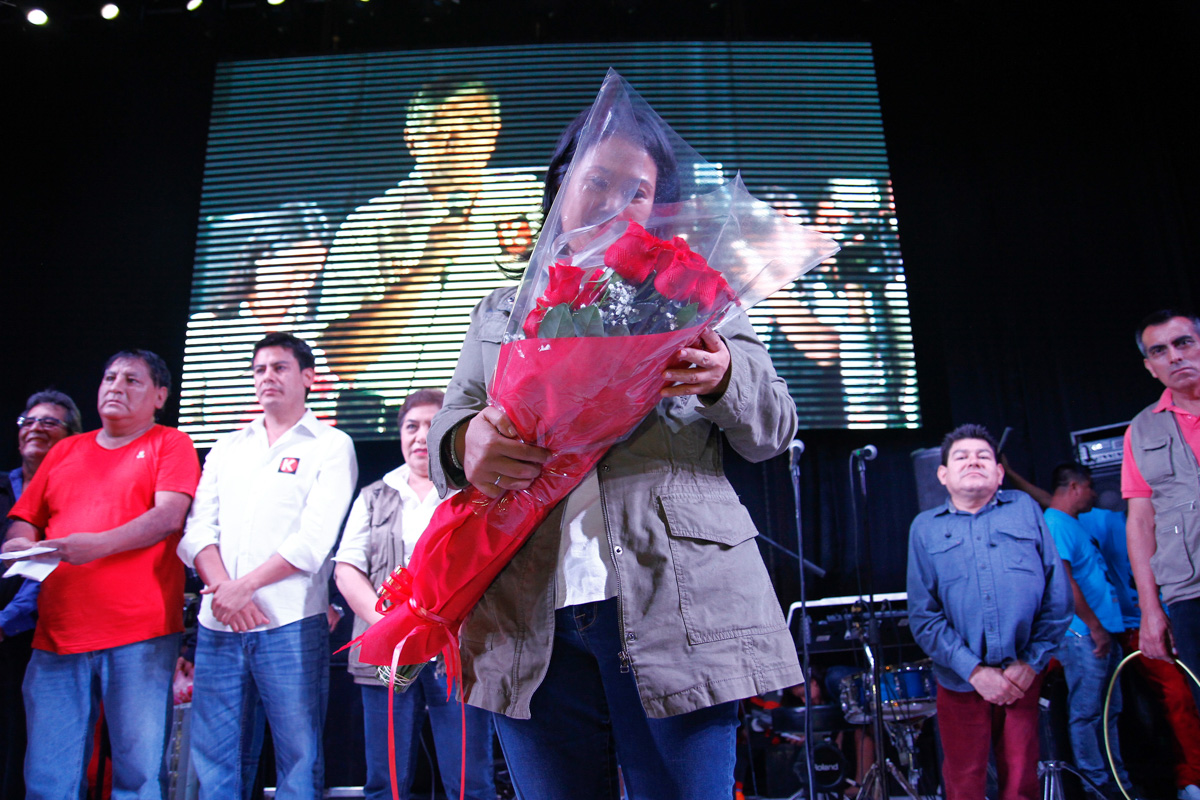
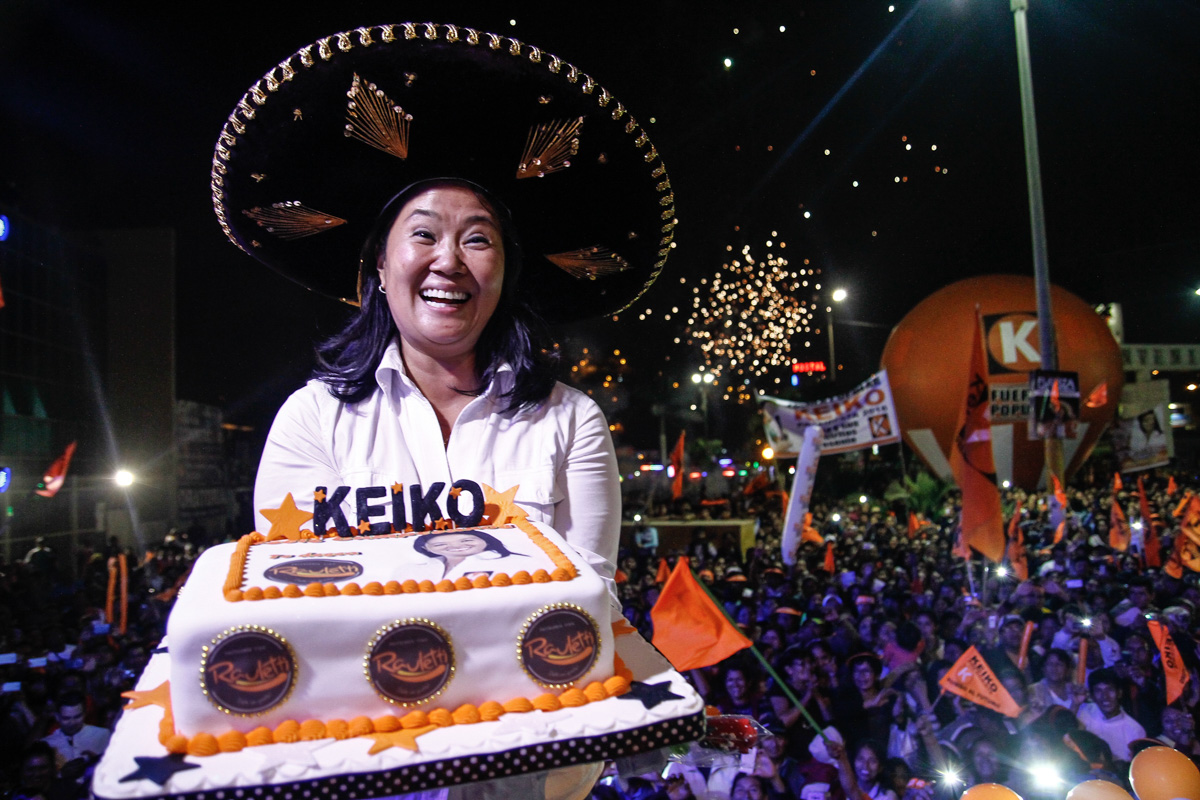
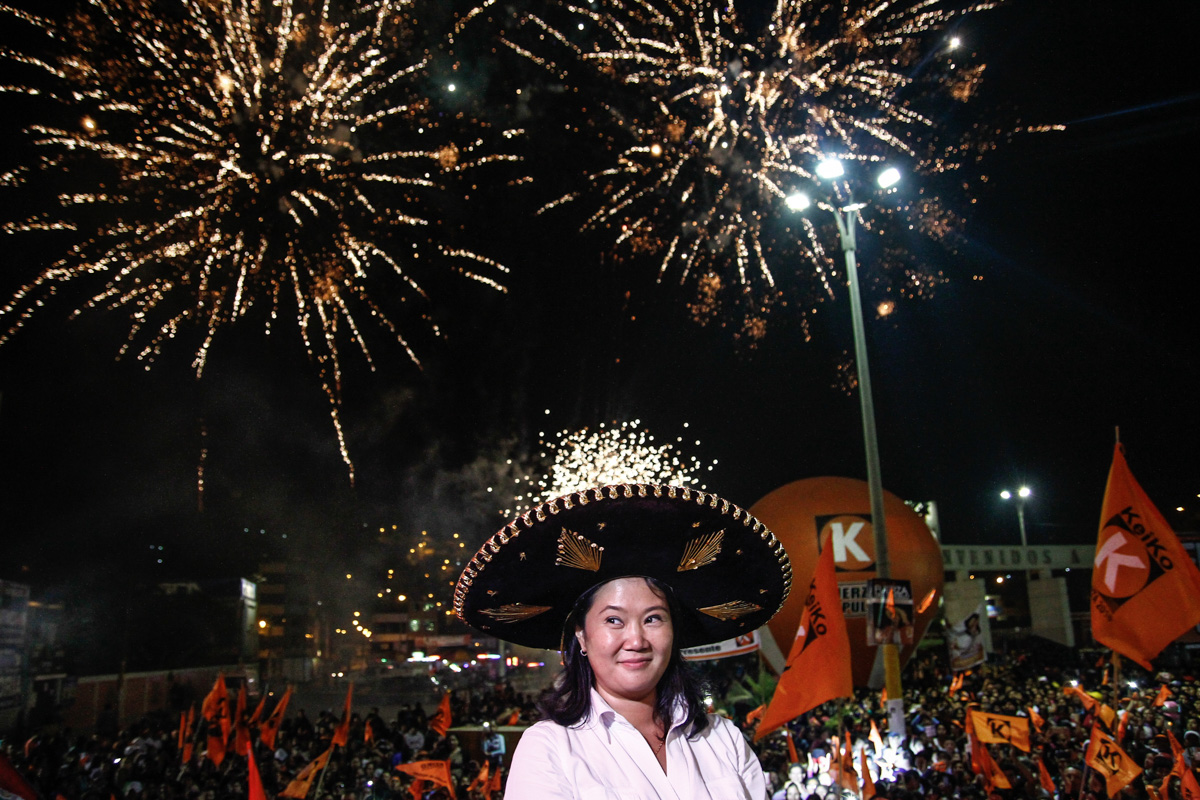
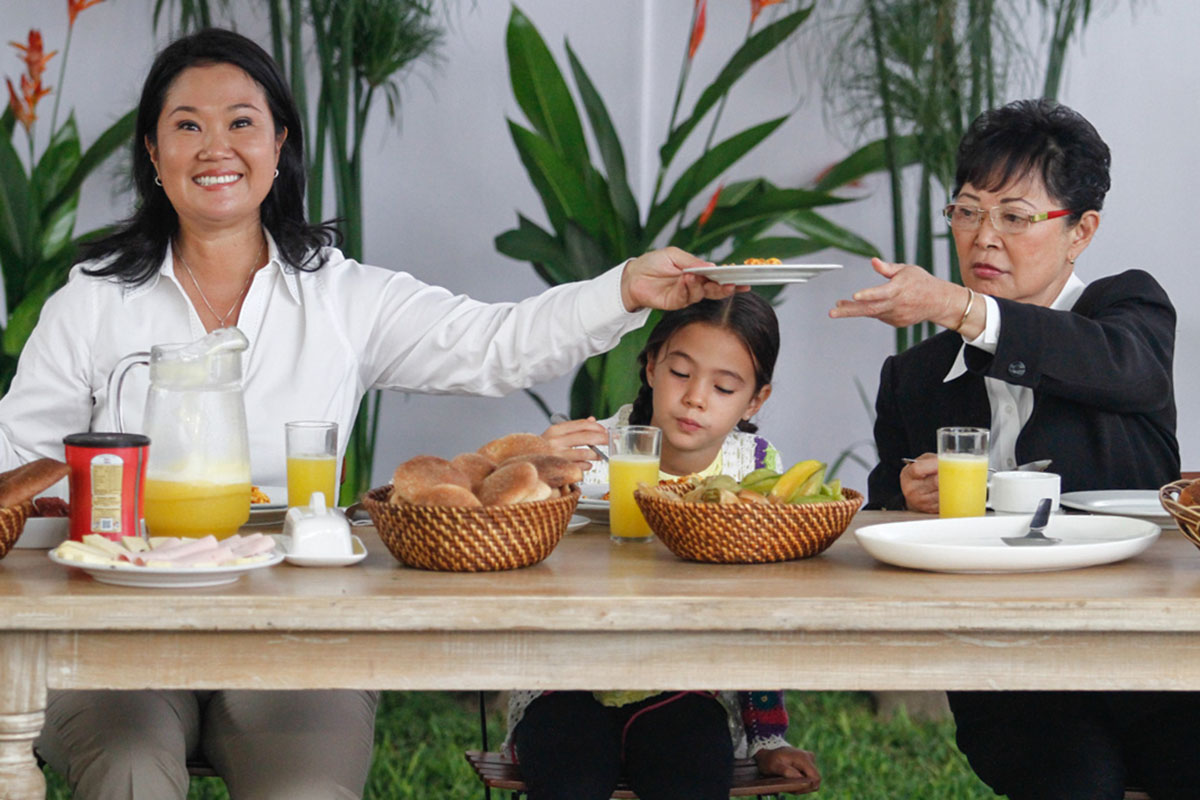
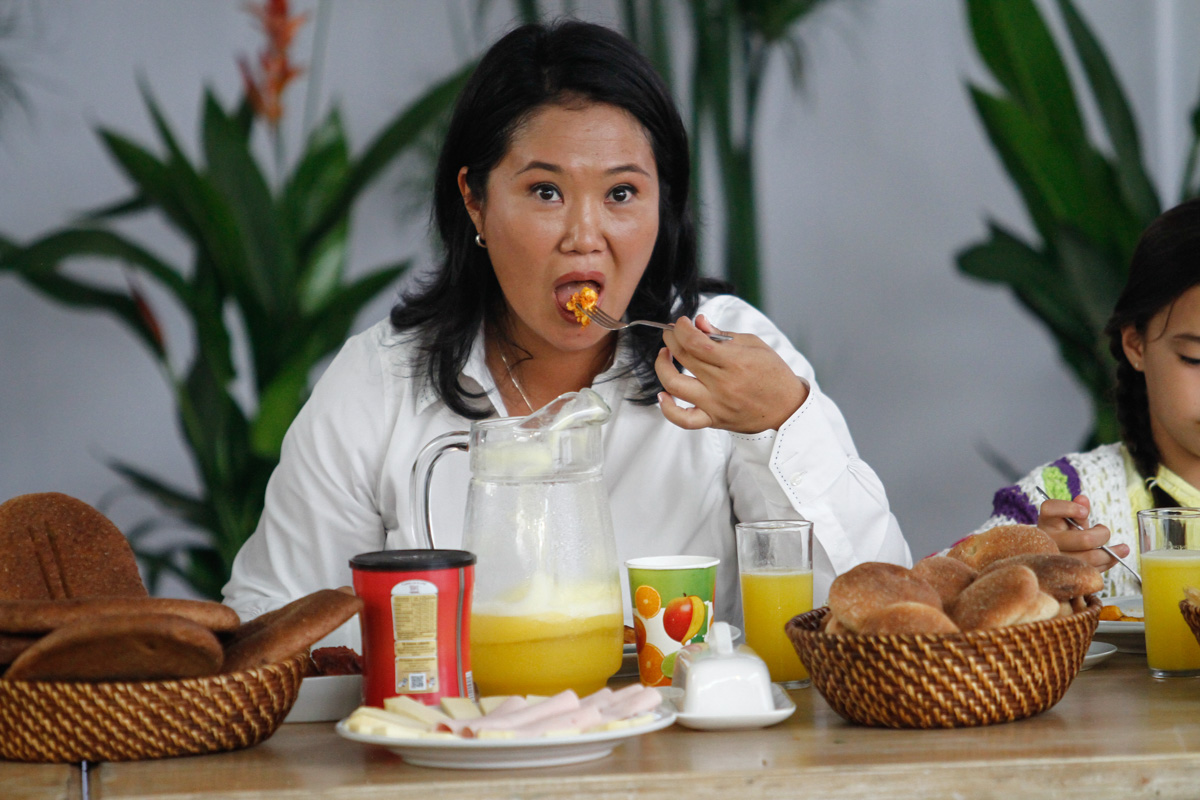
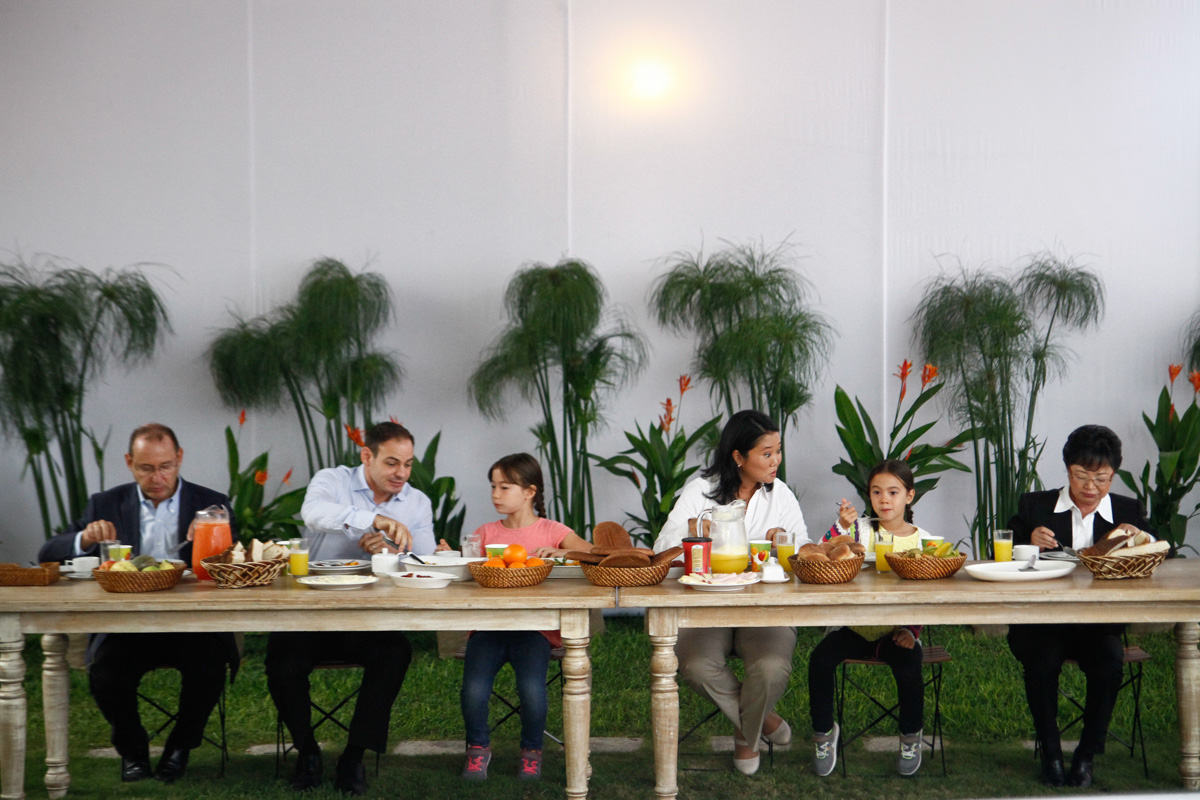
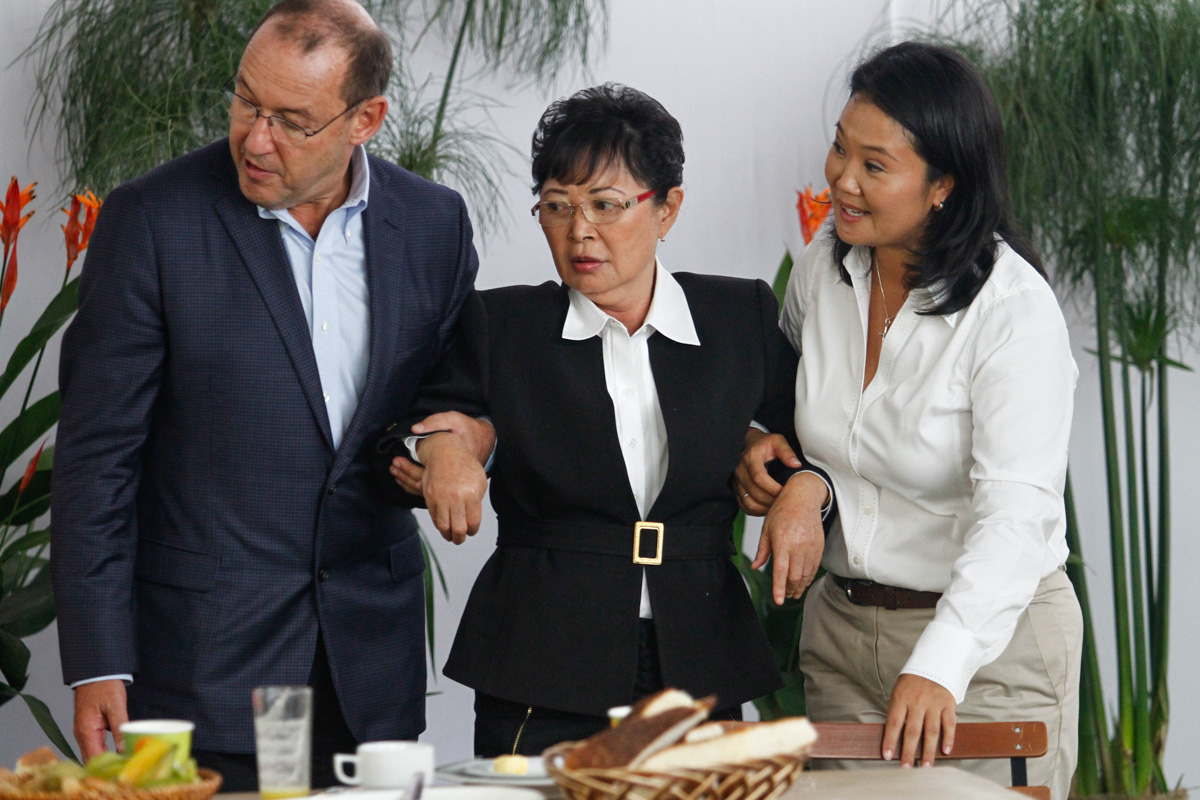
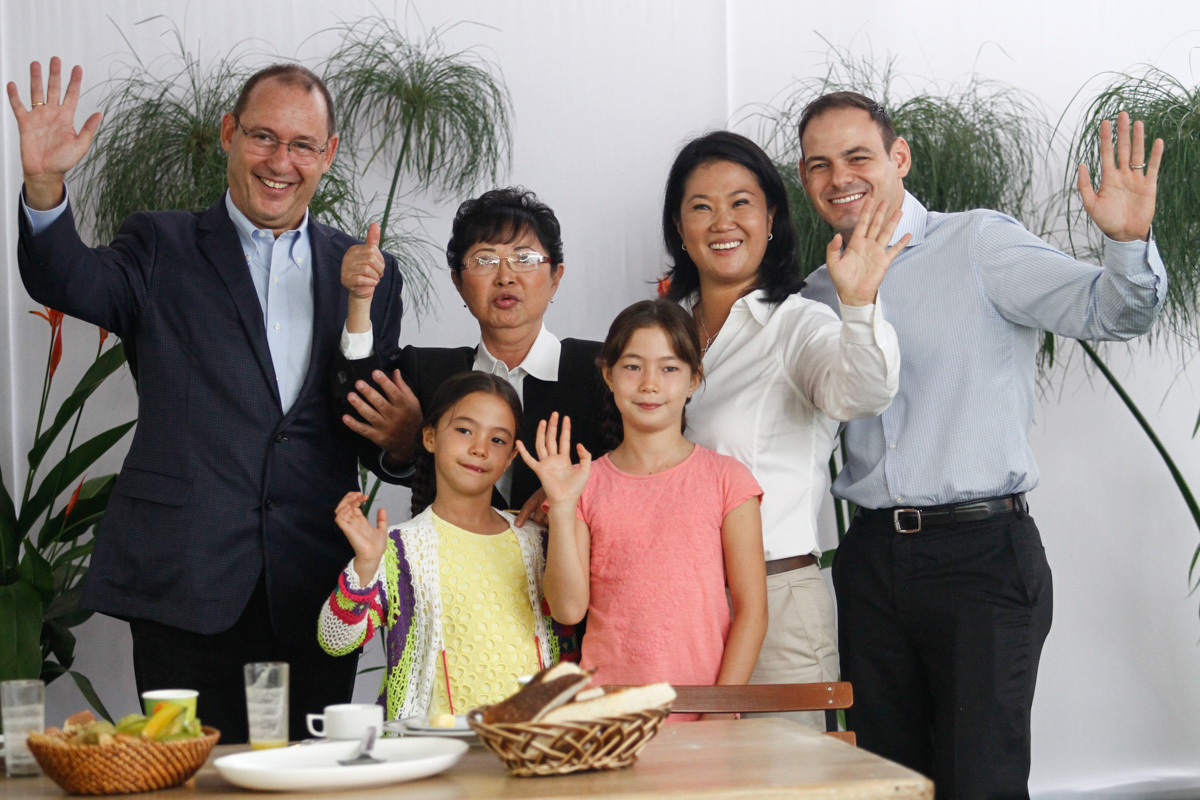
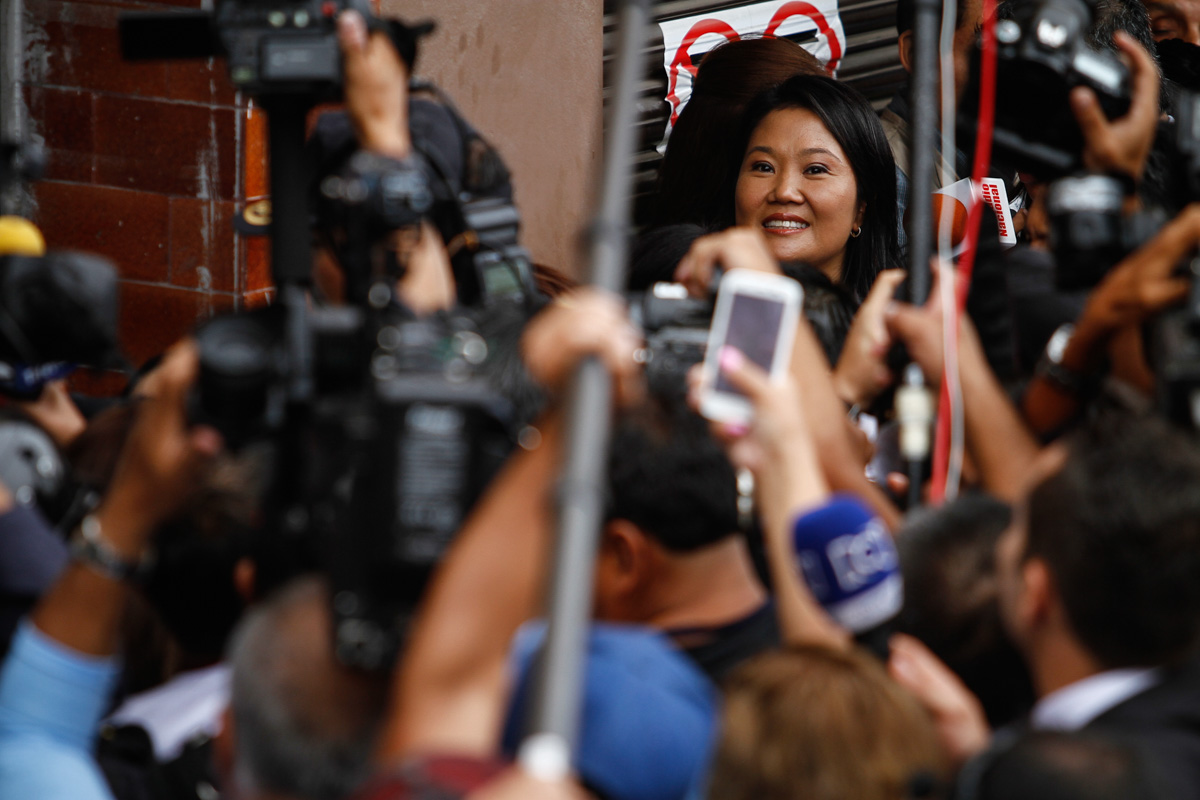
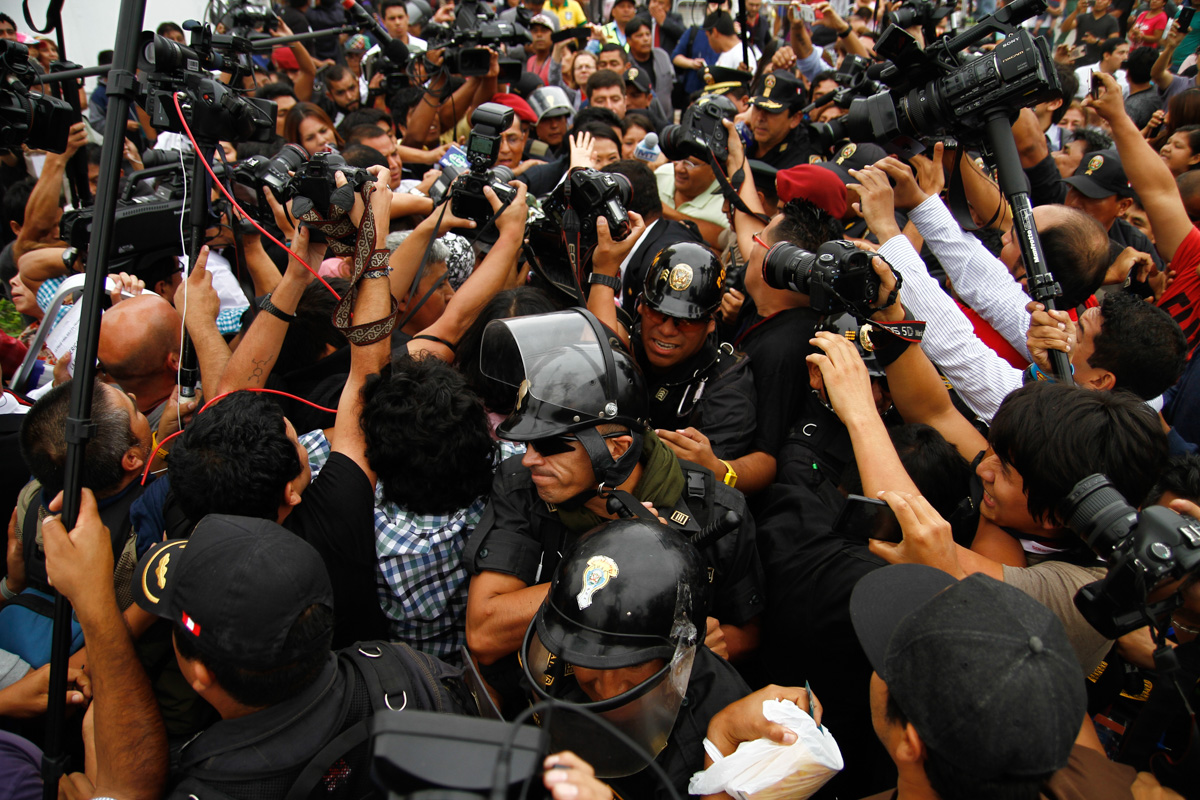
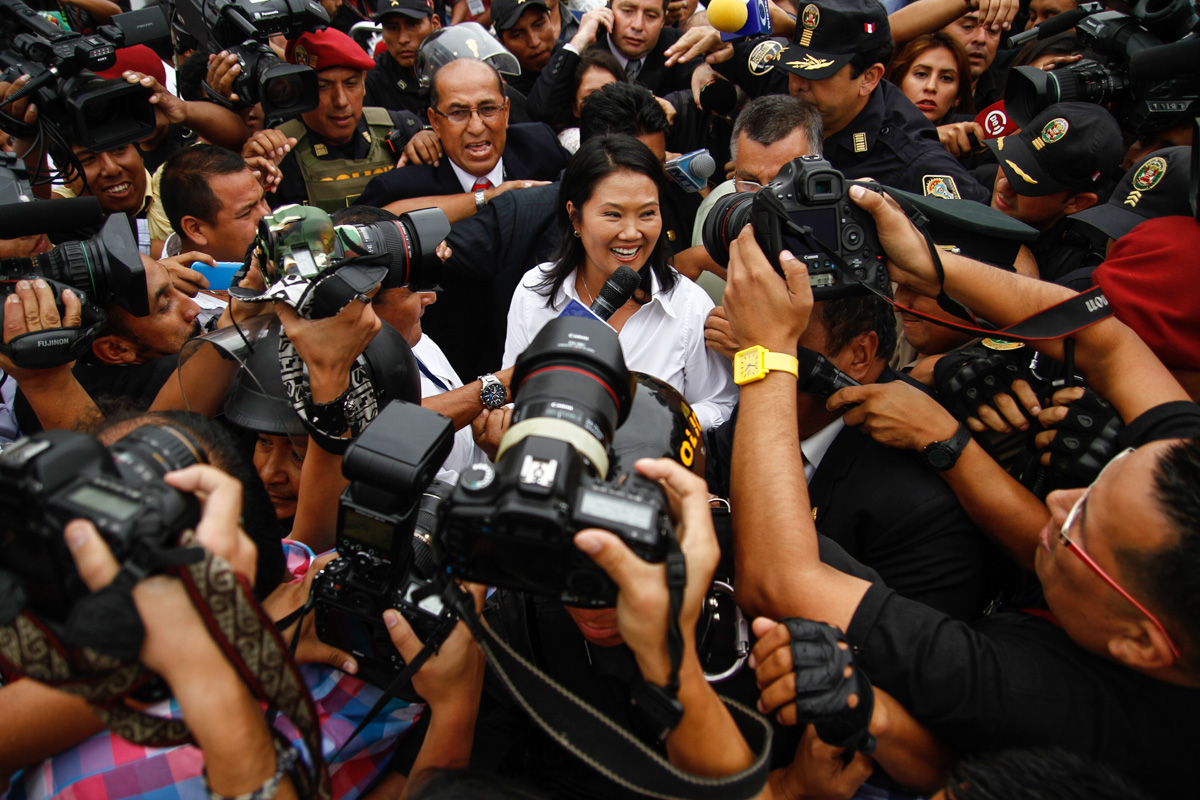
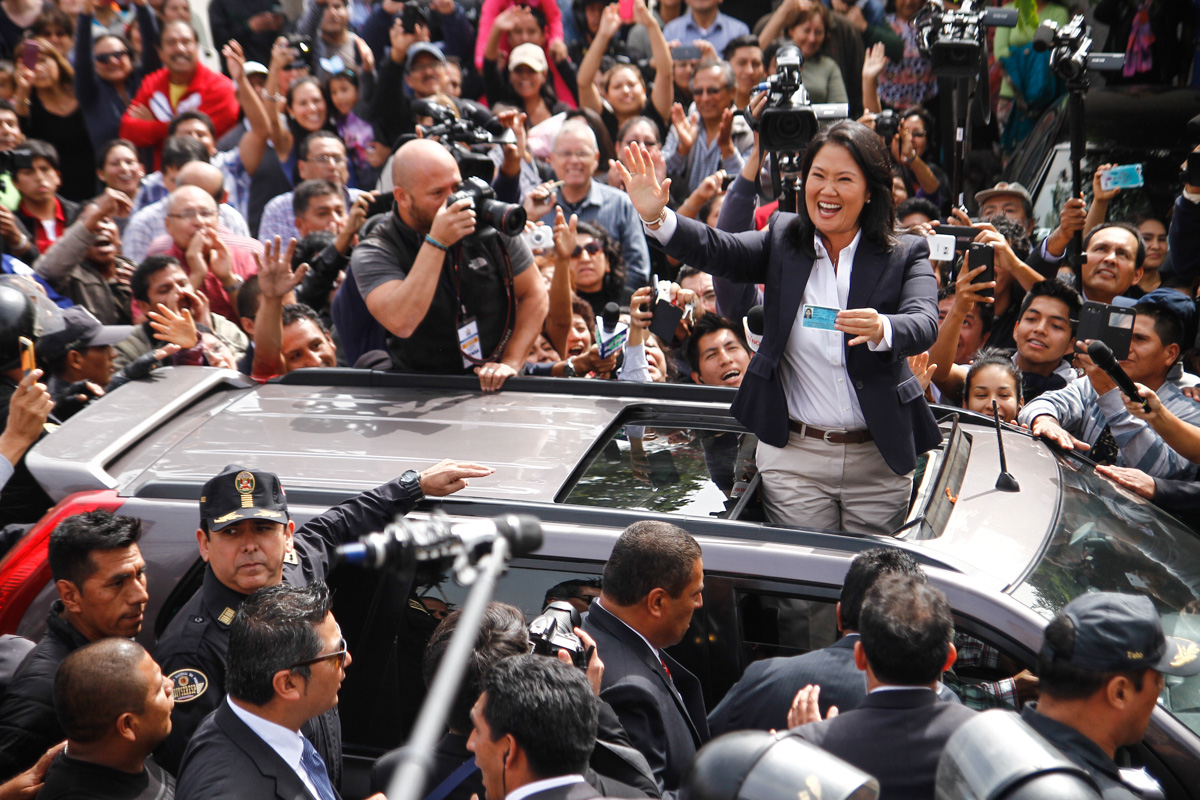
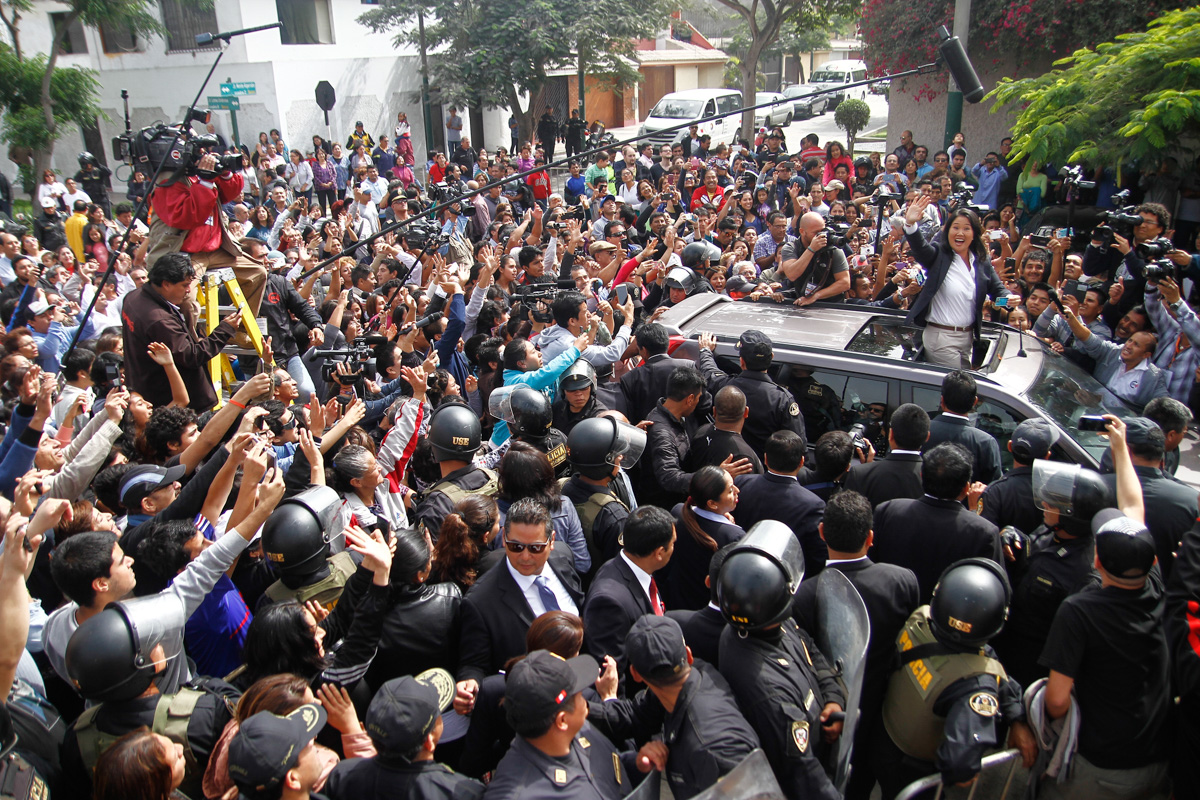
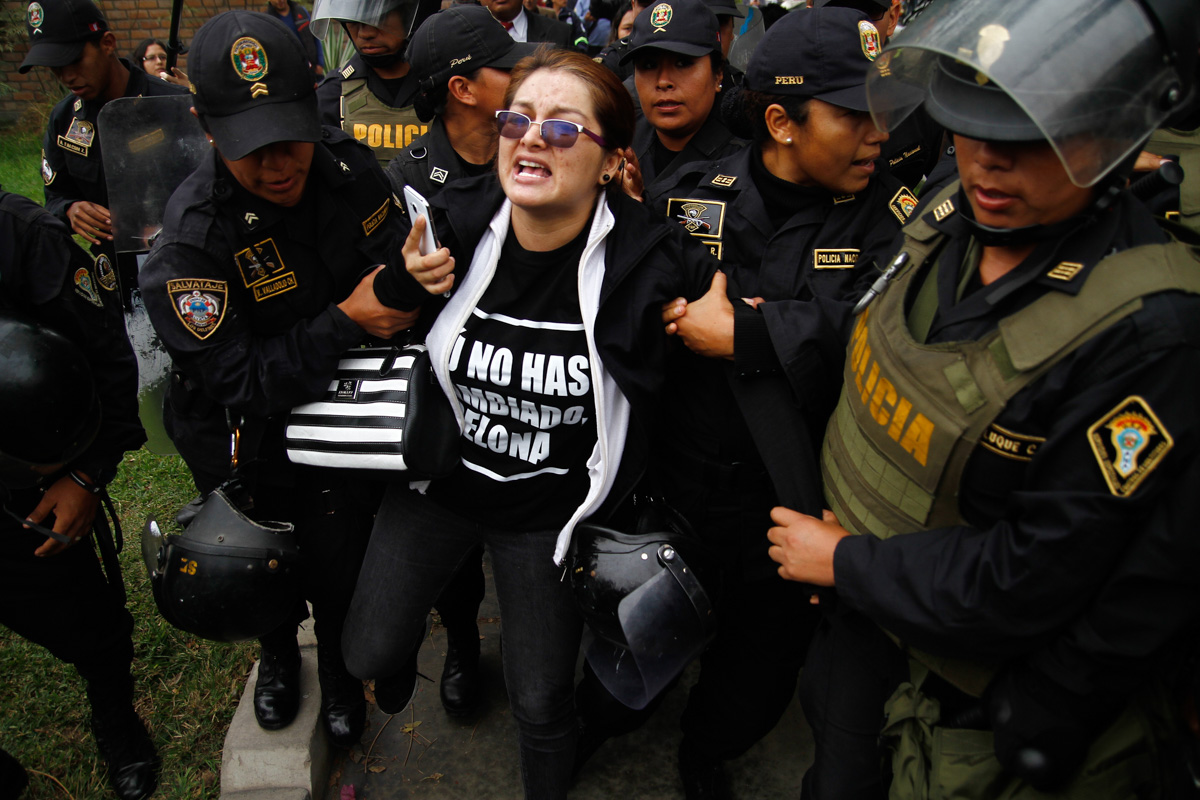
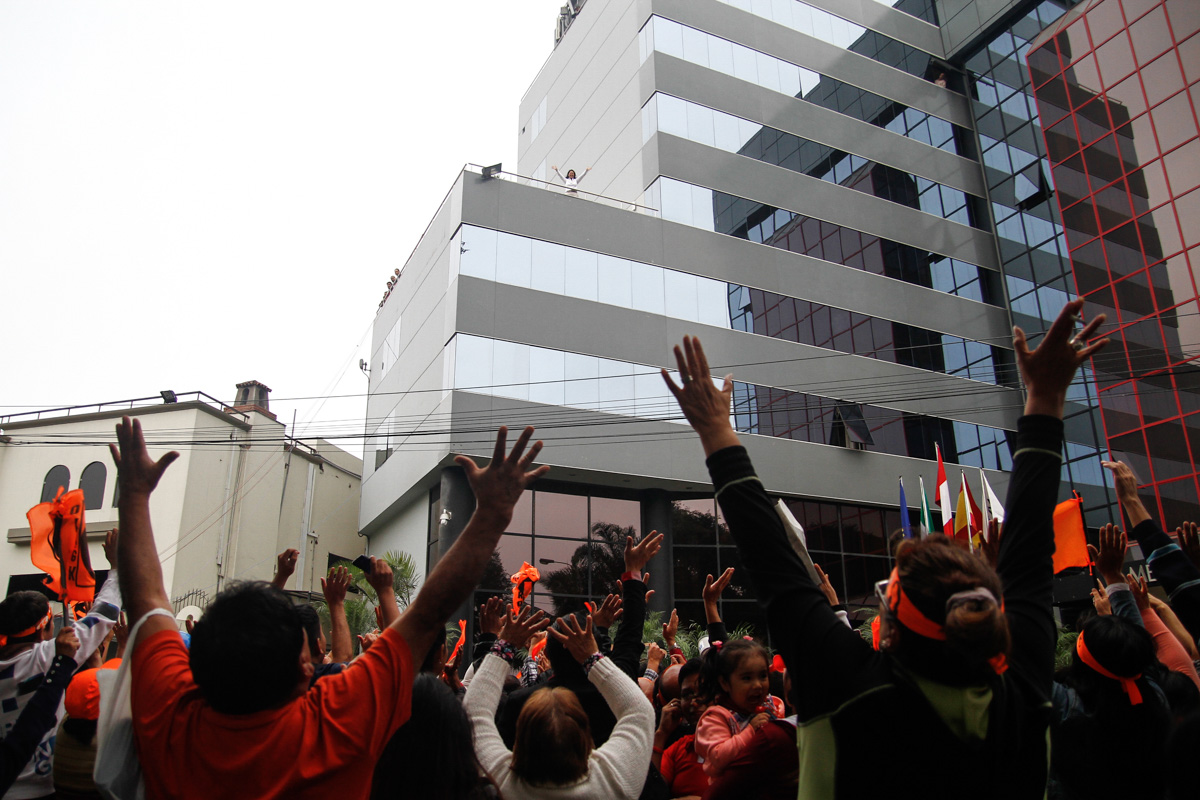
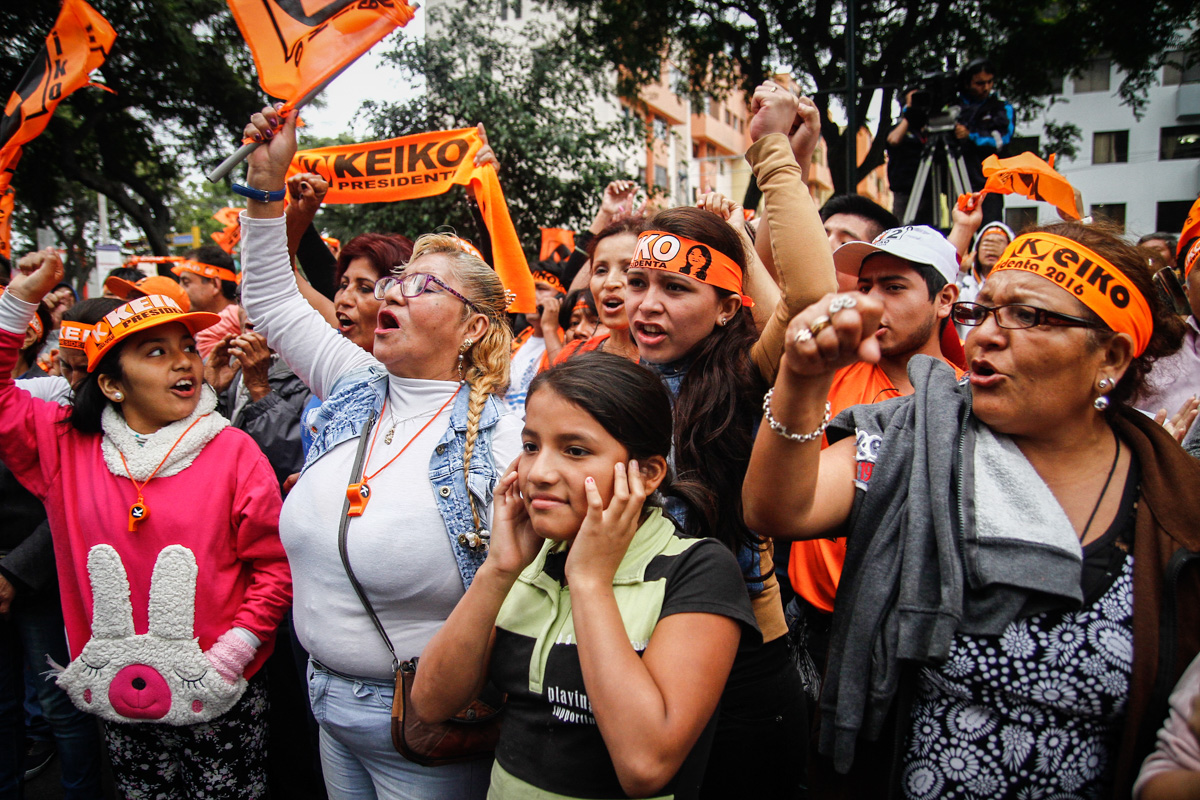
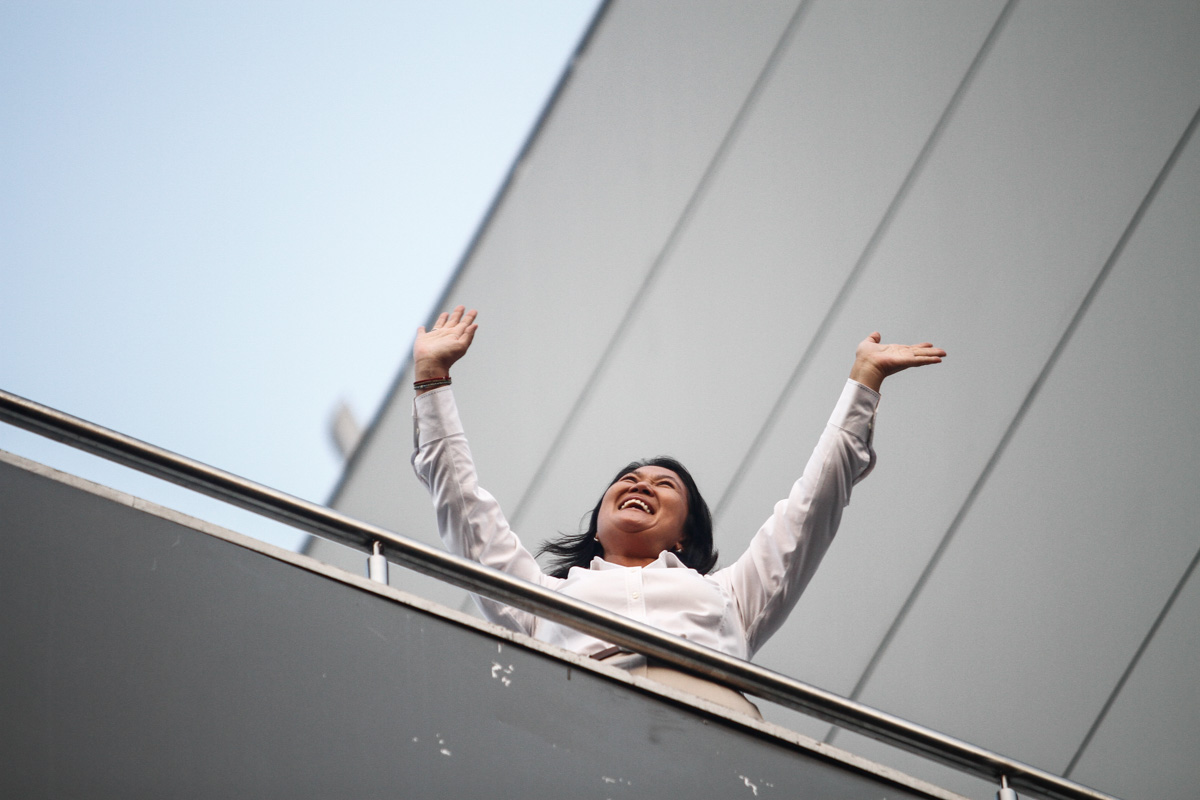
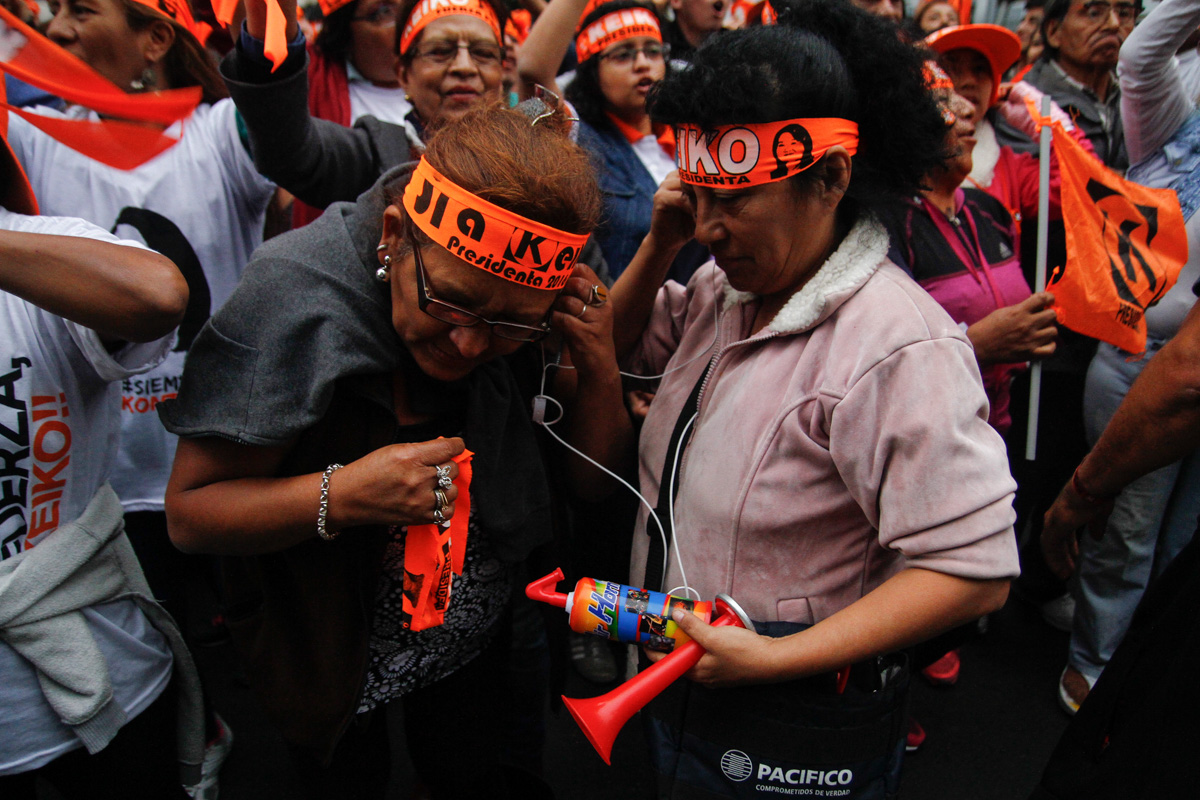
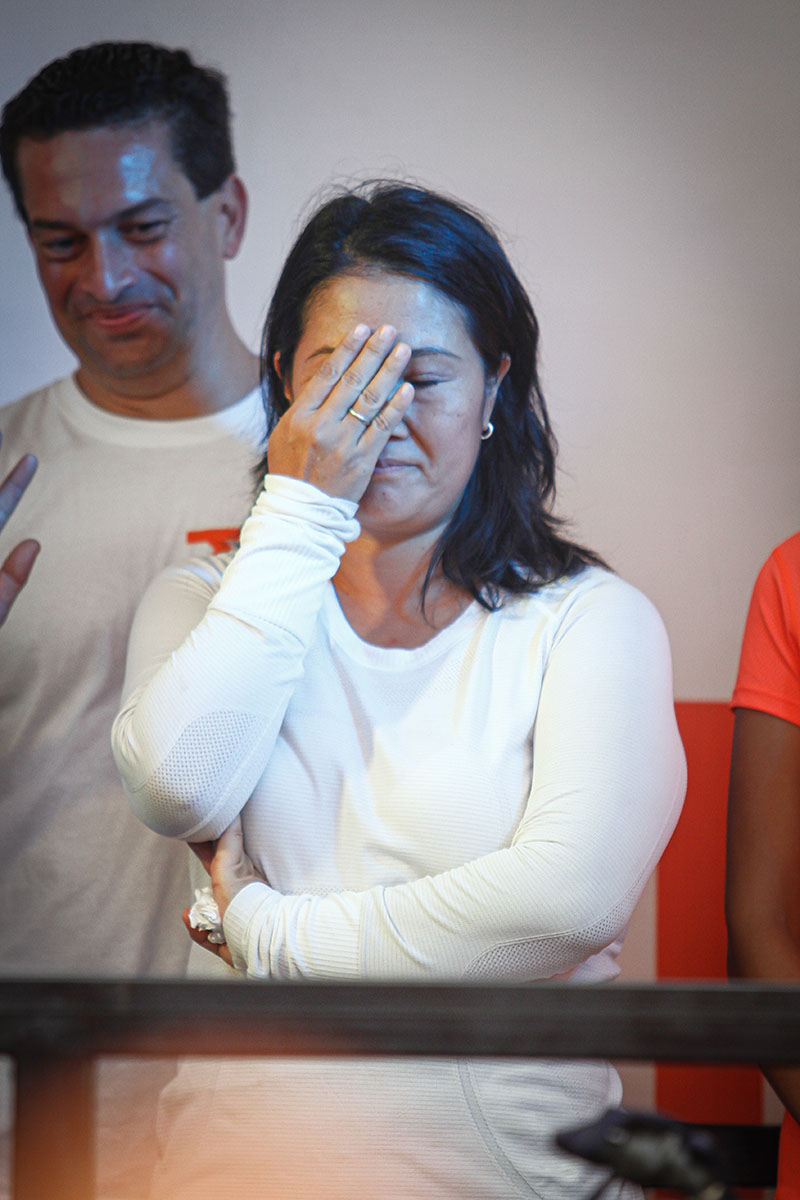
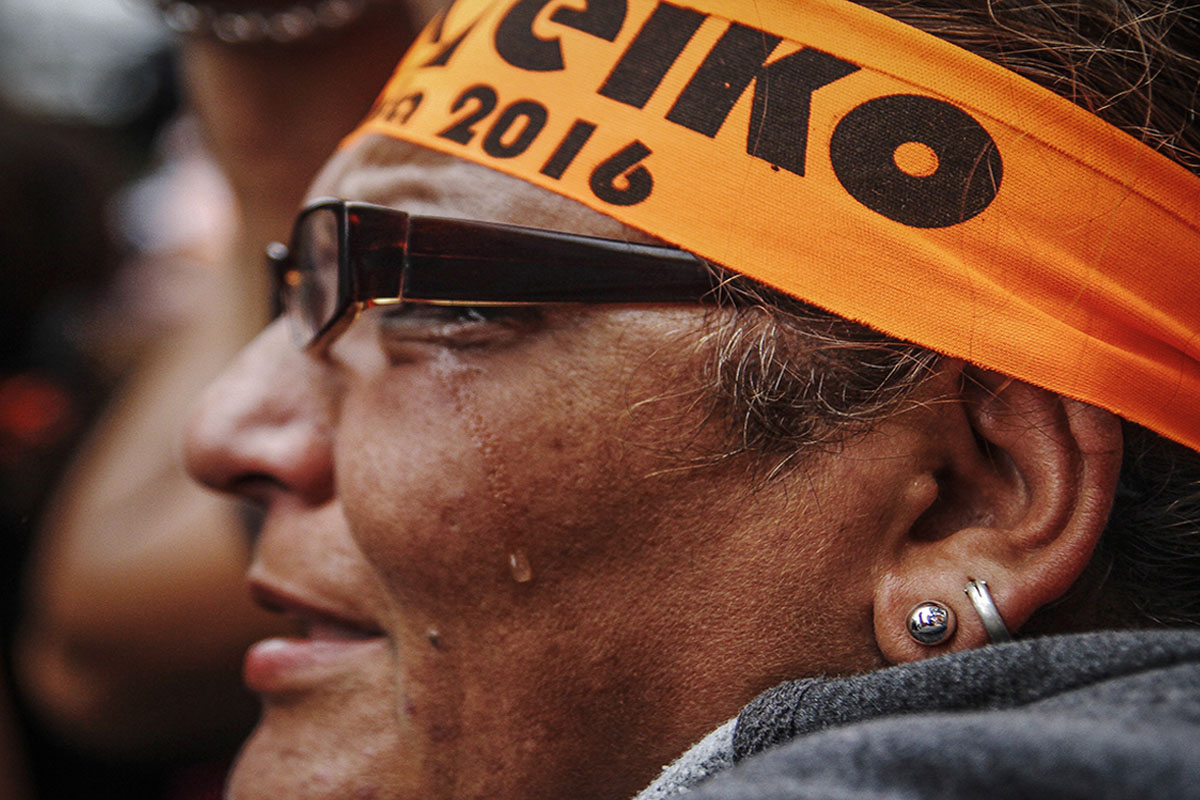
The election brought with it a number of events, both anecdotal and scandalous. Julio Guzmán, who in the first months of the year had risen to second place in the polls, was the favorite to advance to the second round, but irregularities within his party led to the disqualification of his candidacy by the Lima Central Special Electoral Tribunal. César Acuña, owner of several universities, was also leading in the polls, but irregularities resulted in the disqualification of his candidacy as well. Meanwhile, Nano Guerra García, the candidate for National Solidarity, spent a fortune on advertising without favorable results, so he withdrew his presidential candidacy. Former president Alejandro Toledo traveled almost all of Peru to promote his proposals, but the allegations surrounding the Ecoteva case ultimately caused him to drop significantly in the polls. Two-time president Alan García, relying on his oratory skills, formed an alliance with the PPC to boost his poll numbers, but the strategy backfired, and he finished in fifth place in the election. Alfredo Barnechea, the representative of Popular Action and a disciple of Fernando Belaúnde Terry, managed to climb in the polls after the disqualifications of Guzmán and Acuña, but his attitude and some poor strategies ultimately failed to connect with the population, placing him fourth in the elections. Verónika Mendoza, of the Broad Front, after a hard-fought battle, secured third place, while Pedro Pablo Kuczynski (PPK), after some ups and downs, consolidated his second-place position, advancing to the runoff against the Popular Force candidate, Keiko Fujimori. Weeks later, after a fierce battle for votes, the National Office of Electoral Processes (ONPE) announced the results with 100% of the votes counted, declaring Pedro Pablo Kuczynski the clear winner with 50.12% of the vote, compared to 49.88% for Keiko Fujimori, who conceded defeat a few days later.