Stories

Taytacha Qoyllurit’i 2025

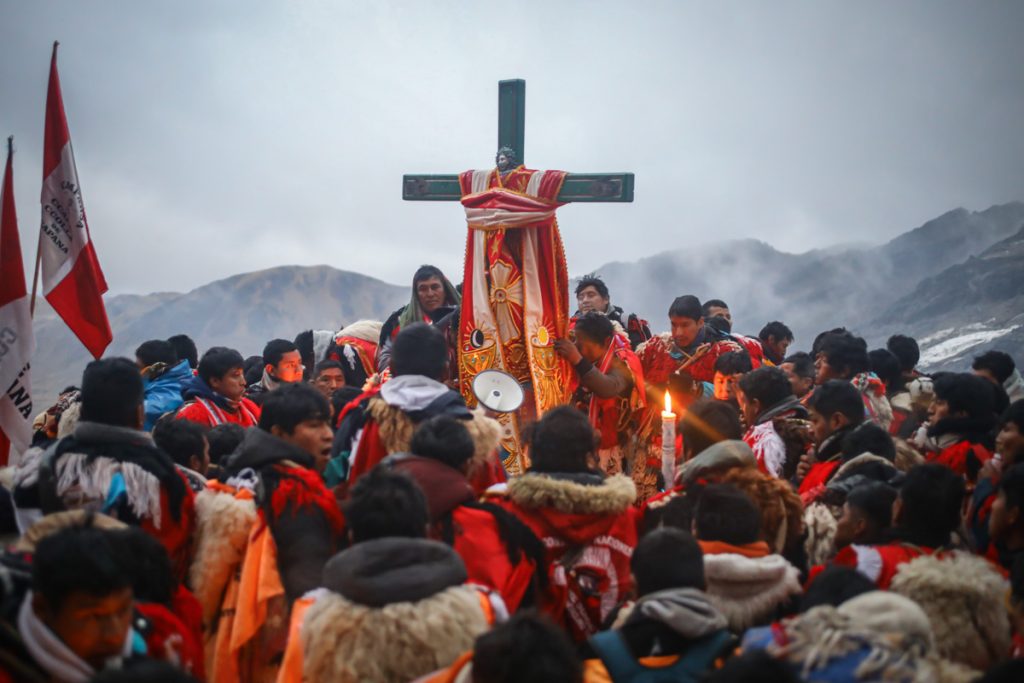
Every year, hundreds of pilgrims flock to the sanctuary of the Lord of Quyllur Rit’i. The low temperatures are no obstacle for those who begin the 8km trek to the Sinakara Valley. Faith is paramount. For three days, the dance troupes and groups of people dance without pause. This year, snow enveloped the area, a symbol of blessing. Locals say it has snowed during this time of the Andean solstice for the first time in fifteen years. The snowfall was not a deterrent; on the contrary, the jubilation continued until the main day. Day and night, dances and prayers merge, entrusting themselves to Tayta Quyllur Rit’i and the guardian Apus (mountain spirits), who watch over the Sinakara Valley. The return journey becomes a promise of devotion. Until next year.

Taytacha Qoyllurit’i 2025 Read More »
The Christ of Churubamba

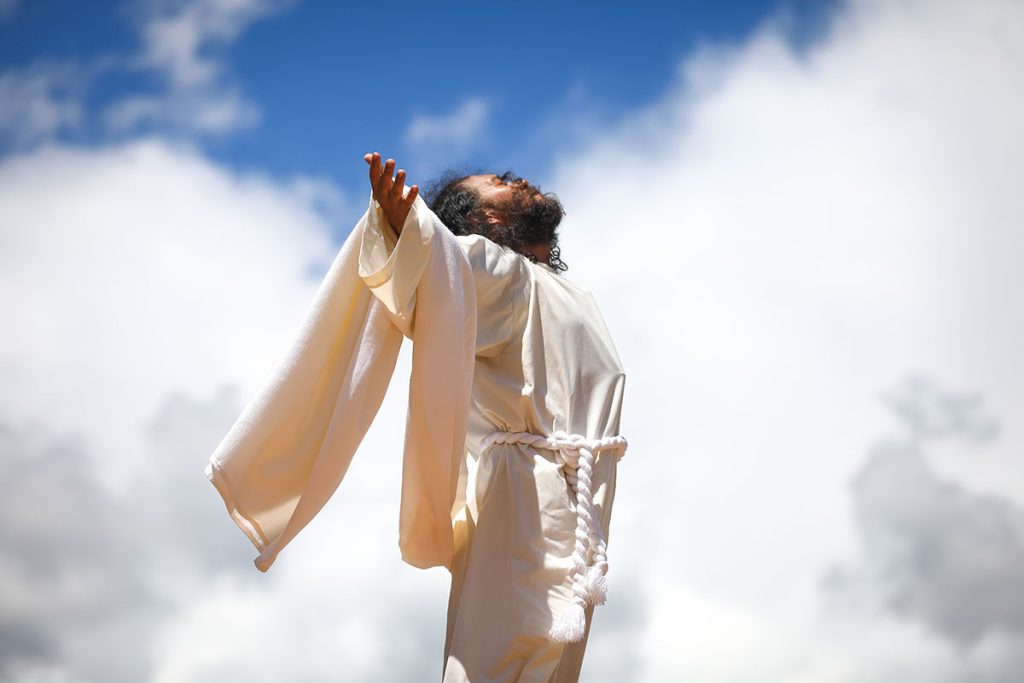
Antonio Robles, or Toño to his friends, has been reenacting the passion and death of Jesus Christ for approximately 20 years. He and his cast are committed to their sacred mission: to represent the biblical passages of Jesus as realistically as possible. As every year, Toño embraces his role with great passion and undergoes grueling physical trials. These include being whipped, dragged by a horse, carrying a heavy cross, and having steel nails driven into the middle of his fingers during the crucifixion. These are the arduous tests the actor endures. The Christ of Churubamba, located in the Huánuco region of Peru, is considered one of the most extreme and realistic reenactments in Latin America. At the end of the final act (the crucifixion), Antonio collapses, a result of the immense physical exertion required to portray the penitential scenes of Jesus Christ. A team of paramedics accompanies him on his journey. At the end of the day, he was rushed to the medical post in the village of Churubamba. His recovery was slow, but his faith remained unwavering until the following year. Antonio Robles is an art teacher at a secondary school in Huánuco, a devoted father, and always provides social assistance to those most in need in his town.

The Christ of Churubamba Read More »

Llique, the Takanakuy of Peru’s heartland

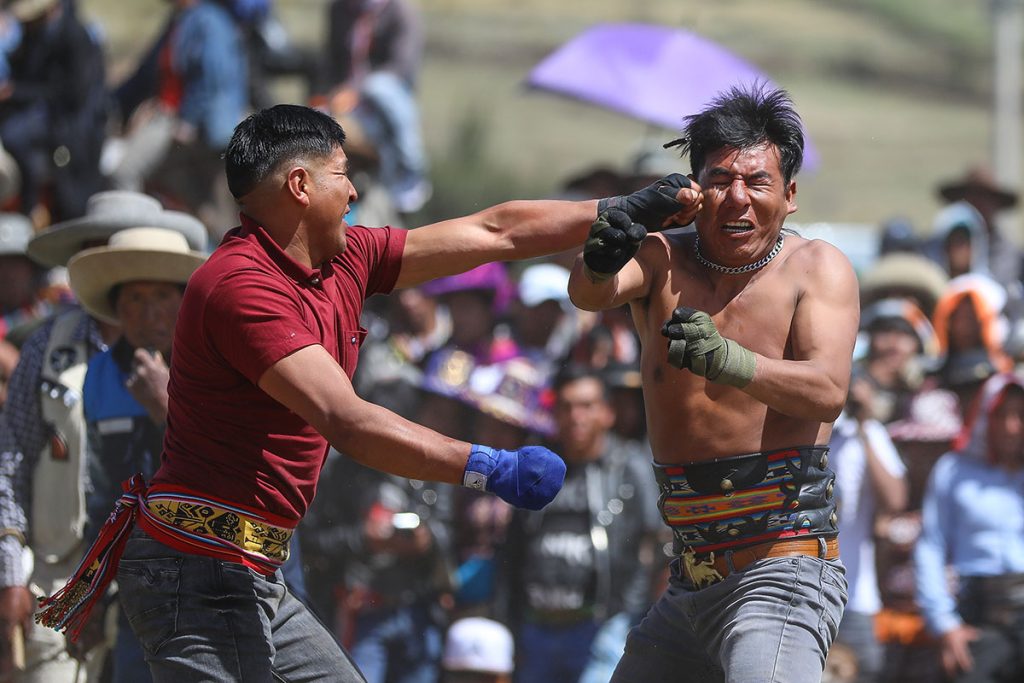
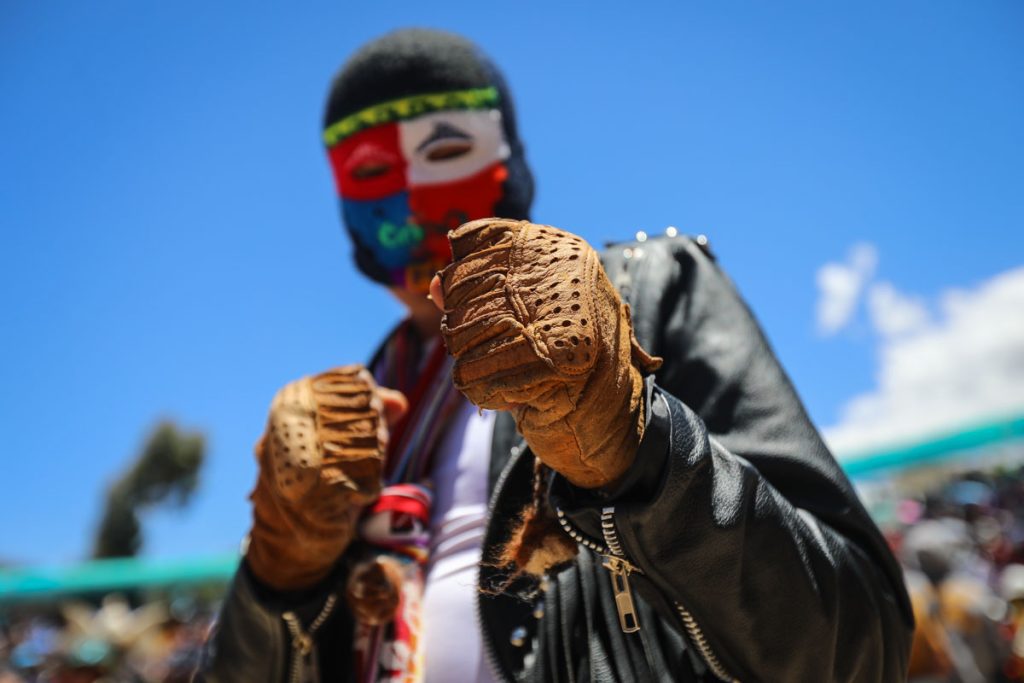
Llique is a village belonging to the district of Santo Tomás in the province of Chumbivilcas, in the department of Cusco. The Takanakuy, which translates from Quechua as “striking with the fist,” is a more rural tradition in this part of the Peruvian highlands. Amidst a large festival, fighters of all ages and genders arrive. Men, women, and children from various communities participate without regard for the consequences of their blows. The clothing shines in all its splendor, accompanied by the music of the Wayliya. The men show off their masks of ancestral animals, and the women wear garments that shimmer in the sunlight. This fusion of traditions is reflected in the dusty steps of the combat dance. The fistfights are increasingly violent, and the disputes often end in bloodshed. The crowd encourages the combatants not to give up and to endure the fight. The Ronderos (community patrol members) maintain order in any instance of violence. With lashes of their whips, they enforce the law and force back anyone who disobeys them. At the end of the day, the combatants of all ages and genders shake hands, setting an example of respect, forgiveness, and unity among themselves. The Wayliya song continues, and the fighters dance amidst the jubilation of the countryside, without witnesses and far removed from the daily obligations of the city.

Llique, the Takanakuy of Peru’s heartland Read More »

Takanakuy

Takanakuy is an ancestral festival celebrated every December 25th, primarily in the various districts of the Chumbivilcas province in the Cusco region. This ancient fighting tradition has spread over time to the provinces of the Apurímac, Huancavelica, and Arequipa departments. The word “Takanakuy” means “to strike with the fist.” The tradition originates from the “Taki Unguy,” a religious and cultural resistance movement linked to Spanish rule. The fighters are made up of men, women, and children. They warm up with dances and songs called Wayliyas, and their attire consists of ancestral animal masks and leather garments. The duels or fights during Takanakuy are to settle old grudges, conflicts over land or crops, and sometimes problems of love or friendship. They can punch and kick, but it is forbidden to strike an opponent when they are on the ground. The fights can last from 30 seconds to a maximum of 2 minutes. The fight usually takes place on flat ground with space for spectators. It is held within a circle, which opens when someone wants to participate. Anyone can fight. Wearing shoes with steel toes or carrying sharp objects is prohibited. The Ronderos, acting as referees, constantly check people’s shoes and hands. They are members of the Rondas Campesinas, self-defense organizations primarily active in rural Peru. Their main role is to stop the fight as soon as they see one person is overpowering the other. It’s worth noting that Takanakuy is a community celebration and a display of courage in the middle of a bare-knuckle fighting arena. At the end of the day, the combatants of all ages and genders shake hands, setting an example of respect, forgiveness, and unity.

Takanakuy Read More »

A Home for Cats

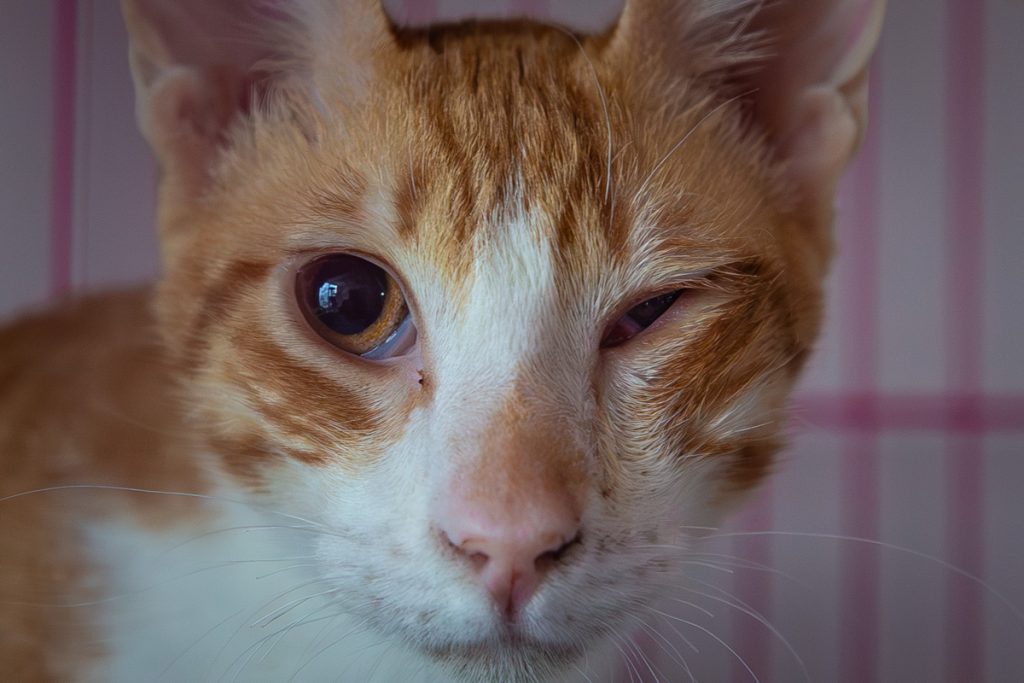
Alonso Segura, former Minister of Economy, professor, and director of the finance program at the Pontifical Catholic University of Peru (PUCP), is a tireless protector and rescuer of abandoned cats.

Professor Segura is the founder of the “Alamichi” shelter, where he and his team rescue, feed, and provide comfortable living spaces for cats. Segura is a “godfather” to approximately 80 cats, whom he helps maintain in “depamichis”—rented spaces equipped with all the necessary amenities for the felines. This noble work has led to many kittens being adopted into responsible homes. Alonso has a strong connection with them and considers them part of his family.

“We rescue cats every week, which is why it’s so important to find adopters, provide temporary homes, continue participating in fairs and public events for responsible adoption, and recruit more volunteers for the logistical work involved.”

Alonso Segura / Director of the Finance Program, PUCP

A Home for Cats Read More »

Community Kitchens – COVID-19

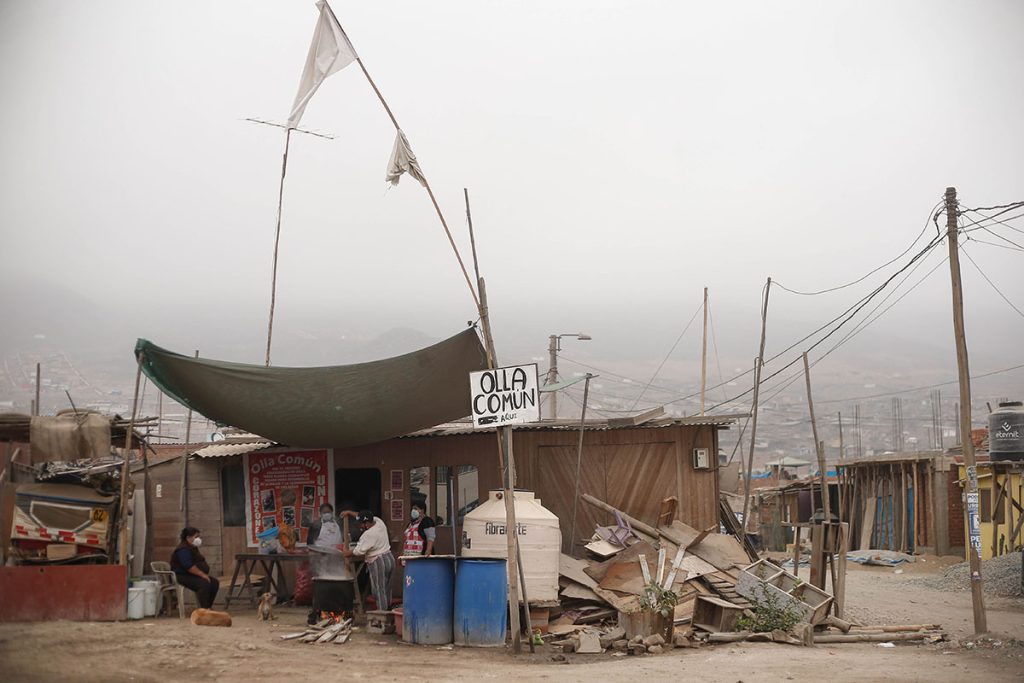
Community kitchens are grassroots initiatives. They are mostly organized by women, who pool resources and neighborhood efforts. They are self-managed to buy, cook, and distribute nutritious meals to vulnerable people facing poverty, unemployment, or lack of access to food. This is done with the aim of providing solidarity and support during times of crisis. Community kitchens are set up in the higher parts of informal settlements in each district of Lima. During the COVID-19 pandemic, they were a great help to hundreds of citizens living in poverty and vulnerable situations. Food was distributed by sector in an orderly fashion, prioritizing children and mothers; the commitment was singular: community support in each vulnerable area. Currently, some 1,760 community kitchens have been registered in Metropolitan Lima.

Community Kitchens – COVID-19 Read More »

Daniela D.

ARCHIVE FROM 2018. Daniela Darcout is 23 years old and a full-time salsa singer. It’s 11:30 pm and she’s getting ready for the four concerts she has that night. A very busy work schedule for her young age. She has an innate talent for singing, but also a great responsibility: “To give her fans the best party.” With the dance floor clear and a bit chilly, she drives to the nightclub. Her presence doesn’t go unnoticed; autographs, selfies, a friendly greeting, etc., are all things she does for her fans. Protected by her security detail, she quickly moves on to the next event, and so on, with the tight schedule and running a little behind. She dances and sings with a lot of energy during her performances, and the fans catch it. The early morning hours pass quickly, and she manages to finish all four shows that night. Tired and a little stressed, she heads to her apartment to rest, ready to continue the same hectic routine the next day. As a result of this demanding work schedule, she was diagnosed with vocal cord problems in 2018, which led to her temporary withdrawal from performing. It is unknown when she will return. In 2024, Daniela Darcourt revealed that she had been diagnosed with moderate depression: “I took refuge in music and my work.”

Daniela D. Read More »

On the Front Lines – COVID-19

A dedicated and tireless effort. During the coronavirus pandemic, a sector of the broader health system ventured out to the most remote areas of Lima and towns across the country, aiming to help those with limited economic resources who were unable to leave their homes due to the risk of infection. These volunteers, known as DIRIS, traveled day and night to the most vulnerable and isolated areas of each province. Their commitment was meticulous: to reach the area by any means necessary and administer the vaccinations. In Lima, DIRIS was divided into zones: North, South, West, and East. During the peak months of COVID-19 infections, the volunteers climbed seemingly endless staircases to reach the affected areas; they attended to the patients with great patience and carried out the immunization process. Once the medical examination was complete, they moved on to the next zone, and so on. The volunteer doctors of DIRIS had the mission and commitment to go to remote villages, to the high areas of human settlements and to the forgotten hamlets of deep Peru, always with the unlimited objective of saving lives.

On the Front Lines – COVID-19 Read More »

Chocas, the final goodbye

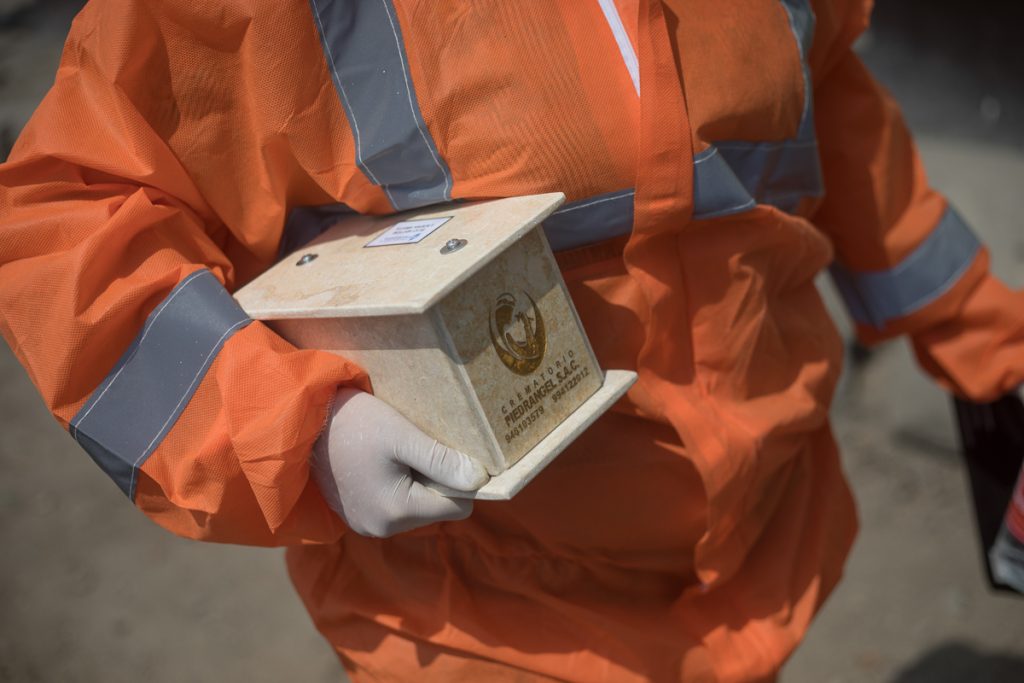
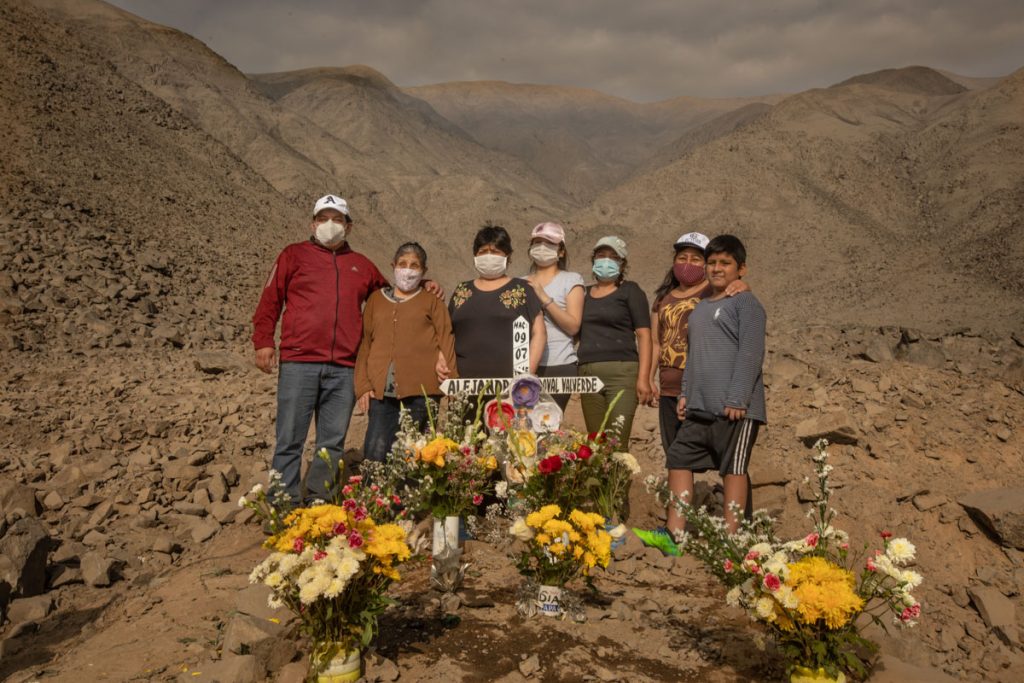
At approximately kilometer 30 along the Lima-Canta highway lies the village of Chocas, in the district of Carabayllo. In this area, far from the capital, is located the only COVID cemetery in the region, established between March and June 2020 during the COVID-19 health emergency. Faced with the high mortality rate that plagued Lima, many cemeteries reached their capacity. According to the Carabayllo municipal ordinance, the Chocas cemetery is exclusively for victims of the coronavirus. For this reason, it was built on the highest part of the village. The area is desert-like and rocky; however, many families travel from various places to visit or give their loved ones a Christian burial, amidst the dust and strong winds.

Chocas, the final goodbye Read More »