af4o3

Cantagallo: Chronology of a community in resistance

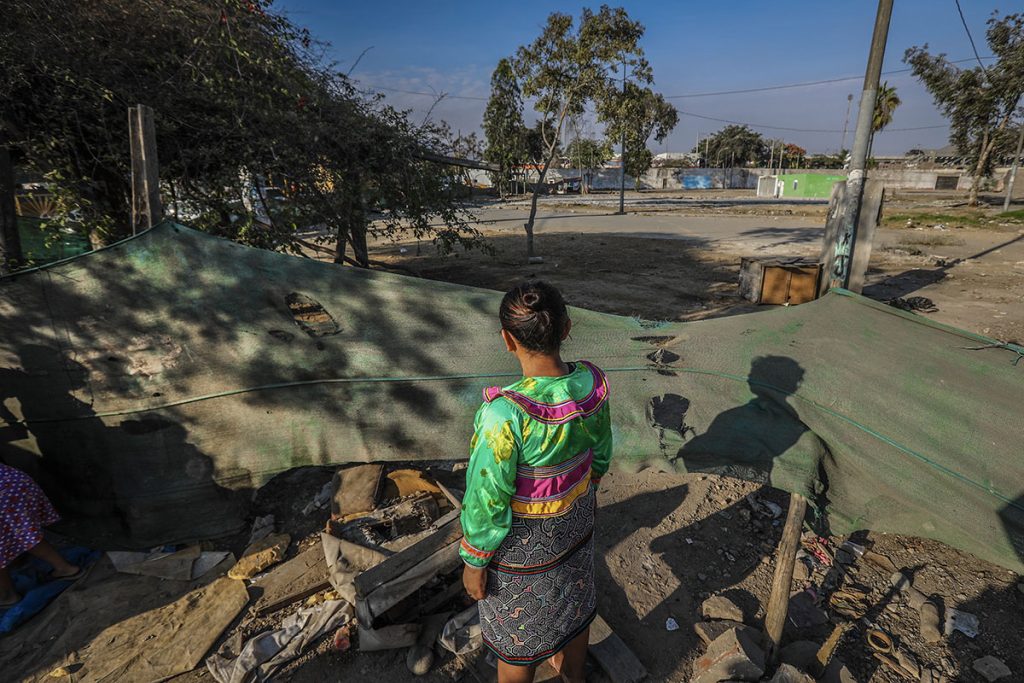
A tragic dawn for Cantagallo. The members of the Shipibo community of Cantagallo lost everything in a fire that was described as uncontrollable. The blaze consumed everything, leaving them utterly destitute. According to witnesses, it happened around midnight. A lit candle, forgotten in the market area, was likely the cause of the devastating fire. The flames spread through dozens of homes. The desperation and cries of the Shipibo community members were heartbreaking; they lost everything in a matter of minutes. At dawn, the scene was one of desolation, with bewildered families staring blankly at each other. It is estimated that the fire destroyed 280 houses, and some 480 families were left without the resources to relocate. In the following days, NGOs and social organizations donated food supplies, clothing, and tents to the affected families. The Shipibo community of Cantagallo slowly began to rebuild itself. They resettled in the same place where they arrived in the early 2000s, and it became a symbol of Amazonian culture in the city of Lima. Despite promises of reconstruction from the authorities, these proposals fell through. The efforts of the inhabitants of the Cantagallo community have been slow, and they have had to organize themselves meticulously to ensure a sustainable future for their descendants. After the tragedy, Cantagallo became a symbol of the resilience of Indigenous communities in the cities. They continue to fight to develop their territory and rebuild their culture alongside the concrete jungle of Lima.

Cantagallo: Chronology of a community in resistance Read More »
2016 Presidential Elections

The election brought with it a number of events, both anecdotal and scandalous. Julio Guzmán, who in the first months of the year had risen to second place in the polls, was the favorite to advance to the second round, but irregularities within his party led to the disqualification of his candidacy by the Lima Central Special Electoral Tribunal. César Acuña, owner of several universities, was also leading in the polls, but irregularities resulted in the disqualification of his candidacy as well. Meanwhile, Nano Guerra García, the candidate for National Solidarity, spent a fortune on advertising without favorable results, so he withdrew his presidential candidacy. Former president Alejandro Toledo traveled almost all of Peru to promote his proposals, but the allegations surrounding the Ecoteva case ultimately caused him to drop significantly in the polls. Two-time president Alan García, relying on his oratory skills, formed an alliance with the PPC to boost his poll numbers, but the strategy backfired, and he finished in fifth place in the election. Alfredo Barnechea, the representative of Popular Action and a disciple of Fernando Belaúnde Terry, managed to climb in the polls after the disqualifications of Guzmán and Acuña, but his attitude and some poor strategies ultimately failed to connect with the population, placing him fourth in the elections. Verónika Mendoza, of the Broad Front, after a hard-fought battle, secured third place, while Pedro Pablo Kuczynski (PPK), after some ups and downs, consolidated his second-place position, advancing to the runoff against the Popular Force candidate, Keiko Fujimori. Weeks later, after a fierce battle for votes, the National Office of Electoral Processes (ONPE) announced the results with 100% of the votes counted, declaring Pedro Pablo Kuczynski the clear winner with 50.12% of the vote, compared to 49.88% for Keiko Fujimori, who conceded defeat a few days later.

2016 Presidential Elections Read More »

Let’s take to the streets

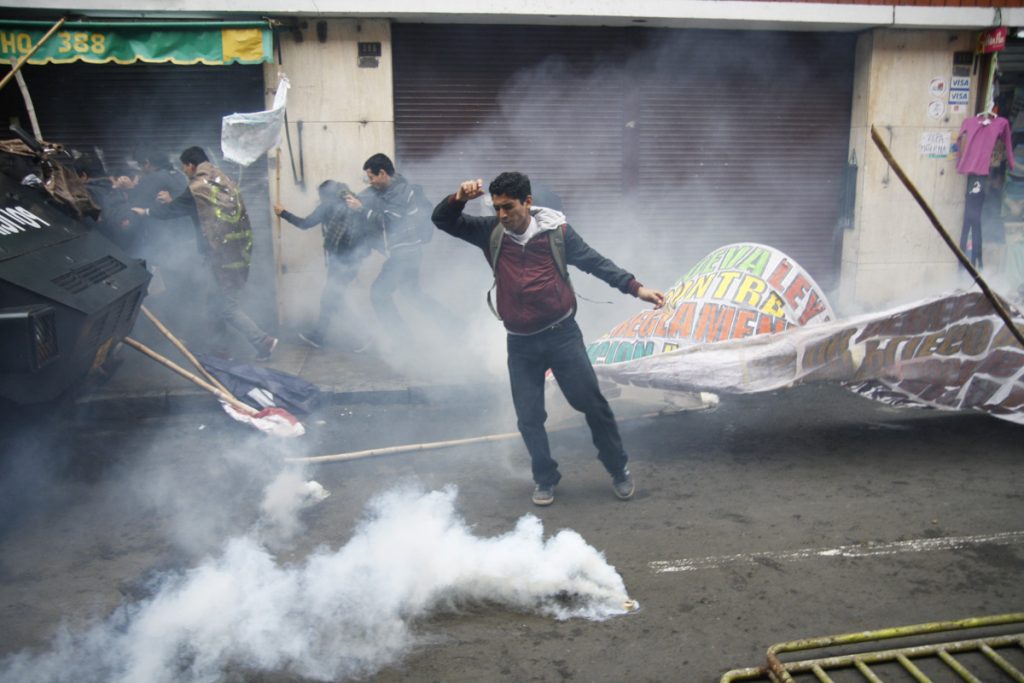
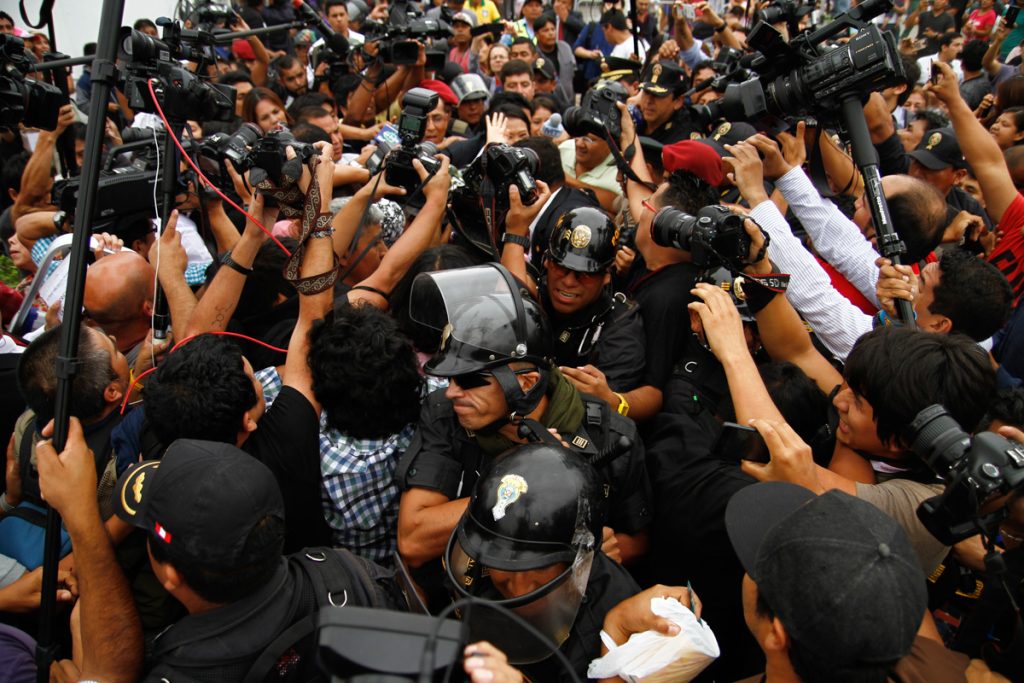
Everyone took to the streets to protest authoritarian abuses. In 2013, thousands of students and social groups marched peacefully to Abancay Avenue to protest the university law and the publication of the civil service law. However, this led to a confrontation with law enforcement. The students and other groups decided to enter the Congress building through the surrounding streets. This sparked a violent clash with the police. Tear gas and the use of police force resulted in several injuries, both to students and civilians. There were numerous arrests of university students. The CGTP (General Confederation of Peruvian Workers) workers’ movement gained strength during the marches that same year. Abancay Avenue became a battleground between law enforcement and social and student organizations. During June and July of 2013, the term “Repartija” (a political patronage system) came to light. This system involved Congress distributing positions in the Constitutional Court, the Ombudsman’s Office, and the Central Reserve Bank in the upcoming elections. This sparked widespread outrage among Peruvian citizens. Large marches were held, involving social groups, university students, politicians, and others. On July 27 and 28, 2013, massive demonstrations were organized against the Repartija. Tensions reached a fever pitch during those days. The protests resulted in significant property damage and numerous civilian arrests. Months later, Congress repealed the resolution.

Let’s take to the streets Read More »

Love in the time of Coronavirus

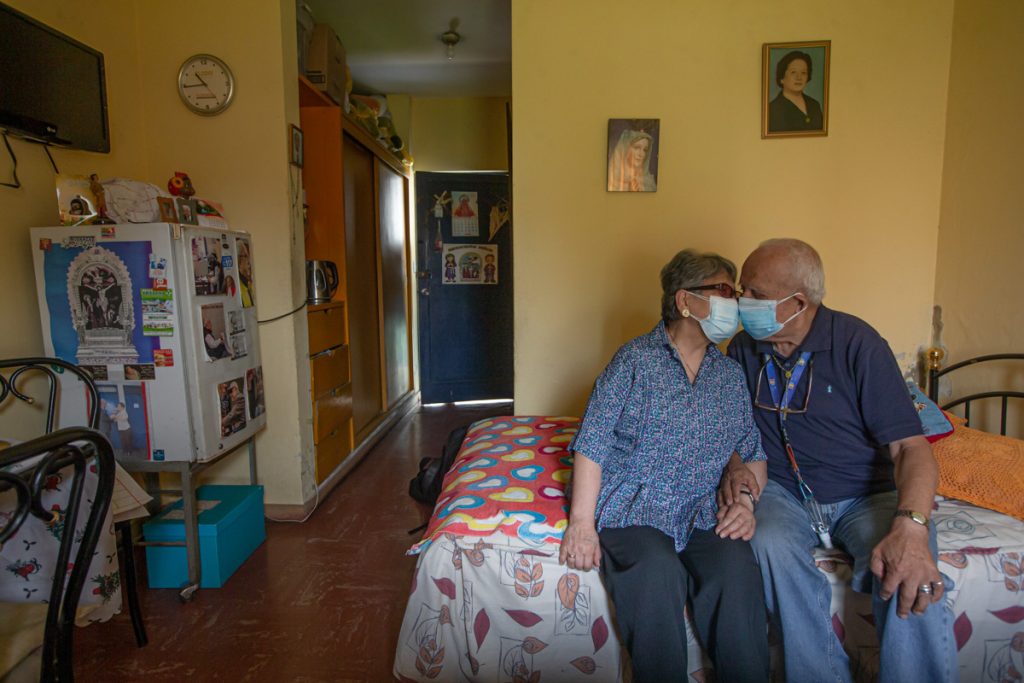
The Canevaro Home holds countless stories to tell. Within each room are preserved memories of the past, memories that have endured to this day. For Carlos Enrique del Busto Ezeta, 83, and Lucrecia Vásquez Maqueira, 84, both from Lima, true love means trust, patience, and forgiveness—words that strengthen their bond of love each day. They have been married for over 50 years and have lived in the Canevaro Home for the last eight, a decision they made together until their final days. They were unable to have children due to circumstances beyond their control. As a young man, Don Carlos had an accident in which he lost his leg and spent a year hospitalized. During those difficult times, Doña Lucrecia cared for him, and they married the following year. Every February 14th, they renew their wedding vows as a symbol of eternal love. Before the arrival of the coronavirus, they held a ceremony at the Canevaro Home. She would dress in white and he in a suit, and they would renew their vows, vowing eternal love with a kiss. During these two years of the pandemic, their wedding vows ceremony couldn’t take place. Carlos and Lucrecia eagerly await the end of this Coronavirus phase so they can seal their vows, as they do every year. They managed to get through the difficult times of COVID-19. Now vaccinated, each with their respective dose, they live with much more peace of mind. With a kiss on the forehead and surrounded by countless photos in their room, they spend their days together.

Love in the time of Coronavirus Read More »

Moisés Paredes, the Mantis boy

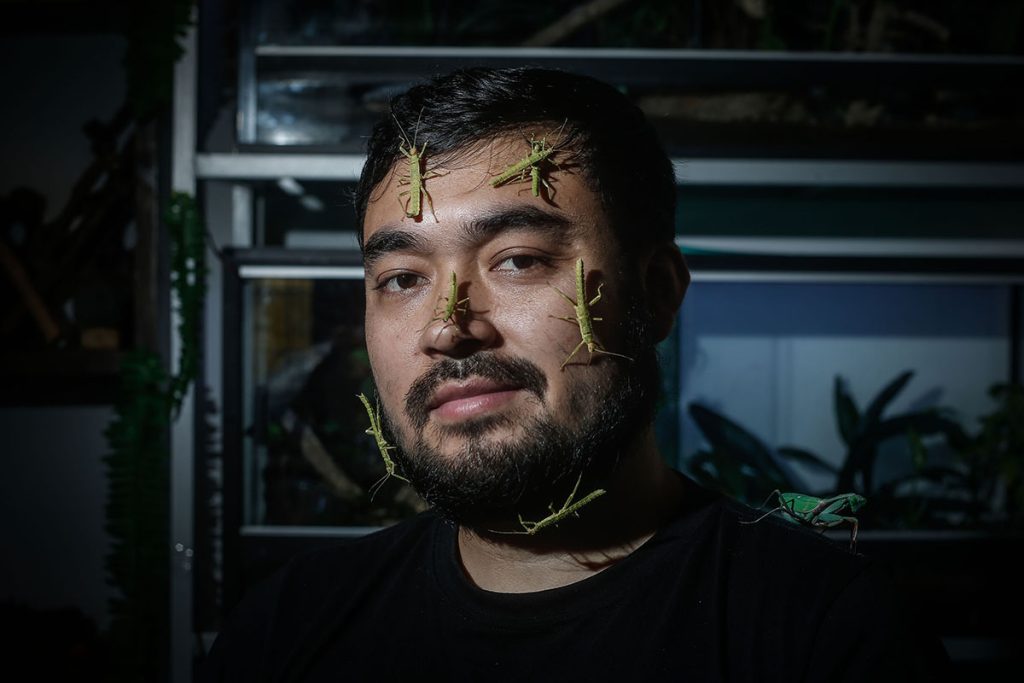
From a very young age, Moisés Paredes had a great fascination with insects. Through in-depth study, he connected with the unique lives of these exotic animals. Many years ago, Moisés suffered a serious accident, which led to a deep depression. During this difficult period of recovery, he met someone who bred mantises. This reinforced his determination to turn his passion—collecting and breeding mantises and other insects—into a way of life. Over time, his dream transformed into a solid business called Team Peruvian Mantis. Moisés, the group’s founder, teaches about the value of these insects in the ecosystem and their sustainable breeding practices. He and his team maintain a mini-zoo at his home. This space houses a wide variety of mantises and other fascinating insects. This brings him great satisfaction, as it allows people to learn about these valuable creatures. Thanks to Moisés’s perseverance and that of the Team Peruvian Mantis group, more people have joined the responsible insect collecting community. The conservation of these species is a crucial factor in these times, where the destruction of nature is extremely constant. Postscript: Moisés has several tattoos that represent the meaning of his perseverance throughout the time he has been building his project. A praying mantis climbing a leaf symbolizes perseverance over these years. He believed in himself, but he also remembers the words of encouragement from a special person, for which he feels very grateful and blessed.

Moisés Paredes, the Mantis boy Read More »

Arantxa

“Ara,” as her friends call her, is a rhythmic gymnastics champion. She has been dancing for 11 years, and in that time she has developed a persevering character. Her mother, as strong-willed as “Ara,” encourages her in her development and constant work in gymnastics.

Arantxa Read More »