af4o3

The coastal child

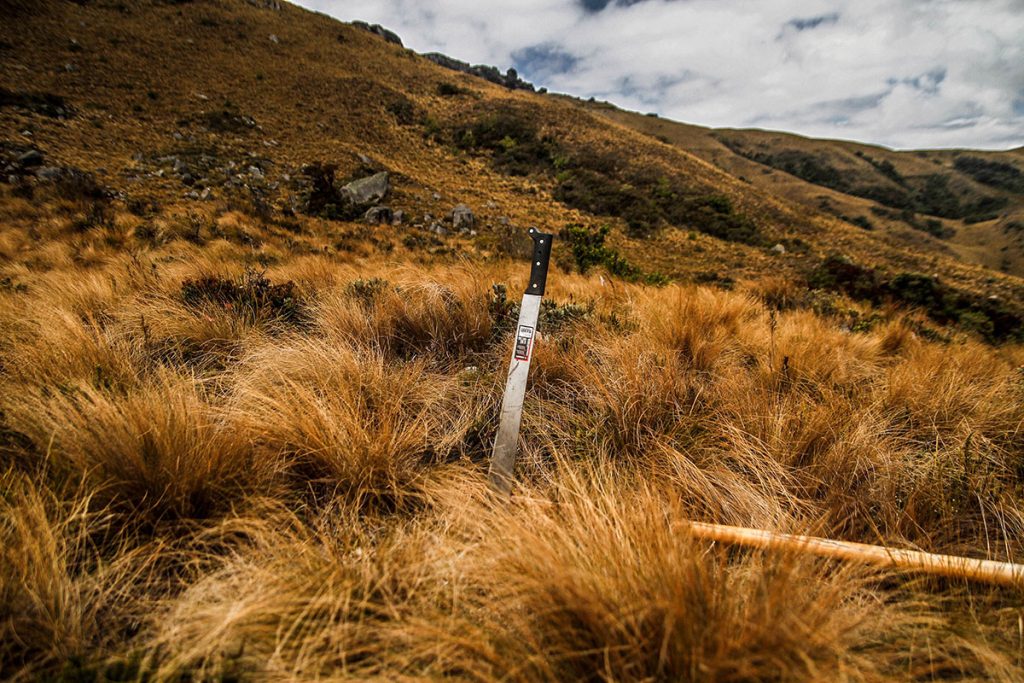
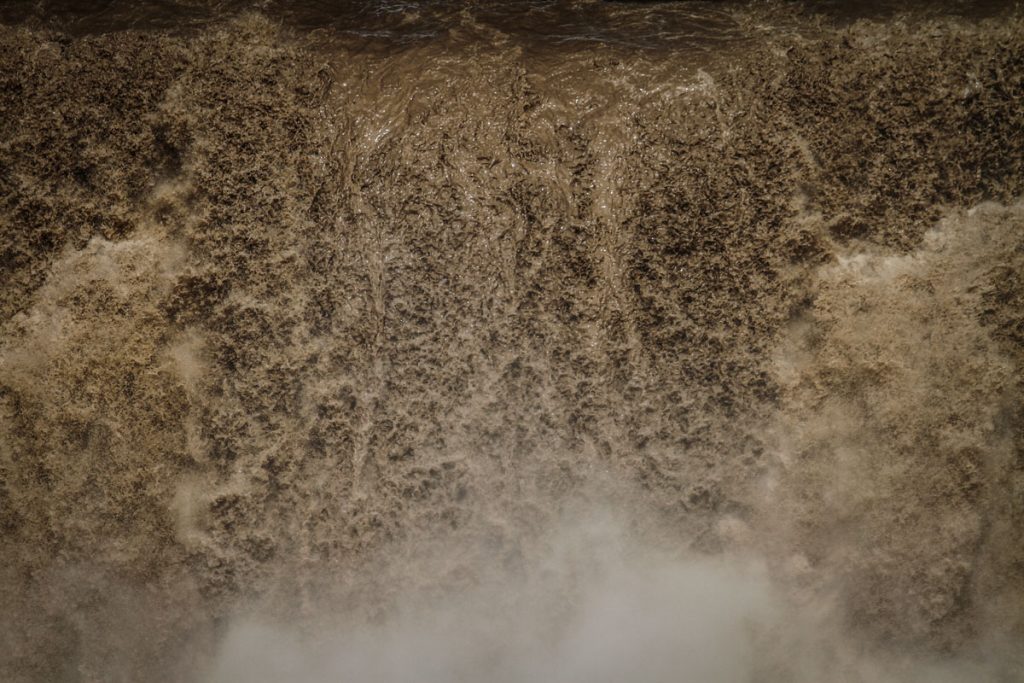
The fury of nature. The 2017 coastal El Niño was a climatic phenomenon that primarily affected Peru and Ecuador between late 2016 and May 2017.

The most severe damage was recorded in northern Peru: the departments of Tumbes, Piura, and Lambayeque were affected by torrential rains that caused floods and mudslides, impacting homes and crops on a large scale. The city of Lima and other nearby districts were not spared. Several ravines in the city’s upper districts overflowed. Large masses of mud and rocks swept away homes, and loss of life was reported. Even the Rímac River, Lima’s main waterway, overflowed, generating panic among residents. The Chillón, Huaycoloro, and Lurín rivers also overflowed, destroying everything in their path. The most affected areas were Carapongo, Huachipa, Chosica, and Cajamarquilla. These districts were the hardest hit by the coastal El Niño phenomenon. There were hundreds of victims living in extreme poverty. During those months, scenes of suffering in the face of the immense catastrophe were a daily occurrence for rescue workers and other members of the rescue teams. Many families lost everything and were left traumatized by the disaster. As the years passed, some were able to return to their places of origin, others resigned themselves to the loss of everything, and finally, some started over from scratch, always prepared for any natural disaster.
The coastal child Read More »

The Lord of Qoyllority 2017

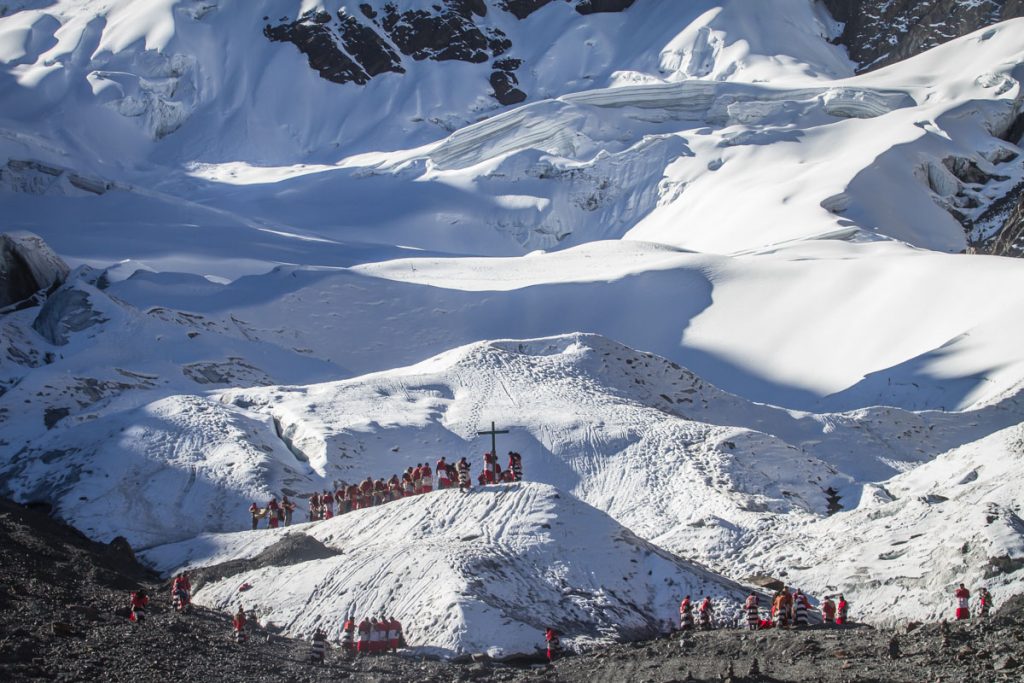
“TAYTACHA QOYLLURIT’I”—which in Quechua means Lord of the Snows—is what can be heard in the high hills surrounding the Sinakara Valley, at 4,800 meters above sea level in the province of Quispicanchis, south of Cusco. Thousands of devotees from various regions of the country, especially Cusco, walk for hours toward the heights of the Sinakara temple. Meanwhile, large groups of traditional dancers (Asunto de Nacimientos) ascend the snow-capped peaks carrying heavy crosses. Their faith is the only source of strength they possess to withstand the freezing temperatures. Throughout the night, these faithful make their way, displaying their flags and festive masks. They demonstrate their devotion to the Lord of Quyllurit’i, who is associated with the mountain spirits (apus) of the snow-capped peaks. The local people pray throughout the frigid night, hoping for a miracle. At sunrise, groups of people from different nations descend from the snow-capped peaks, celebrating their respective offerings to their sacred mountains (apus), and with them, the jubilation of the people, represented by the cross. Considered an Intangible Cultural Heritage of Humanity since 2011, the Qoyllur Rit’i festival, created in ancient times, is a tradition where religious devotion and the Andean apus are united by the bonds of belief and the power of Mother Earth. This is done with the sacred objective of giving life to the miracles experienced by the thousands of faithful who come on this great pilgrimage.

The Lord of Qoyllority 2017 Read More »

No to the Puente Piedra toll

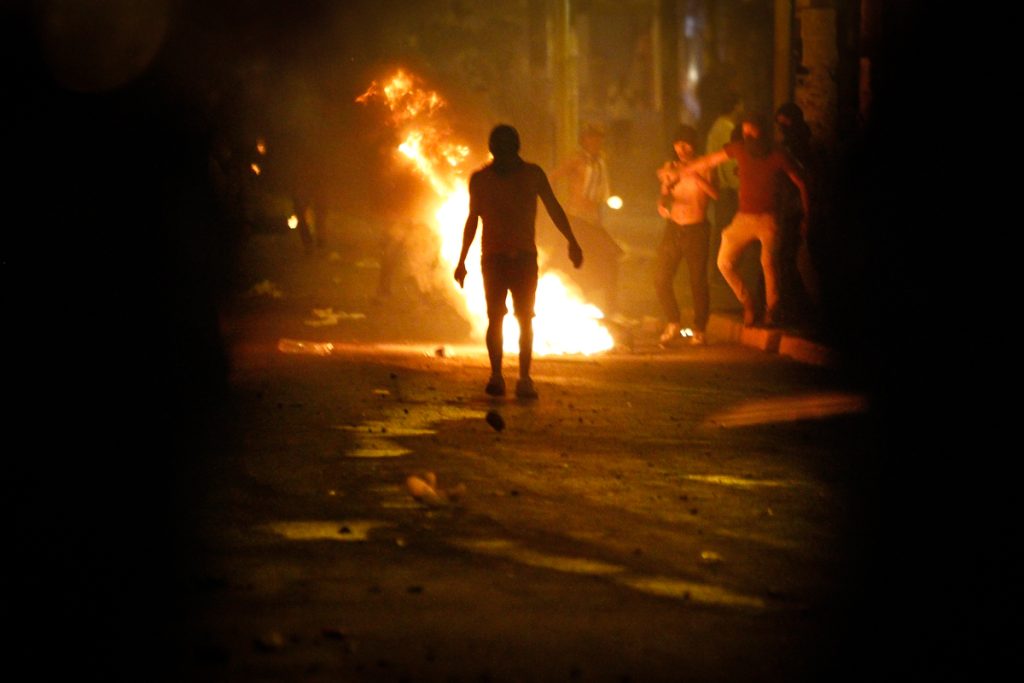
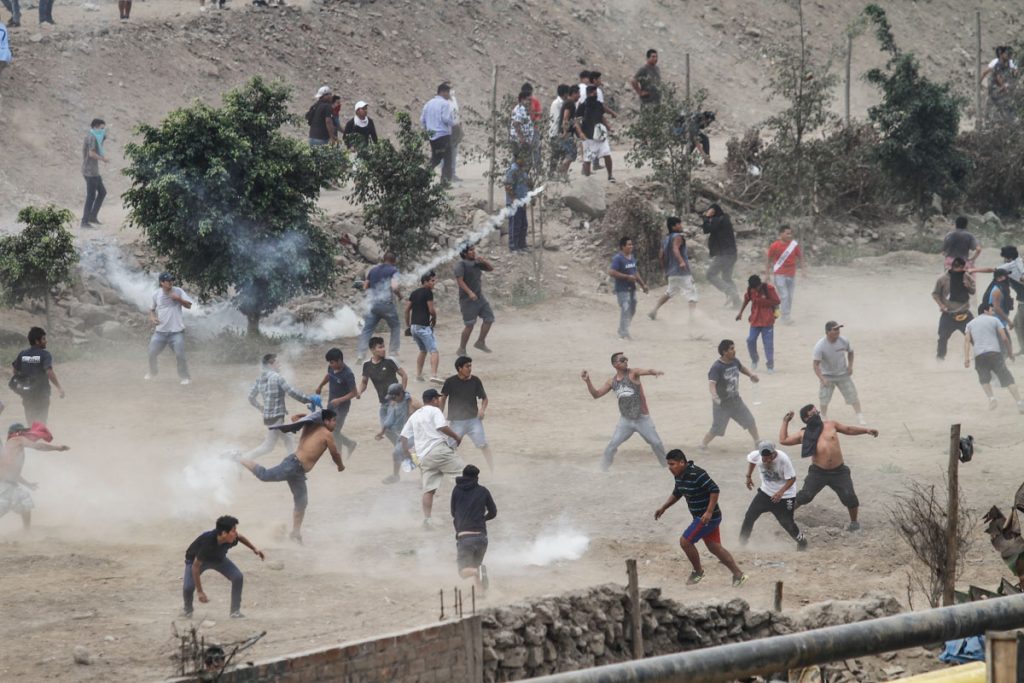
NO TO THE ABUSE OF EXCESSIVE TOLL CHARGES. In 2017, there was strong public opposition to the establishment of a new tollbooth in Puente Piedra. The residents of North Lima protested, blocking the Pan-American Highway North with tires and concrete blocks. The installation of the new tollbooth by the concessionaire Rutas de Lima, running south to north, was arbitrary and unexpected. This improper action sparked social unrest in the northern districts of Lima. In the early morning hours, hundreds of citizens marched toward the new tollbooth. Large-scale clashes broke out on both sides. Protesters burned the tollbooth’s notice boards. Numerous injuries and arrests were reported among both citizens and police officers. Several passengers on public buses were affected, and some were taken to the hospital. Finally, law enforcement officers regained control of the area. The Puente Piedra tollbooth situation became the subject of legal challenges and resolutions. Finally, a resolution ordered the suspension of toll collection, with the aim of guaranteeing freedom of transit and the construction of suitable alternative routes.

No to the Puente Piedra toll Read More »

Giancarlo Alva, the canine rehabilitation specialist

For Giancarlo Alva, a 38-year-old former soldier and father, his love for dogs knows no bounds. For some time now, he has dedicated himself to a vital mission: rehabilitating dogs with aggressive behavior. Giancarlo suffered a car accident and lost a leg. This has not been an obstacle. Supported by his crutches, he walks and even climbs hills to carry out his work. For him, despite being disabled, this is not a hindrance to his work; on the contrary, he does it with the utmost commitment to helping families facing these challenges. Before entering a family’s home to assess the dog’s condition, Giancarlo speaks with them first. “How long has the dog exhibited this behavior?” “Has it suffered any aggression before?” These are fundamental questions before seeing the dog and beginning rehabilitation. To accomplish this difficult task, he uses methods to calm the dog. He establishes his presence in its territory and, through his firm voice, uses words and tactical movements to help the dog freeze and relax. Mostly when Giancarlo begins this process, the dog makes abrupt movements that are initially difficult to control. He records the dog’s rehabilitation process to raise awareness that dogs with aggressive behavior are not a danger, but rather that they undergo a rehabilitation process and can become sociable animals. After the car accident that caused him to lose a leg, Giancarlo had a difficult recovery process, but he didn’t give up and kept going. His prosthetic leg is a clear example of this. In his depression over what happened, Giancarlo heard the word of God. God guided him and gave him the strength to undertake this humanitarian mission: to help rehabilitate dogs and give them a better life. Postscript: Giancarlo has a canine rehabilitation center called “Happy Paws” in Ancón. He works there with his children, who also share a passion for caring for dogs.

Giancarlo Alva, the canine rehabilitation specialist Read More »

Mother of God

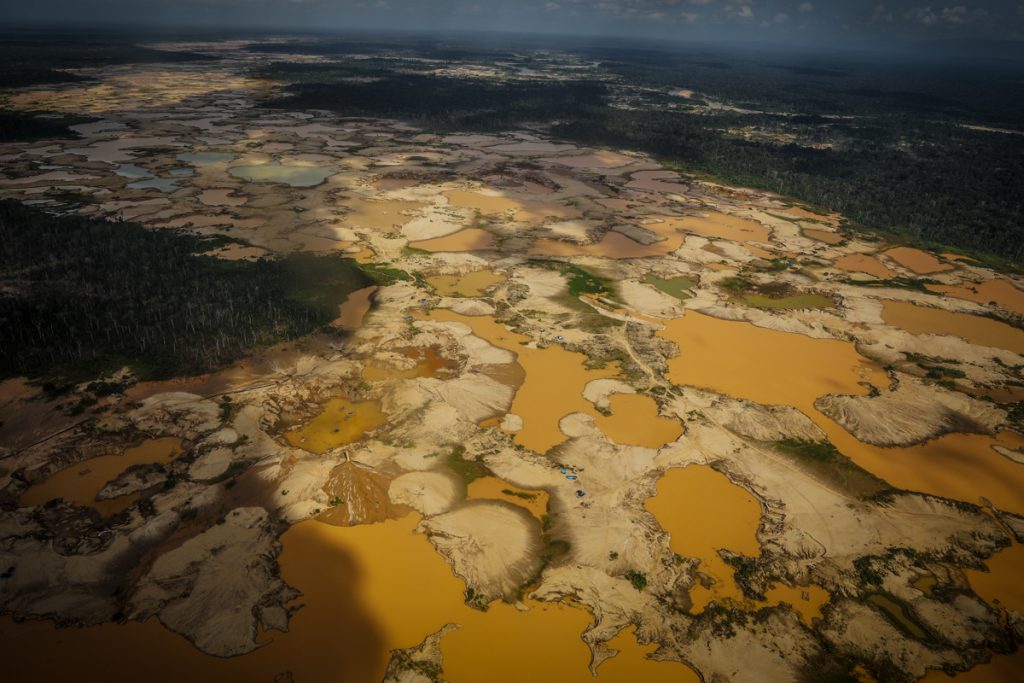
Mother of God, her light doesn’t reach all of her territory. In this part of eastern Peru, human trafficking and the disappearance of minors are a path of no return. The poverty rate in almost the entire department is a vicious cycle. And the extraction of gold from the earth for a few grains is man’s ambition. Kilometer 107 of the Interoceanic Highway is the midpoint of a hell on earth. Here, prostitution is practiced for the illegal miners. At every point, there’s a line of girls, no older than 25… they are women, forced into prostitution. This act is accompanied by the thousands of hectares of land ravaged by illegal mining. This infernal place is the Pampa. The area is a catastrophic environmental stain beyond repair. The extraction of gold from the earth has caused irreparable damage to the habitat. The police remove these illegal workers, but like a dormant virus, the illicit activity continues, with dredges (machines for extracting gold from the ground) draining the earth’s resources like an injection draining blood from a vein. Illegal mining, organized crime, and human trafficking seem endless. Yet, we continue to gaze upon the plain of destruction from a place that humankind itself has transformed into a hell.

Mother of God Read More »

Psychosocial confrontation in Huaycán

A rumor sparked mass panic in the Huaycan district. Hundreds of residents rioted outside the Huaycan police station (Ate-Vitarte) after a rumor circulated about an alleged organ trafficking and child kidnapping ring operating in the area. The confrontation began when two pollsters (municipal workers) were captured by residents. They were accused of being members of a child kidnapping ring. Police reacted quickly, rescuing the two municipal workers, who were about to be lynched by the residents. Evidence proved they did not belong to any kidnapping ring. However, the rumor of organ trafficking and kidnapping rings had already spread throughout the Huaycan district, generating widespread panic. Hundreds of people of all ages demanded justice outside the Huaycan police station. This sparked a major confrontation with law enforcement. Tear gas was used to disperse the crowds of residents who resisted the order to calm the situation. Popular anger spread even further that night. Stones and sticks rained down, and the police had to use crowd control measures. Nothing stopped the protesters: they burned a vehicle, numerous people were injured on both sides, one person died from a stray bullet, there was property damage, collective panic ensued, and hundreds of people, both young and old, were arrested. Hours later, the police regained control of the situation. A sense of calm was restored, although this psychosocial episode left a lasting trauma on the residents of this district on the east side of Lima. It is worth noting that collective panic is a social phenomenon in which a group of people experience psychological or physical symptoms without a biological cause, capable of generating conflicts with serious consequences for their lives.

Psychosocial confrontation in Huaycán Read More »

Heroes of Pagaibamba

A group of park rangers, mainly from northeastern Peru, are trying to control and minimize the large chains of smoke and fire that plague the areas of the Pagaibamba protection forest – a protected natural area but little known on the map – located in the district of Querocoto, province of Chota, in the department of Cajamarca.

Heroes of Pagaibamba Read More »

Barack Obama – APEC 2016

During the 2016 APEC summit, U.S. President Barack Obama visited Peru for the first time. Hundreds of young people, guests, and participants in the Young Leaders of the Americas Initiative program gathered at the sports complex of the Catholic University of Peru to see one of the world’s most important and popular leaders in person. “You are doing so much that I don’t know if I can give you the perfect advice, but I’ll tell you what I tell the young people who work at the White House: you must find something that truly matters to you, be direct in your goals, and help those most in need to build a better society together. Focus more on what you want to do than what you want to be,” Obama stated. The event lasted an hour and a half. Everyone, attentive with their cell phones in hand and taking selfies every minute, hung on Obama’s every word. This was his last trip to South America as President of the United States. Months later, Donald Trump would become the next U.S. president. Today, Barack Obama continues to give advice to thousands of young people in the United States, as well as around the world.

Barack Obama – APEC 2016 Read More »