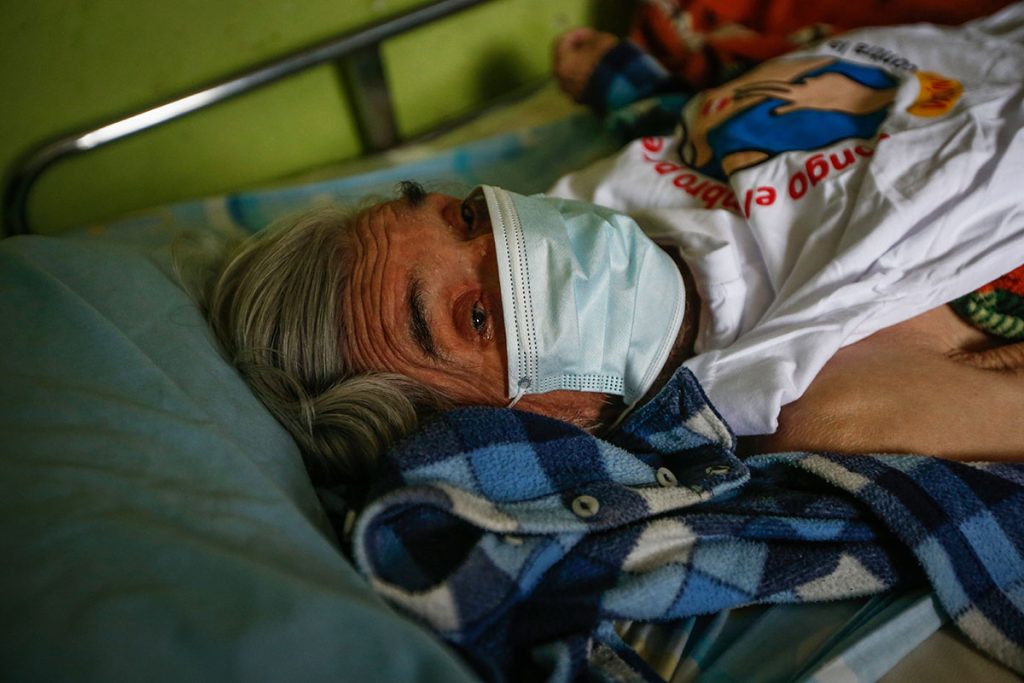
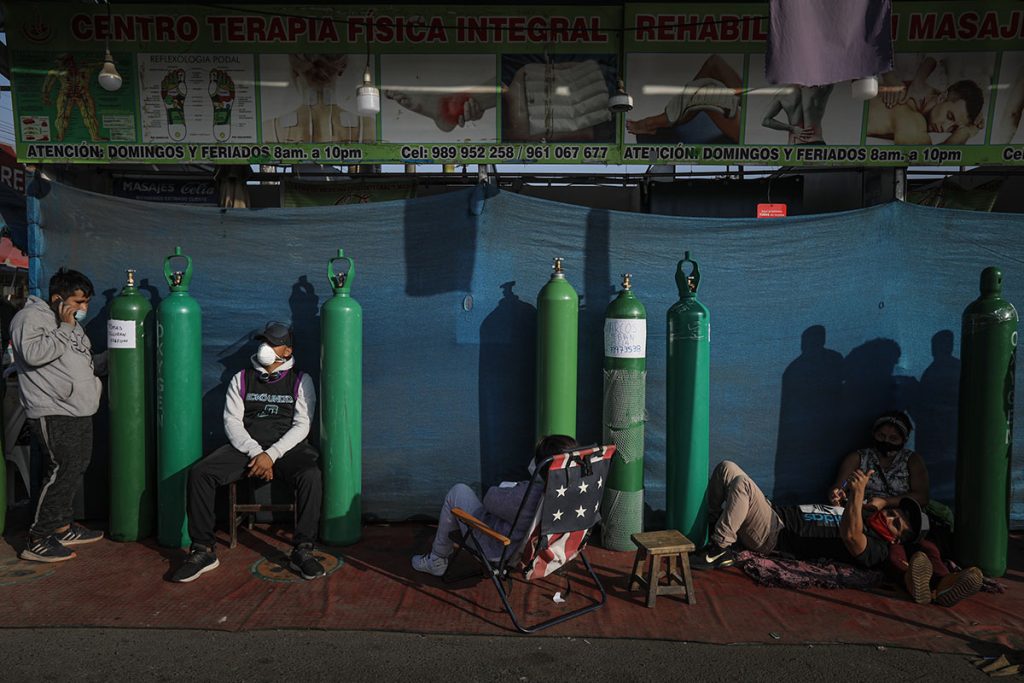
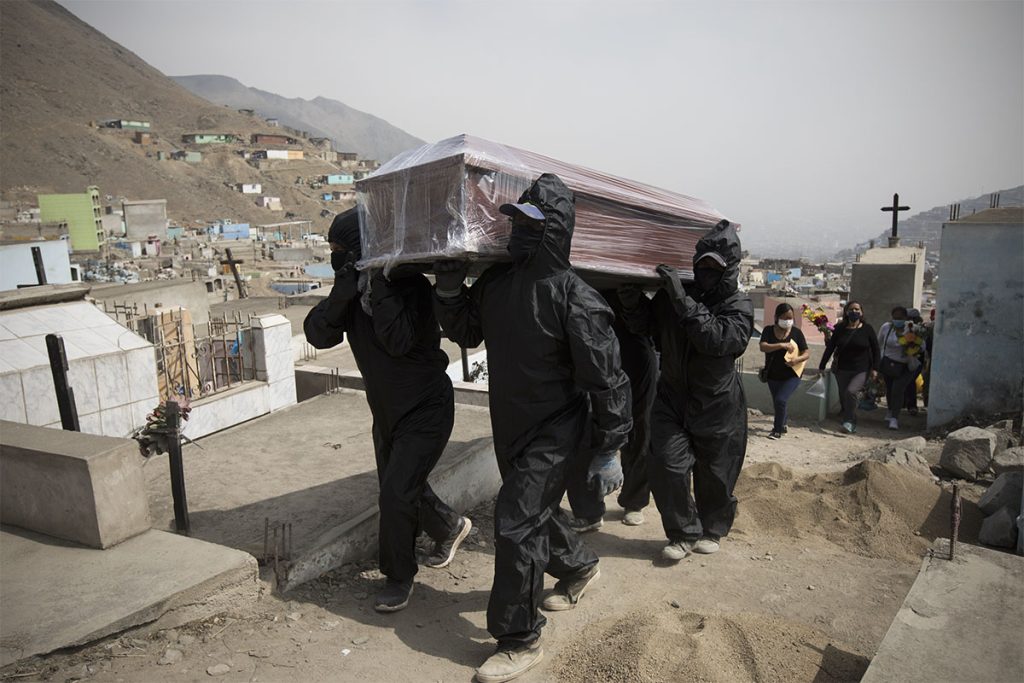
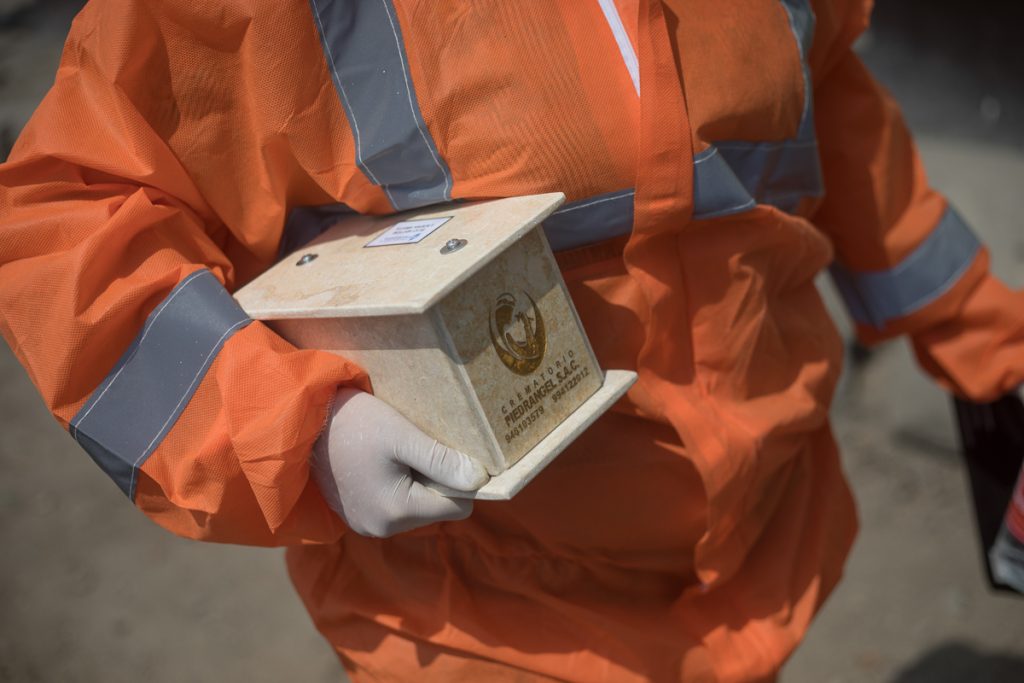
The beginning of a difficult period for Peru. It is known for certain that the virus, called COVID-19, emerged in the Wuhan area of China in 2020. The symptoms of this deadly virus began with severe headaches, chills throughout the body, and damage to the lungs and other major organs. It quickly claimed many victims in the Asian country. The necessary measures were taken to prevent its spread, but they were not enough. In the following months, the virus had spread to almost every corner of the world, and Peru was no exception. In March 2020, the first case of coronavirus was reported in the country. It didn’t take long for it to spread throughout the city. The government at the time, under Martín Vizcarra, ordered a total quarantine in Peru. For several months, hundreds of families were unable to leave their homes, and by national decree, the hours for leaving home to go to work or shop were severely restricted. Lima was a deserted city. Despite strict health measures, the following weeks revealed the consequences of the indefinite quarantine: A) More infections occurred in Lima’s neighborhoods, and this spread rapidly through several districts of the city. B) Informal commerce grew due to the scarcity of economic resources among citizens. C) The economic rate plummeted due to the lack of employment; there were large layoffs in workplaces throughout 2020. Hospitals were overwhelmed by the number of daily infections, and a large number of people died from the COVID-19 virus. In mid-2020, with a temporary slowdown in the country’s mortality rate (deaths) due to temporary vaccinations and fever and swab tests at various hospitals and health centers in each district, the Peruvian government decreed the reopening of free movement for people, provided they wore masks. Businesses also reopened to allow the economy to return to normal. Every sector of commerce, across all fields, had to comply with health regulations: masks, social distancing, protective gloves, and so on. In 2020, the first year of the coronavirus pandemic, thousands of people died overnight. No social stratum was immune to the contagion; the infection was deadly for everyone. It is estimated that approximately one million people were infected that year, unaware that the virus would silently strike again.