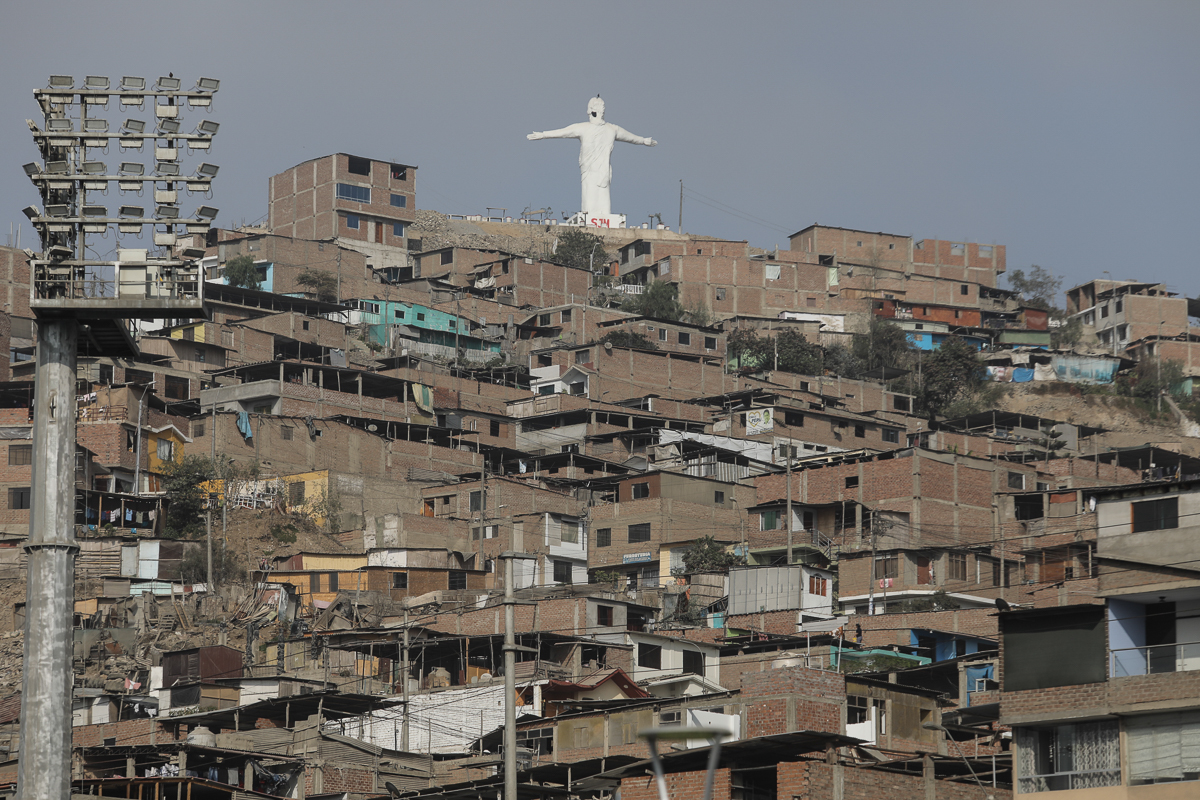
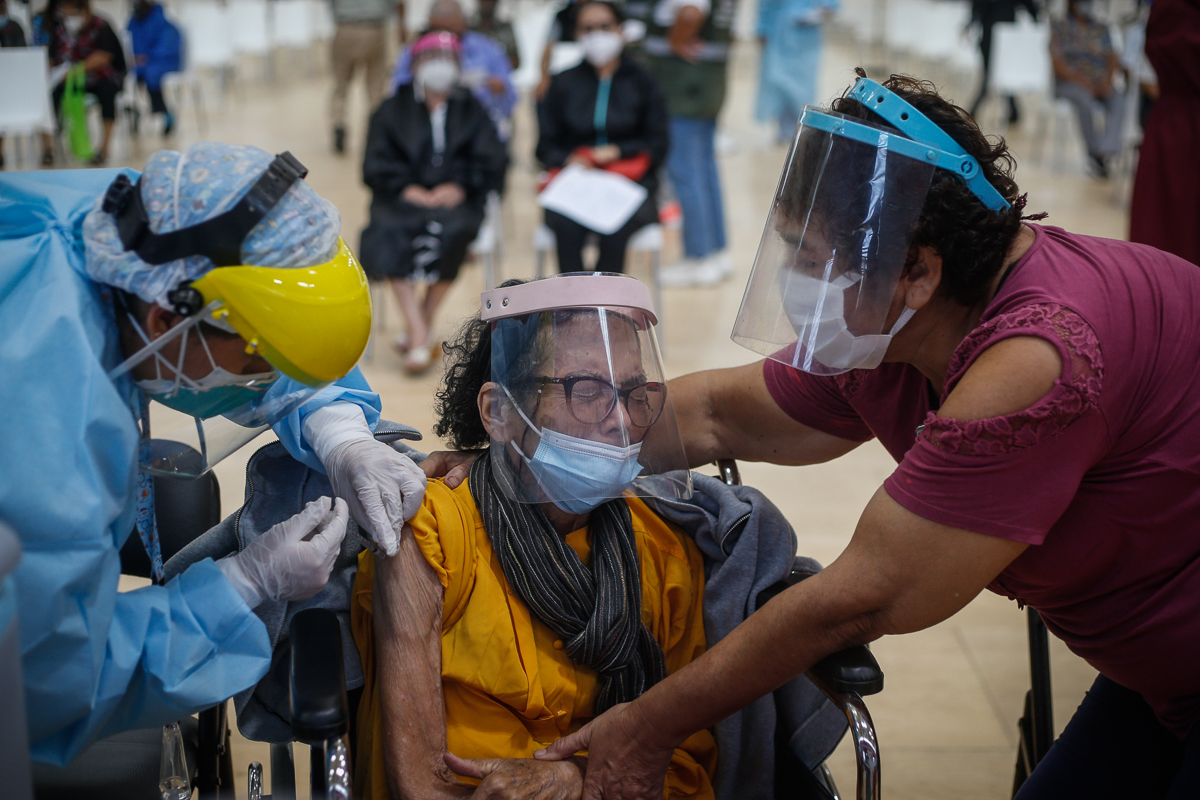
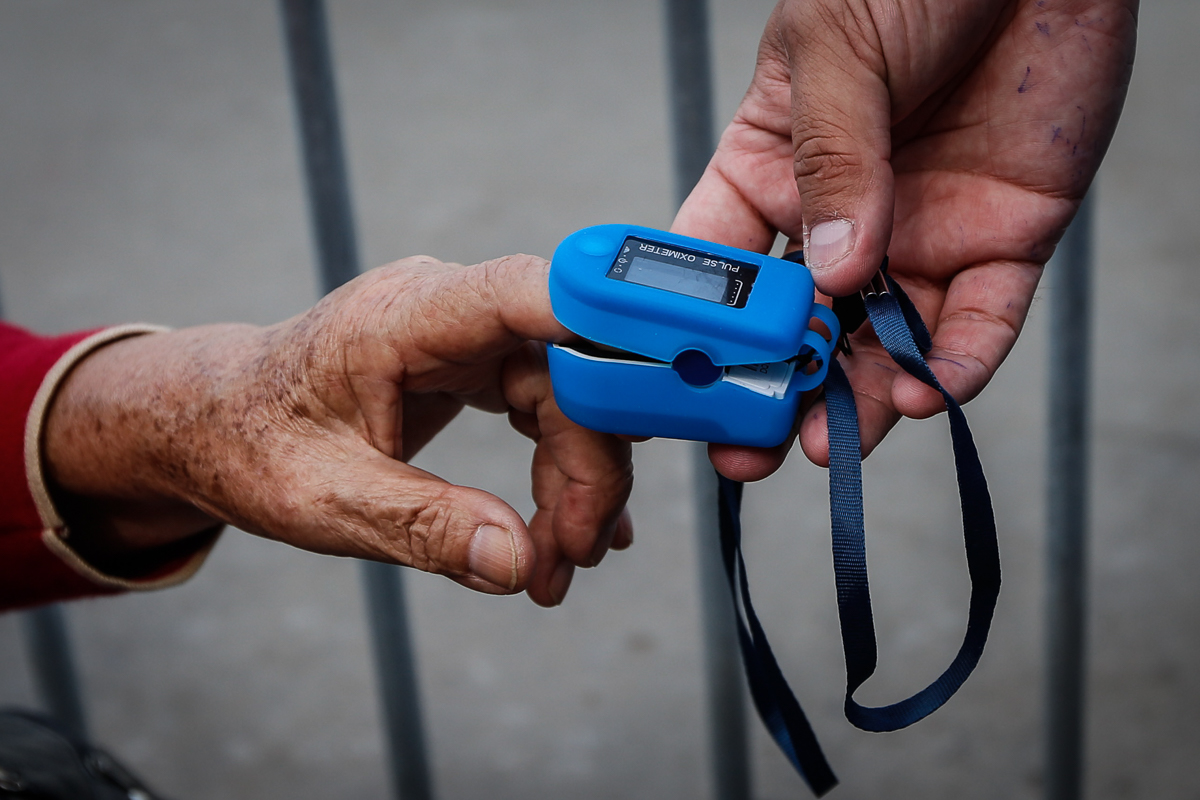
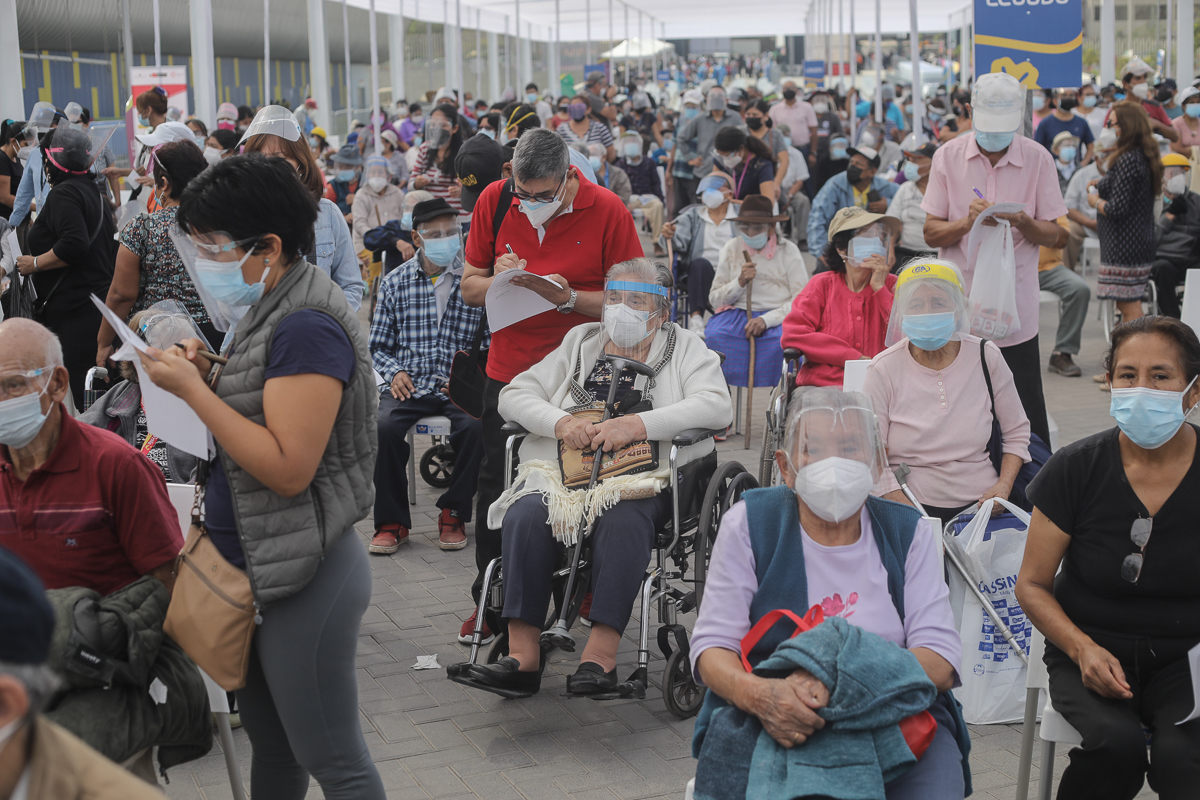
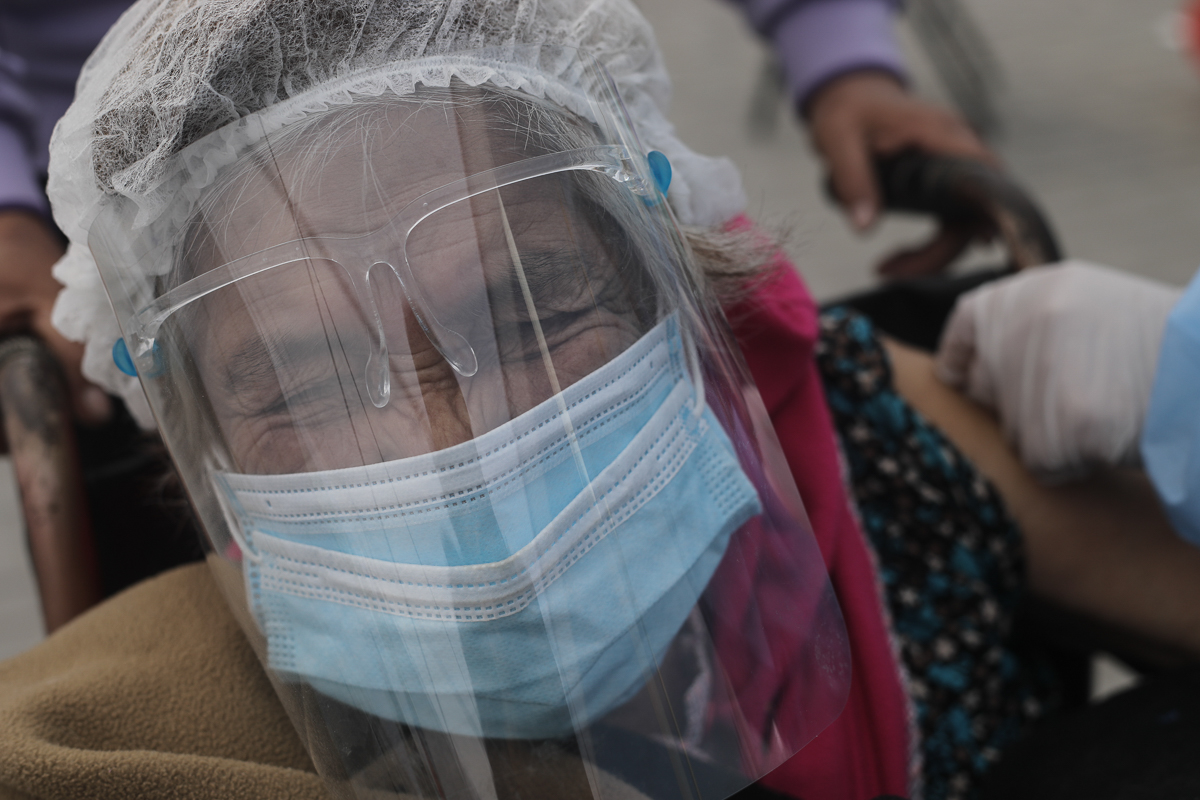
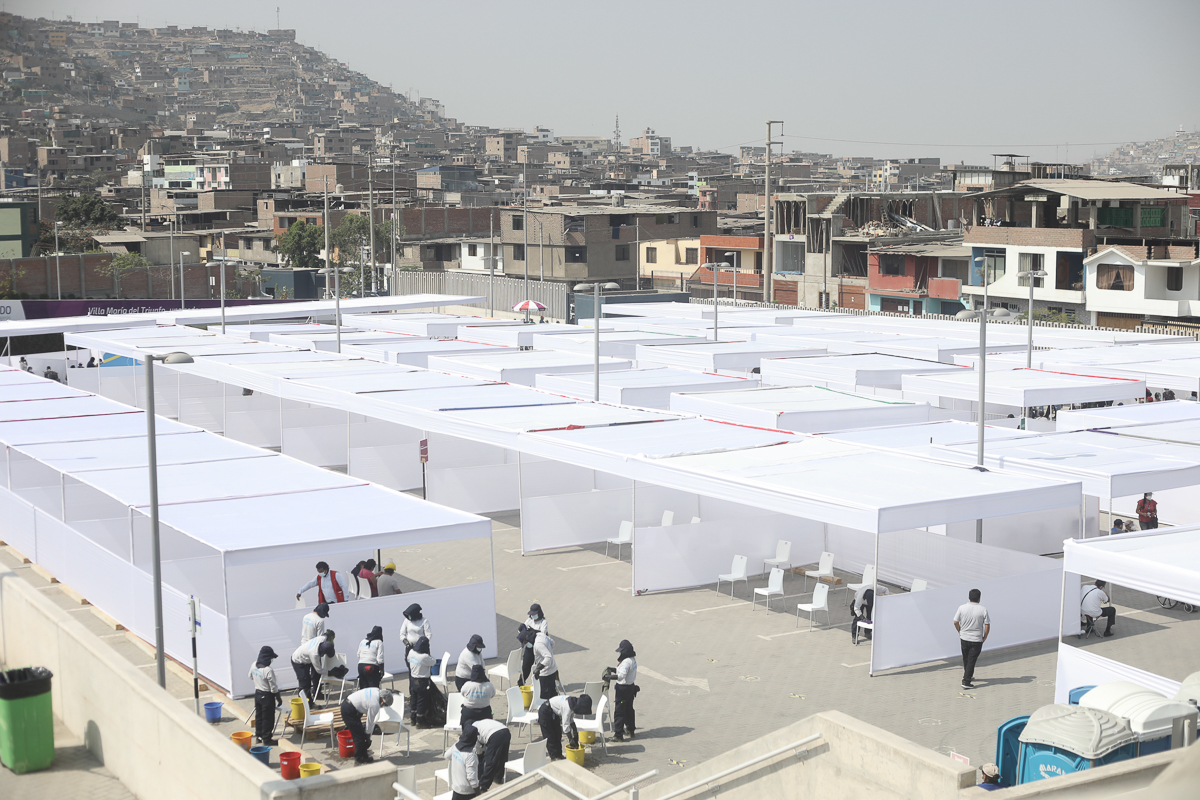
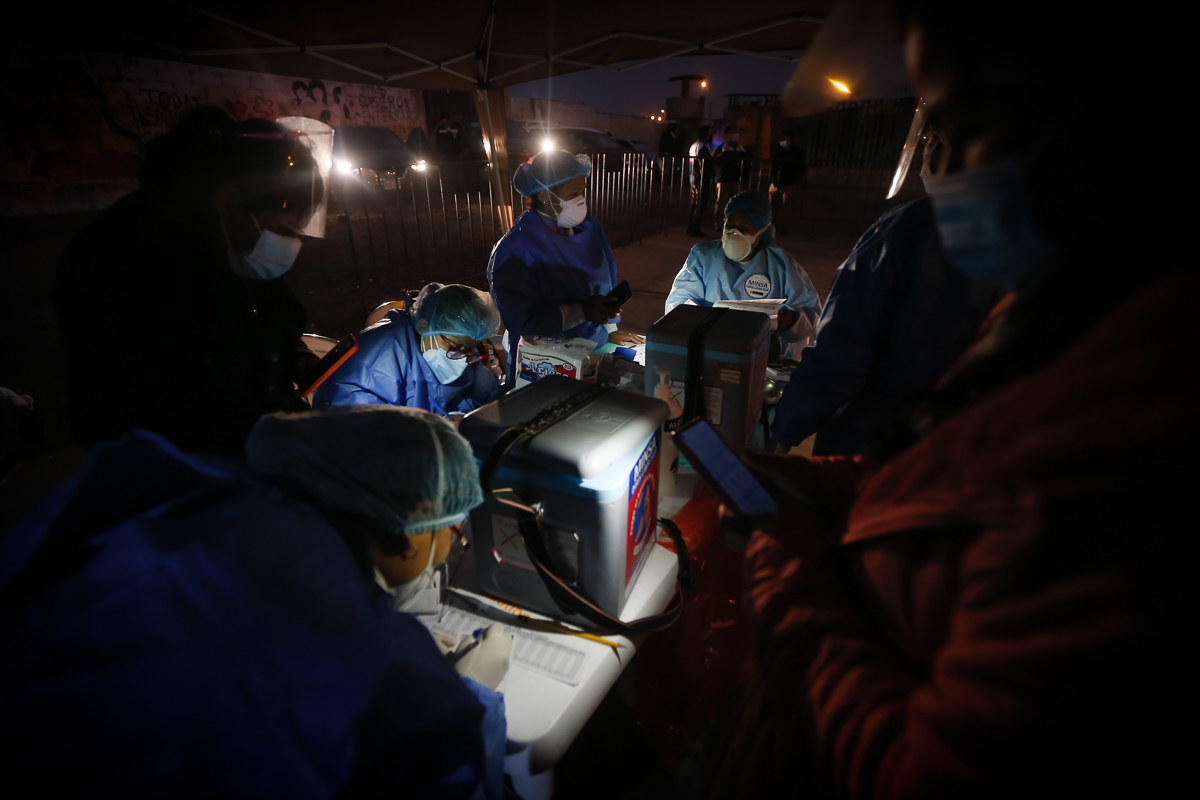
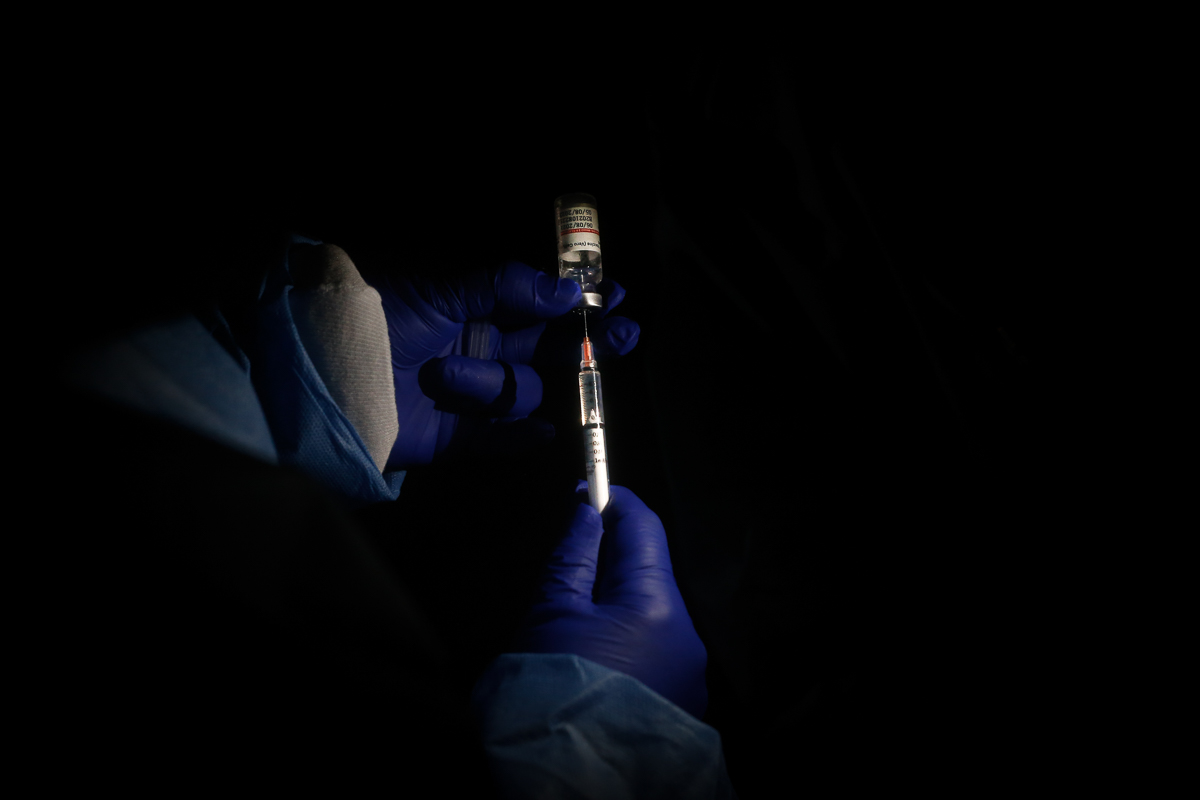
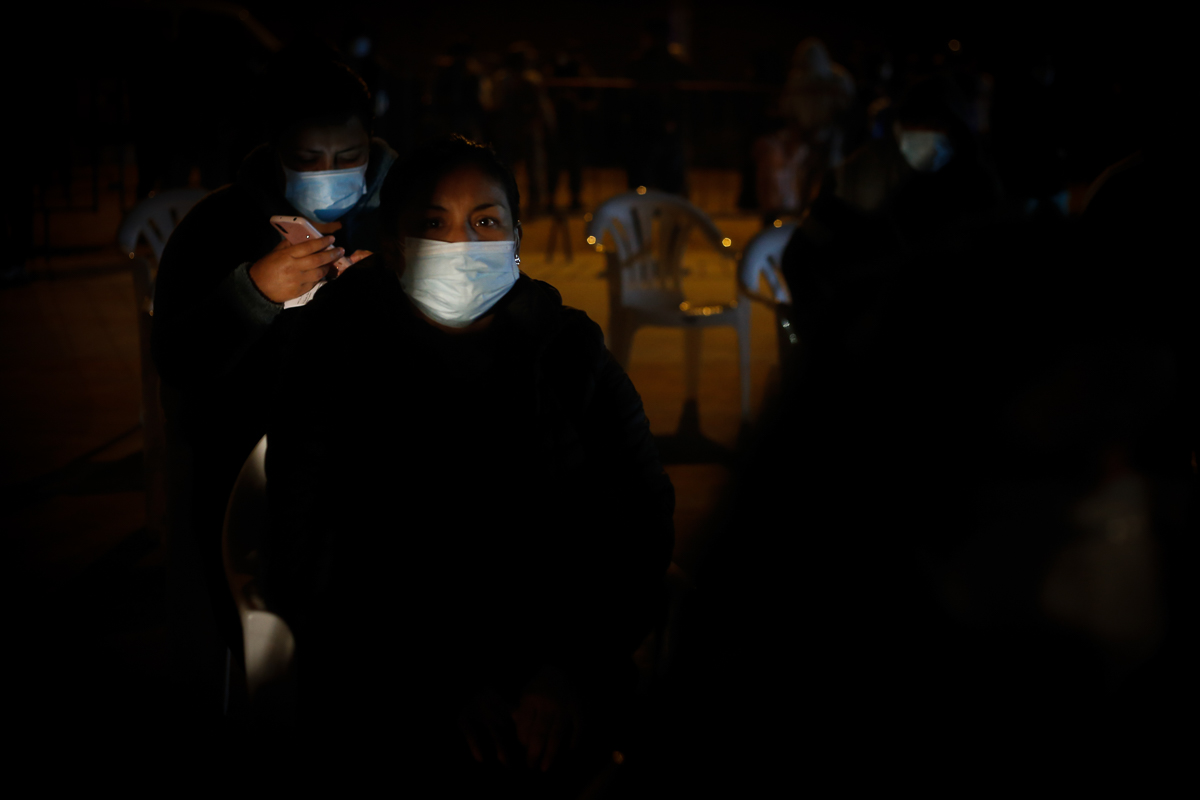
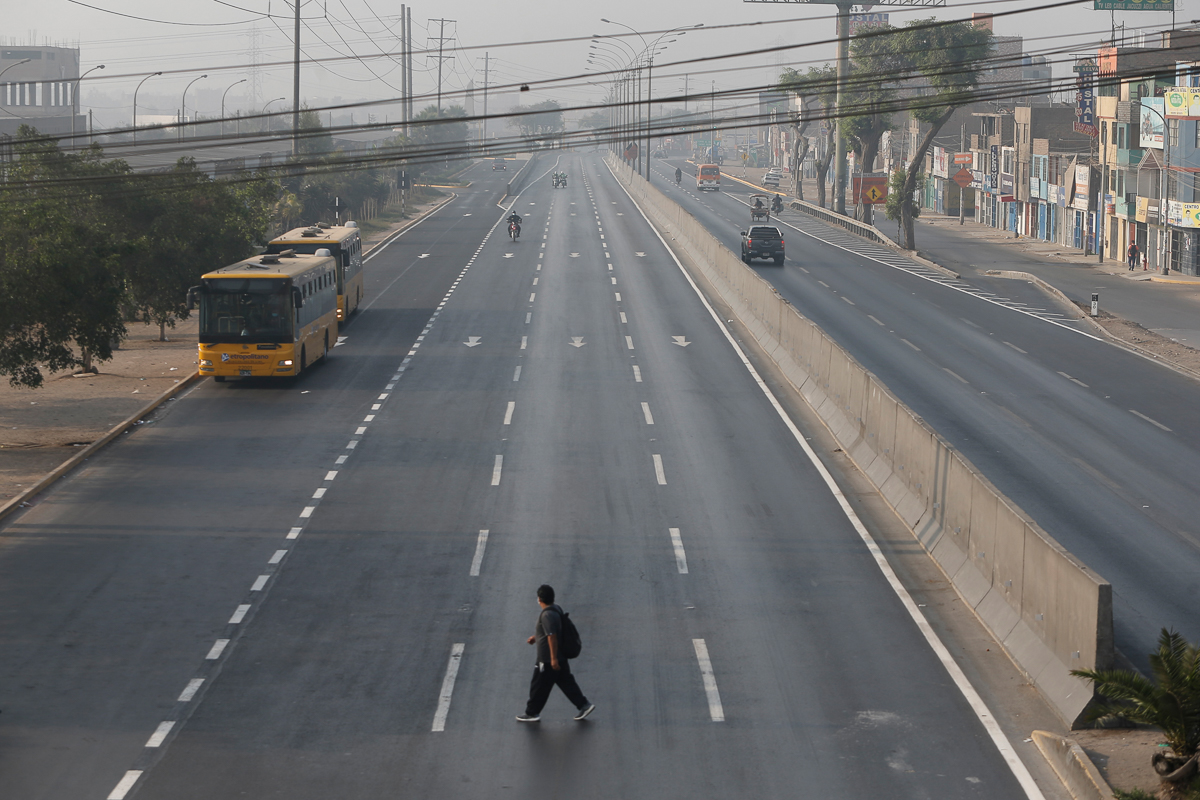
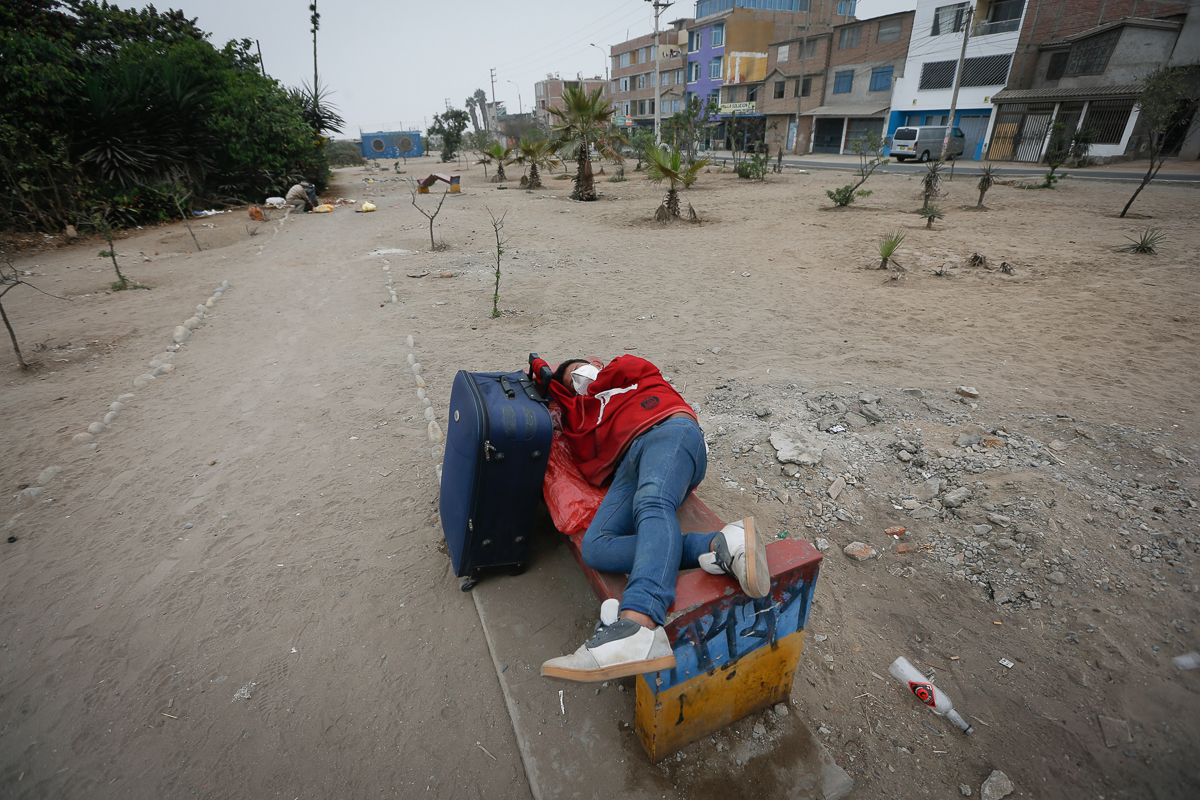
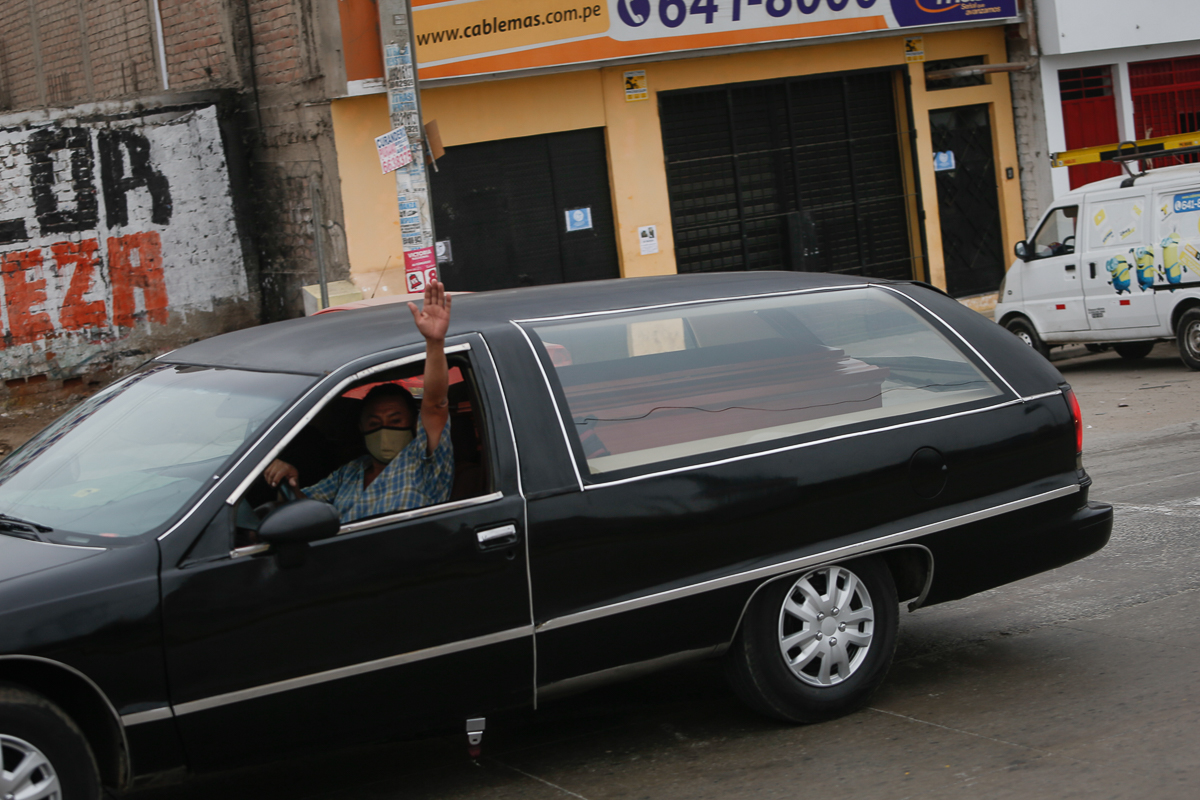
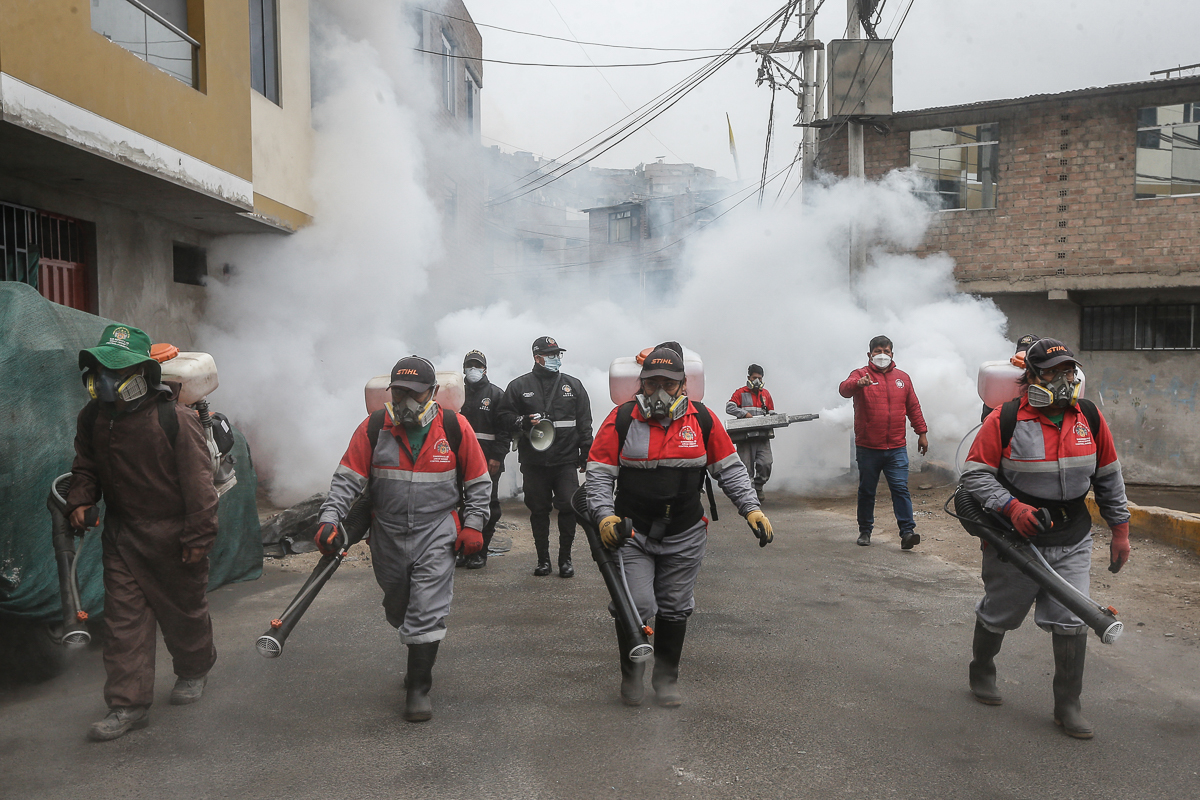
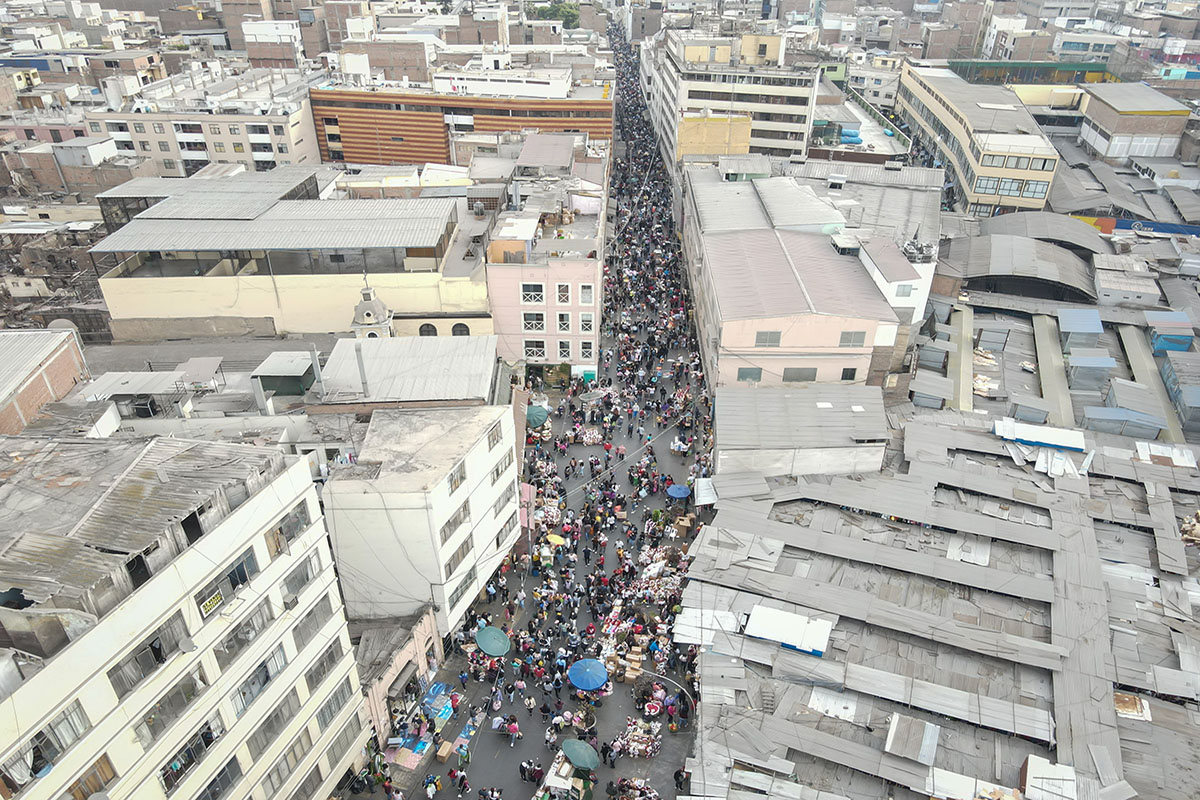
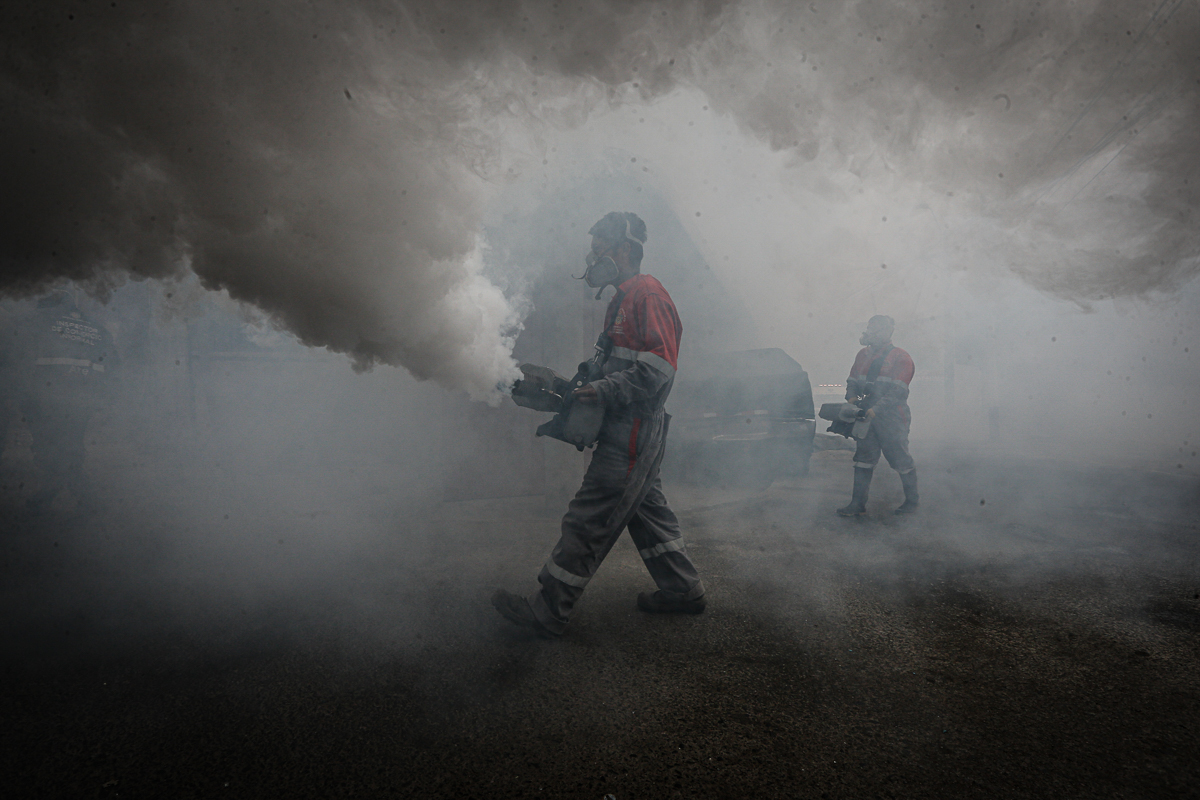
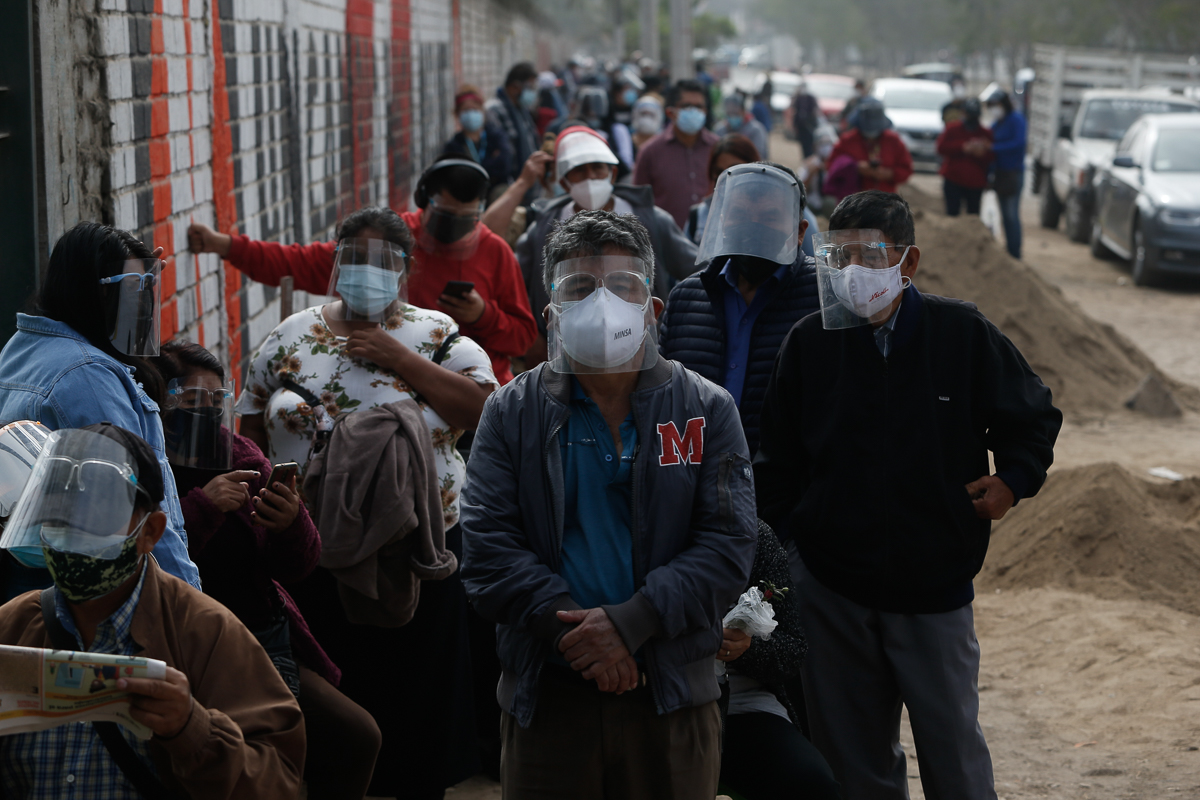
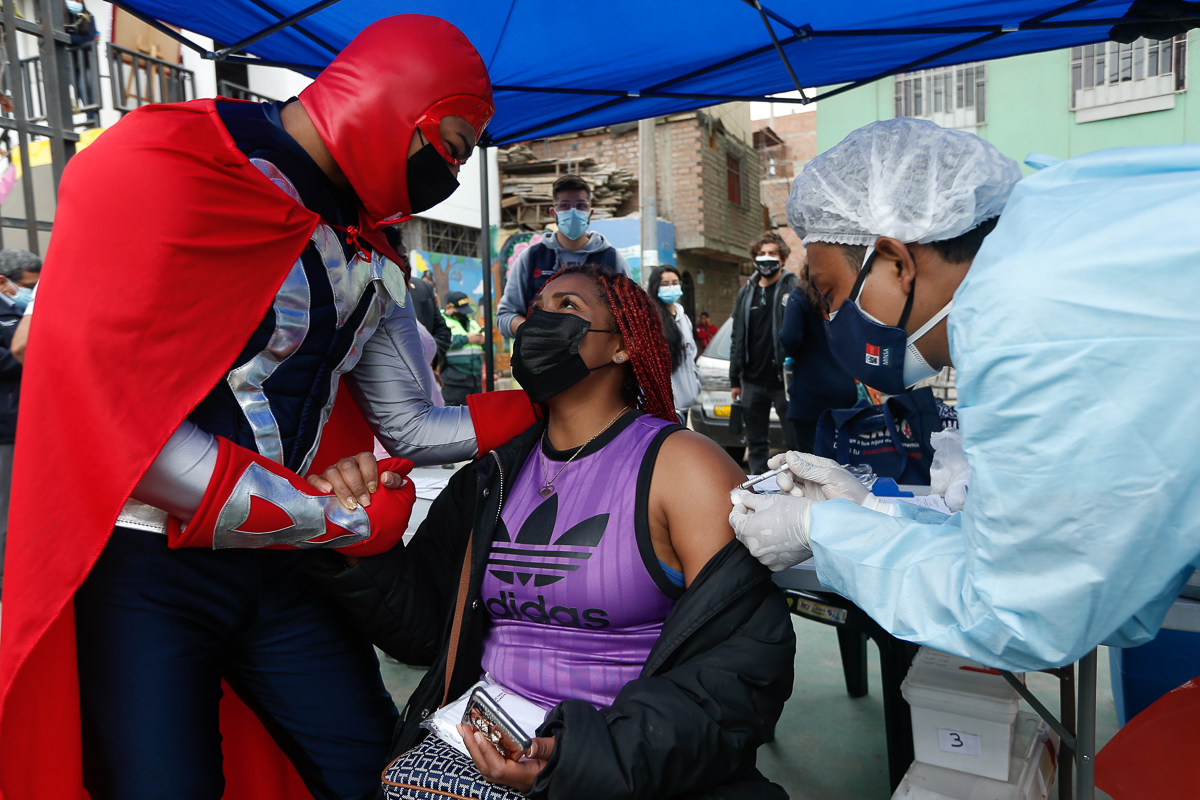
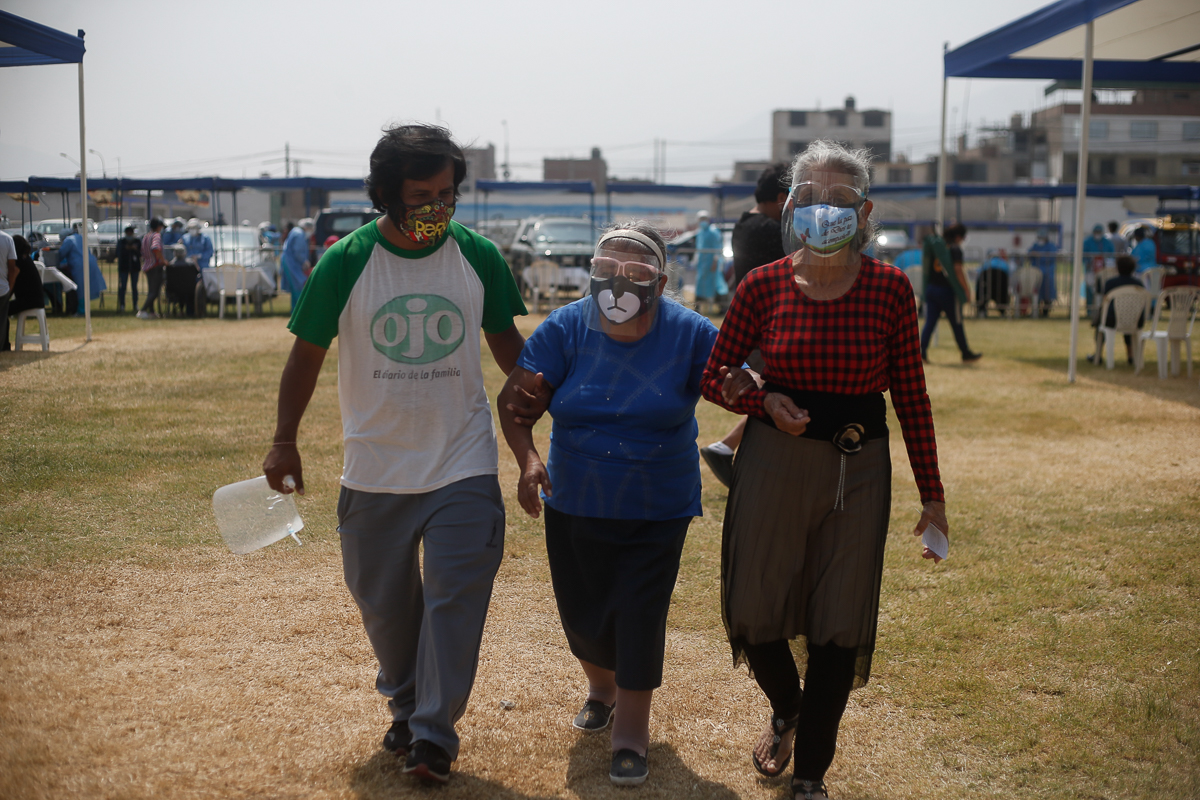
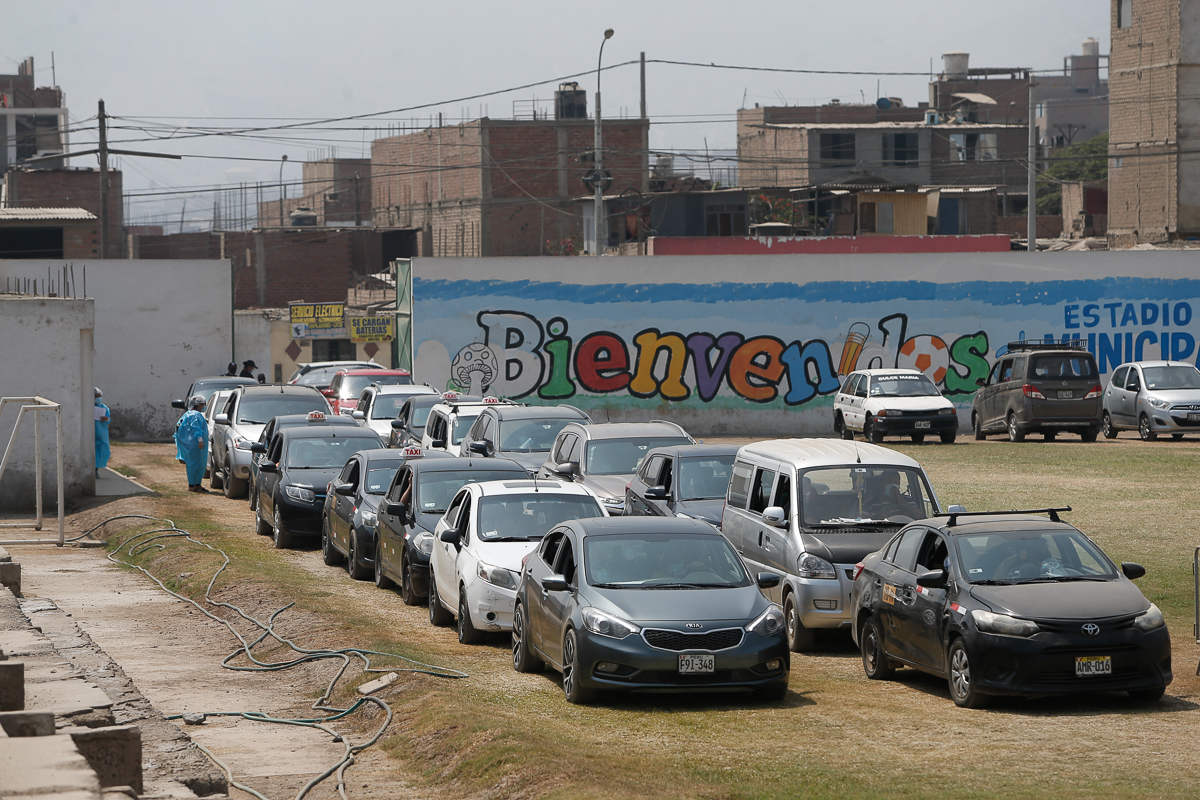
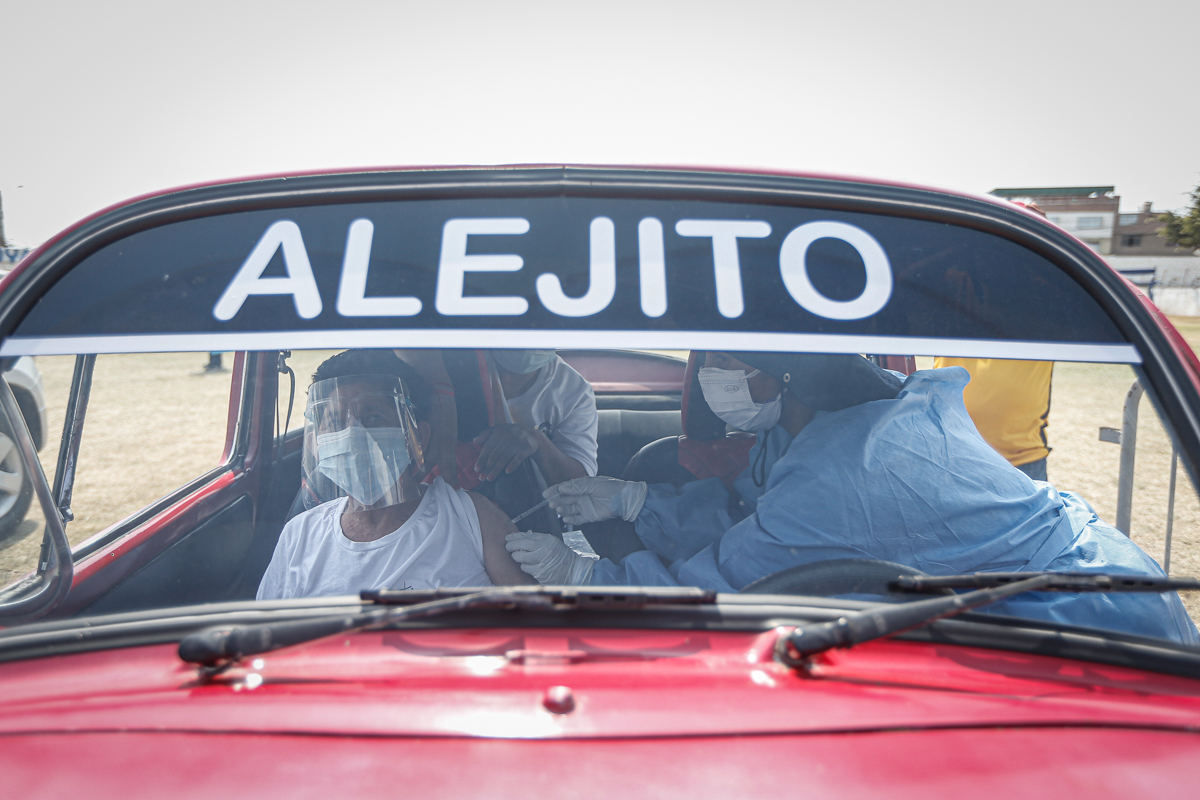
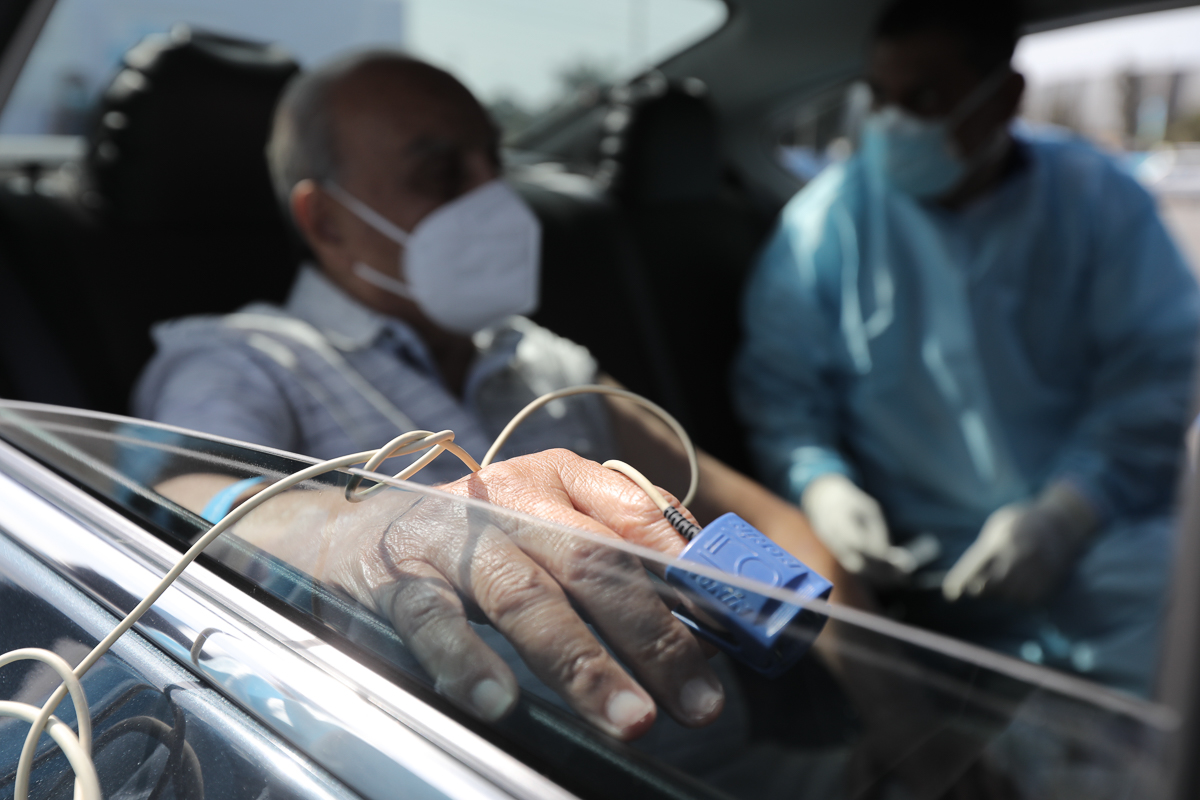
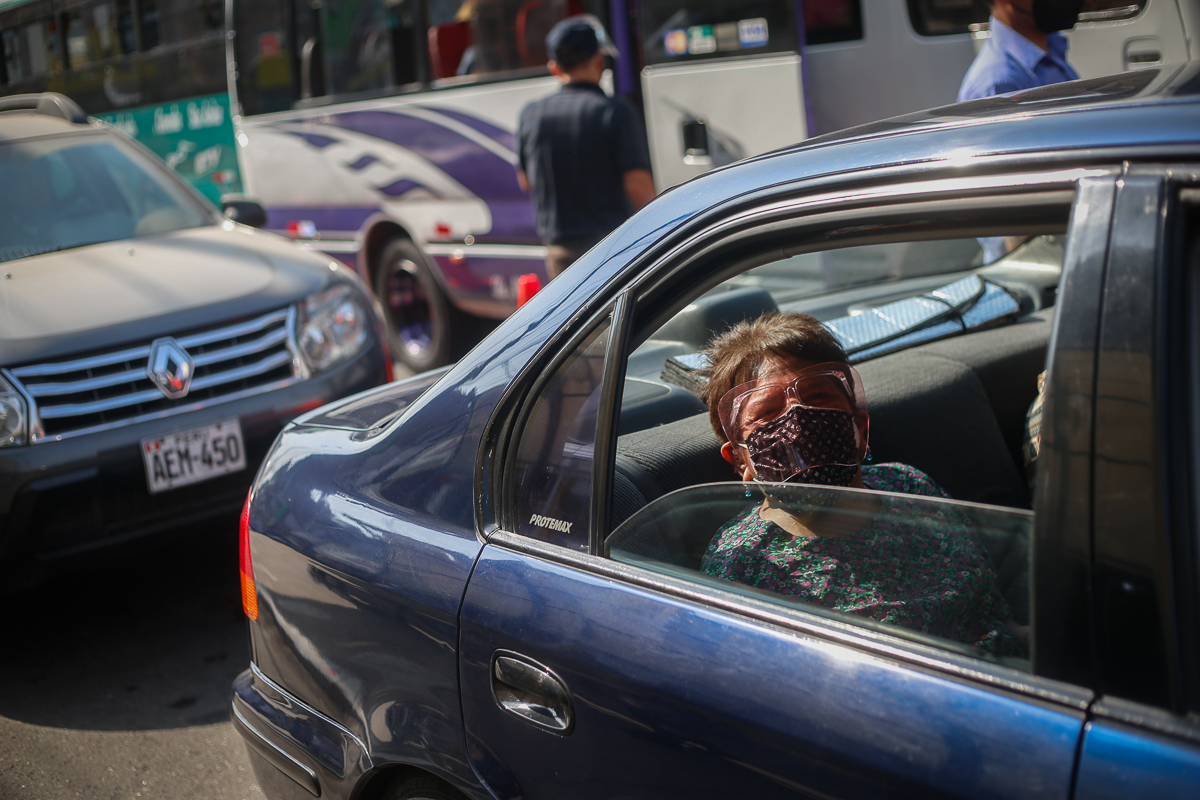
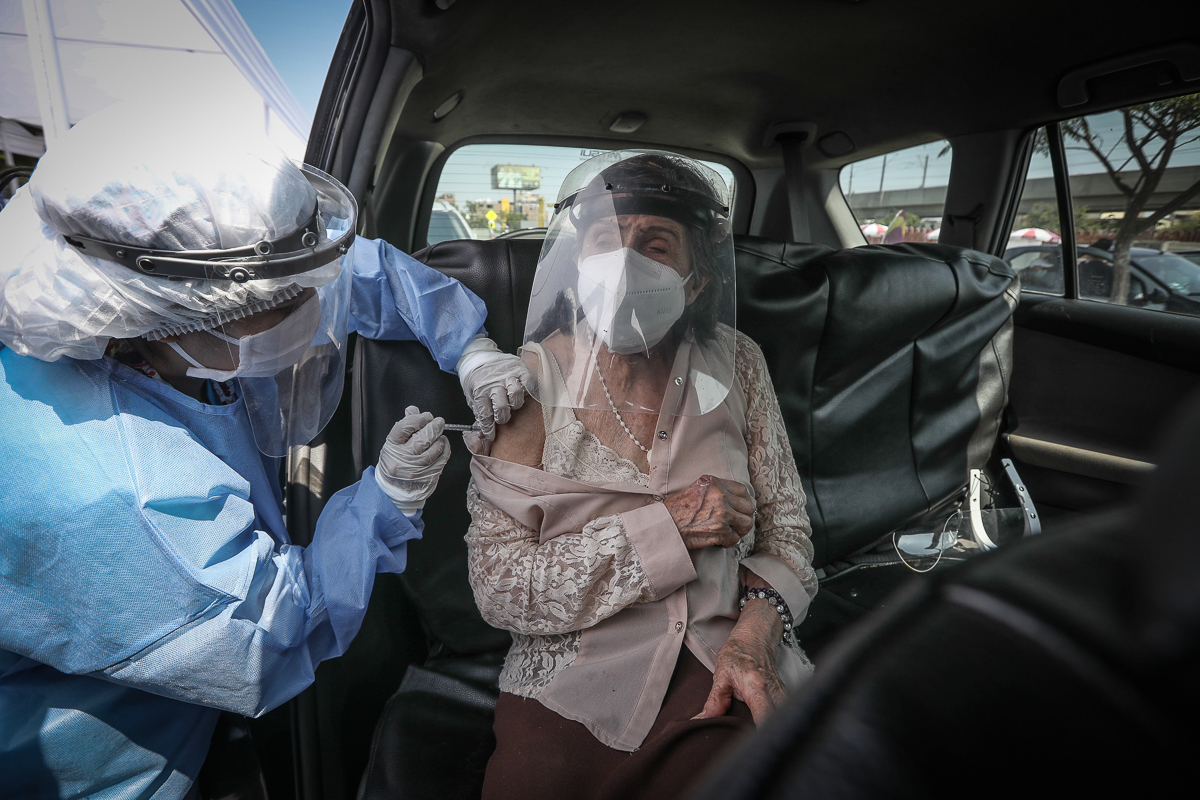
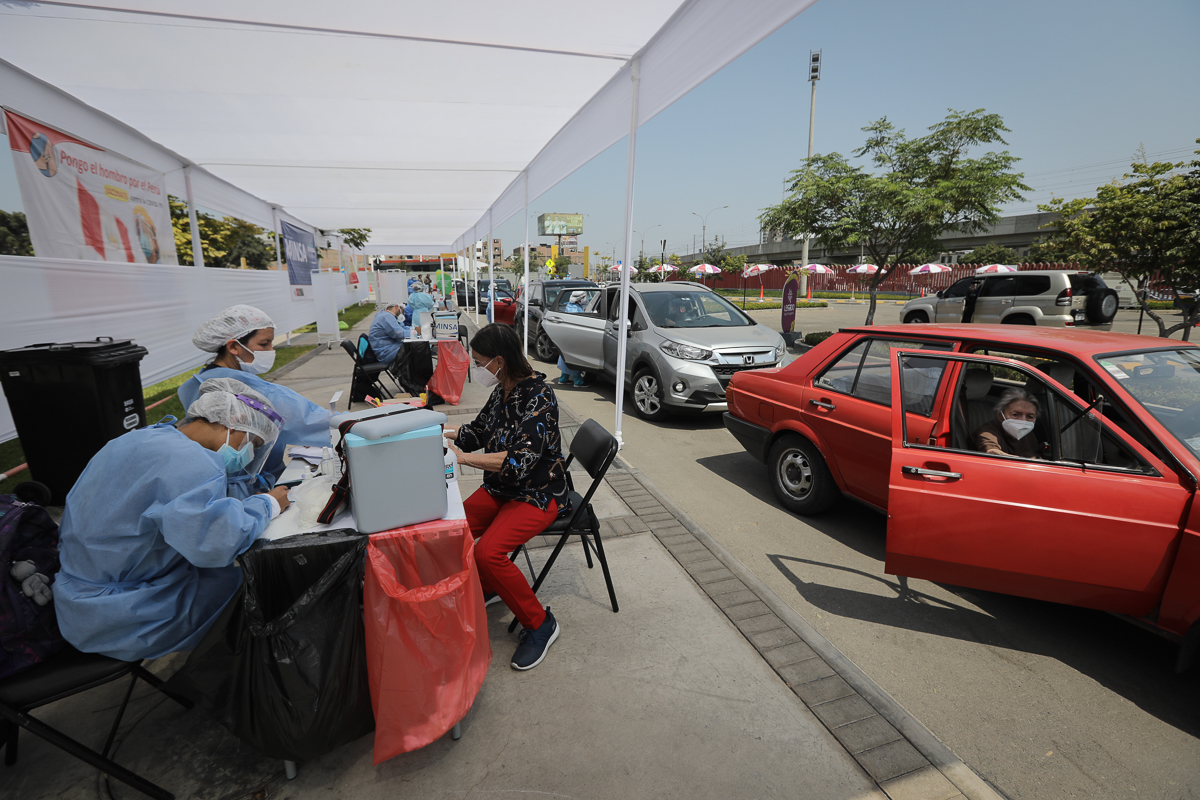
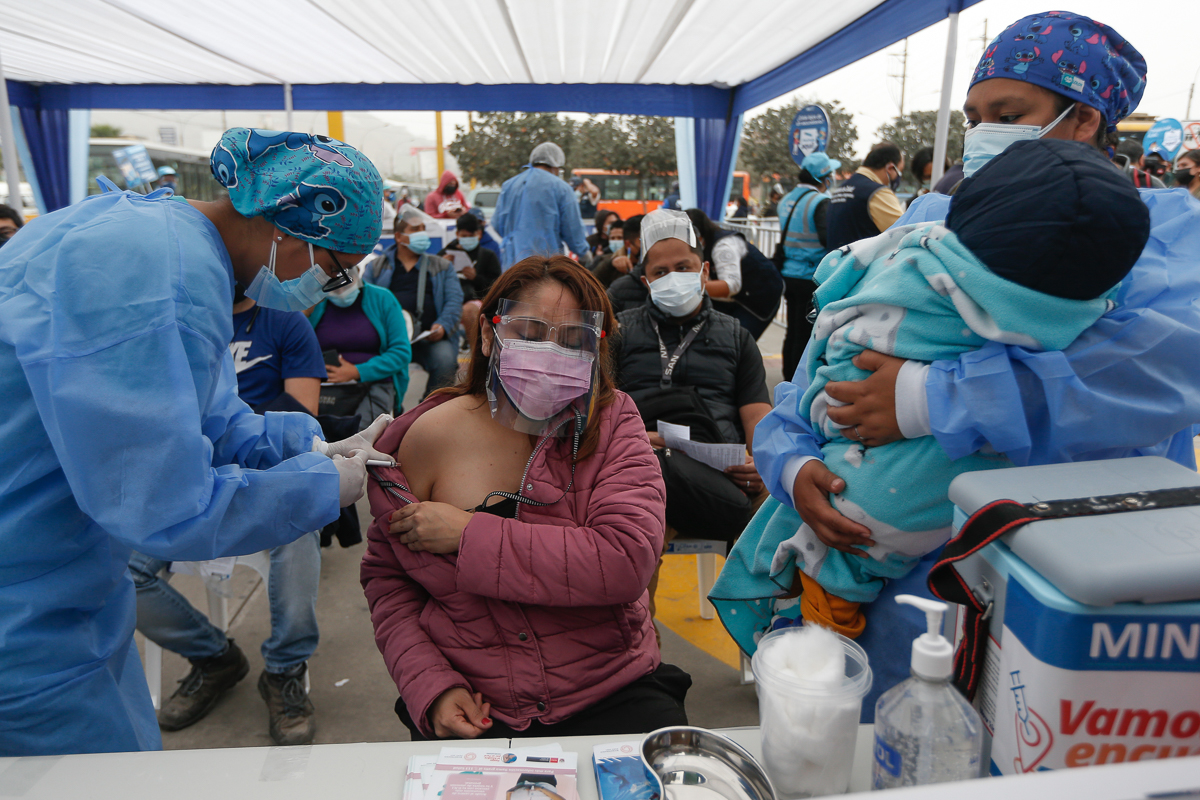
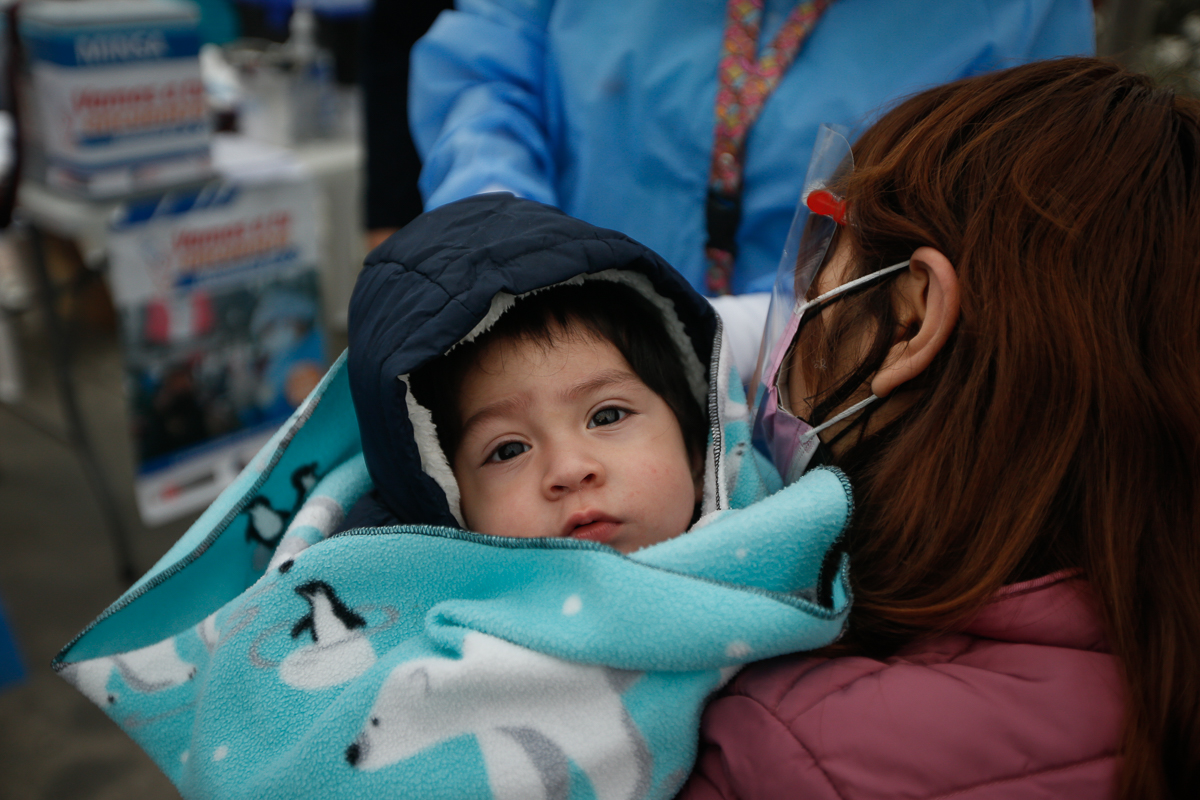
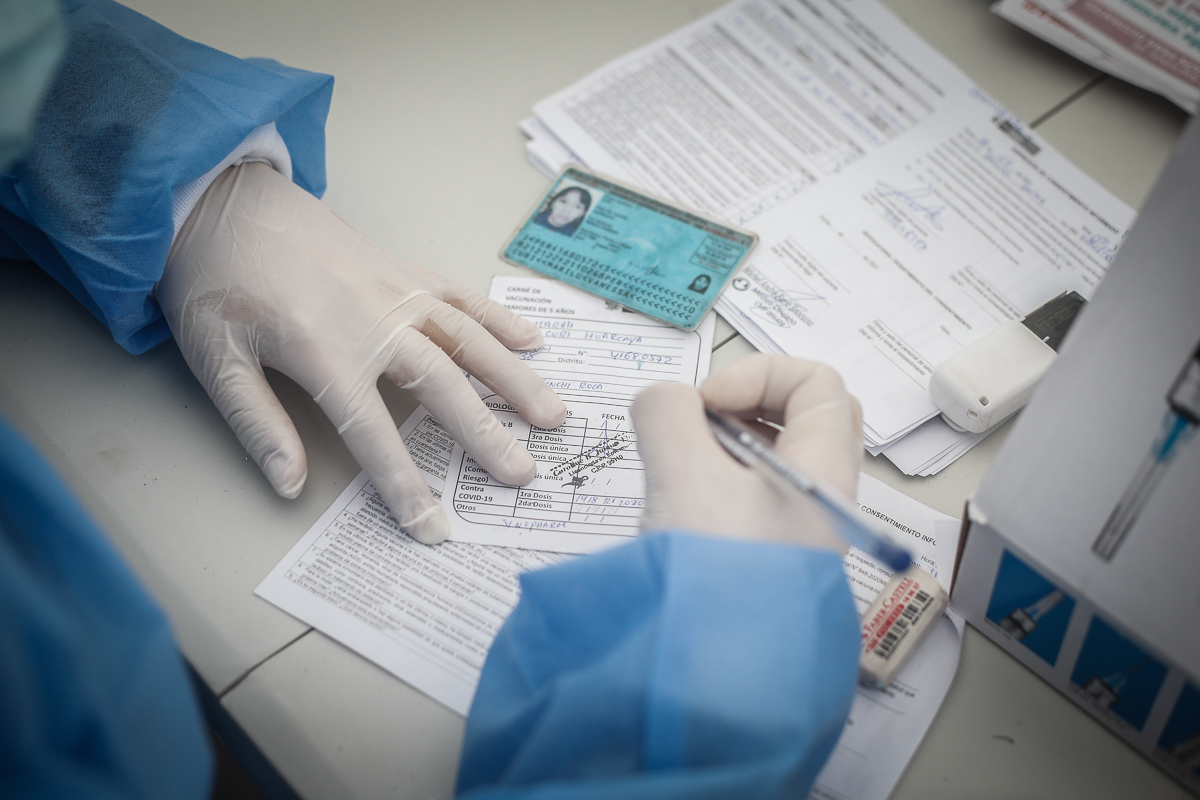
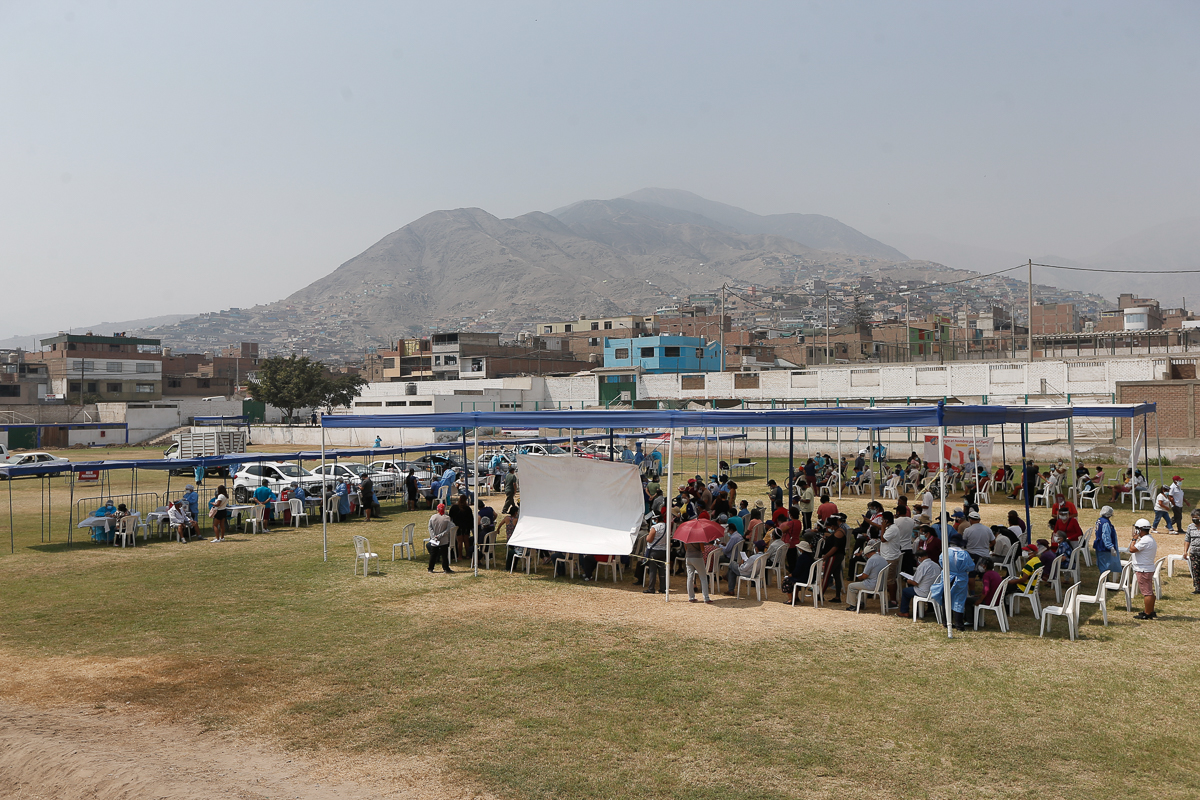
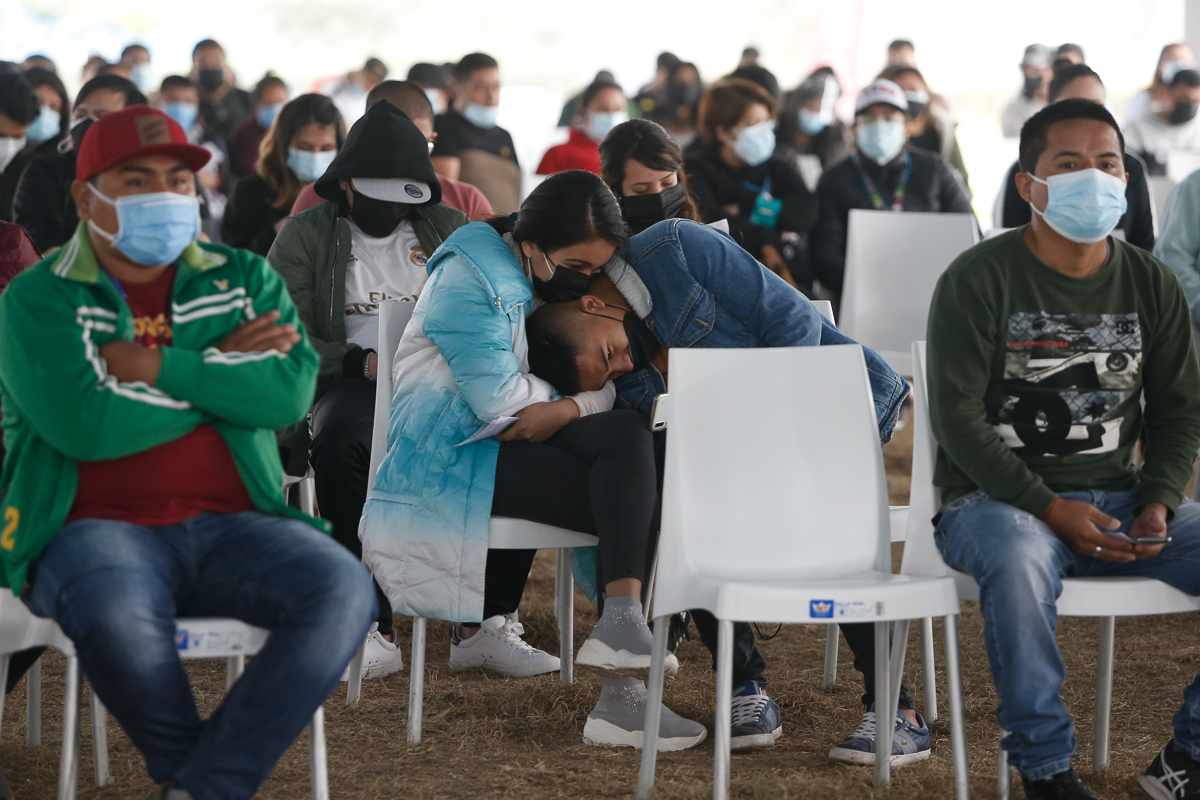
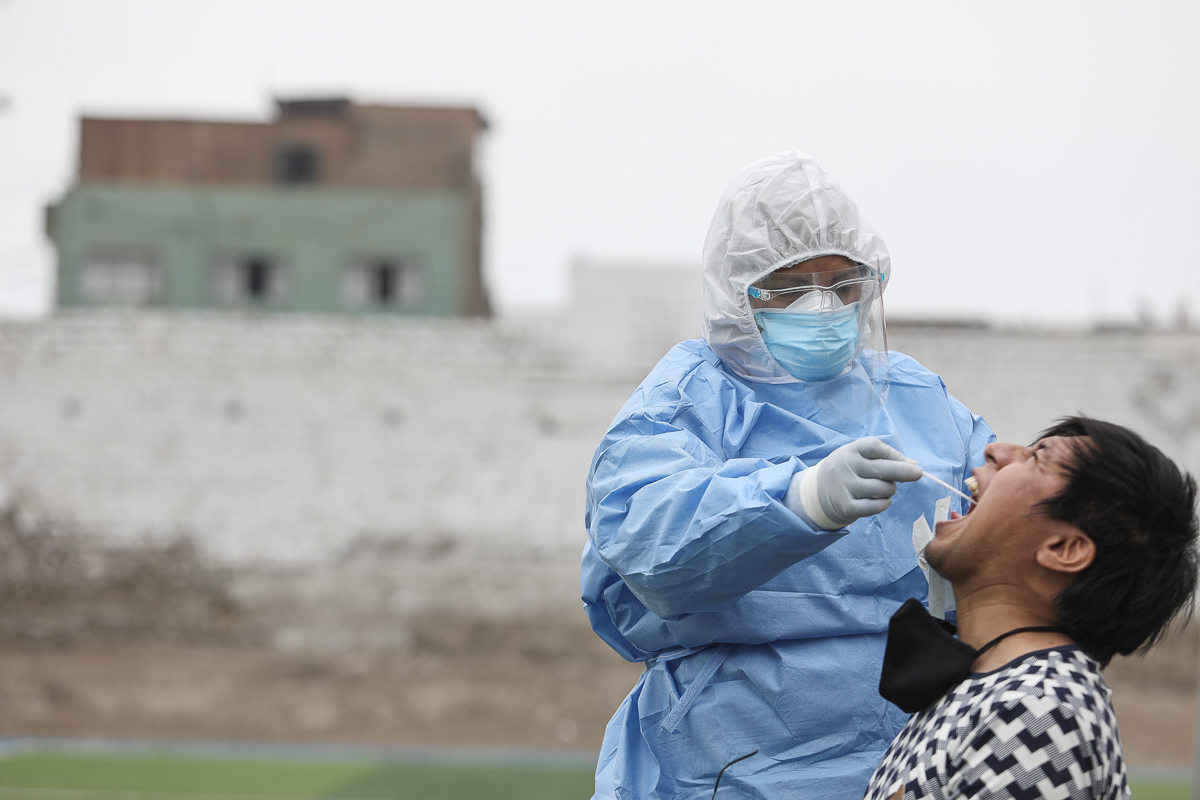
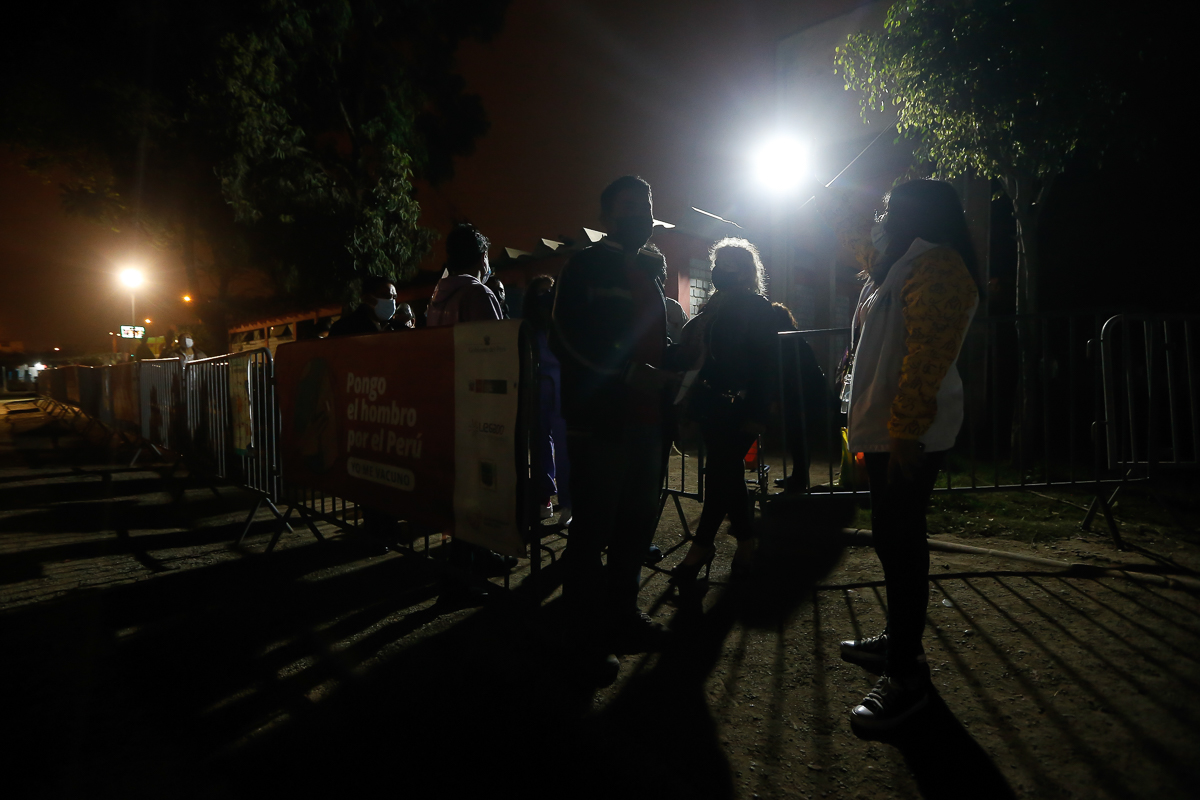
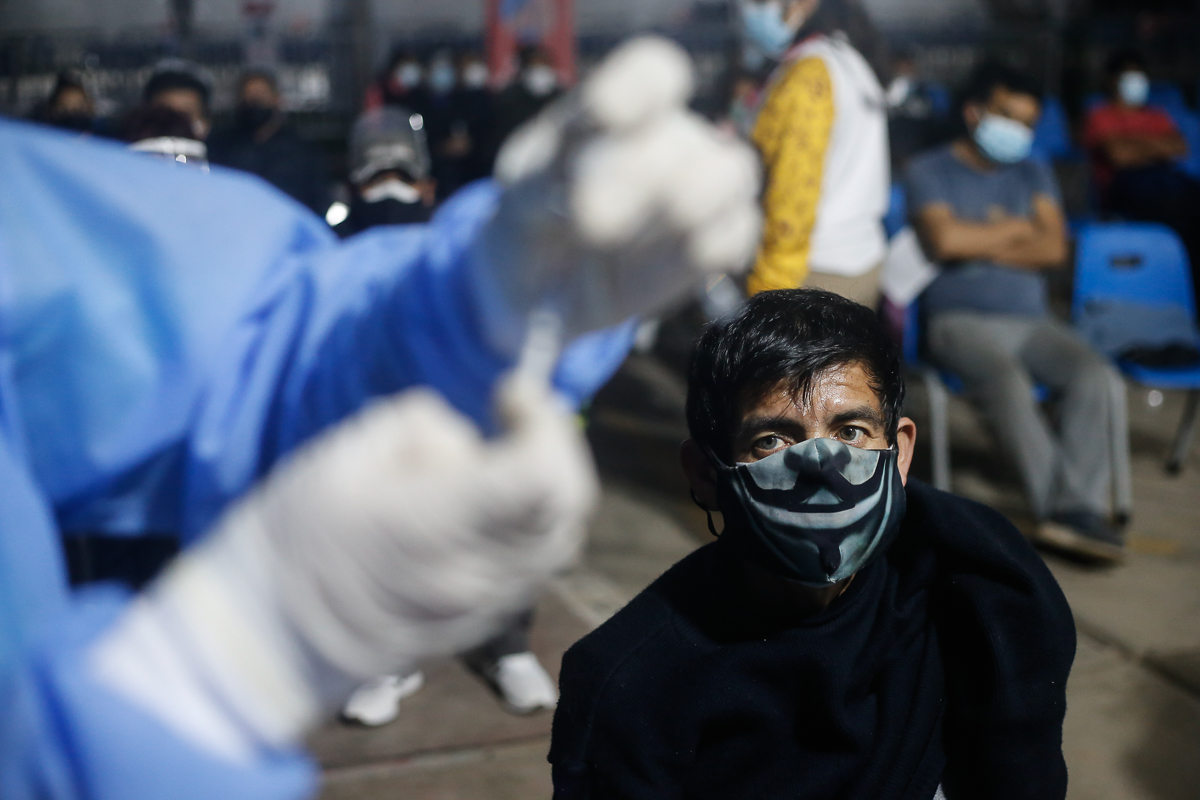
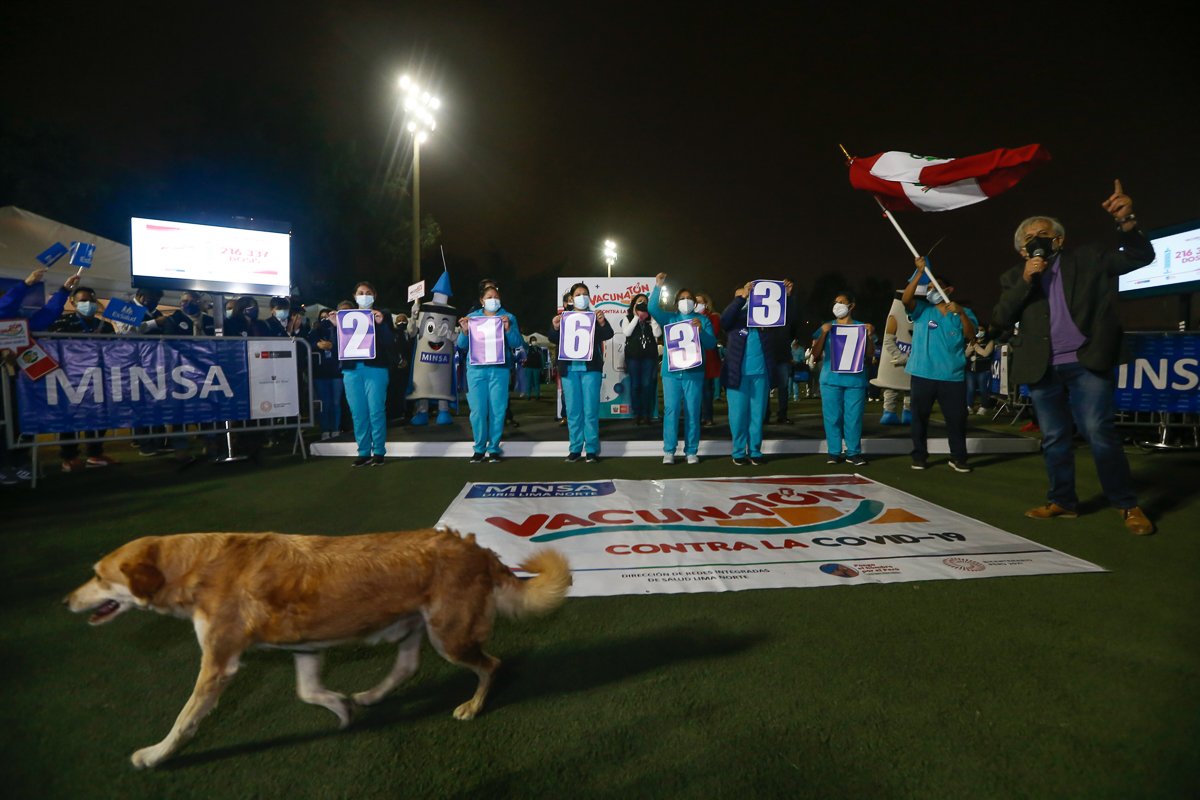
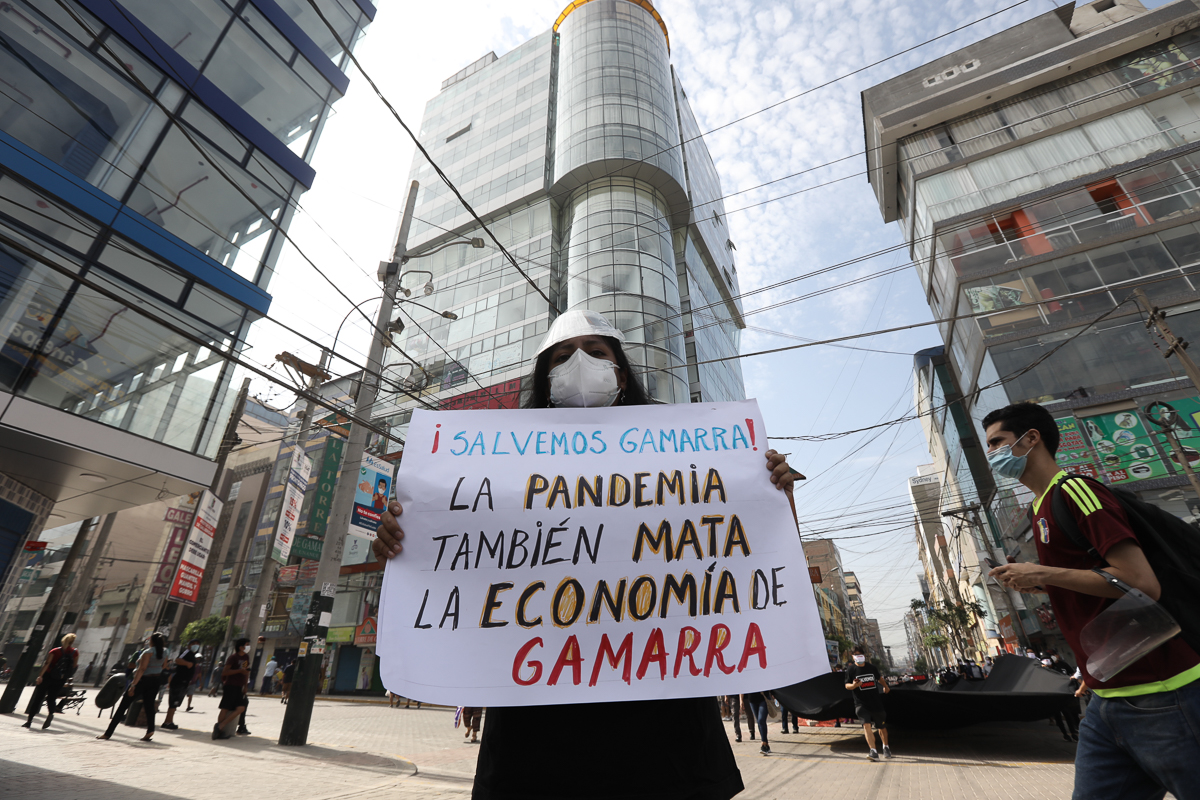
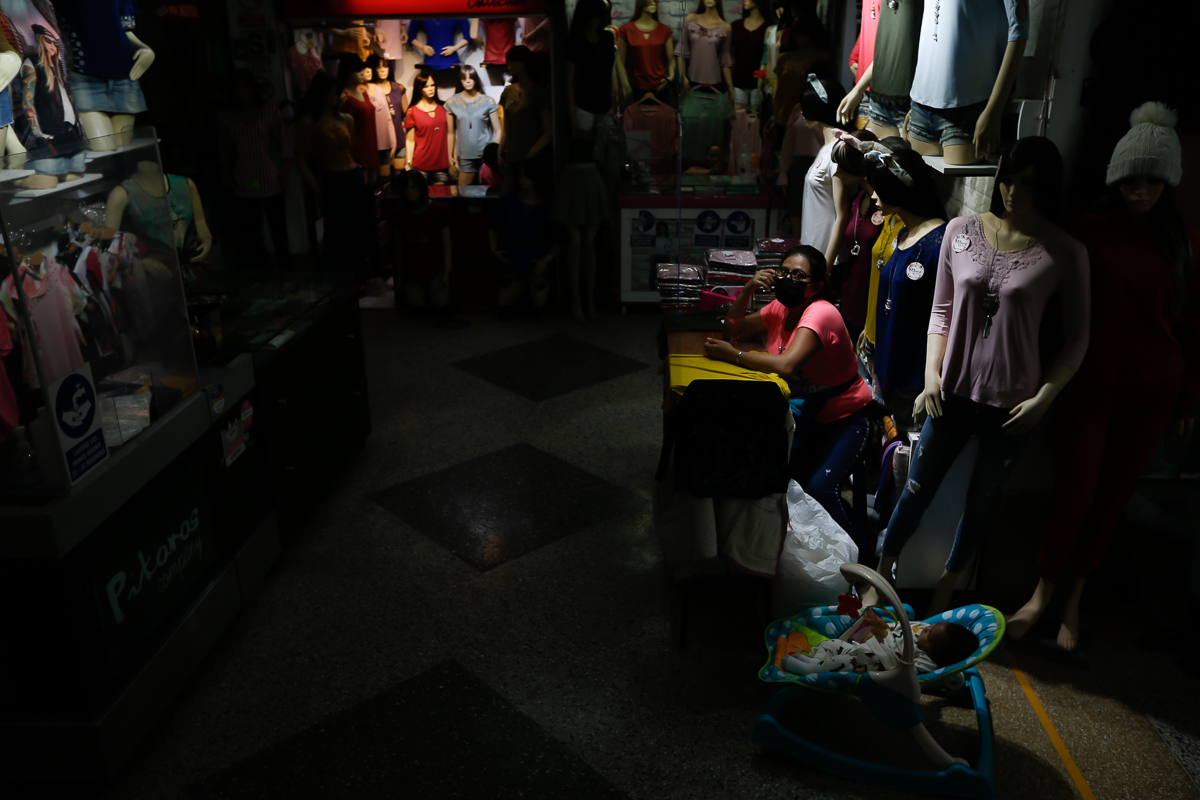
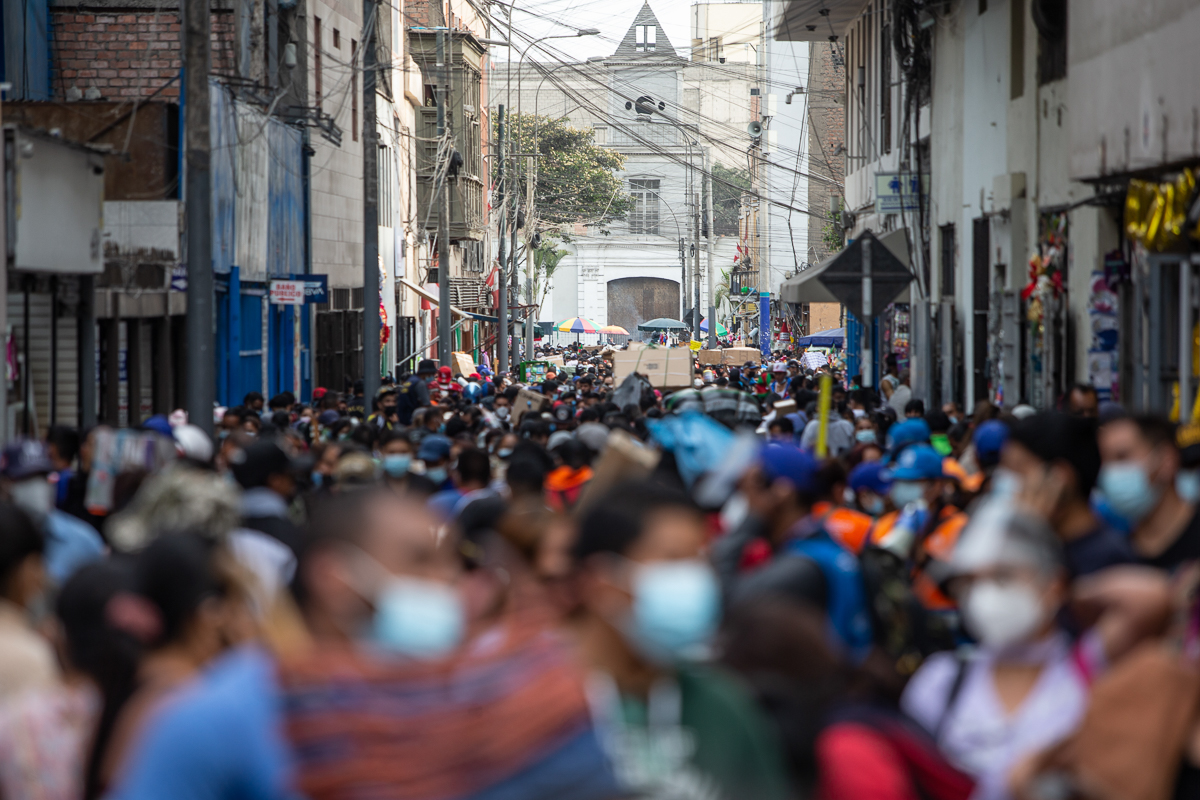
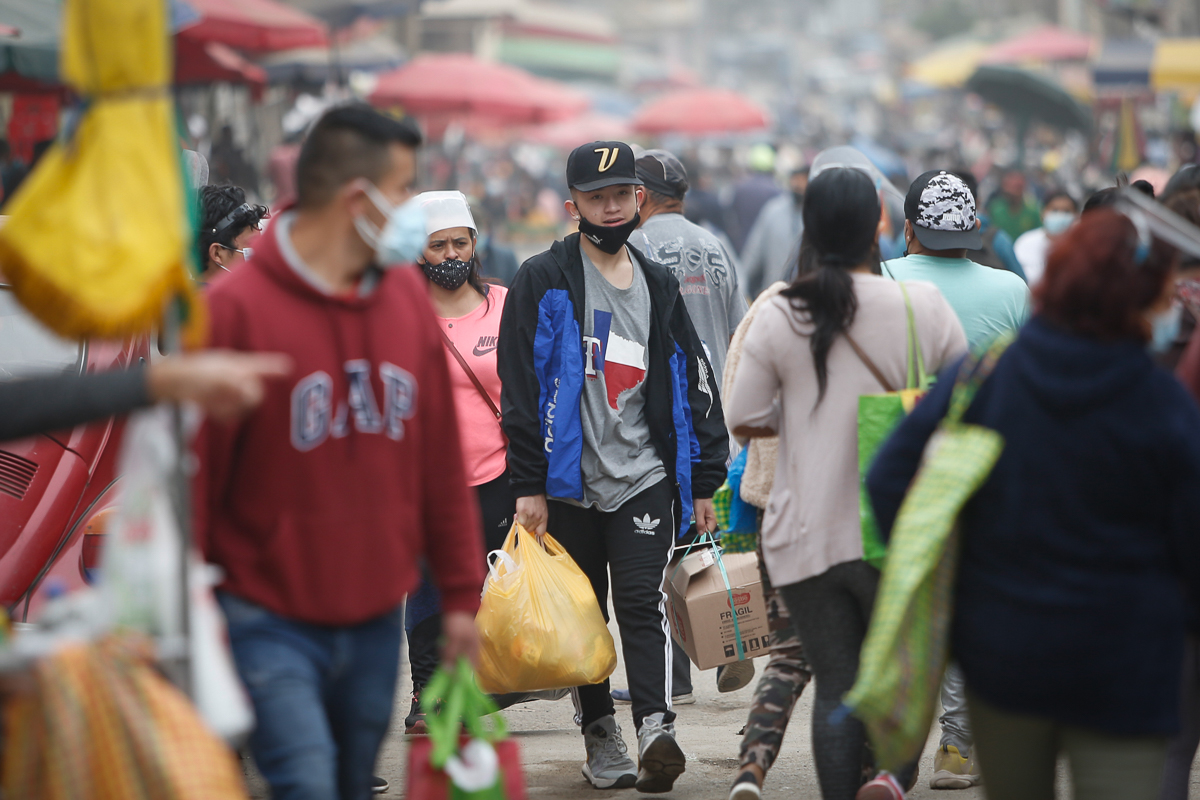
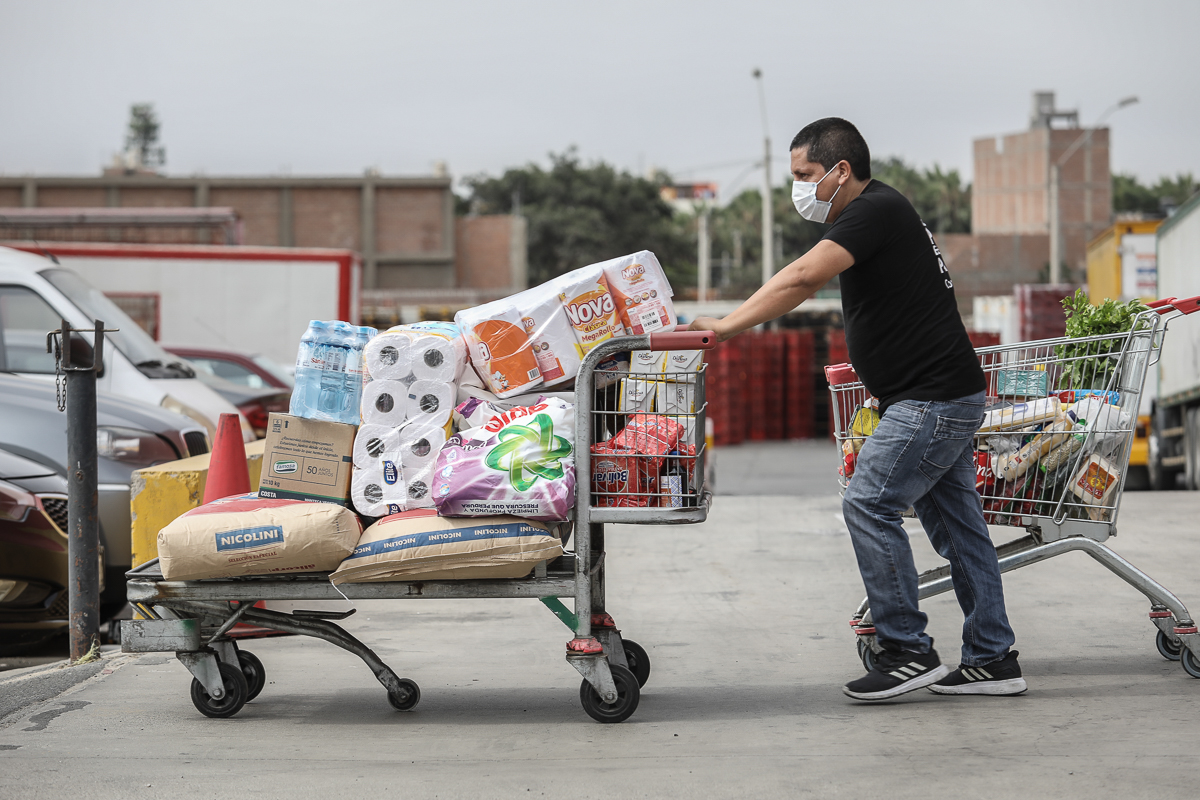
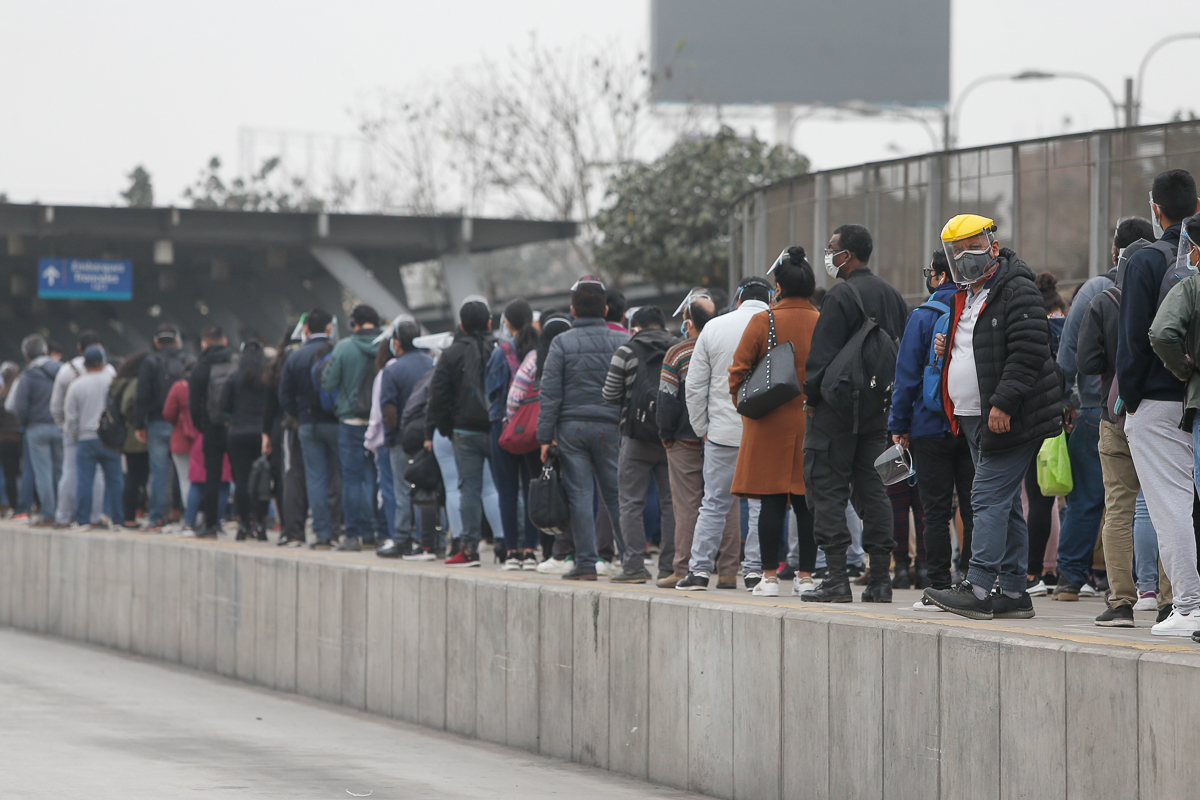
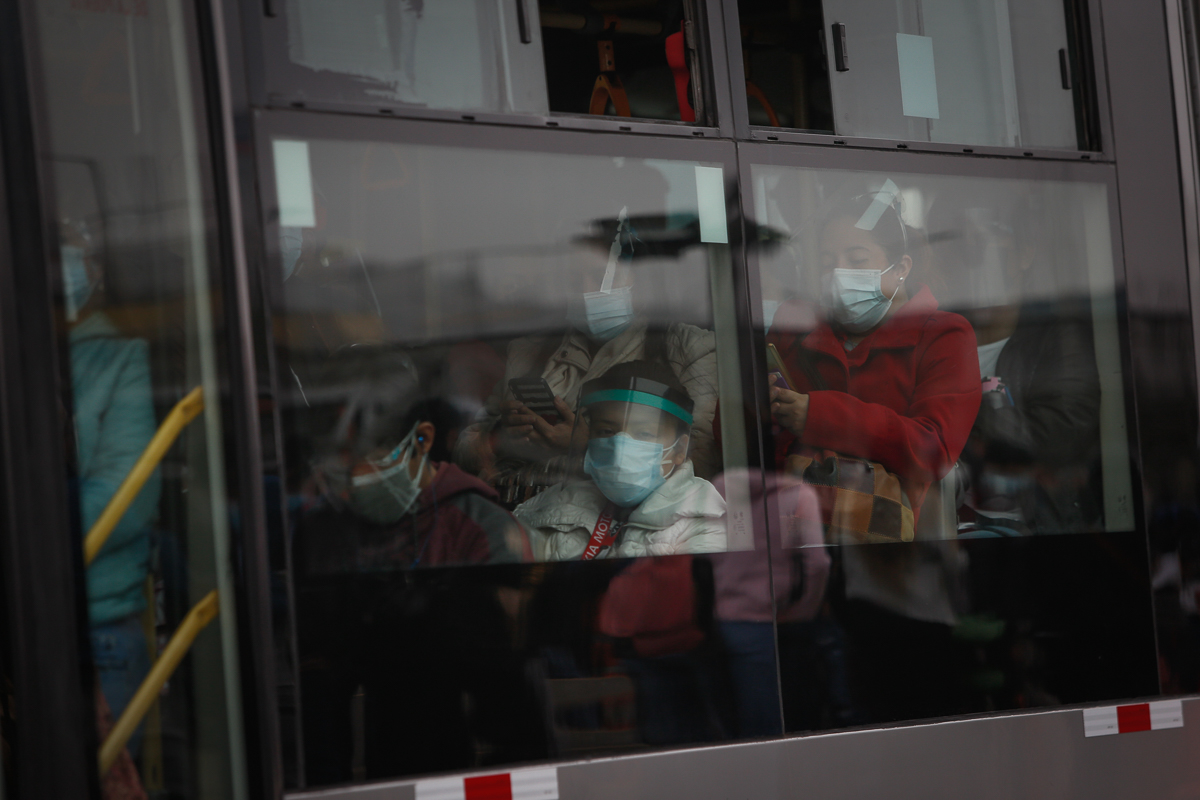
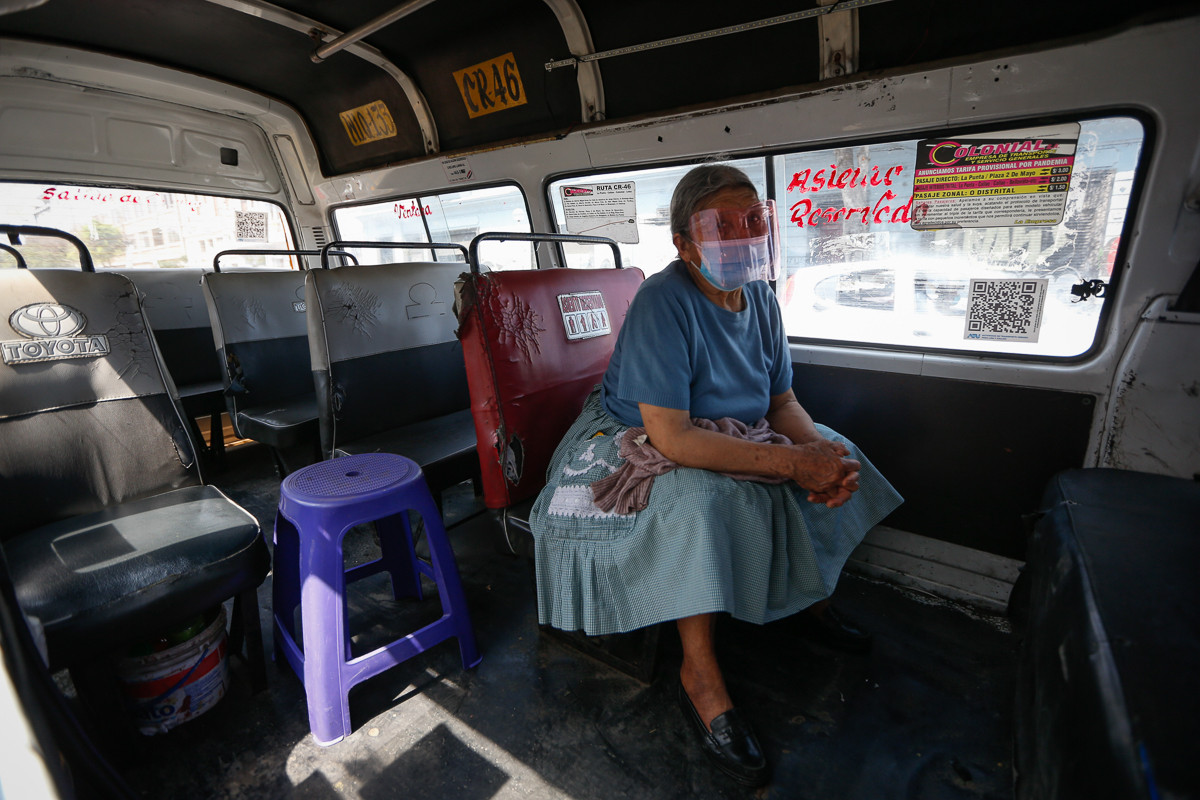
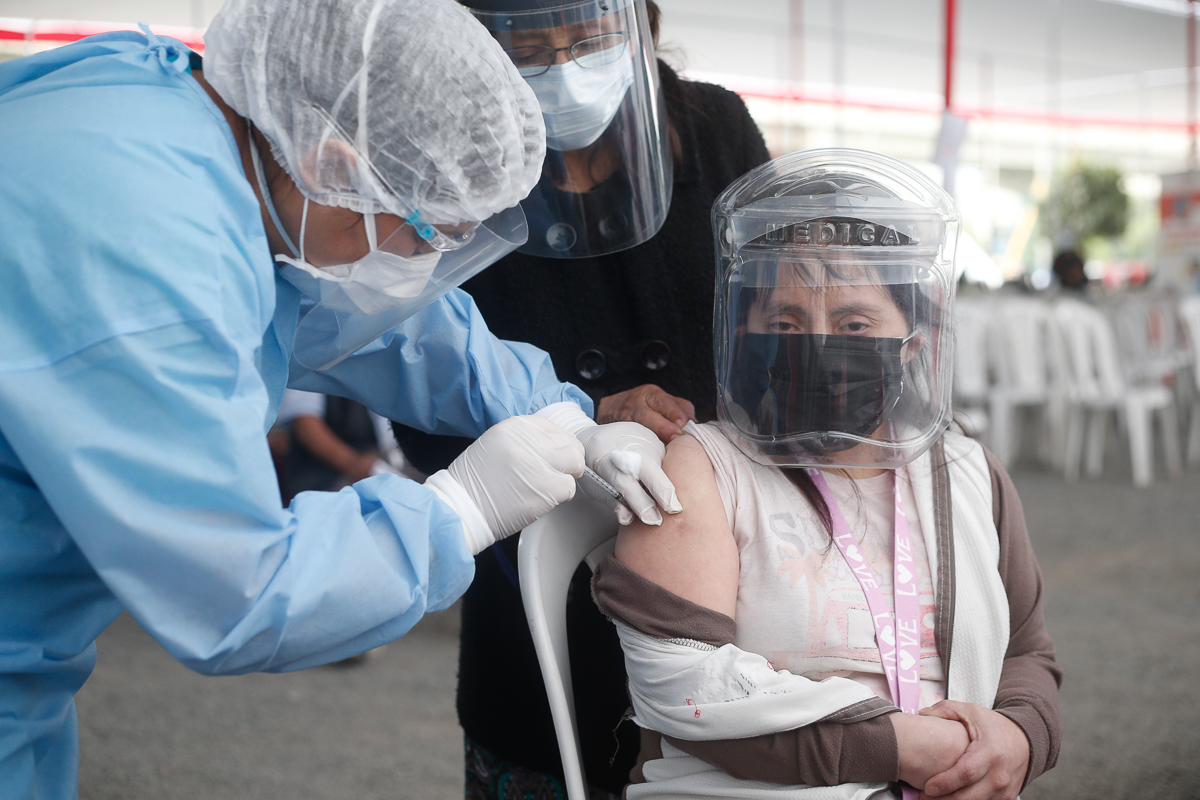
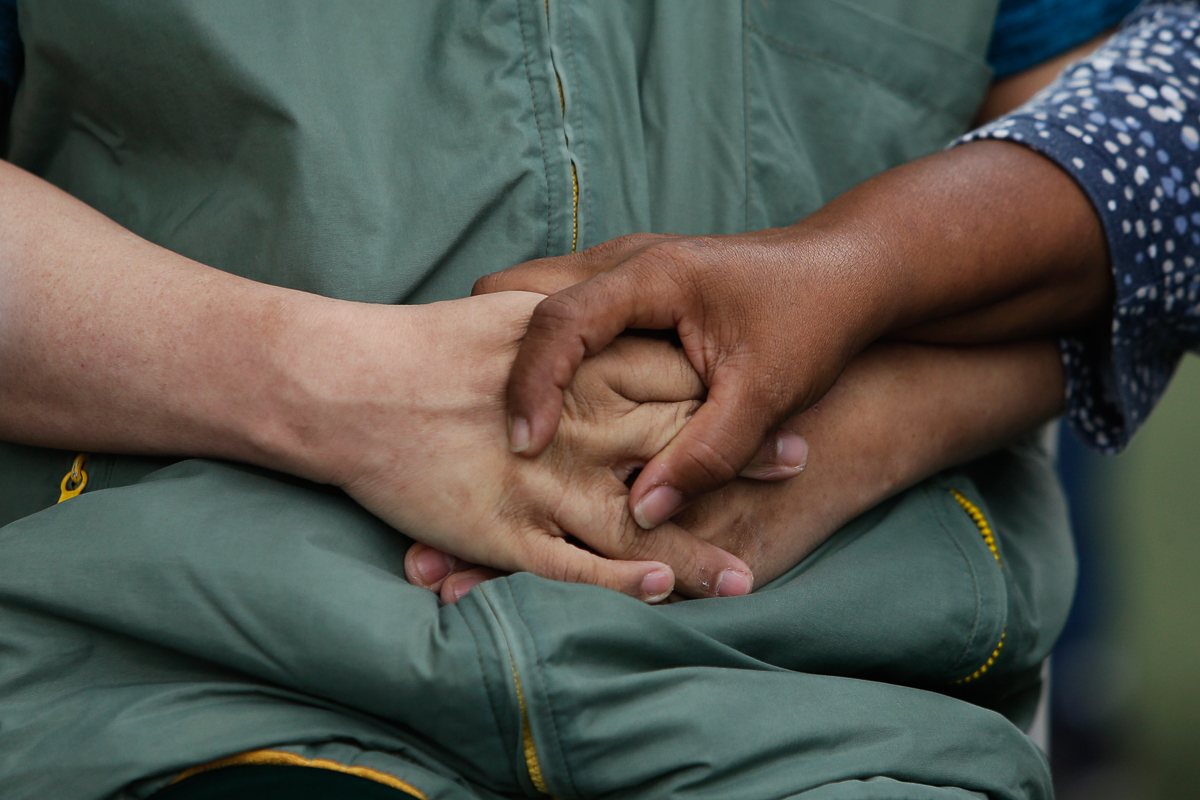
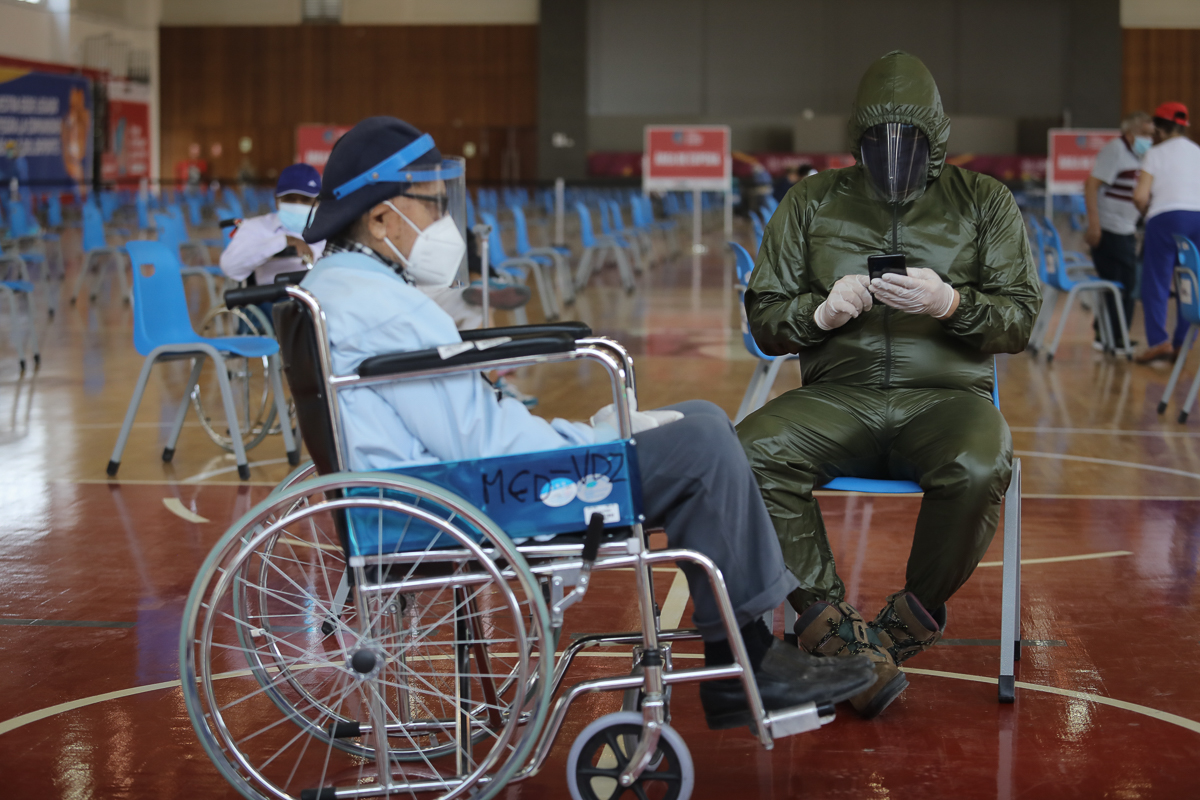
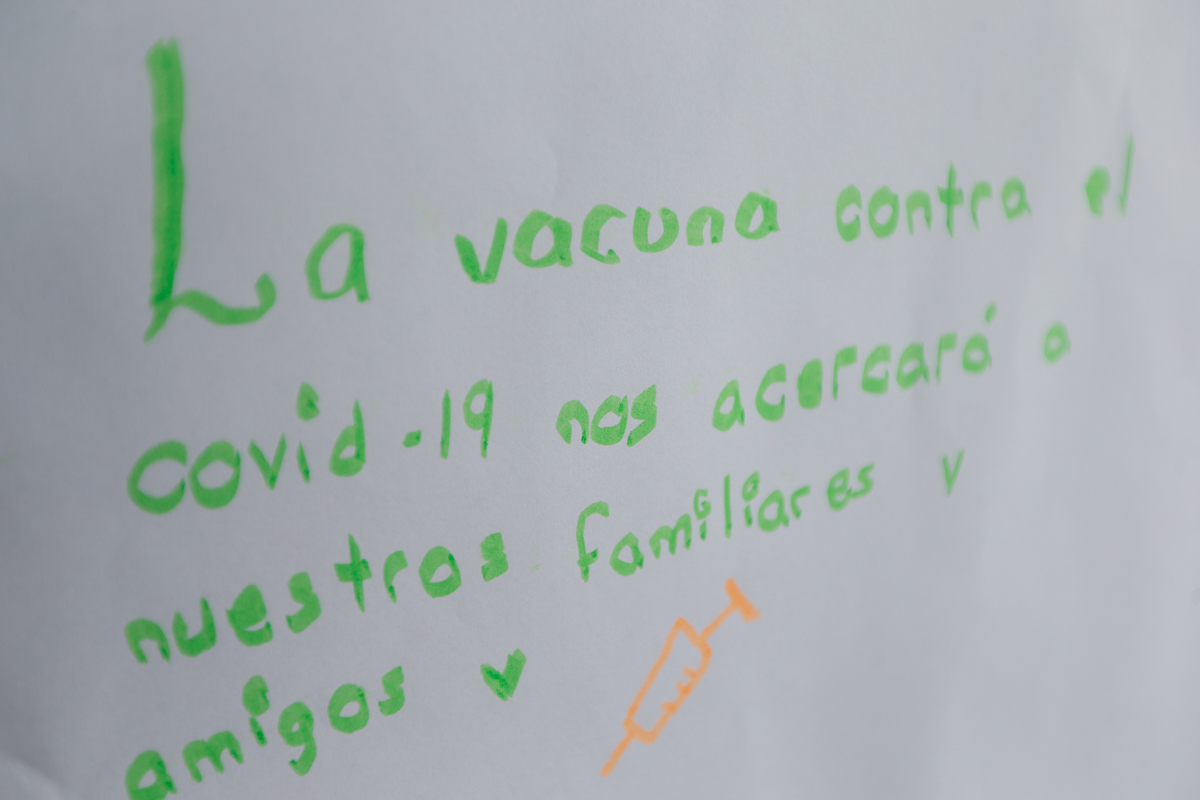
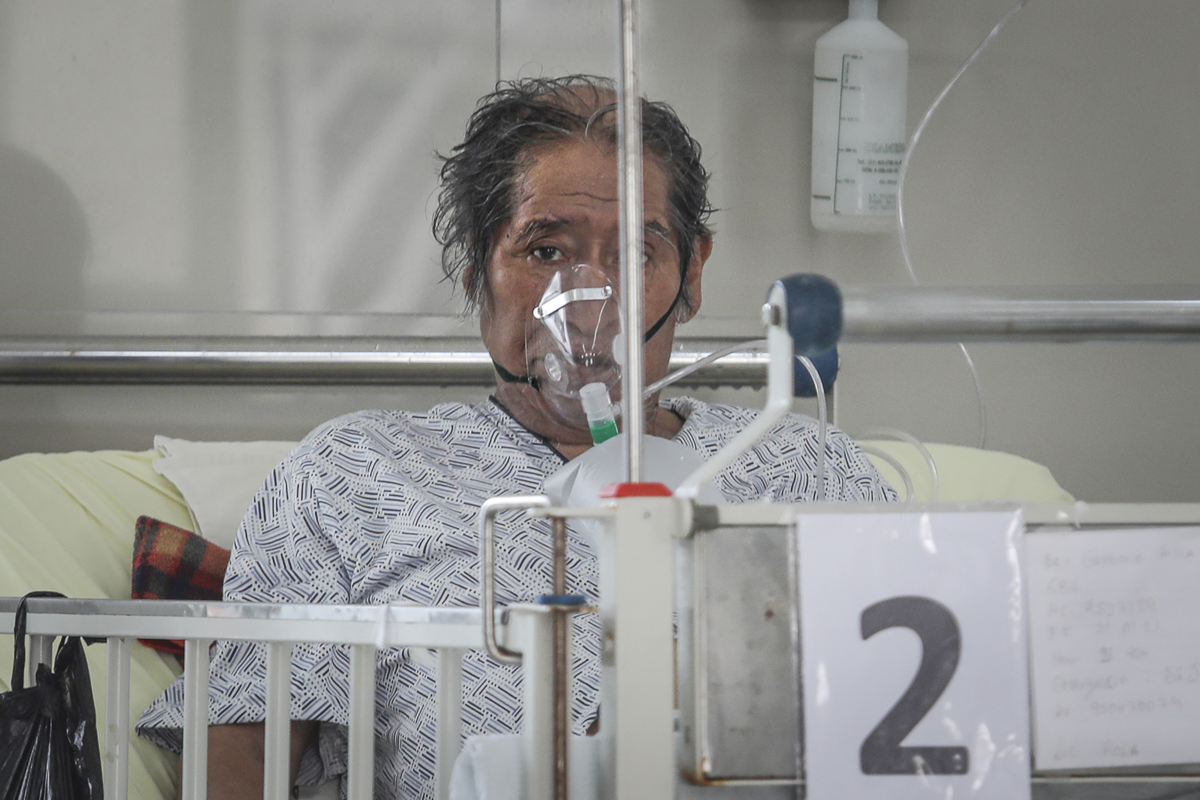
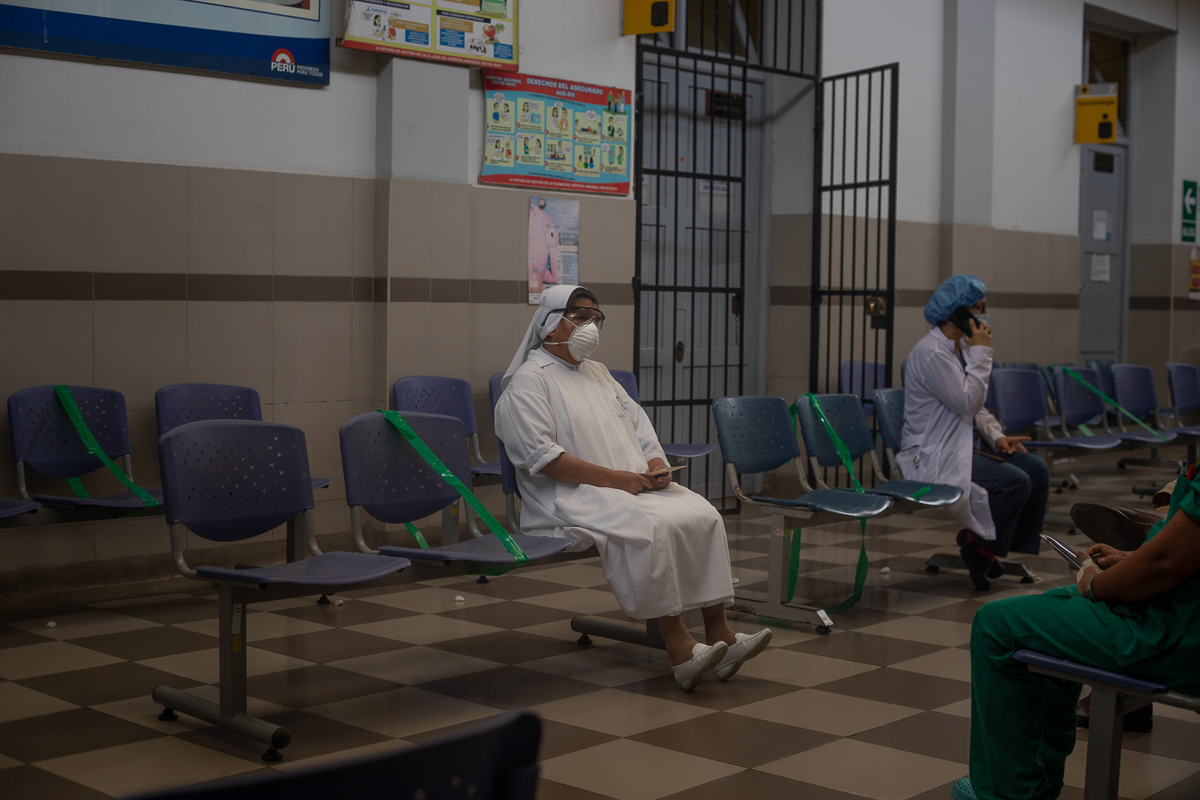
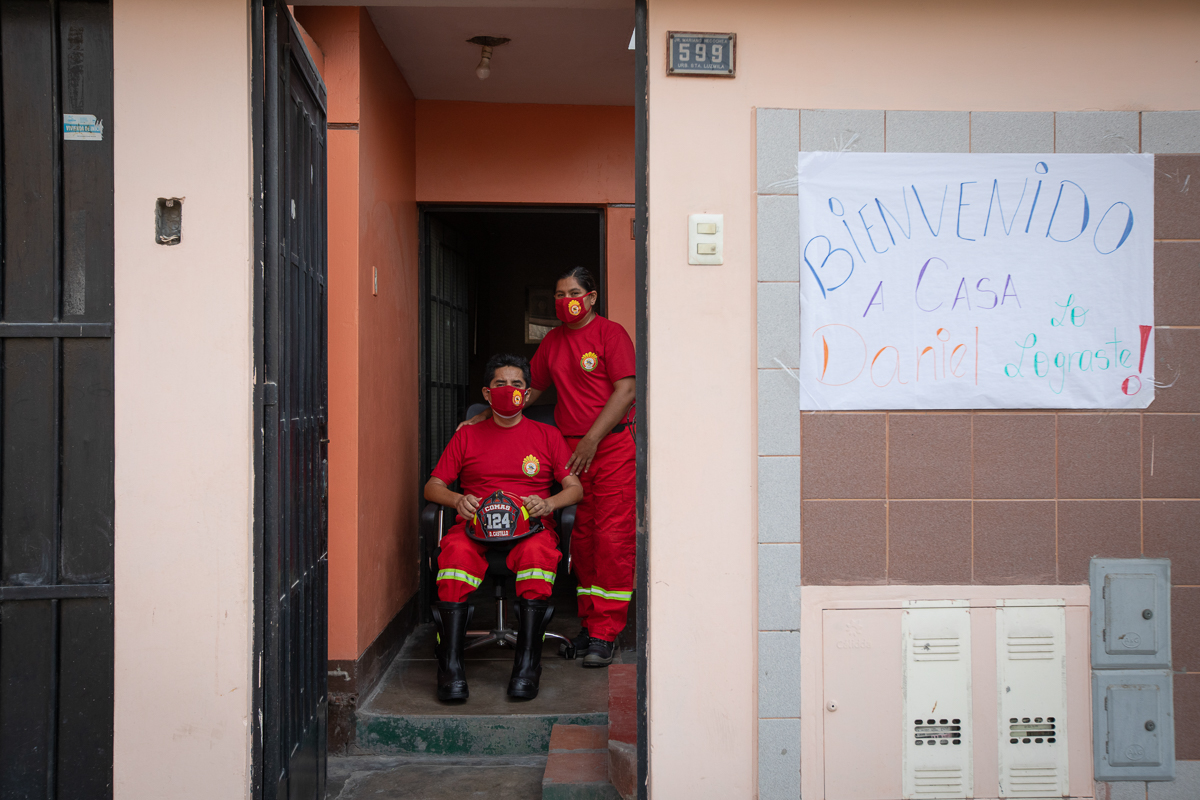
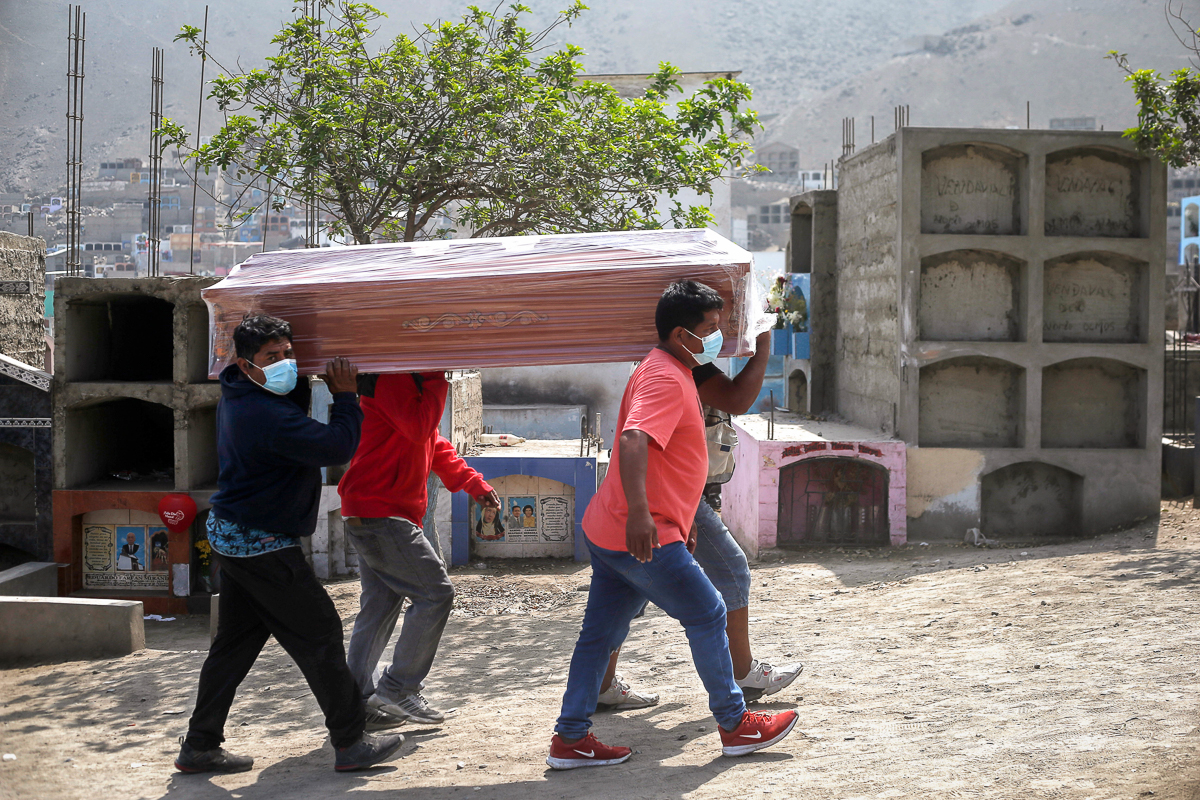
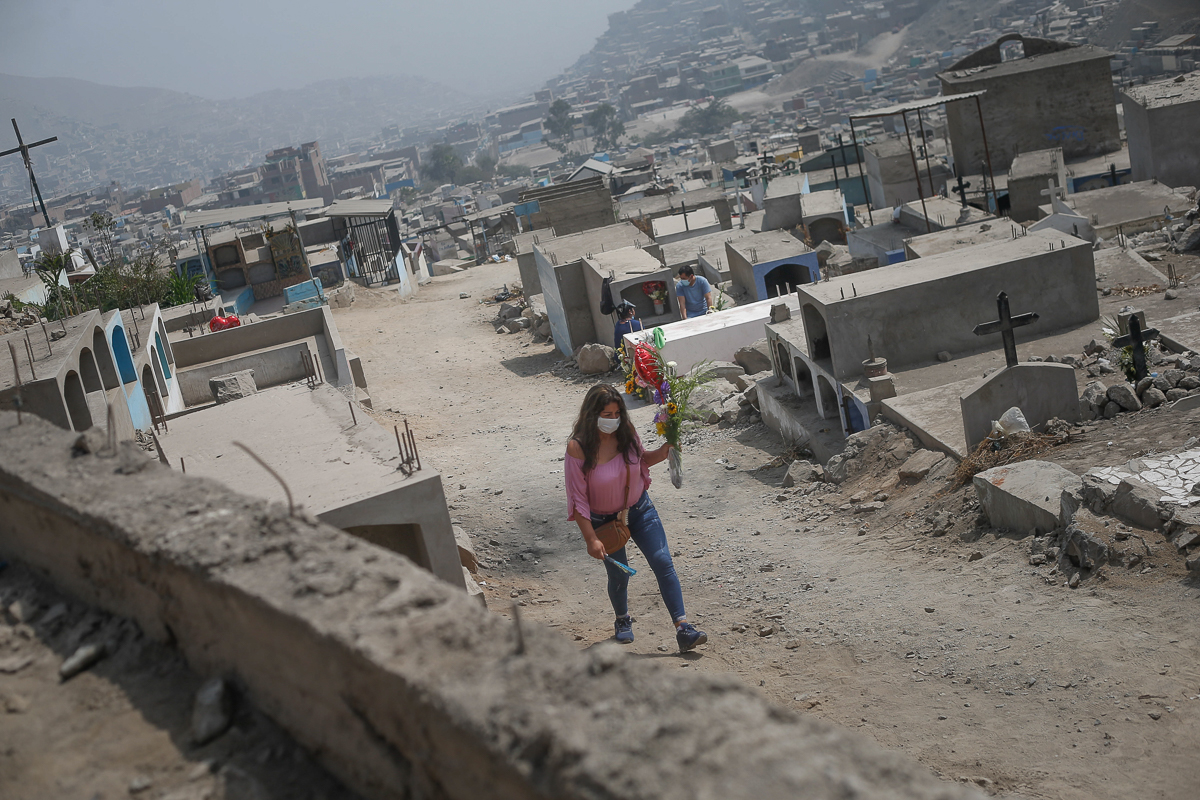
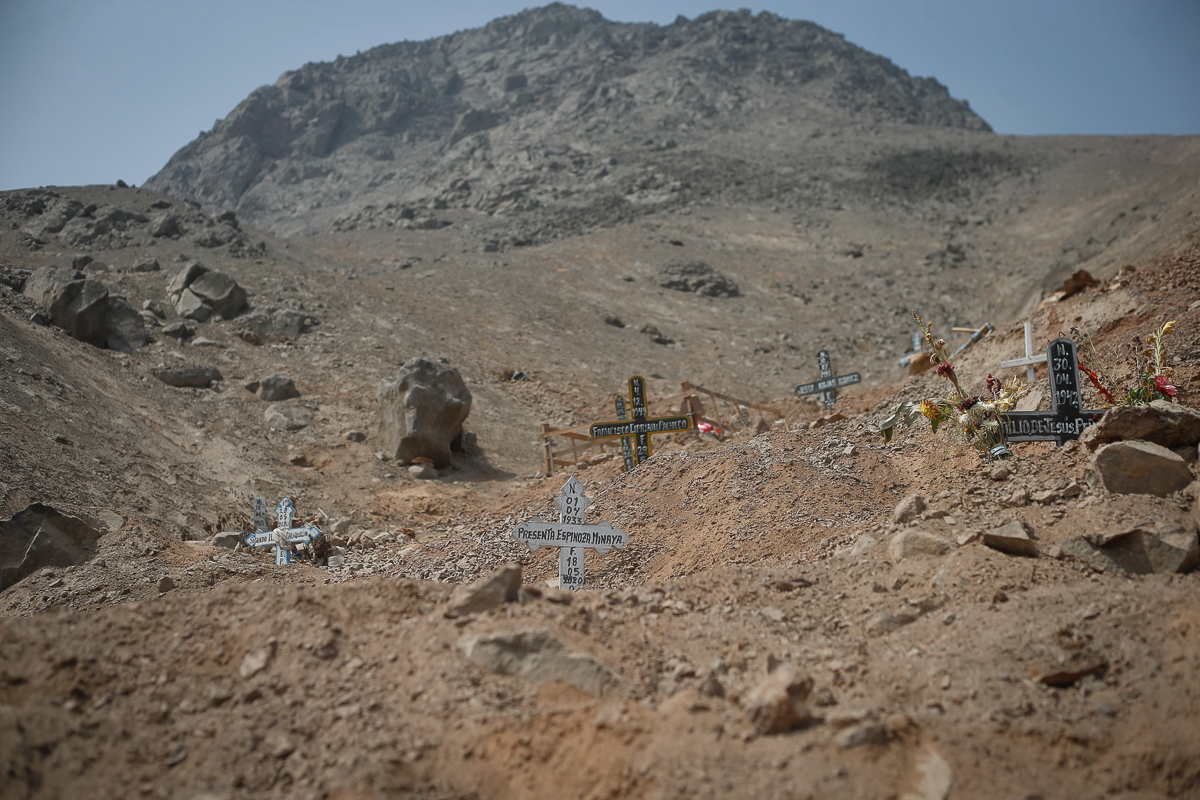
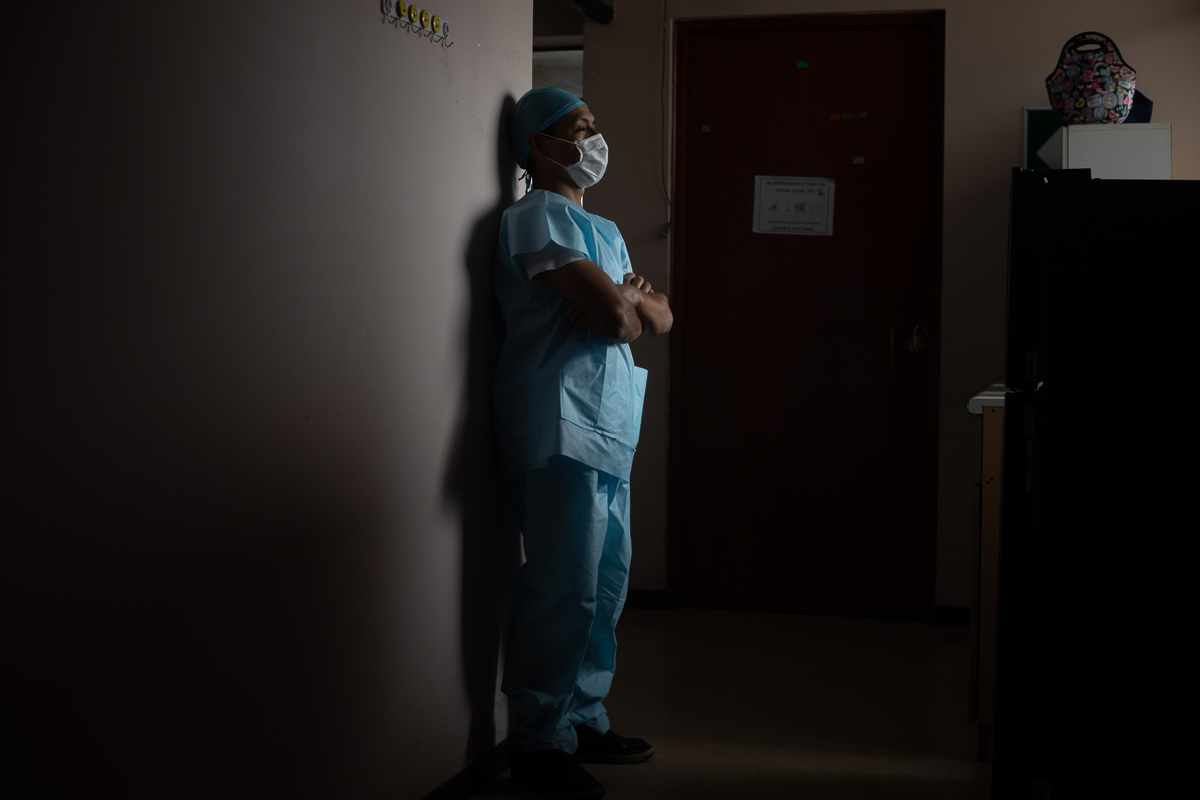
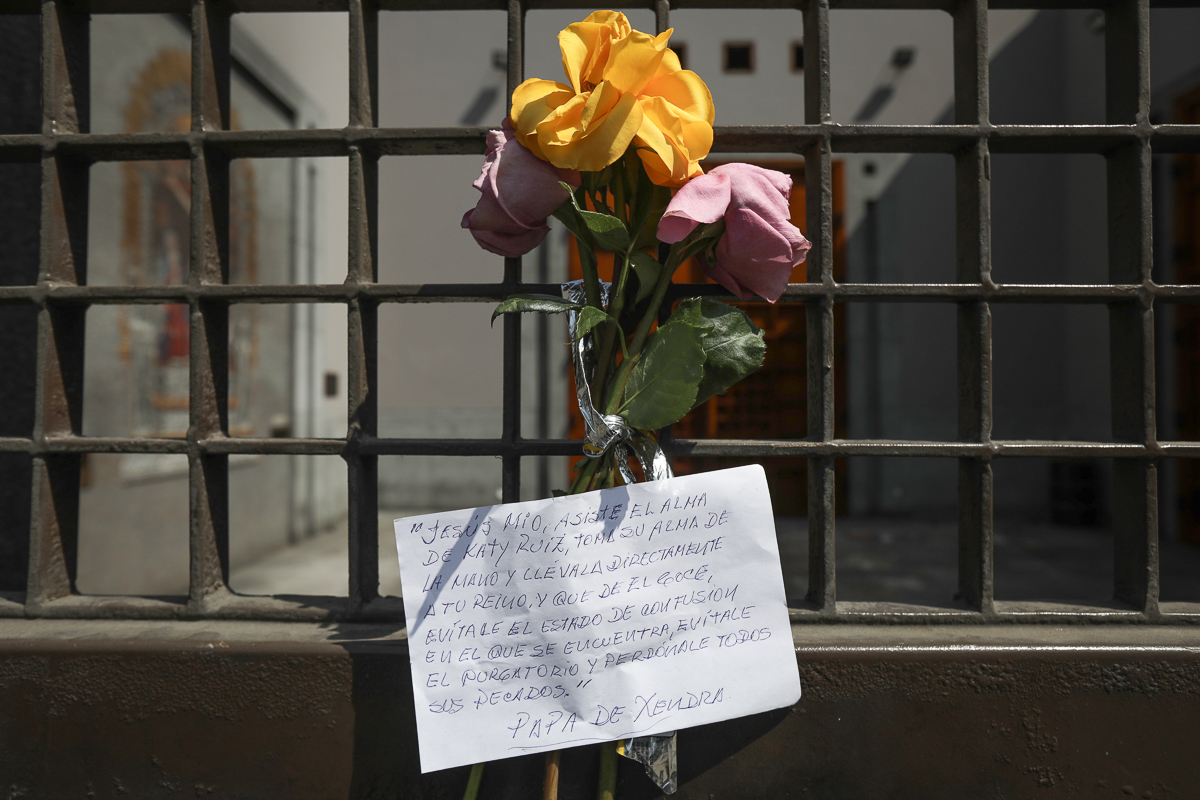
By the beginning of the second year of the COVID-19 pandemic, more than one million people had been infected across almost all of Peru. Healthcare measures were overwhelmed by the wave of infections. The death rate was becoming a part of our daily lives. In mid-February 2021, the first shipment of vaccines to prevent COVID-19 arrived in Peru. Vaccination facilities were quickly set up to immunize the population and reduce the impact of the pandemic. New vaccination methods were created, such as the drive-through vaccination centers. Hundreds of families drove to large areas where vaccination tents were set up, allowing them to be vaccinated without leaving their vehicles. This method was implemented in all districts of Lima. At the same time, vaccination hours were extended to 24 hours a day for all ages, on weekends only. The fumigation program was implemented in the most vulnerable sectors of each district, as well as in all cemeteries in the city of Lima and surrounding provinces. In the following months, the number of infections decreased as the days went by. Economically, shopping centers, markets, and stores slowly but steadily recovered their income levels. Peru and other countries managed to contain COVID-19, at least temporarily. But the aftermath of the coronavirus left many families scarred, and others with the void left by the loss of loved ones in an instant. The virus was not completely eradicated; it remains among us as part of 21st-century society, a constant presence, watching for any lapse in human vigilance.
J
Hola 👋 contáctar con Jorge L. Cerdán - fotoperiodista...