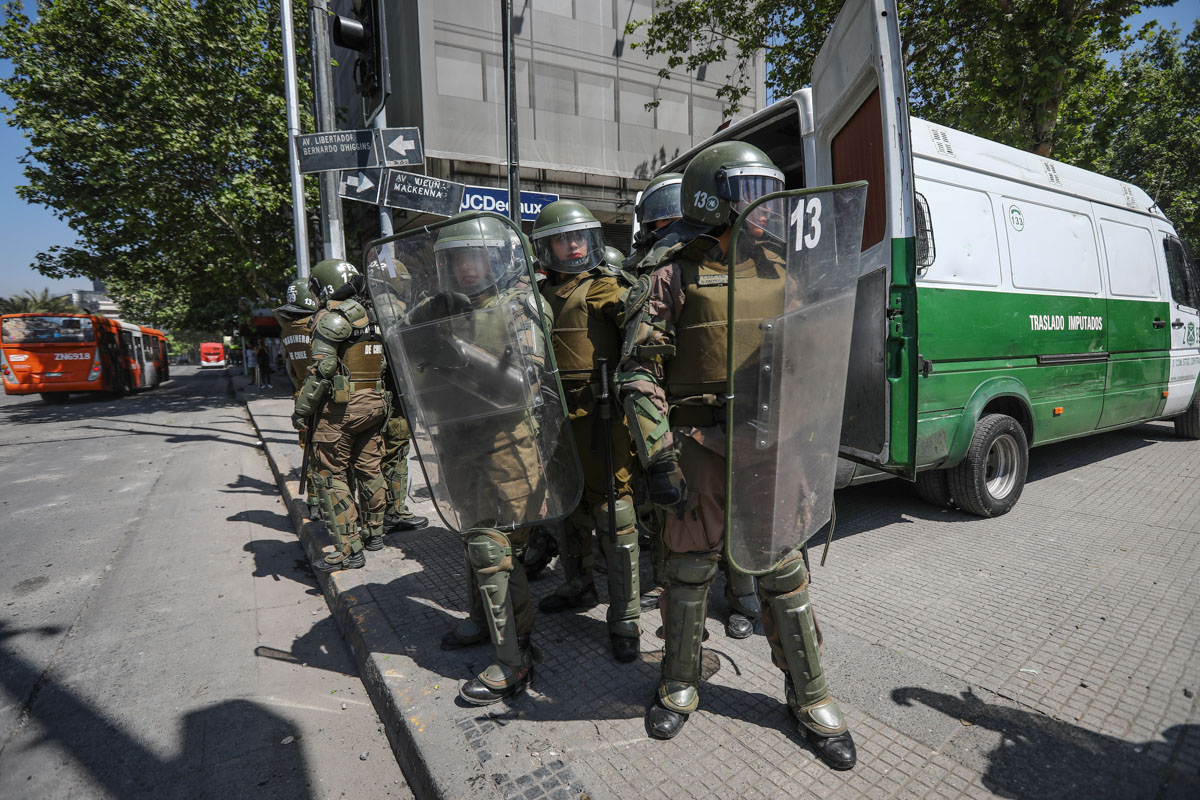
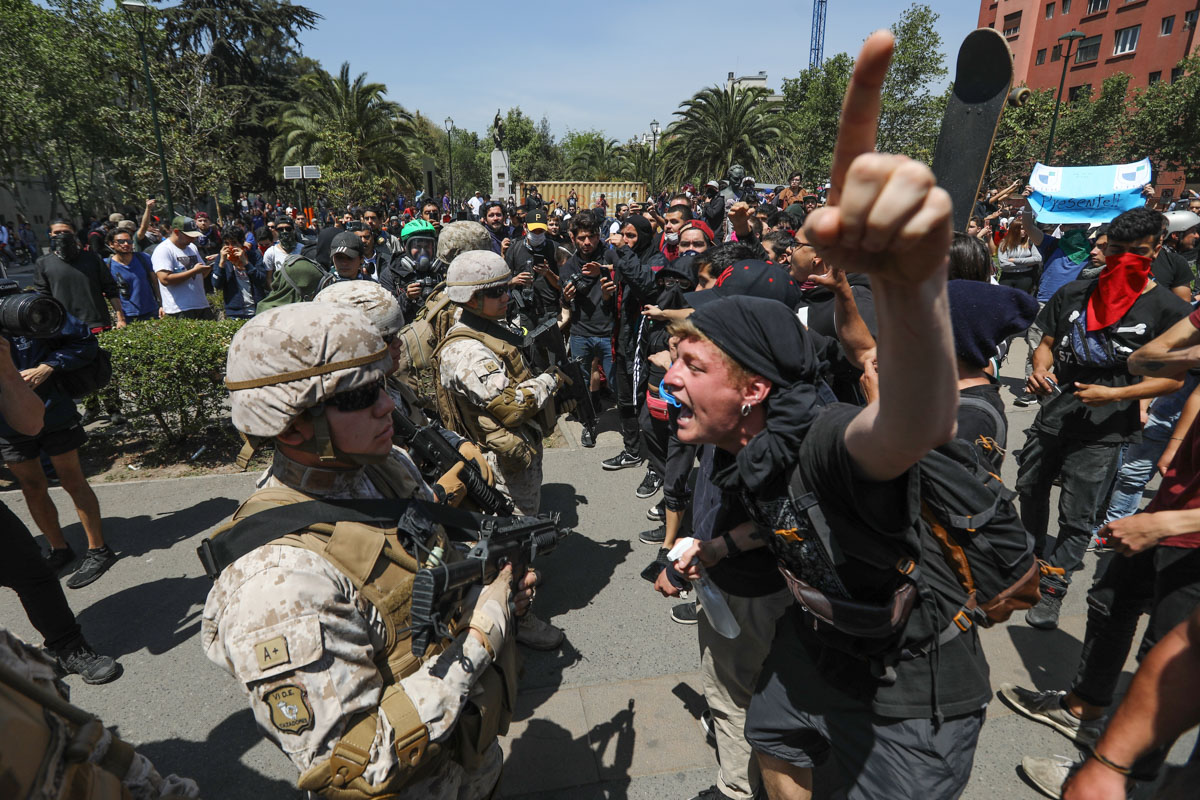
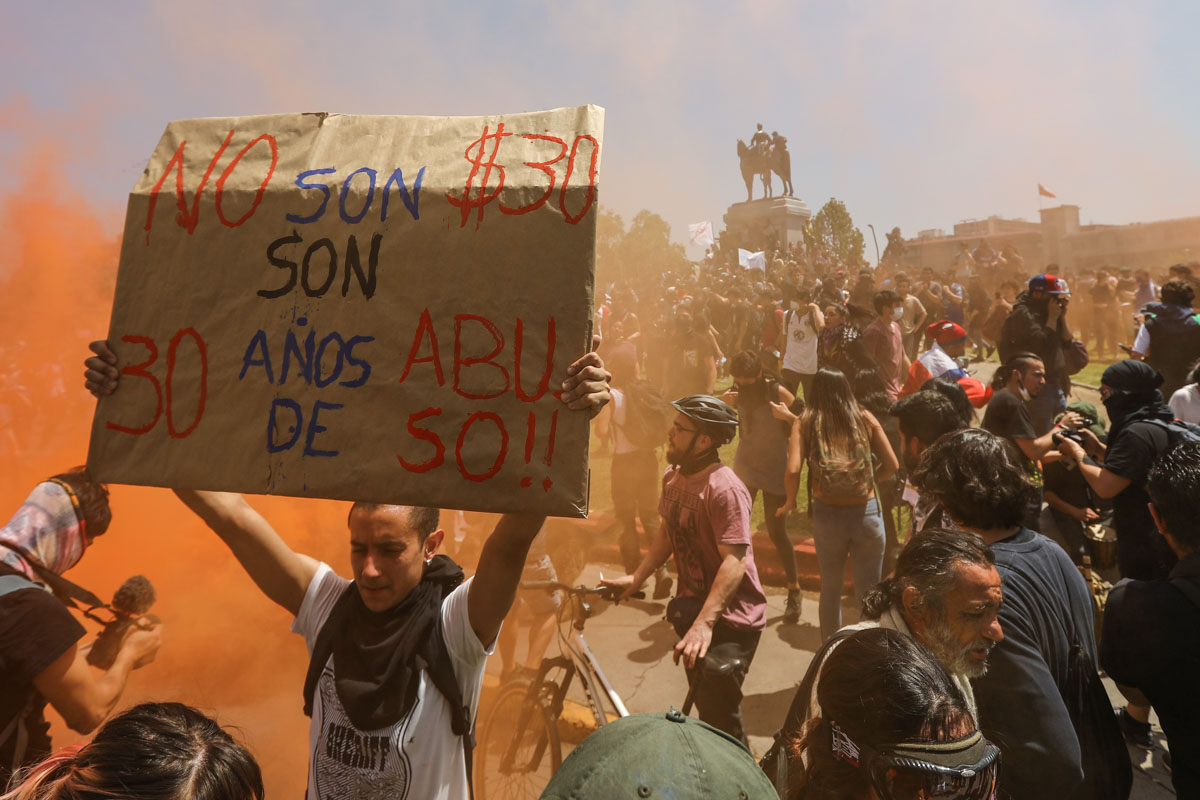
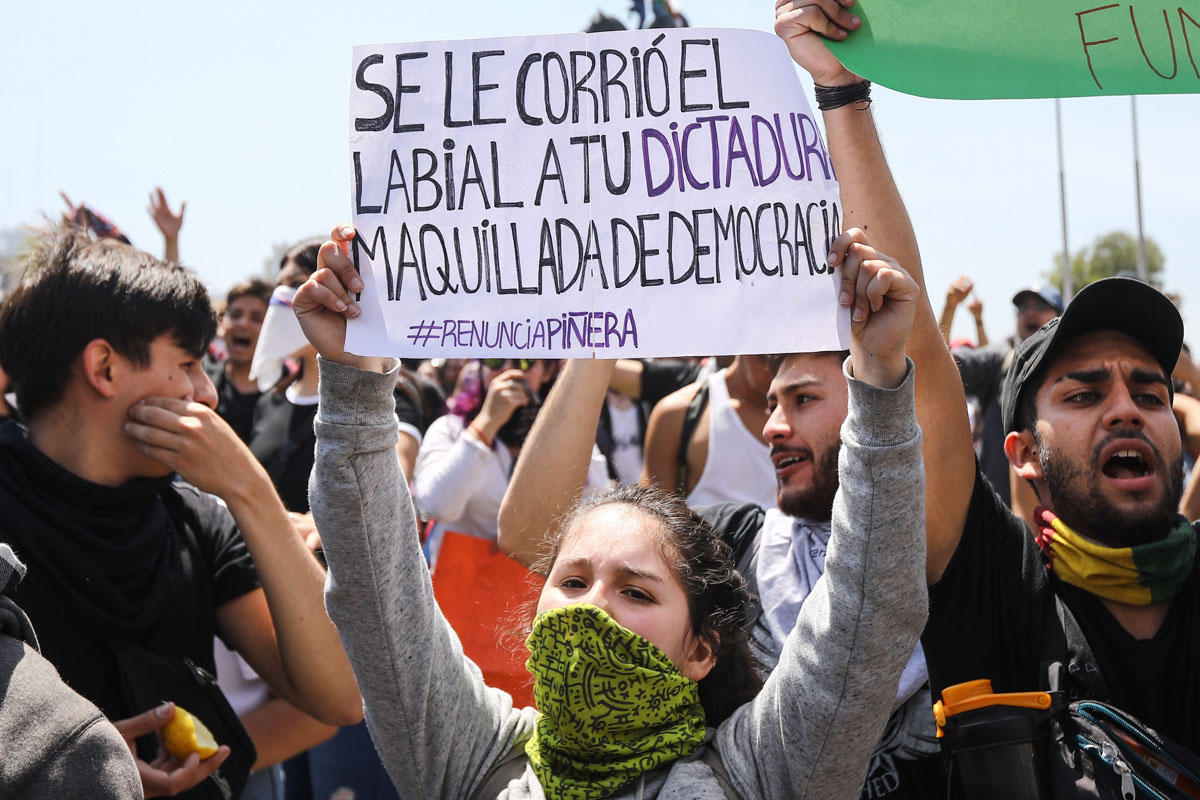
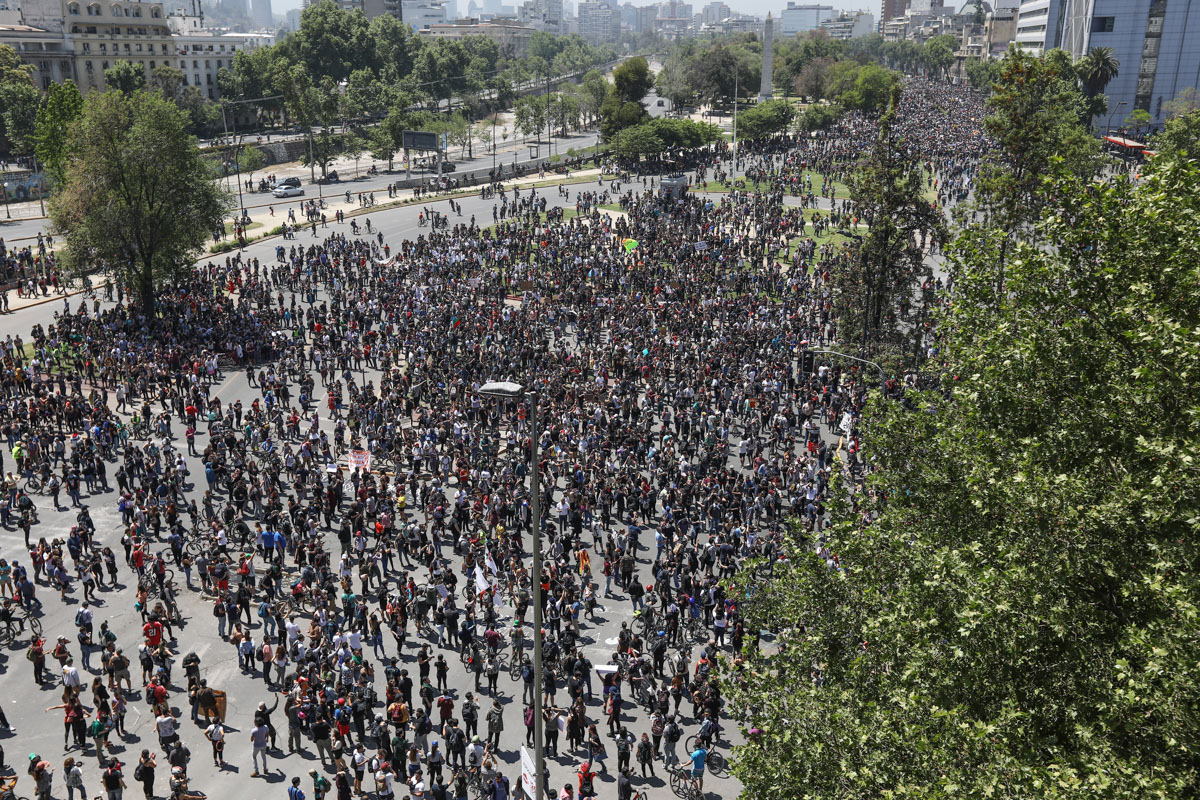
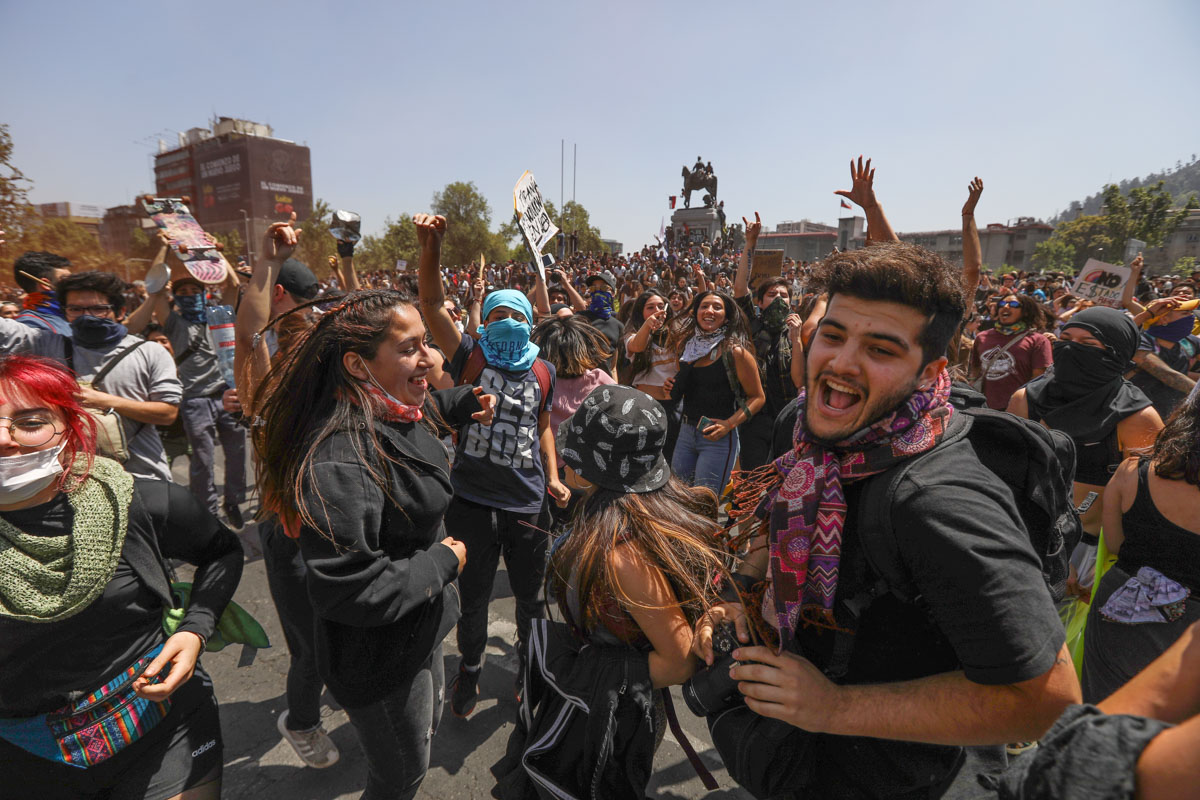
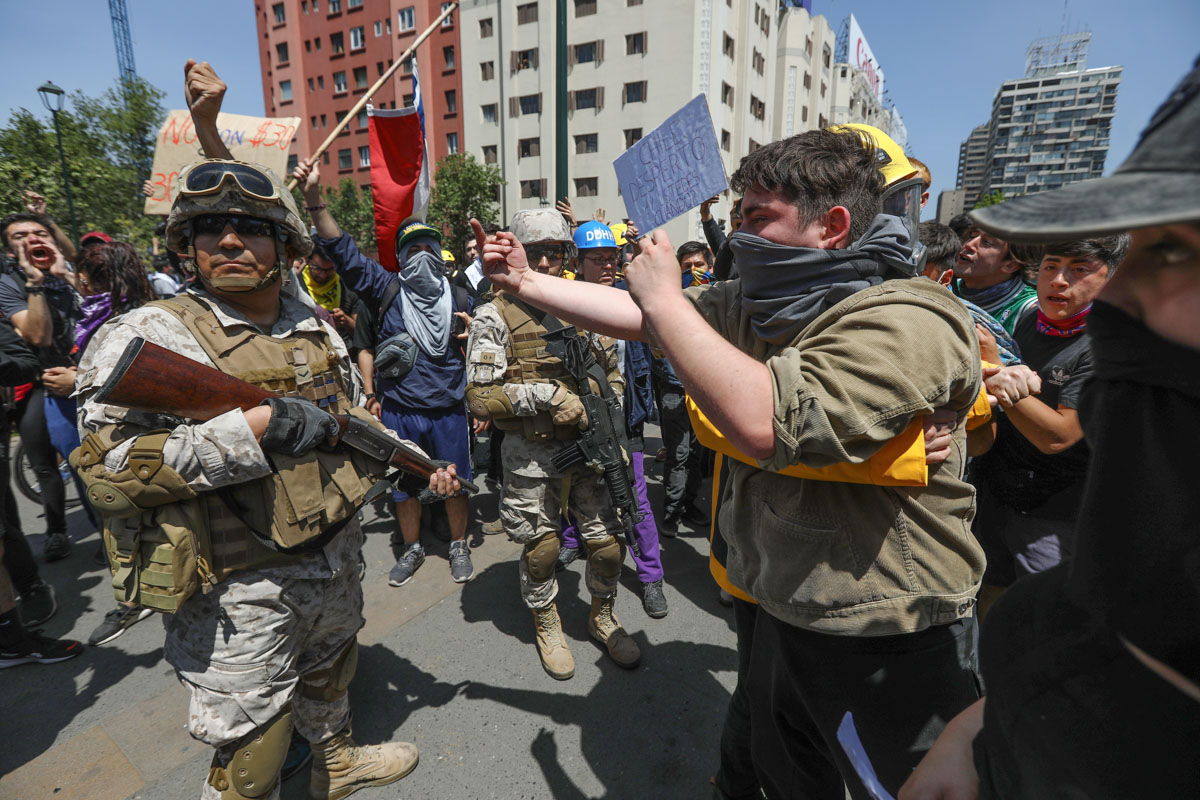
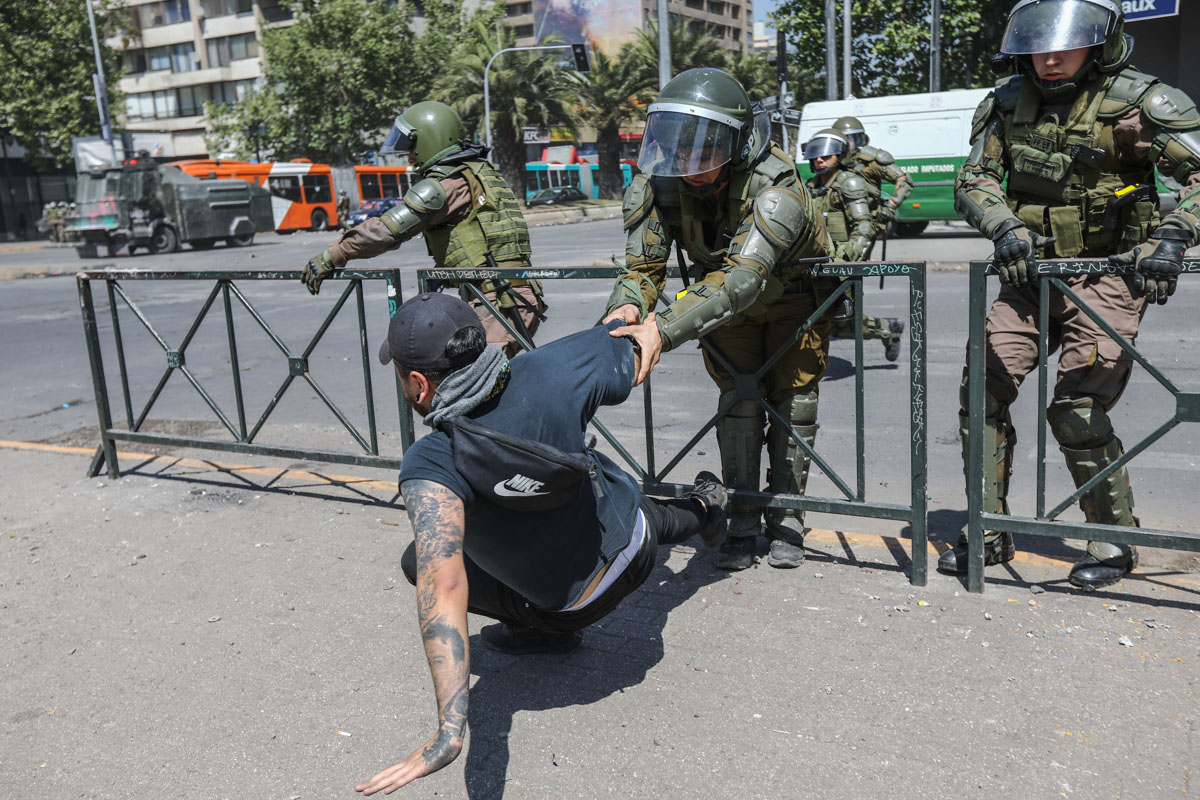
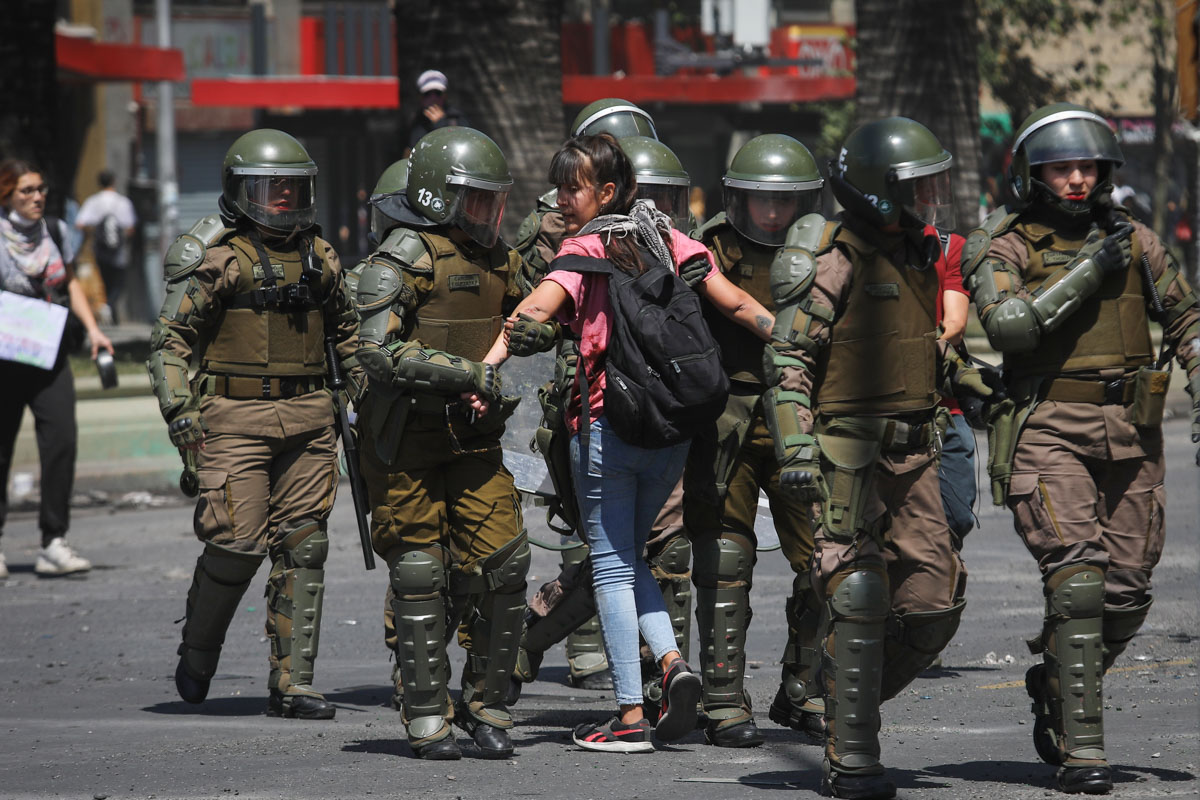
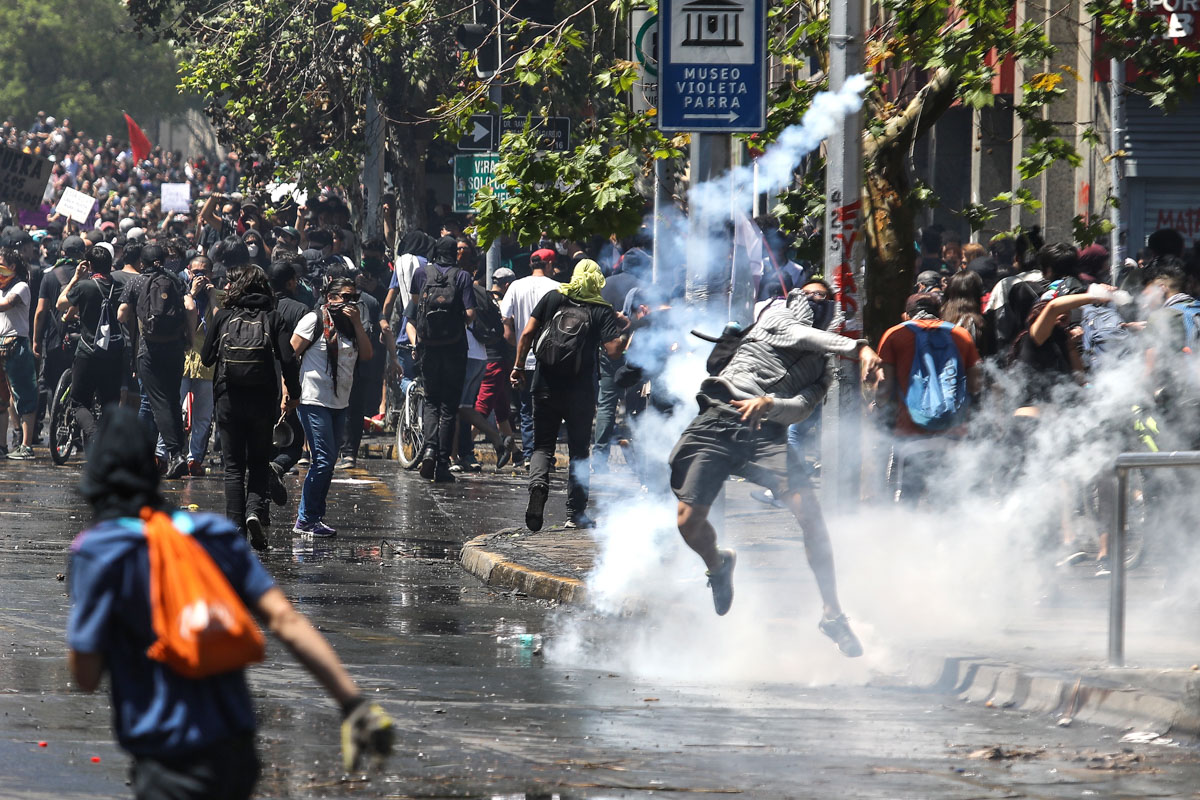
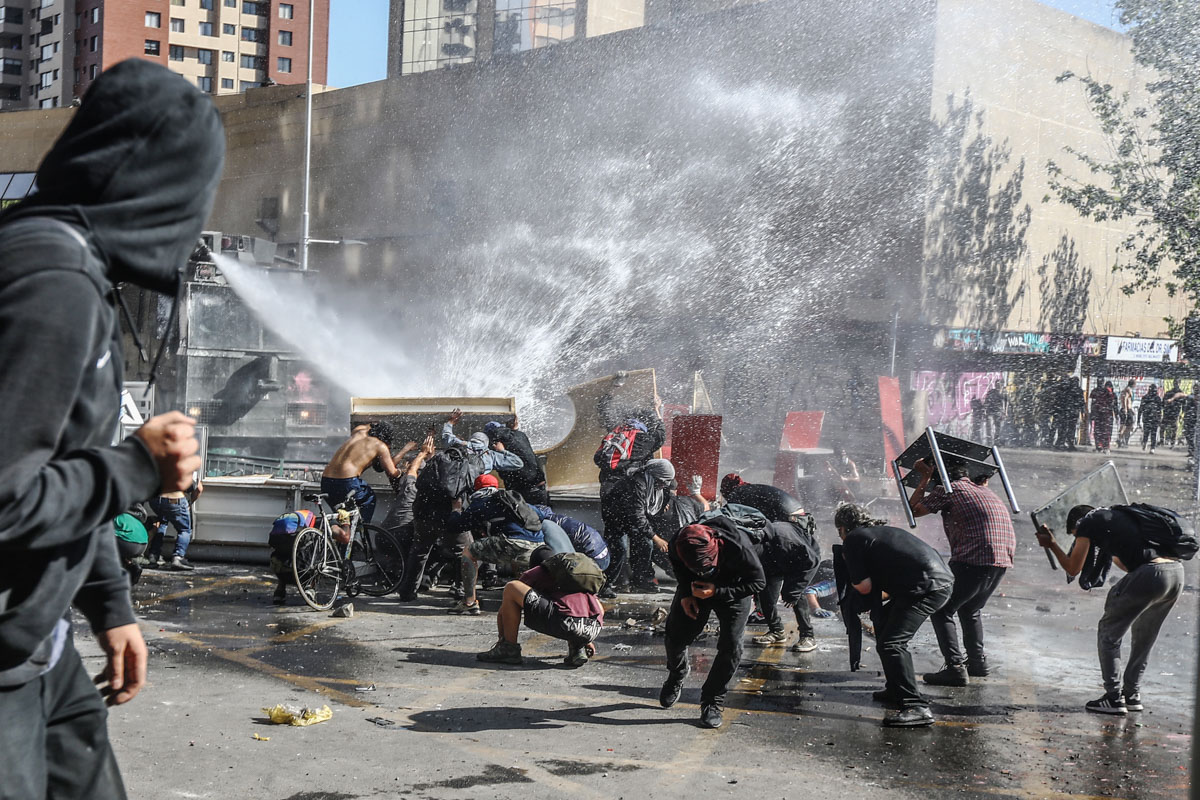
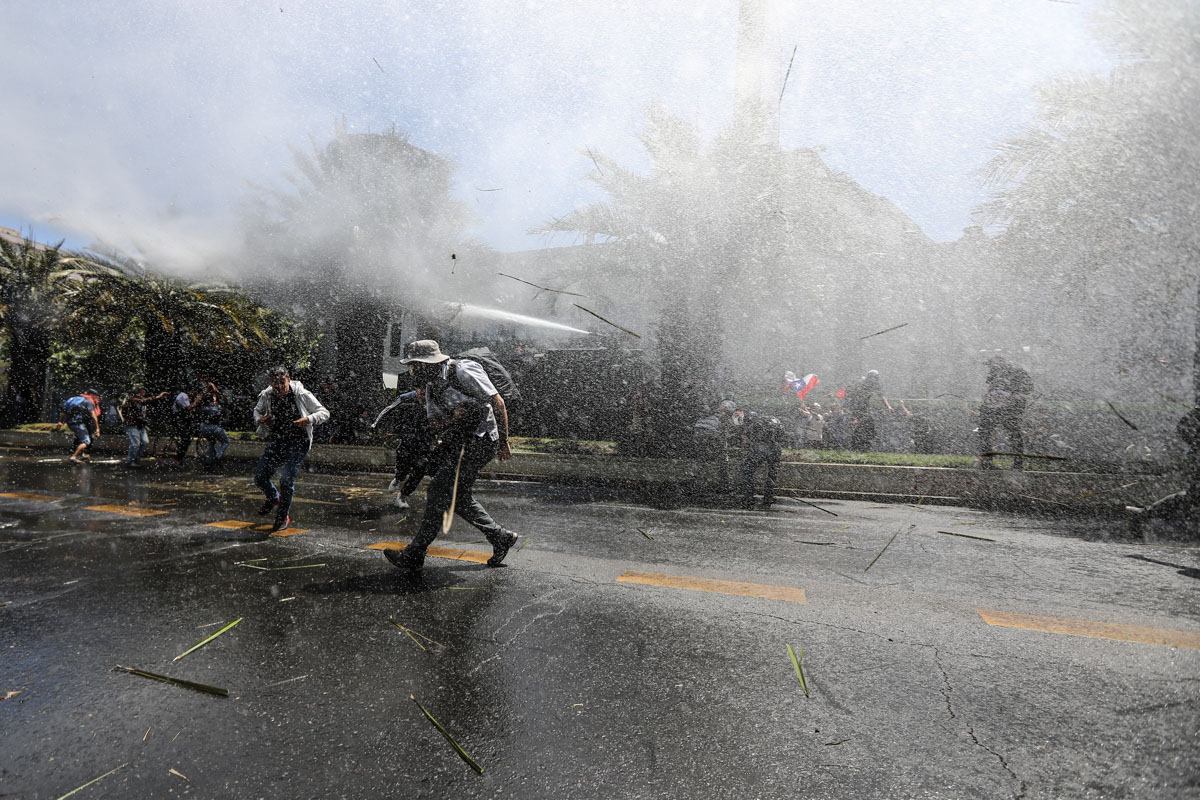
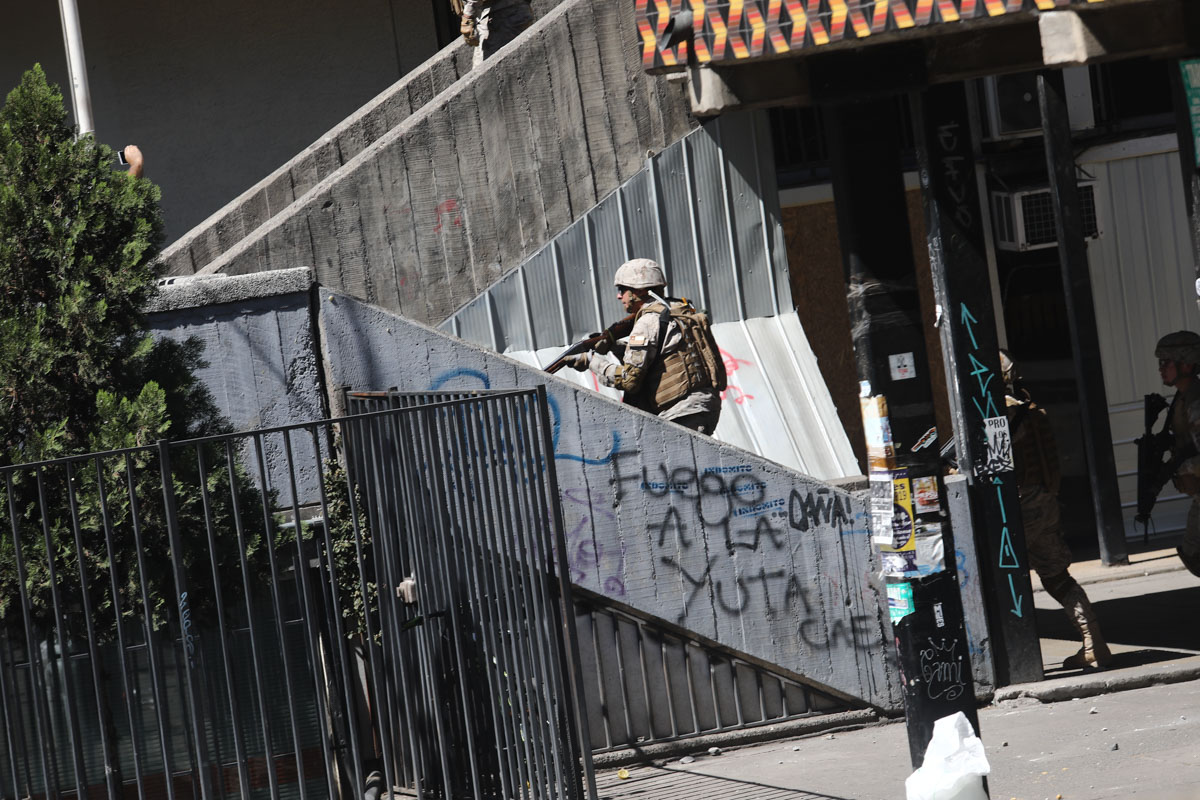
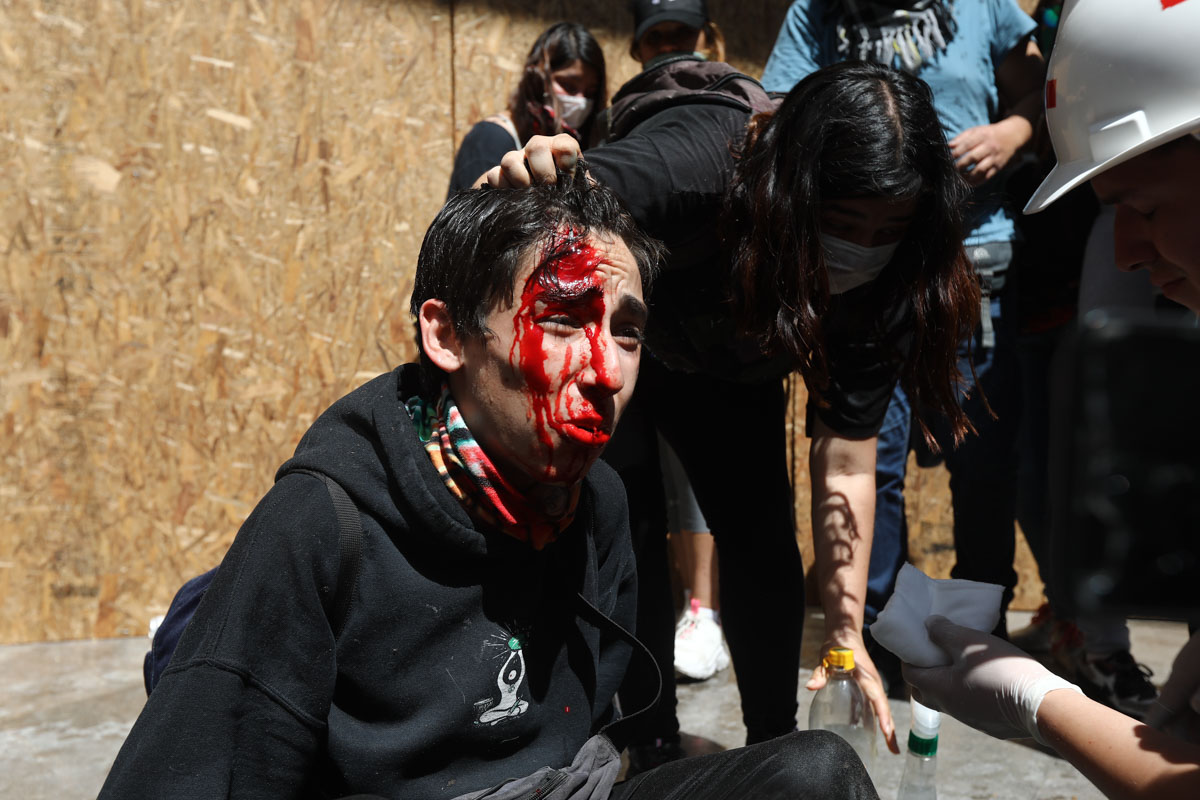
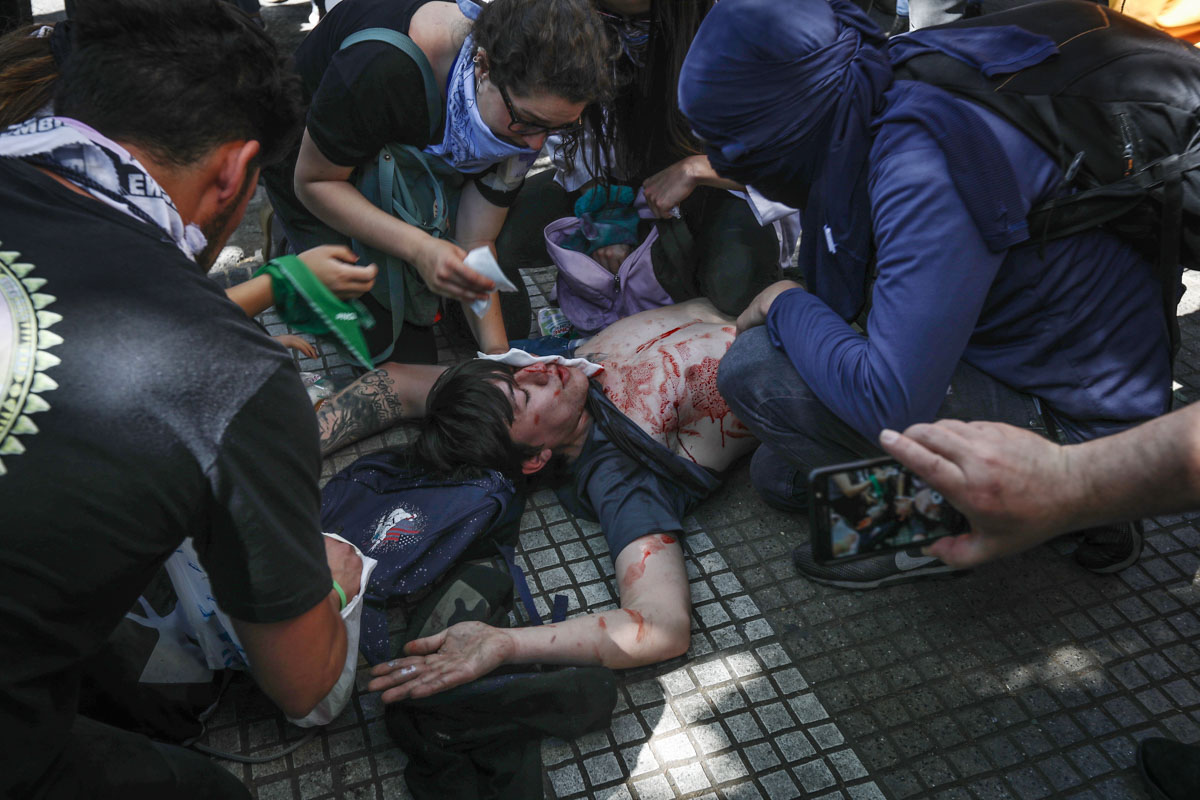
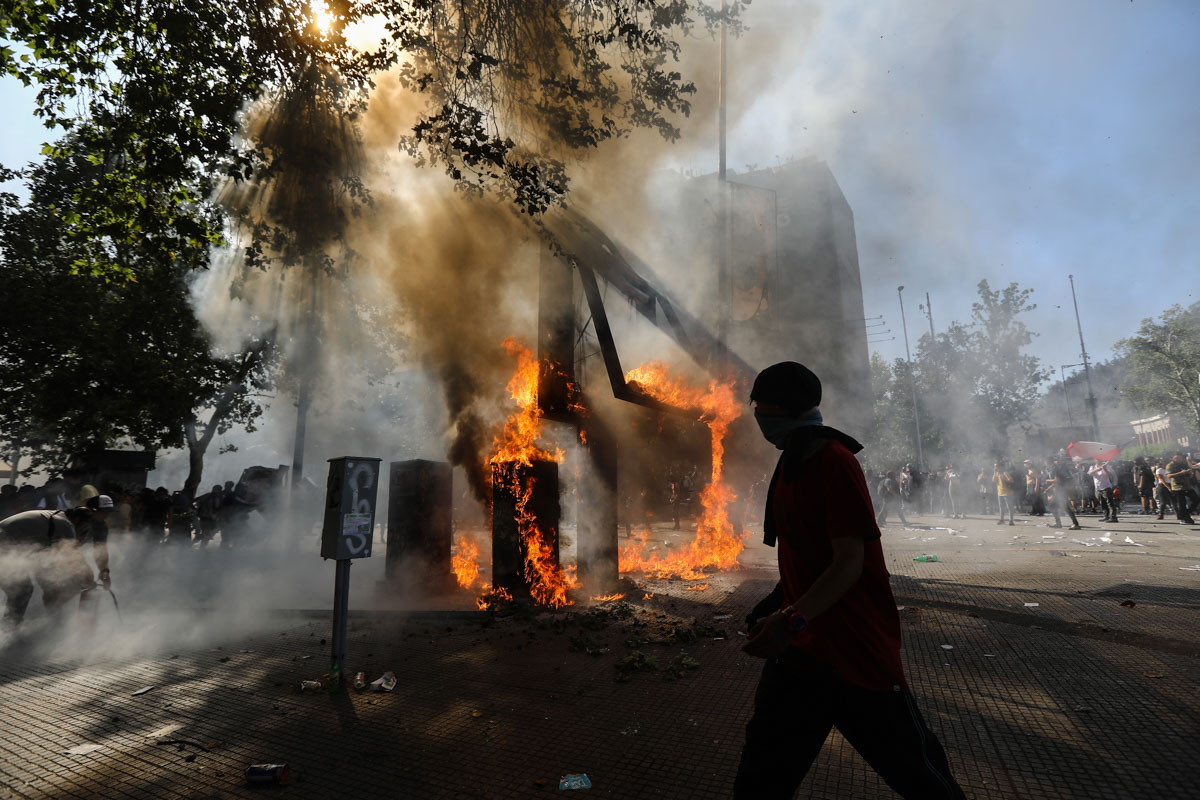
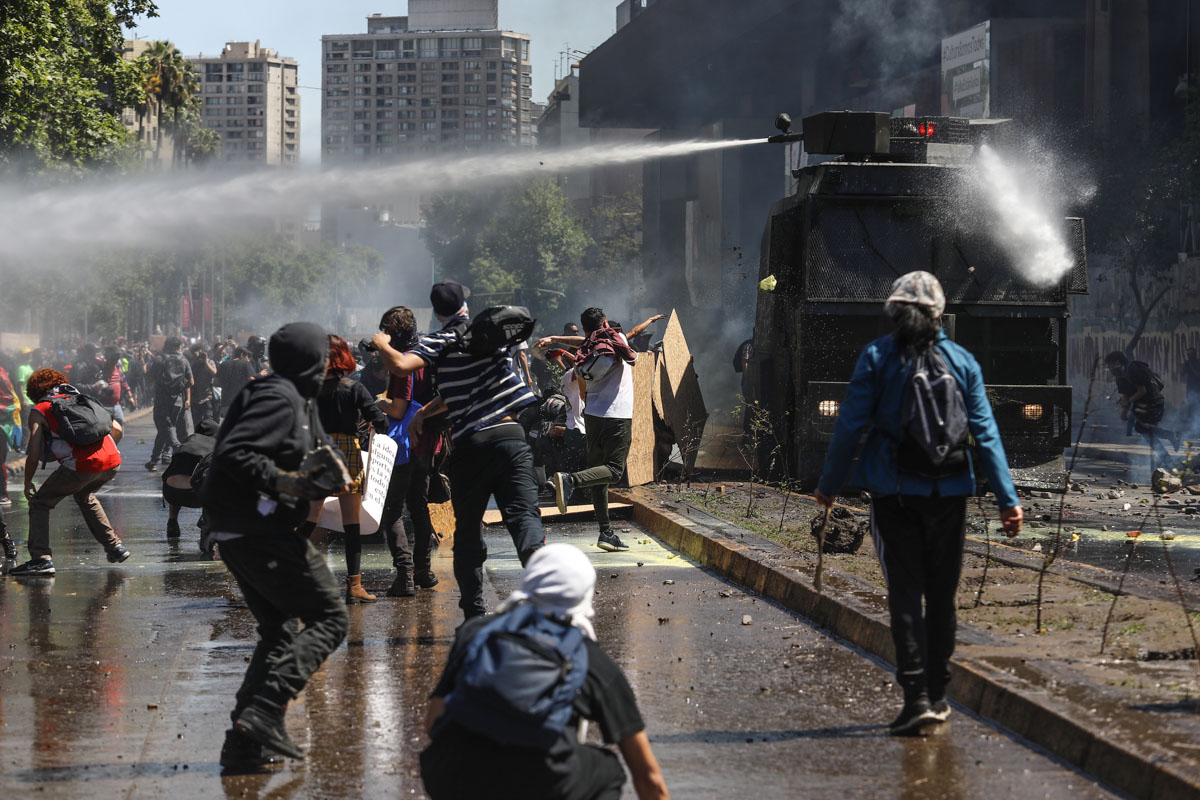
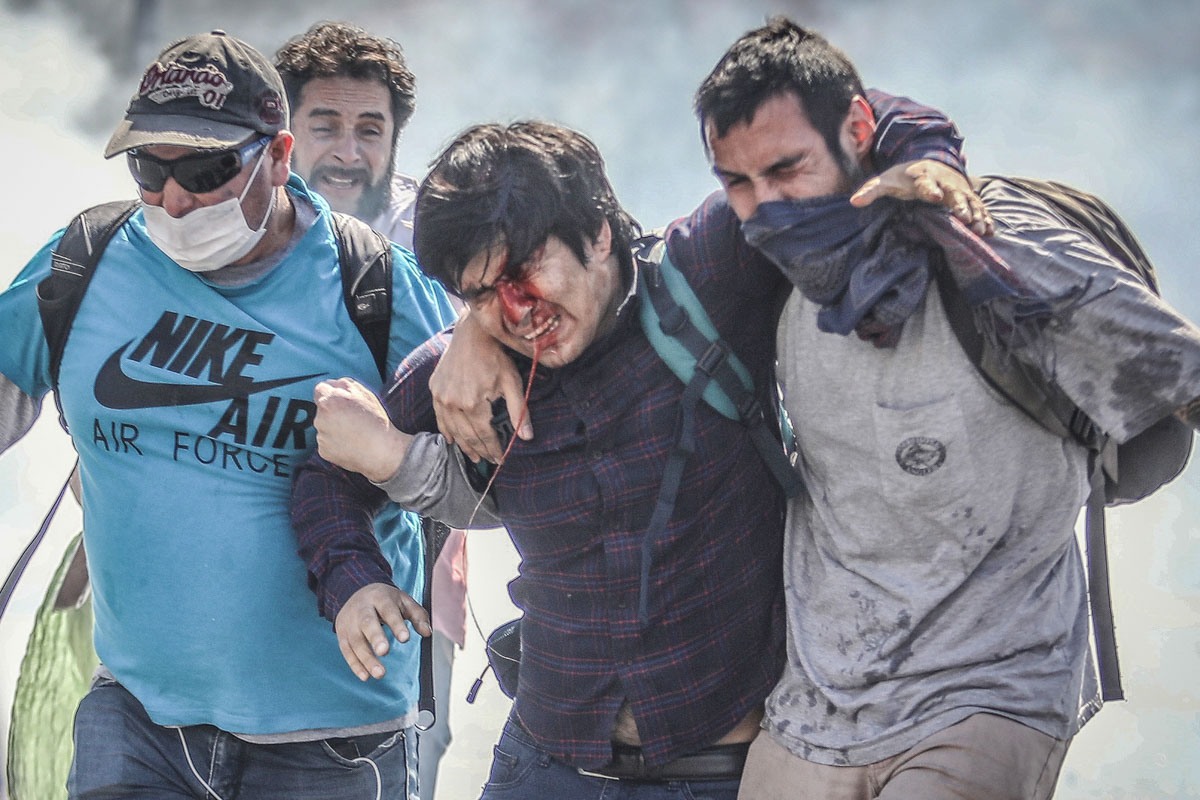
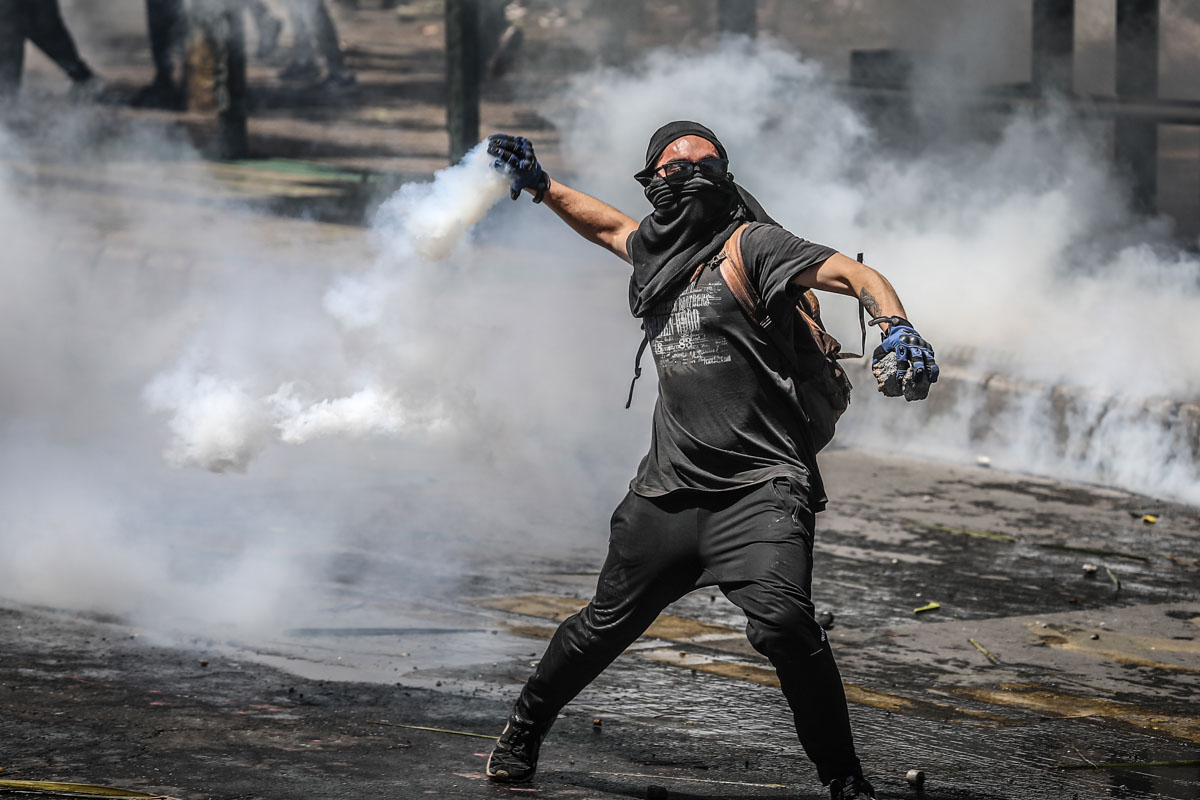
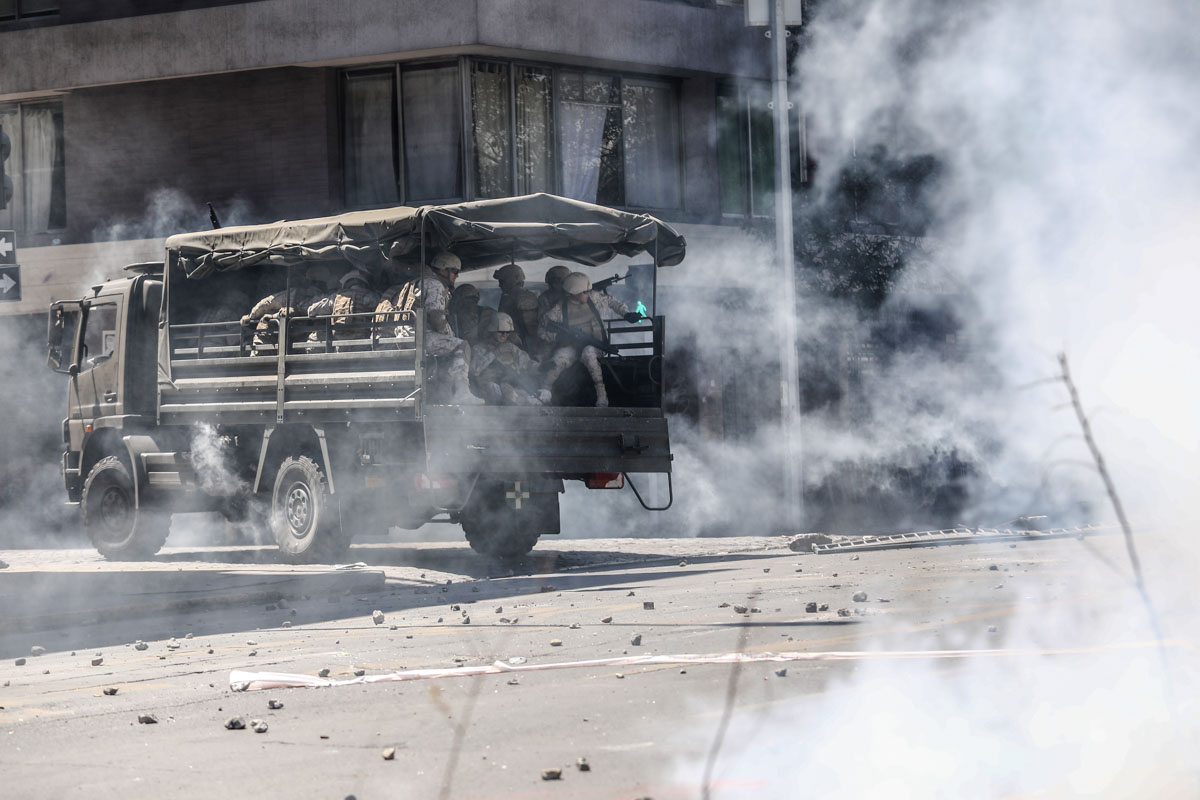
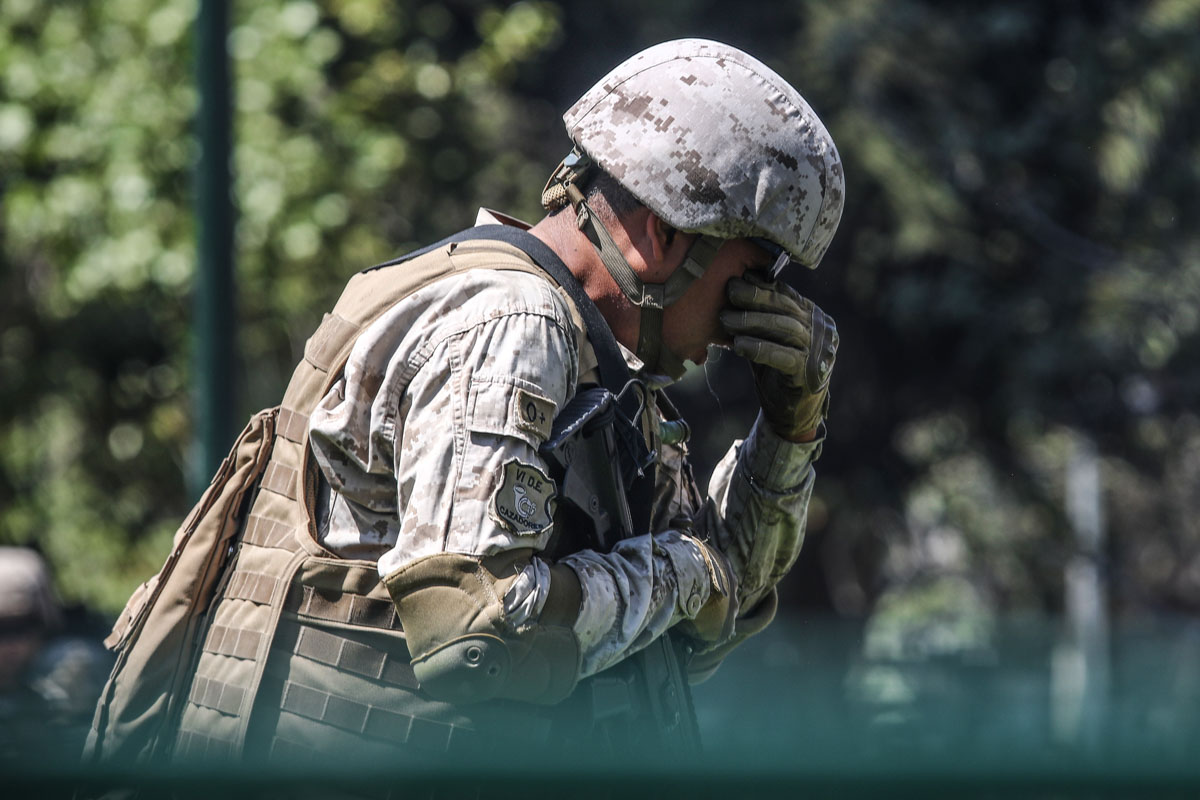
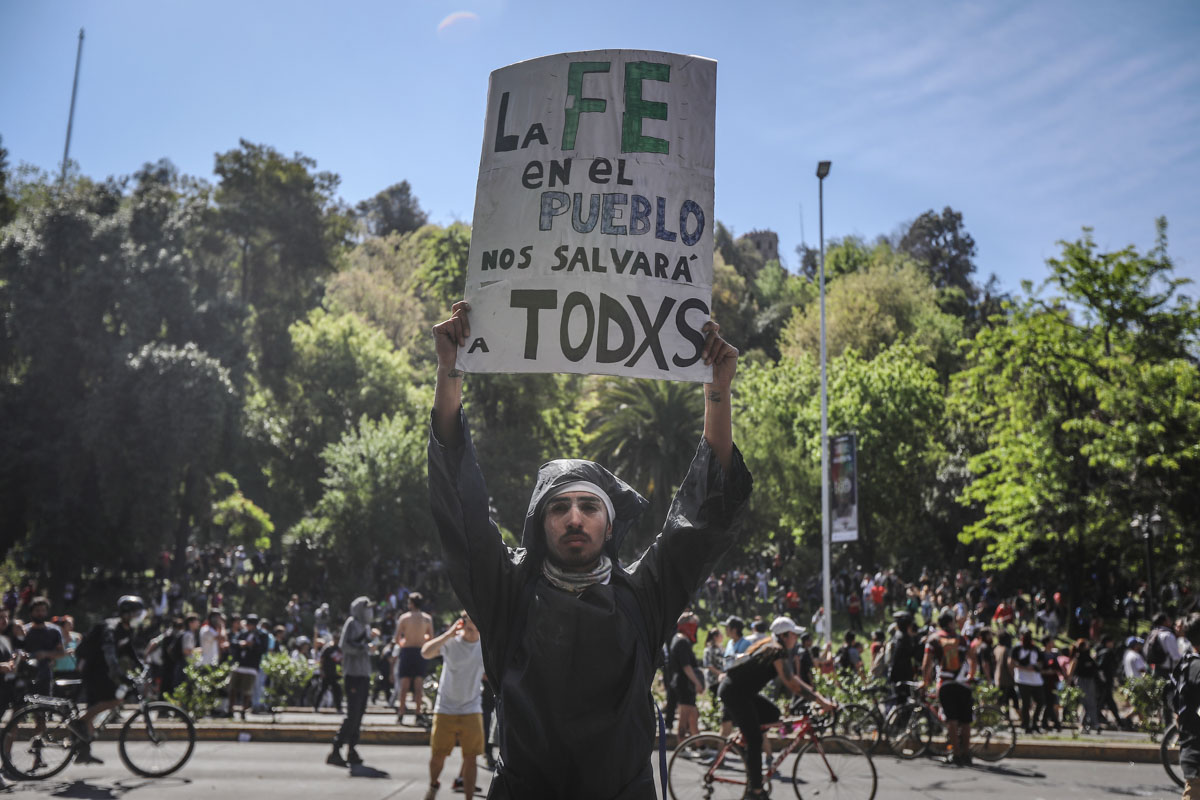
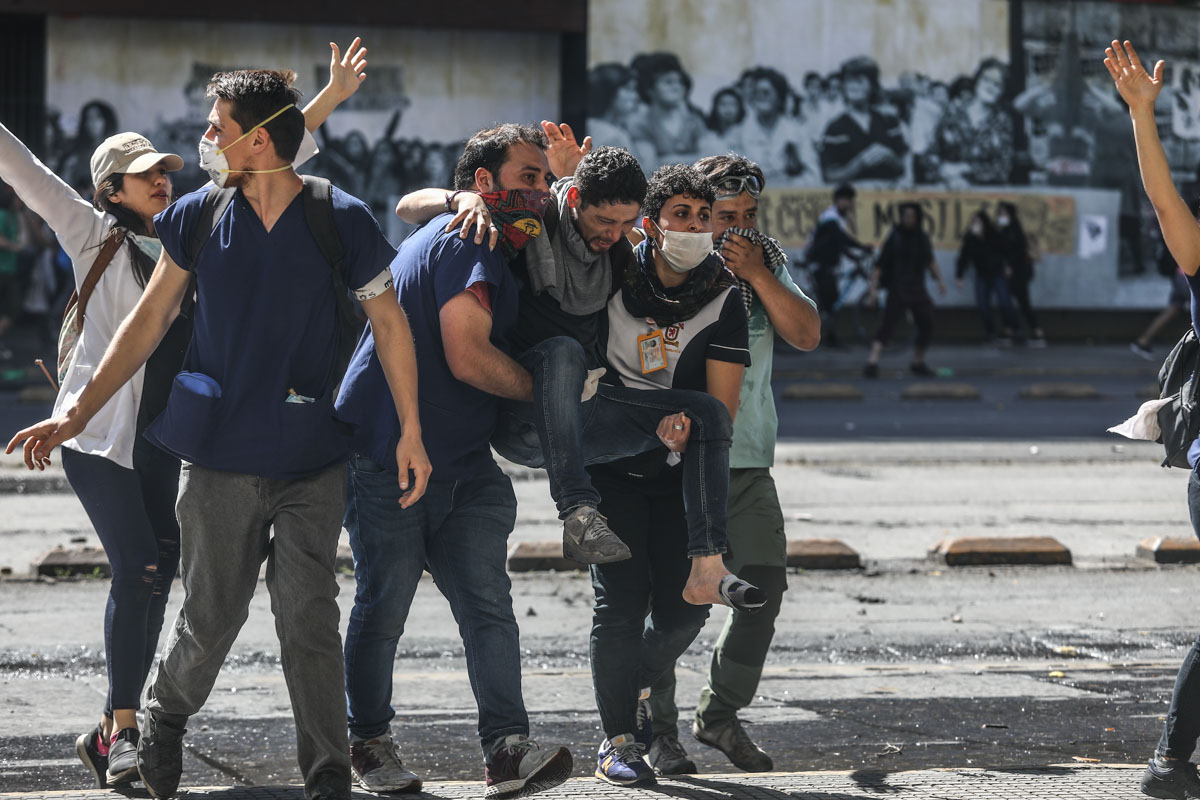
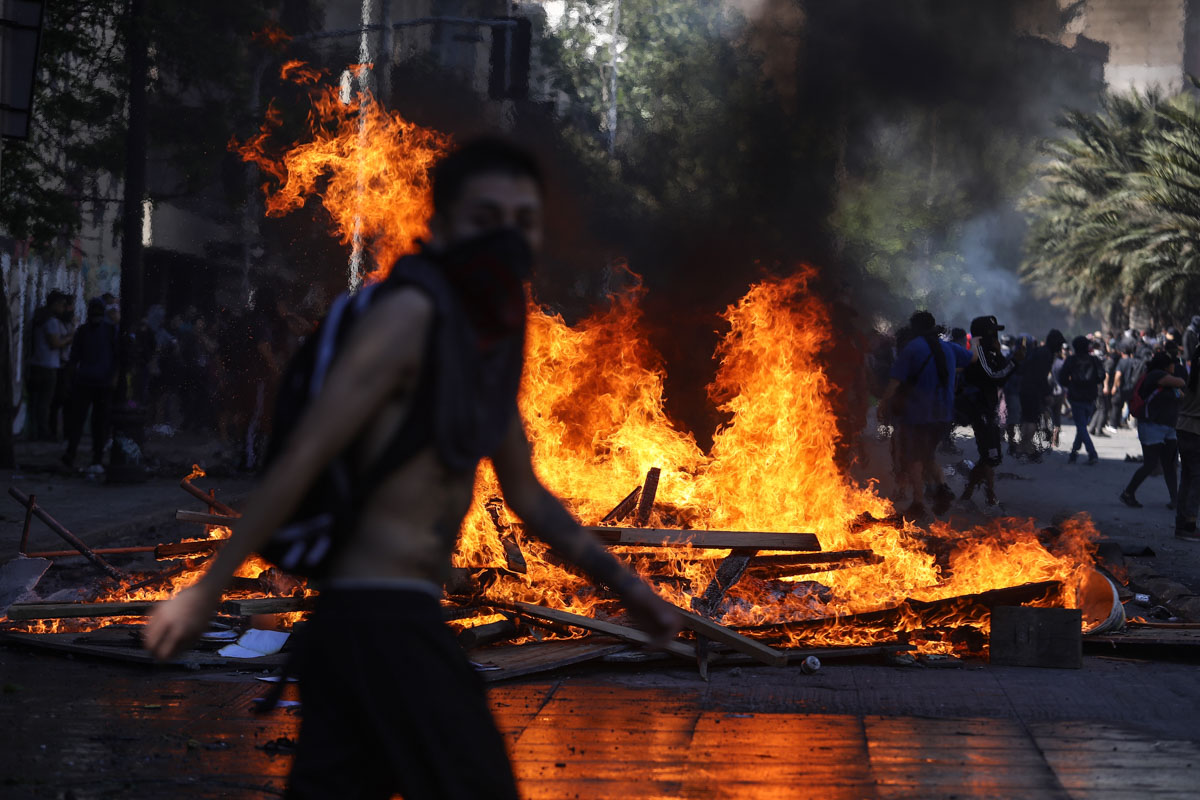
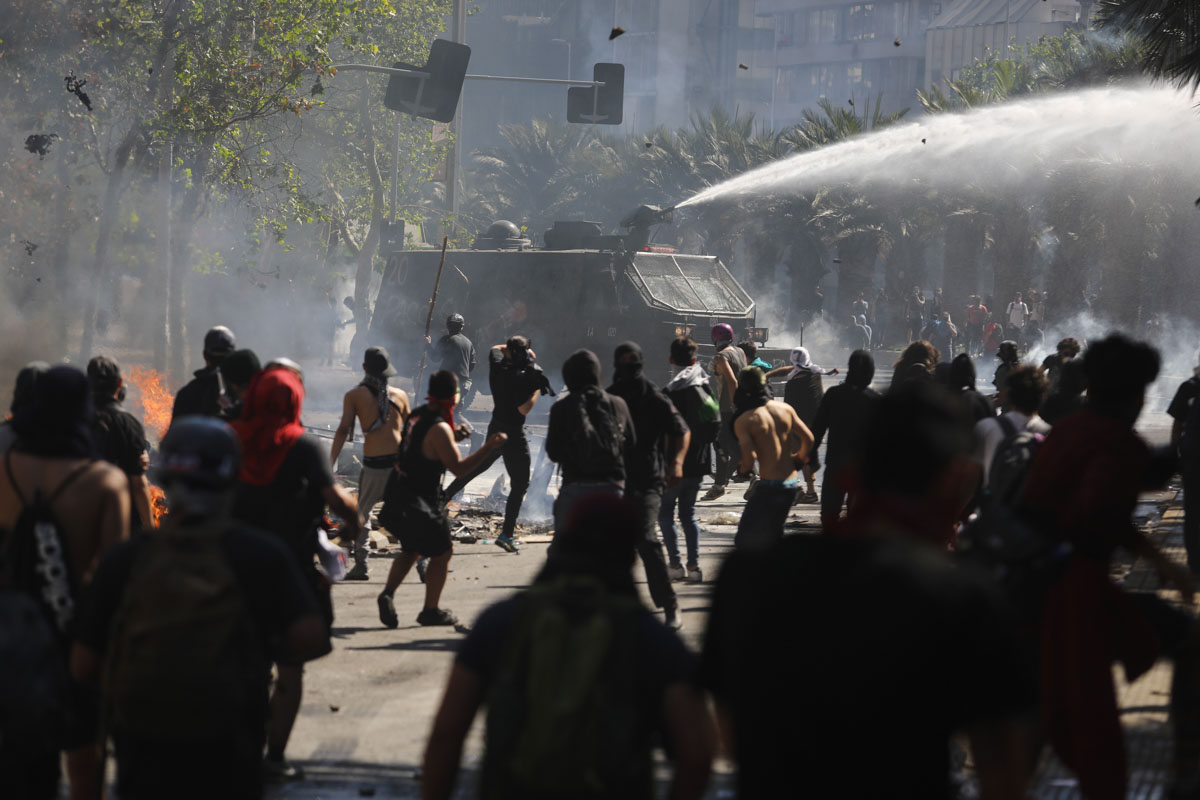
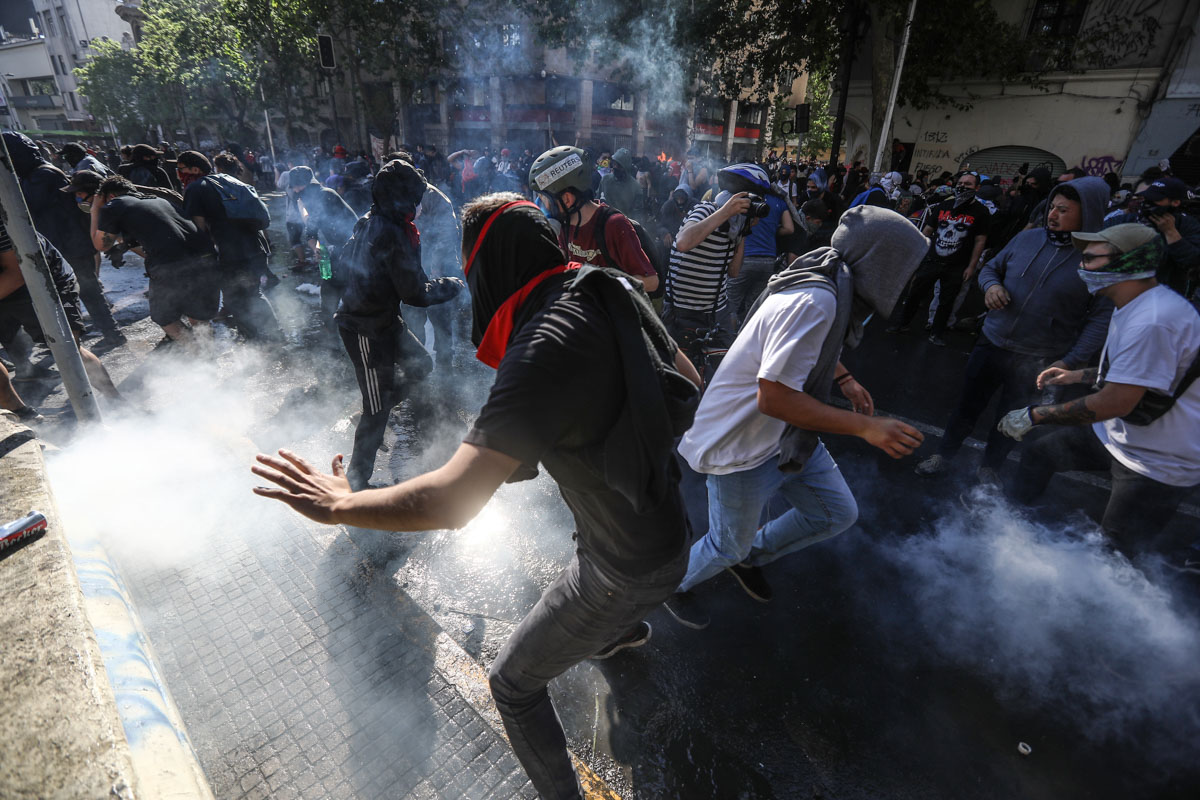
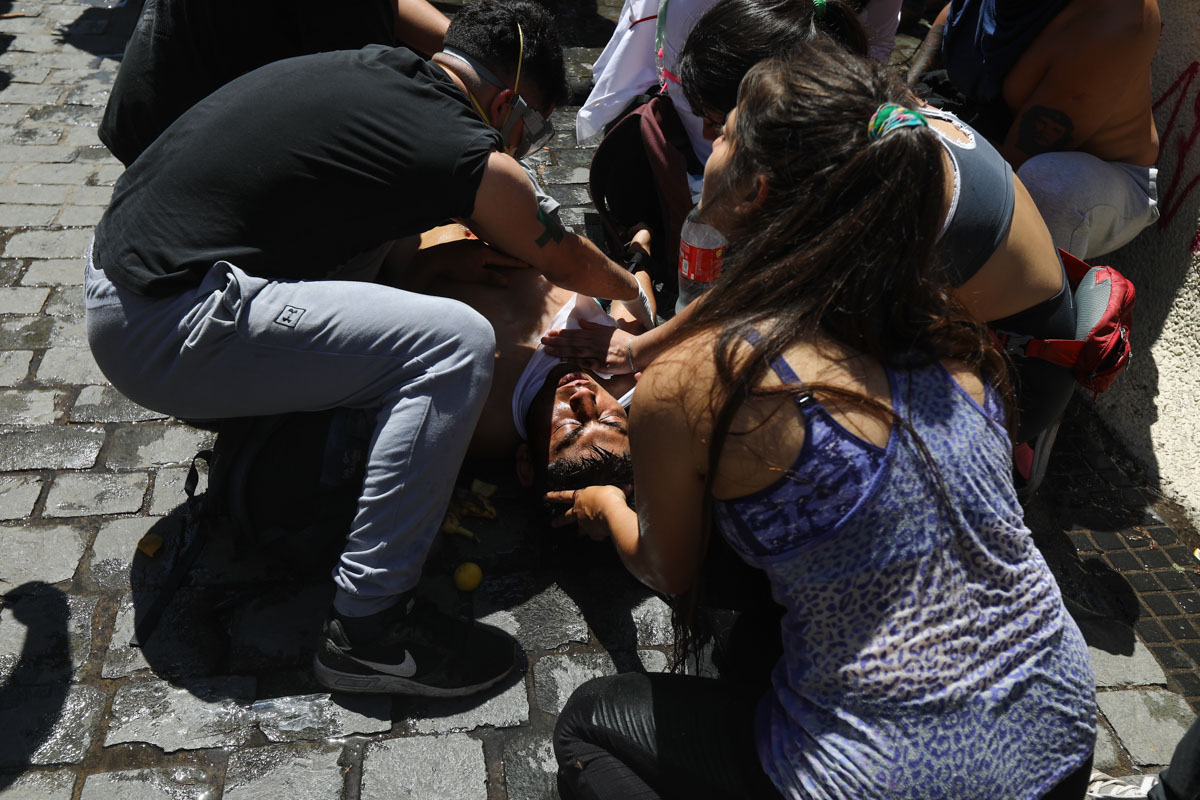
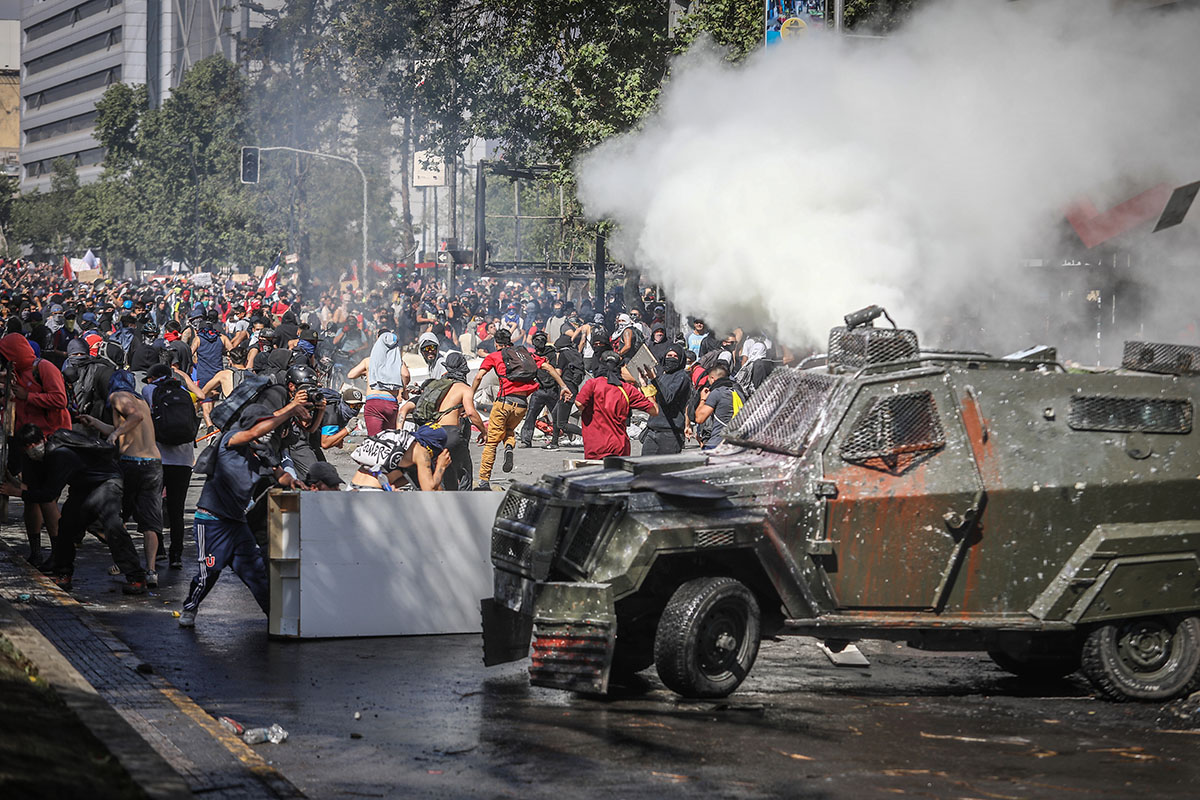
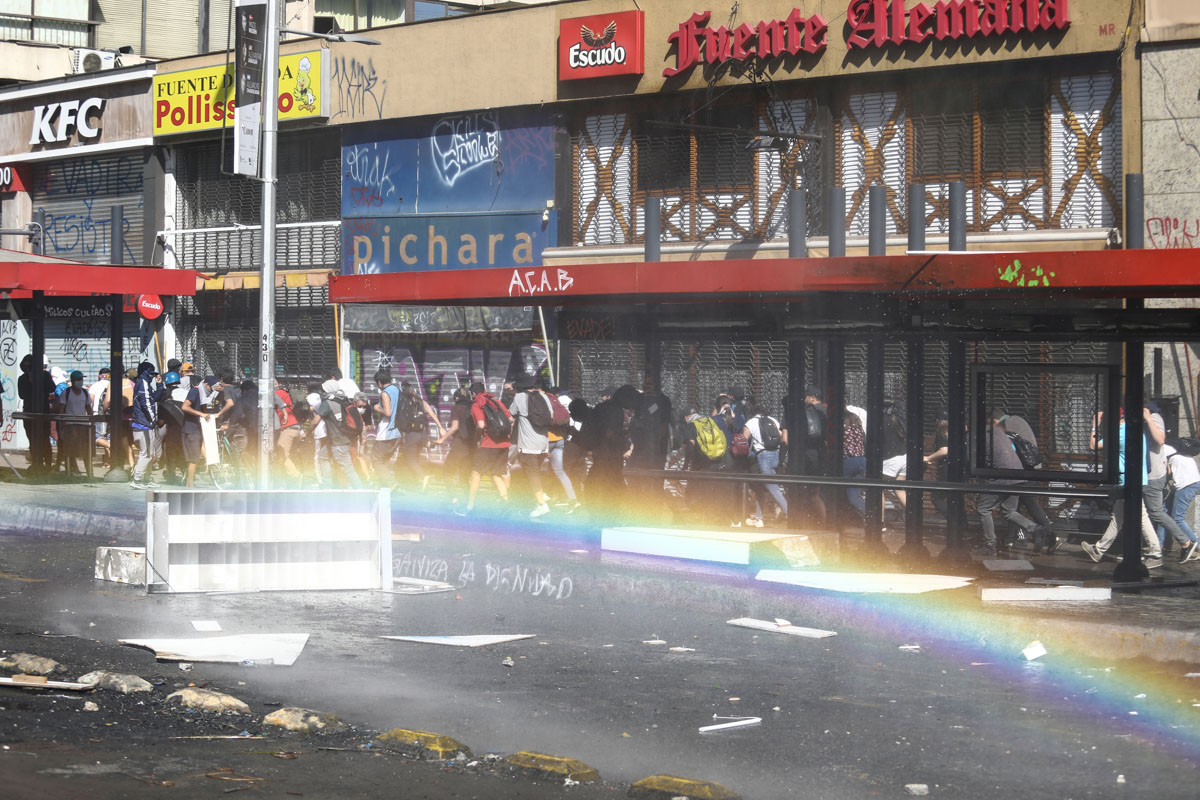
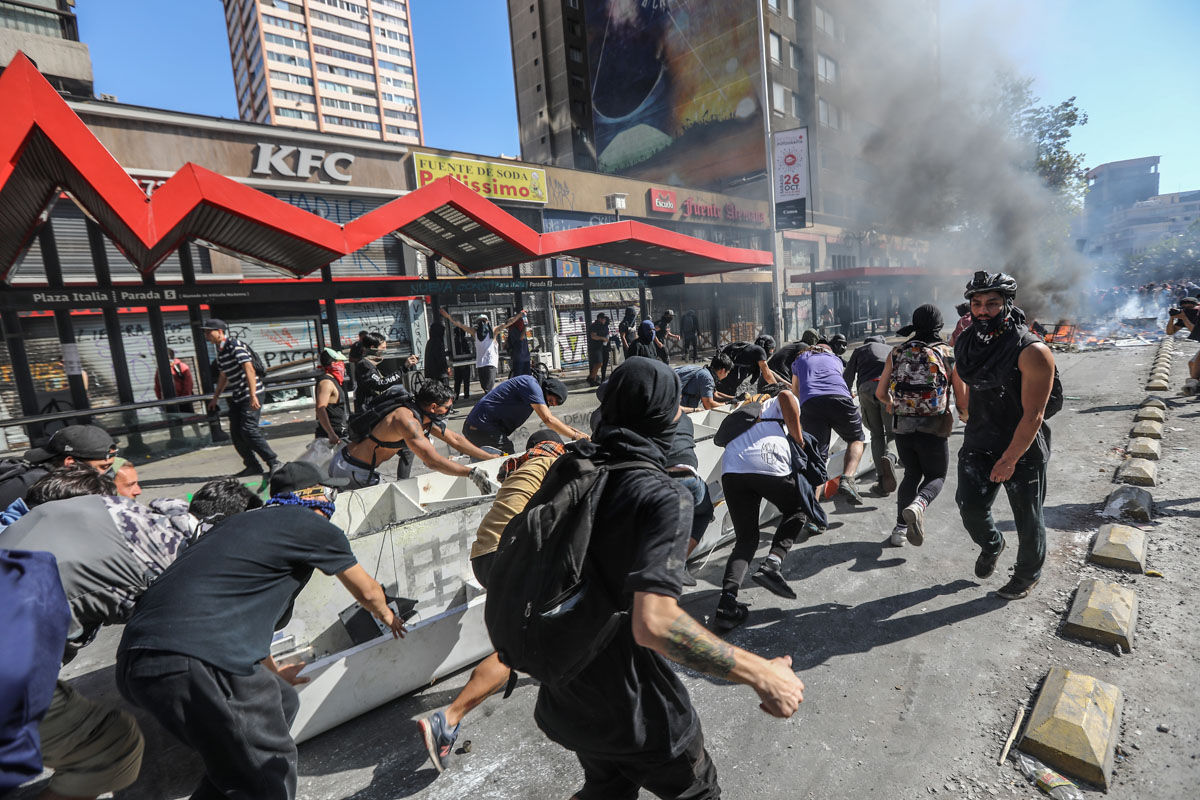
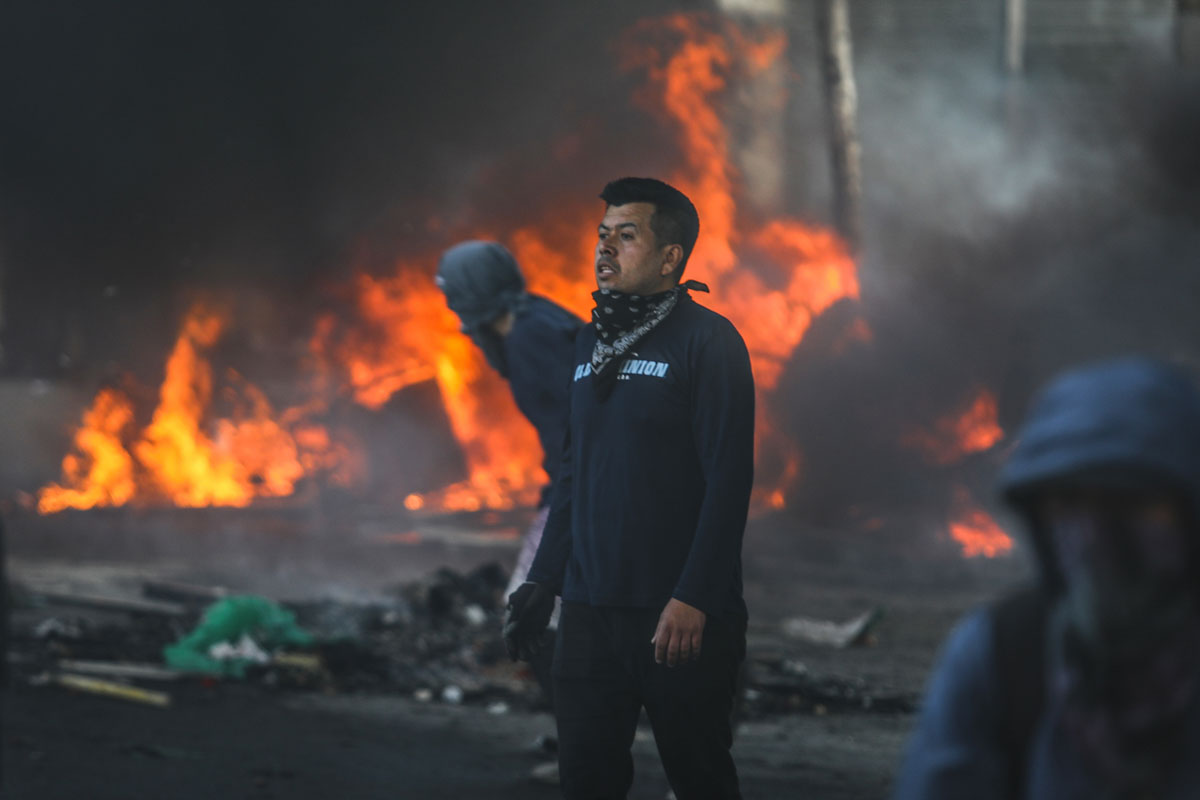
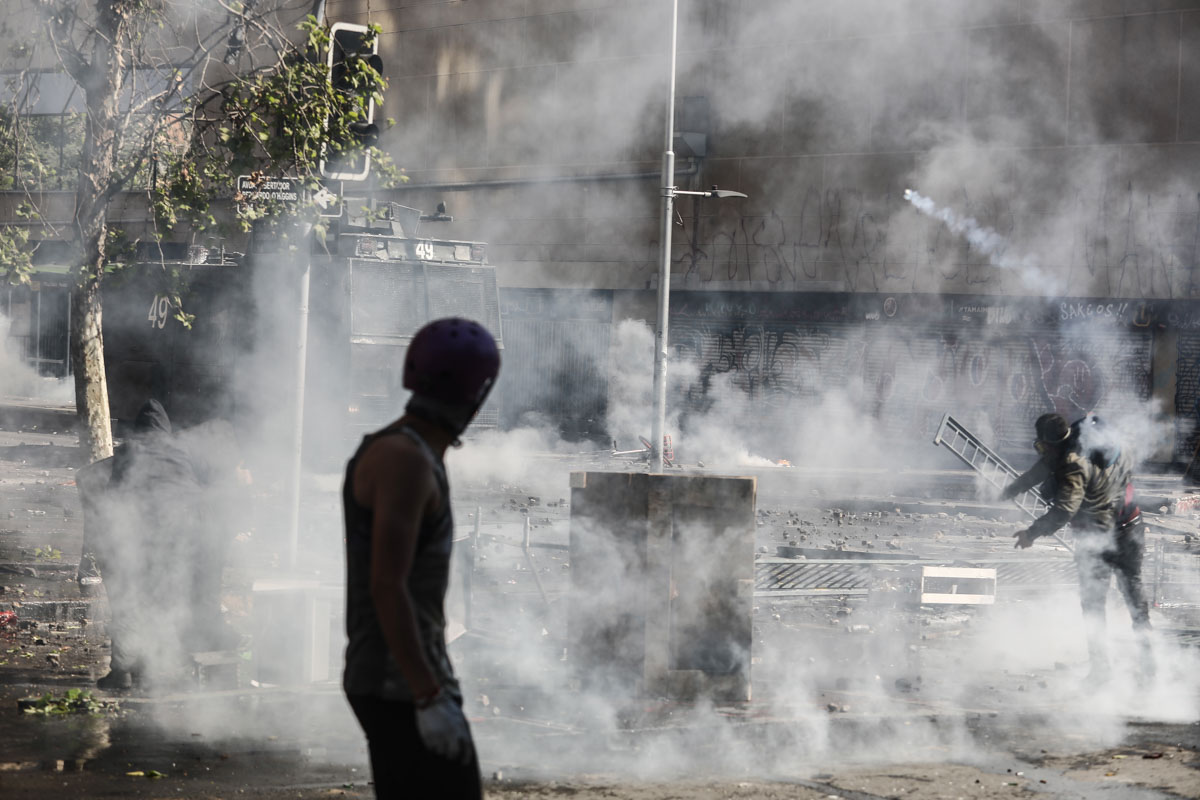
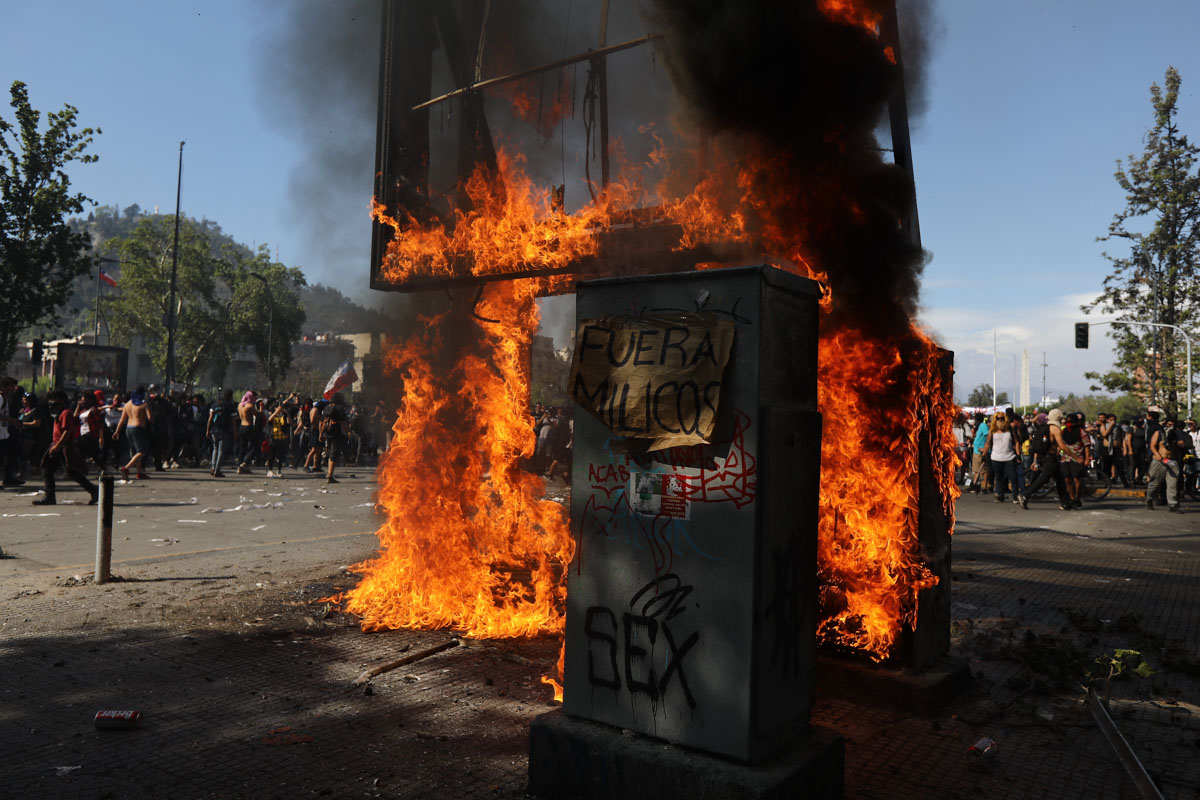
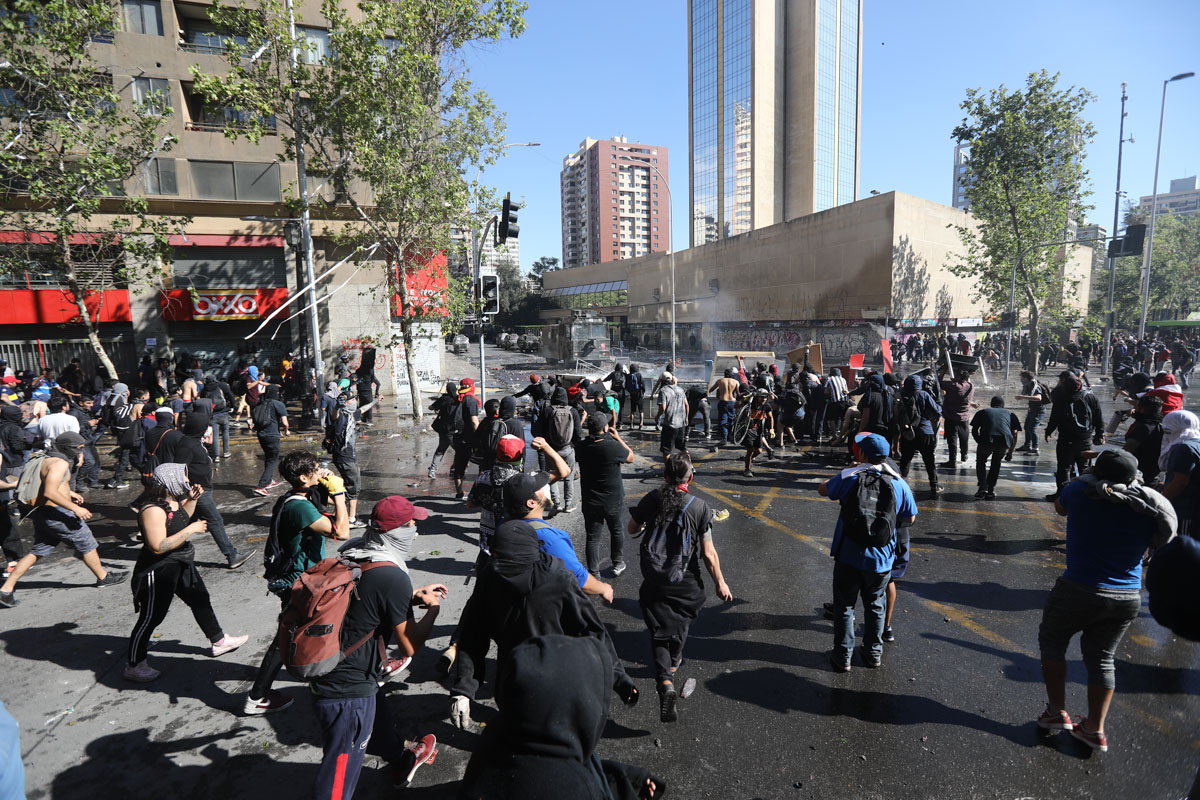
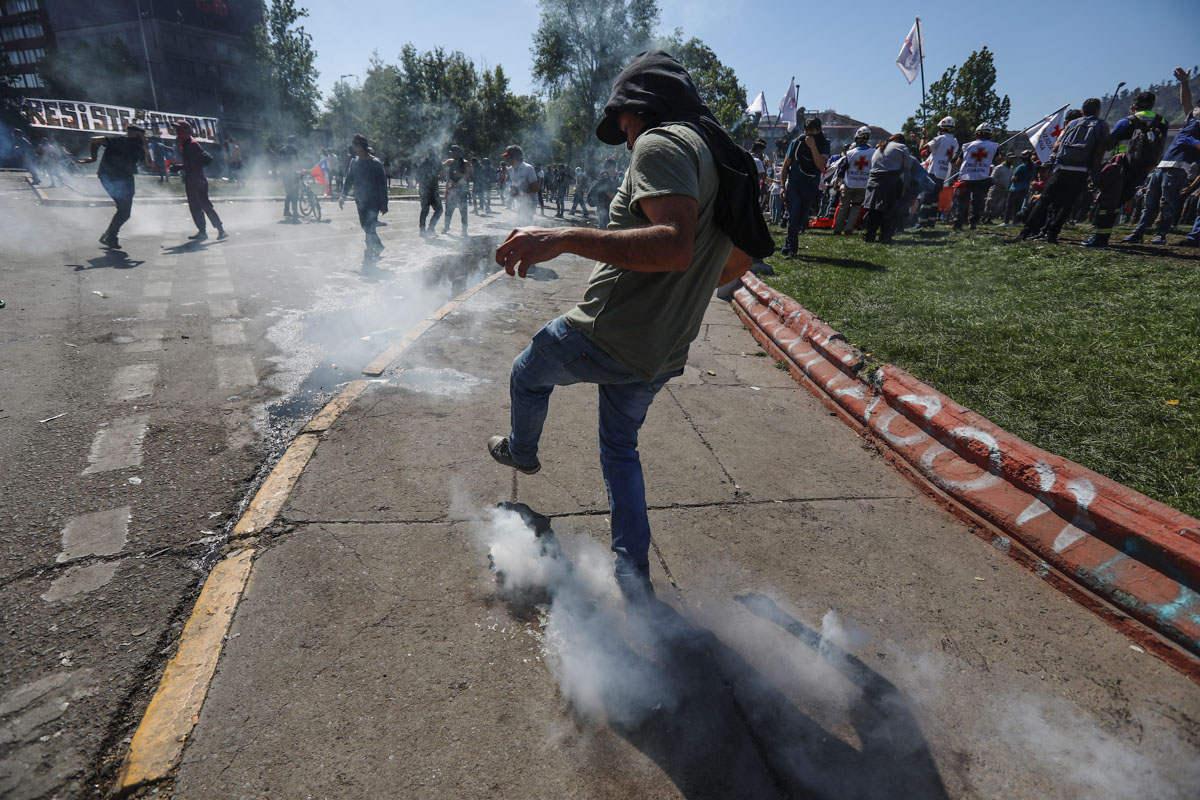
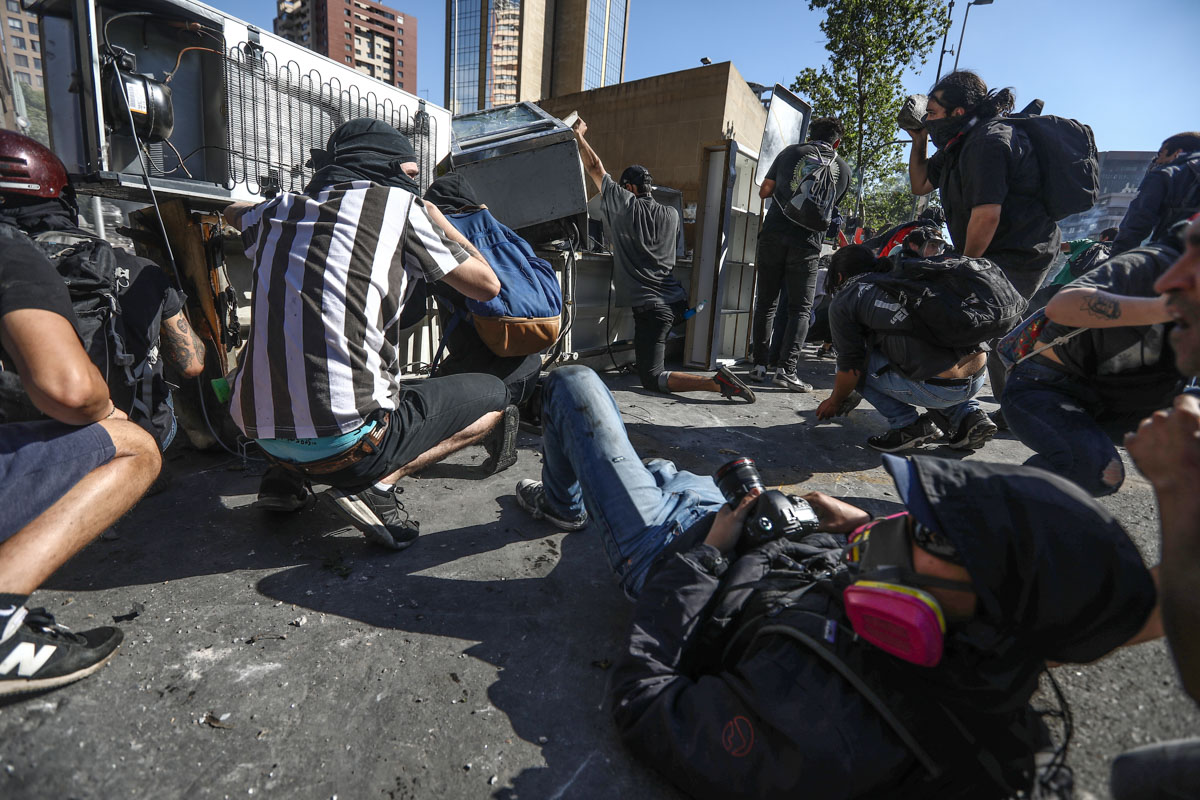
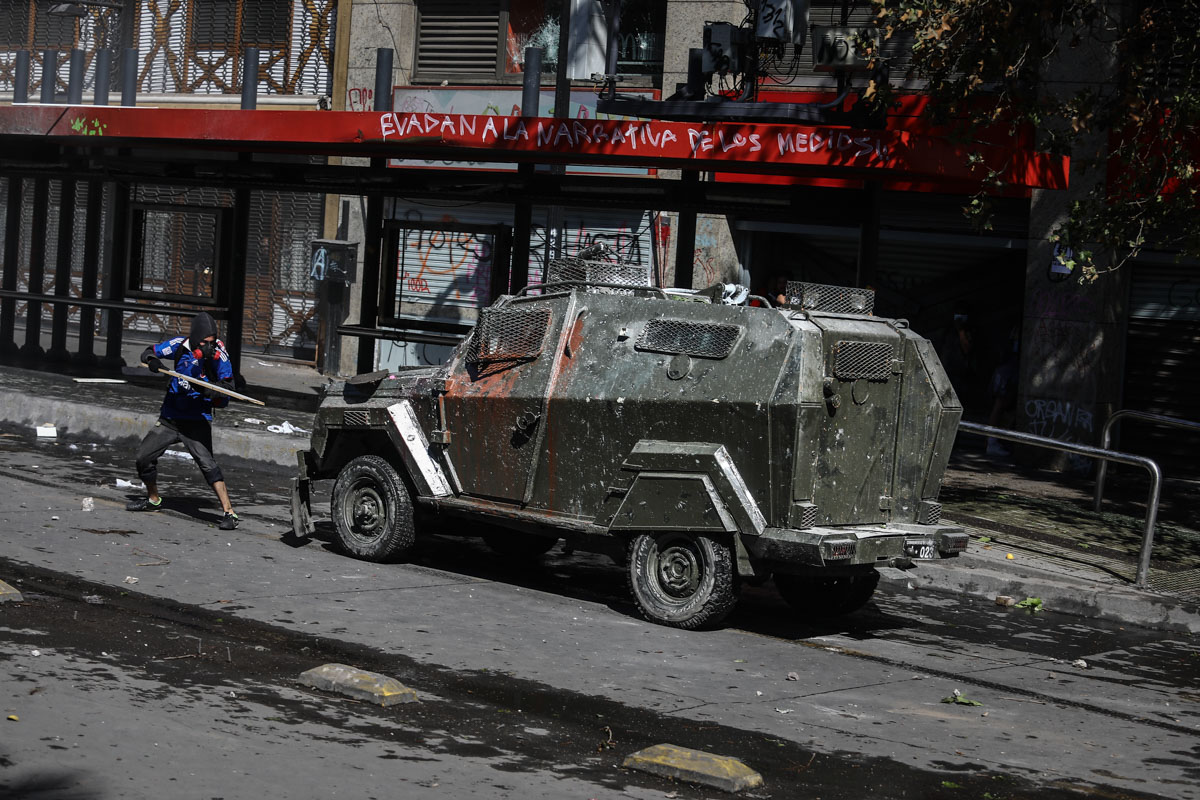
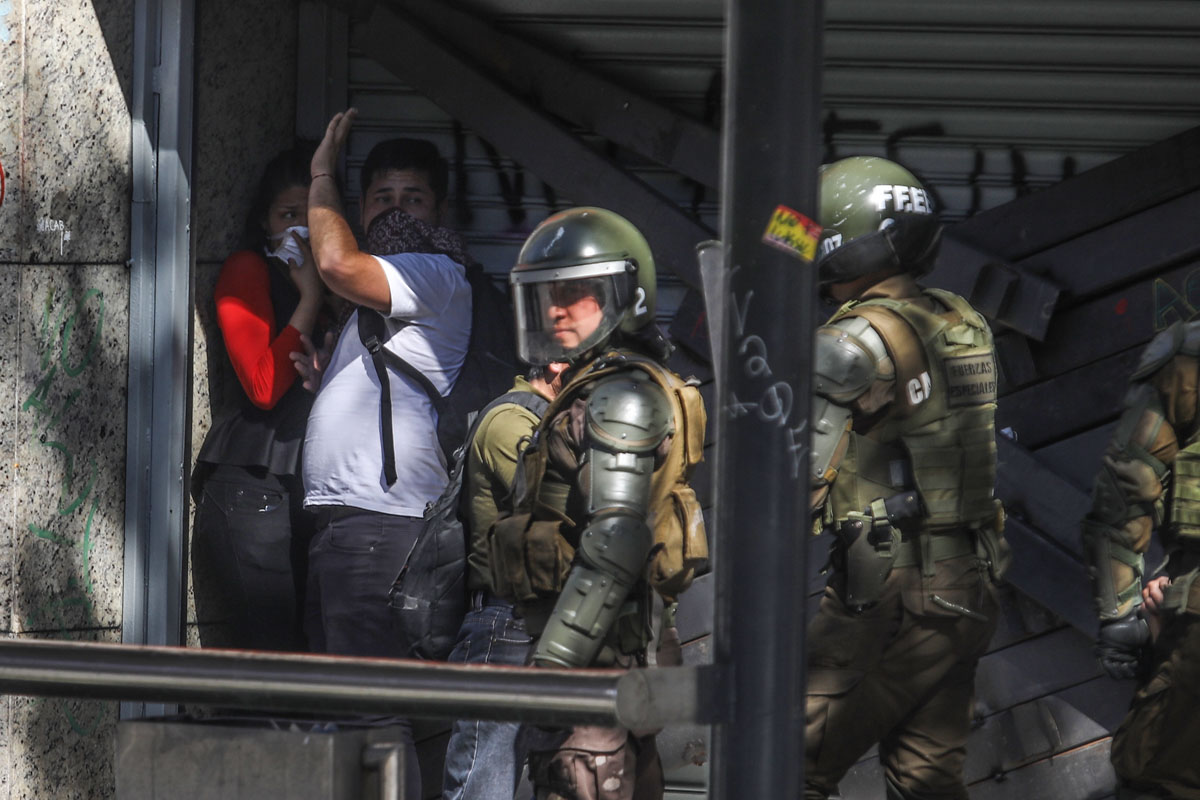
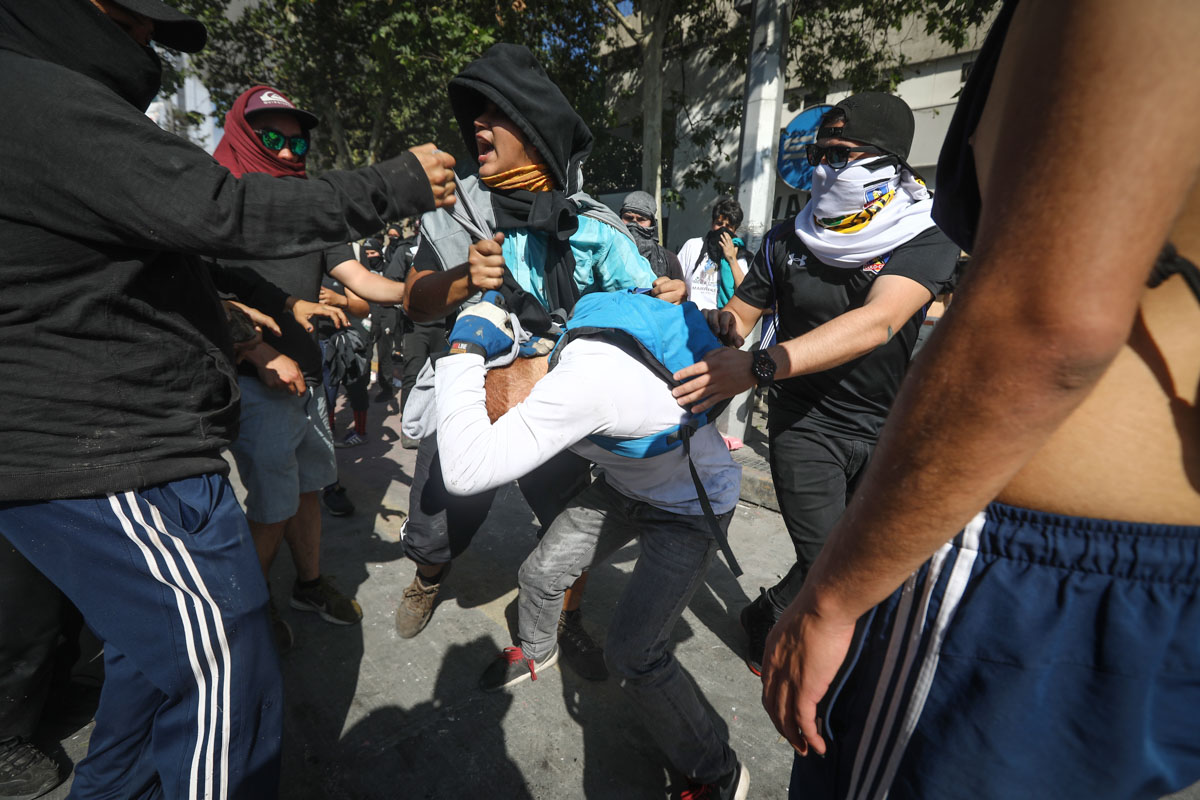
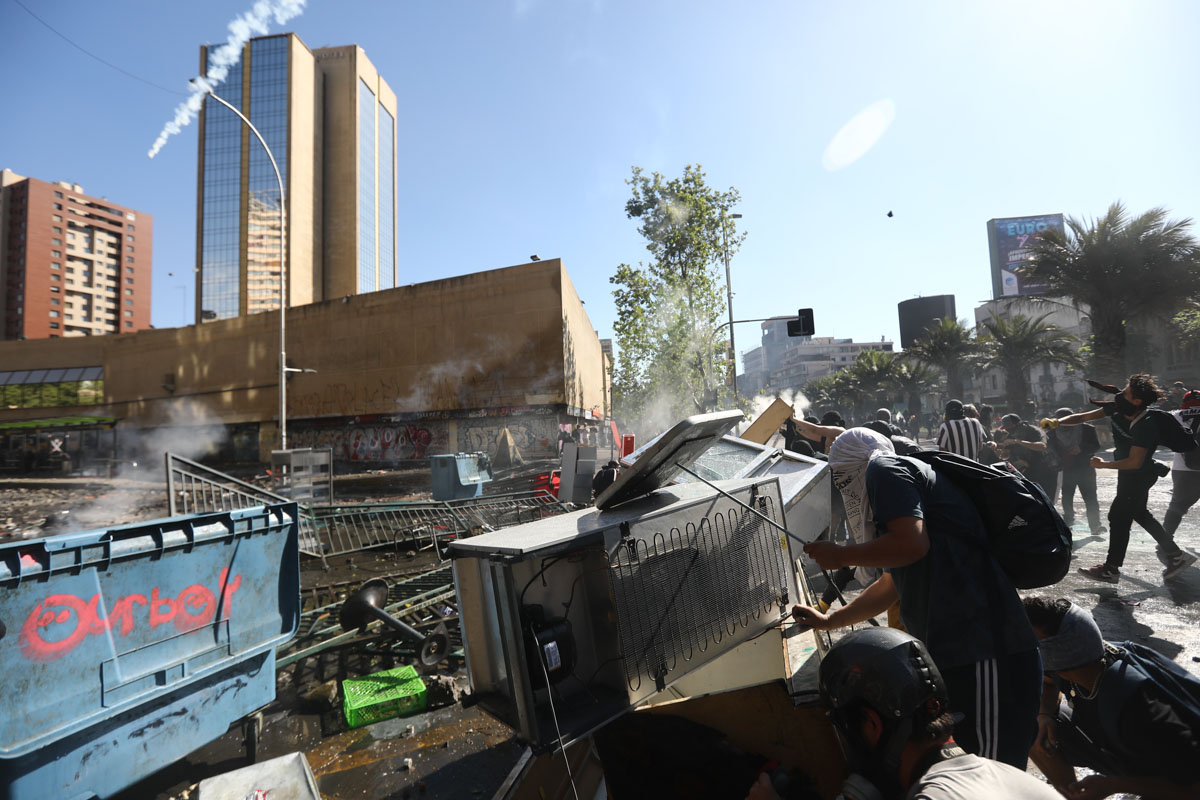
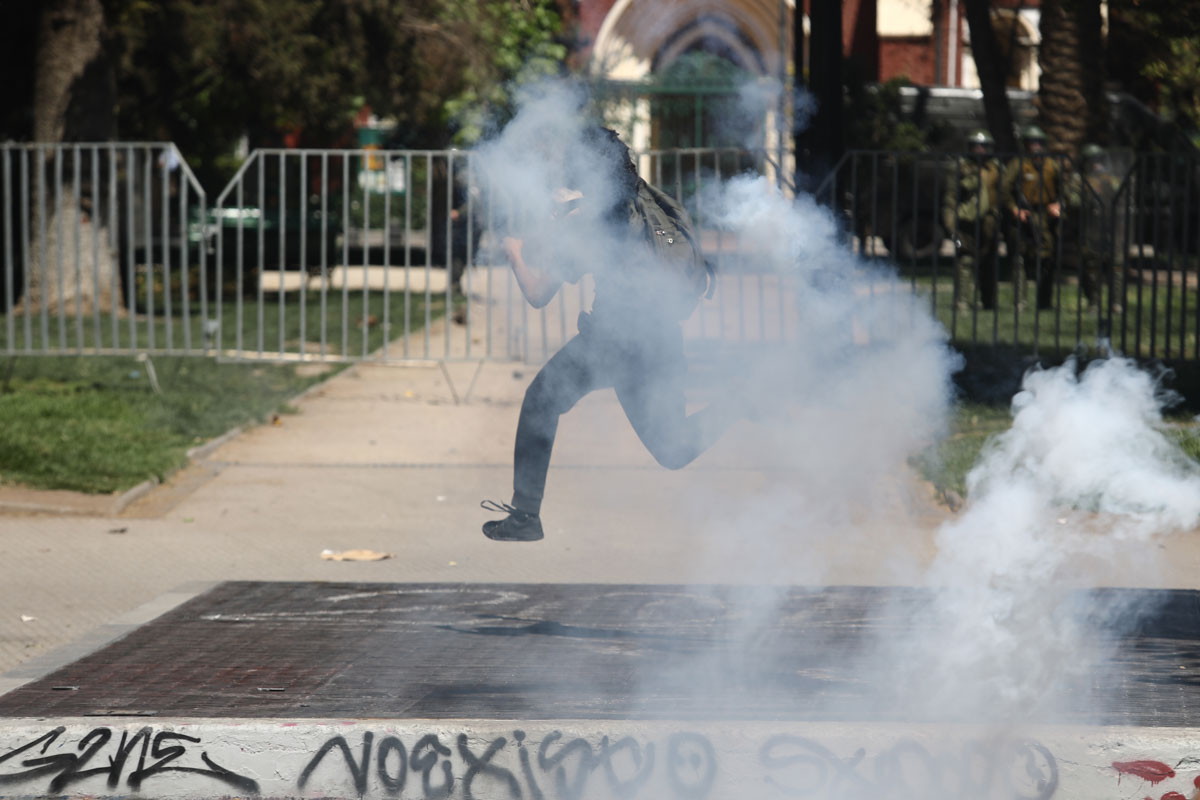
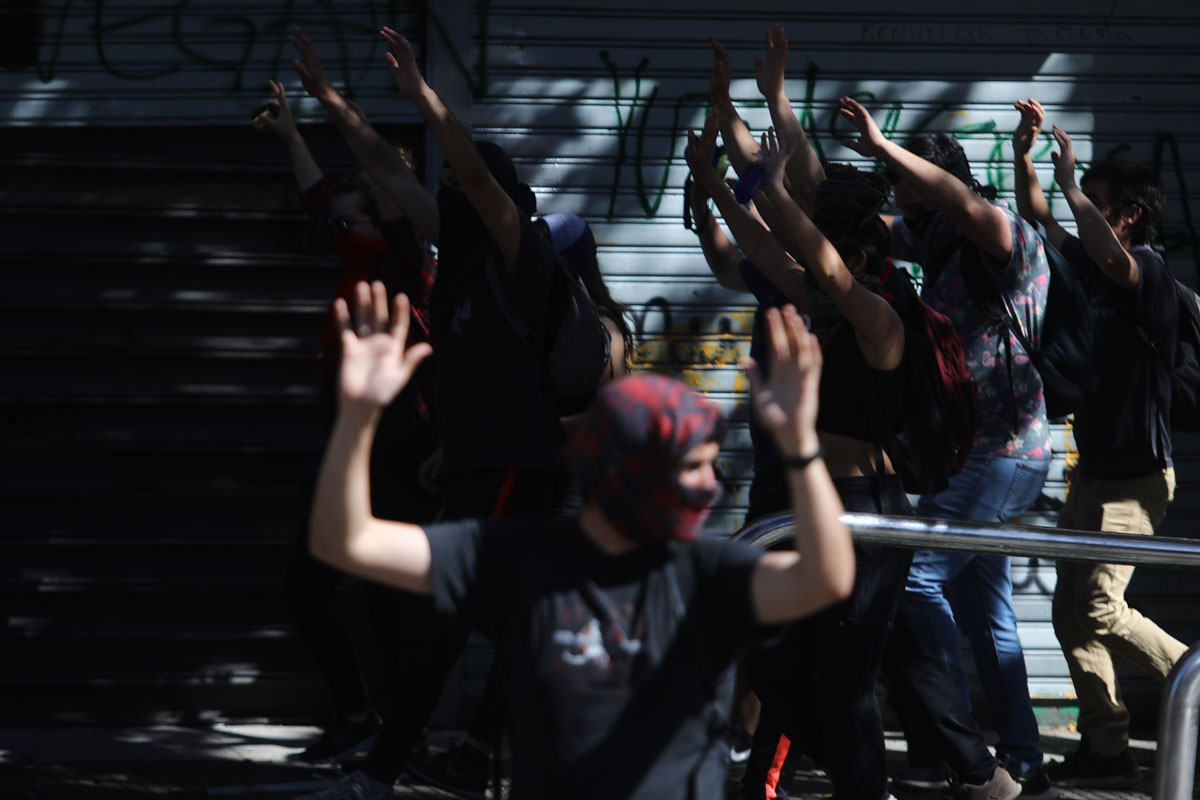
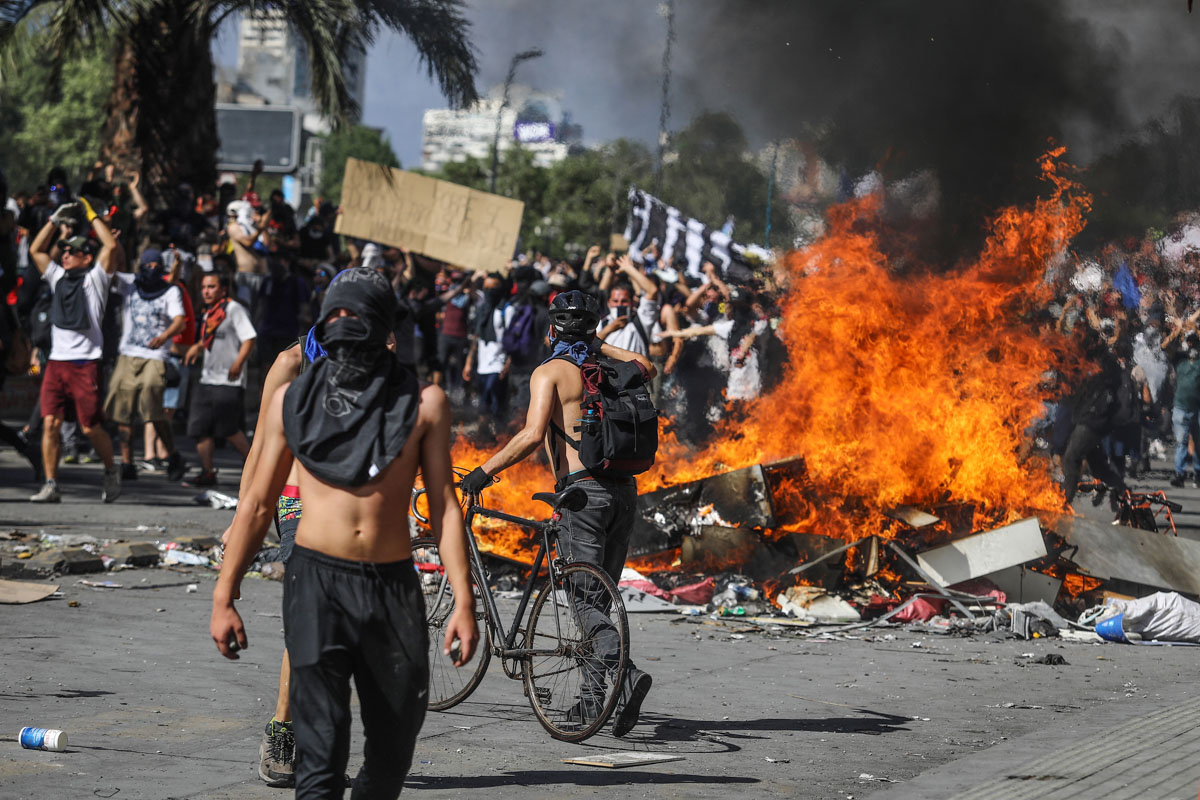
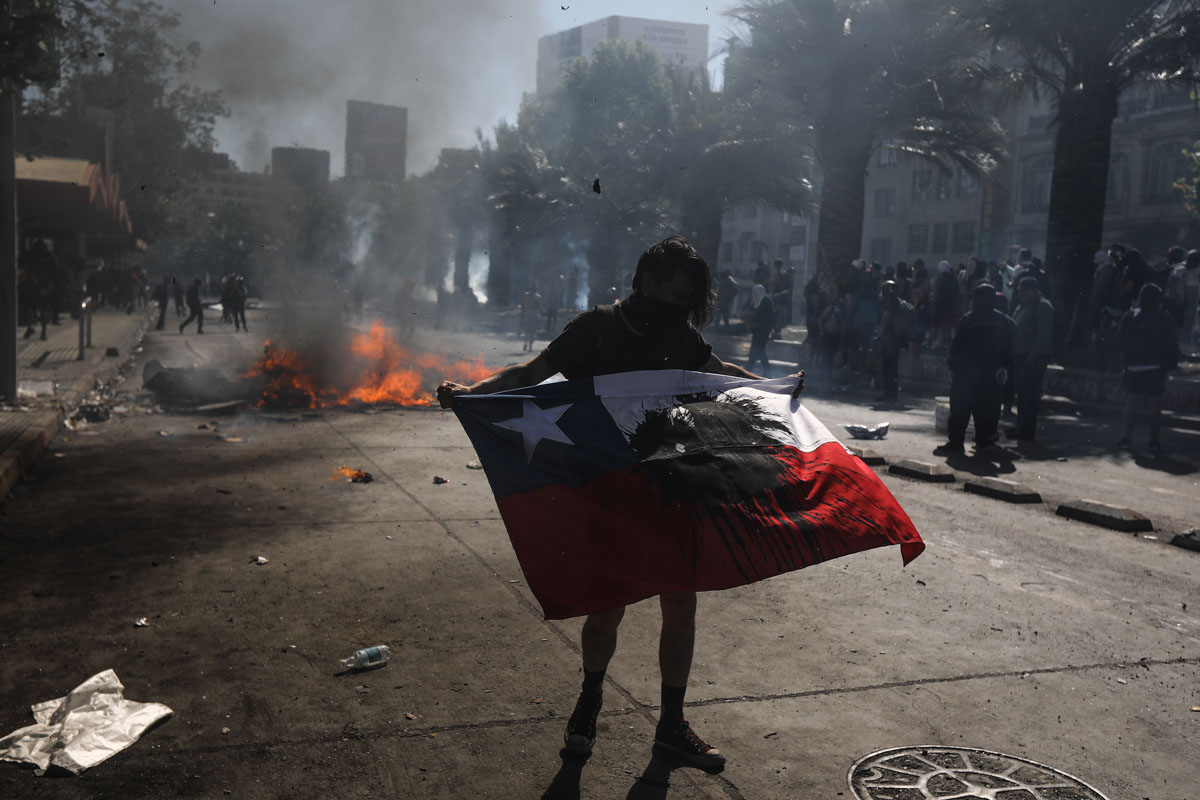
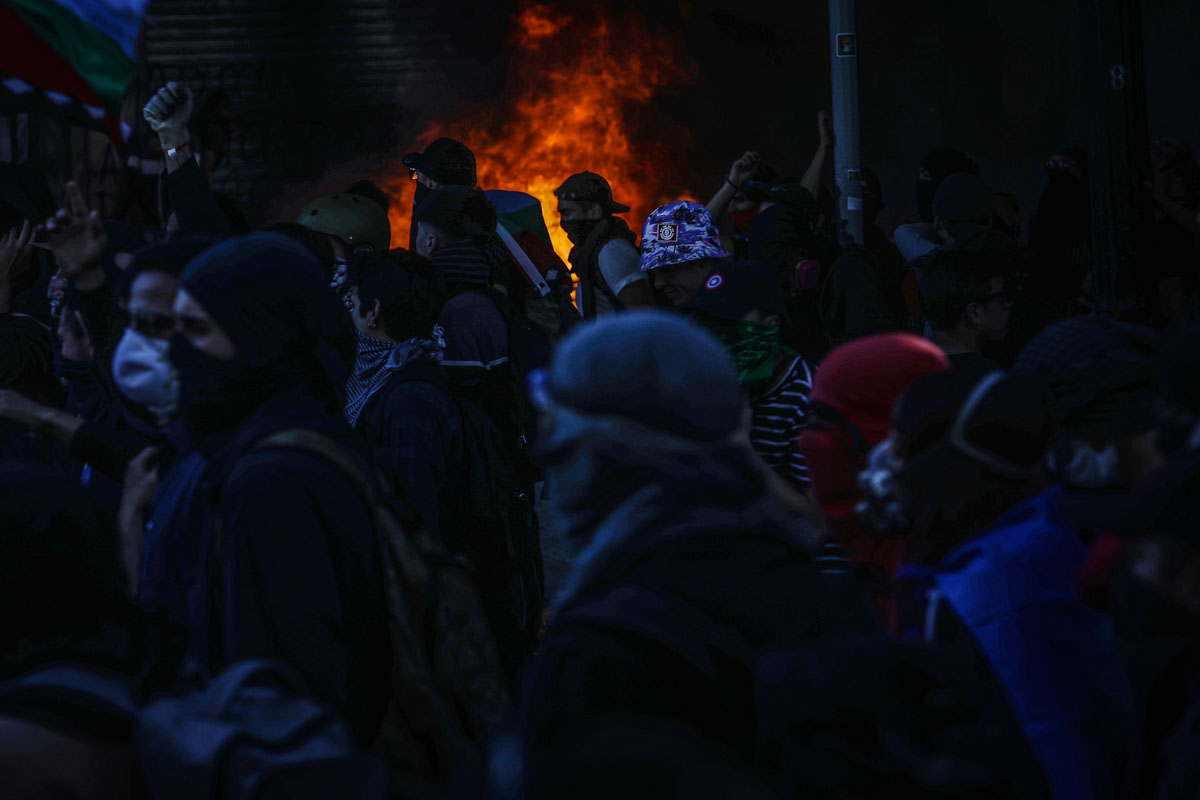
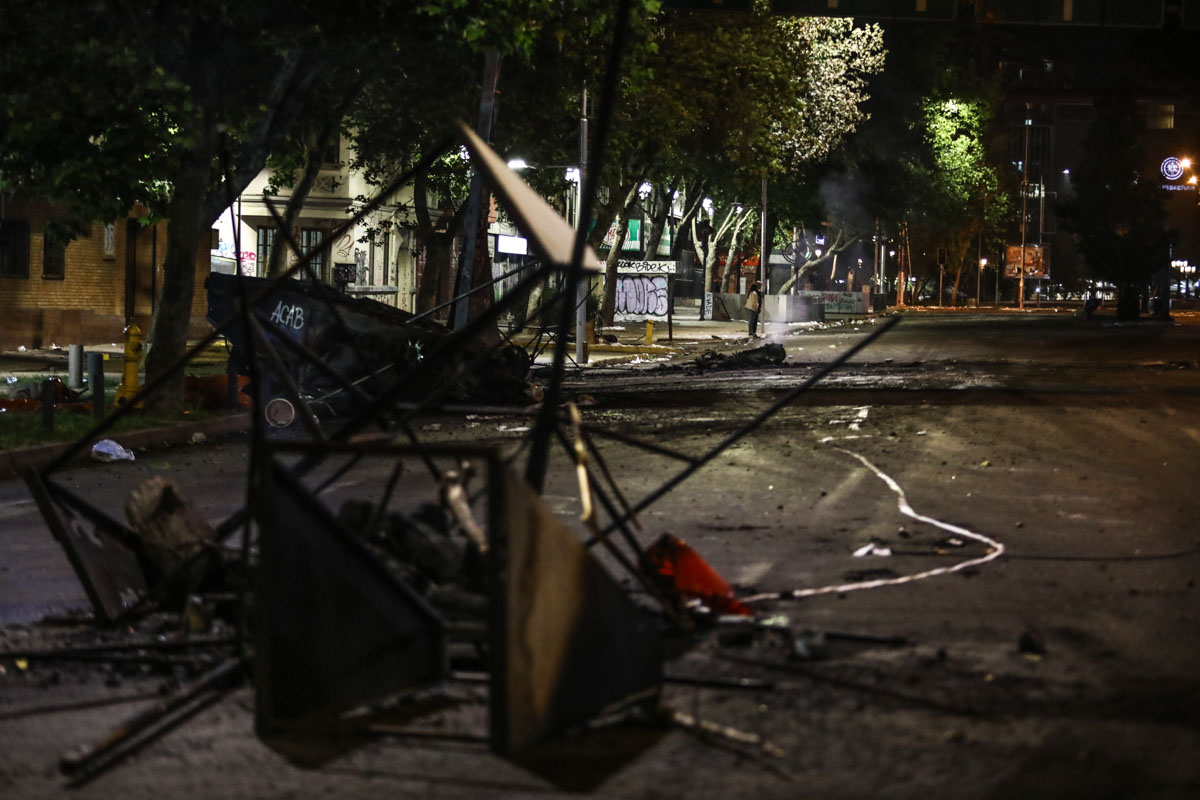
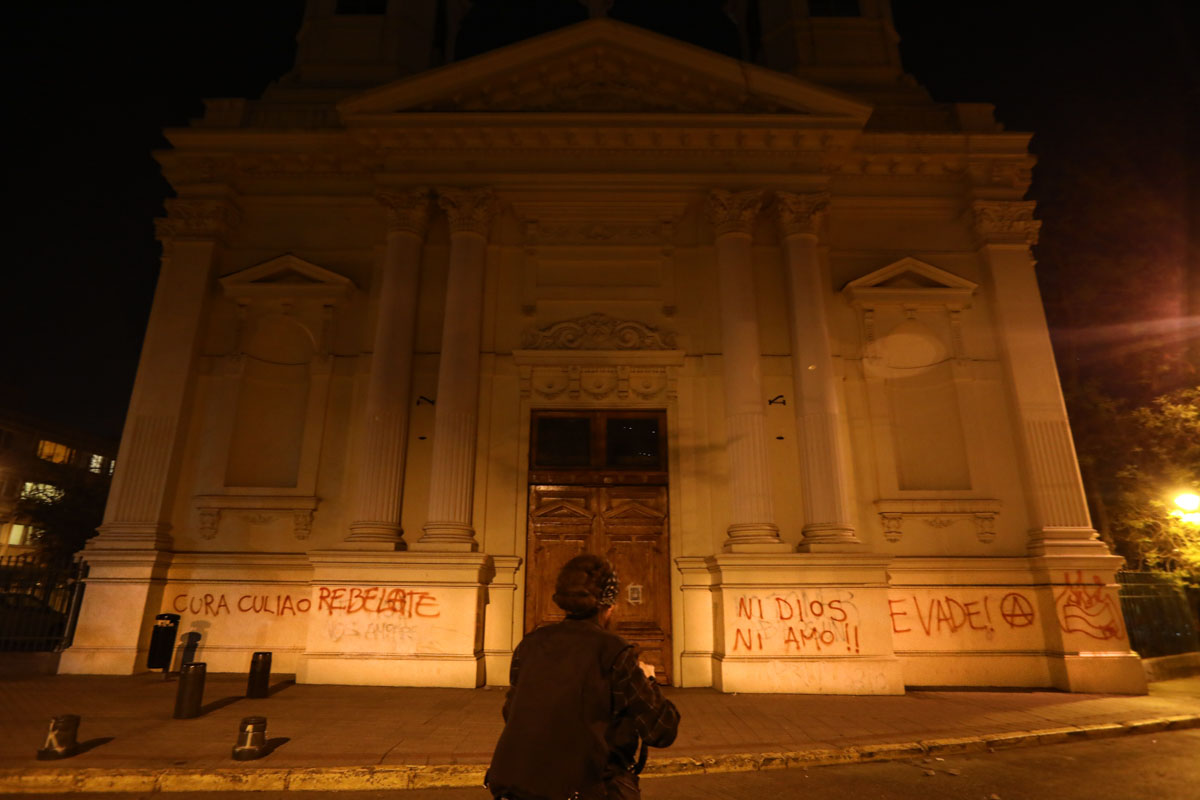
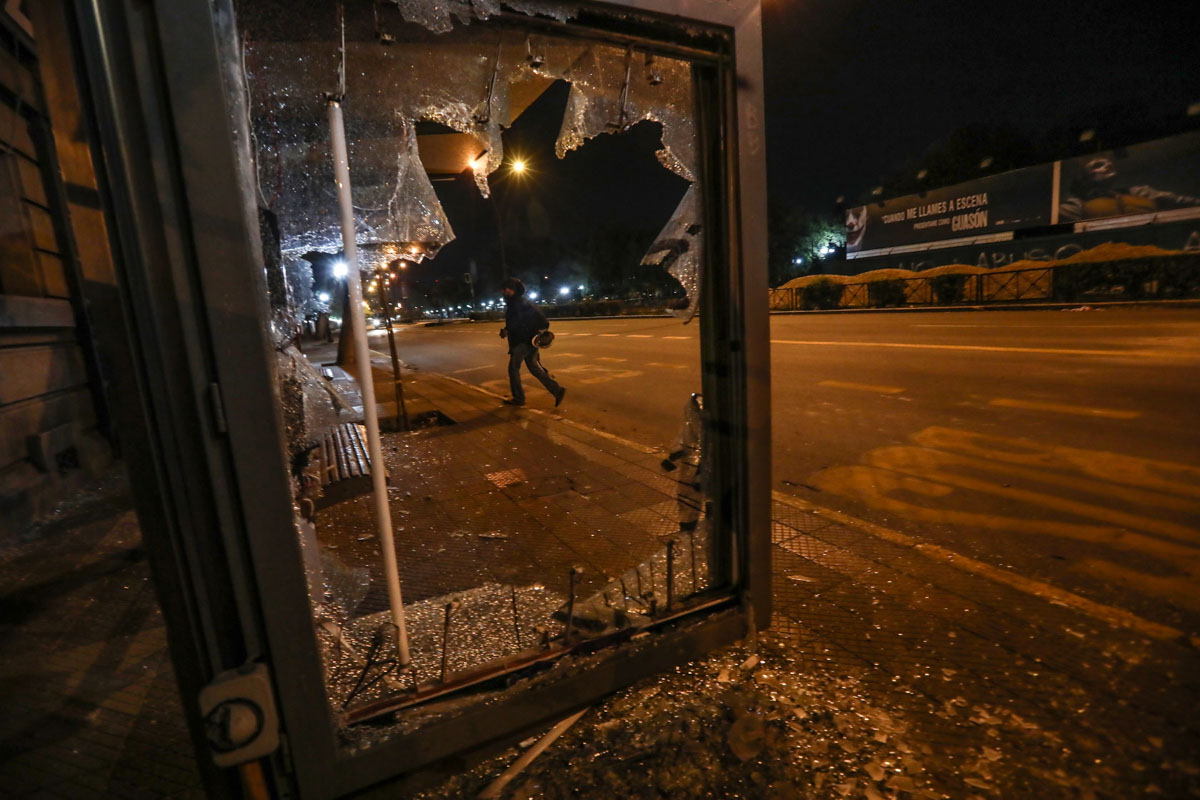
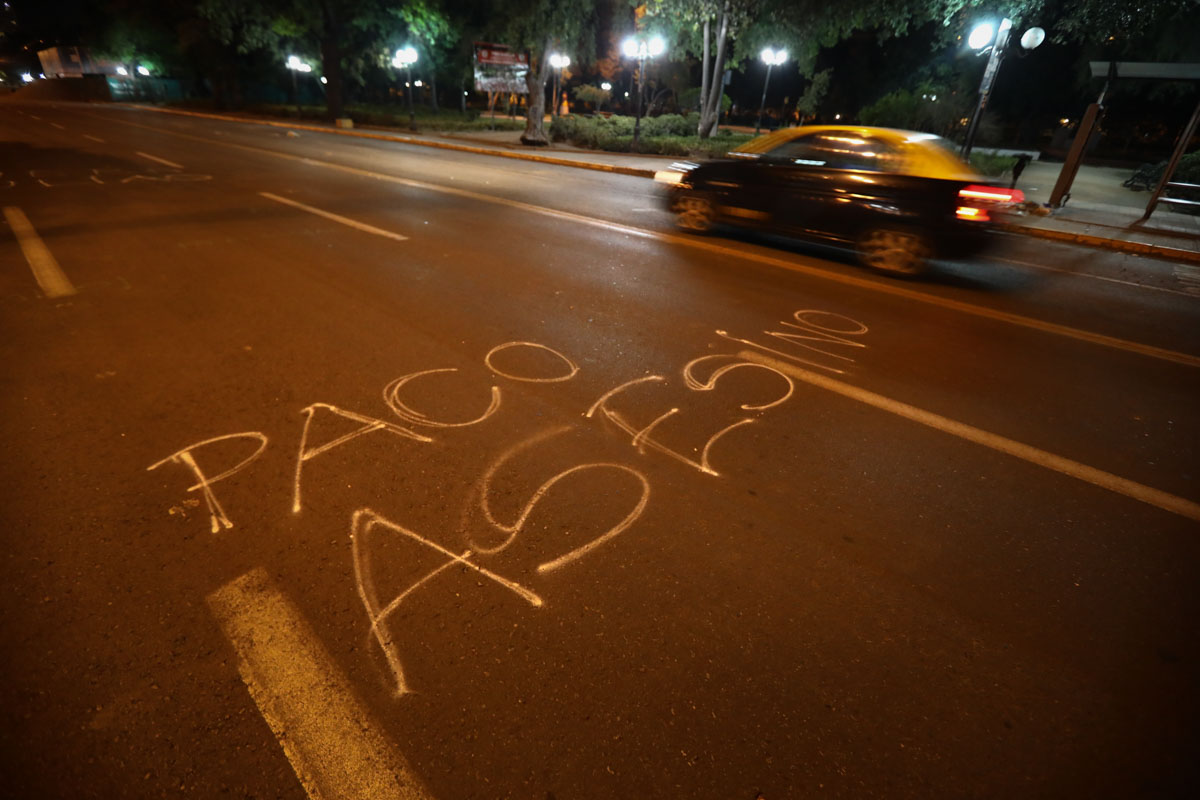
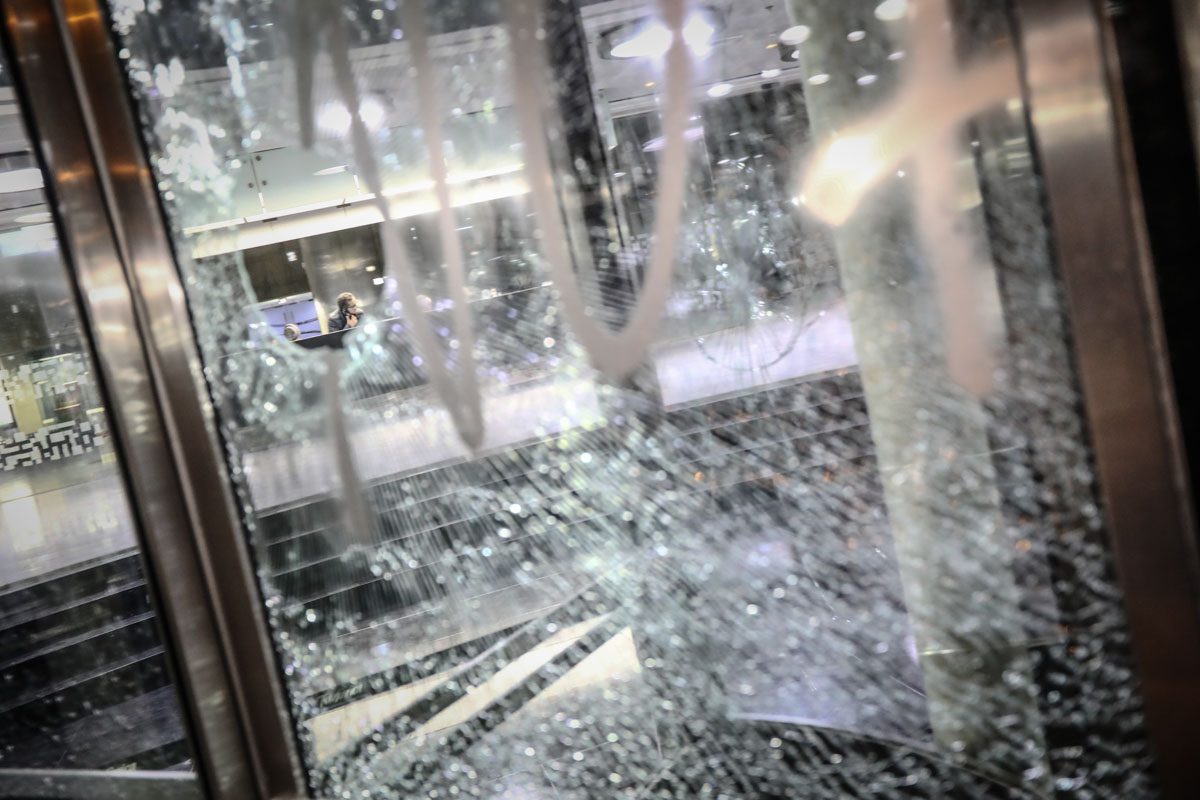
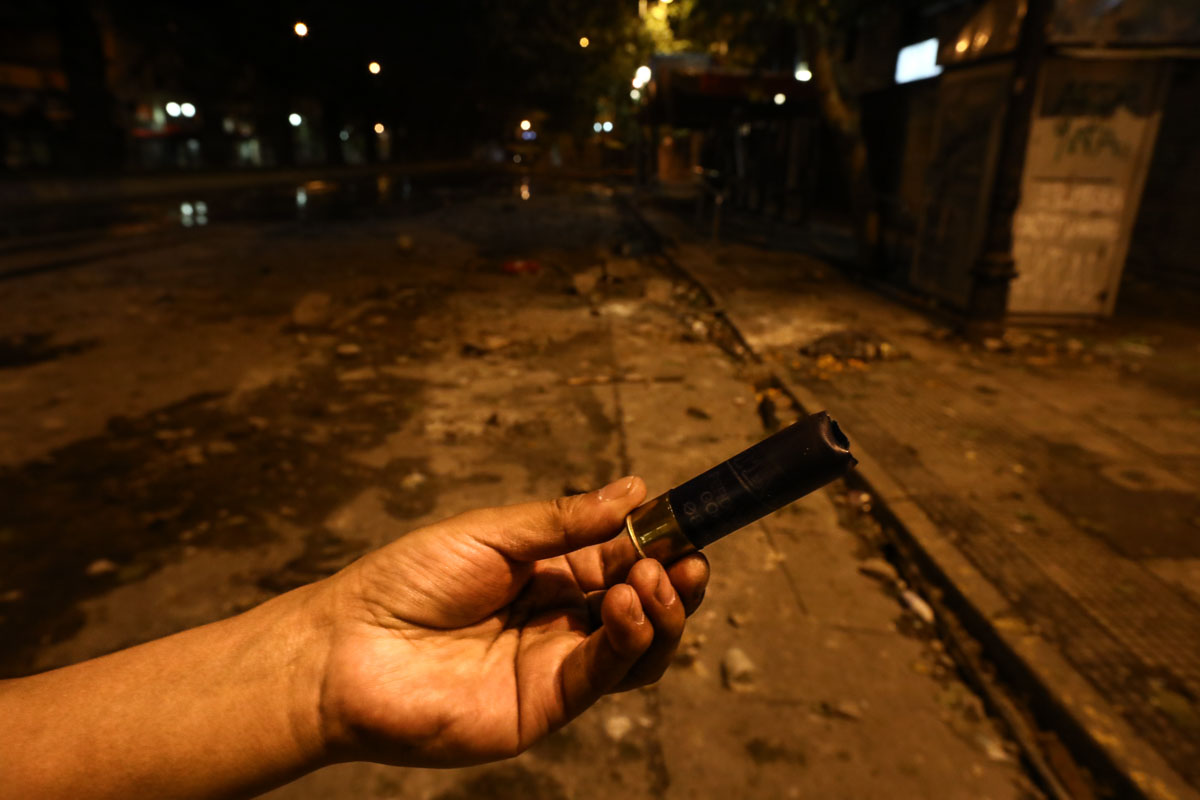
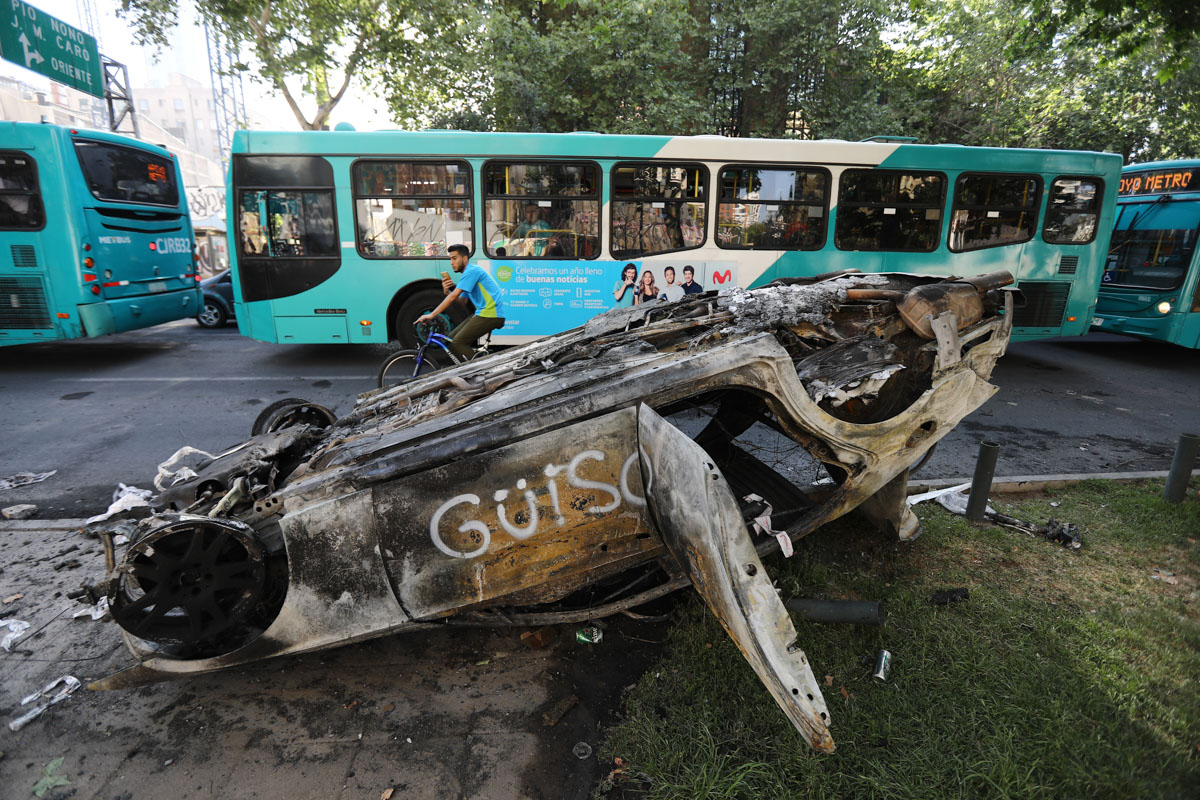
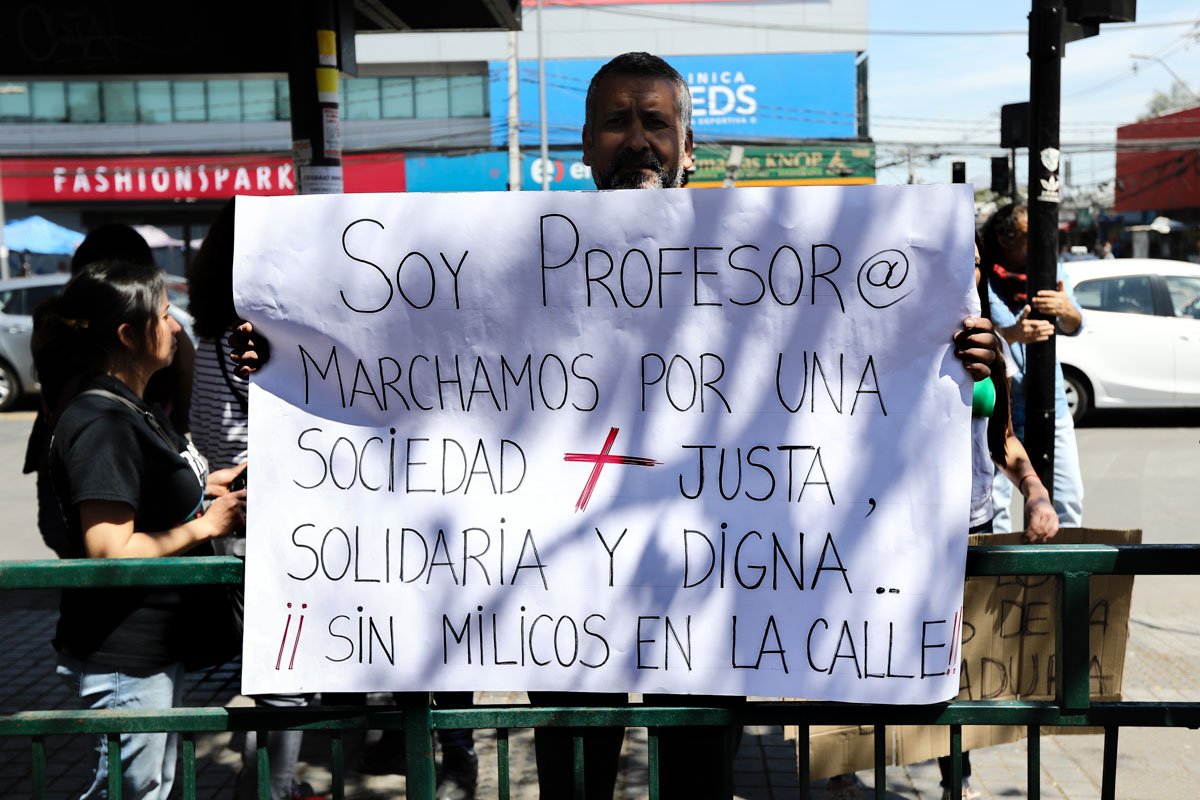
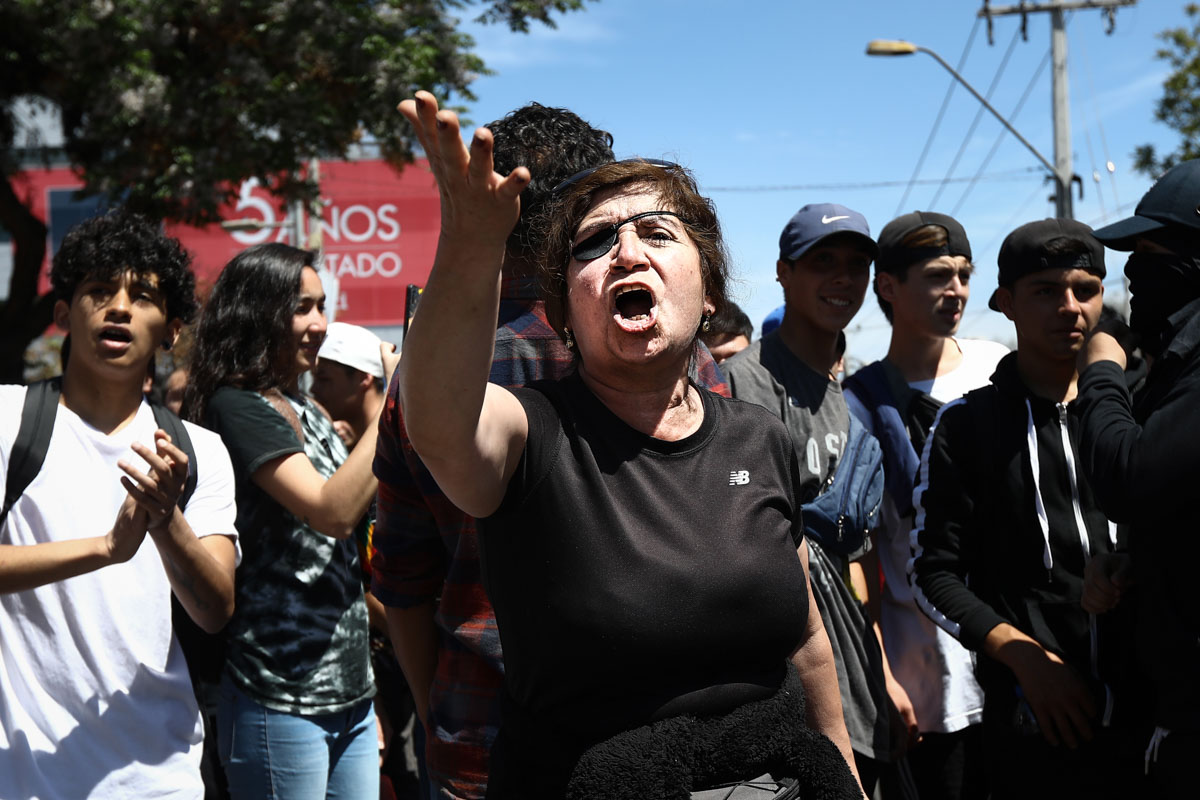
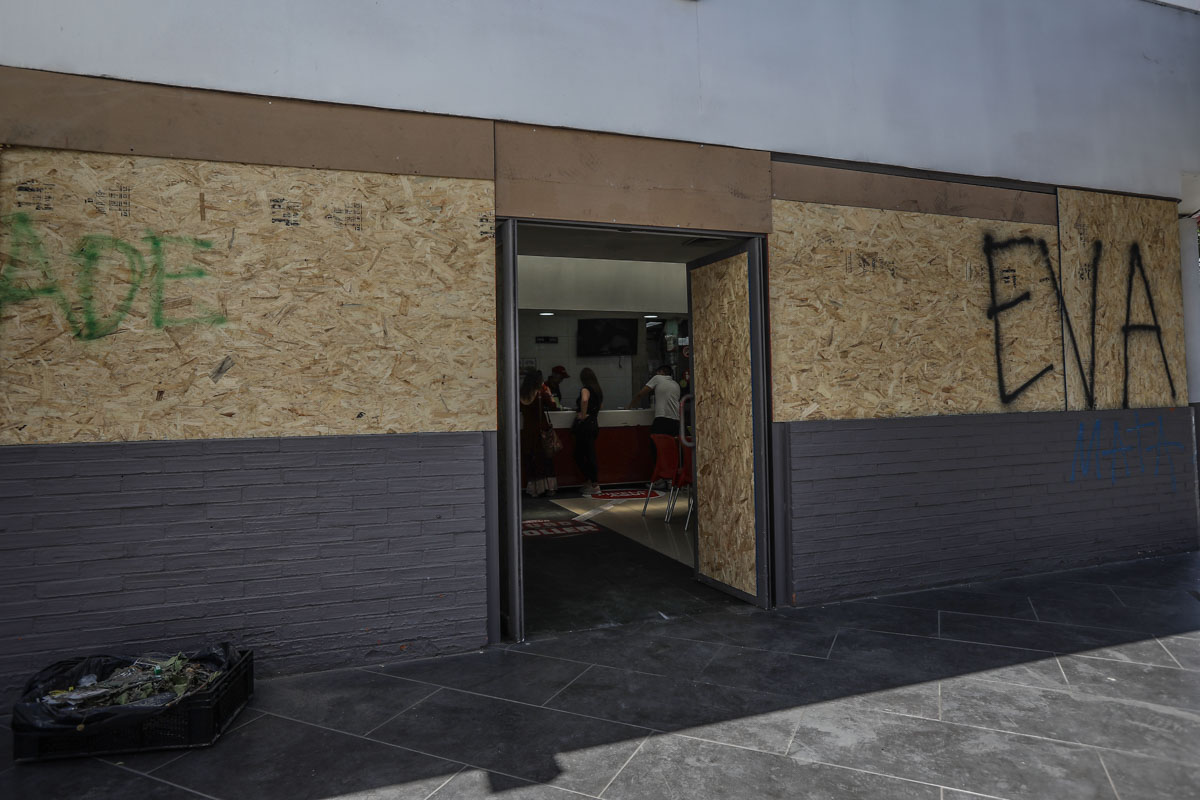
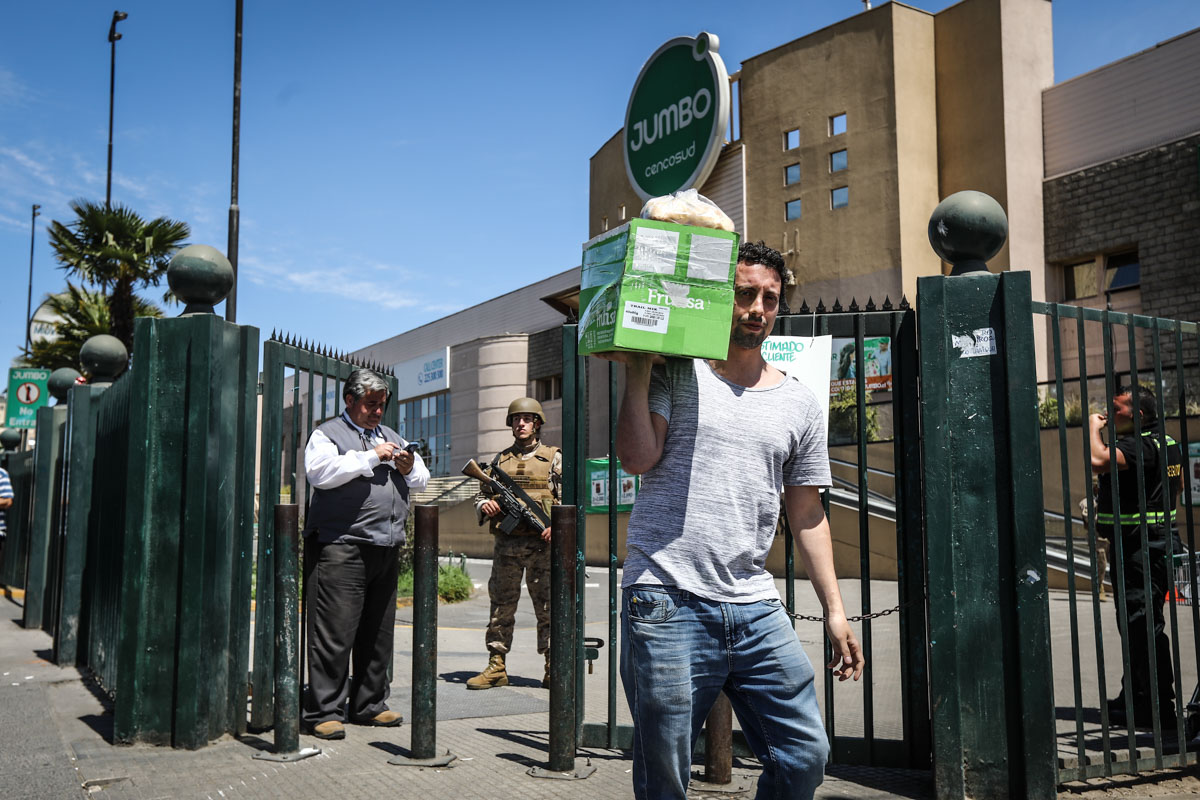
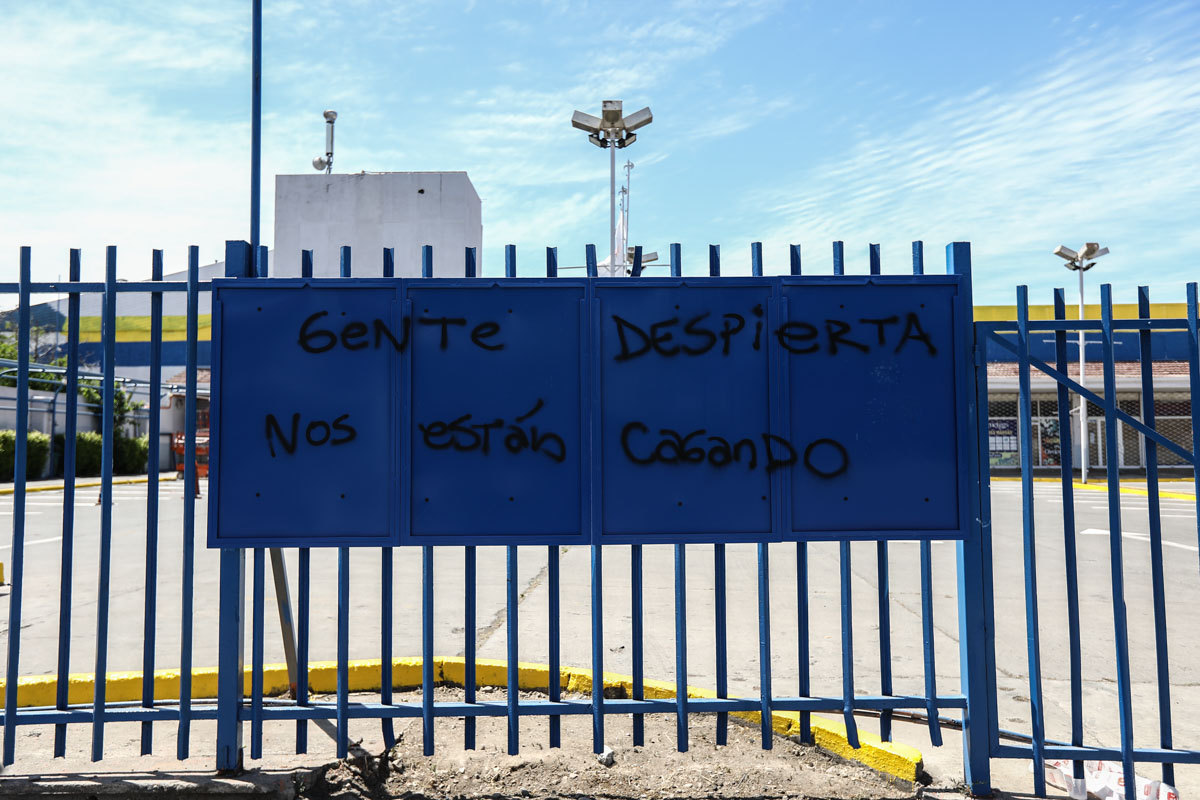
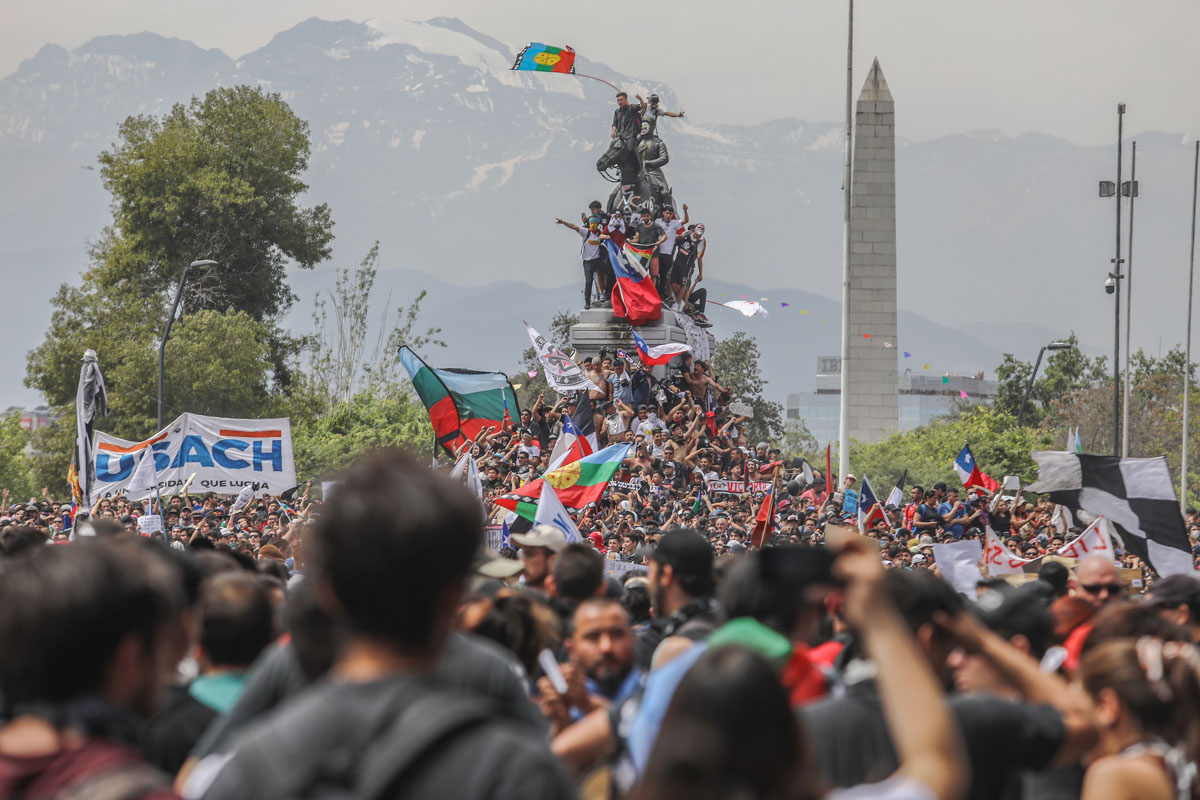
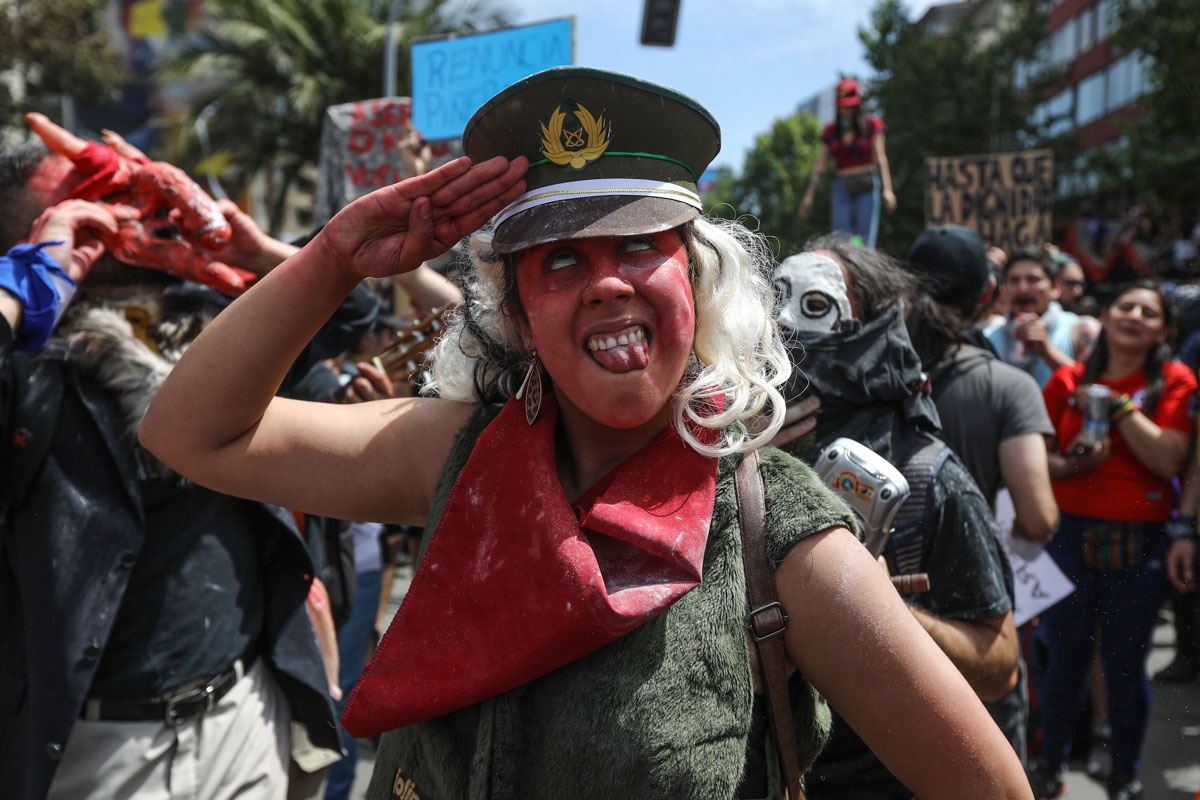
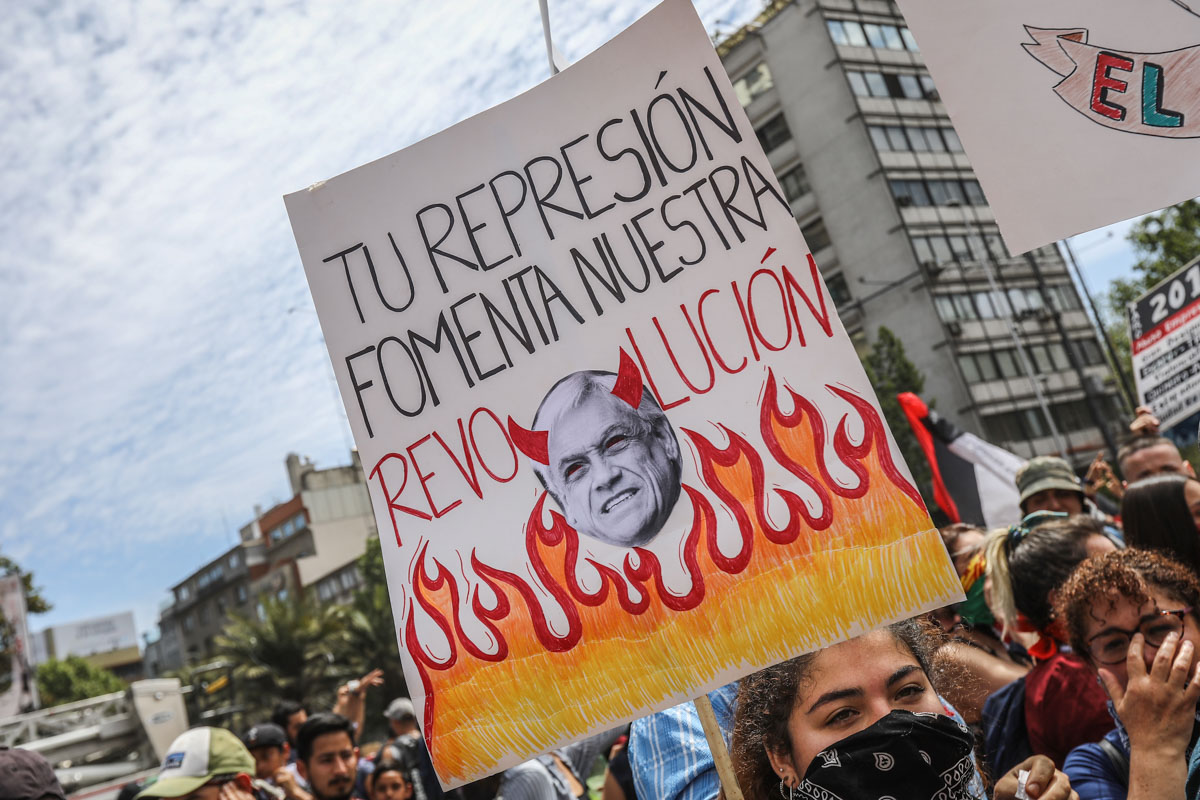
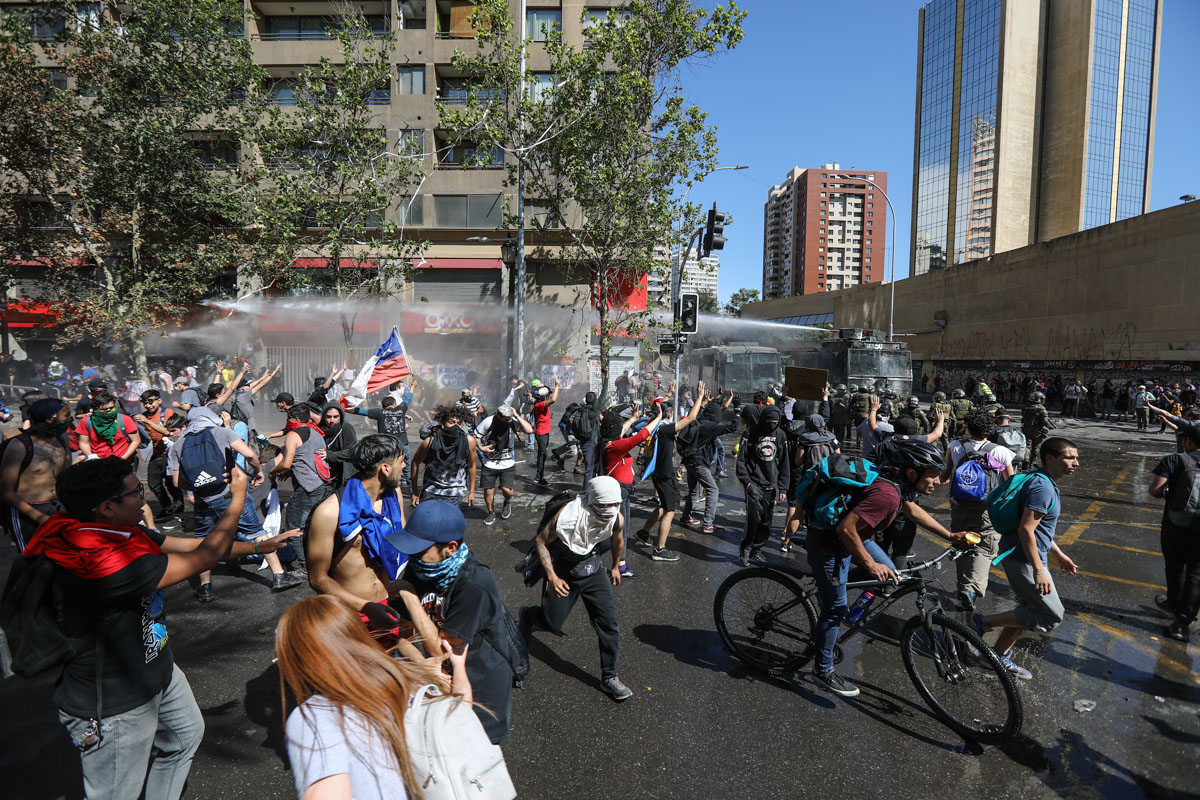
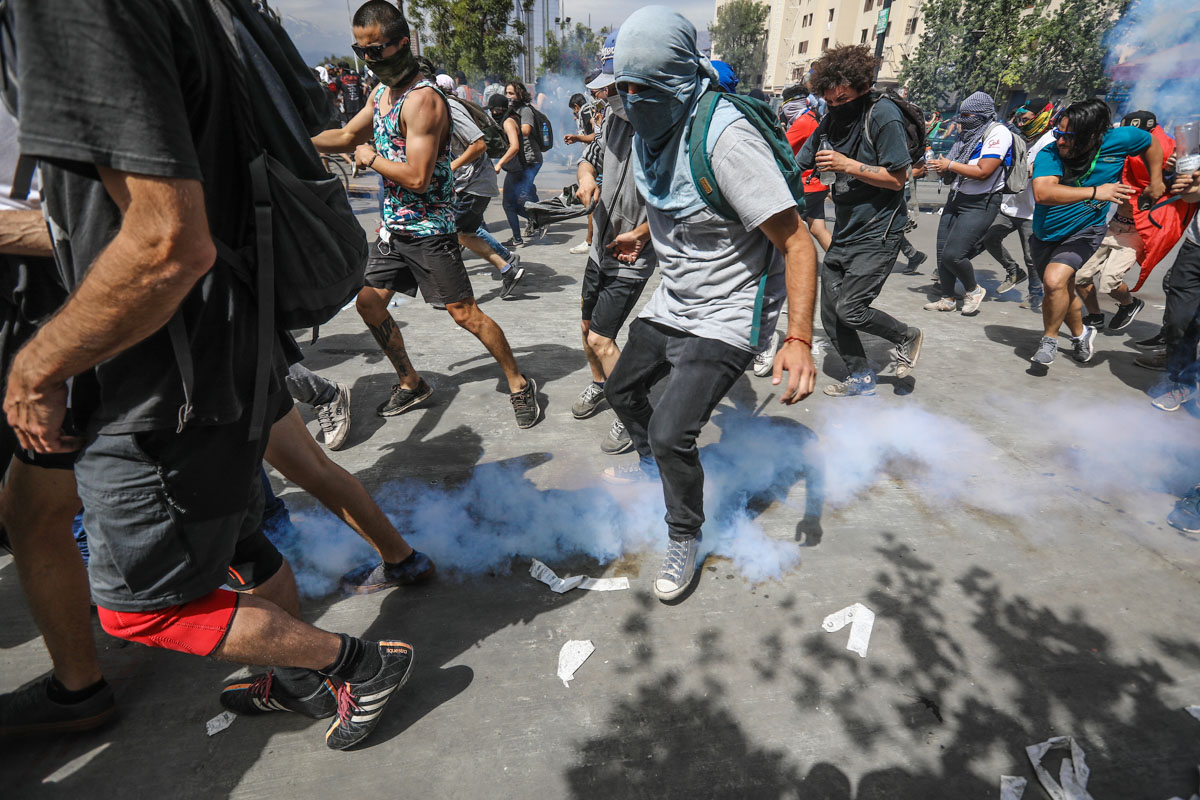
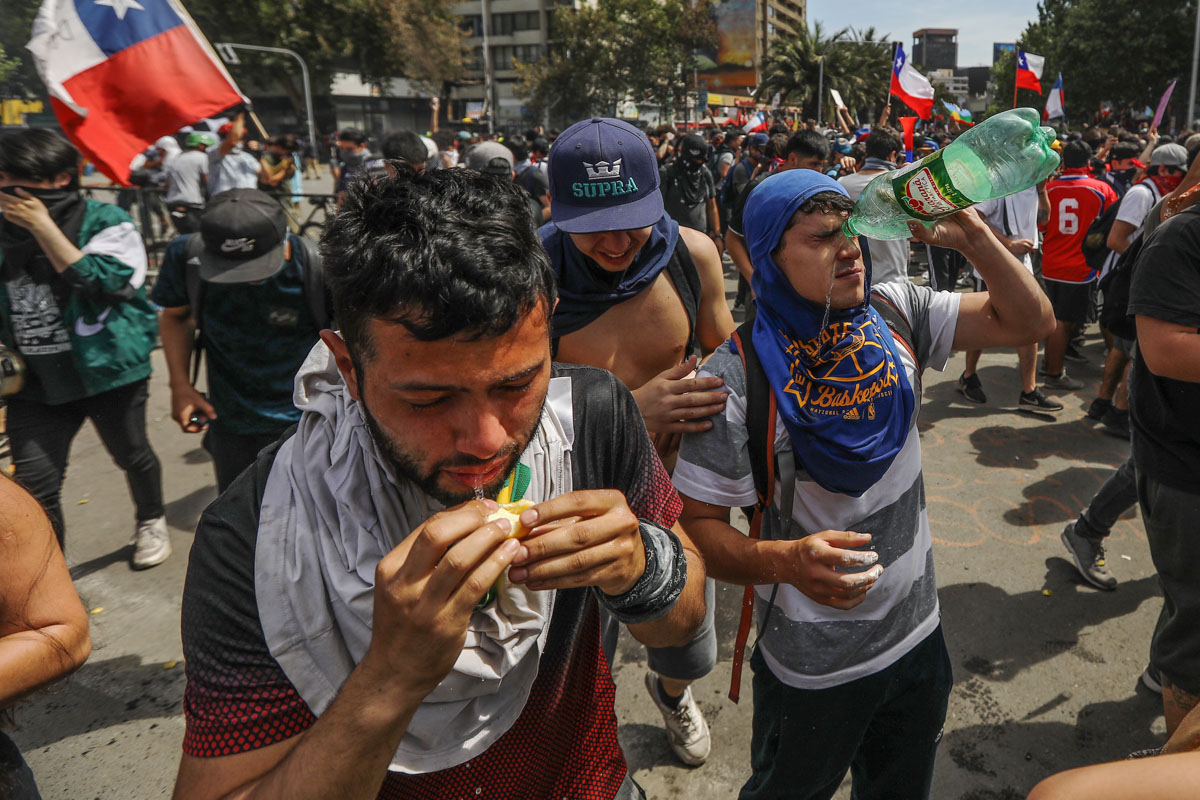
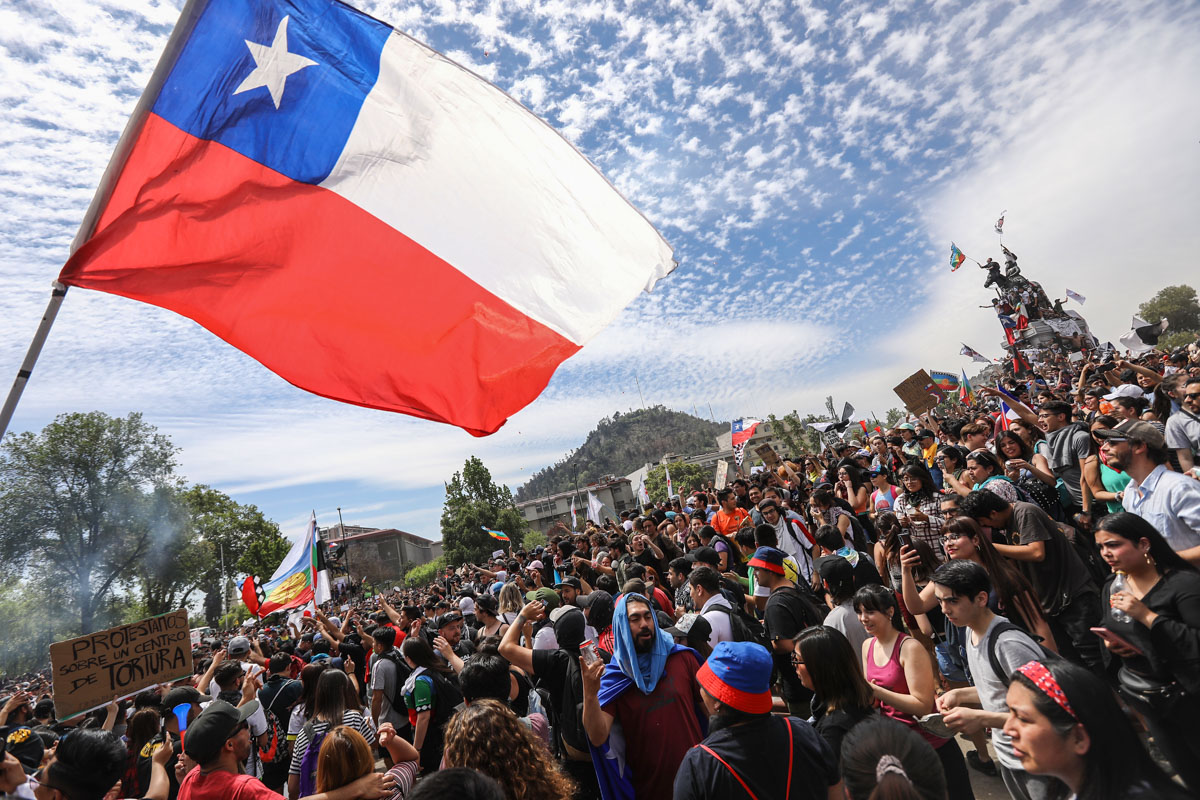
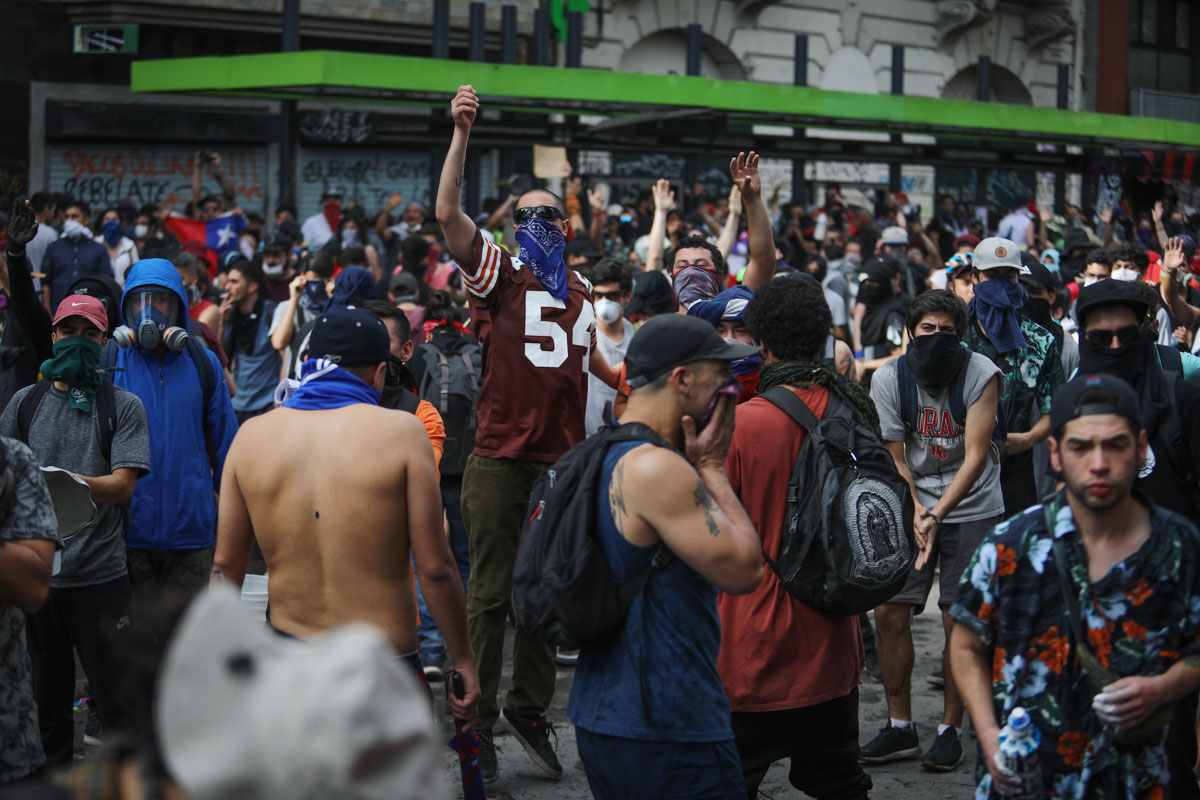
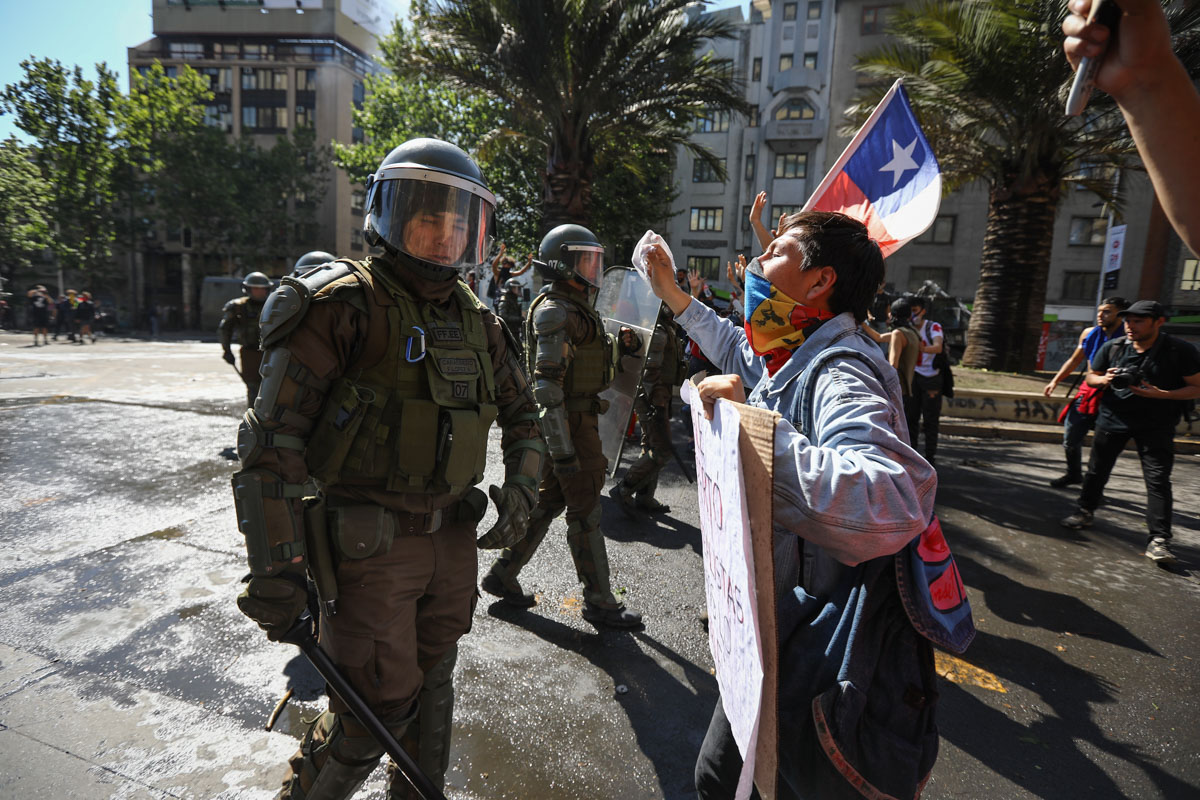
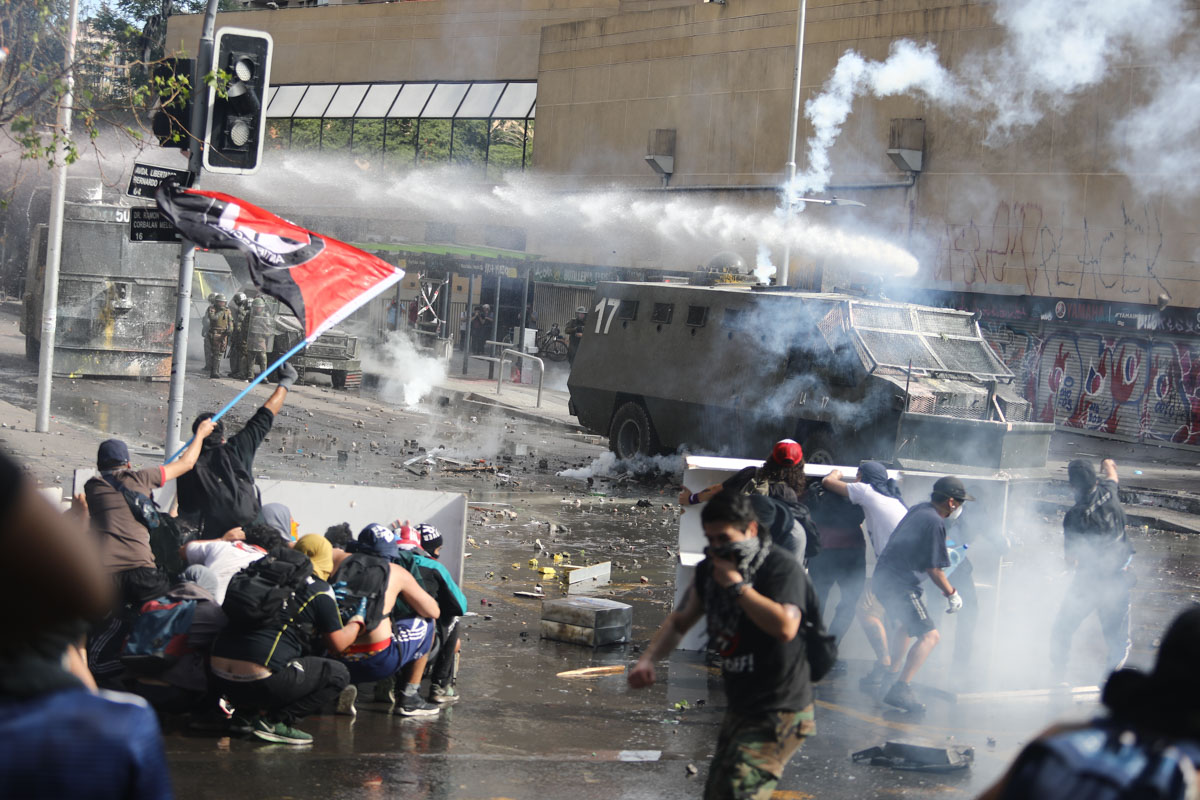
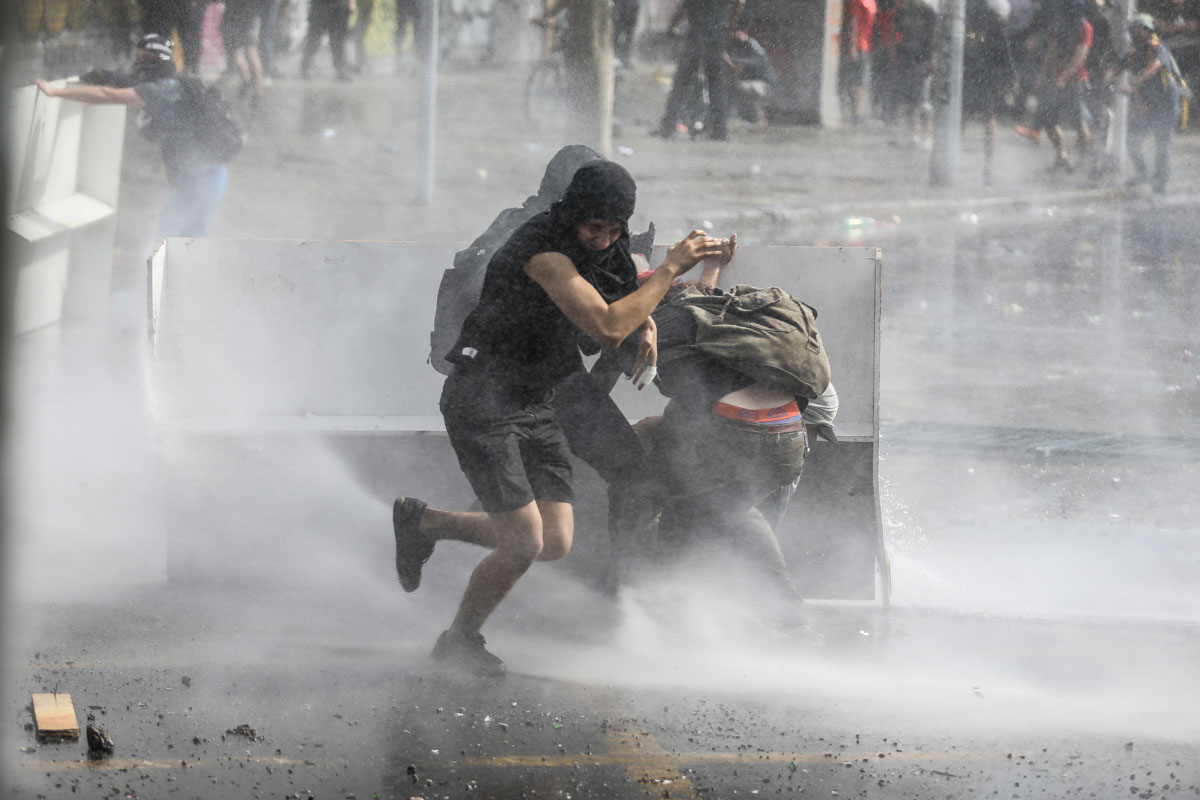
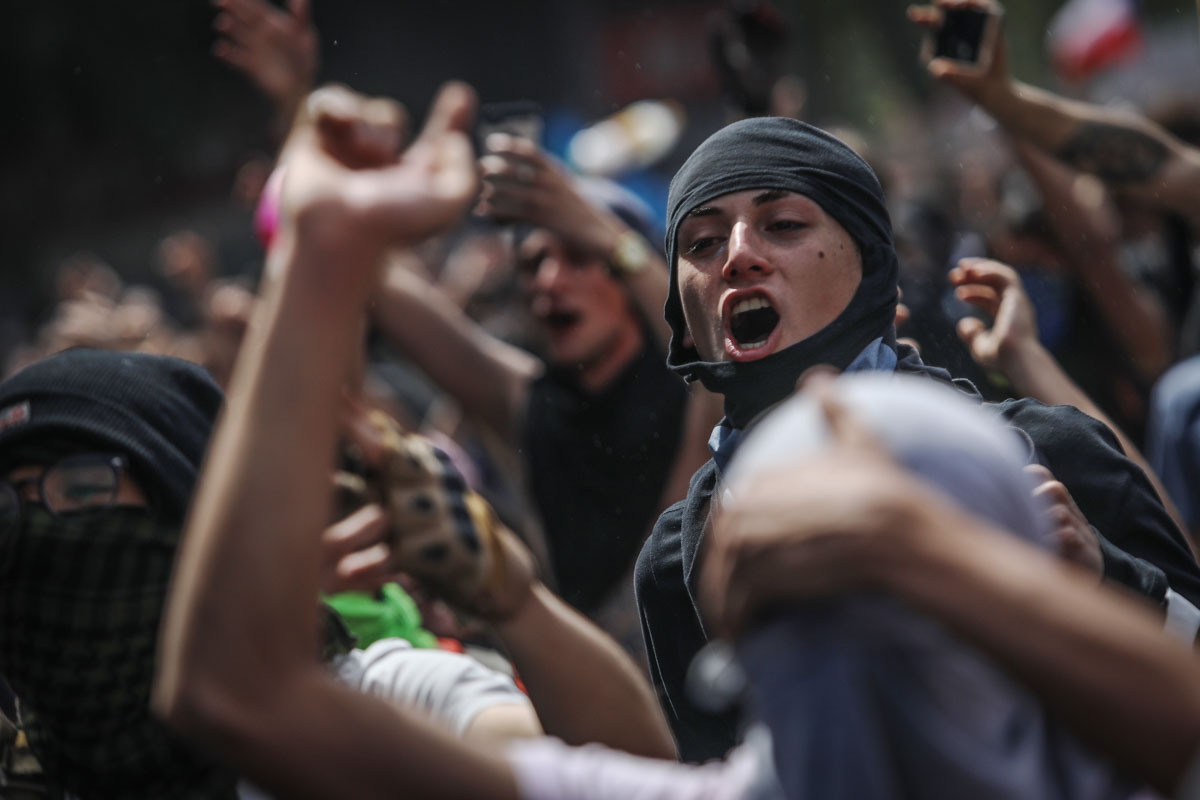
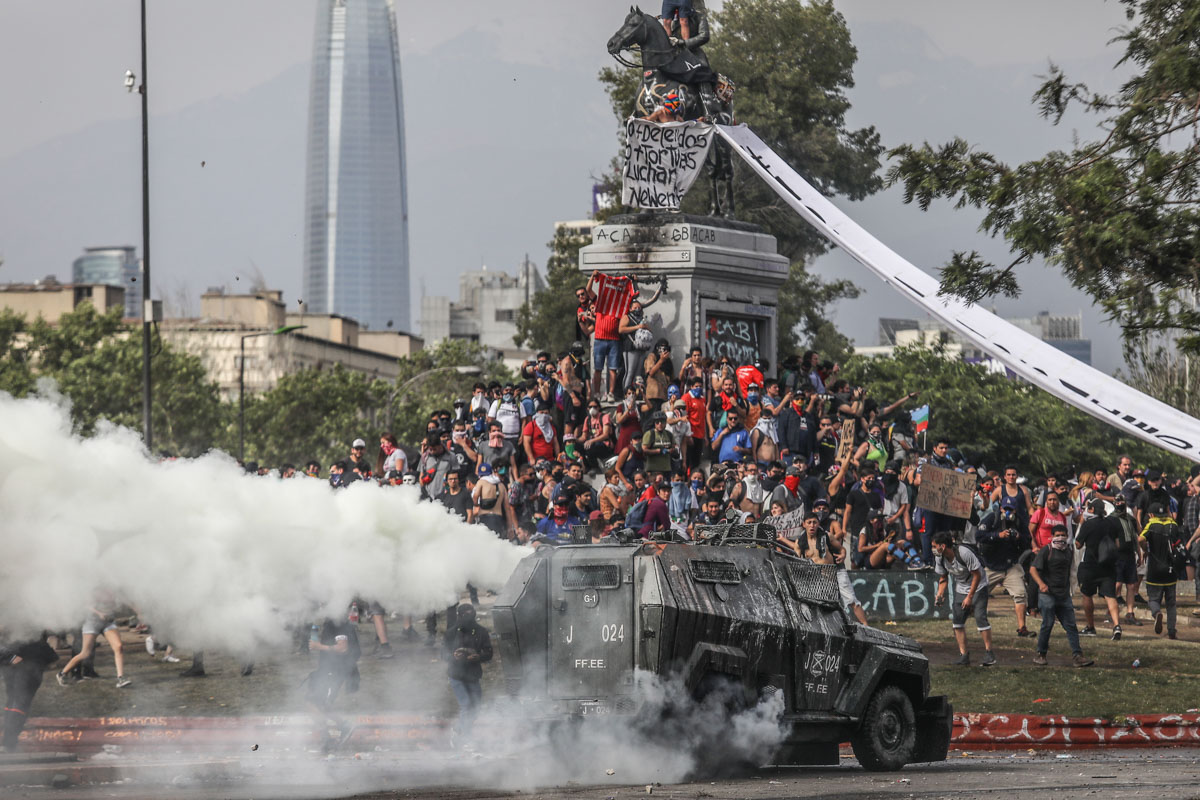
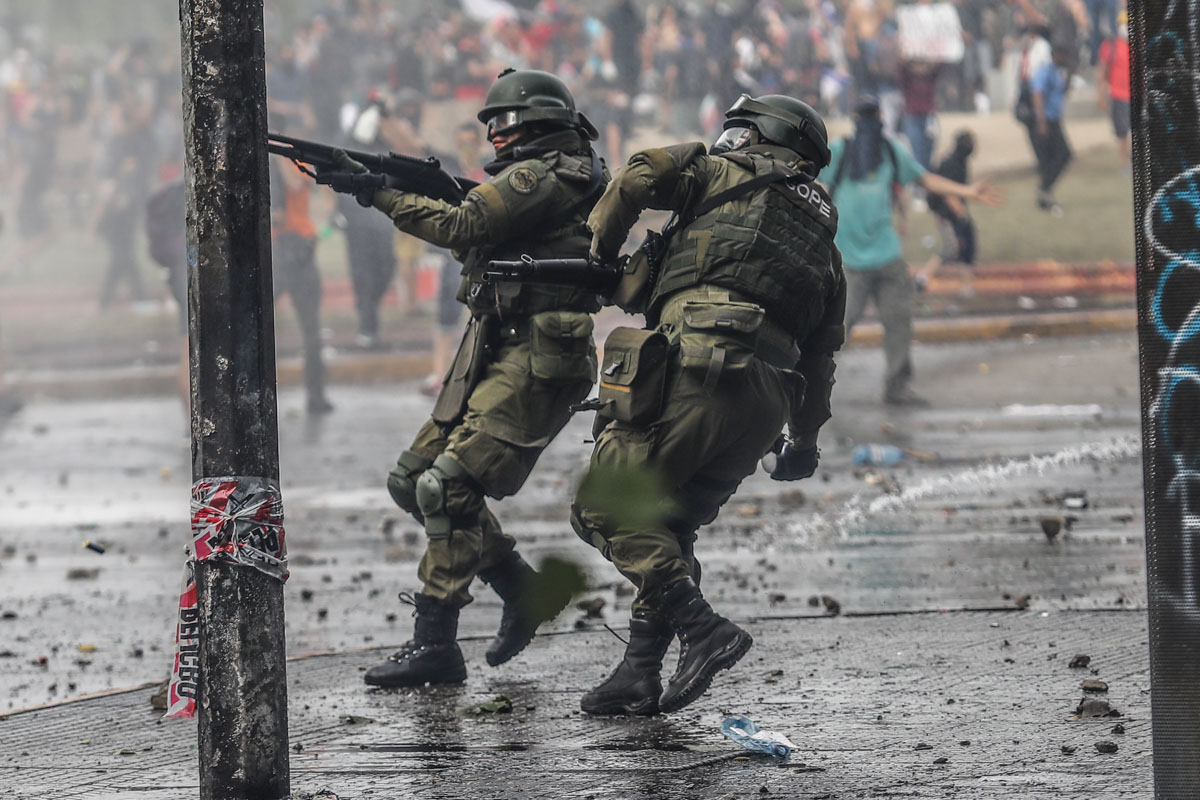
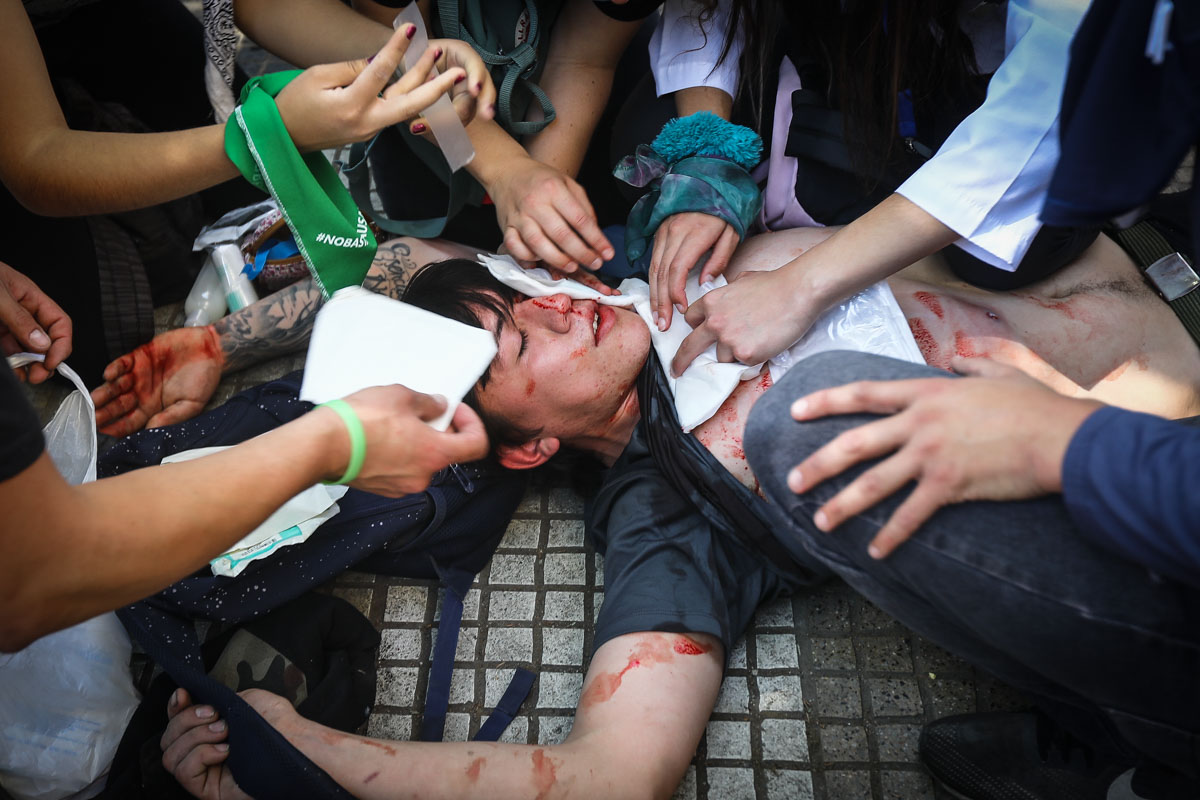
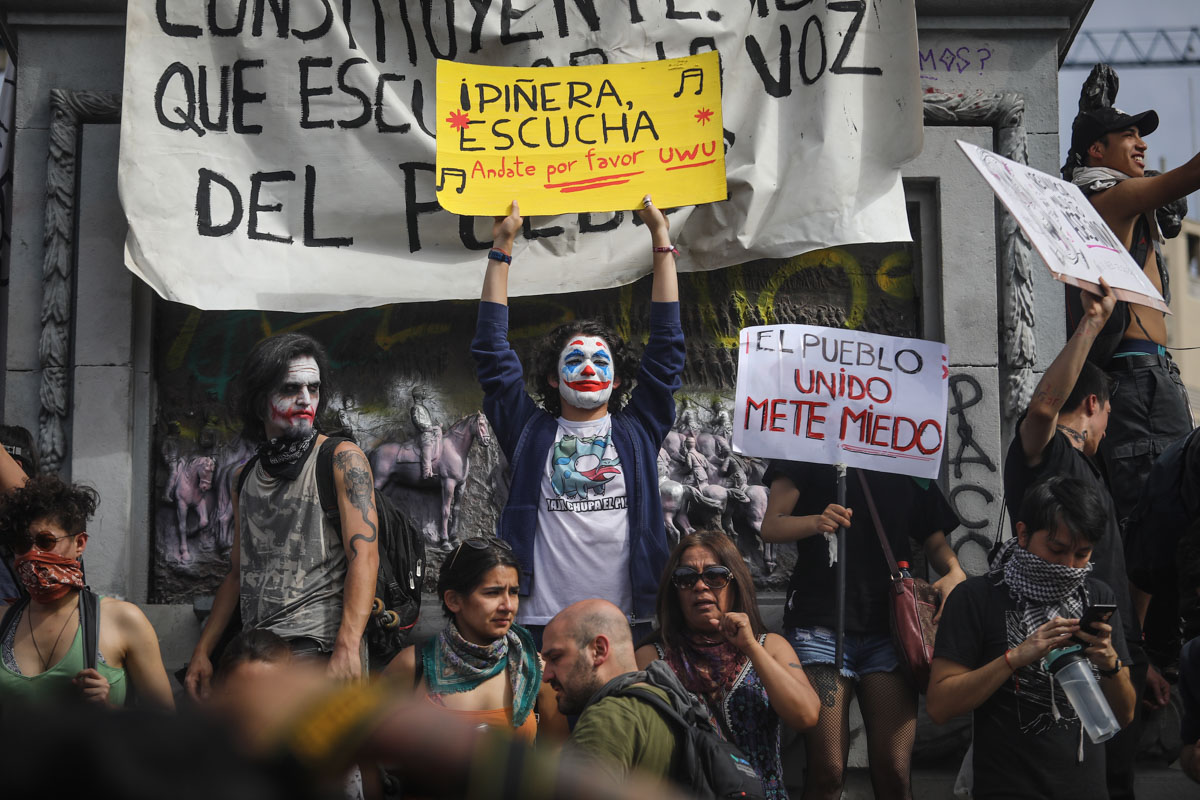
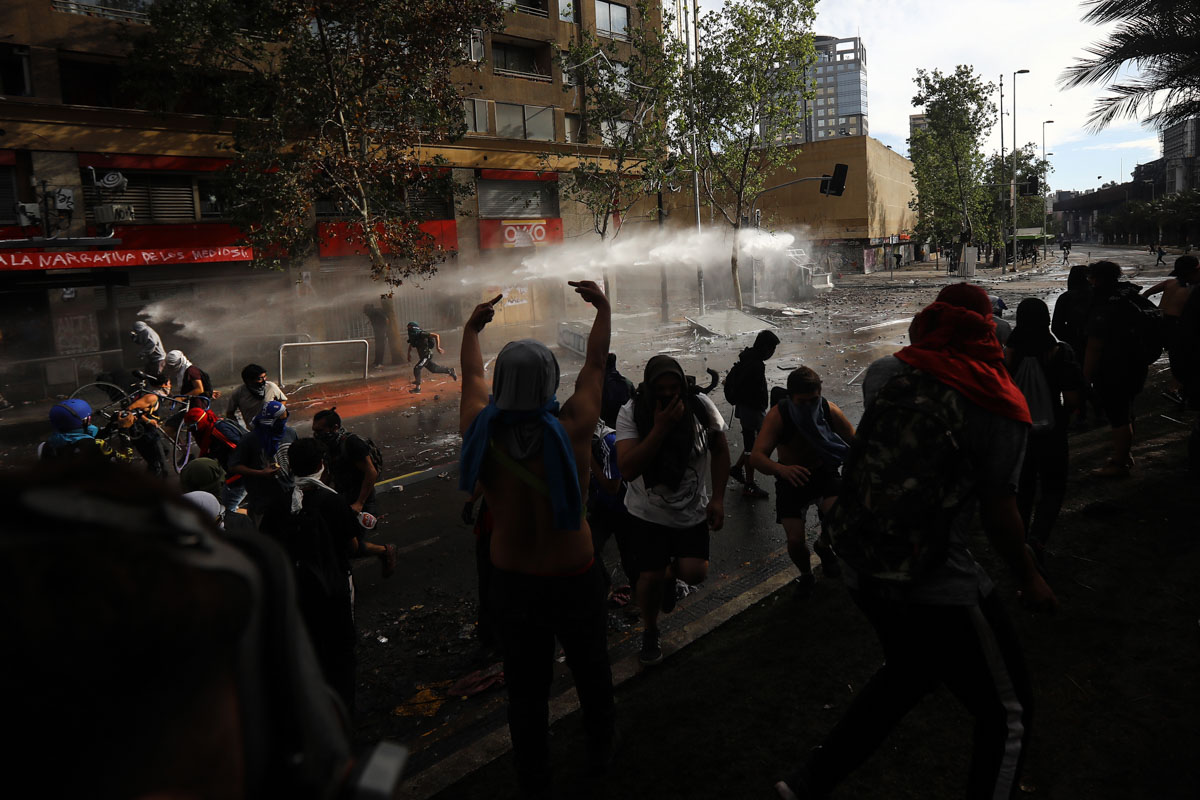
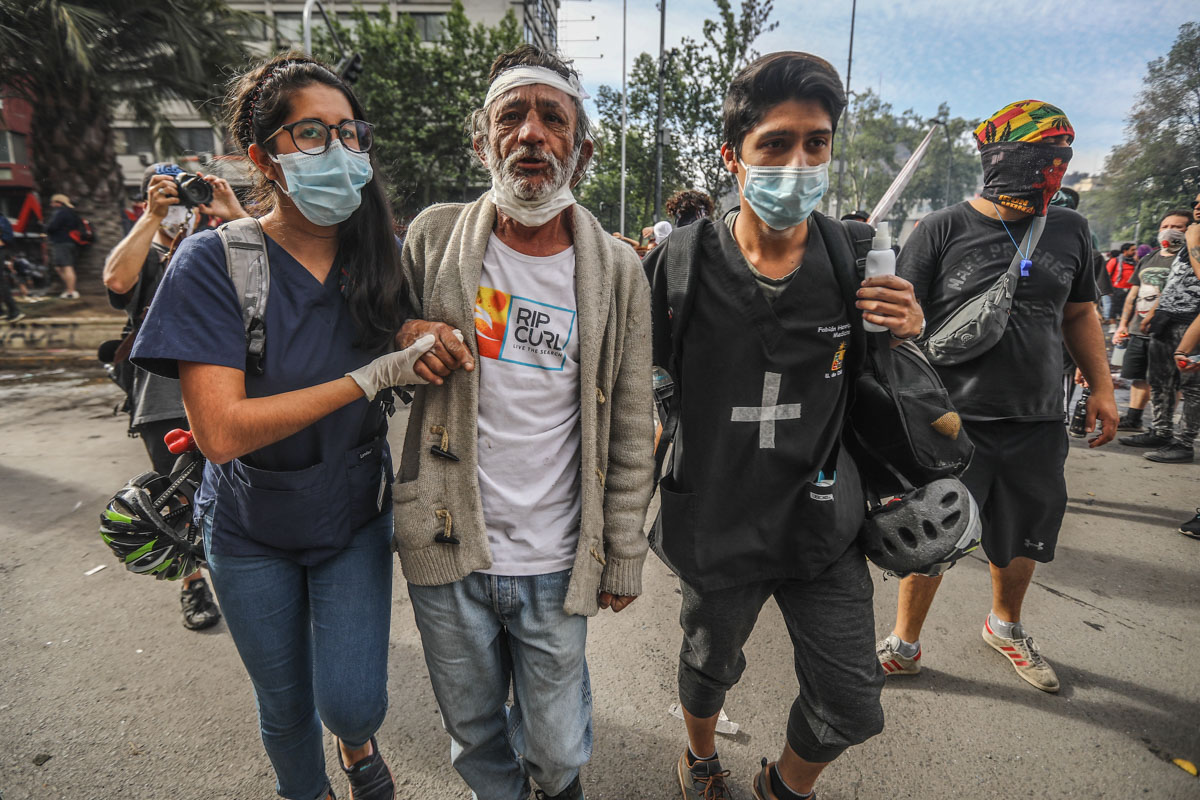
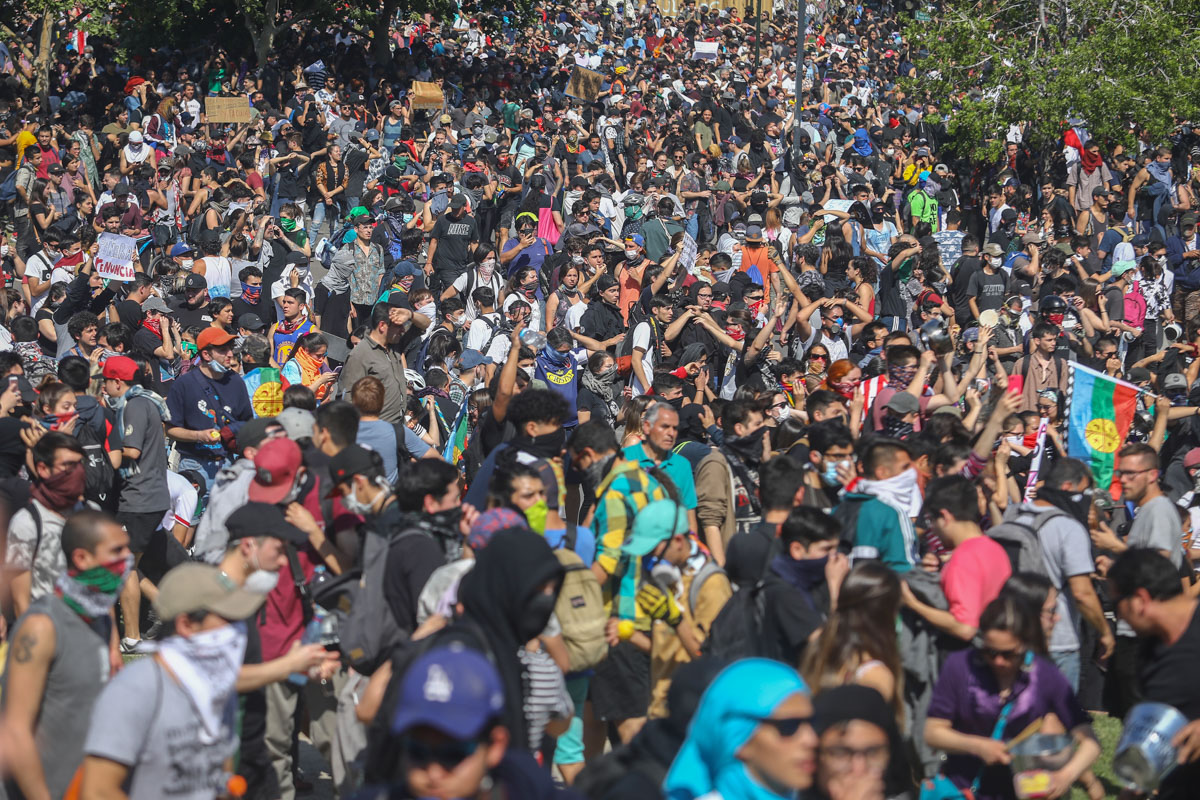
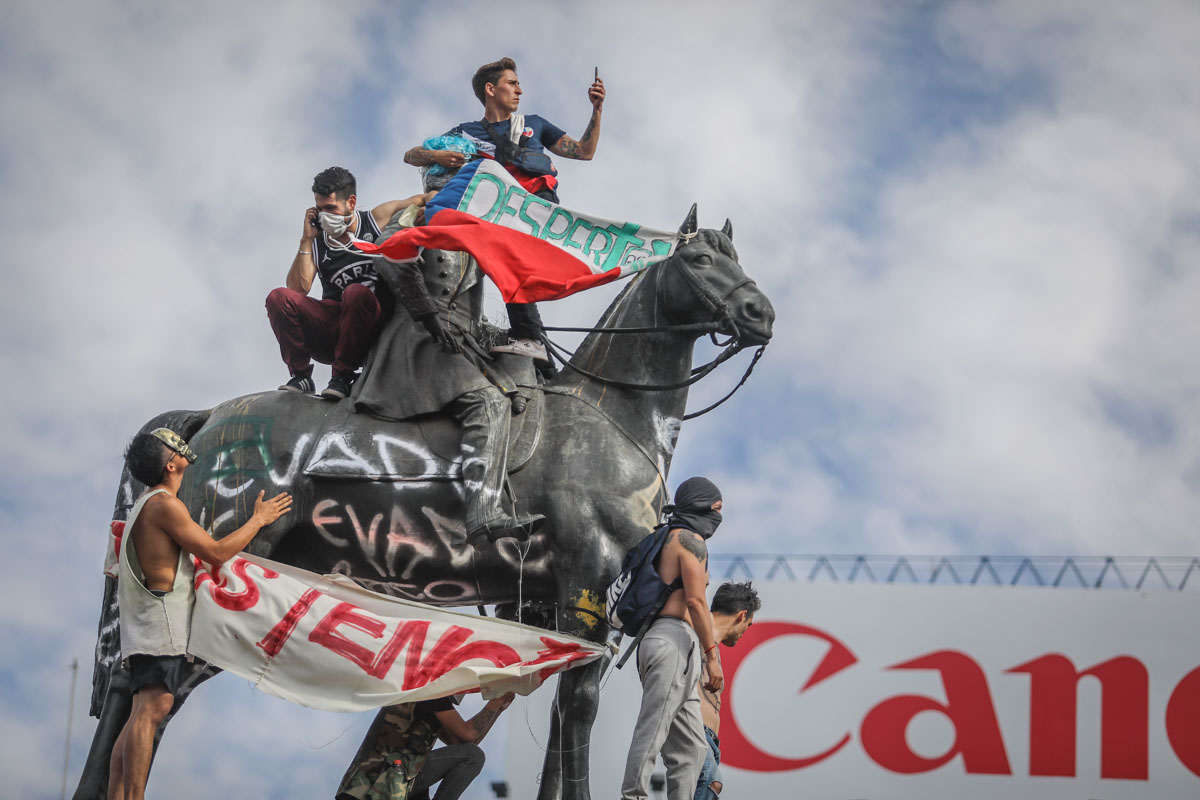
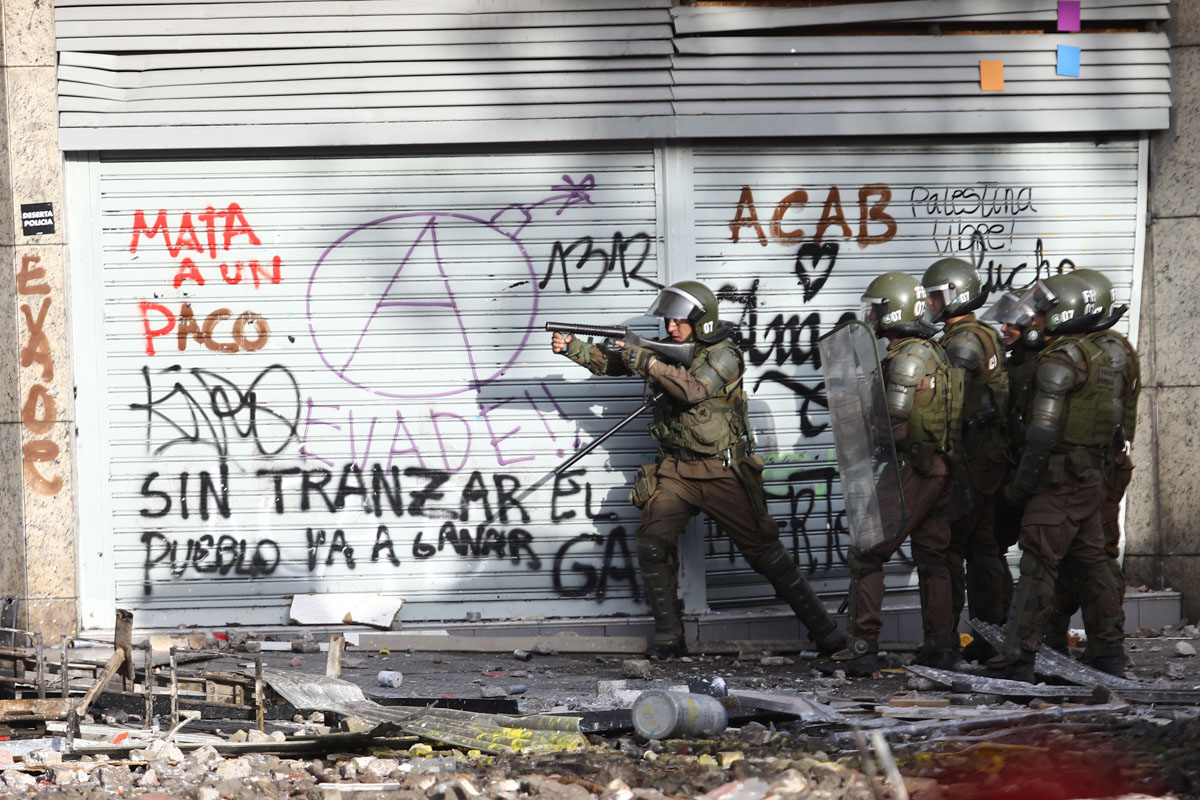
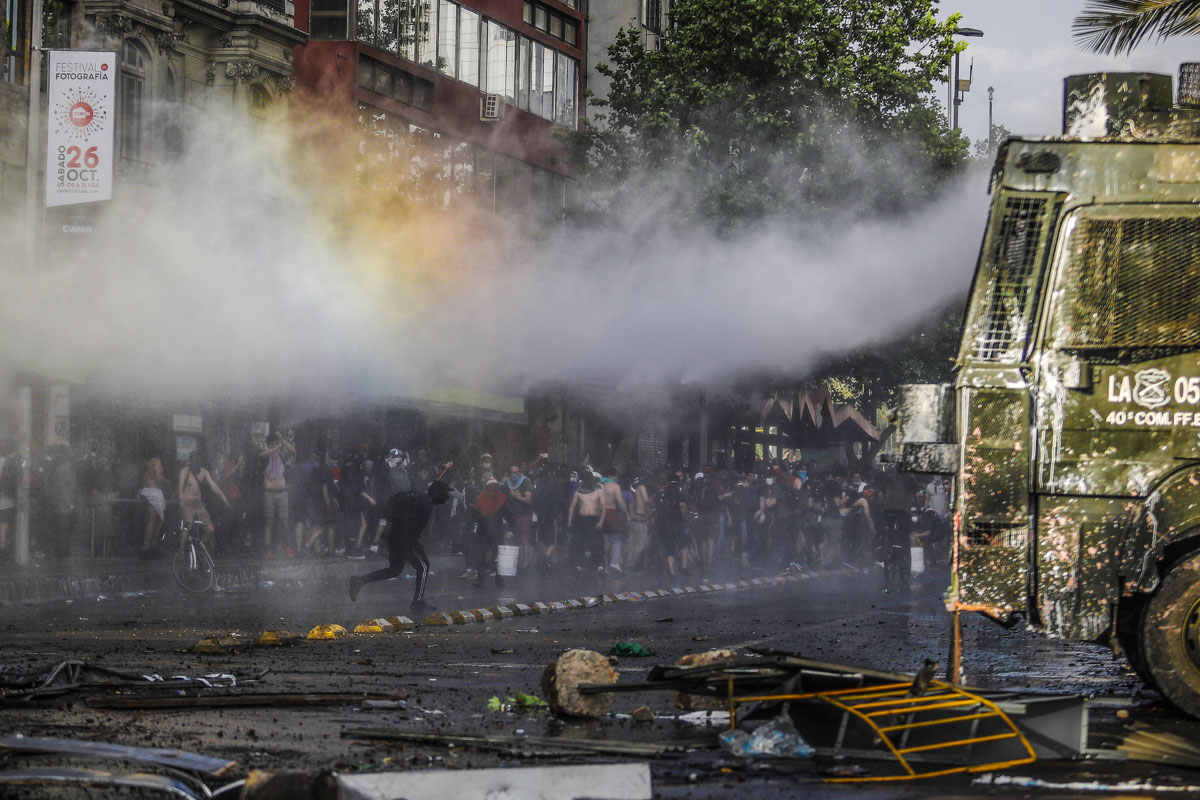
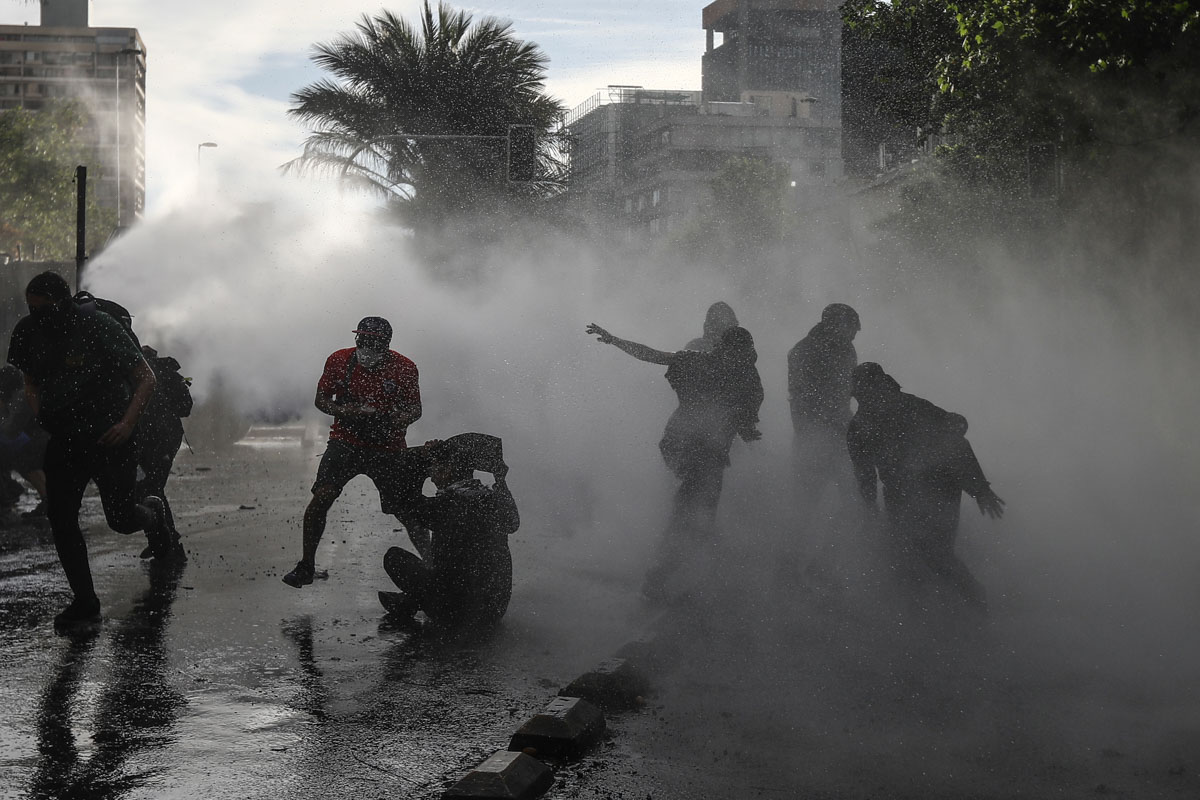
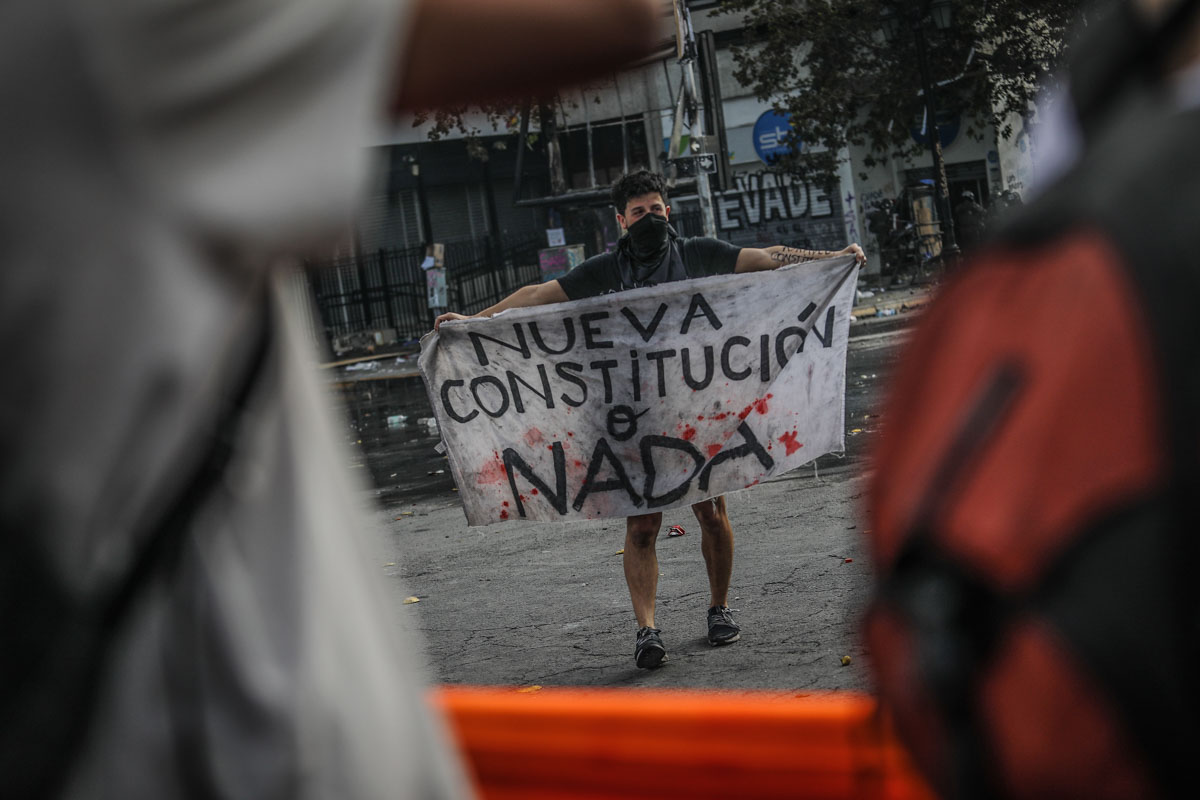
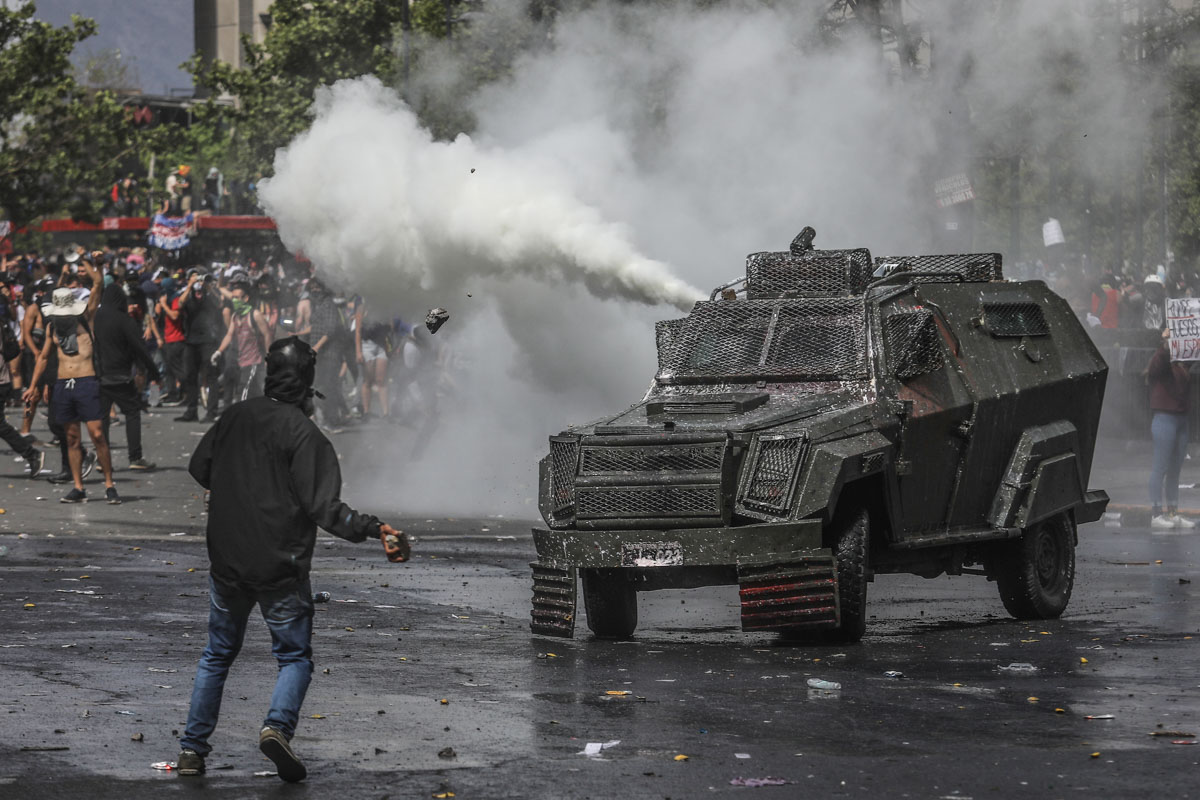
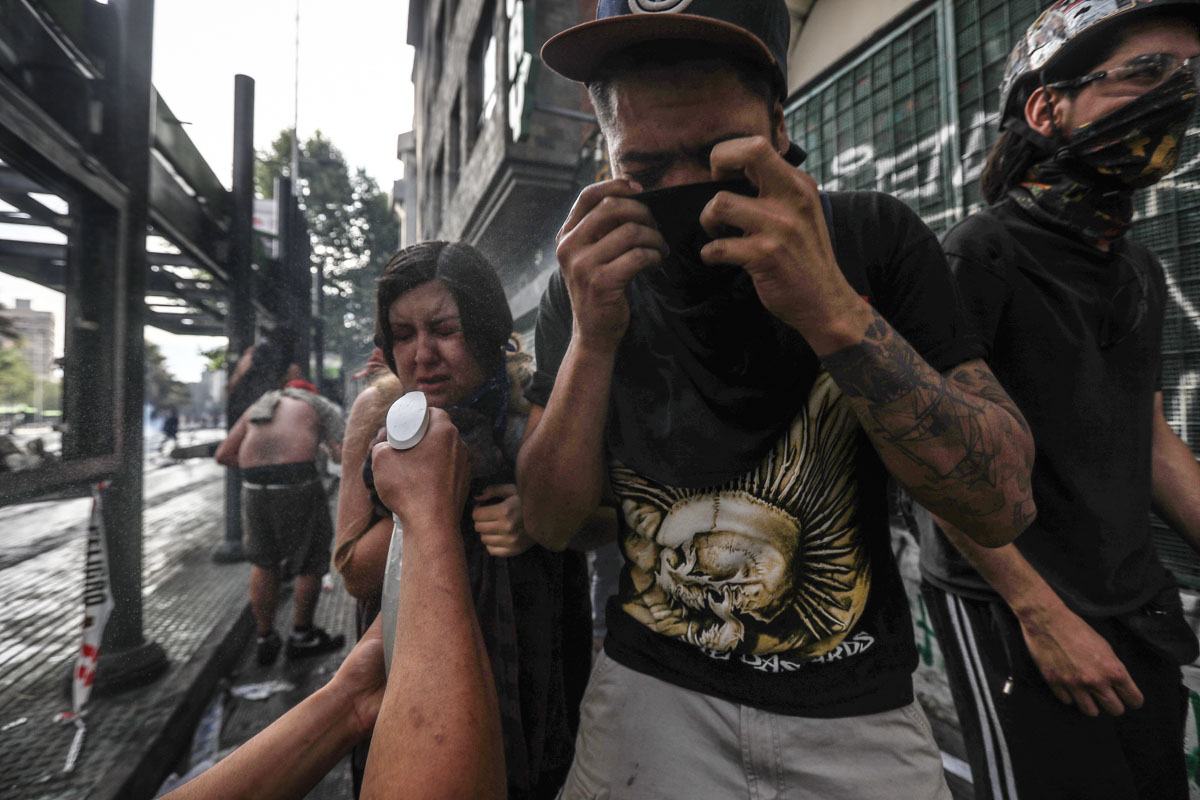
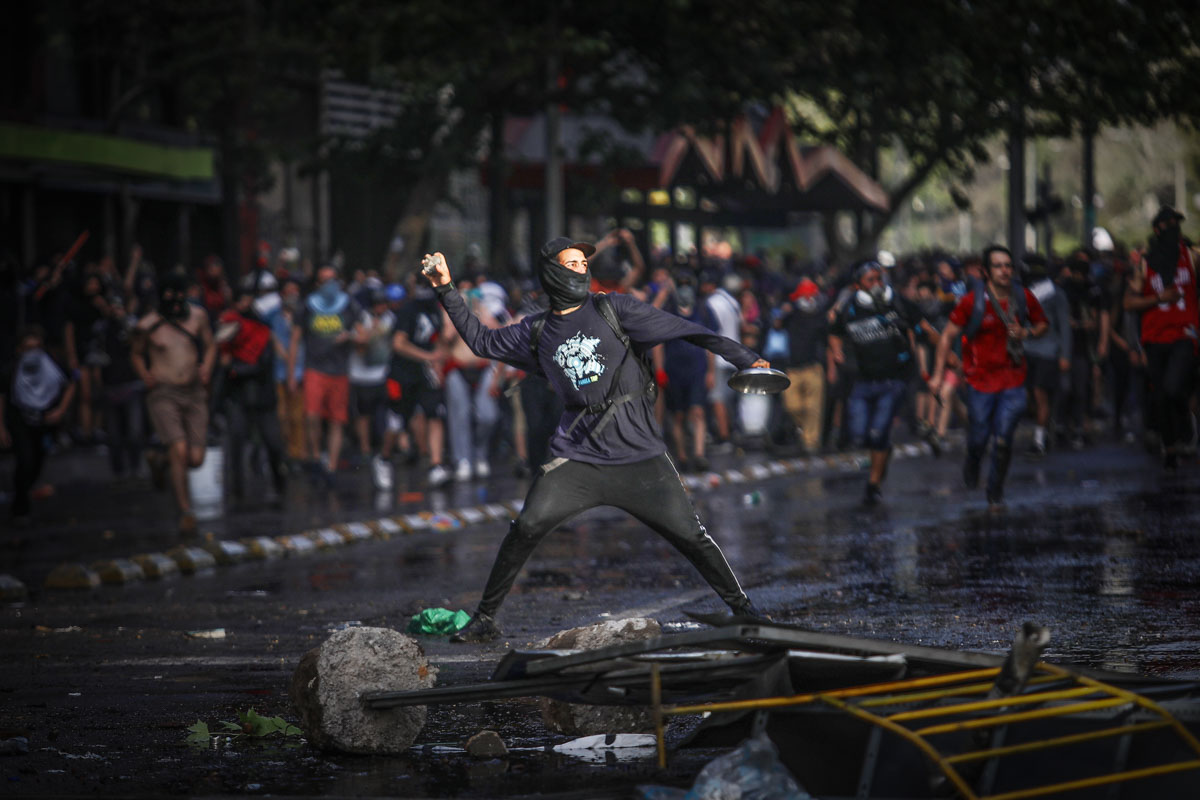
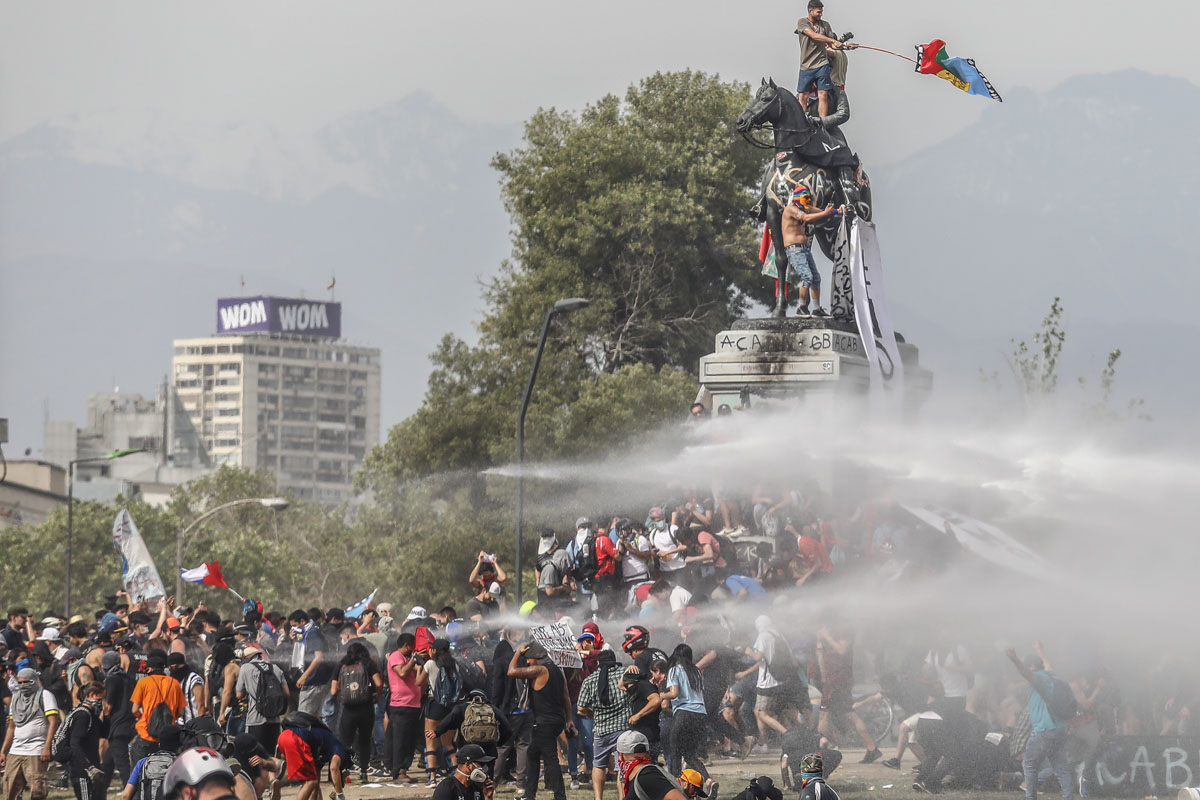
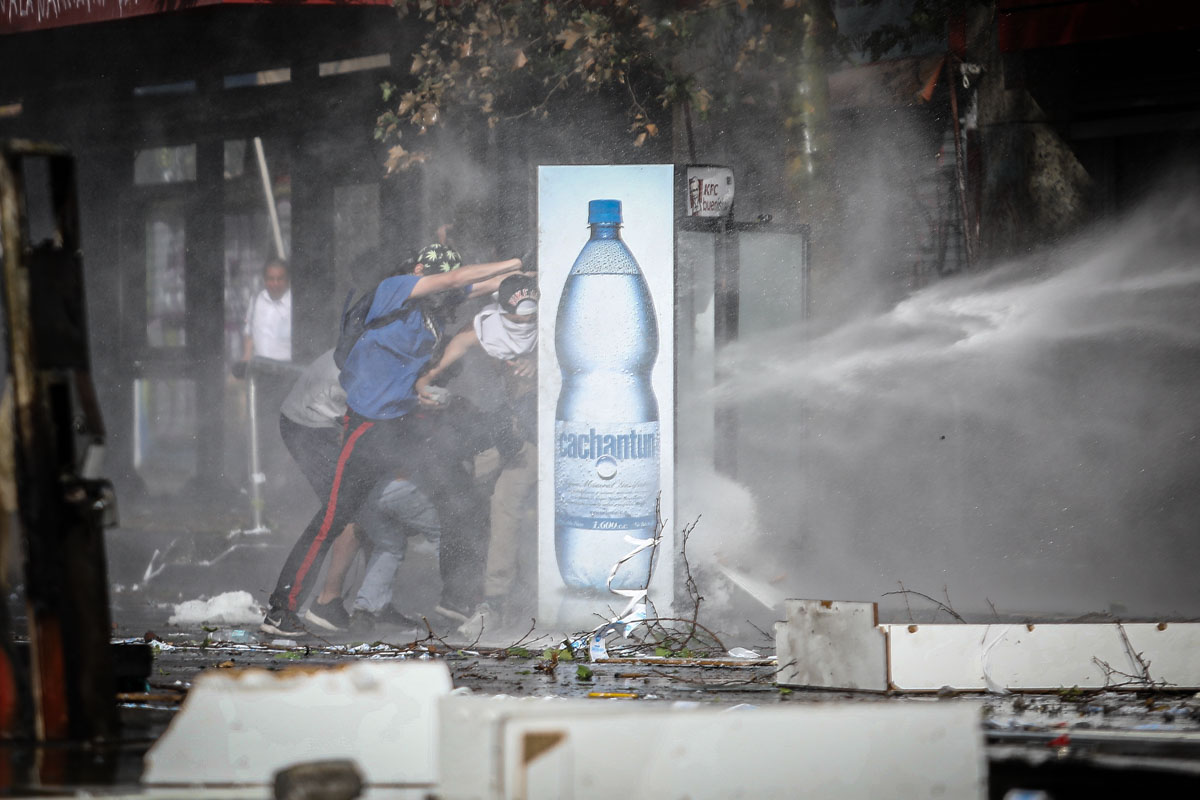
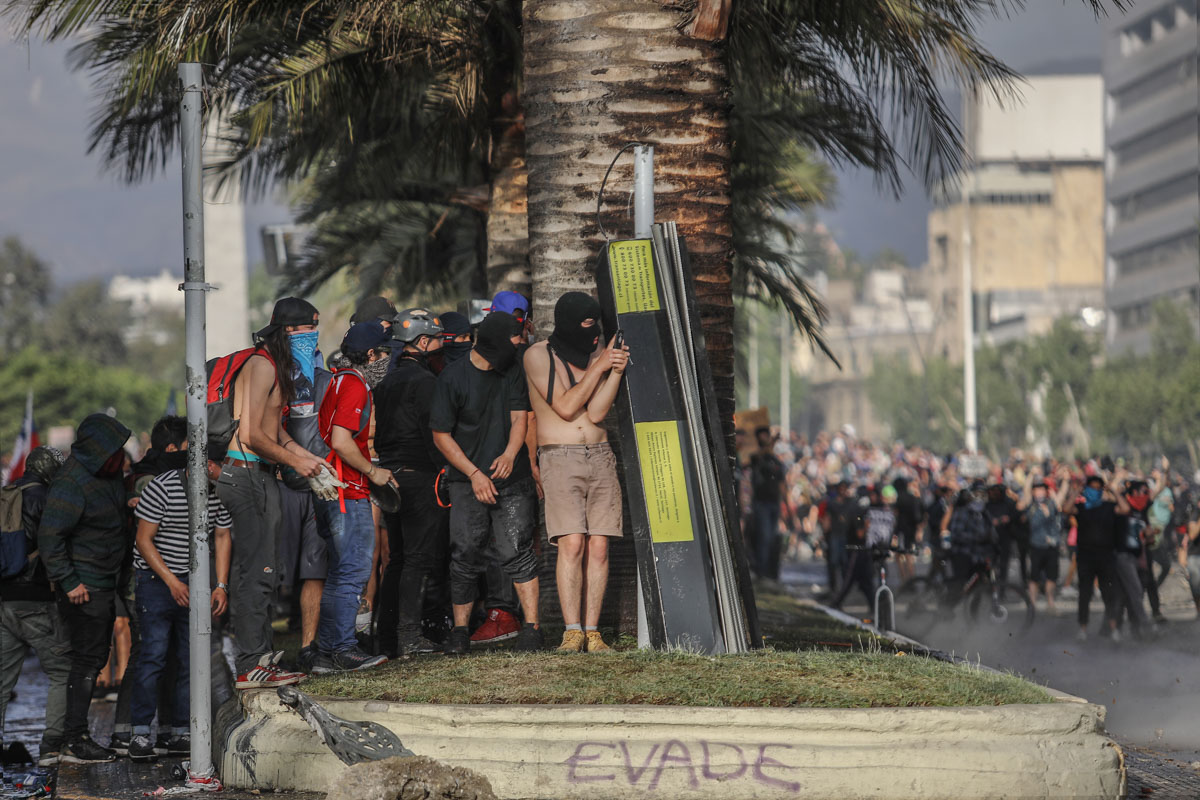
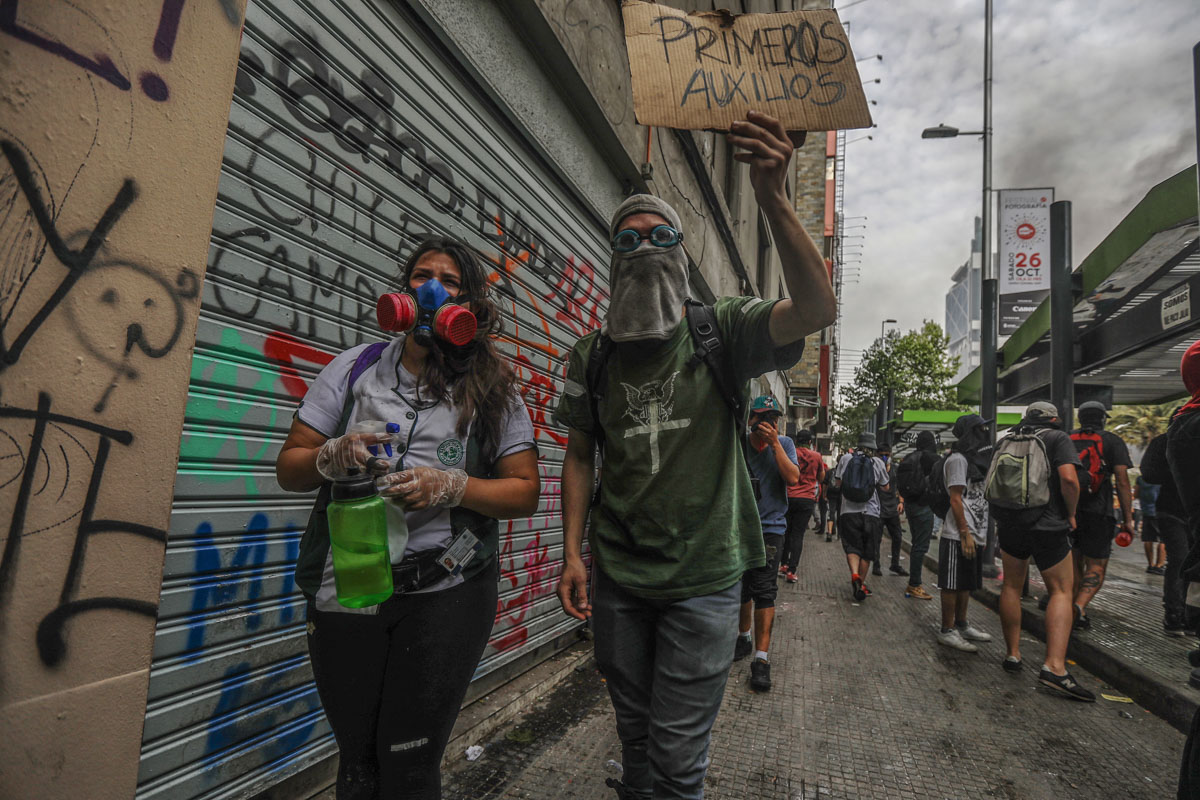
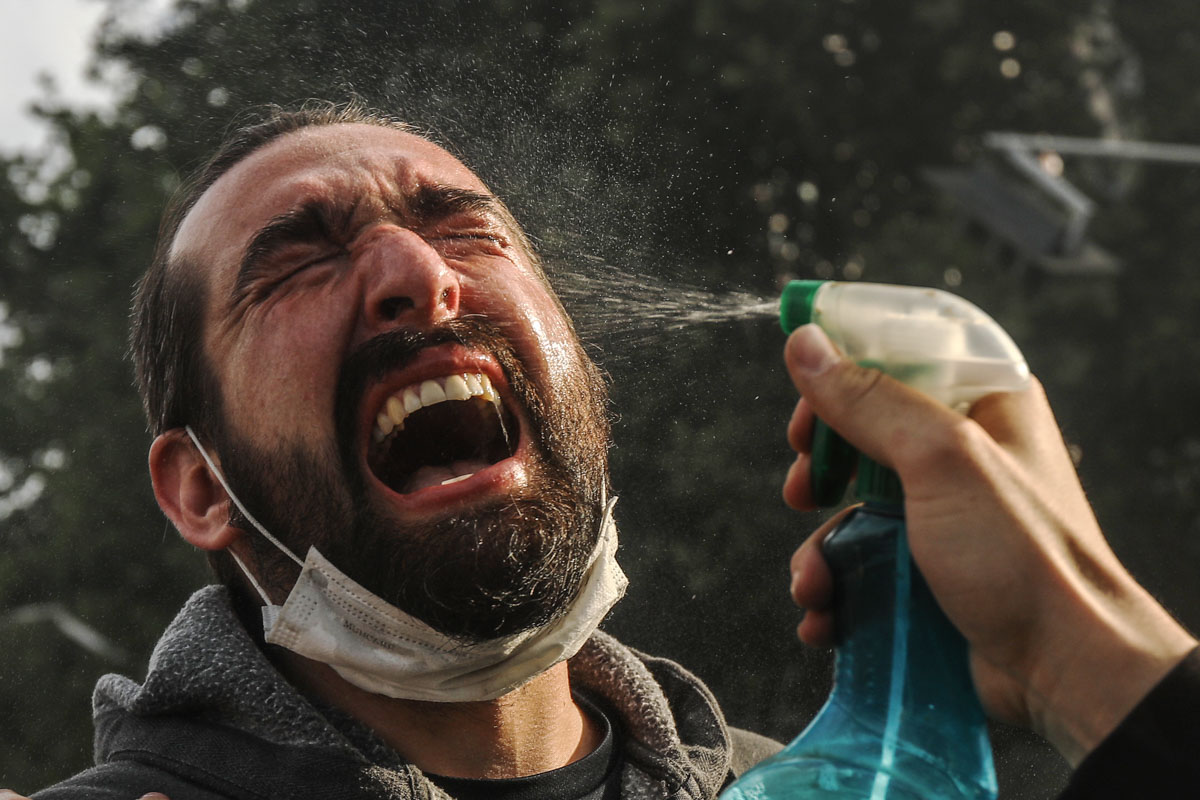
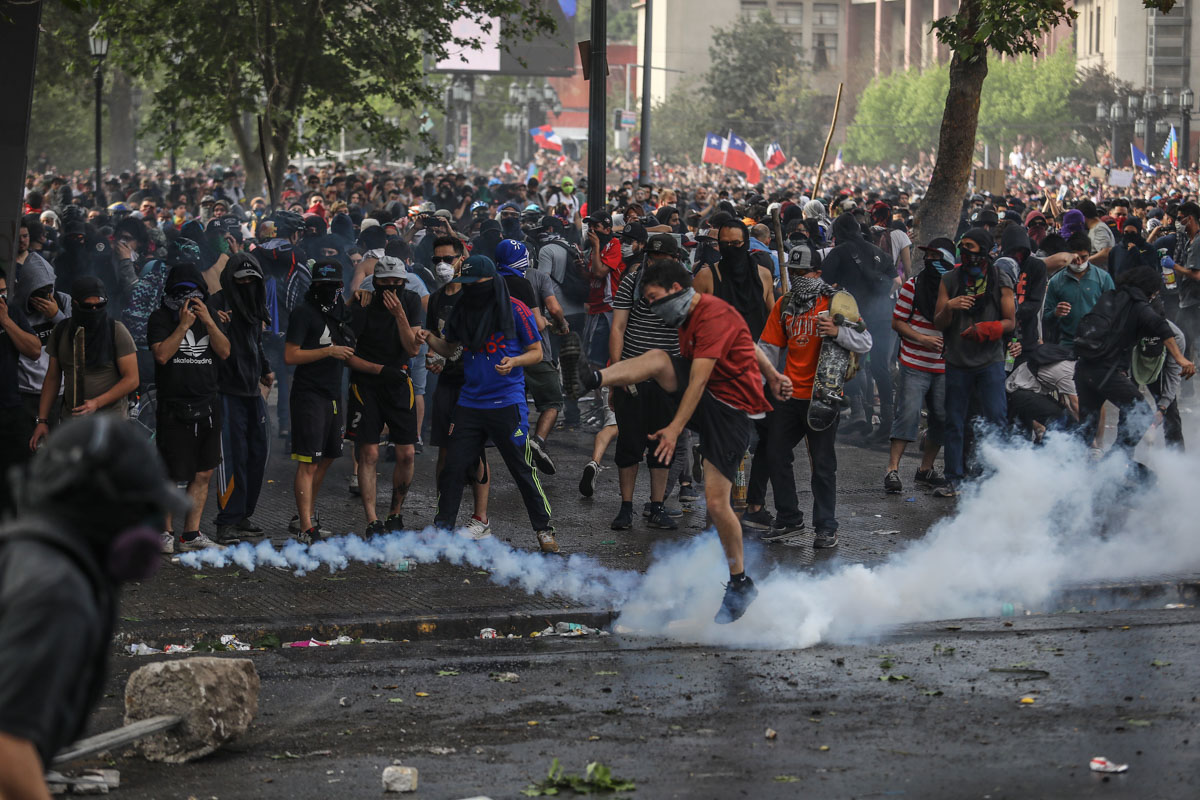
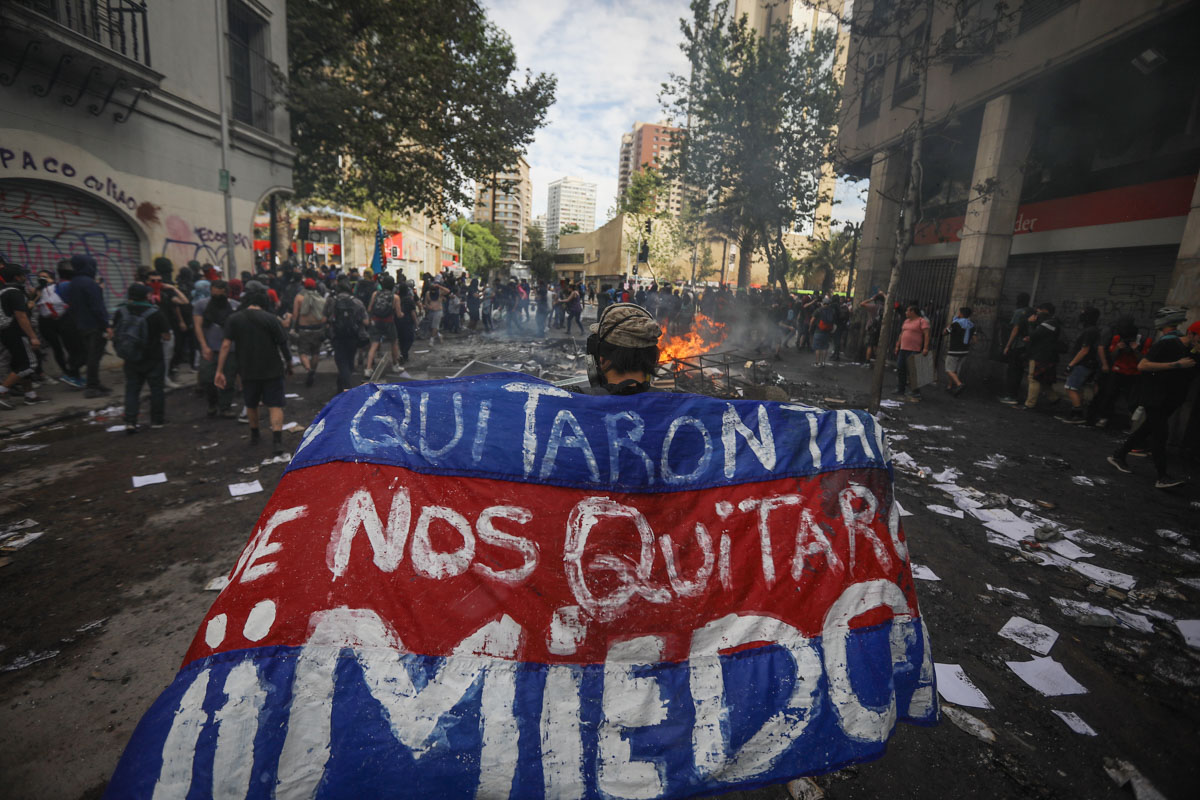
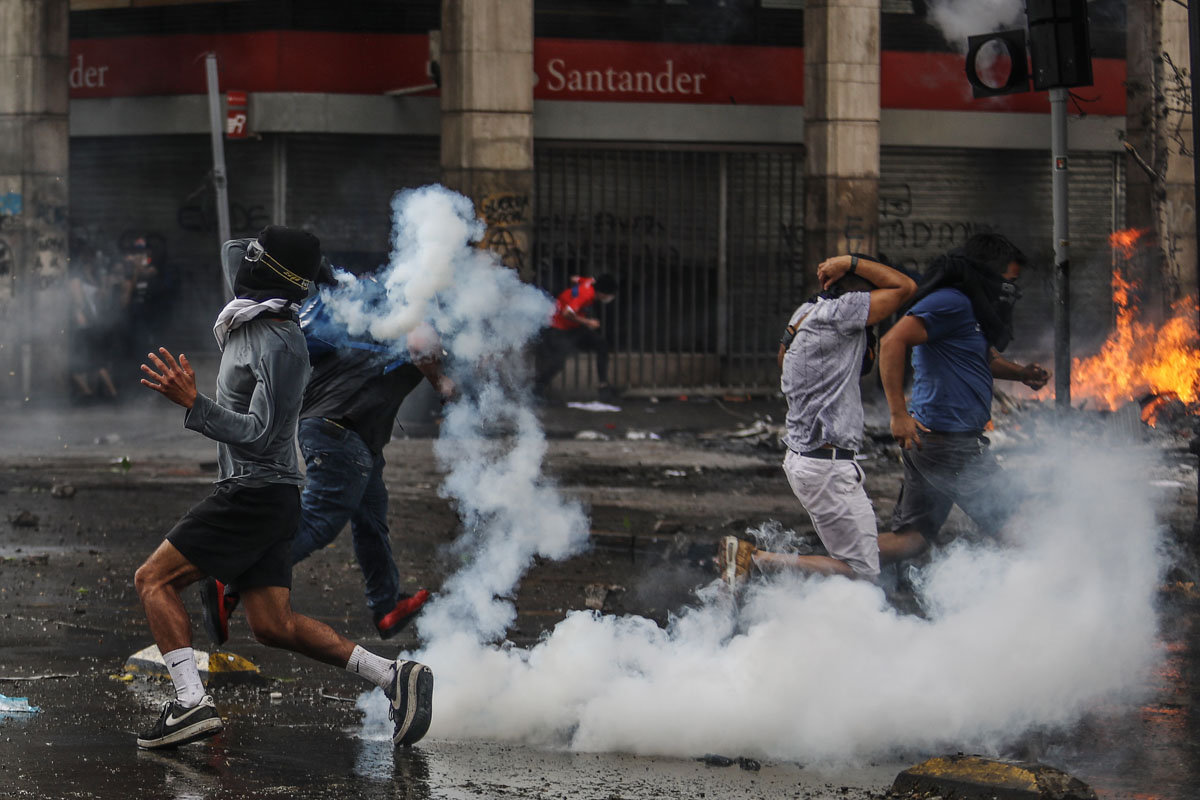
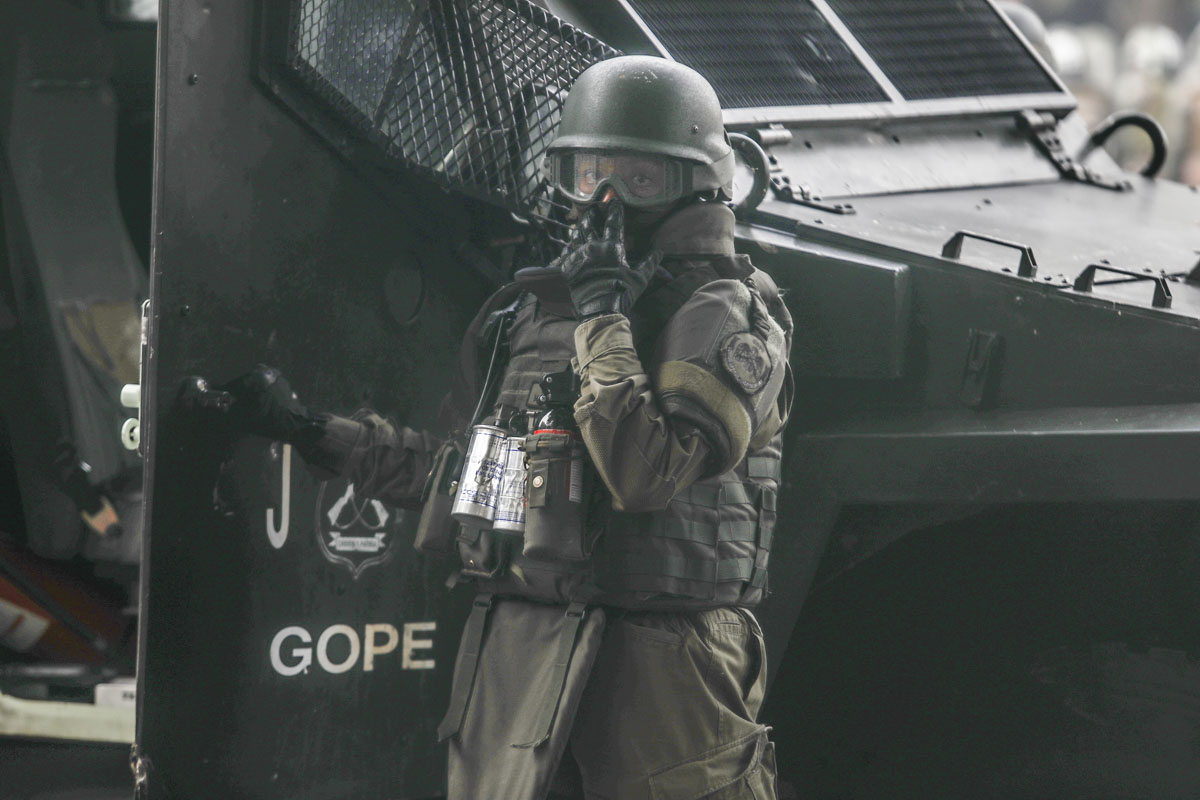
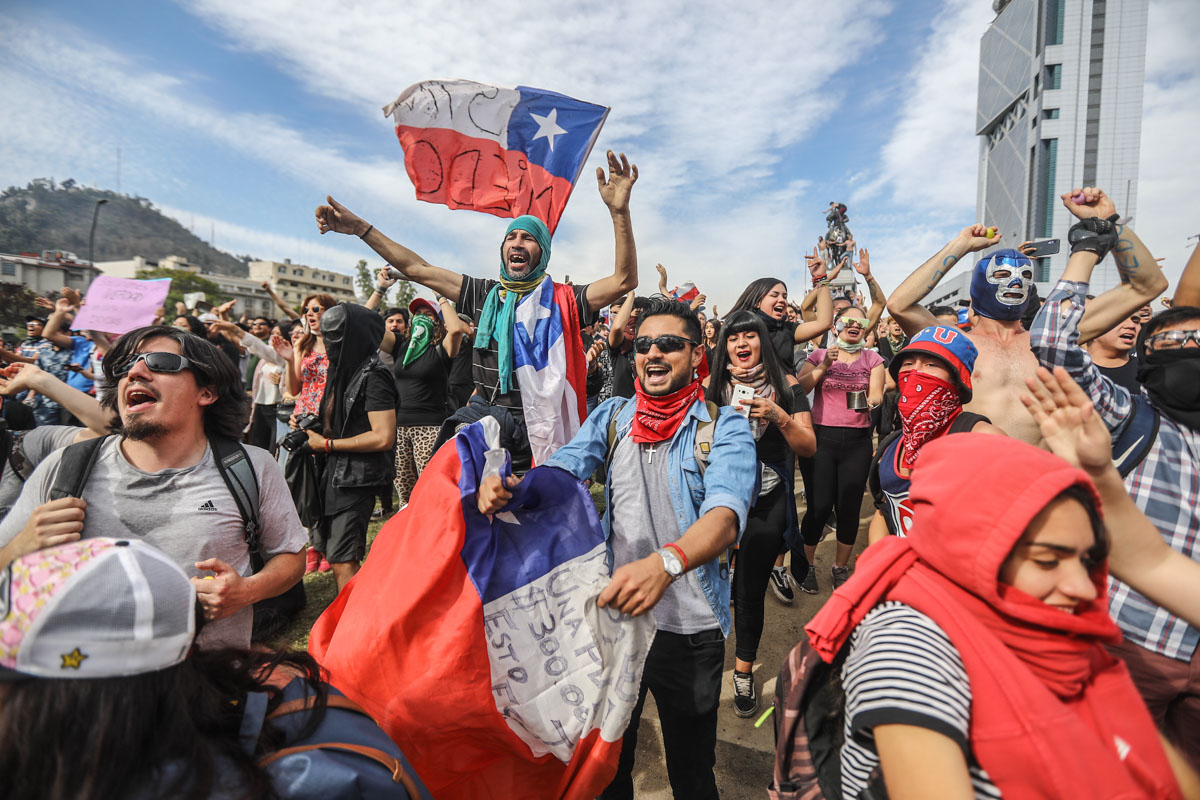
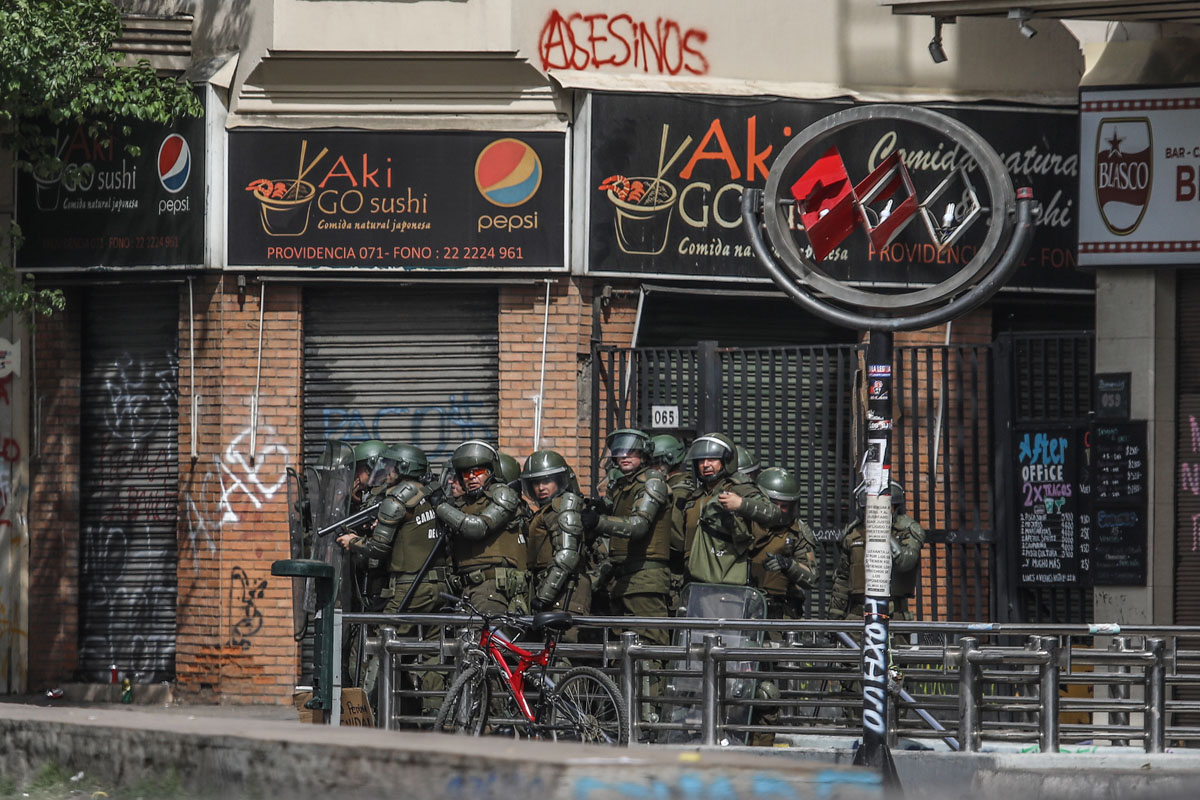
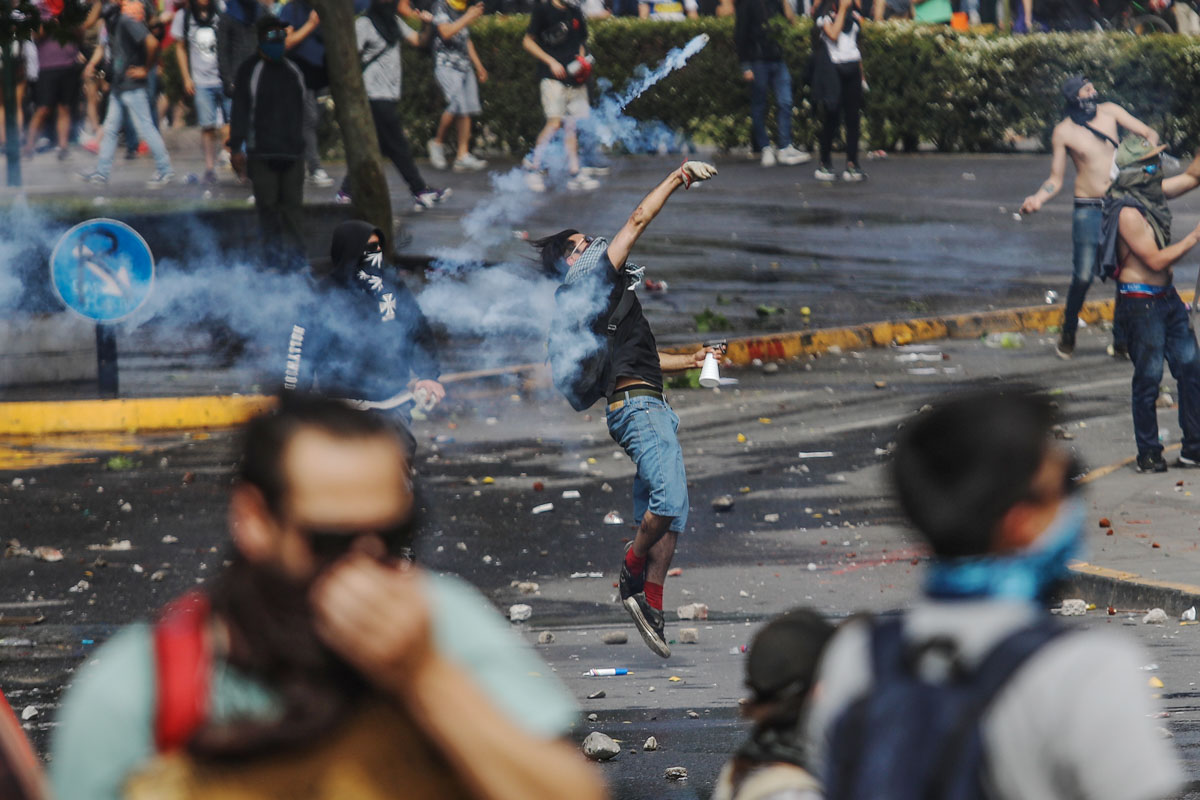
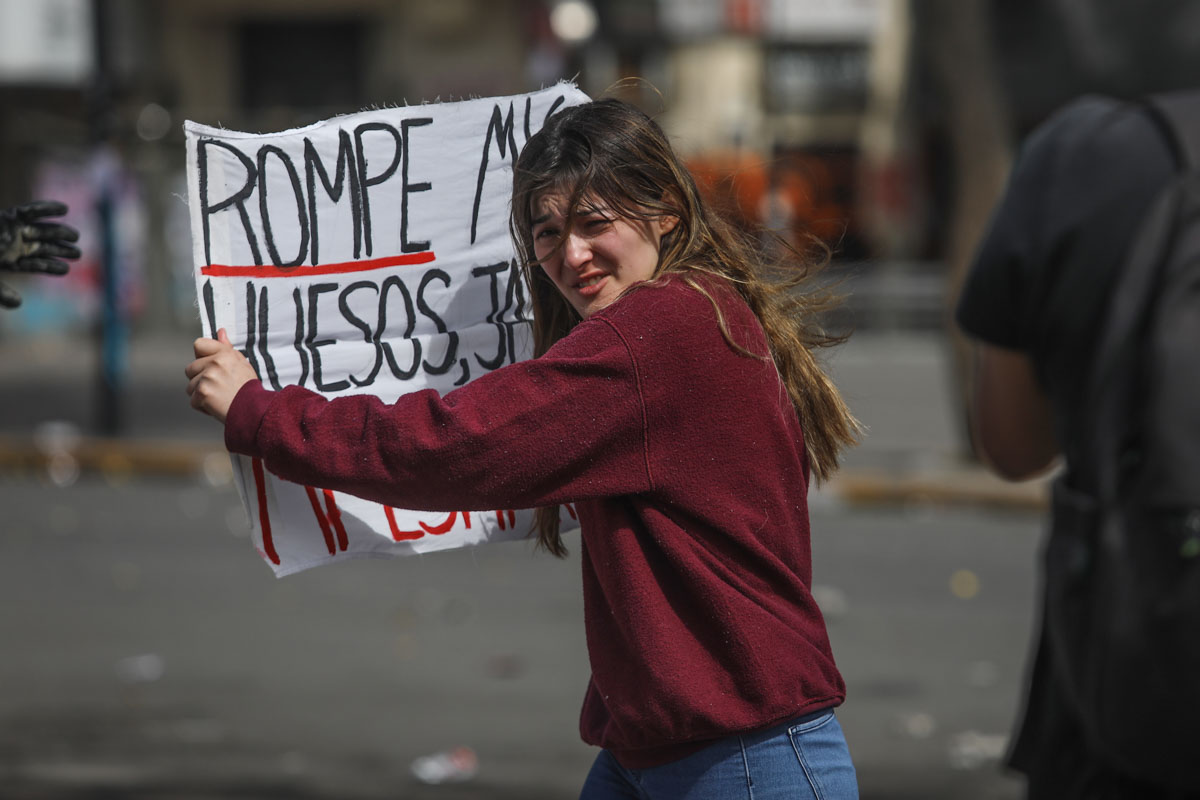
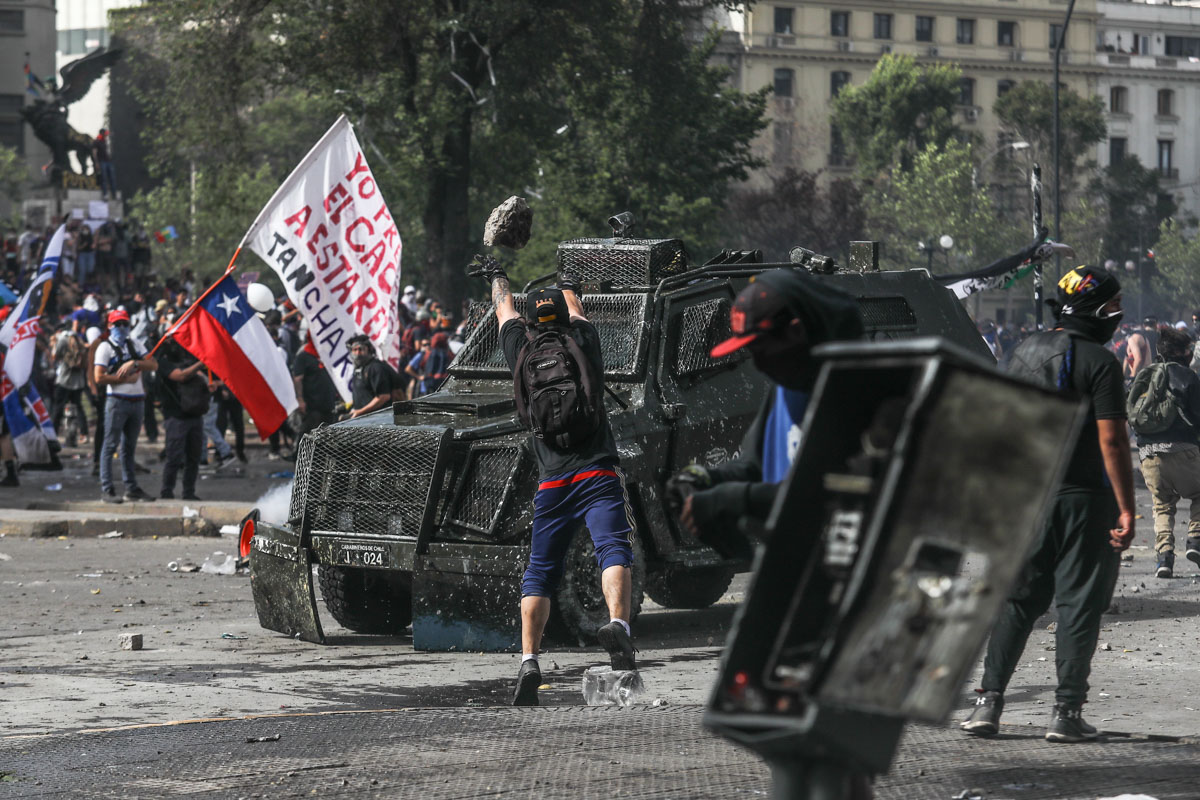
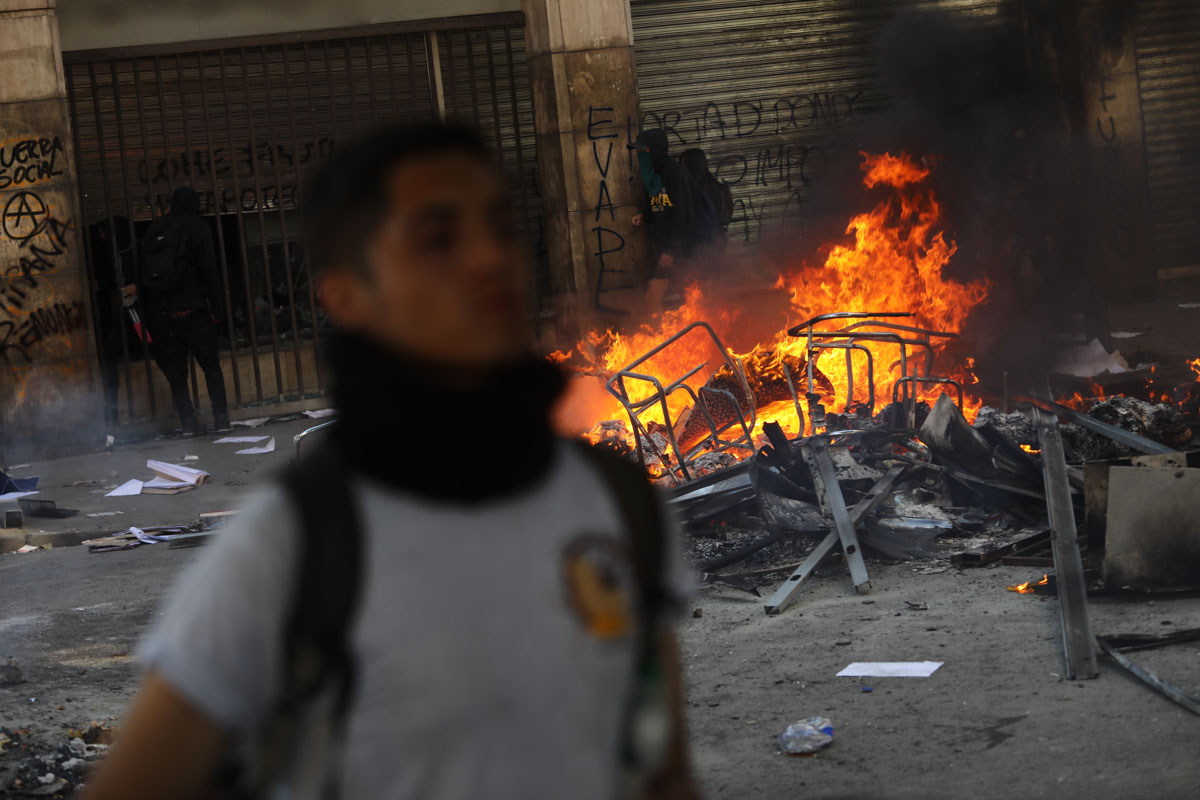
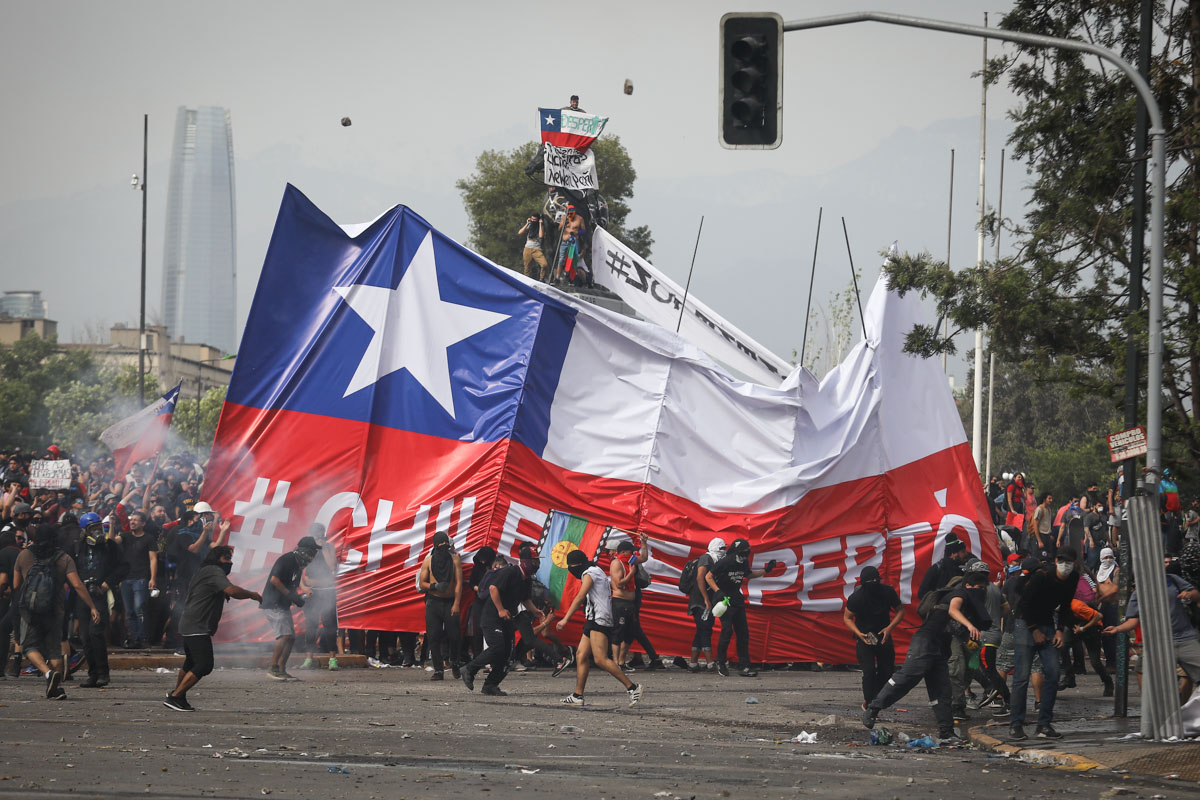
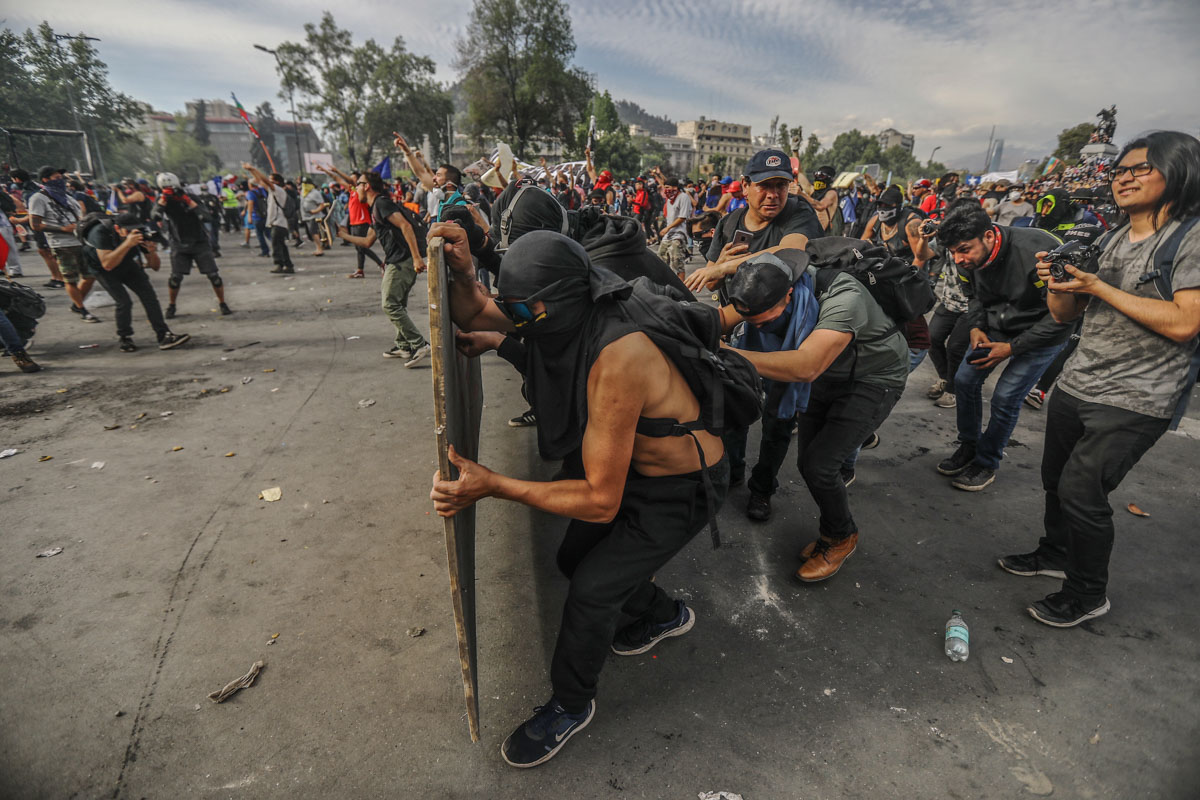
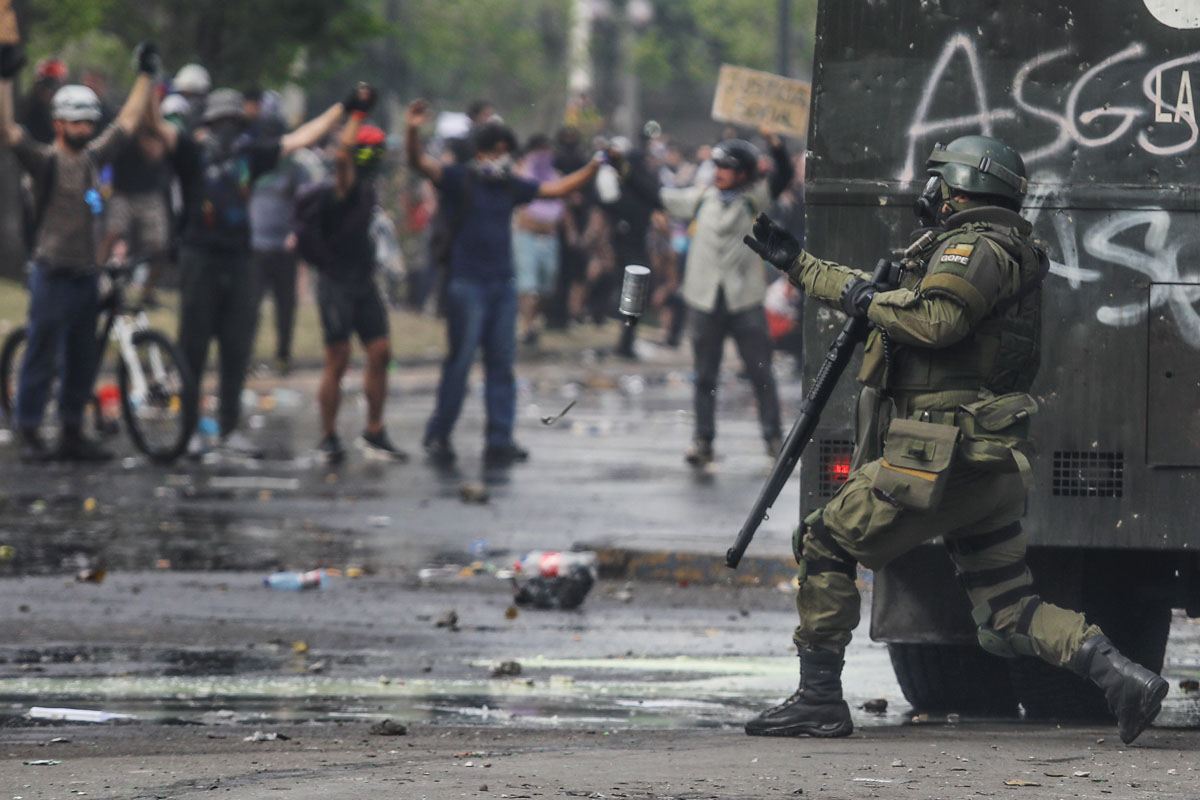
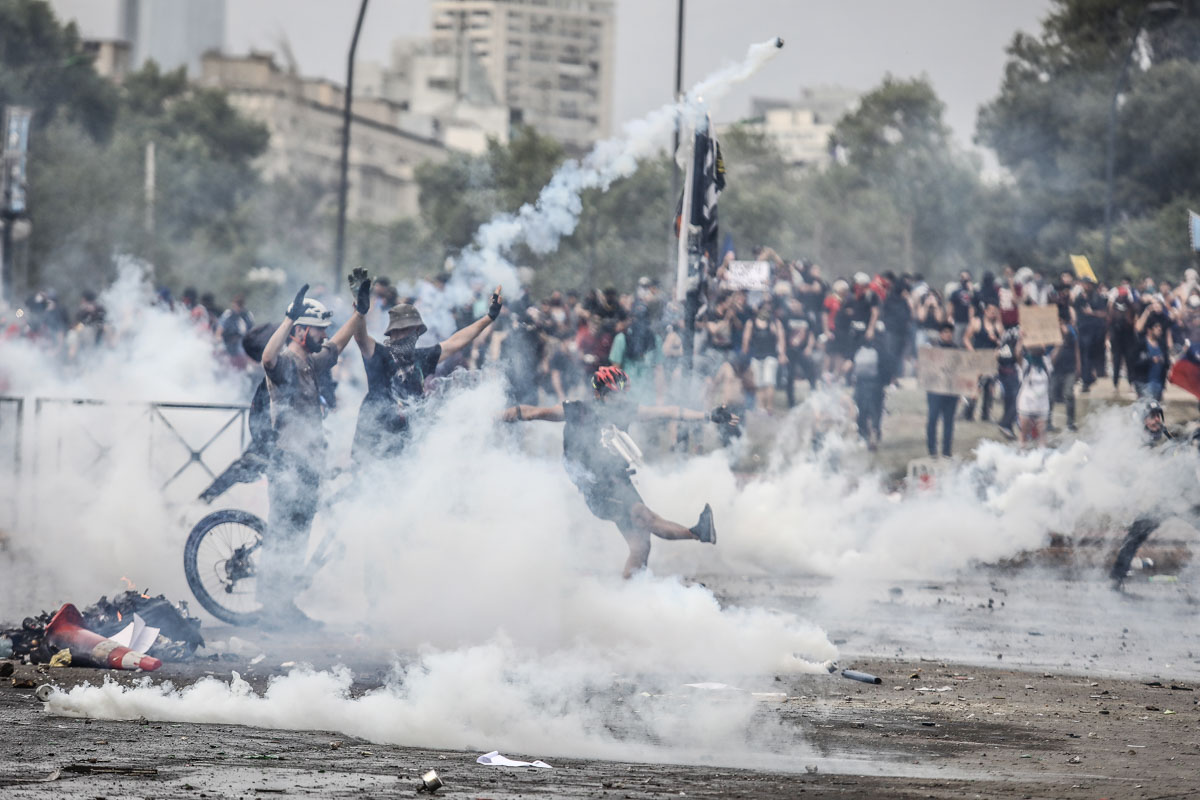
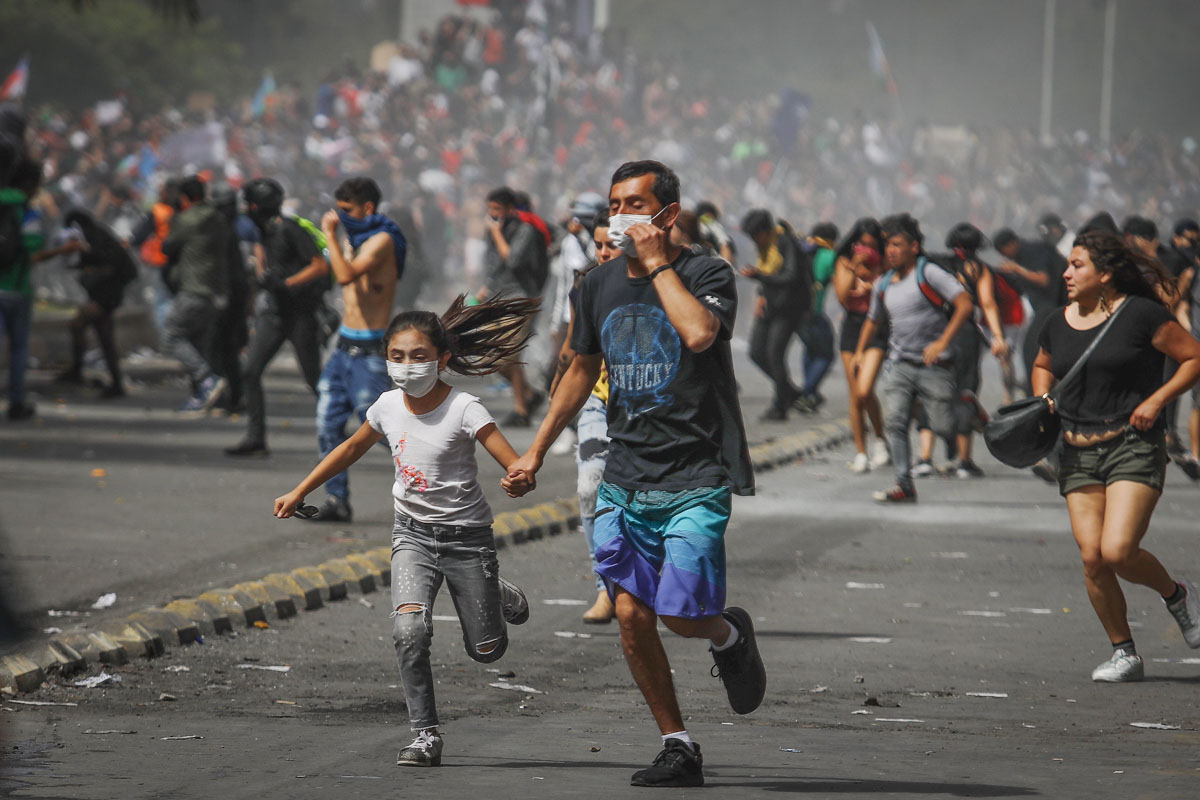
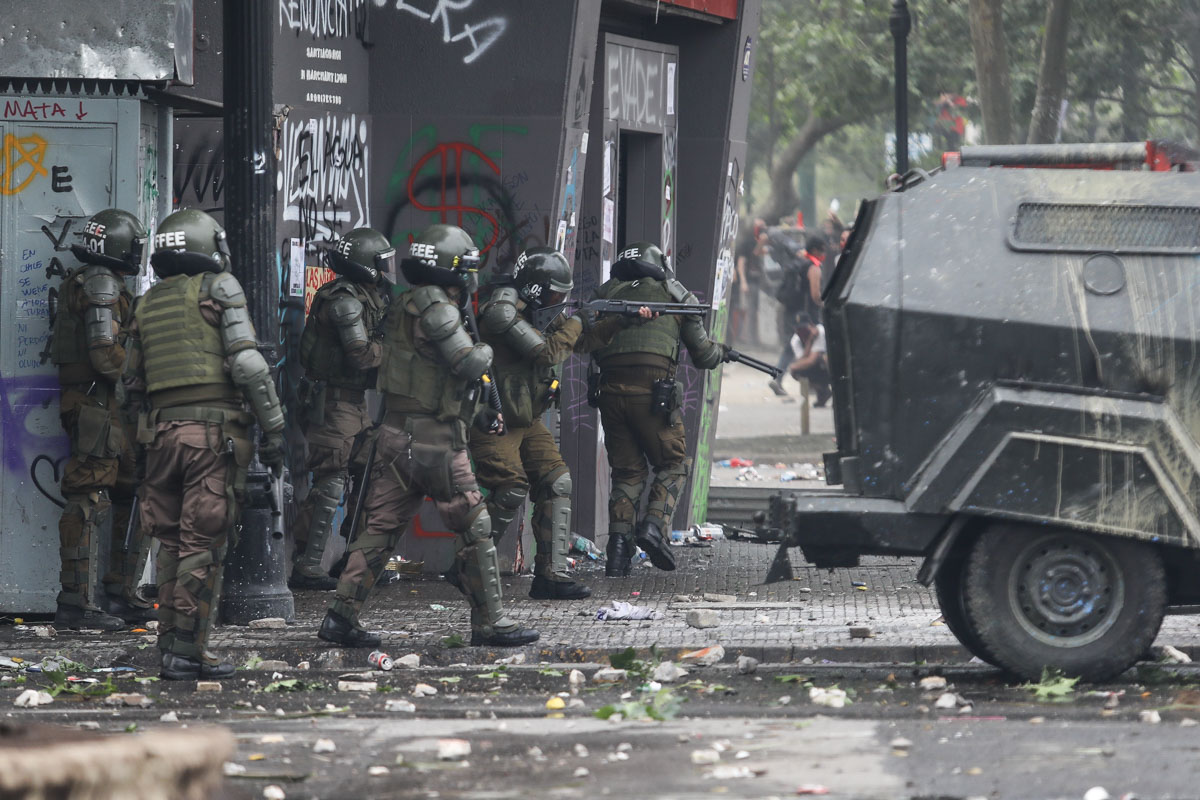
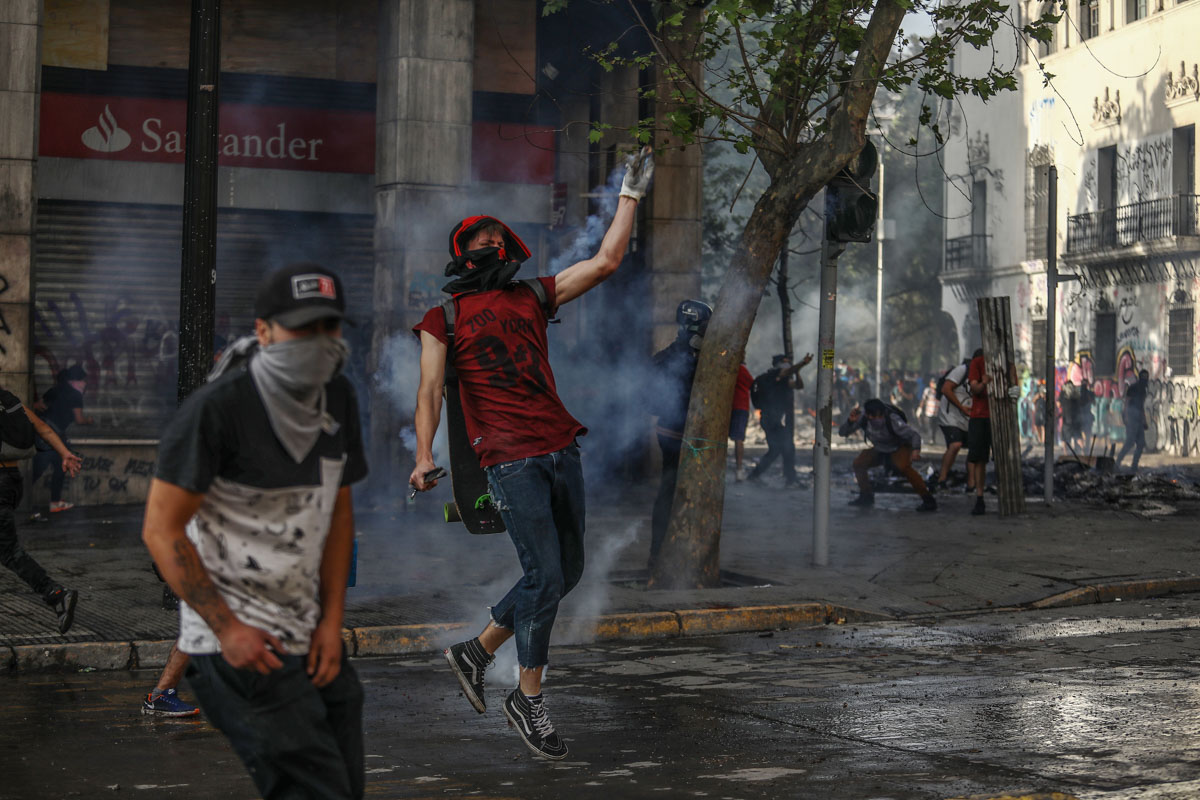
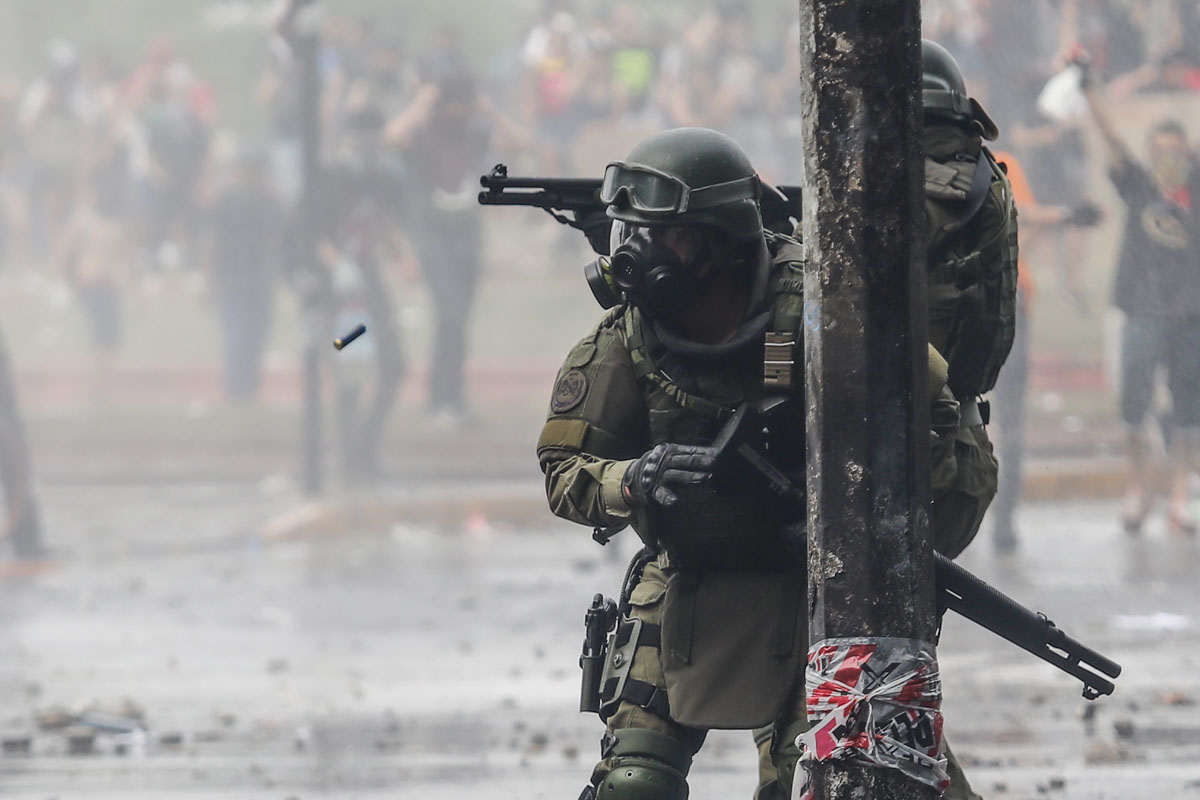
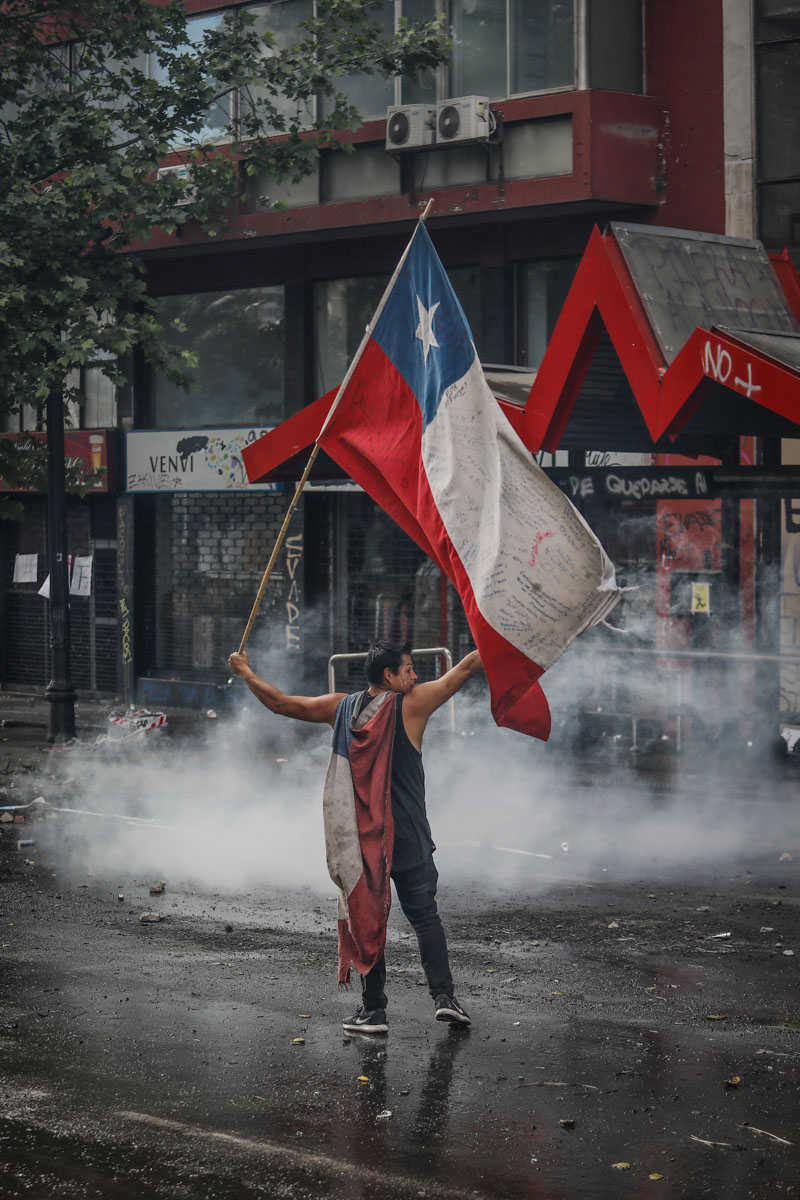
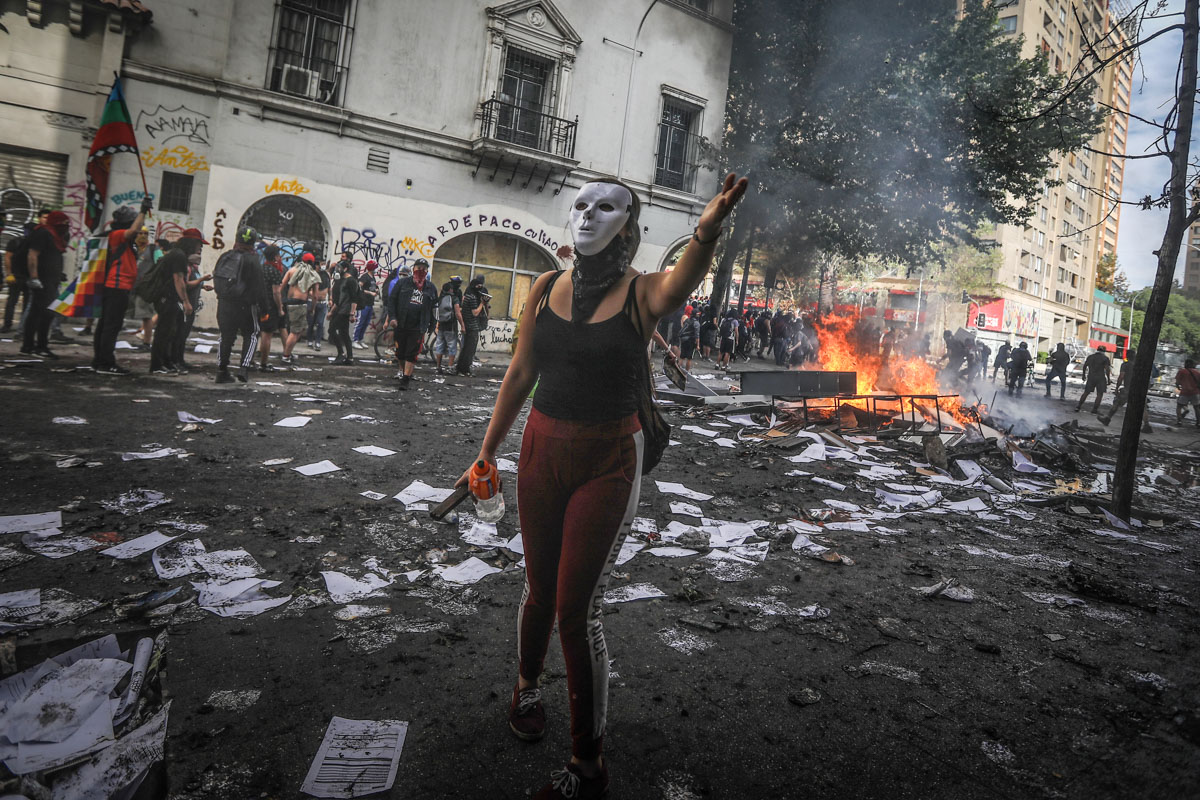
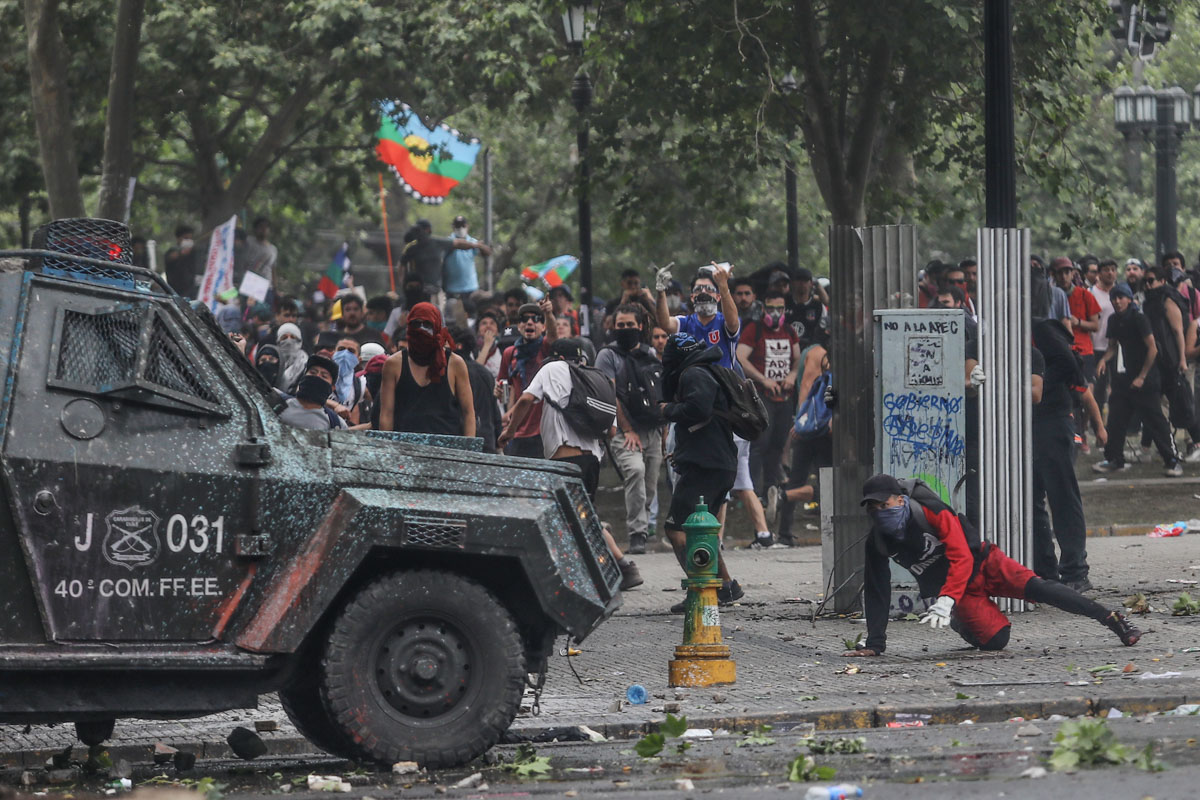
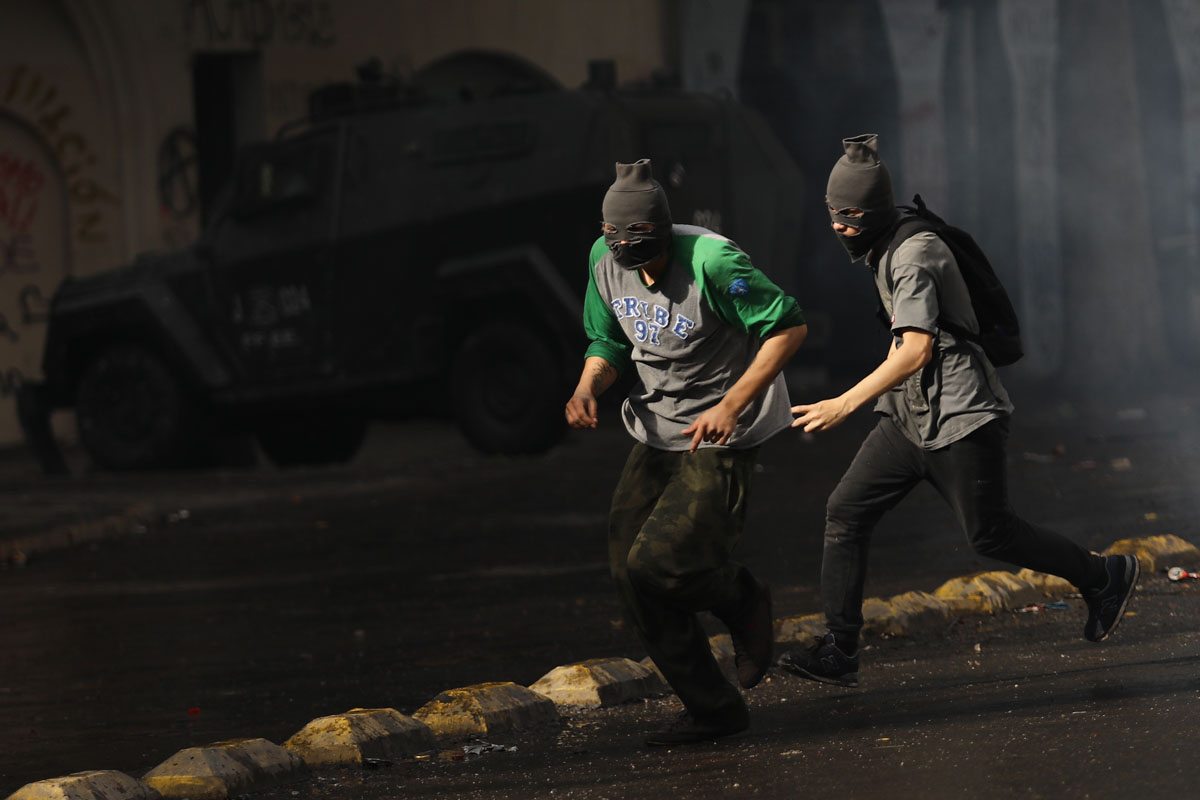
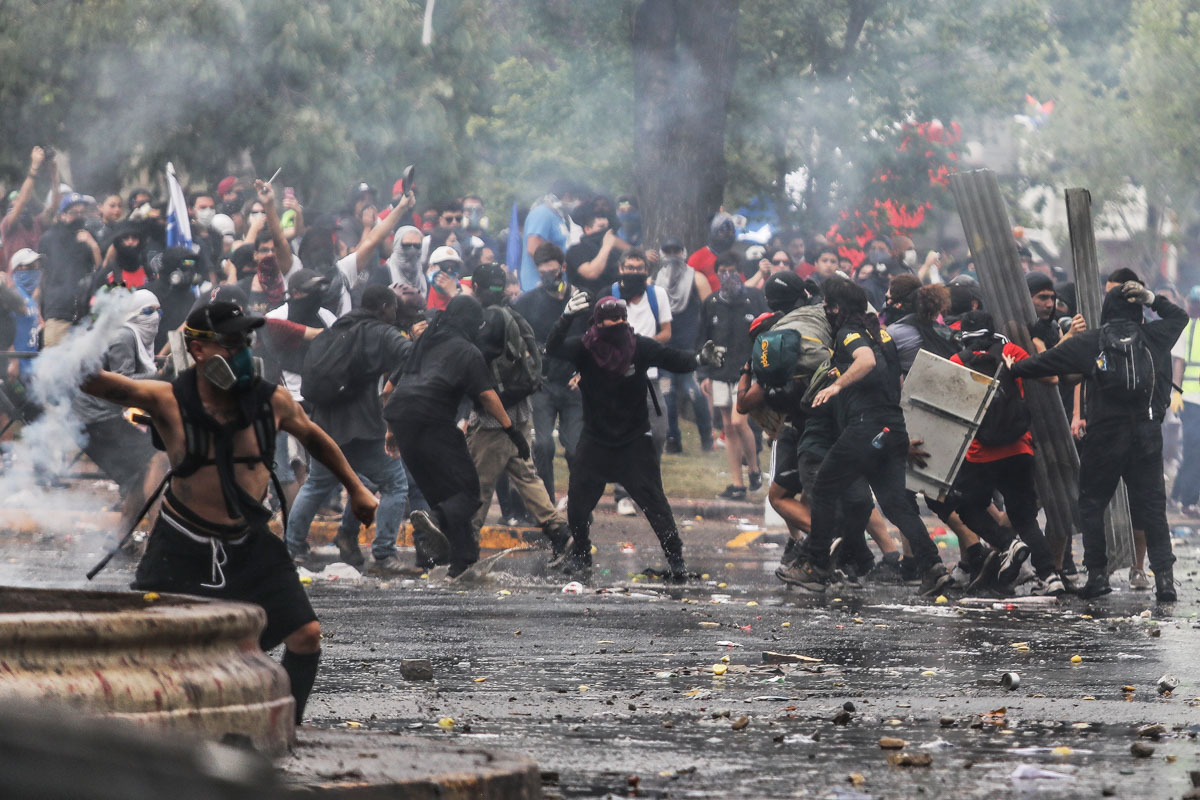
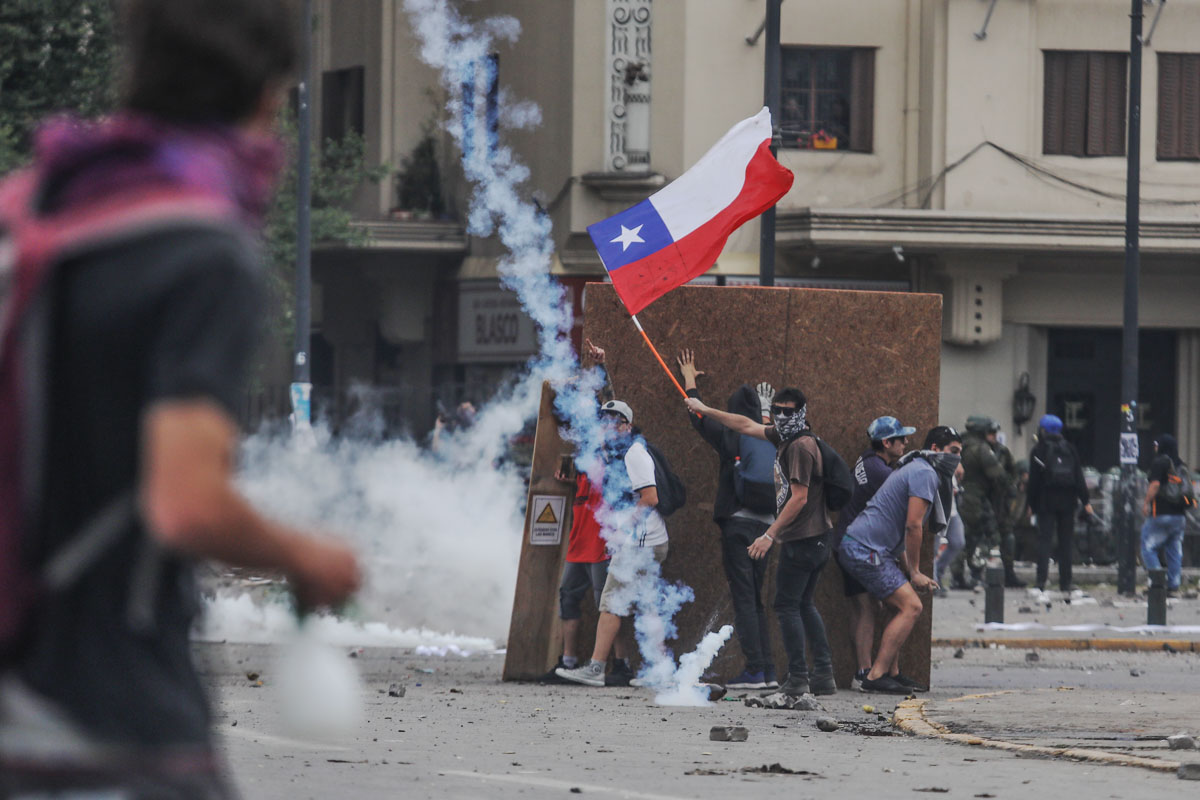
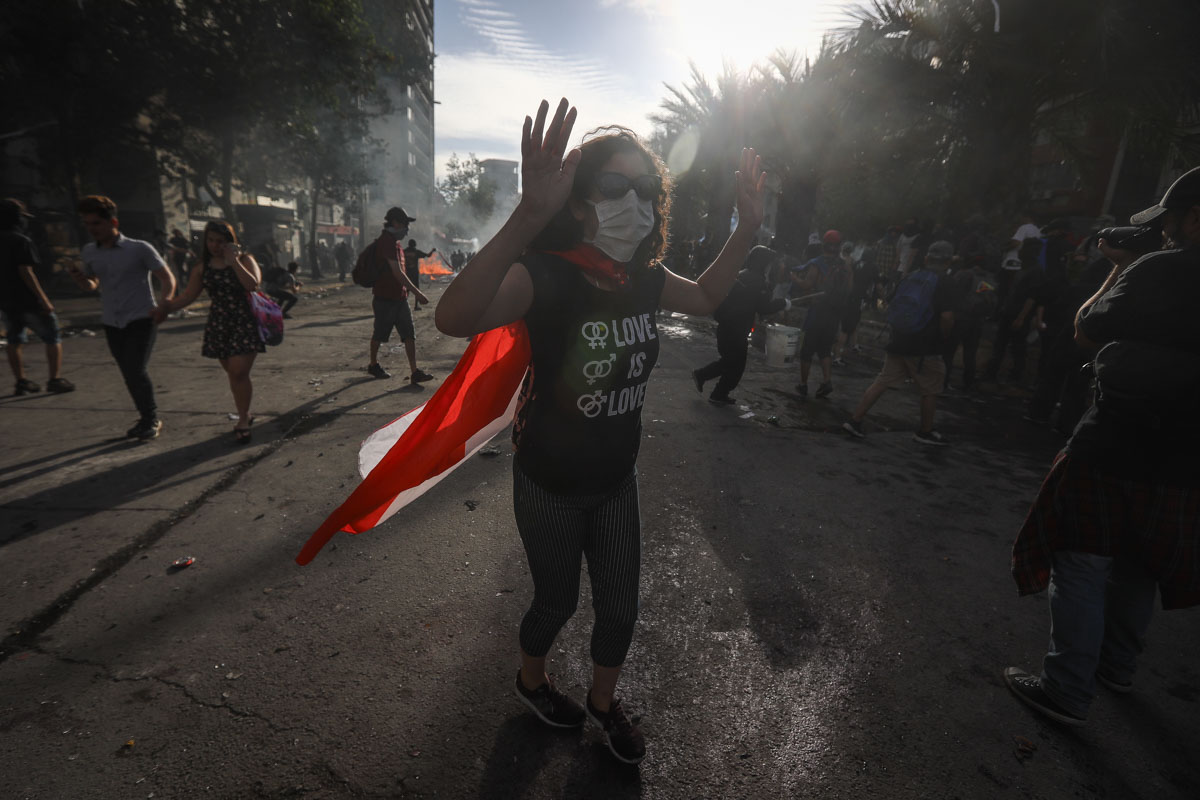
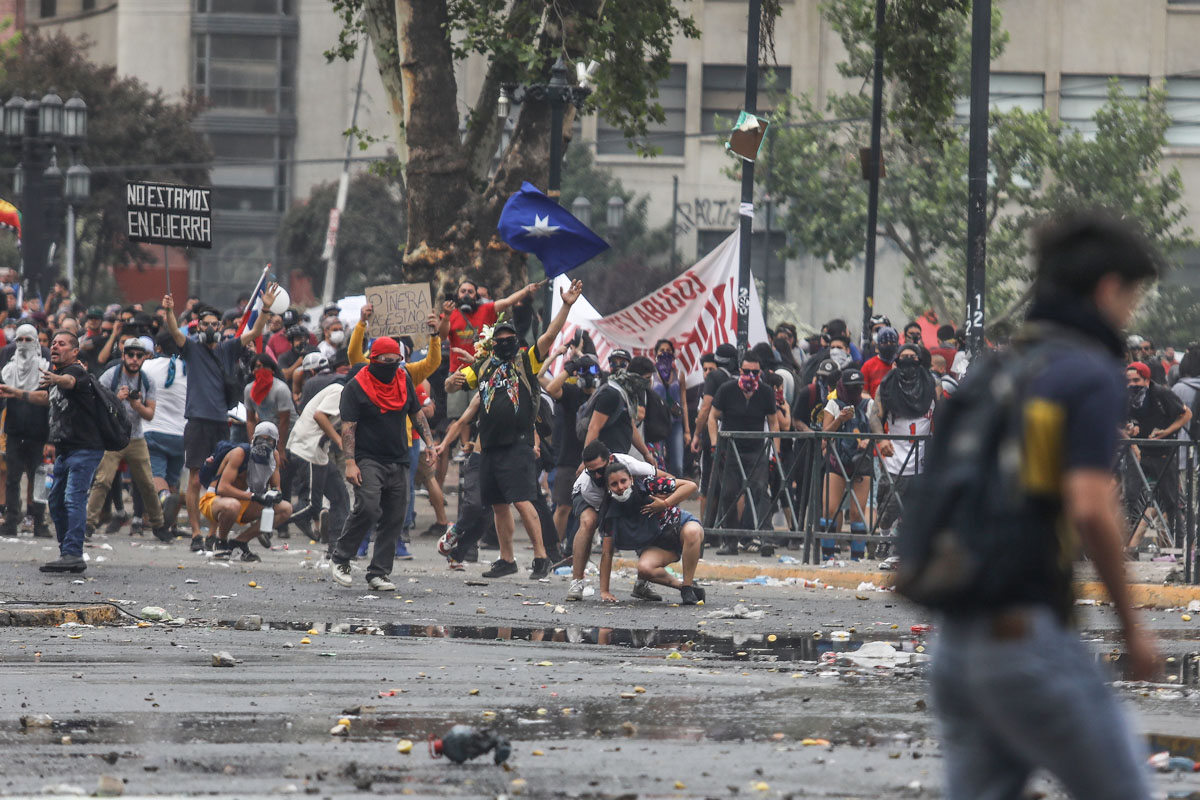
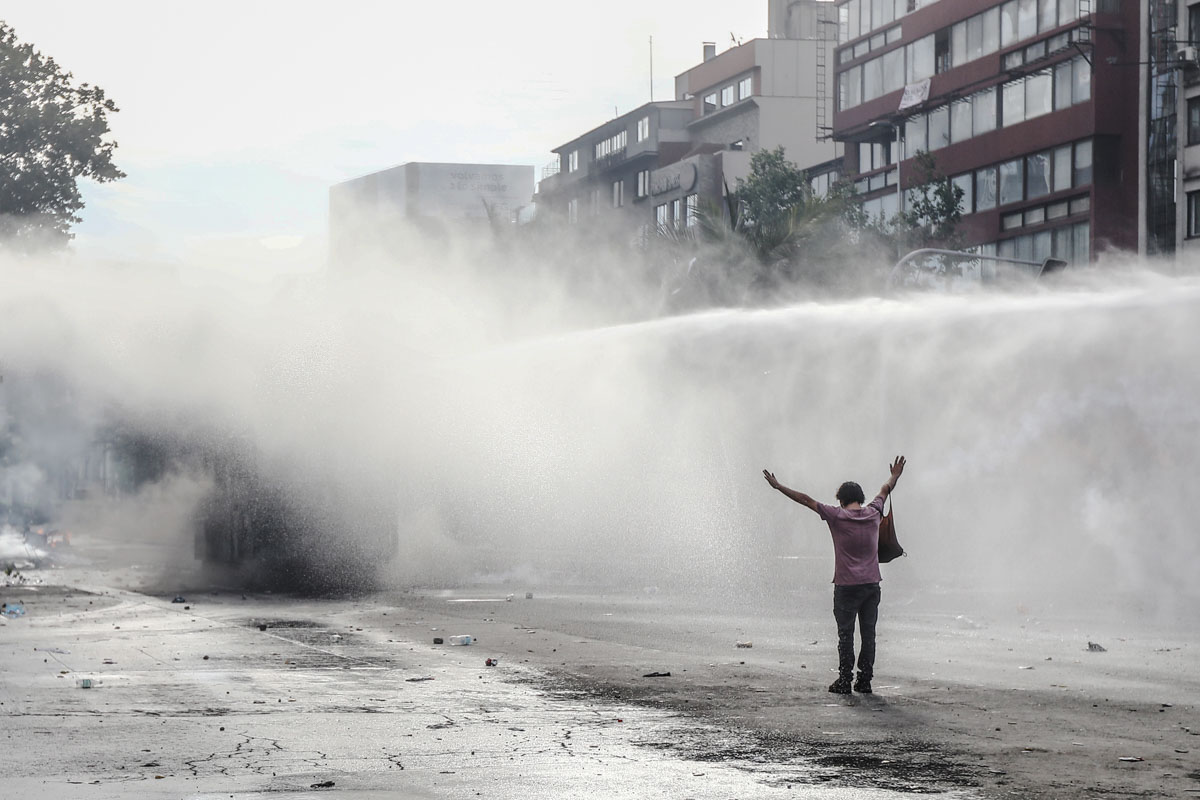
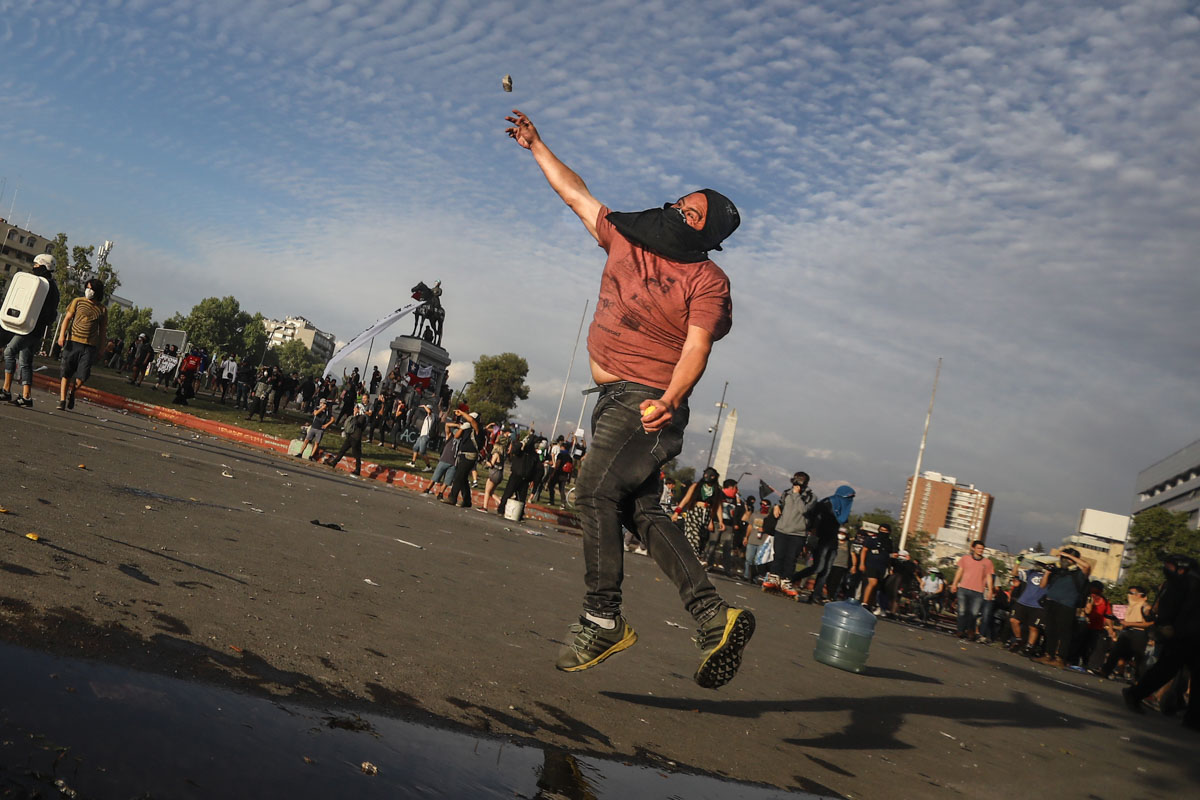
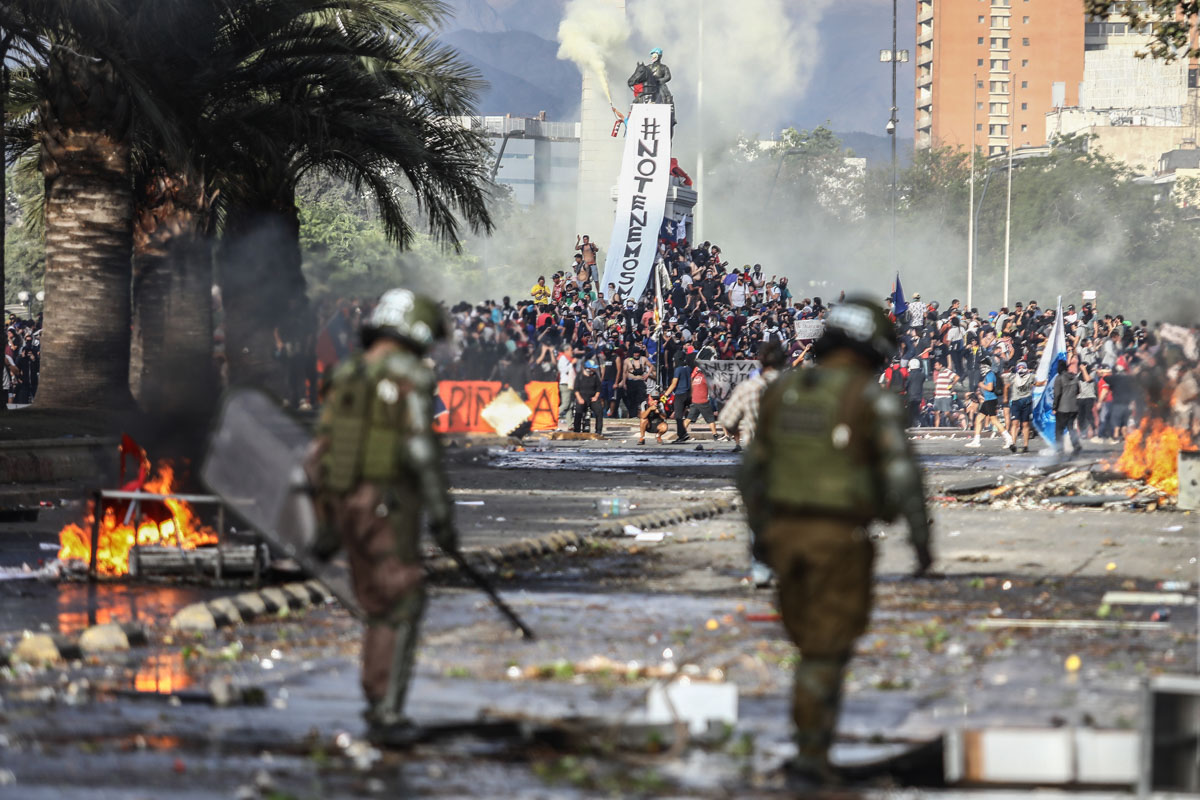
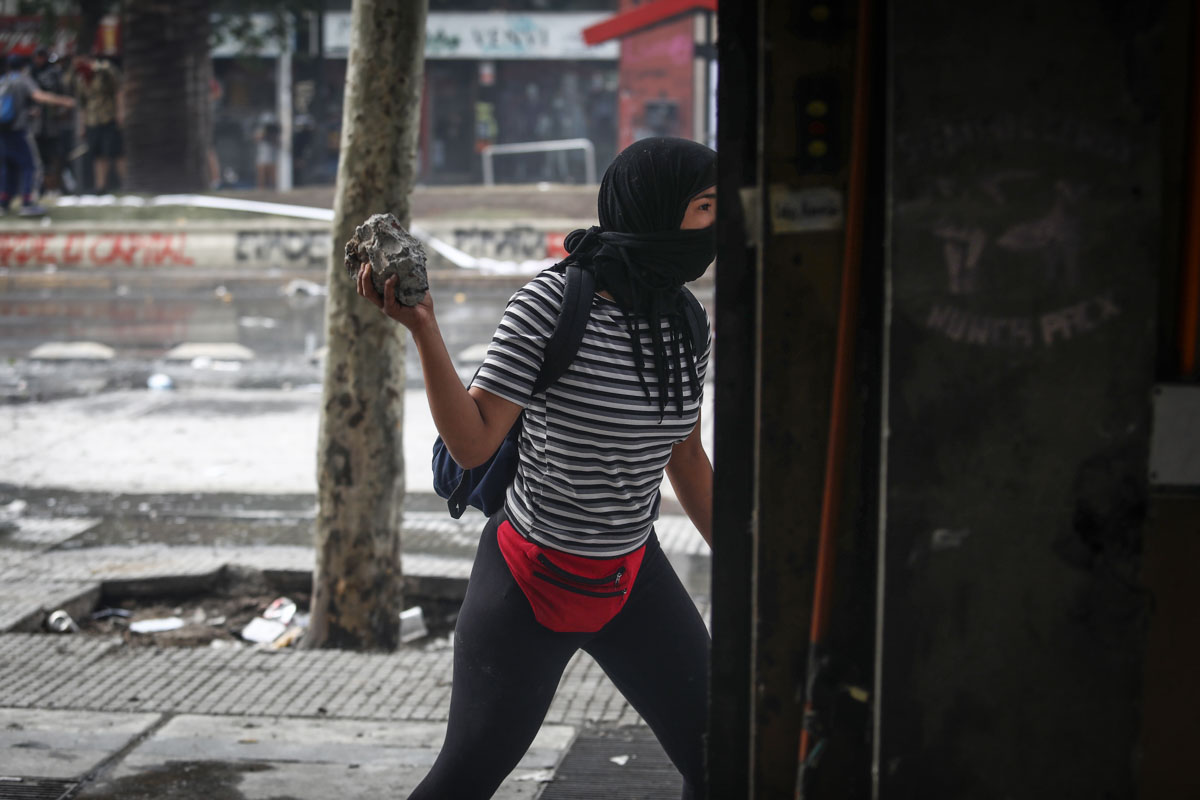
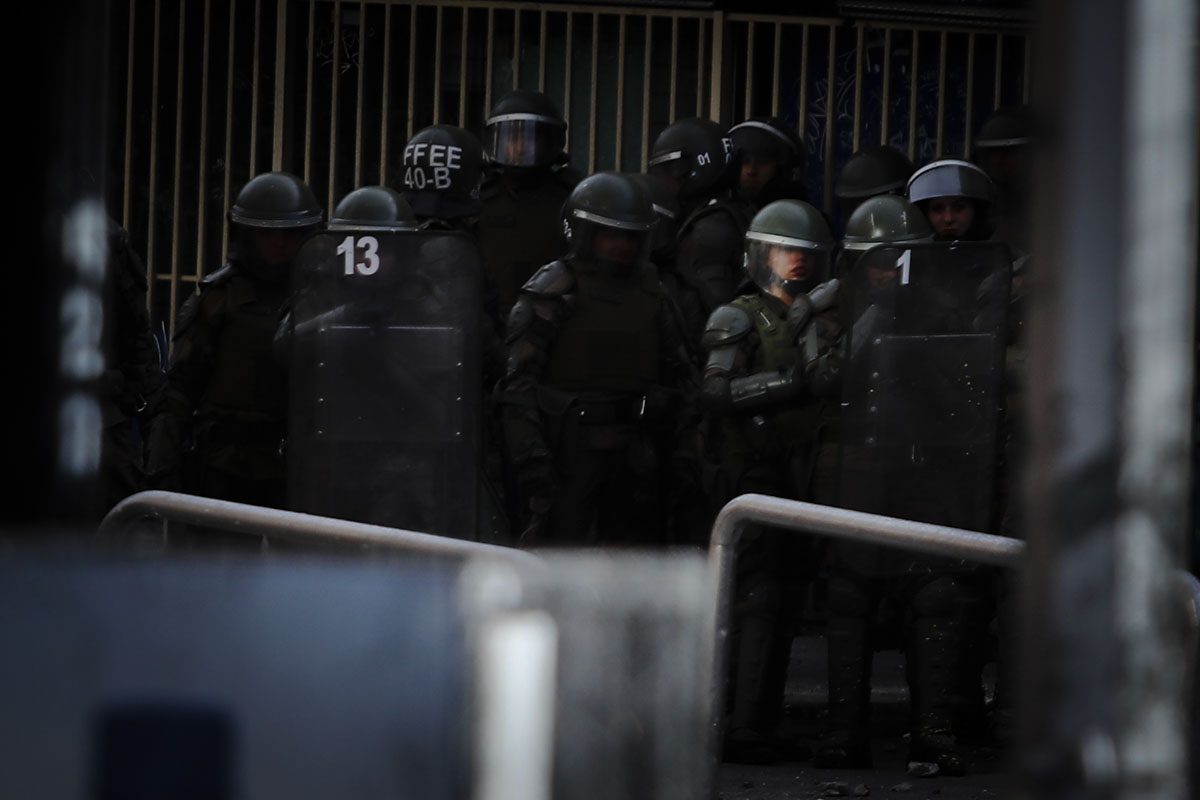
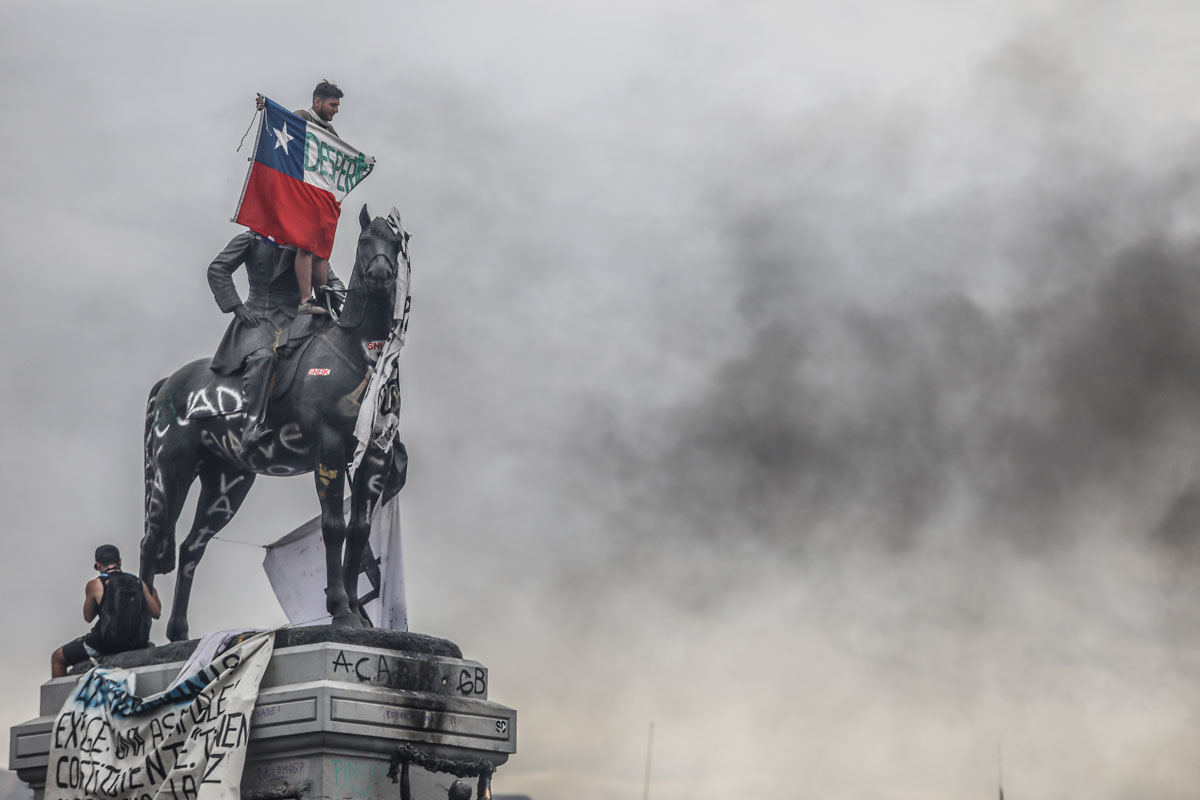
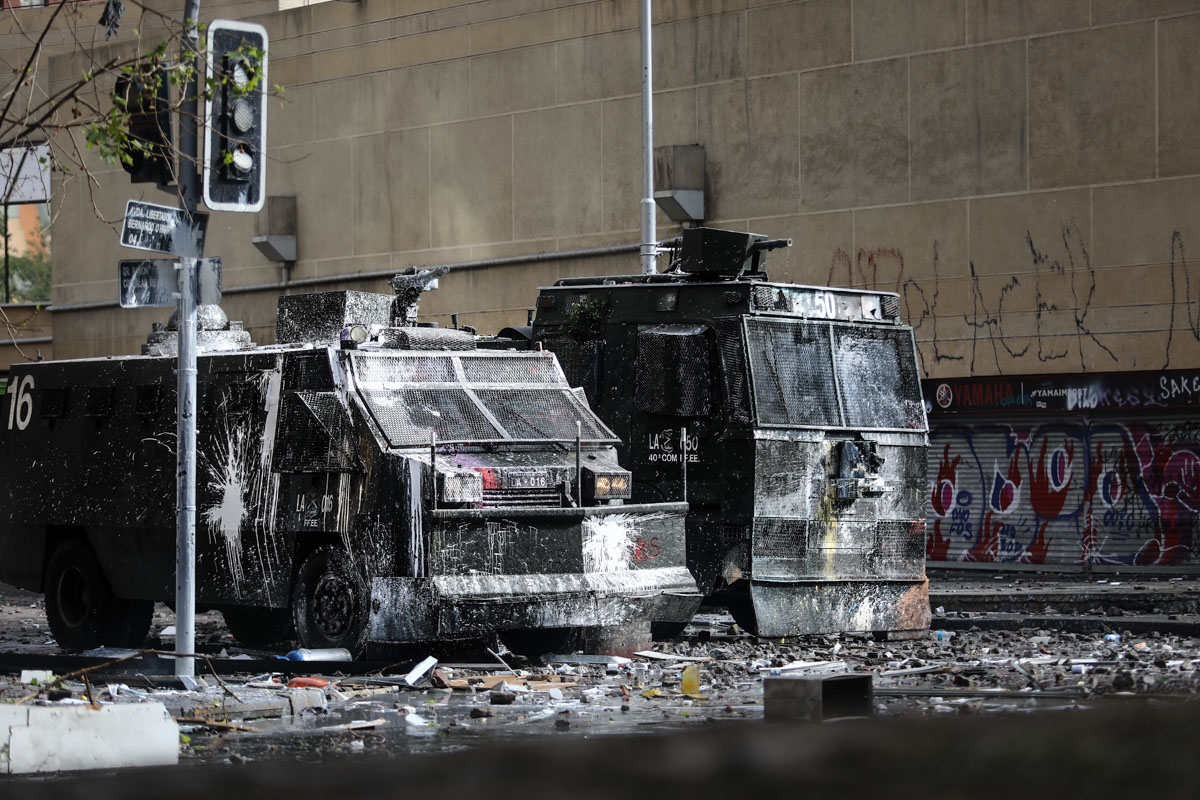
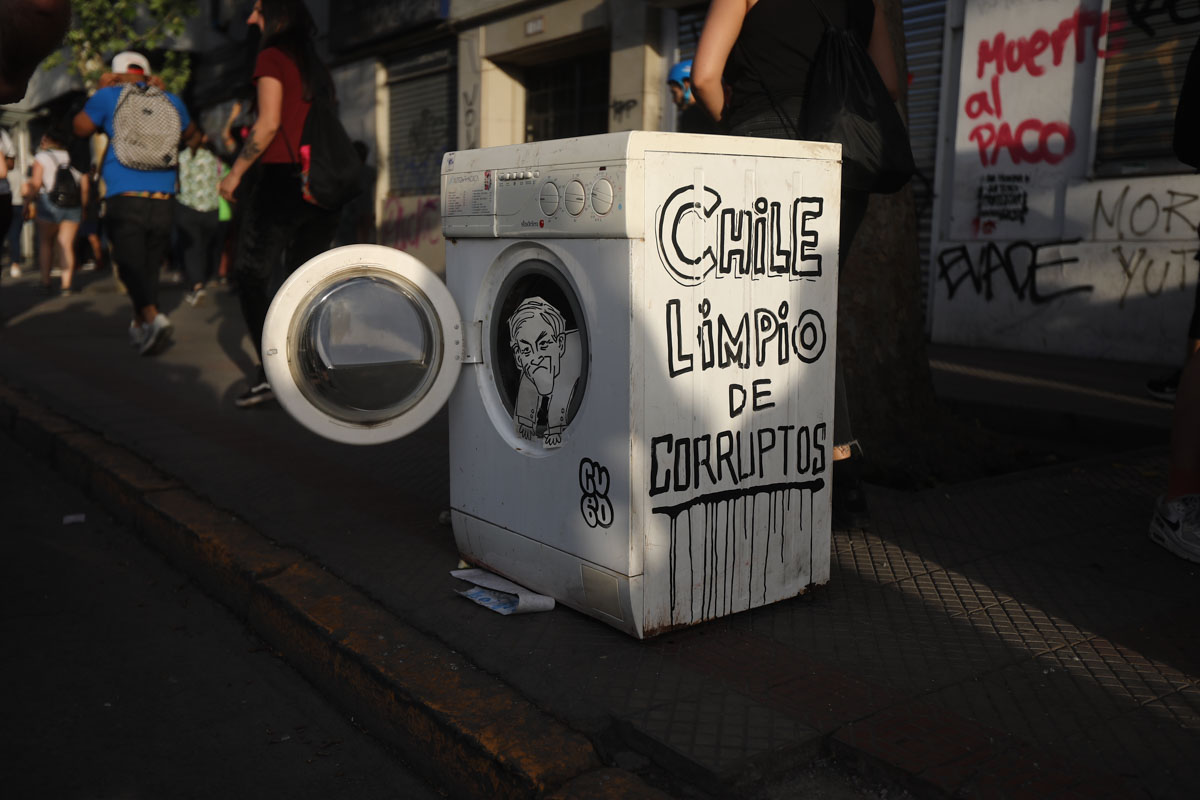
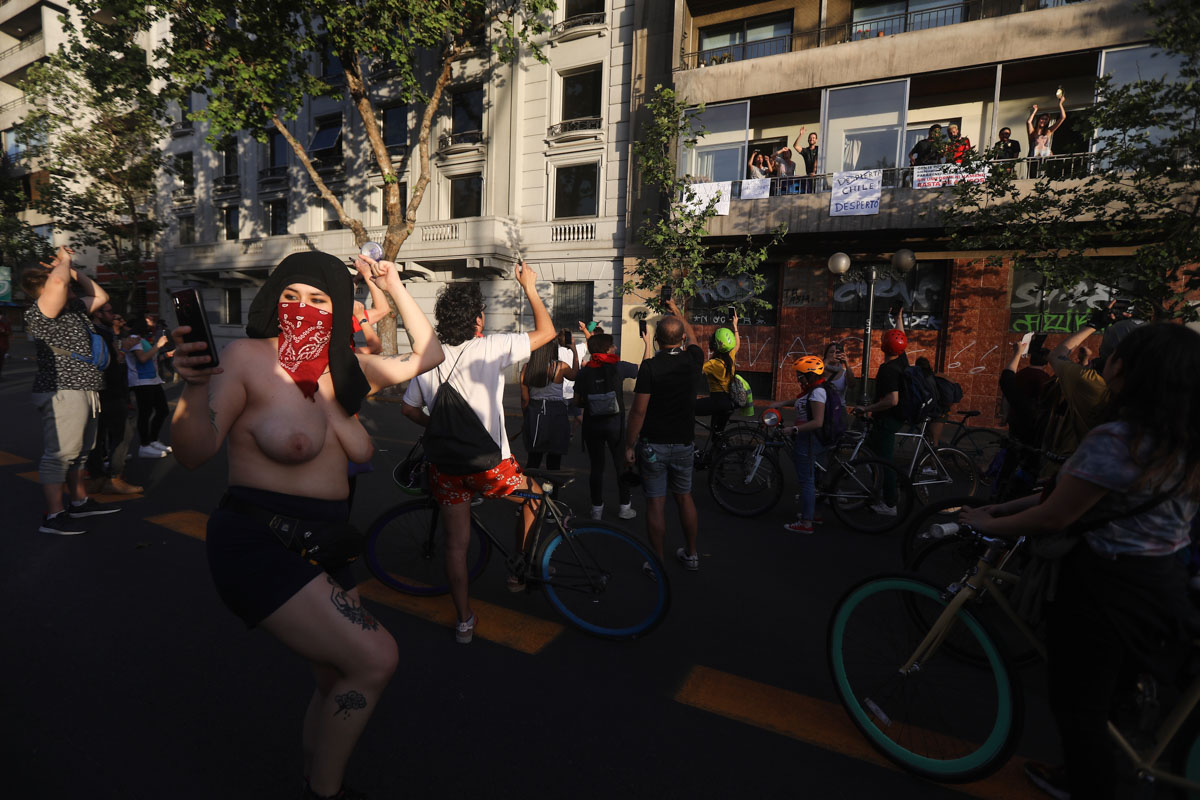
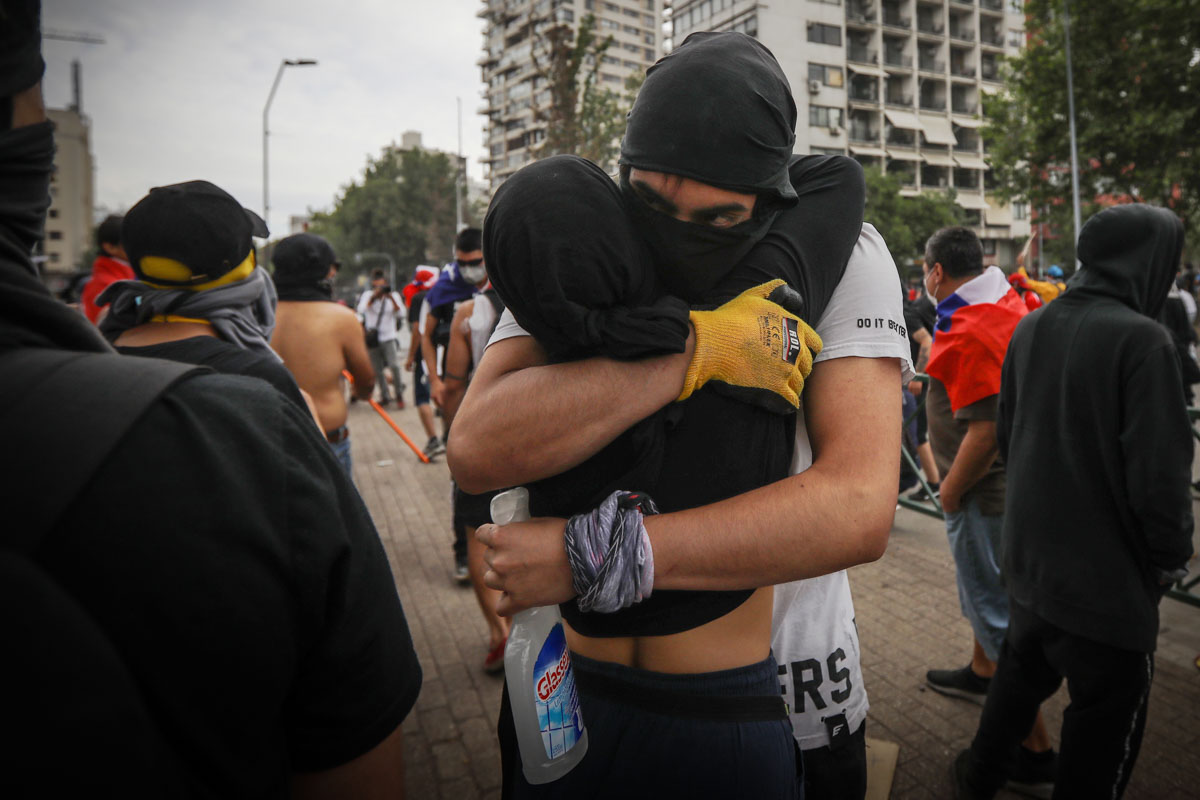
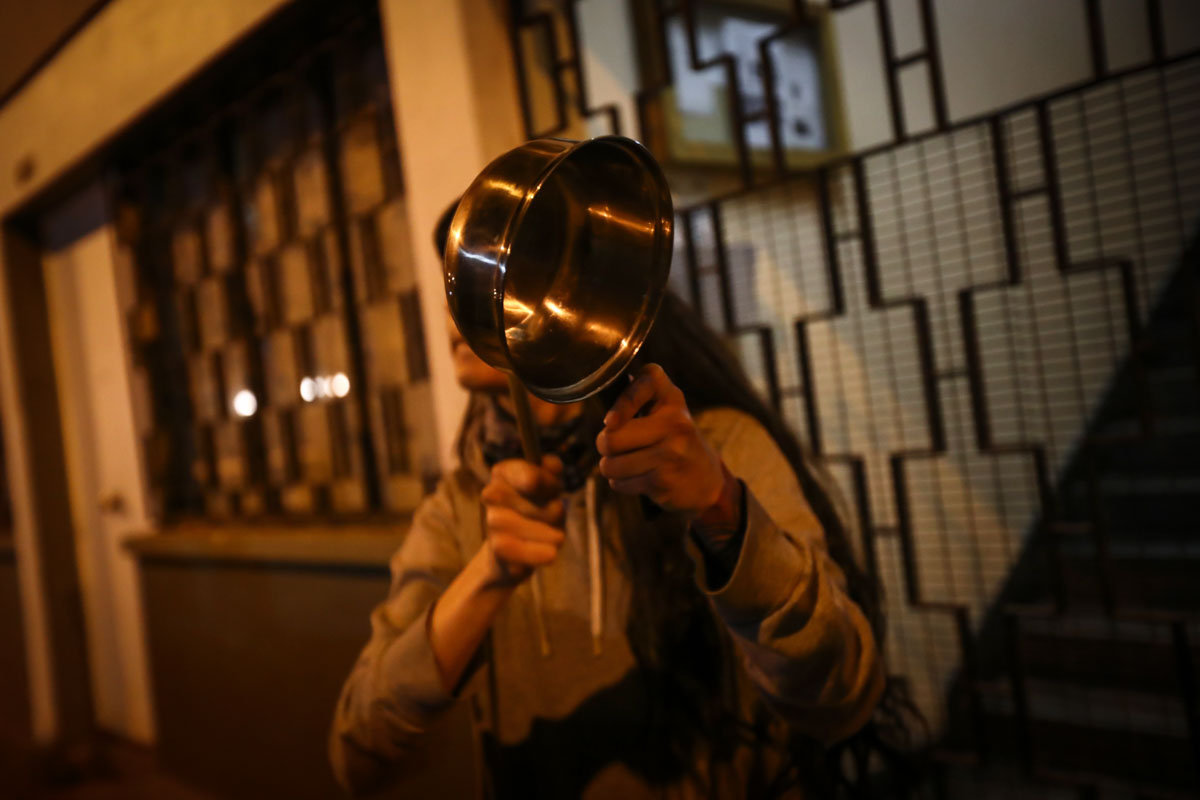
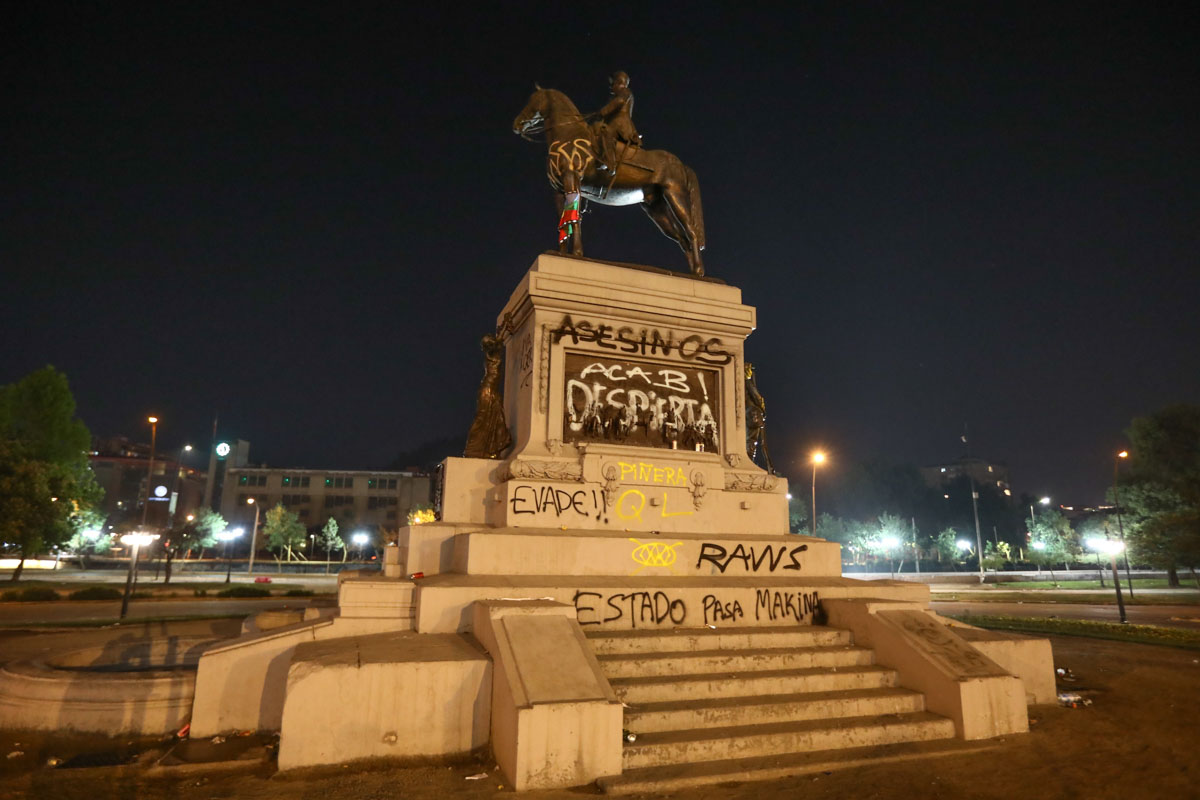
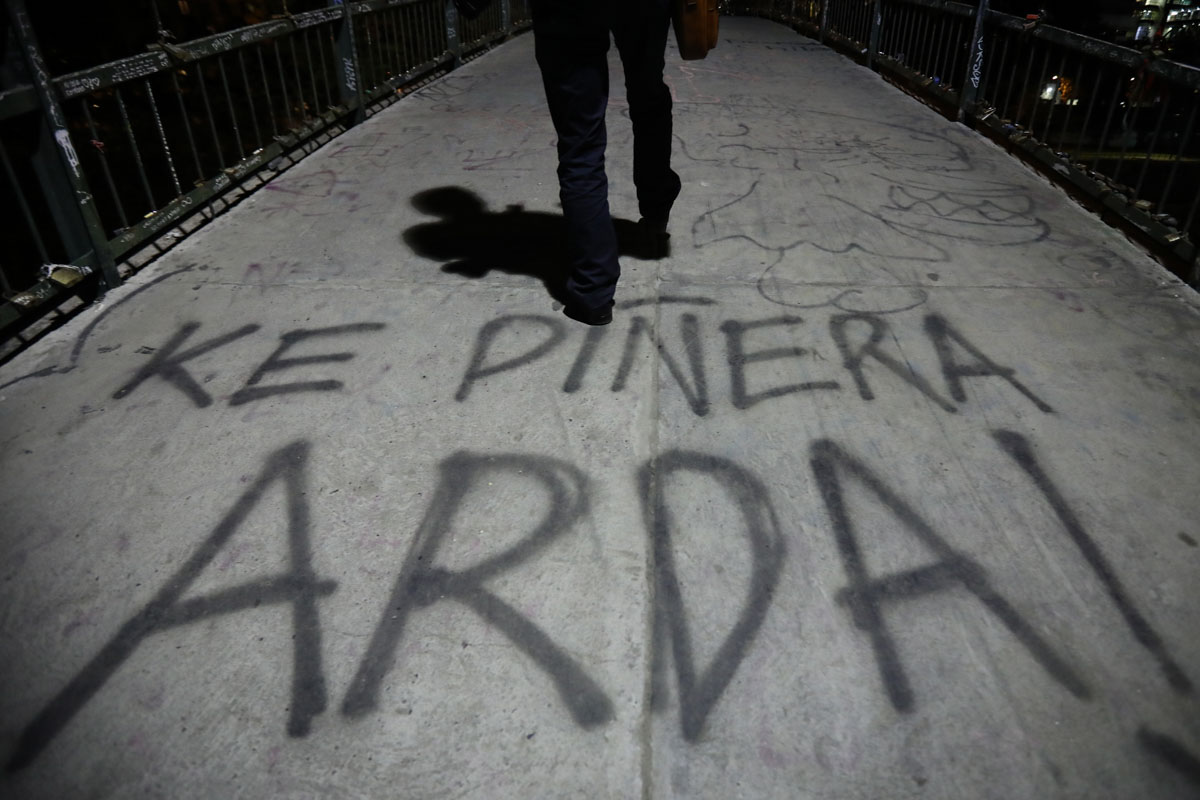
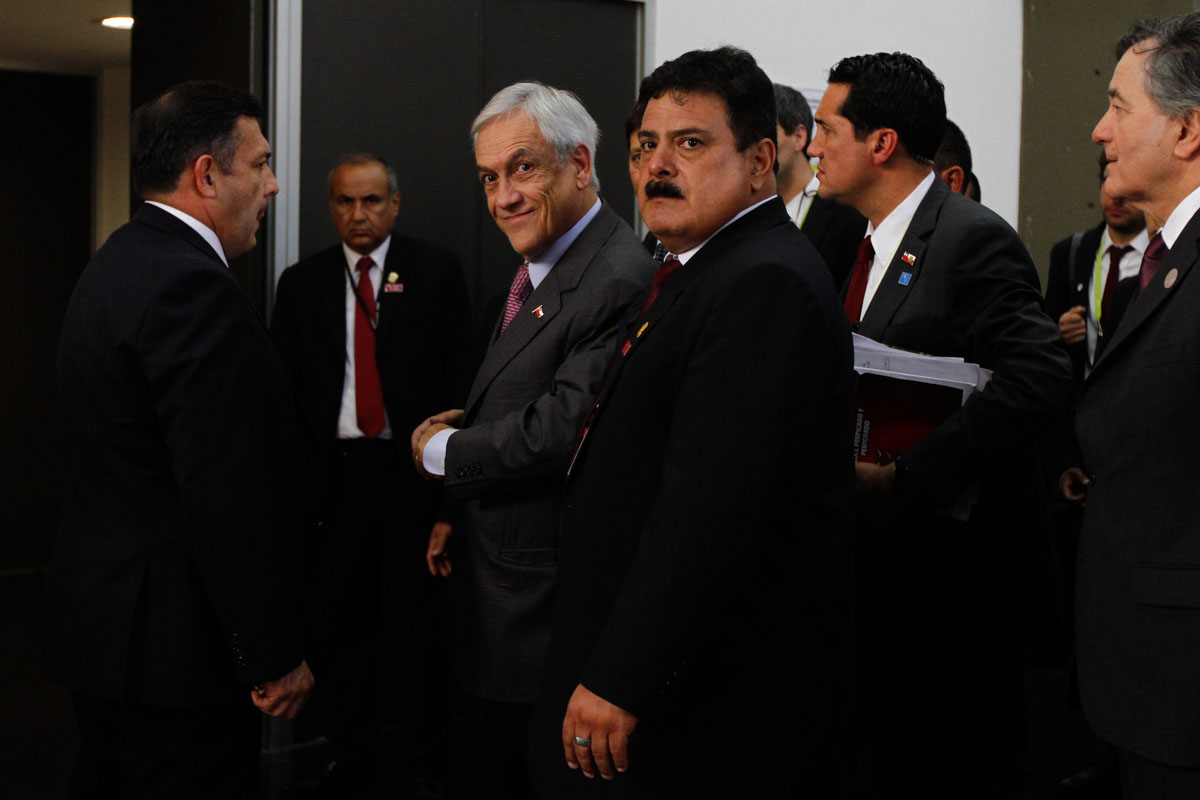
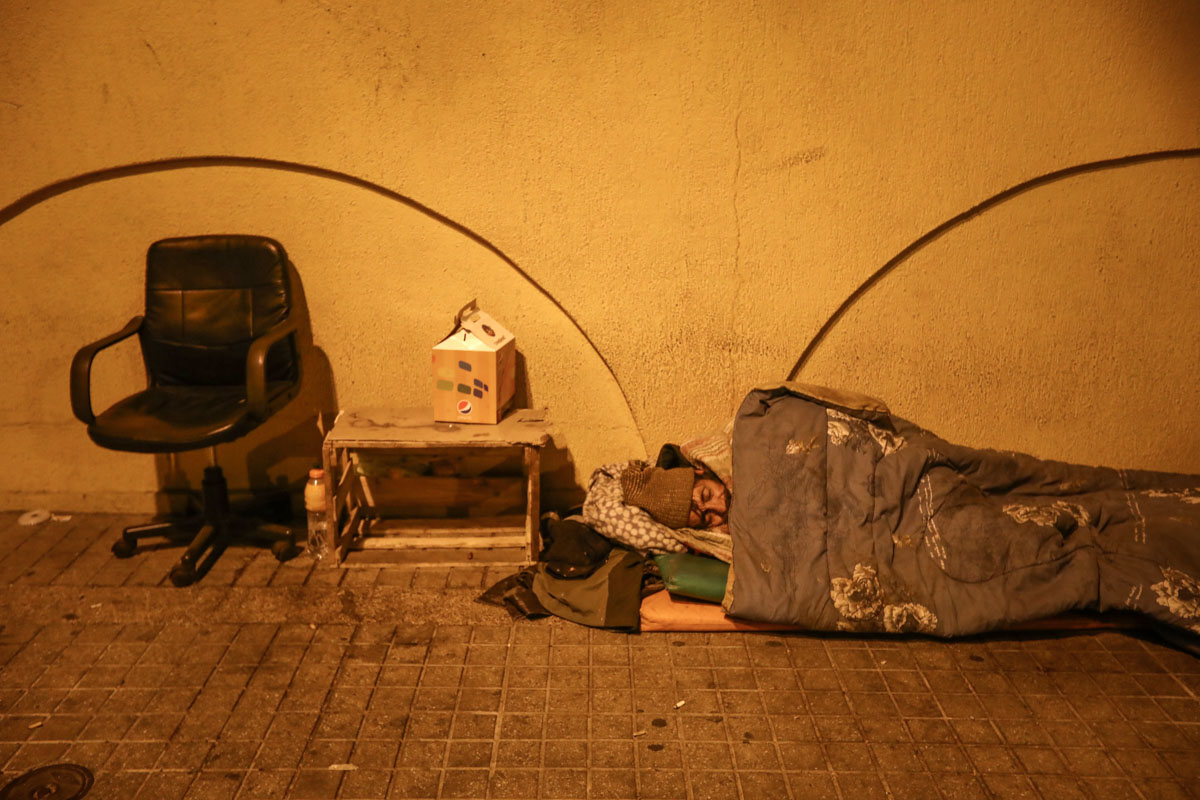
The South American country went through one of the worst crises in its history. The trigger for these events was the increase in fares for Santiago's public transportation system, which went into effect on October 6, 2019. Following this, thousands of high school students organized mass fare evasion protests on the Santiago metro. The demand for a decent pension and an immediate overhaul of the country's economic system also led to an explosion of public outrage. In the following days, the marches intensified, and national anger grew steadily. Faced with these serious circumstances, Chilean President Sebastián Piñera declared a state of emergency and a curfew in several regions of the country. In the days that followed, the military took to the streets—something unseen since the Pinochet dictatorship. In response, citizens raised their voices in protest. Plaza Italia then became the symbol of this indignation. It drew thousands of people of all ages who, with banners, music, and marches, demanded the president's resignation and a new constitution. Providencia Avenue and other streets near Plaza Italia became the battleground between young students and the Carabineros (police), who did not hesitate to fire indiscriminately. Many civilians, police officers, and journalists (both Chilean and foreign) were injured, and several businesses were set ablaze in various parts of the Chilean capital. The National Institute for Human Rights identified 19 deaths, nearly 2,500 injuries, and 2,840 arrests. They also reported cases of torture and other abuses by the Armed Forces and law enforcement.
Hola 👋 contáctar con Jorge L. Cerdán - fotoperiodista...