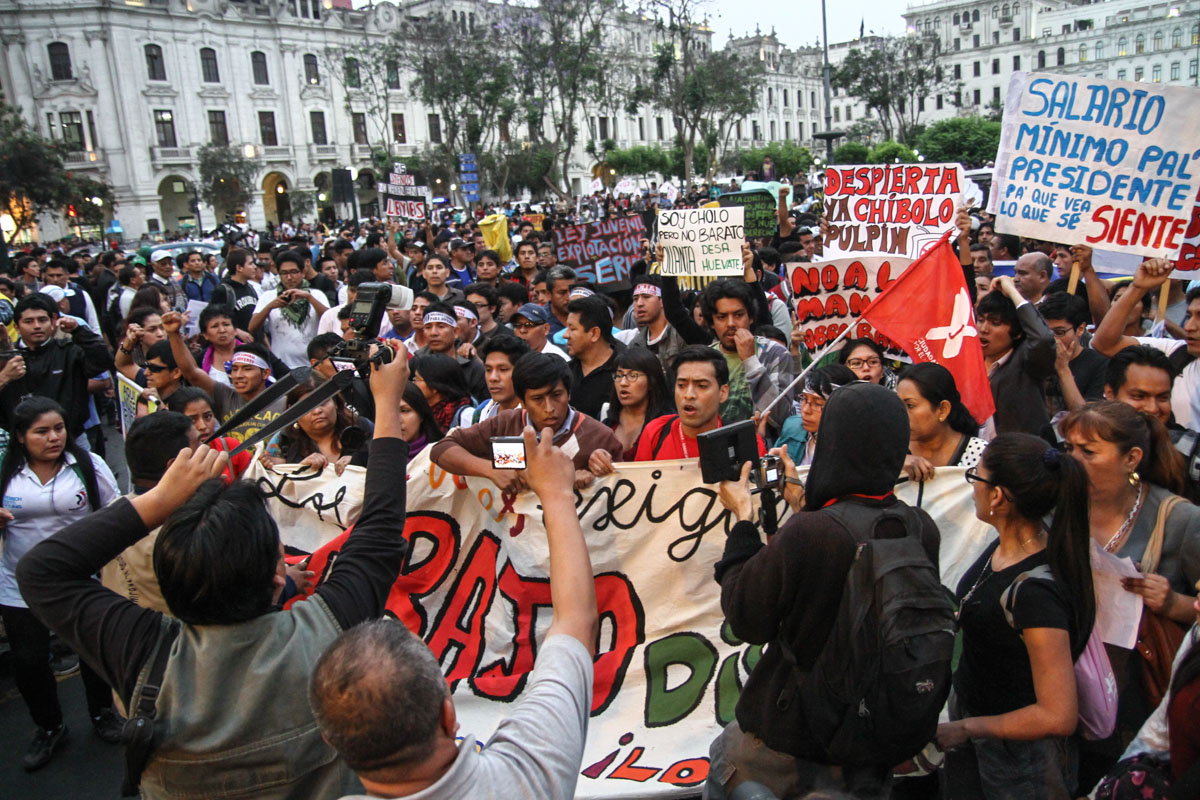
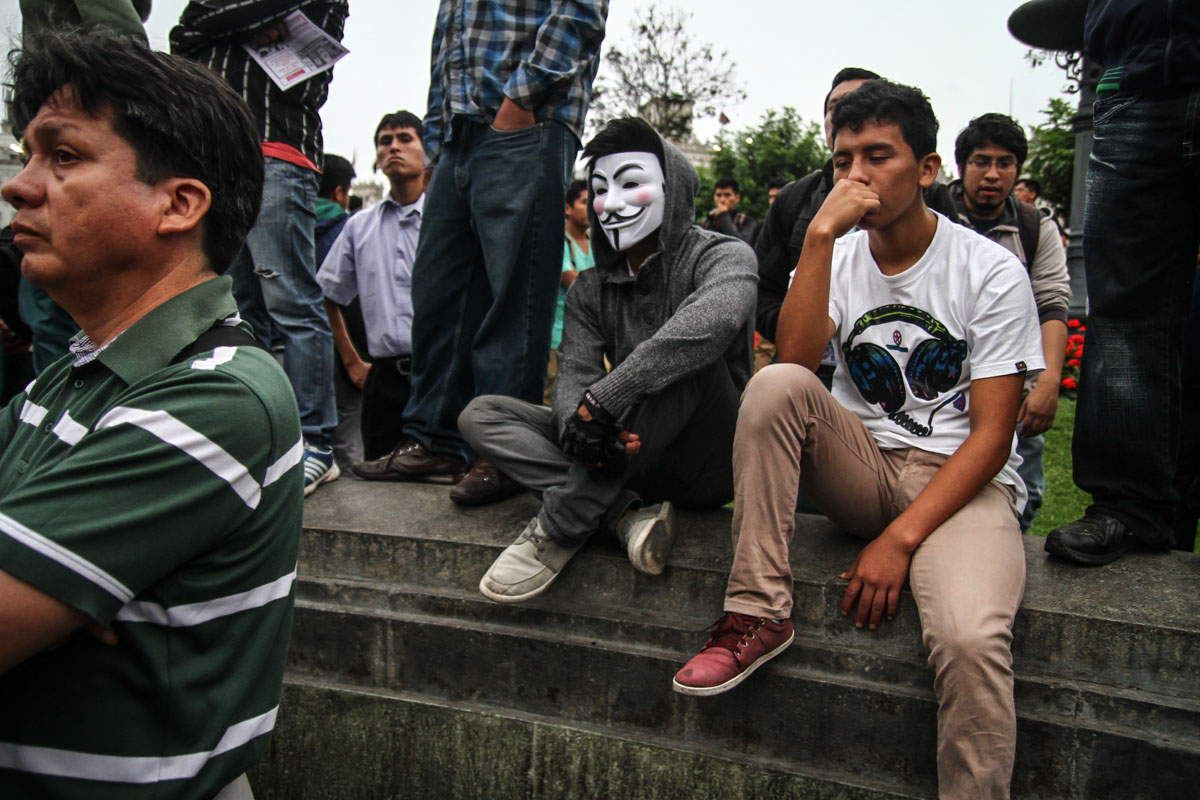
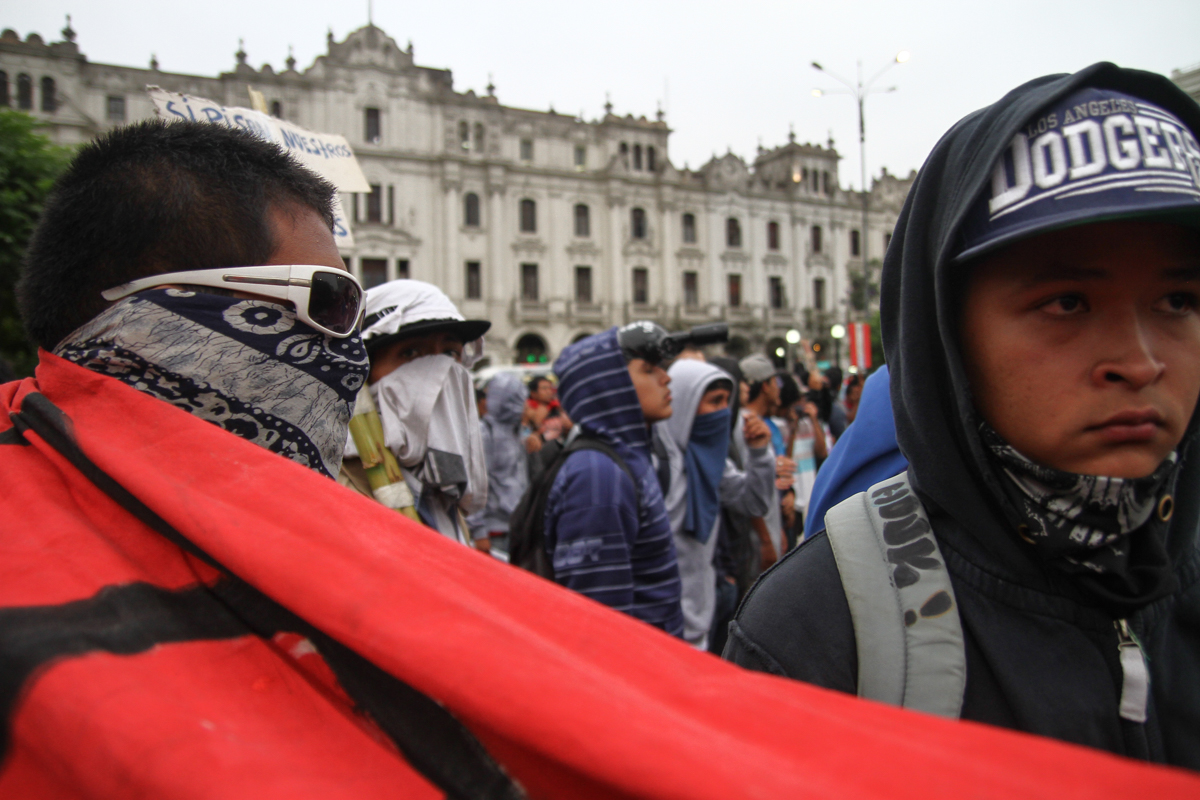
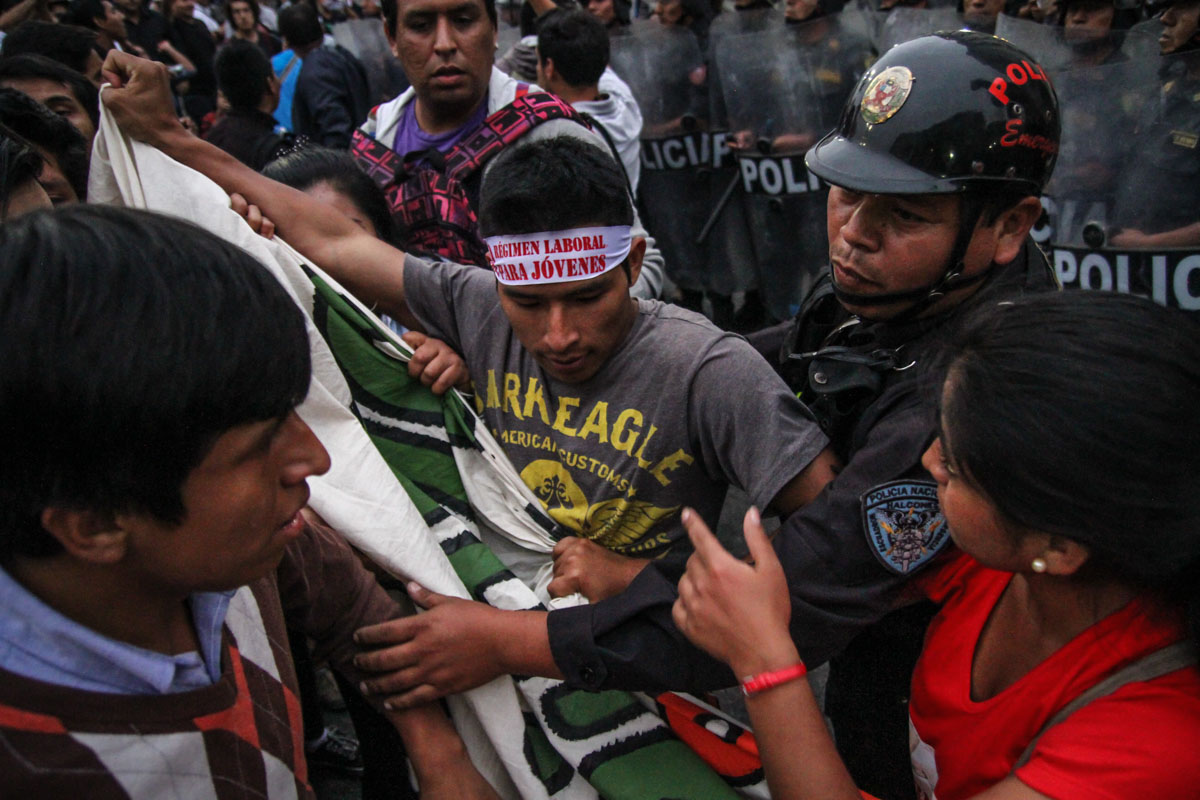
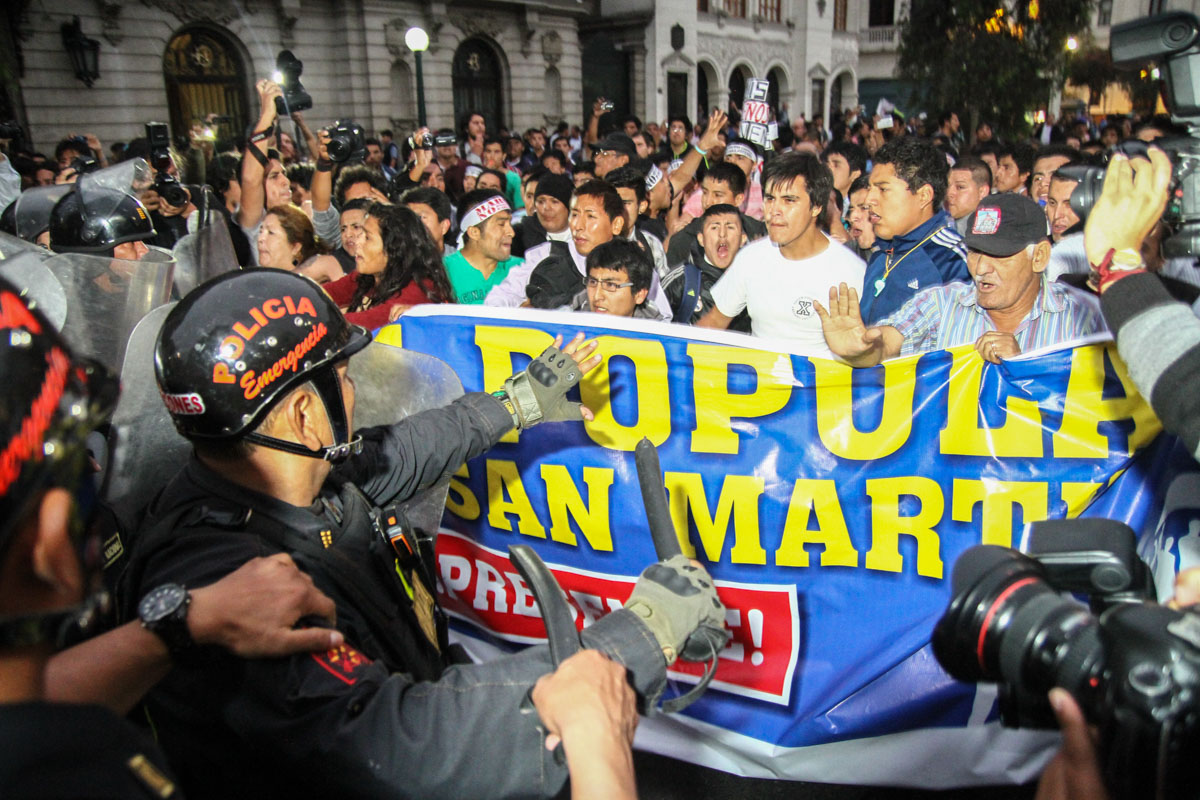
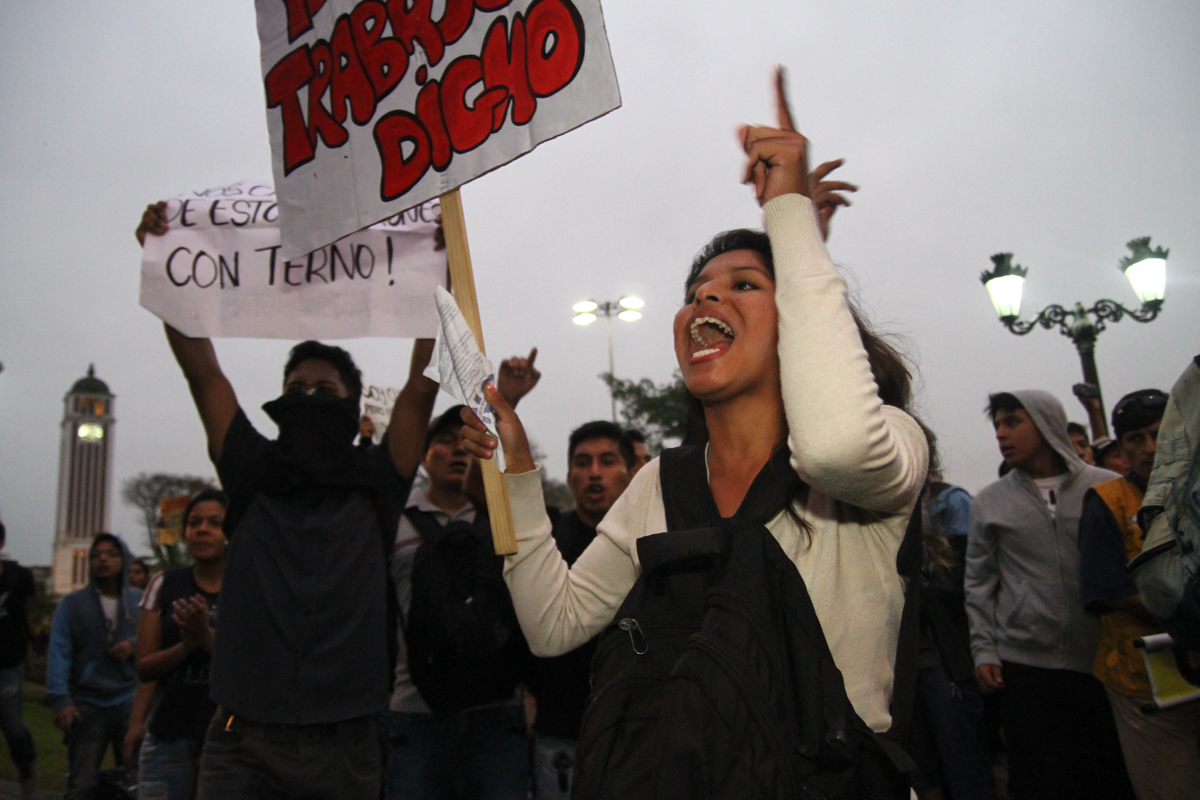
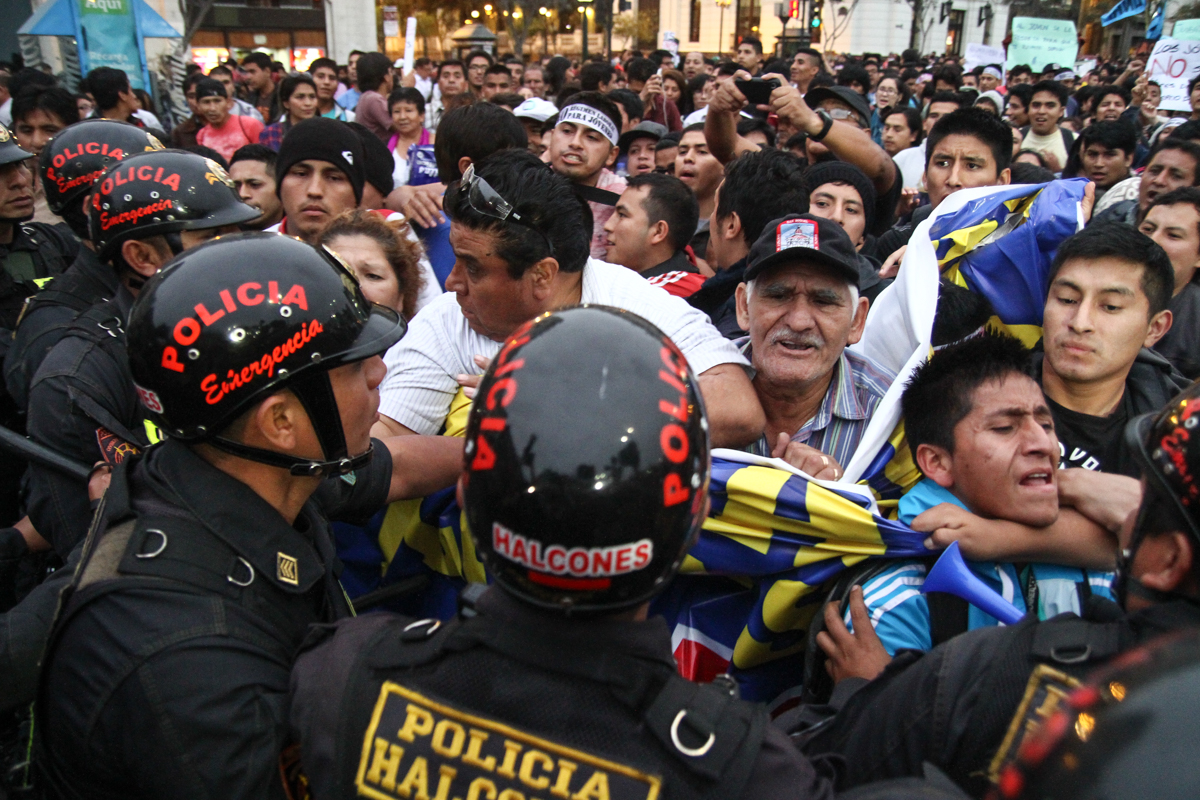
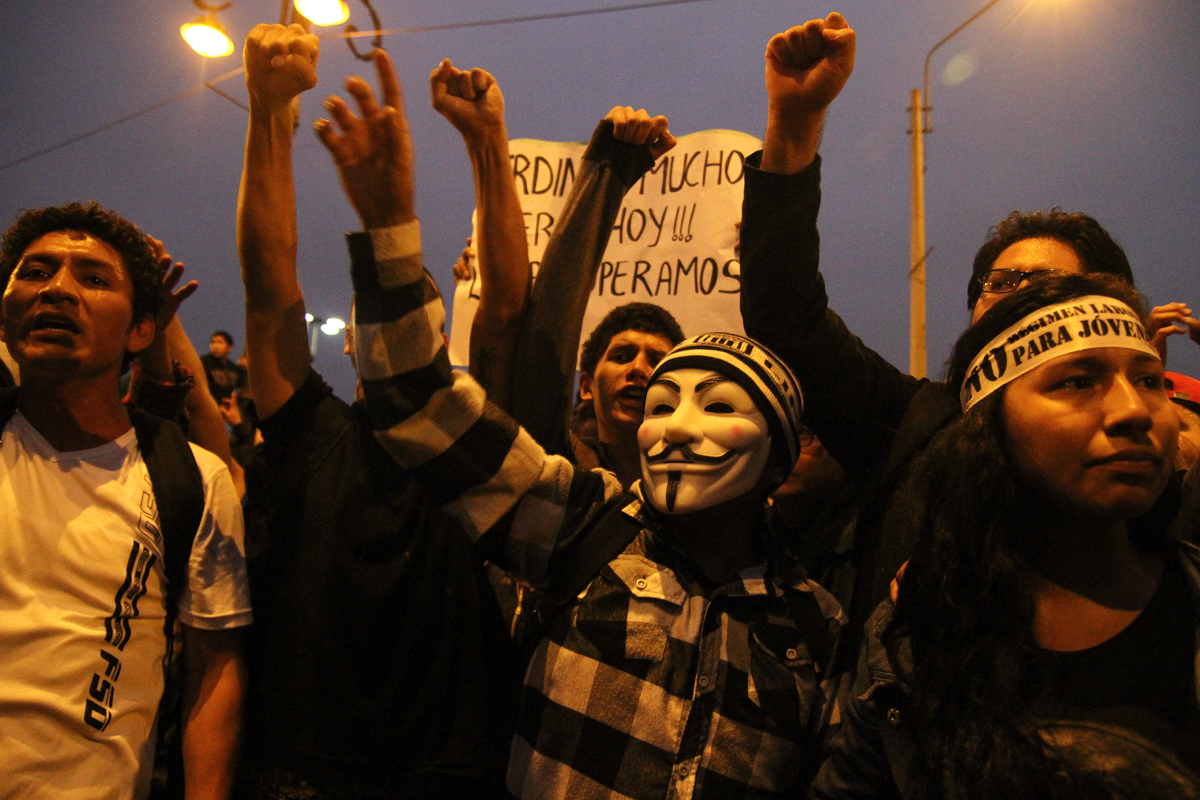
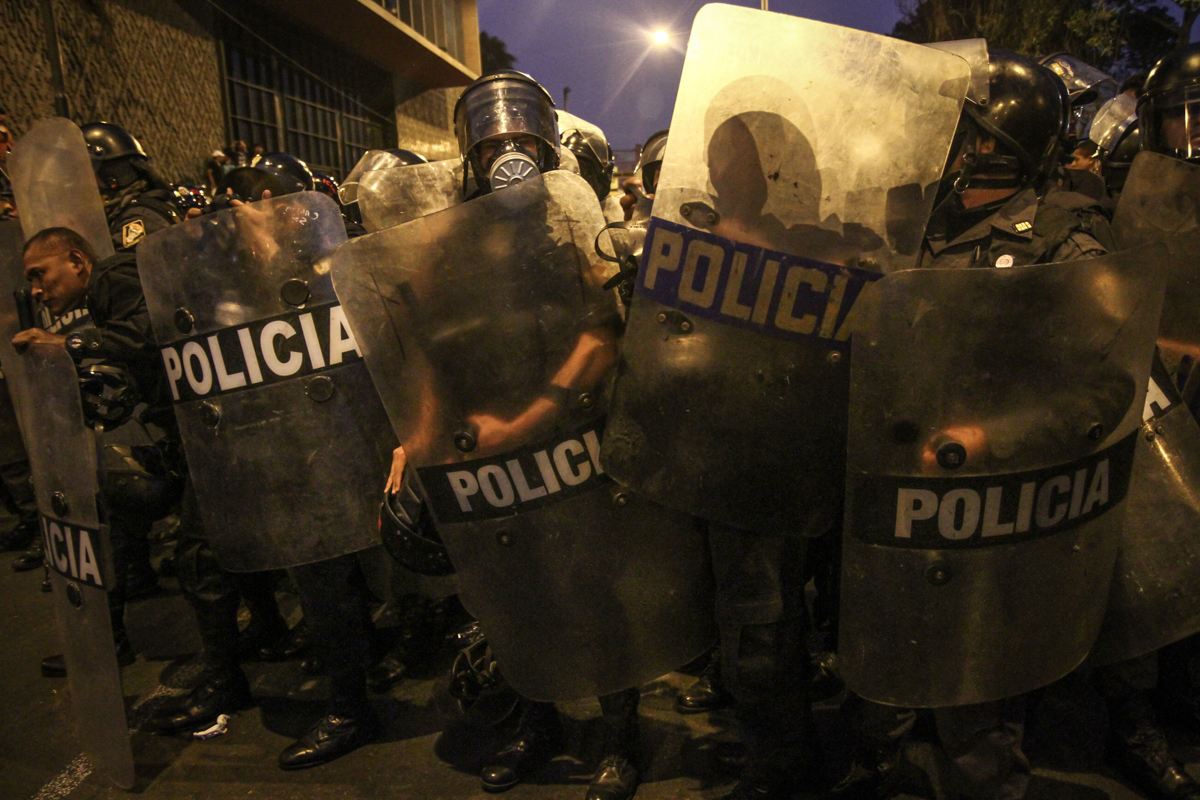
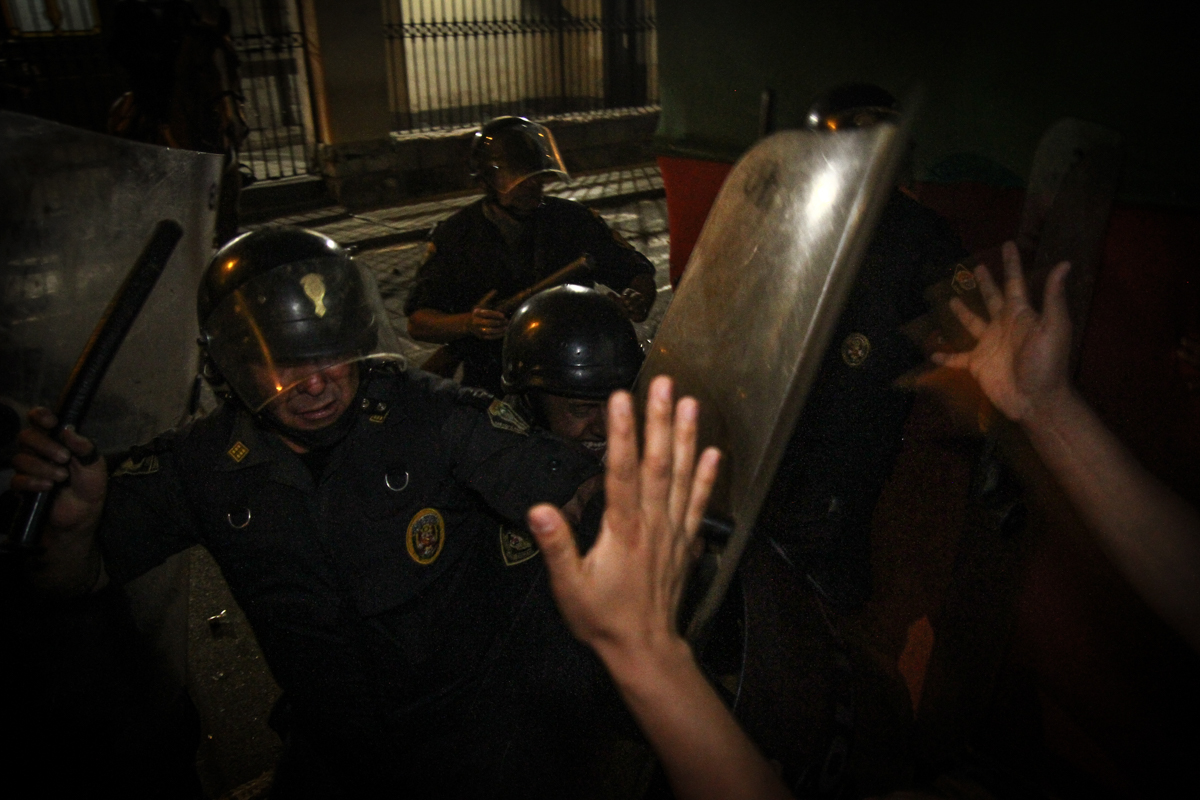
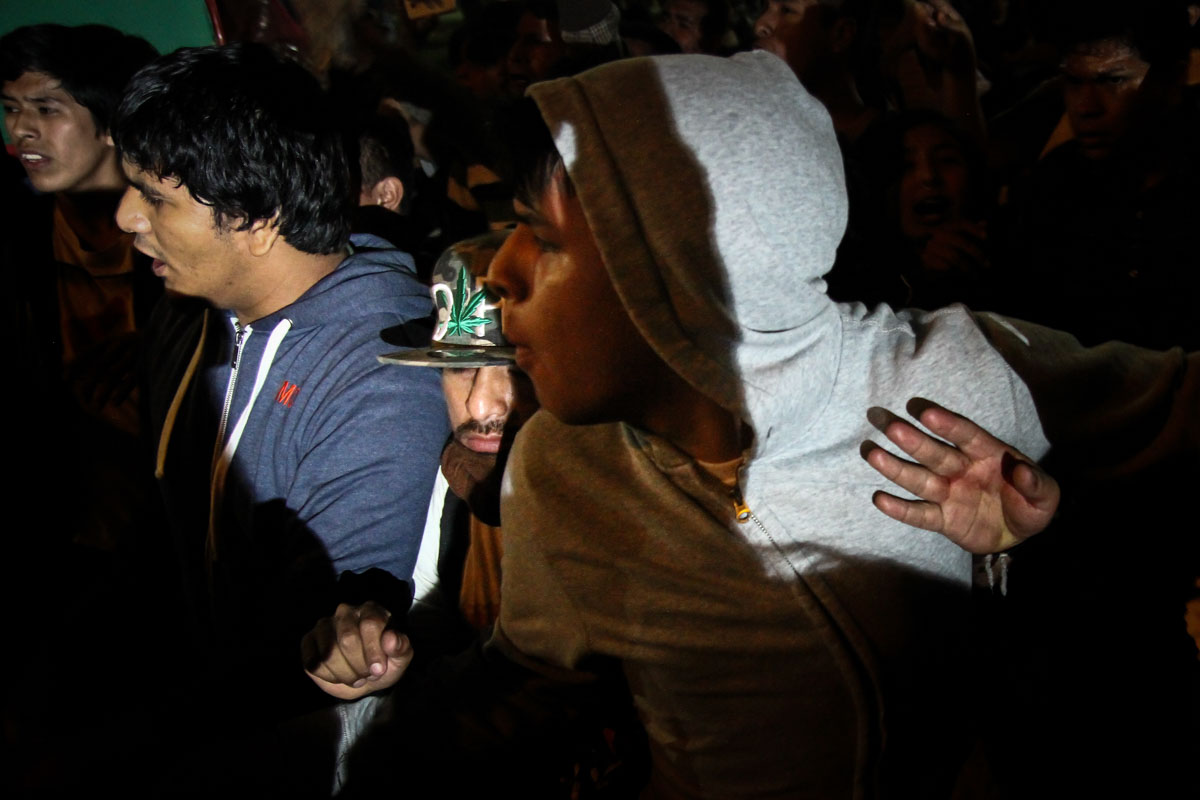
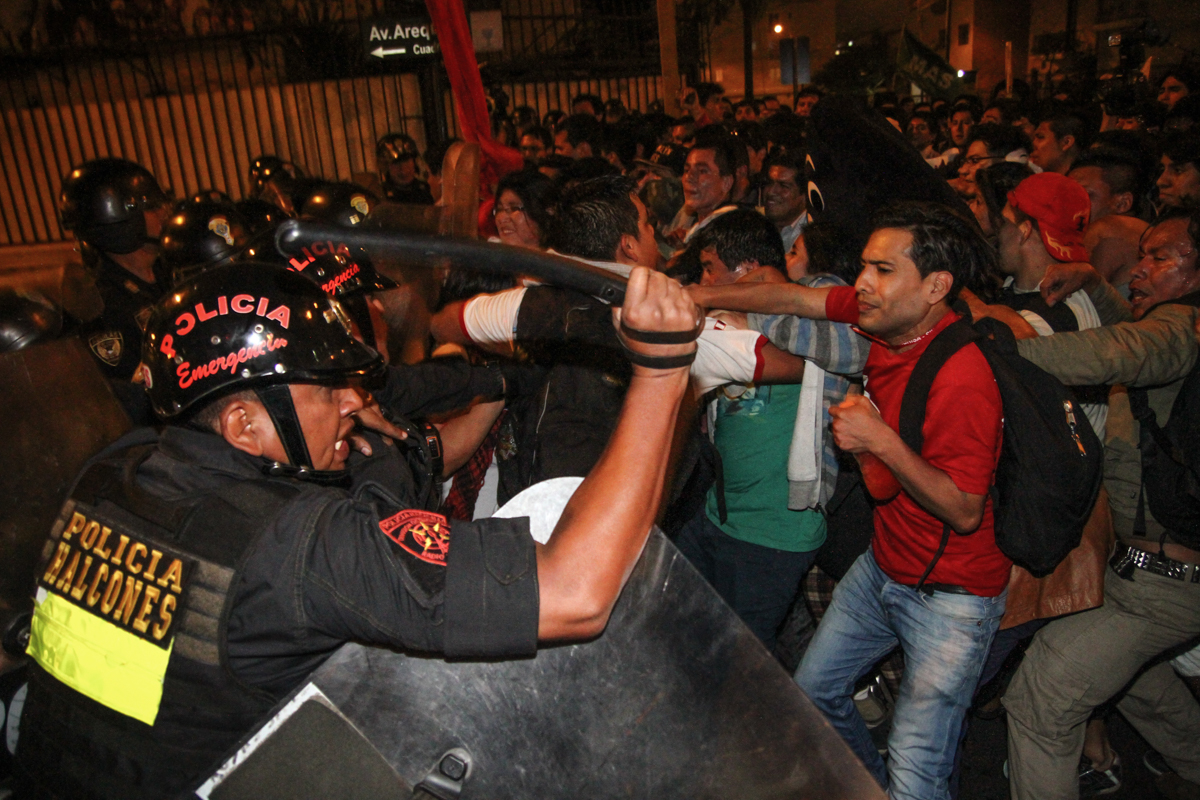
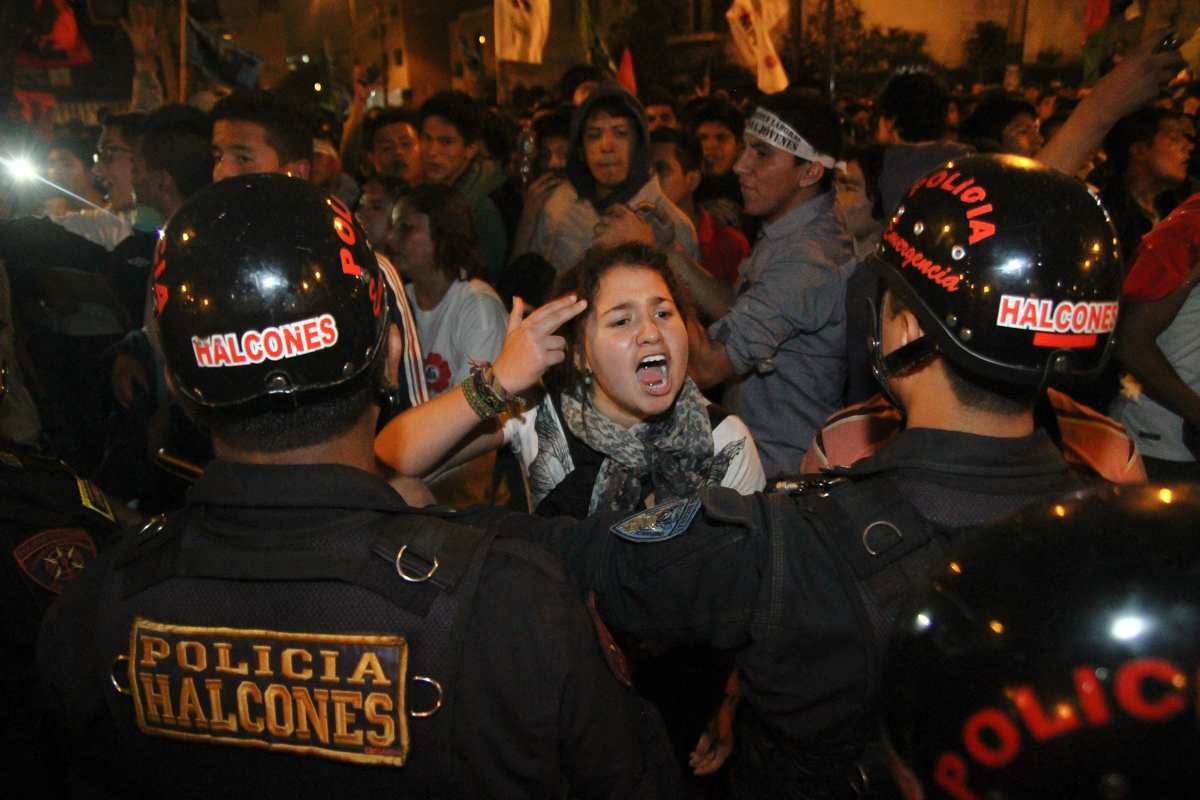
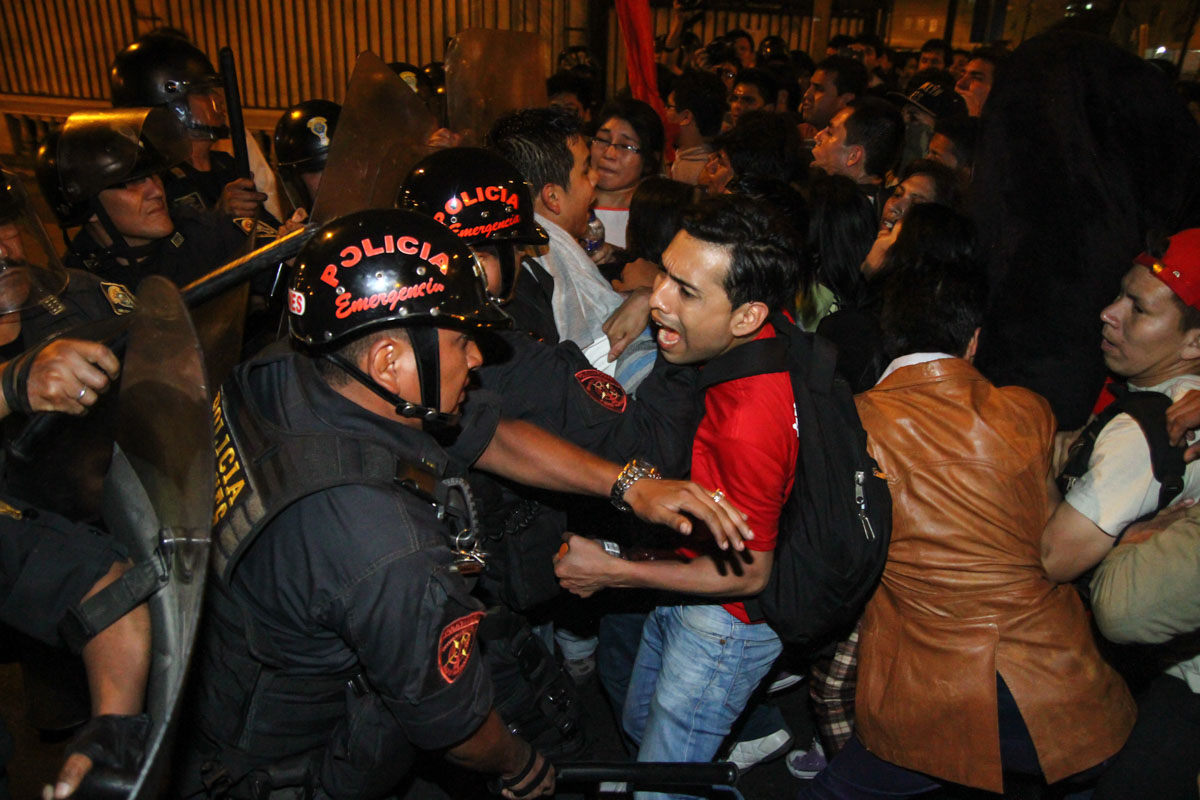
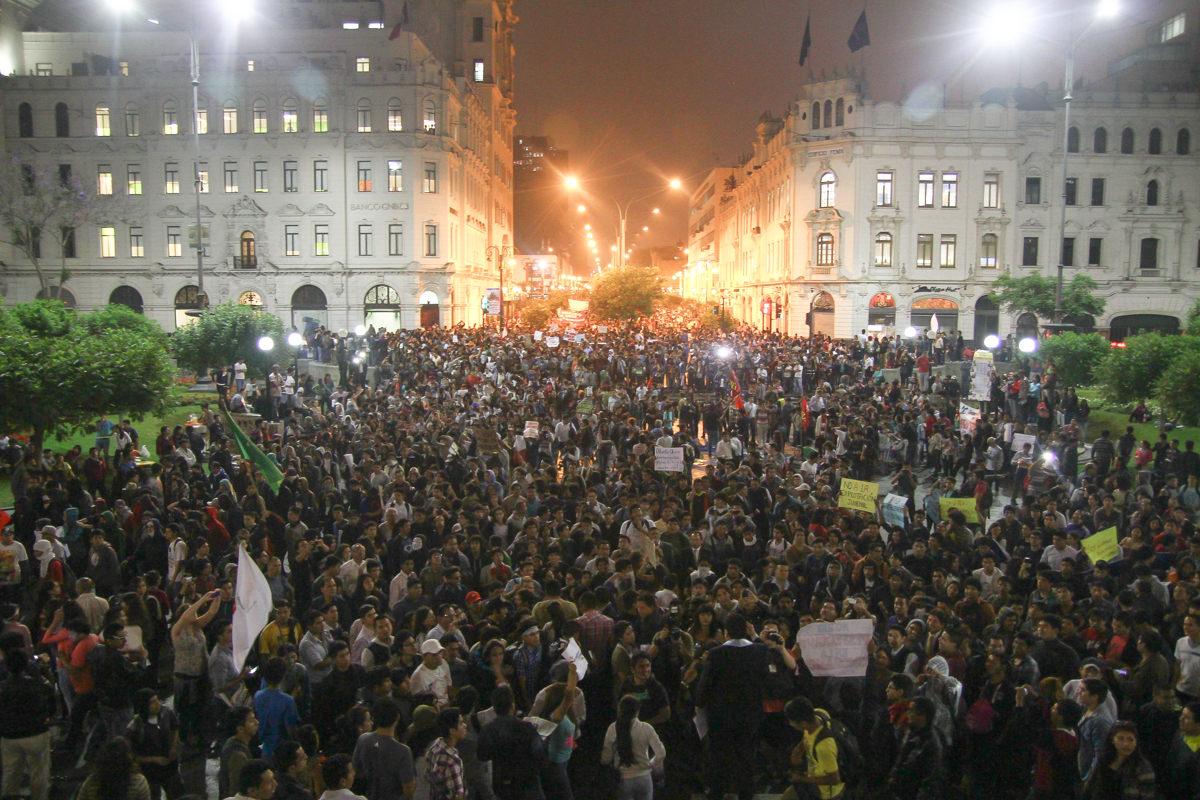
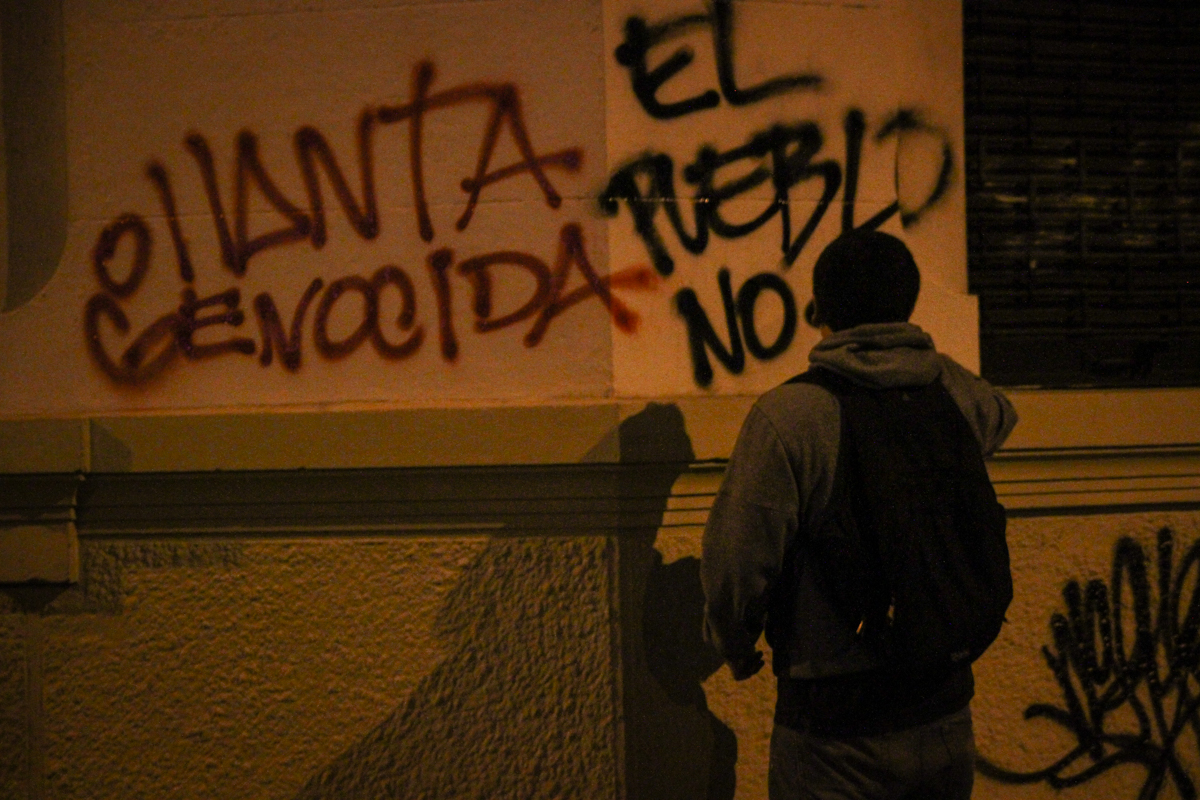
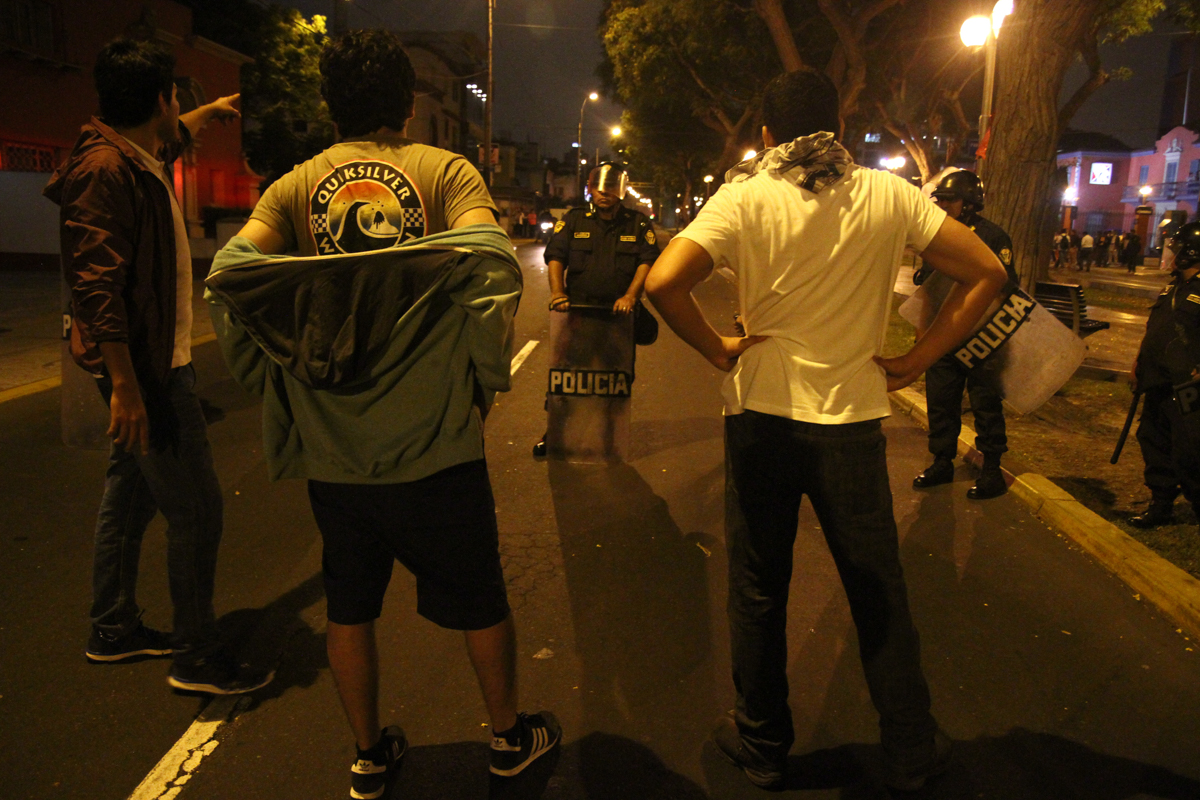
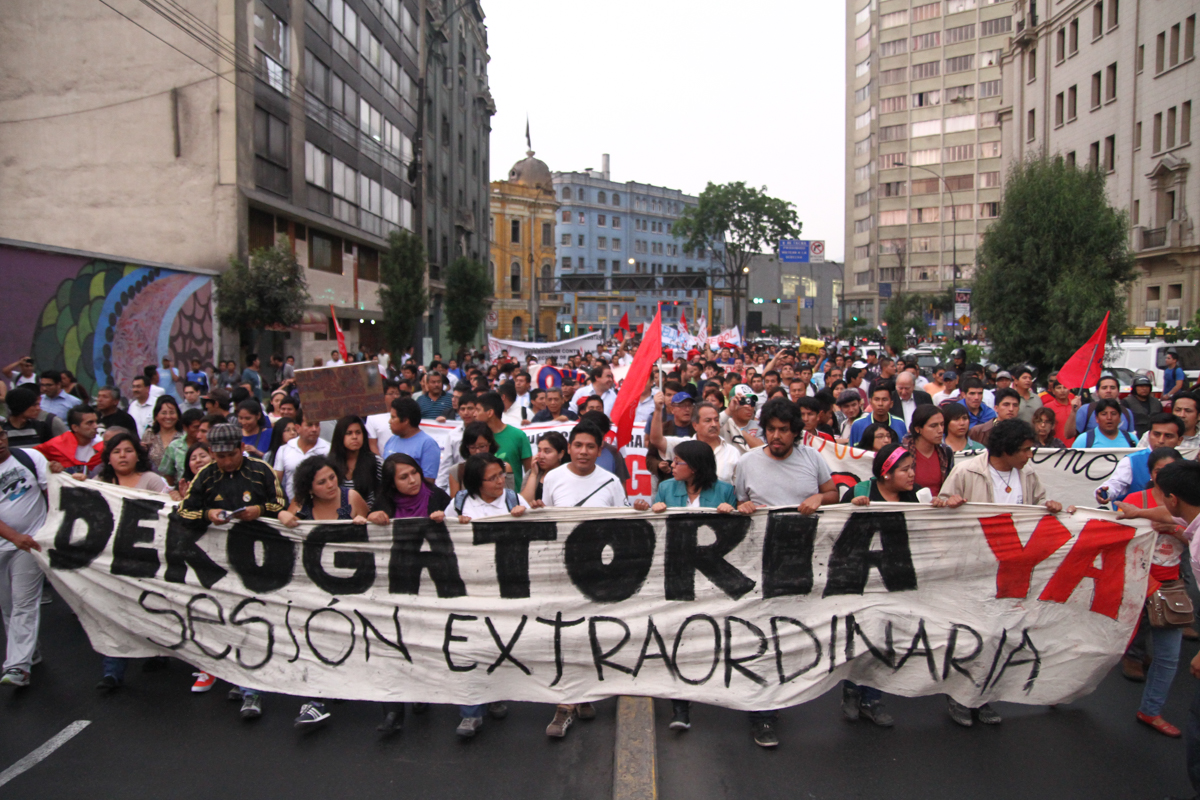
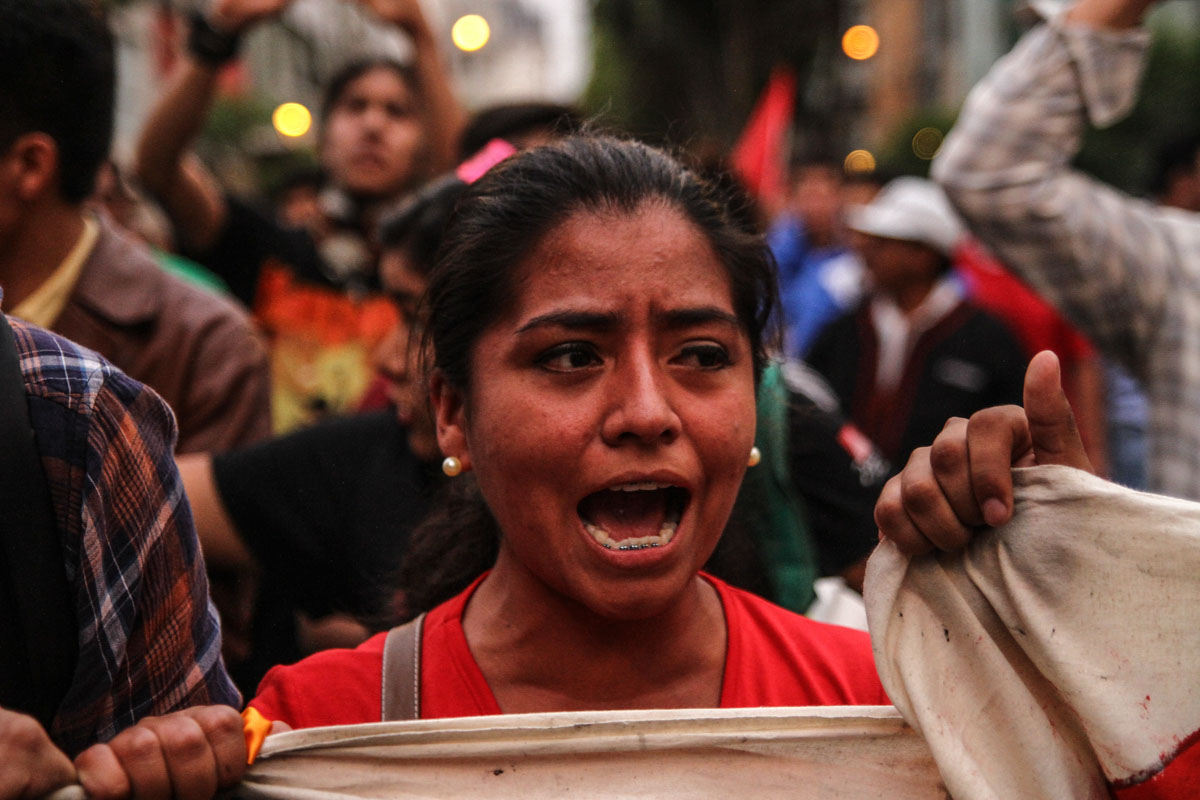
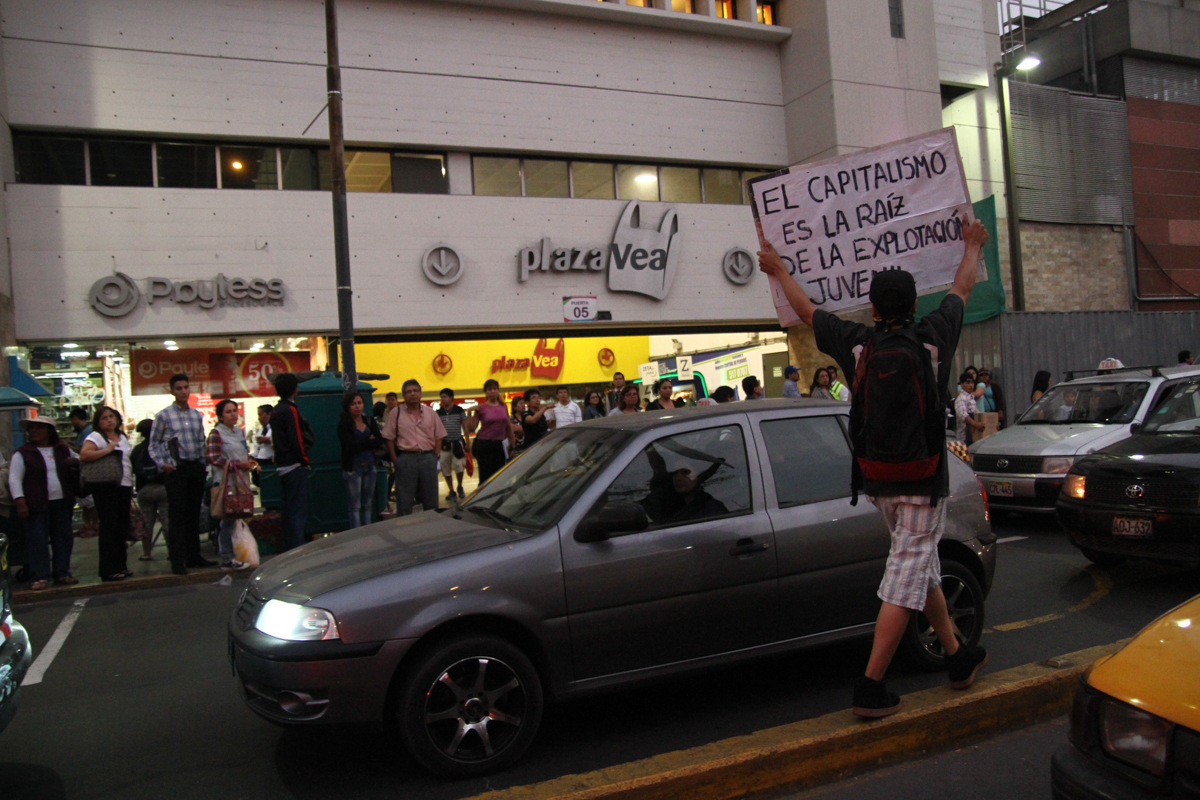
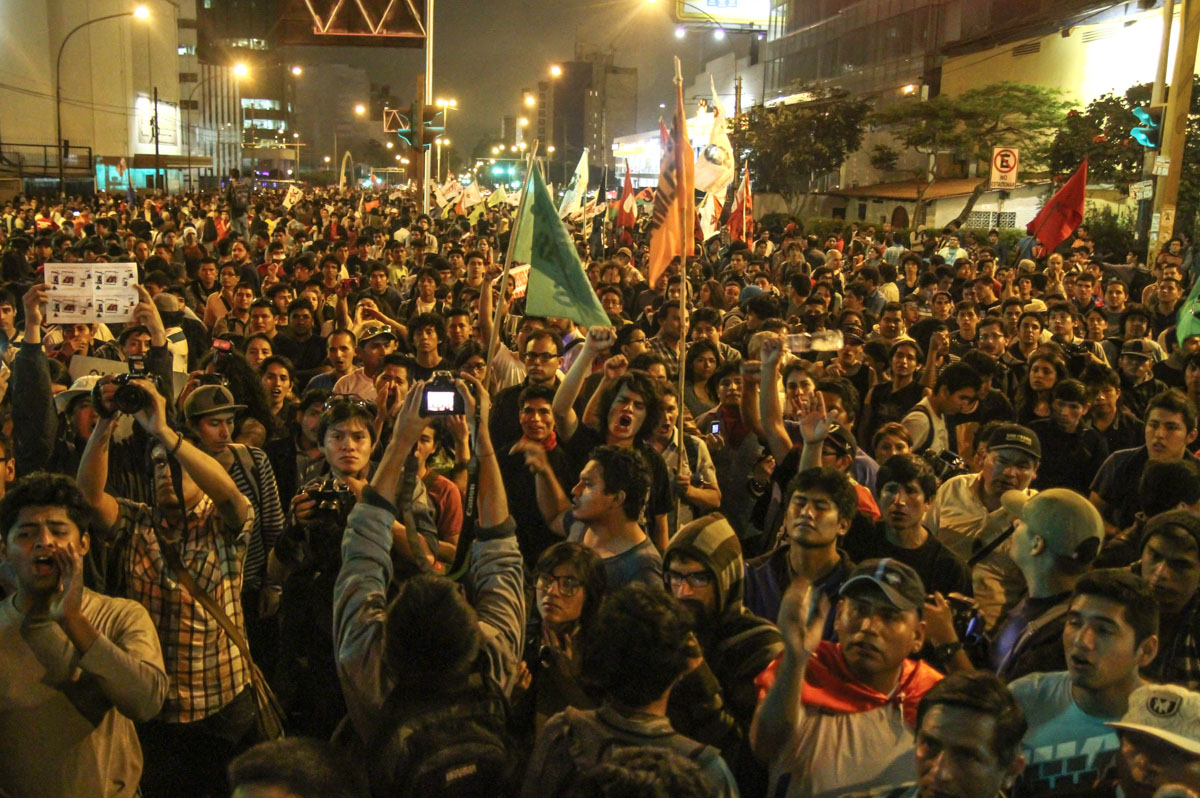
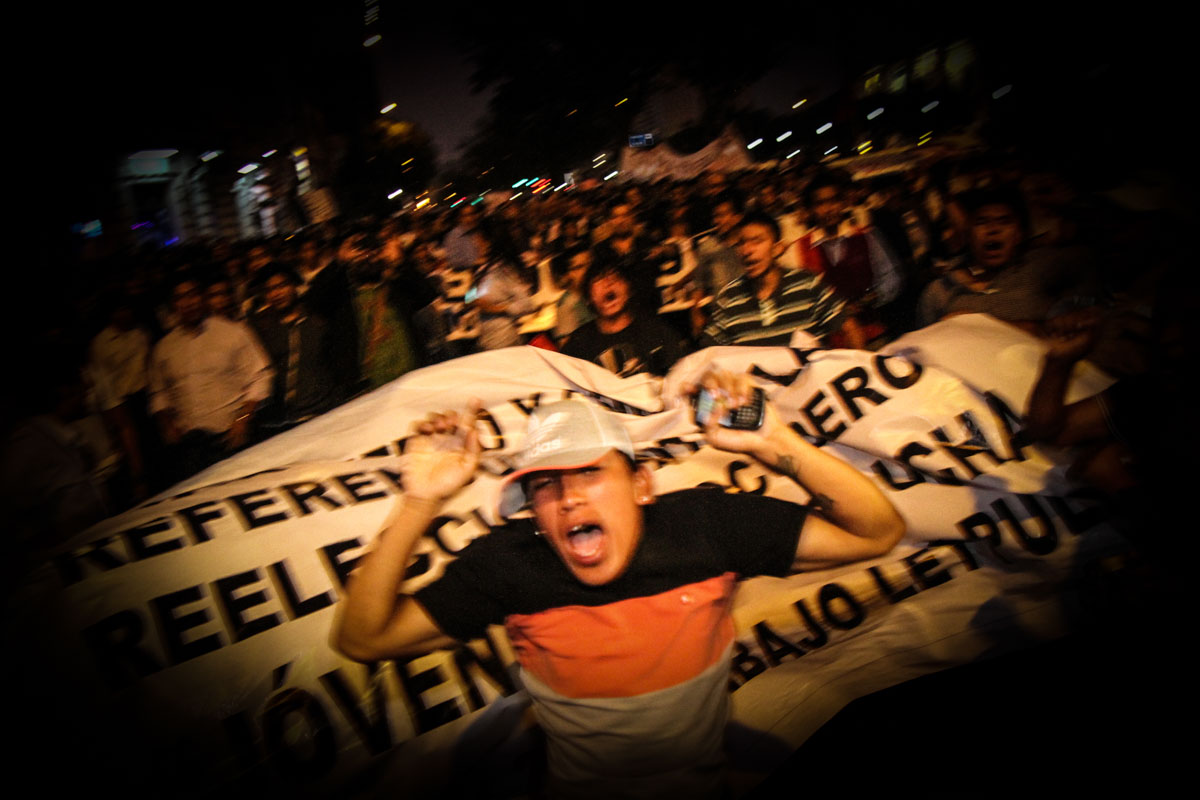
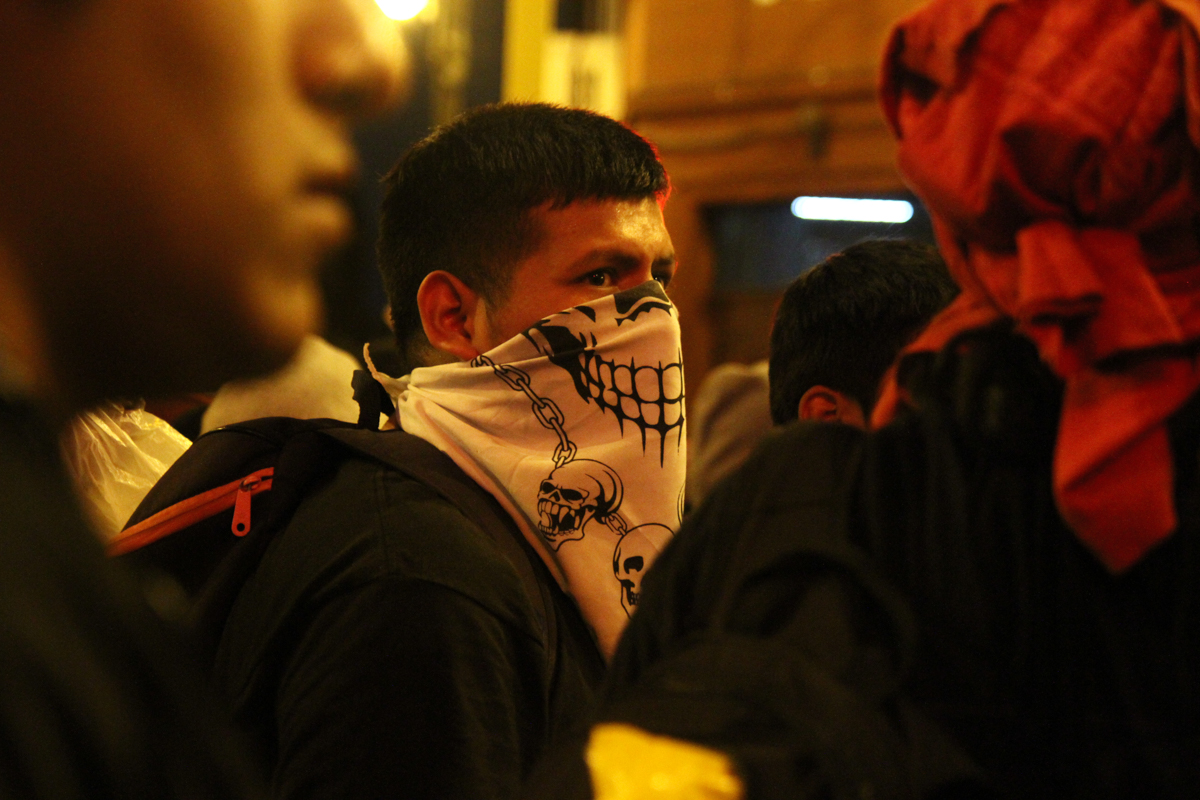
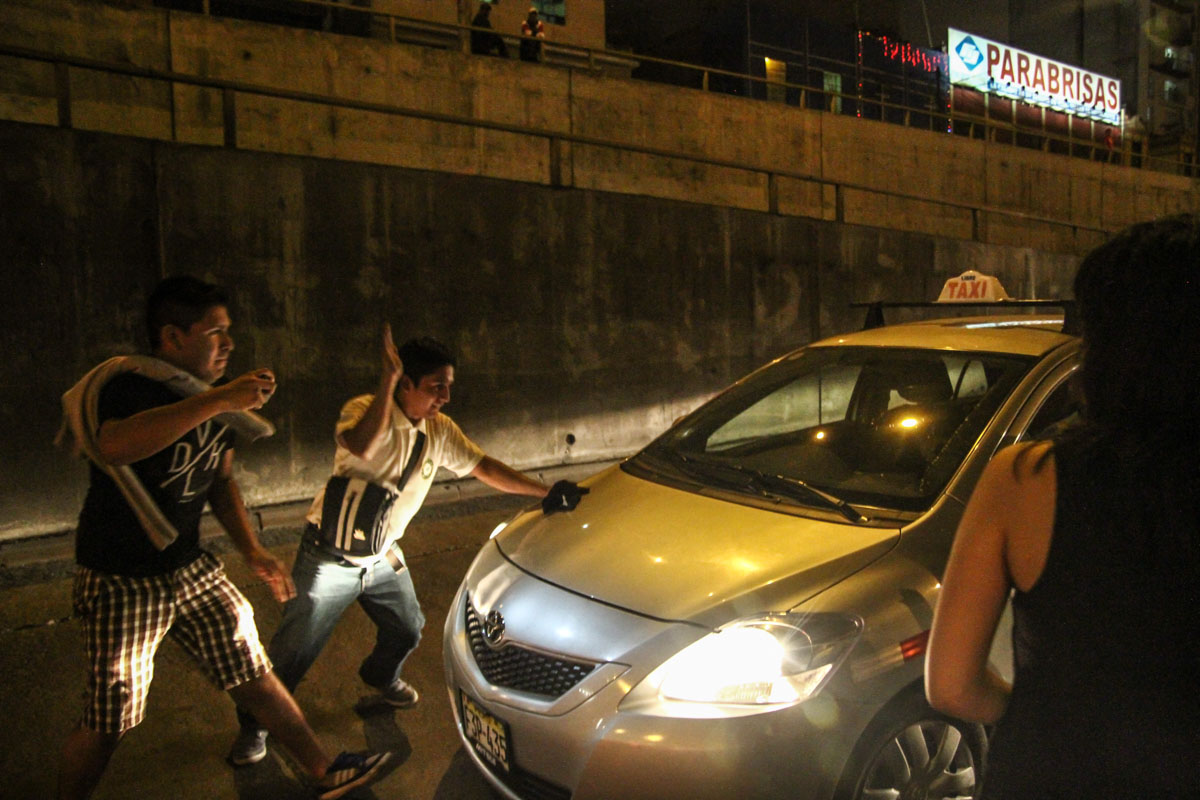
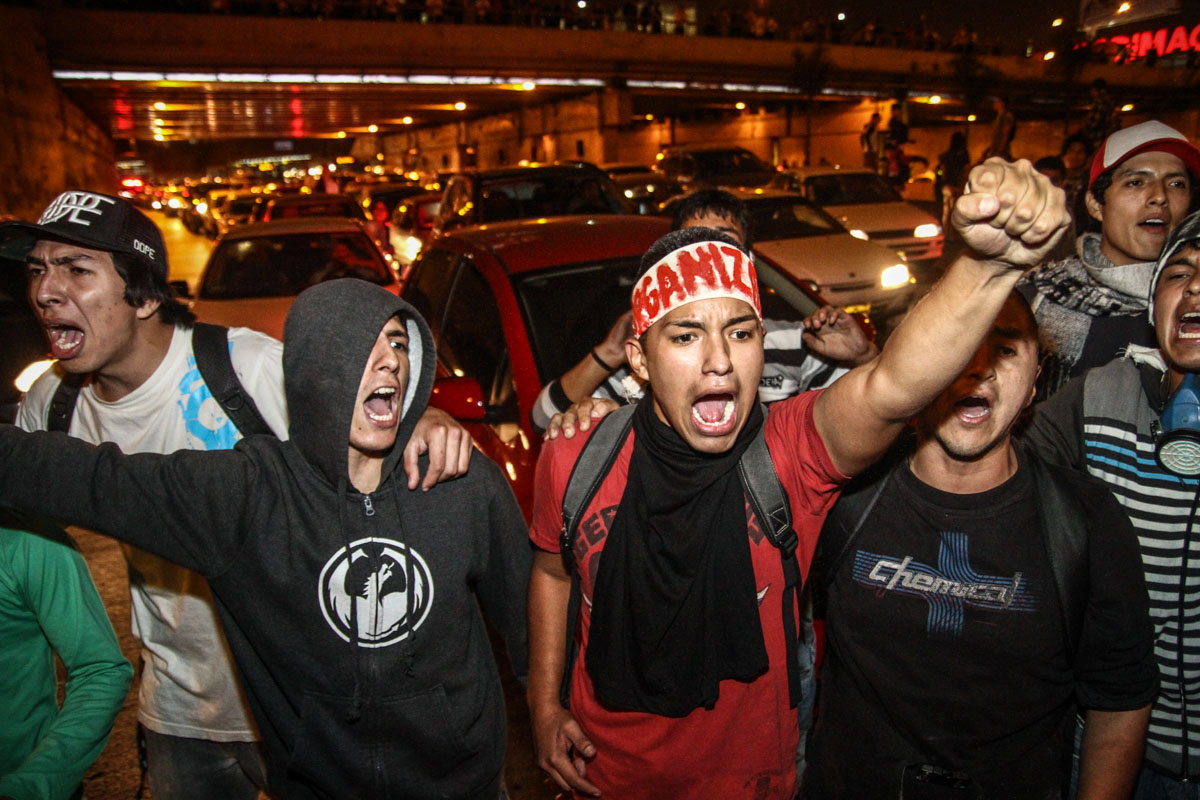
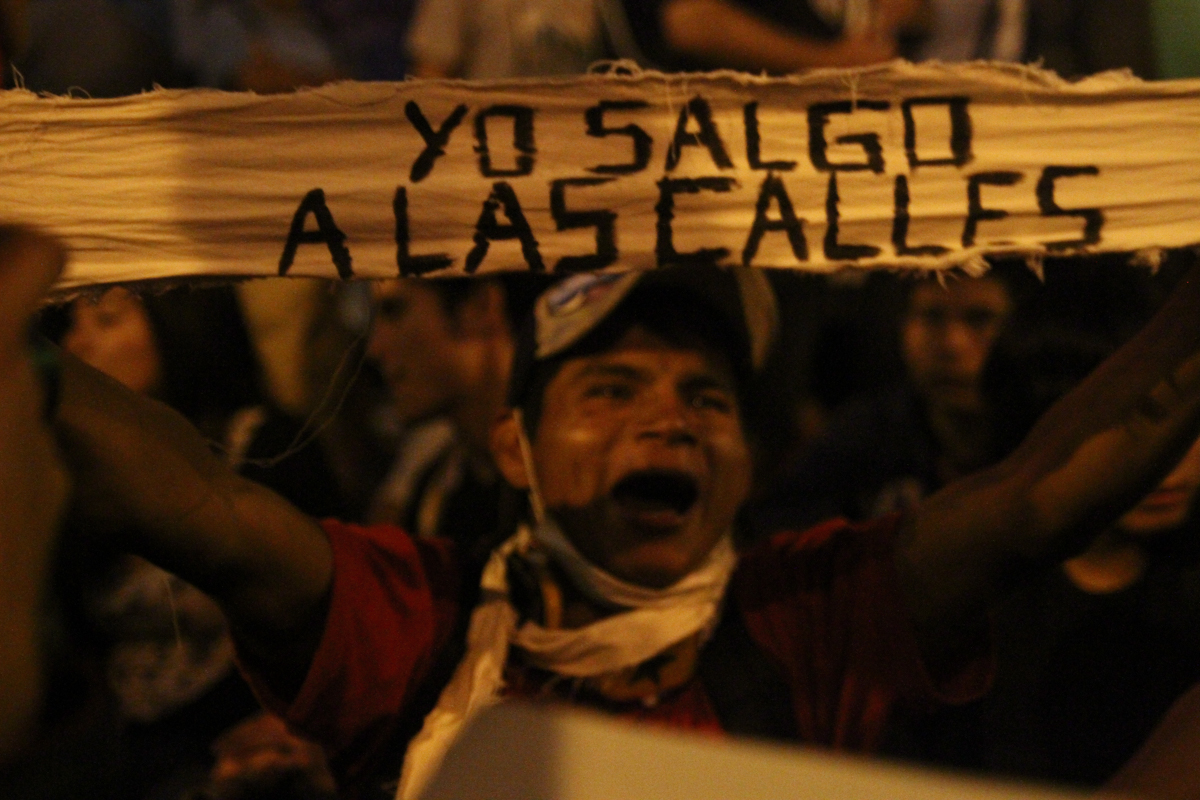
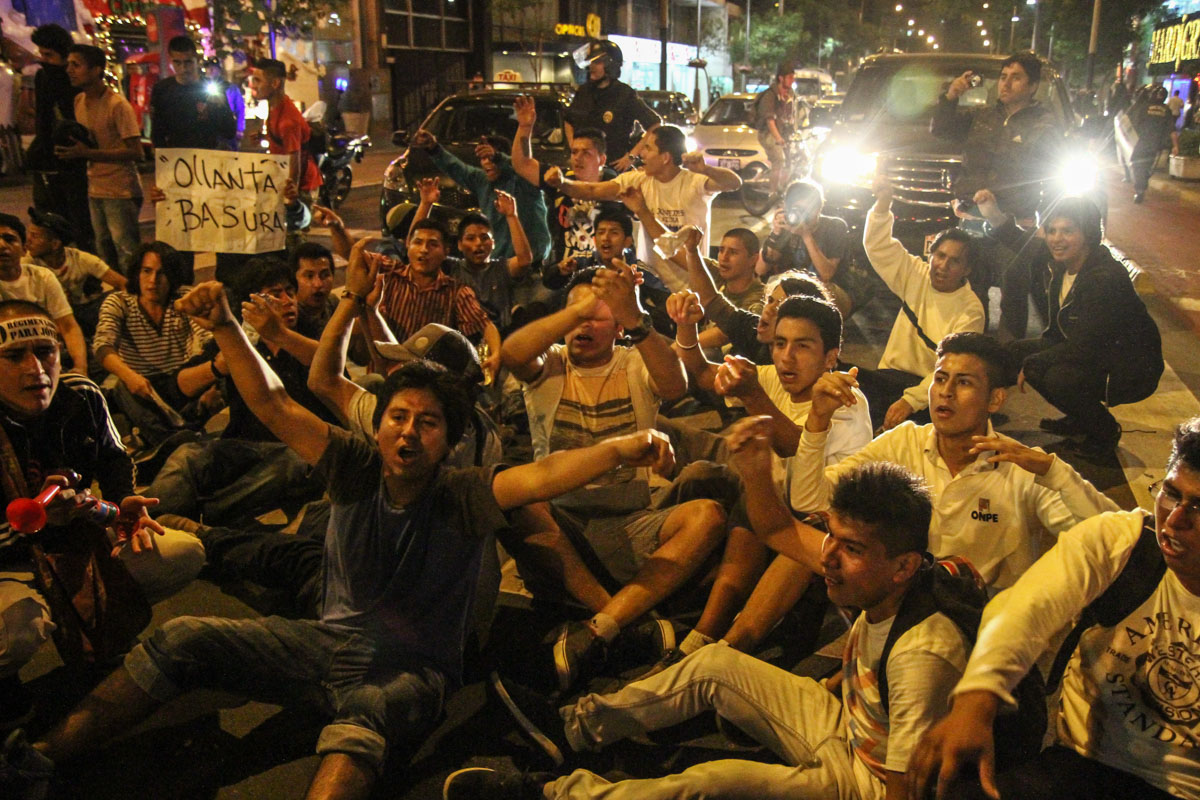
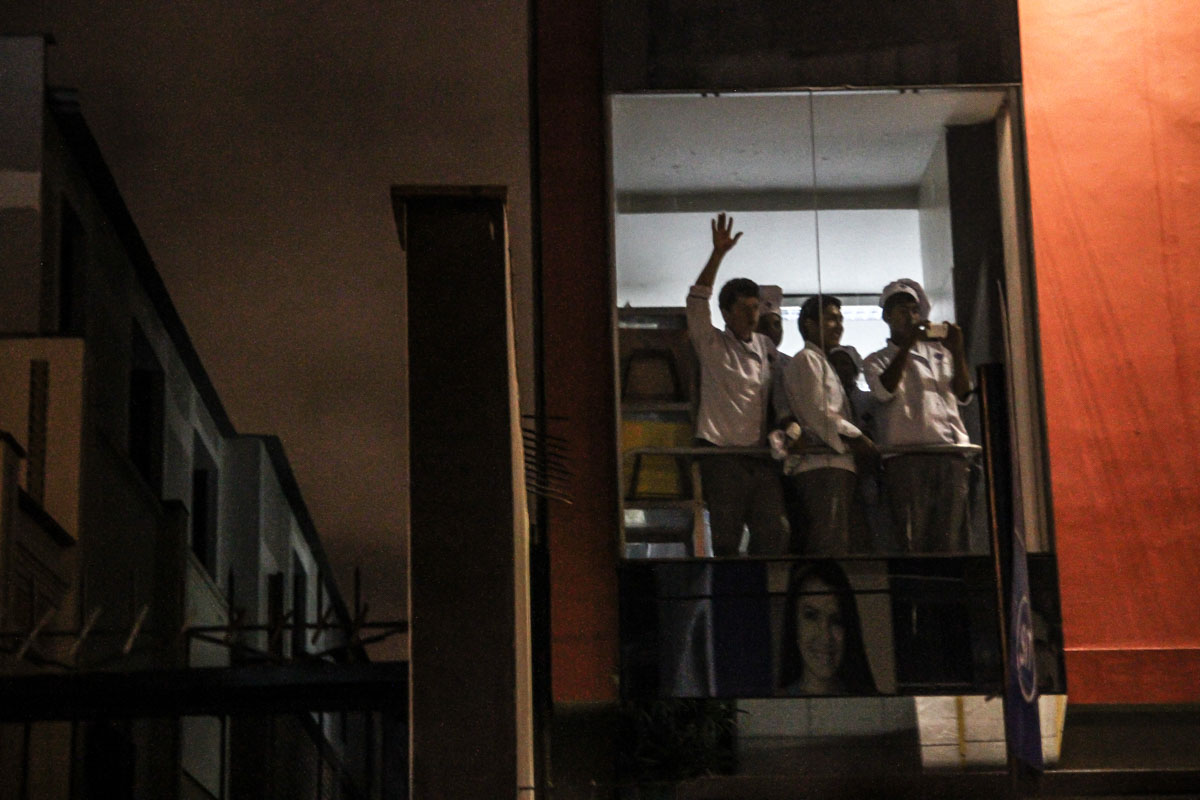
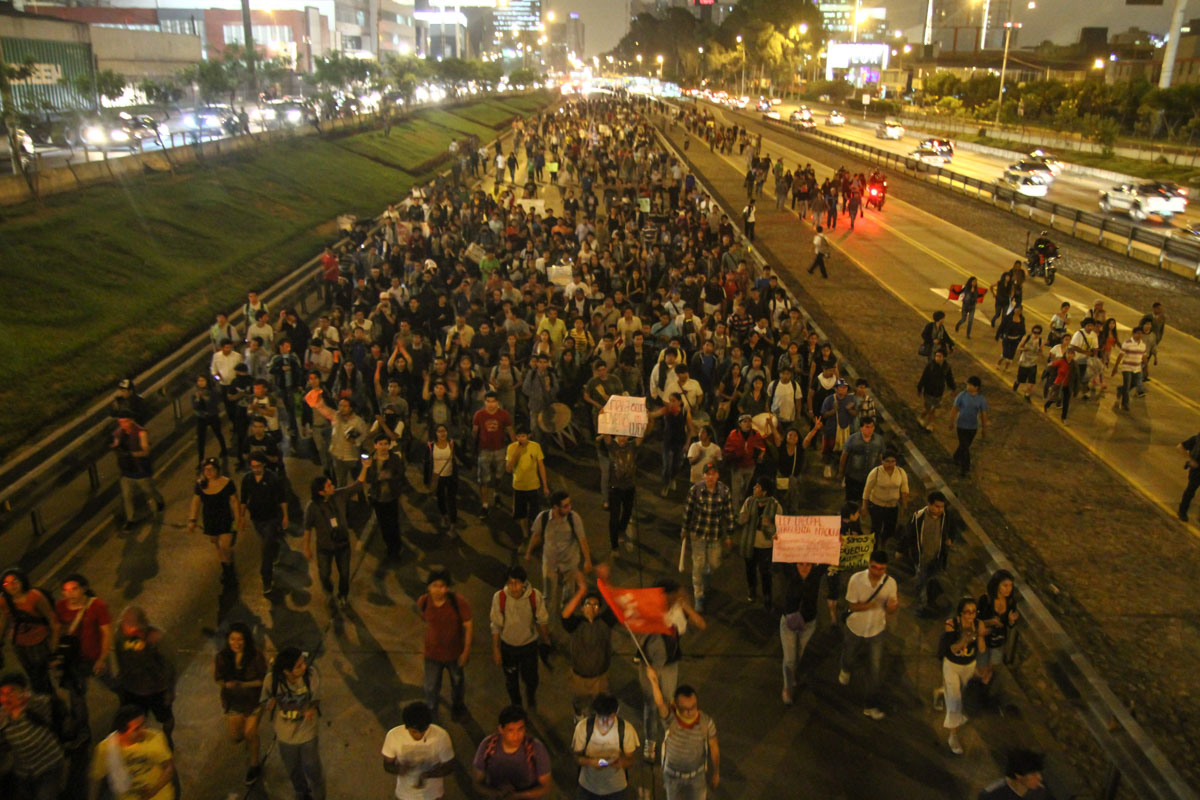
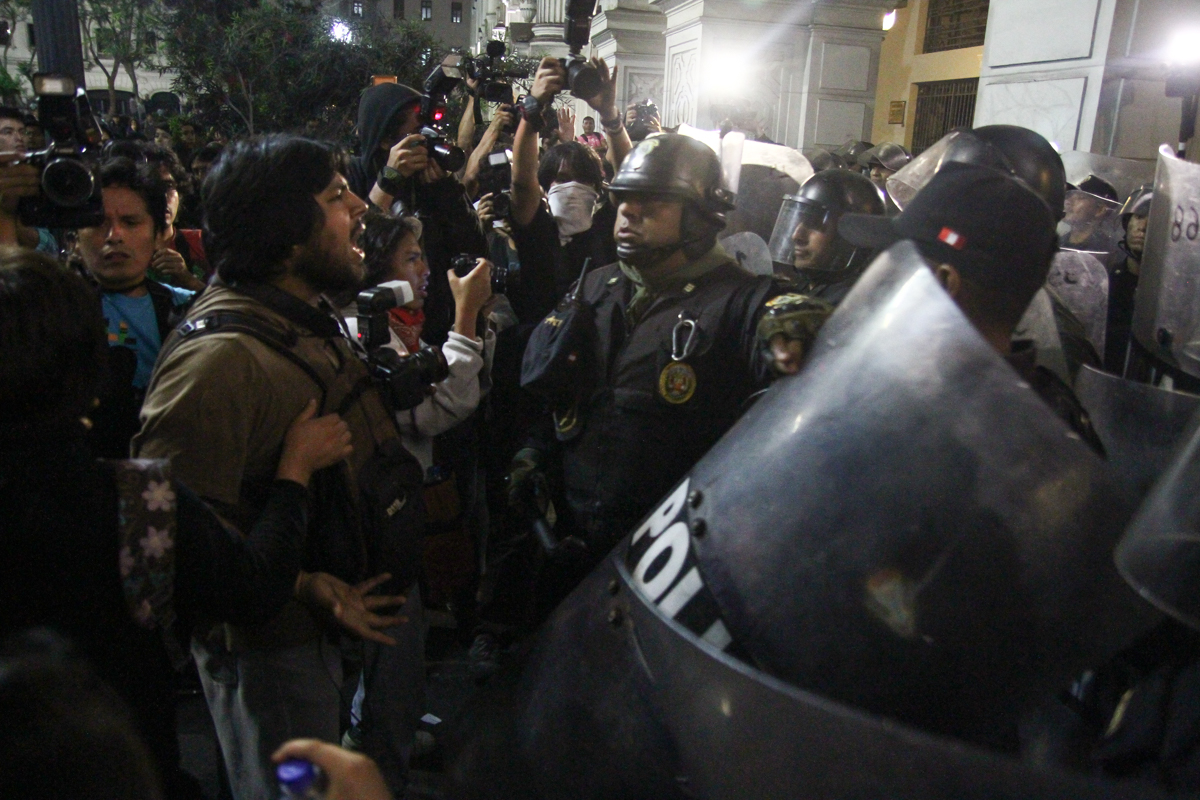
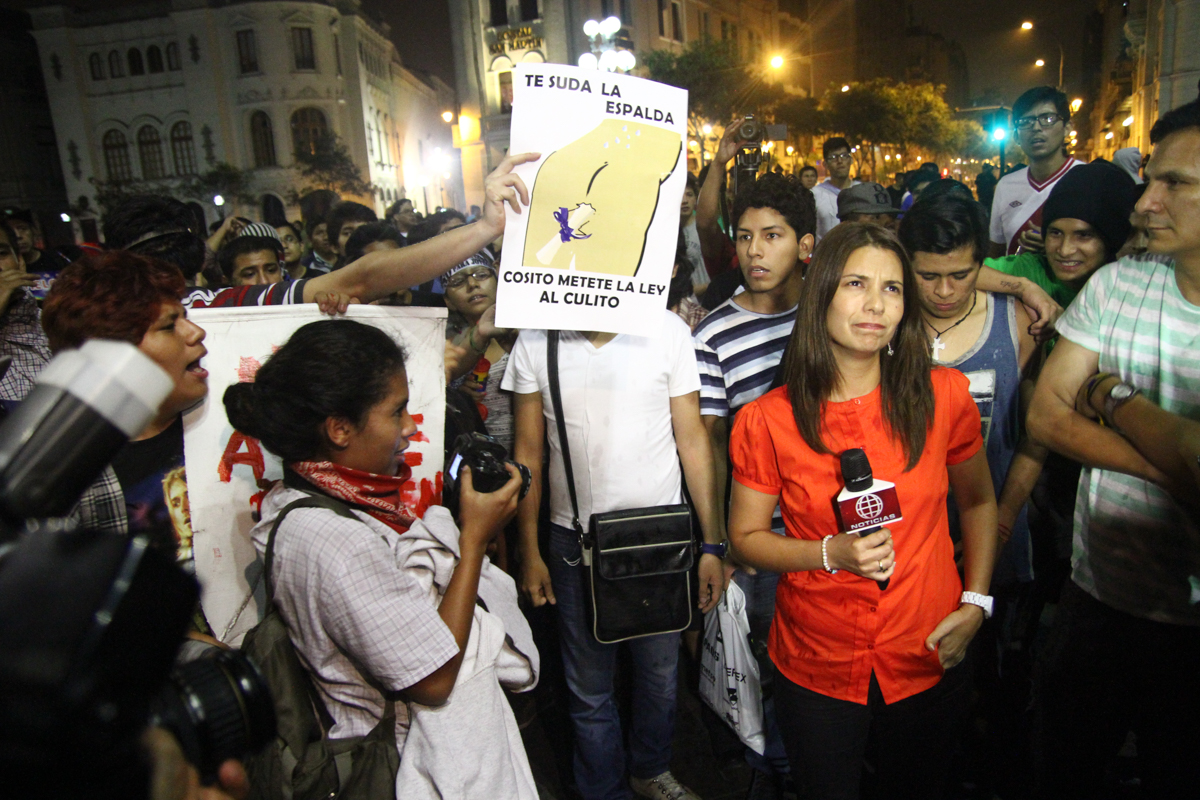
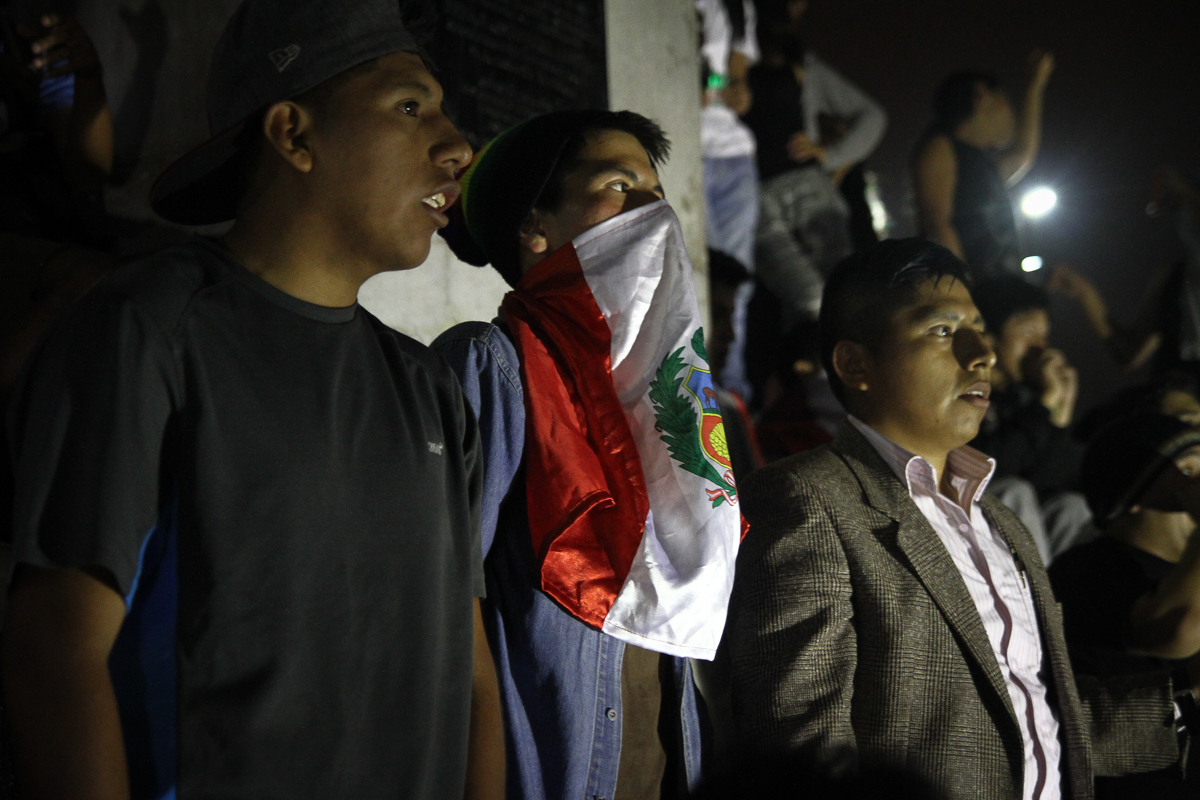
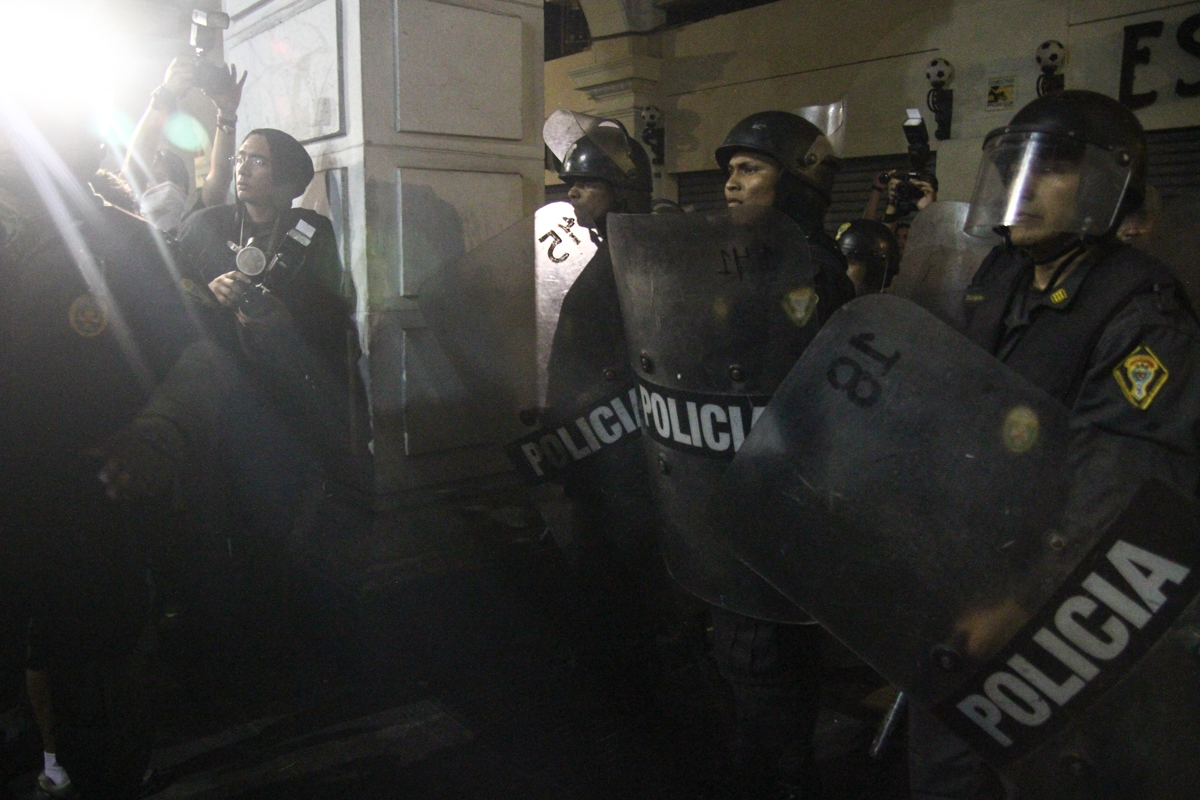
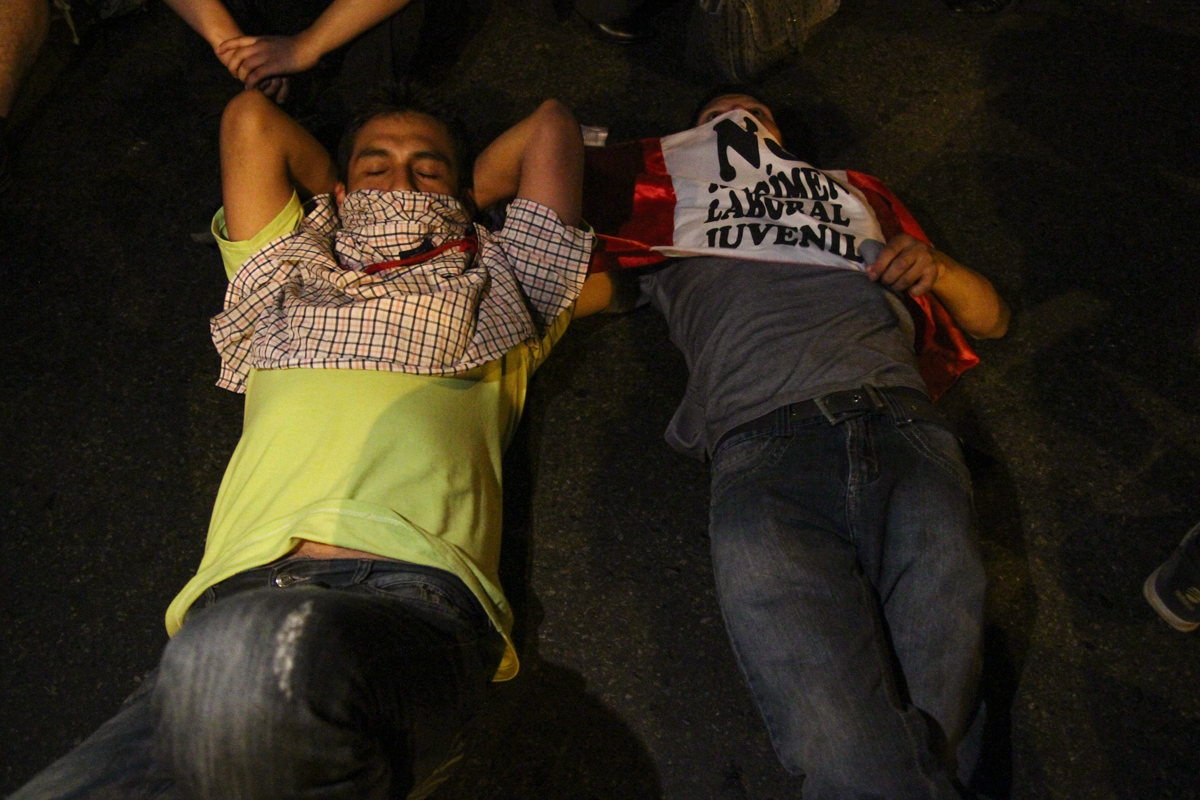
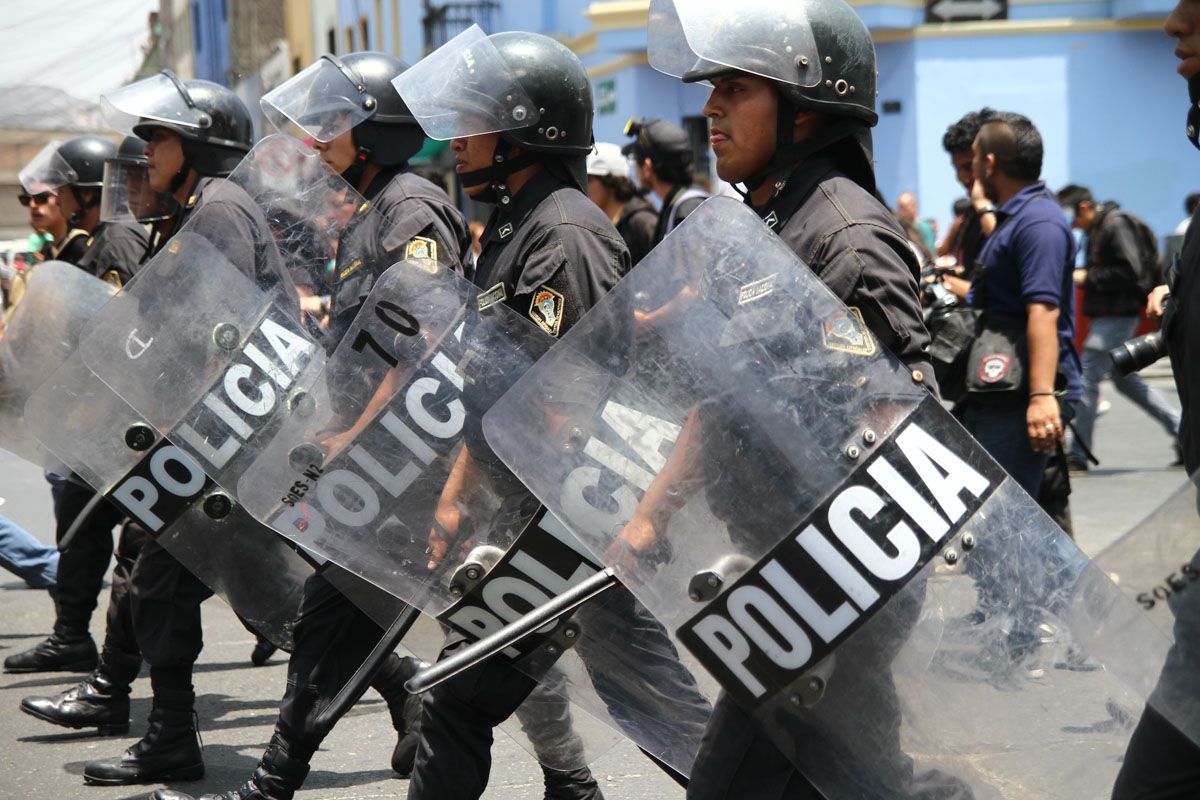
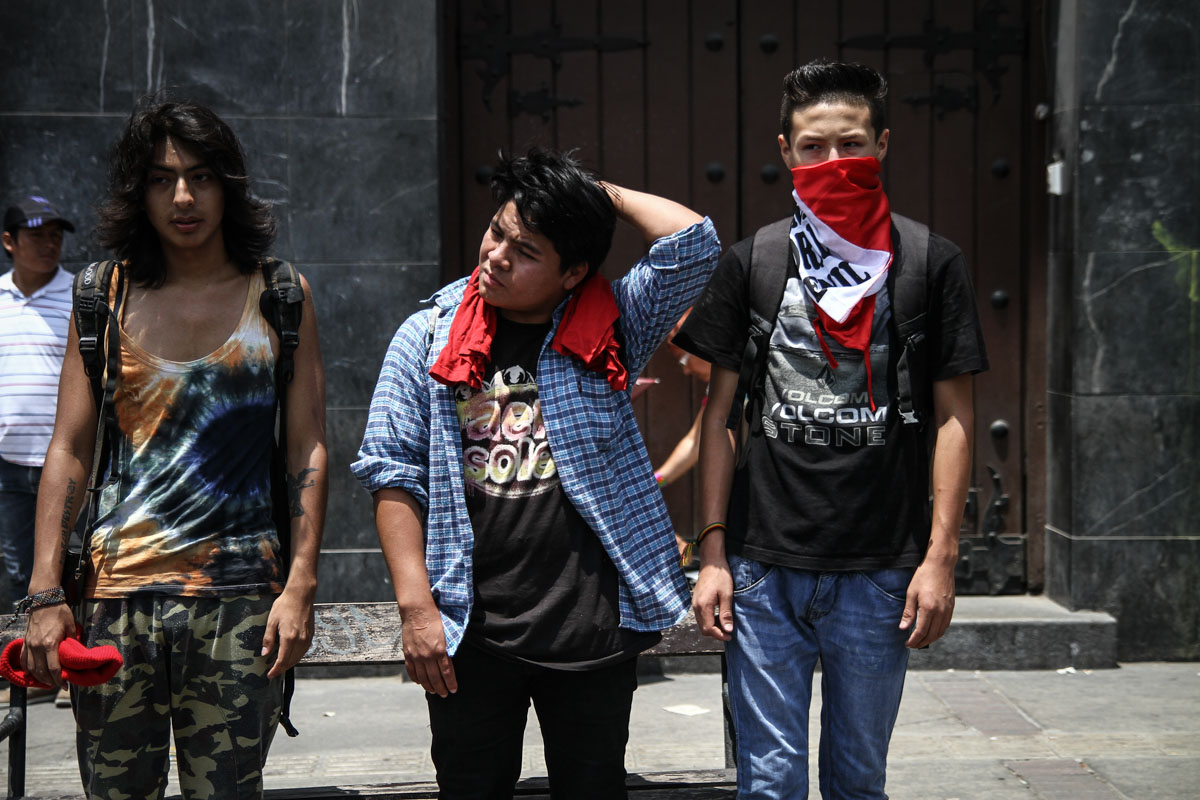
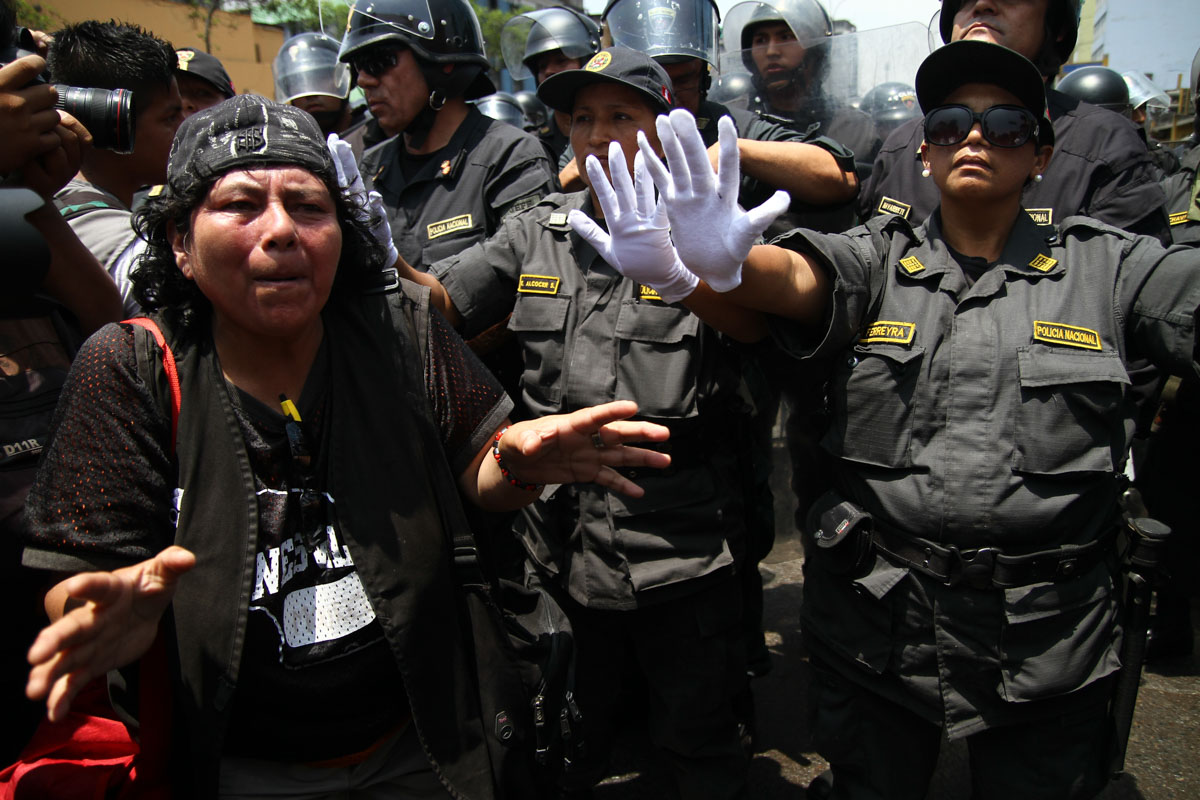
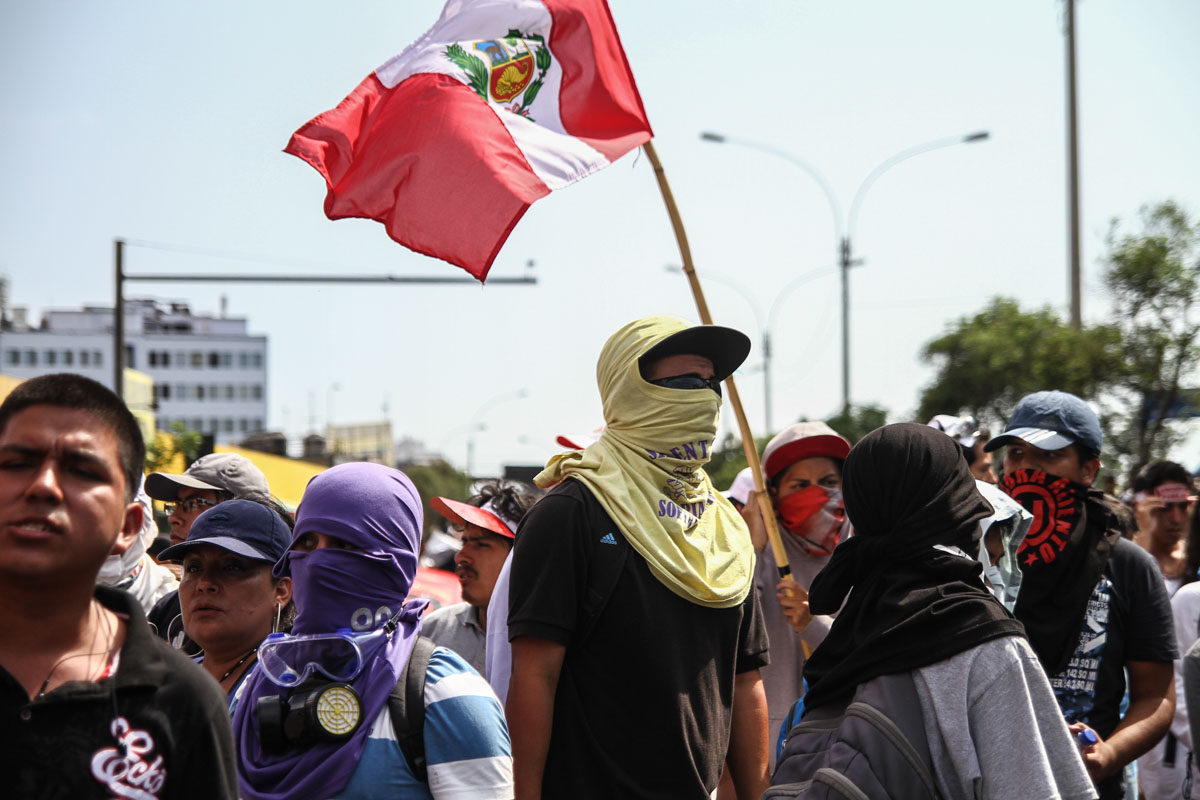
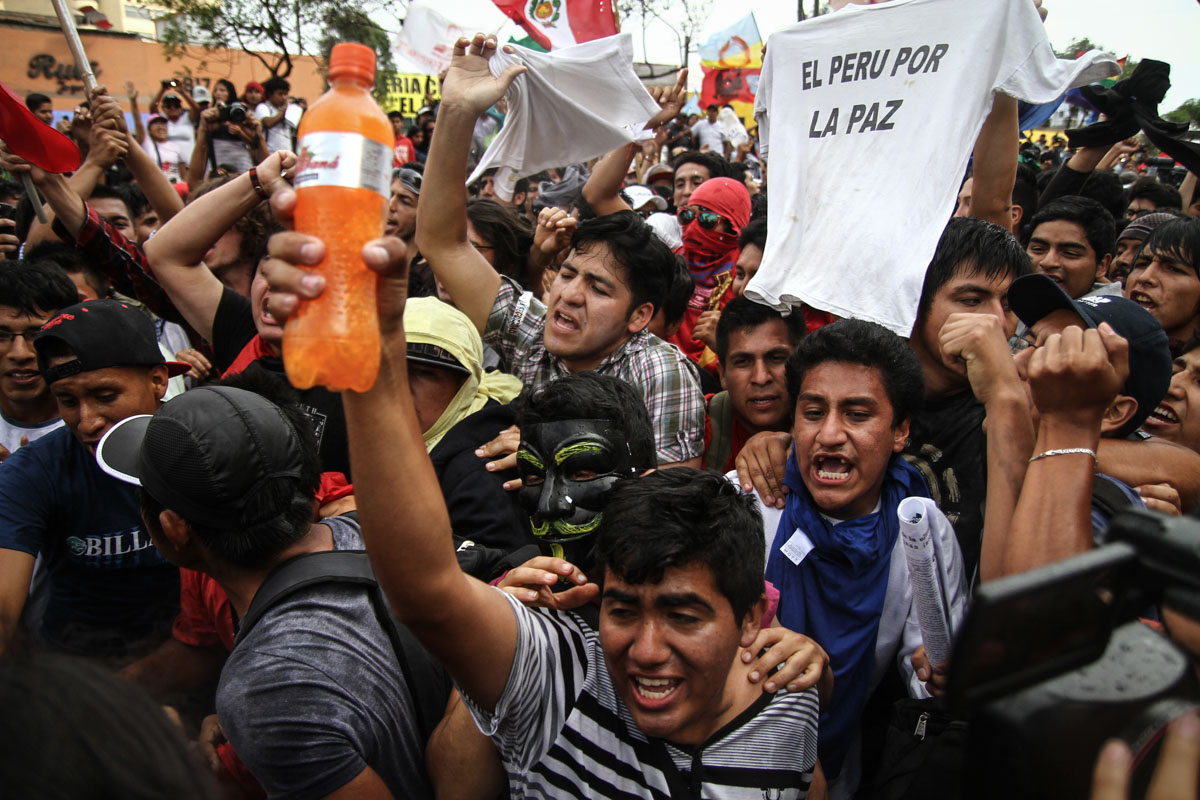
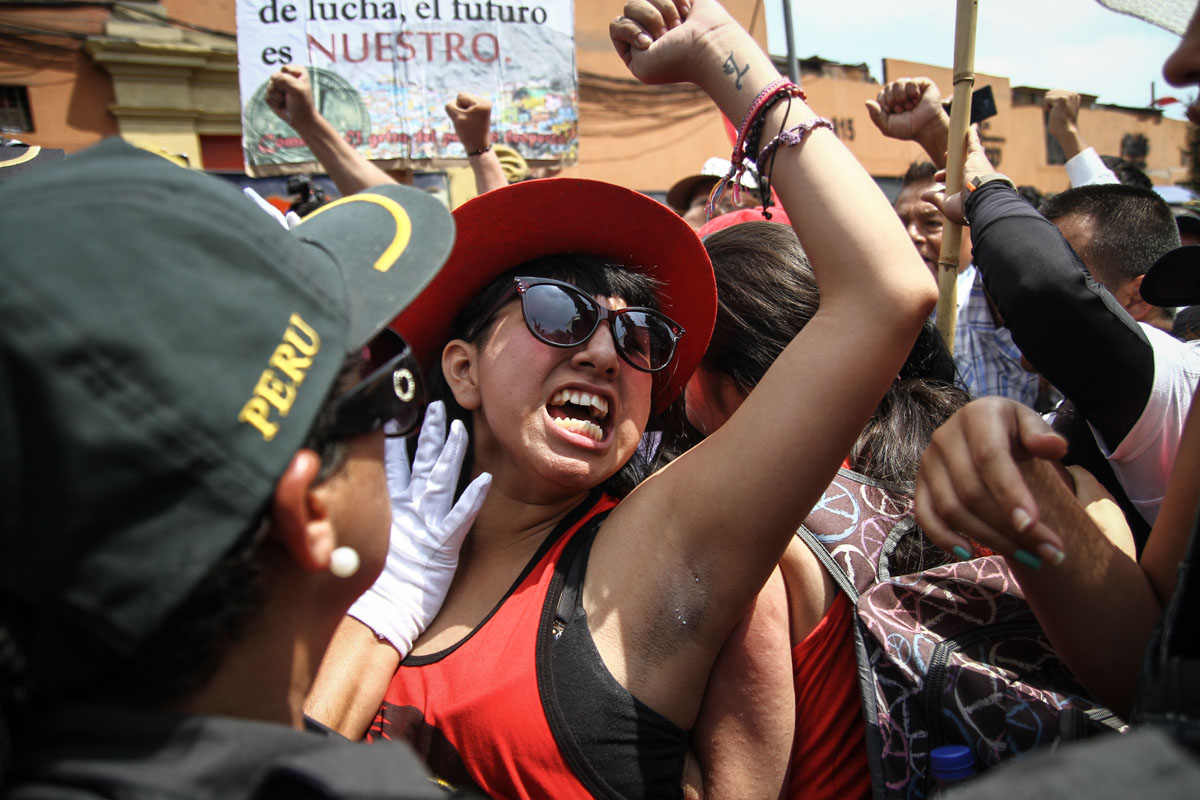
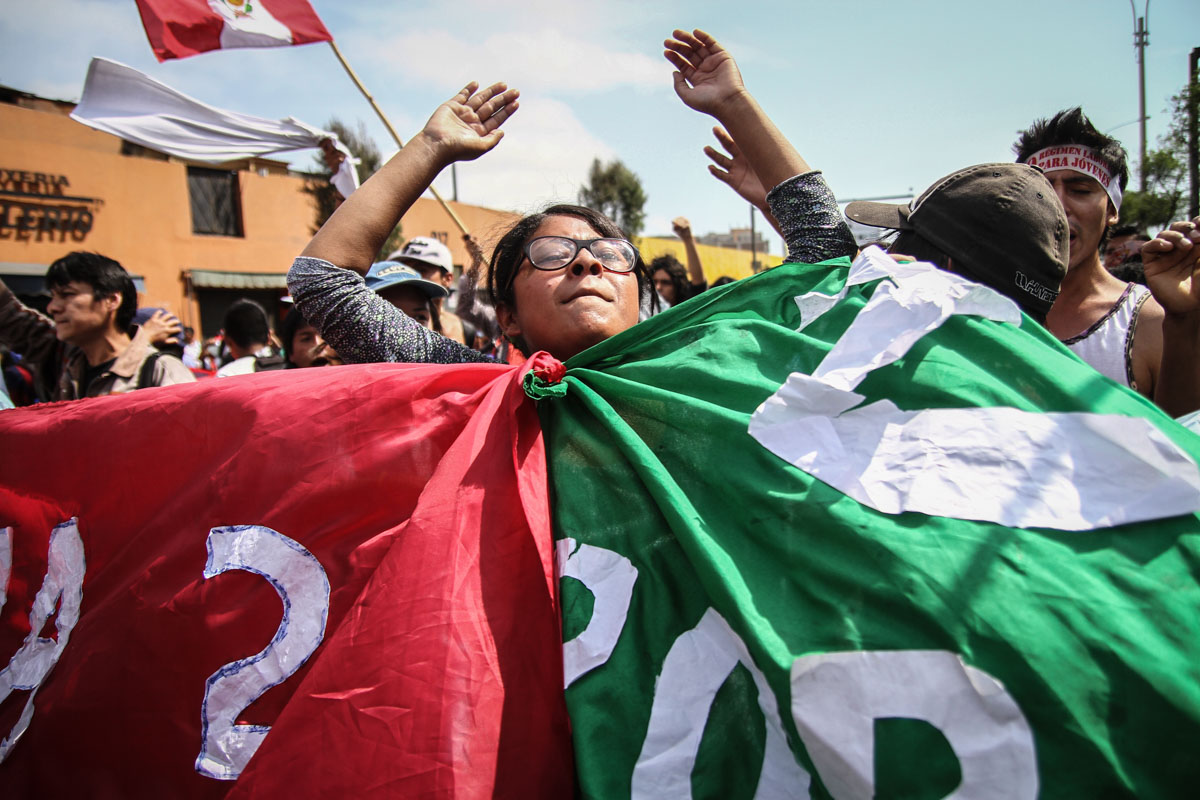
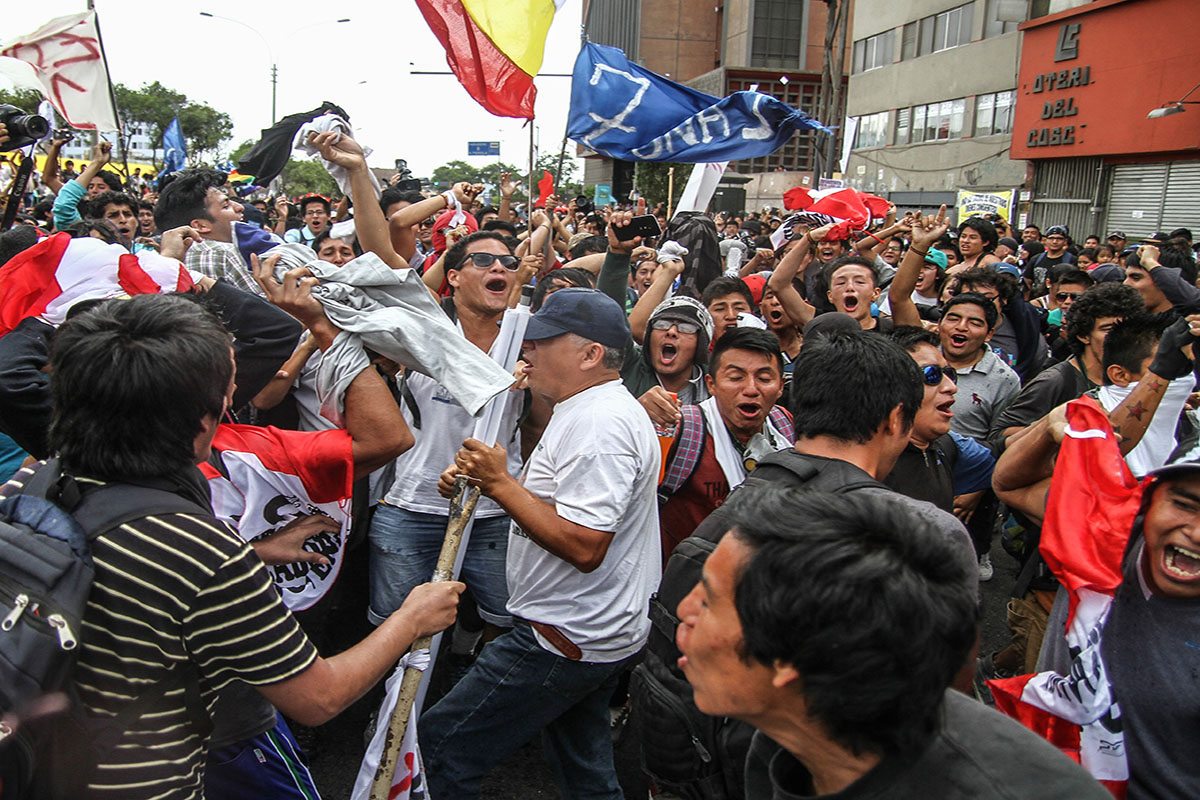
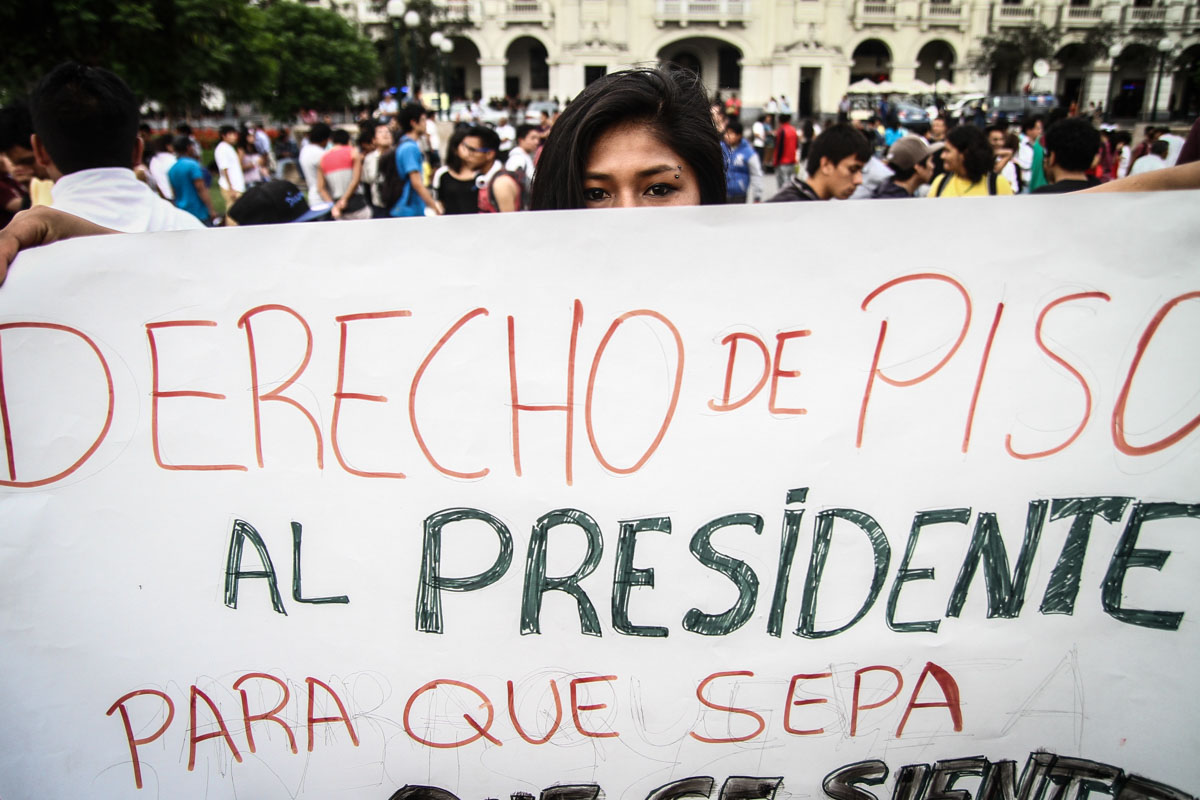
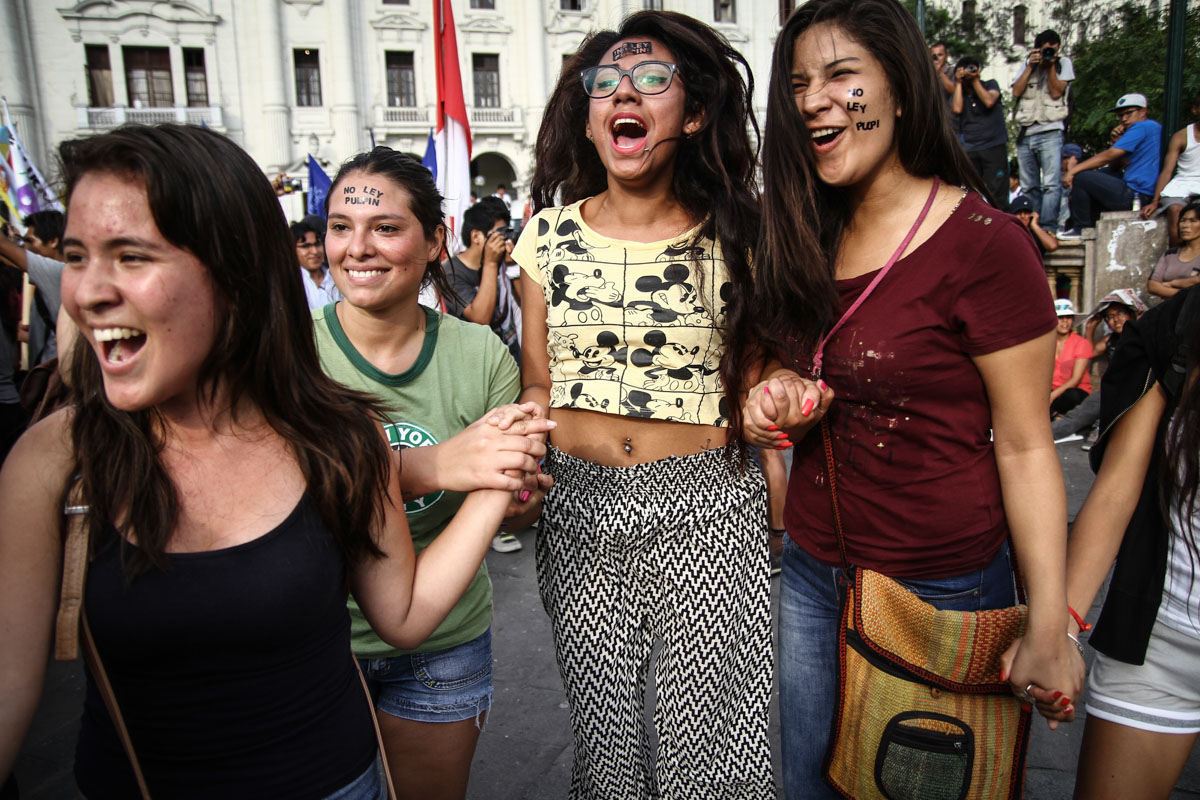
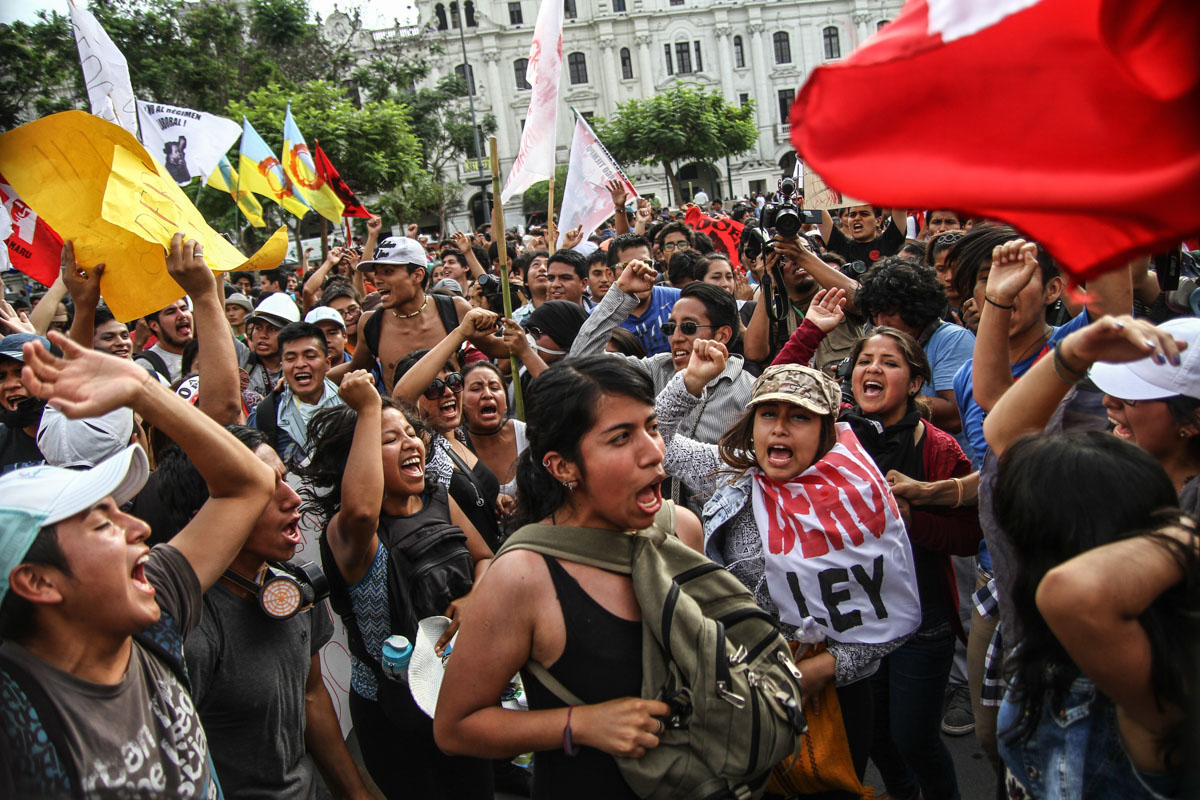
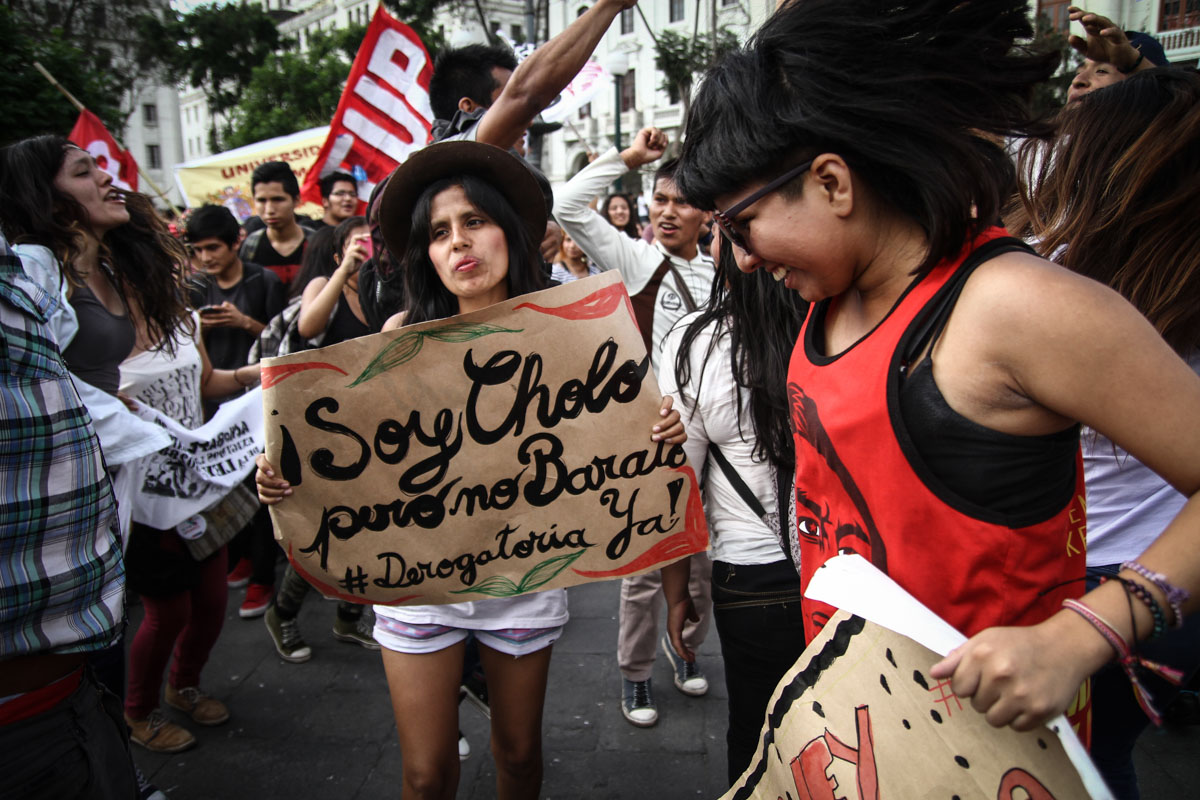
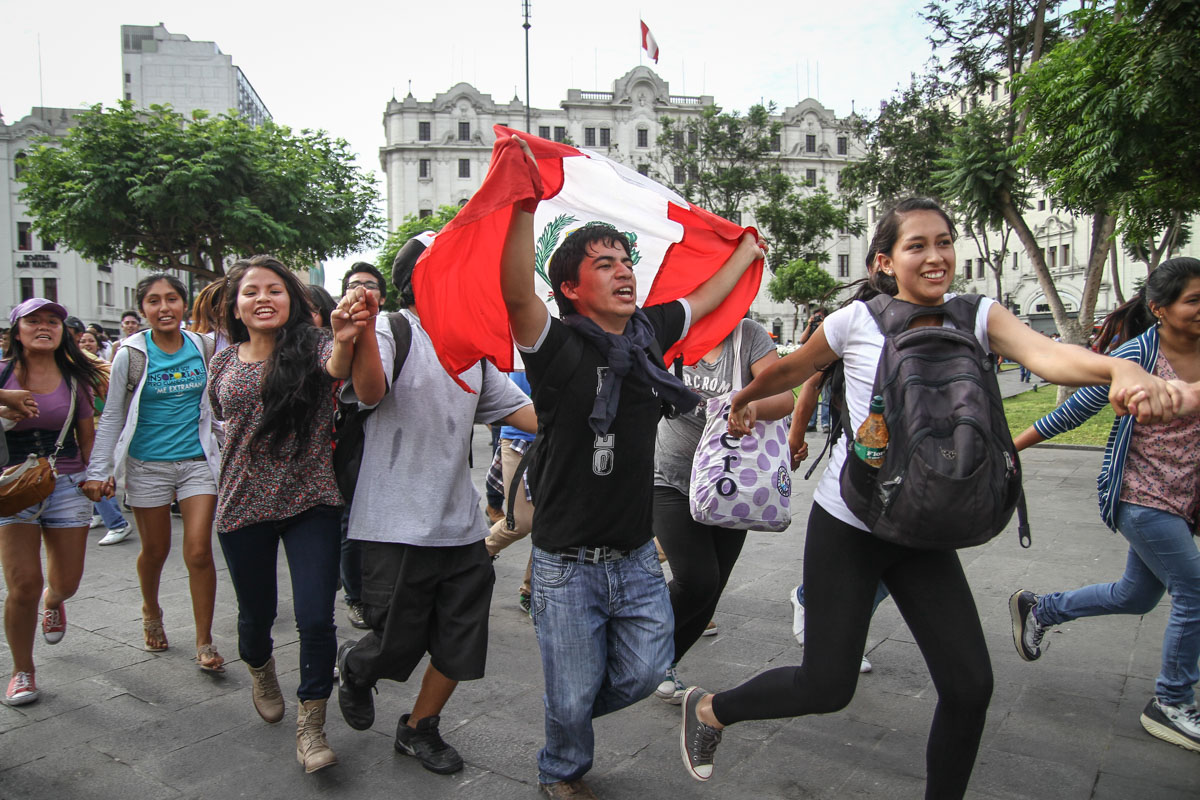
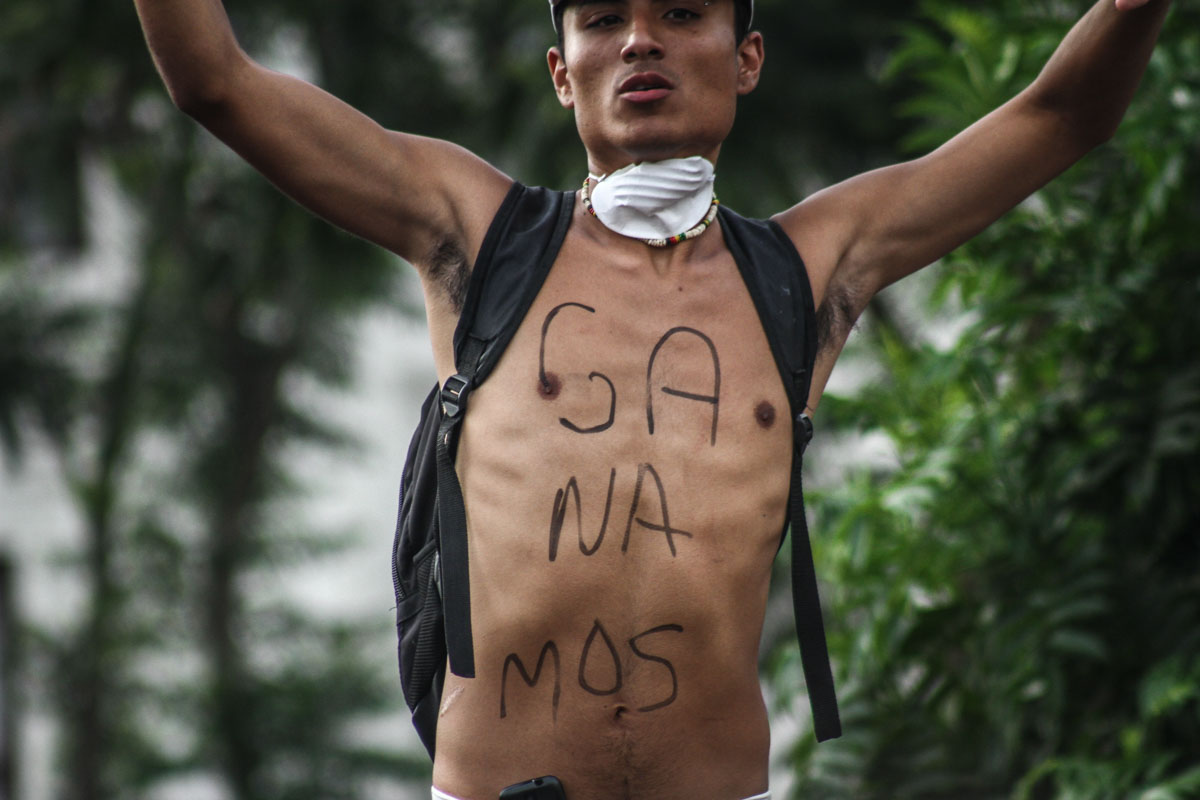
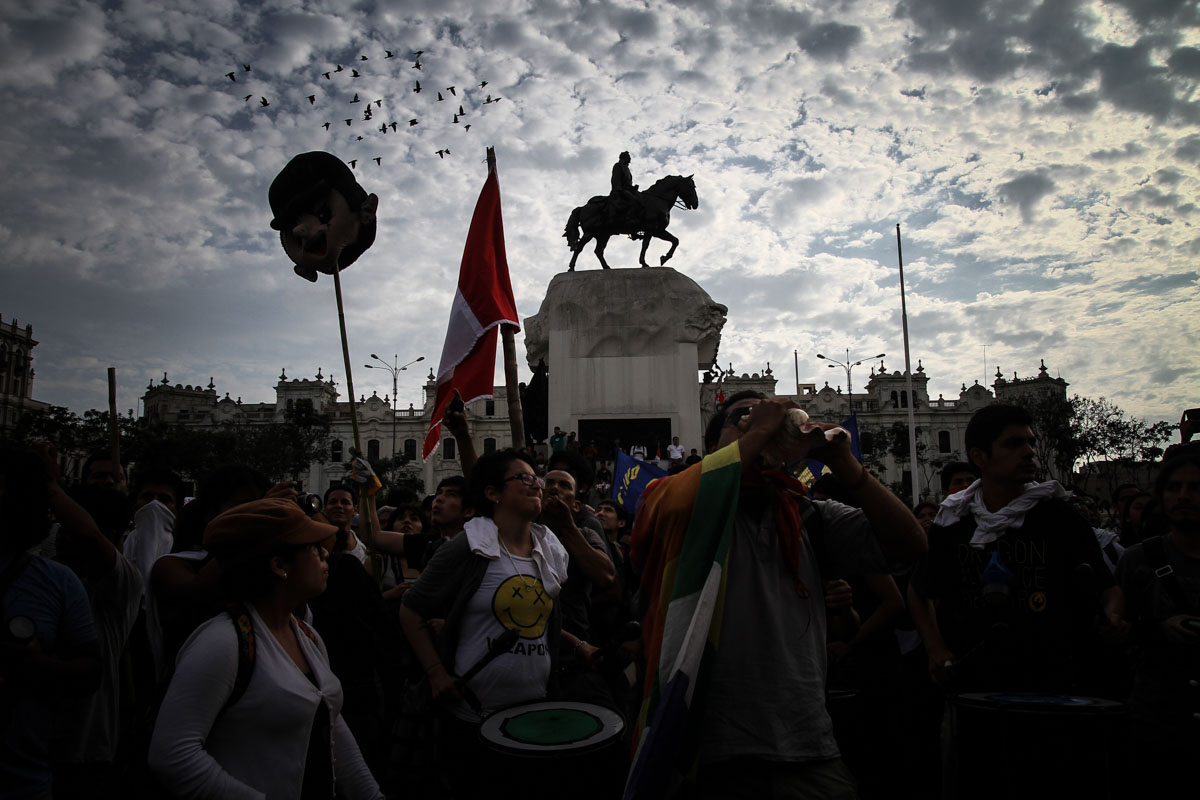
Everyone took to the streets. Law No. 30288, better known as the "Pulpín Law," established a limited labor regime for young workers aged 18 to 24. This generated widespread discontent, as it was considered unconstitutional because it proposed the elimination of bonuses and life insurance, and violated the labor rights of young people, among other things. Large marches were held in Lima and other cities throughout Peru, with the main objective of fighting for social justice and respect for labor and economic rights. The Pulpín Law was enacted by President Ollanta Humala on December 15, 2014, and published on December 16 in the official gazette, El Peruano. The marches were supported by various public figures, including members of Congress, journalists, and activists, as well as the General Confederation of Workers of Peru (CGTP). During the months of massive marches, there were several clashes with police officers. Arbitrary arrests and abuses of power were reported. Social pressure and the growing voice of youth marches led Congress to repeal the law on January 26, 2015, marking a victory for the citizens. The law's abolition was a resounding victory for the Peruvian youth movement, demonstrating the effectiveness of protest, social organization, and the jubilation of the citizens. Years later, in 2017, the debate resurfaced with the so-called "Pulpín Law 2.0," highlighting ongoing concerns about labor market deregulation and the rights of young people.